Photography Tutorial · 2021-08-29
Amazing Starscape Photography Appreciation and Critique! How to Avoid Homogenization in Starscape Photography?
Thomas Chu Photo
In today's photography tutorial, I'll critique some excellent starscape photography works from the #Star Cluster Project# and discuss some questions with everyone:
For example, how to remove color noise in high-ISO foregrounds?
How should the foreground and the starry sky interact?
How can starscape photos avoid homogenization?
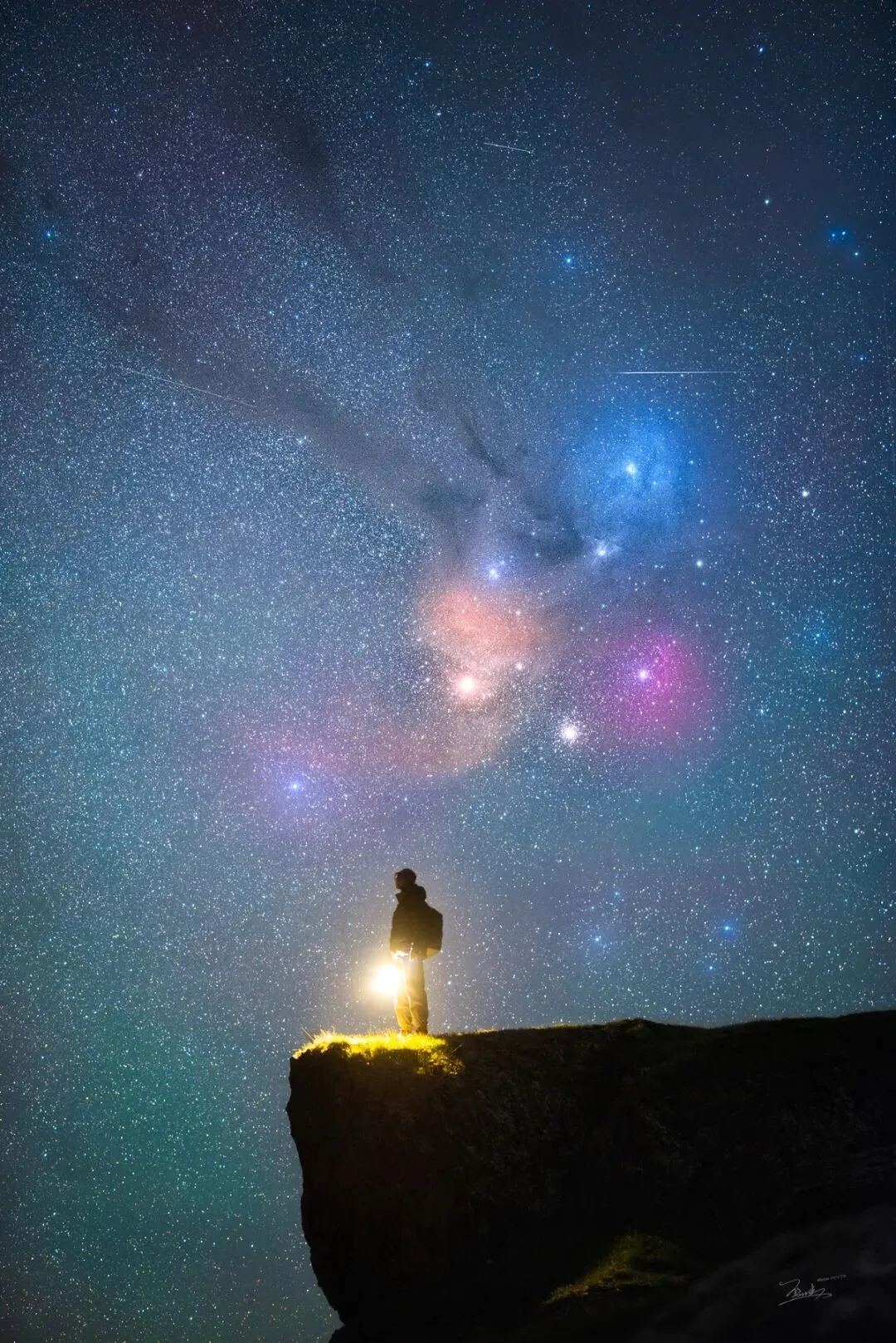
Photographer: Waijie (歪杰)
Video tutorial
▶ Watch the video tutorial on Bilibili
This is the fully illustrated companion to the video above: Thomas critiques a batch of starscape submissions from the Rising Star program — covering technical details like high-ISO color casts and the "sausage Milky Way", then moving to foreground storytelling, telephoto sky objects and series thinking as ways to escape homogenization. Every critique is laid out here with screenshots, a self-check list for nightscape shooters.

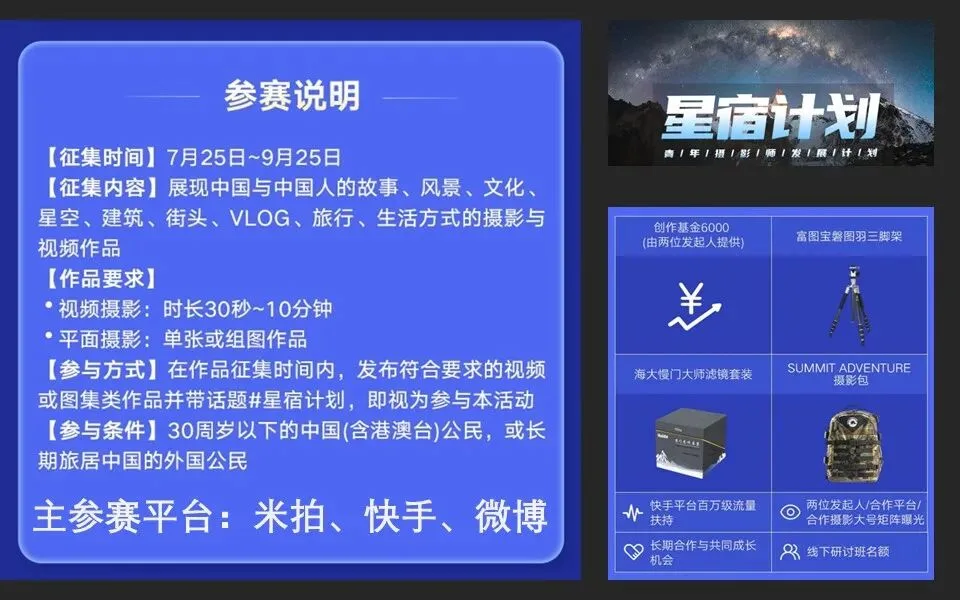
Start with the overview. The slide above, captured at 0:38 in the video, maps the common visual language of starscape photography — stars, the Milky Way and sky objects, the landscape-plus-sky combination, and the two routes of single images versus series. Every critique in this piece refers back to that map, which is also where the anti-homogenization ideas at the end come from.
01 High-ISO Color Casts and the "Sausage Milky Way"
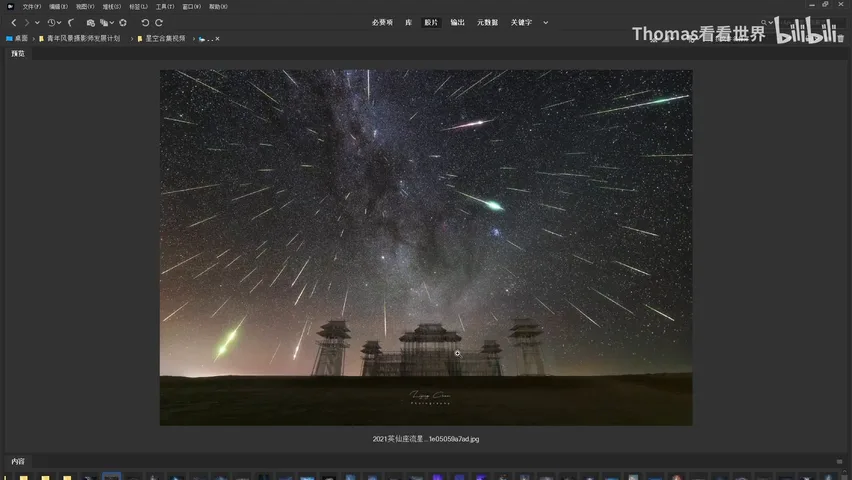
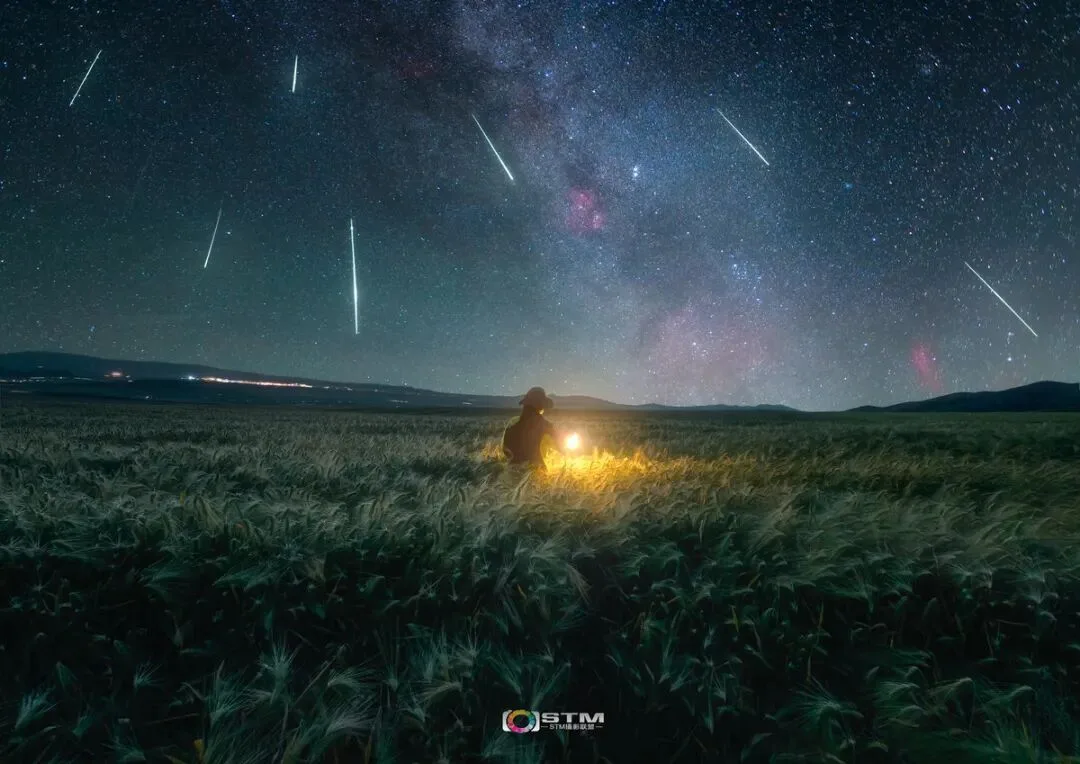
The first work pairs a sculpture with a meteor shower — beautiful, though pushing a little too hard (at 1:28 in the video). One technical flaw: patches of green across the ground, color casts from the high ISO. The fix is a color layer — sample the sand's hue directly and paint over every greenish, cyan area so the foreground reads clean (at 1:45 in the video).
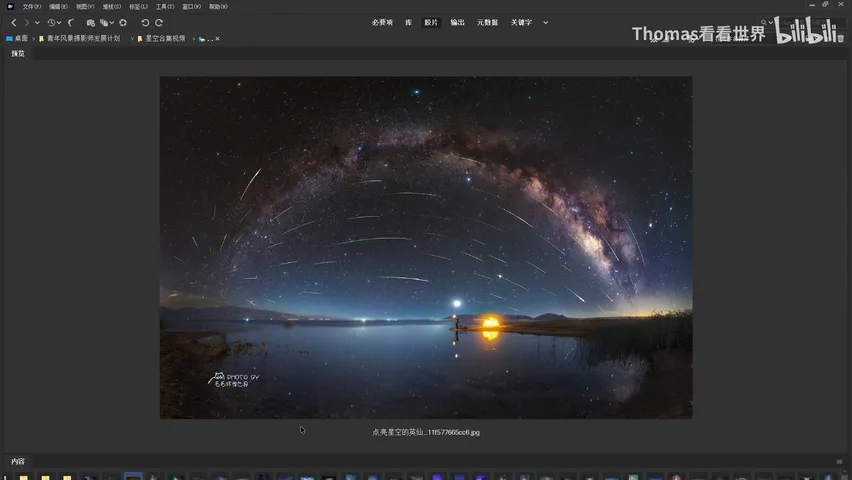
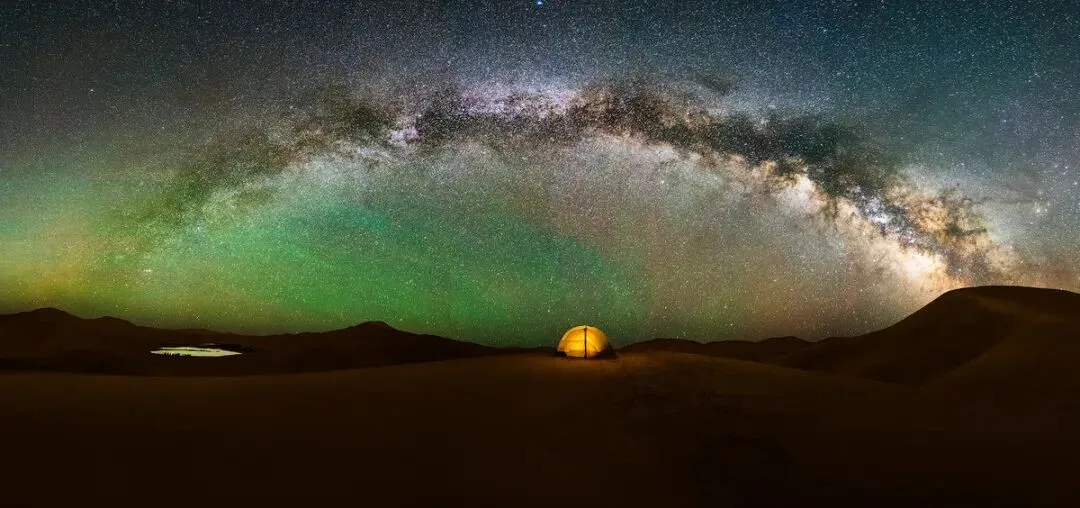
This panorama raises the most common Milky Way editing issue: the galaxy separating too much from the surrounding stars. Yes, the Milky Way needs deliberate enhancement — without it, it fuses into the star field; but push too far and you get the notorious "sausage Milky Way", a piece of roast sausage hanging in the sky (at 2:35 in the video). Calibrating that degree takes looking at lots of great work. A panorama with a reflection carries another trap: the foreground is shot separately, so the stacked meteor shower never shows in the water — confusing to viewers who don't know the technique (at 2:44 in the video).
02 Concept and Vantage: The Foreground Is the Soul
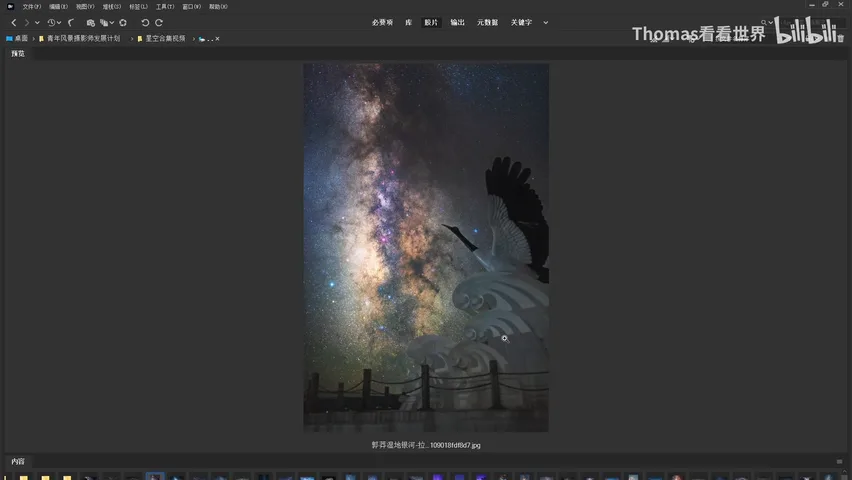
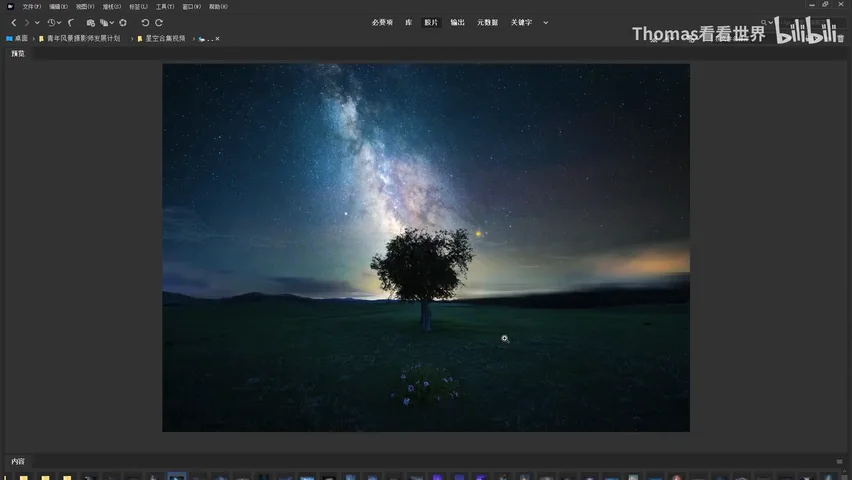
A bird spreading its wings toward the star river over a wetland instantly stands out for its concept — that feeling of freedom needs no explanation (at 3:17 in the video). A tree-and-galaxy work goes with a cyan-blue palette, a striking change from the usual black-blue skies; the grading deserves credit (at 3:34 in the video). But the camera could sit lower: the horizon currently cuts the tree at its "neck"; drop the vantage and the horizon falls with it, letting the tree's full silhouette carry the frame (at 3:43 in the video).
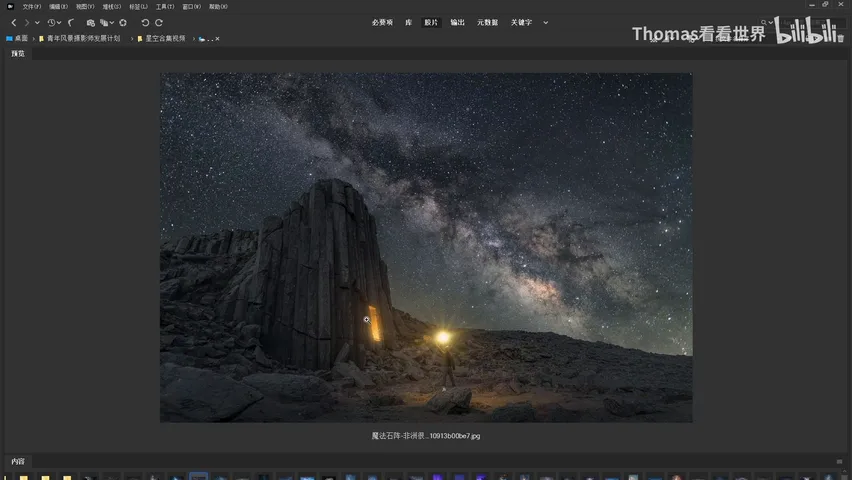
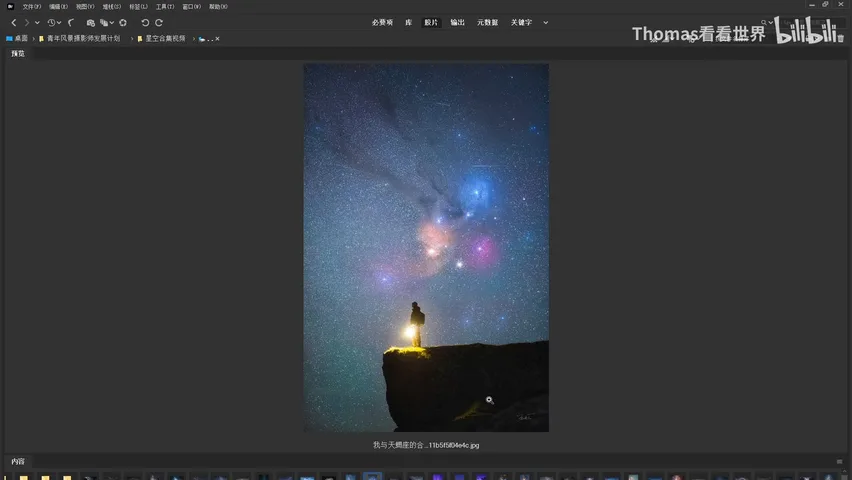
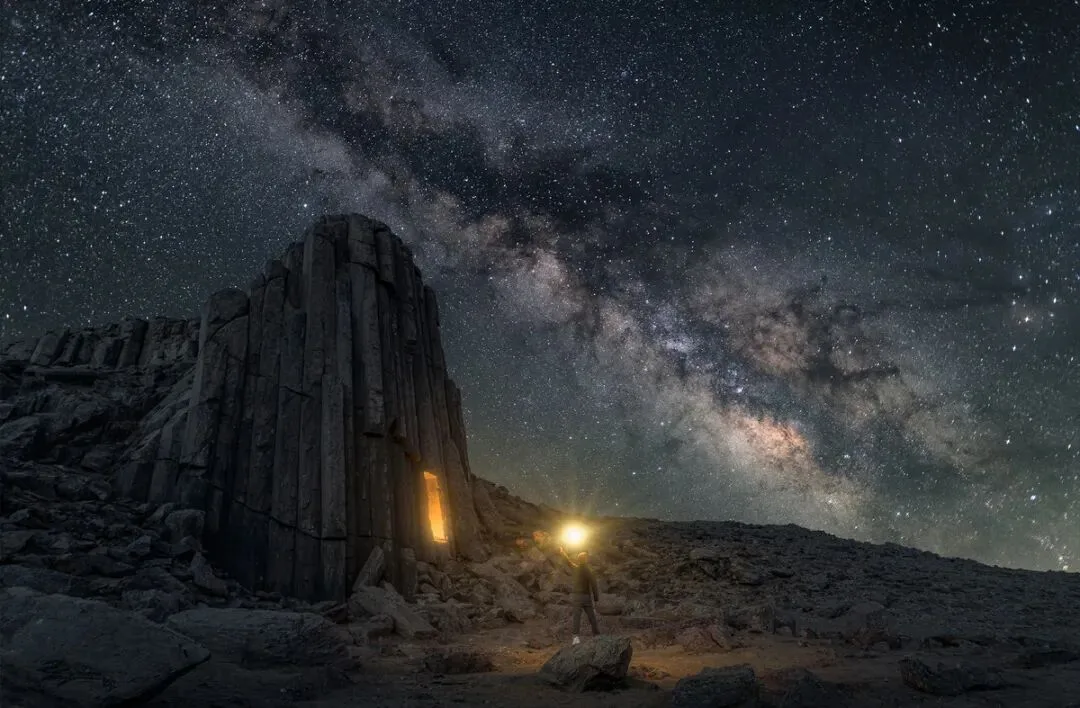
The next piece breaks the mental habit of always including the Milky Way: the photographer lit the rock wall with a lamp and stepped into the frame carrying another. When your foreground — human detail, interaction with the low vegetation — is that strong, the sky does not have to dominate; plain stars are perfectly fine (at 4:16 in the video). Imagine a galactic core here instead — it would fight the excellent foreground for attention. A tent-centered work lets the distant river shine, though the river could fade a little more; the tent and the galaxy behind it are the protagonists (at 5:02 in the video).
03 Light Painting and Telephoto Sky Objects: New Language
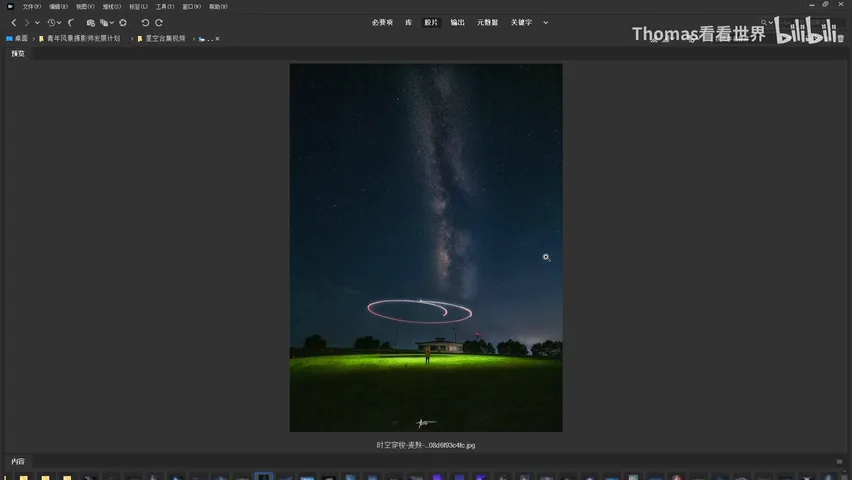
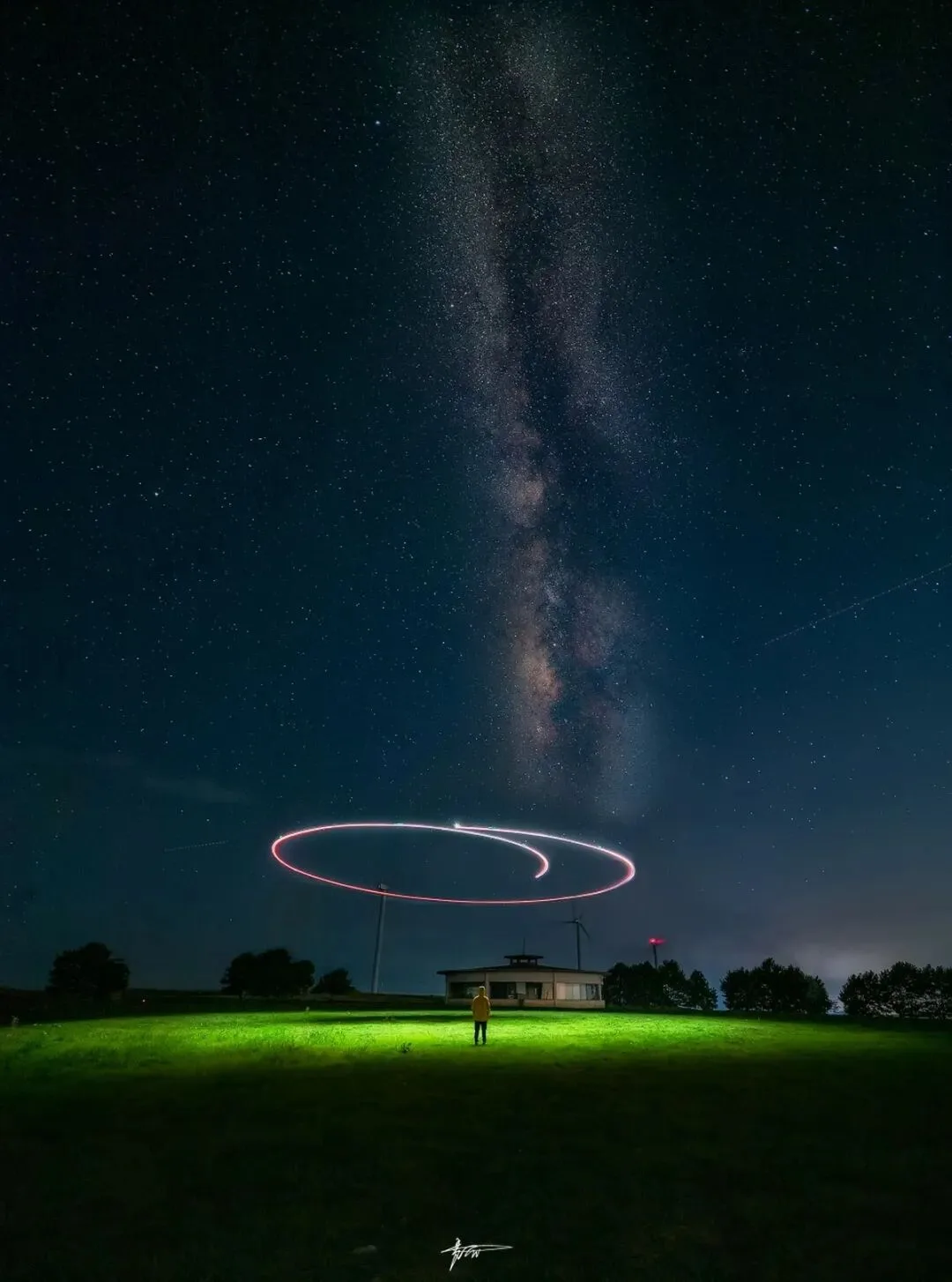
Drone light painting is hugely popular right now: the drone can draw patterns, and its downward light interacts with the landscape (at 5:17 in the video). This one's flaw is the old friend "sausage Milky Way" — the separation far too aggressive. Another work's idea of lighting the tree is excellent, but the tree is slightly blown; bracketed exposures would fix it, and the tree could separate a bit more from the meadow behind (at 5:40 in the video).
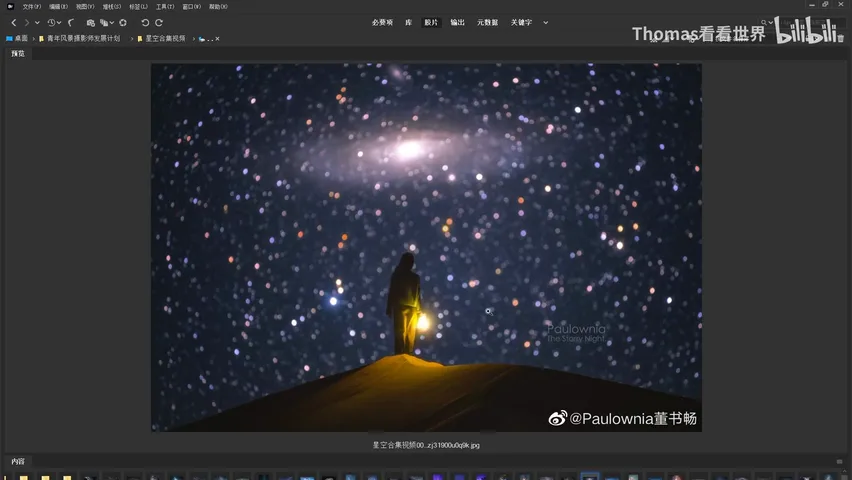
Pairing people with medium-telephoto sky objects works beautifully too: shot probably in blue hour or moonlight, the foreground detail is wonderfully rich, and a panorama gives it scale — distant nebula answering the person nearby, very striking (at 6:42 in the video). One suggestion: the figure need not be lit; a silhouette against the stars might carry even more mood (at 6:53 in the video). Foreign photographers often combine telephoto sky objects with people in total-eclipse work — be bolder with poses: a cyclist, the famous gag of "hoisting" the moon on a rod — more imaginative than standing there with a lamp (at 9:18 in the video).
04 A Menu of Subjects: From Tulou to Hazy Skies
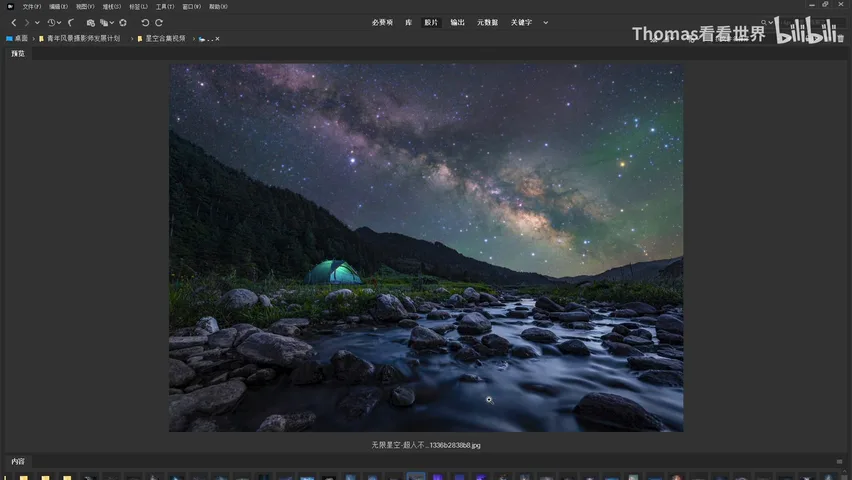
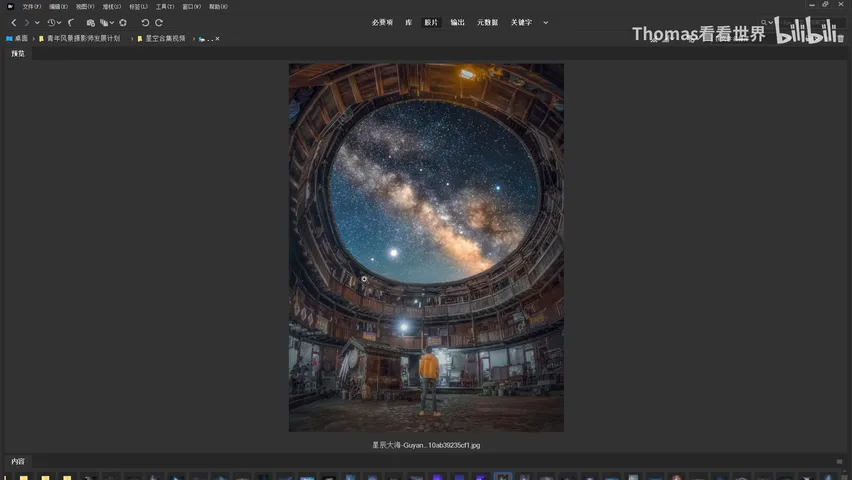
Whole categories remain unexplored. Fujian's tulou earth buildings under the stars make a striking combination (at 8:03 in the video) — starscape photography is not confined to wilderness: a train's light trails, factories, even urban light pollution can all spark chemistry with the night sky. A stream-side shot with flowing water carries real expedition character; just pull the grass saturation down a touch — along with its brightness — so the eye lands on the tent in the middle first (at 7:30 in the video).
The galaxy's color need not follow the usual black or cyan-blue either: one yellow-red Milky Way set against a green meadow forms a striking complementary pairing, fresh and easy on the eye (at 10:47 in the video). When the figure is lit, let the light interact with the scene — far better than standing still (at 11:14 in the video). The most pleasant surprise was the hazy-sky galaxy: the stars hardly sharp, yet wrapped in mist. After too many razor-sharp Milky Ways, one foggy frame feels wonderful (at 11:38 in the video). Milky Ways with clouds, in smog, under light pollution — all worth trying; the galaxy does not have to be crisp (at 12:01 in the video).
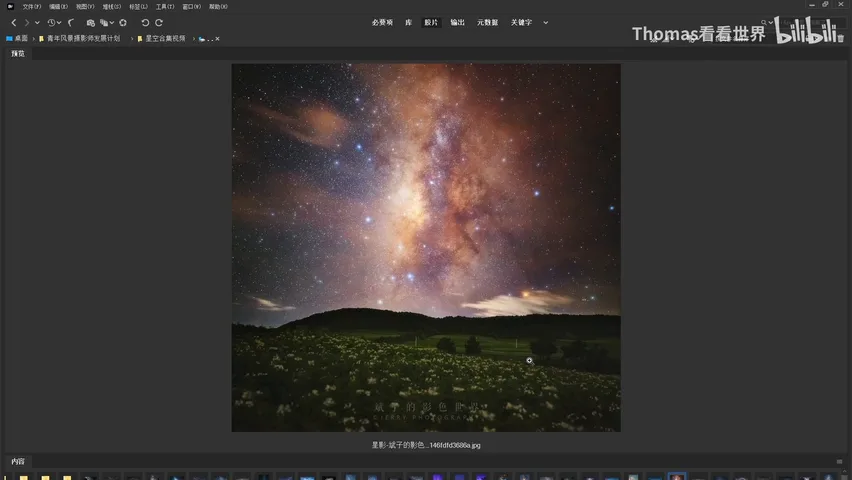
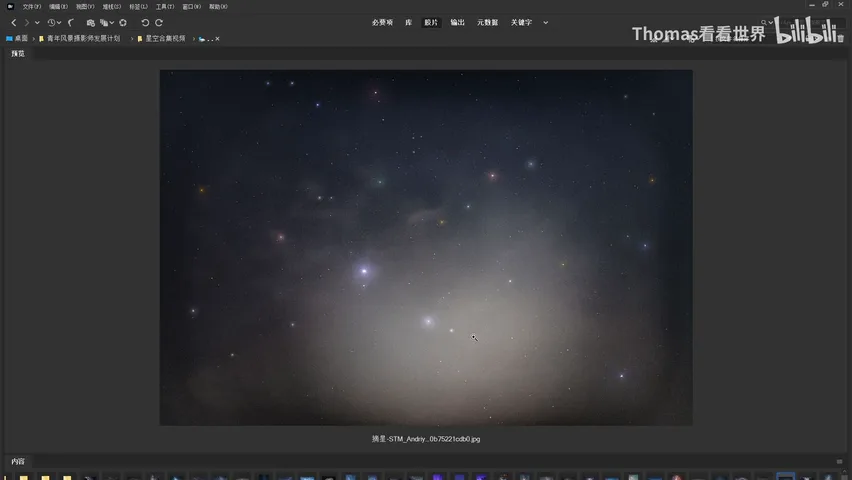
05 Summary: Directions Out of Homogenization
Looking across the submissions, the foregrounds are already varied and rich — yet homogenization persists: always that tree, always a lone figure, often holding a lamp (at 13:00 in the video). Push the foreground further: give it a meaning, like the sense of flying toward the sky; shoot scenes of human activity — tulou, even industrial settings are fair game (at 13:13 in the video). Vary the weather too, let the figure interact more with the stars, and bring in medium- and telephoto sky objects for a different flavor (at 13:44 in the video).
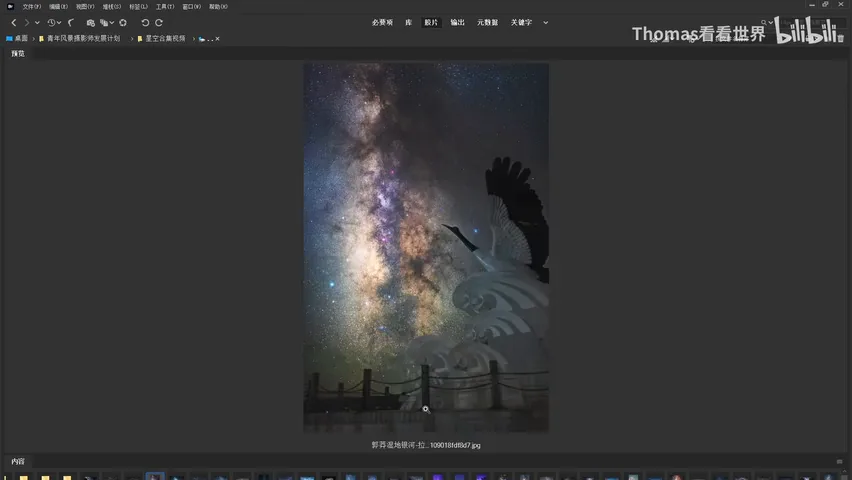
More importantly, move from single frames to series. The stars are close to eternal, measured in tens of thousands or hundreds of millions of years — so photograph things that carry the weight of ages: relics and architecture from the Tang, Song, Yuan, Ming and Qing dynasties set against the same sky, as if sleeping history, the ancients and all of us today were talking to the same stars (at 14:19 in the video). One frame may not stun, but a whole series does. Or shoot the same scene through different weather — overcast, moonlit, a crisp Milky Way, a meteor shower, tourists passing through — and the nine-grid layout becomes fascinating (at 14:53 in the video). There is so much left to try; if you have strong starscape work or stories of China's landscapes, submit to the Rising Star program on any platform (at 15:38 in the video).
1. Watch two technical points: cover high-ISO green casts with a color layer sampled from the scene, and enhance the Milky Way in moderation — never into a "sausage"; 2. The foreground is the soul of a starscape: concept, vantage and human interaction decide the work's height more than the sky — when the foreground is strong enough, skip the Milky Way entirely; 3. Refresh the language: drone light painting, telephoto sky objects, Milky Ways in fog, clouds or light pollution, human scenes like tulou and industry — none are worn out yet; 4. Move from frames to series — ancient relics in dialogue with the eternal sky, or one vantage through changing weather; a series carries far more power than any single image.
HD video:
https://www.bilibili.com/video/BV1Hf4y1N7zN/
Excellent Works Selection
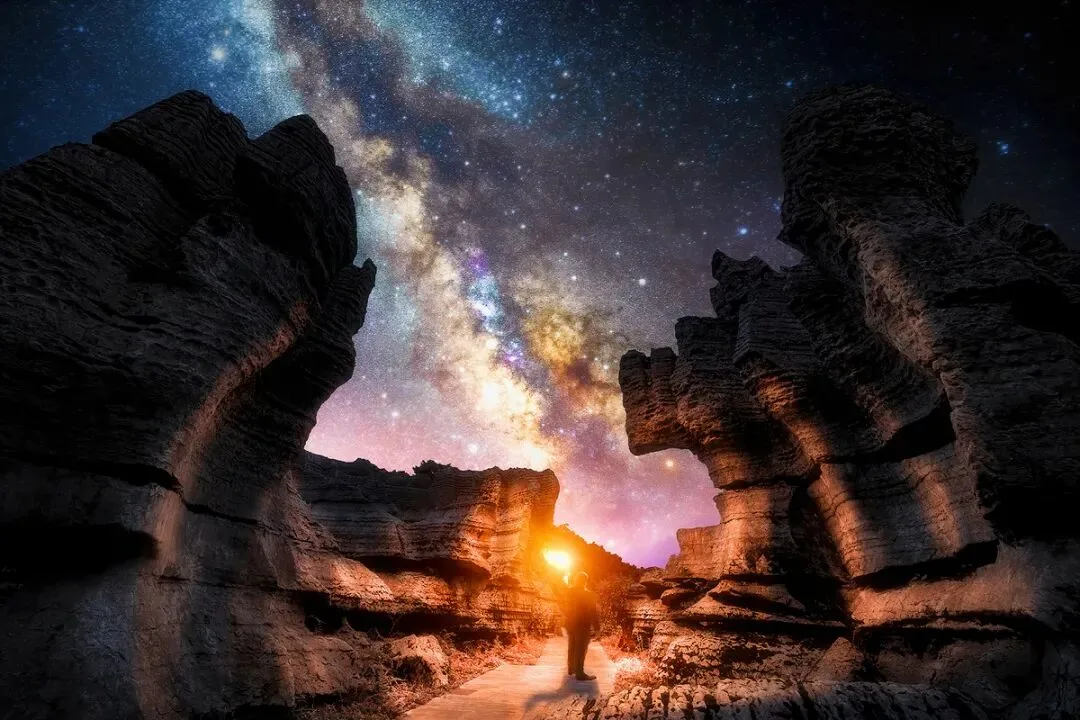
Sailor Zheng Zhihua (水手郑志华)
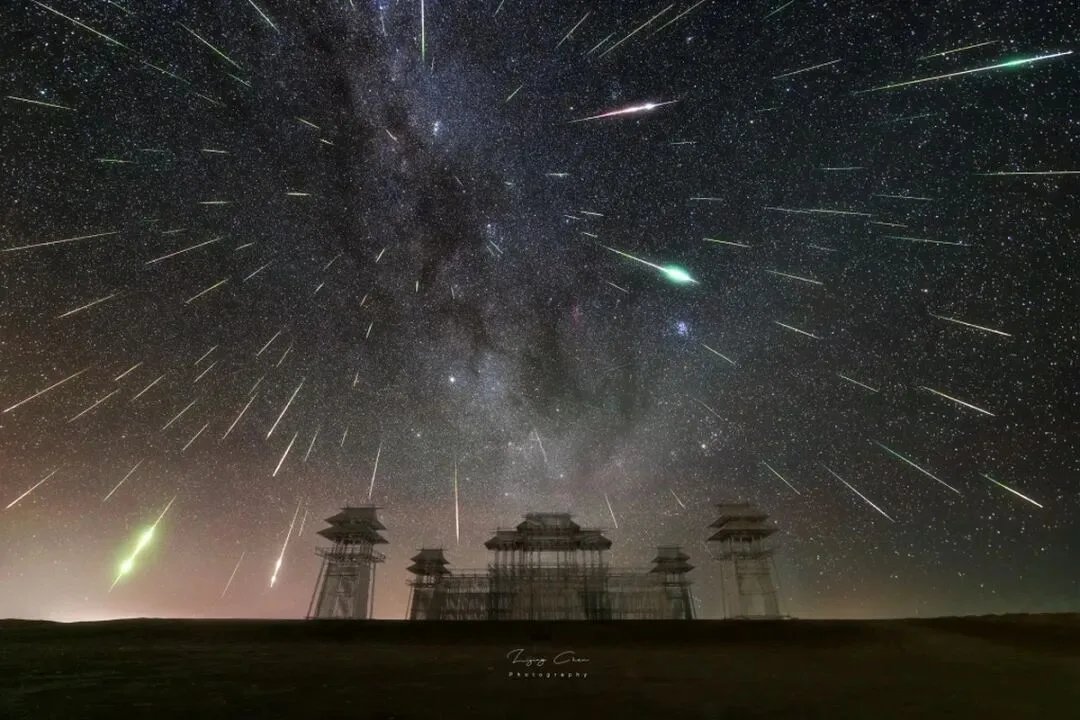
Cercis_Chen
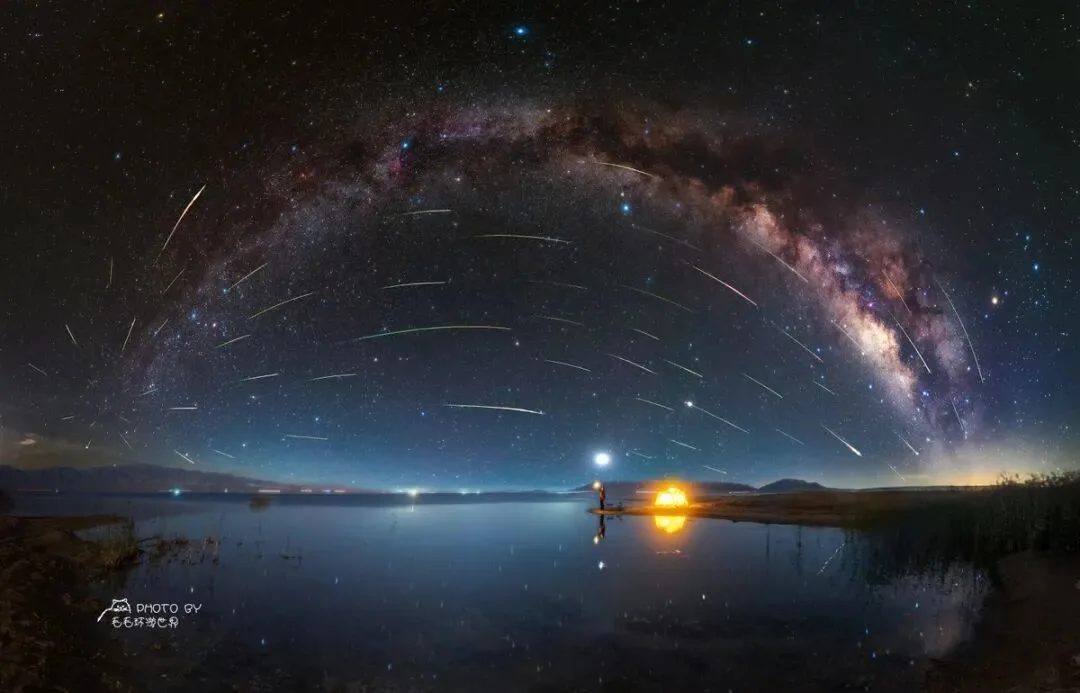
Maomao Around the World (毛毛环游世界)
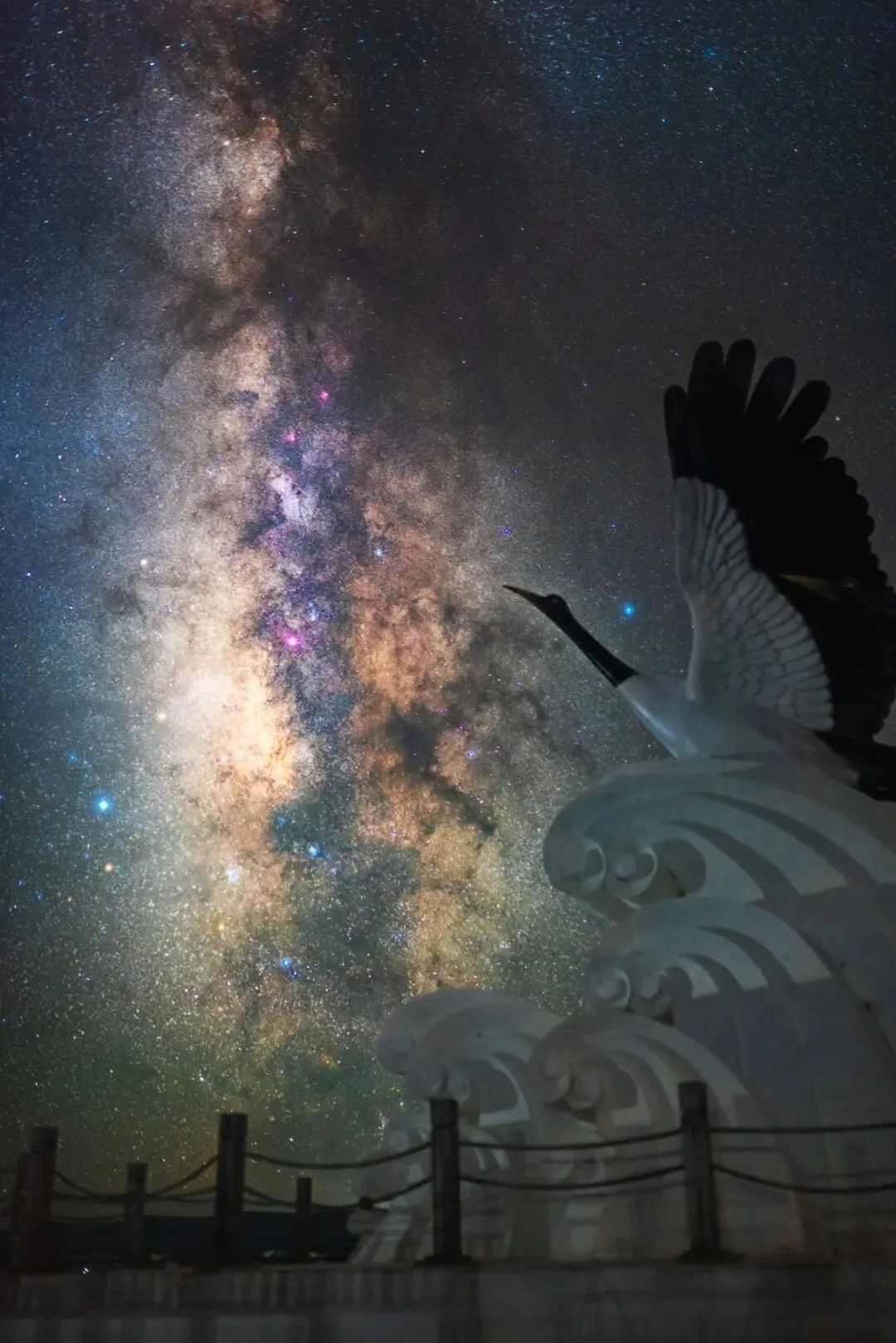
Lama Caidan (拉玛才旦)
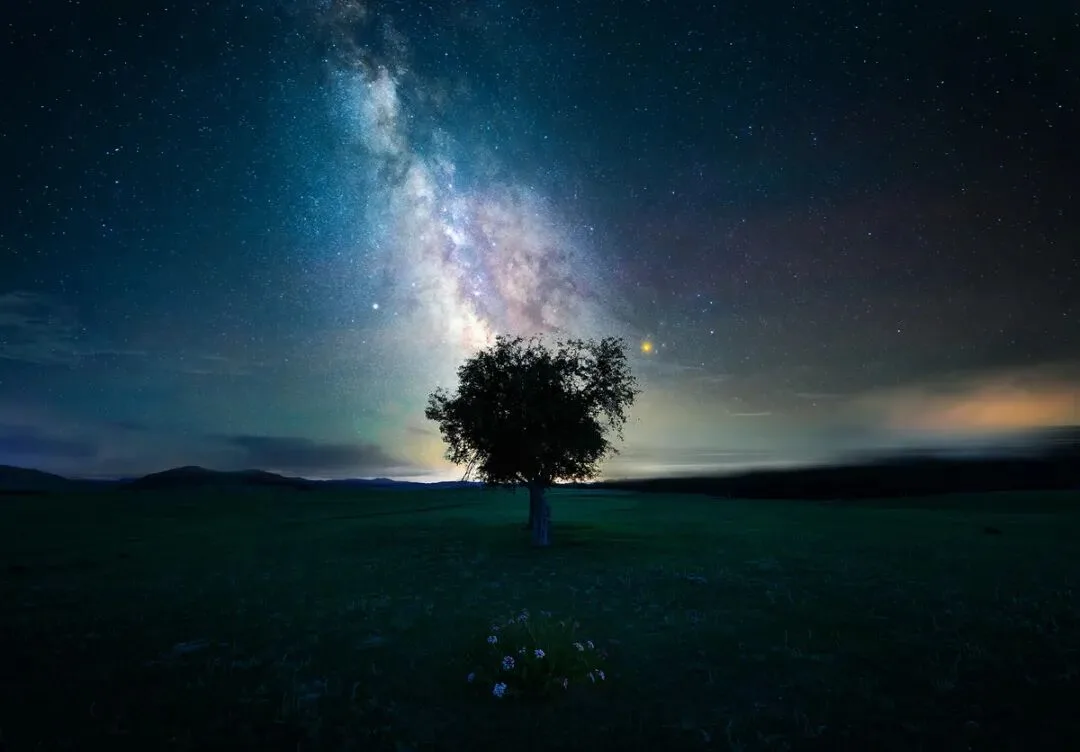
Lingdong Edy (凌冬Edy)
Africa Is Cold (非洲很冷)
STM_Liang Who Is Ignorant (STM_孤陋寡闻的亮)
Haolan (浩澜)
Maifu (麦麸)
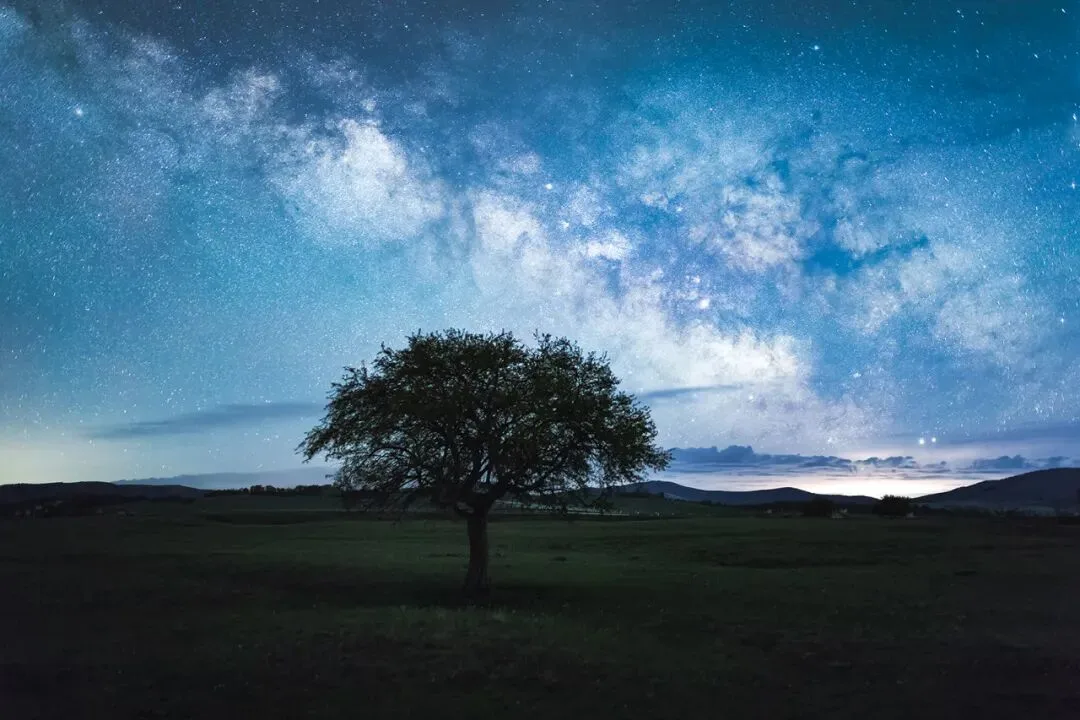
Apostle of April (四月使徒)
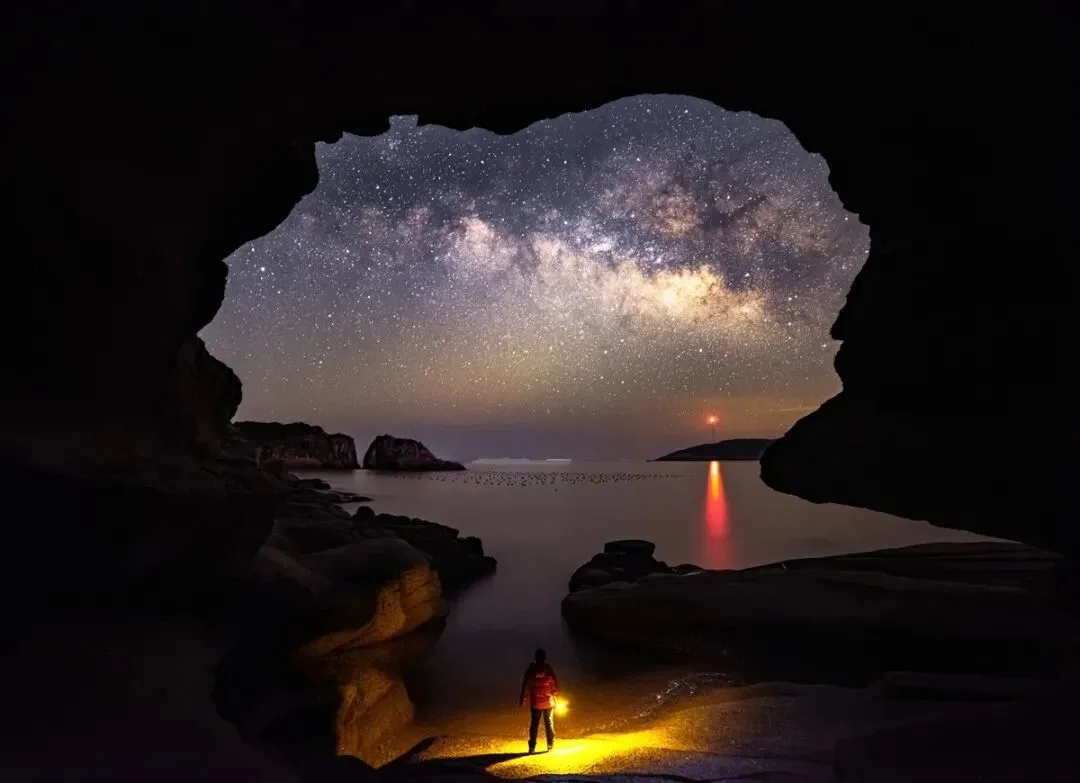
Mr Wei (Mr伟)
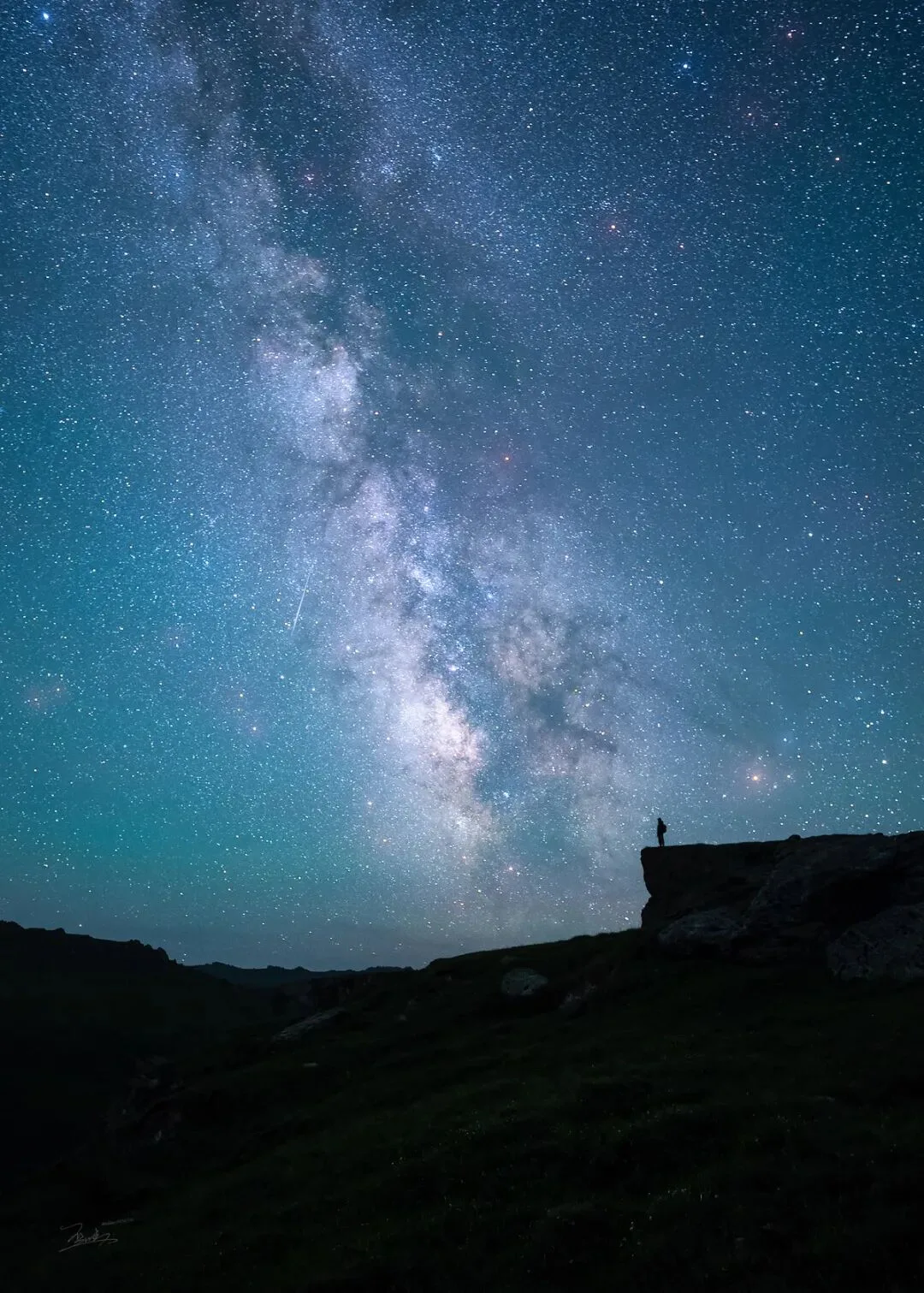
Waijie (歪杰)
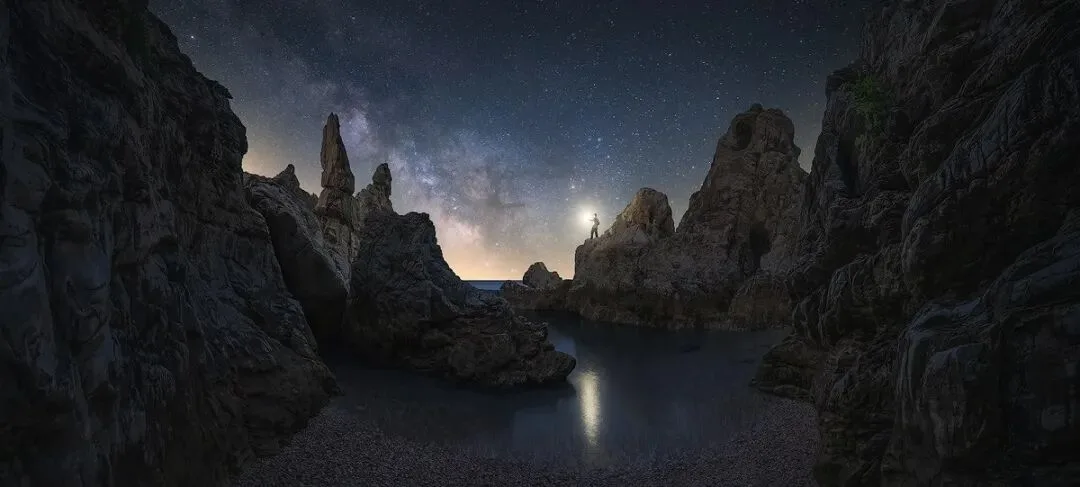
Eyes-Open Leo (睁眼Leo)
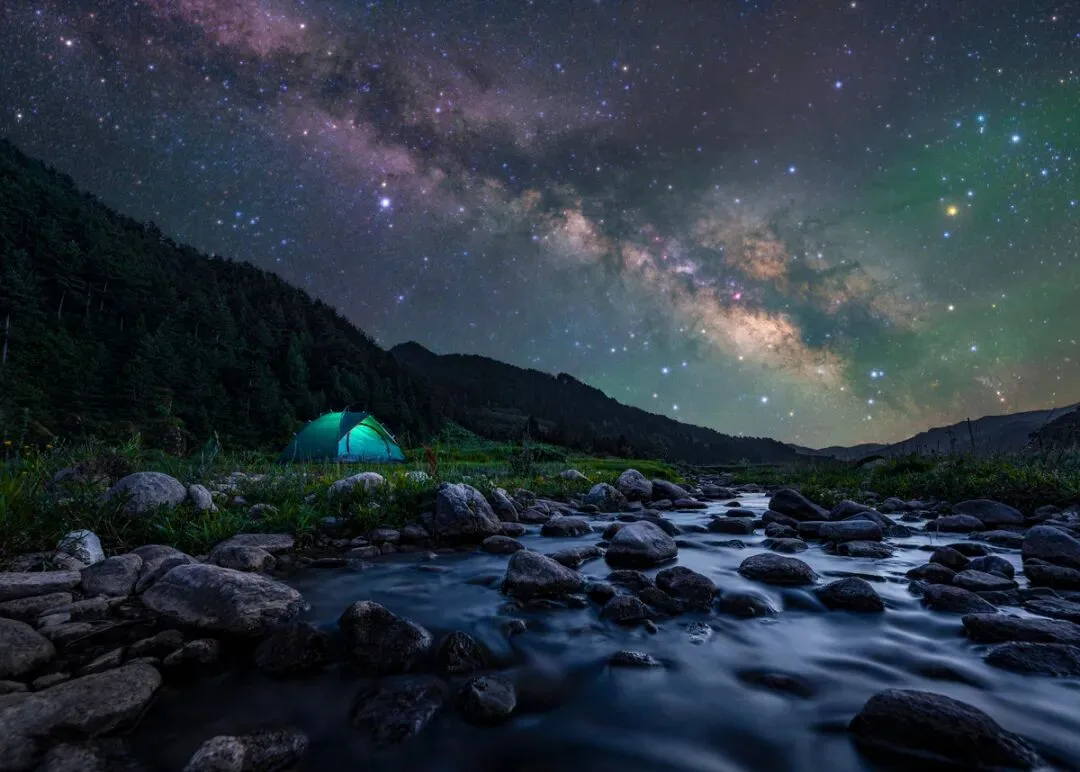
Superman Can't Fly Ah (超人不会飞咹)
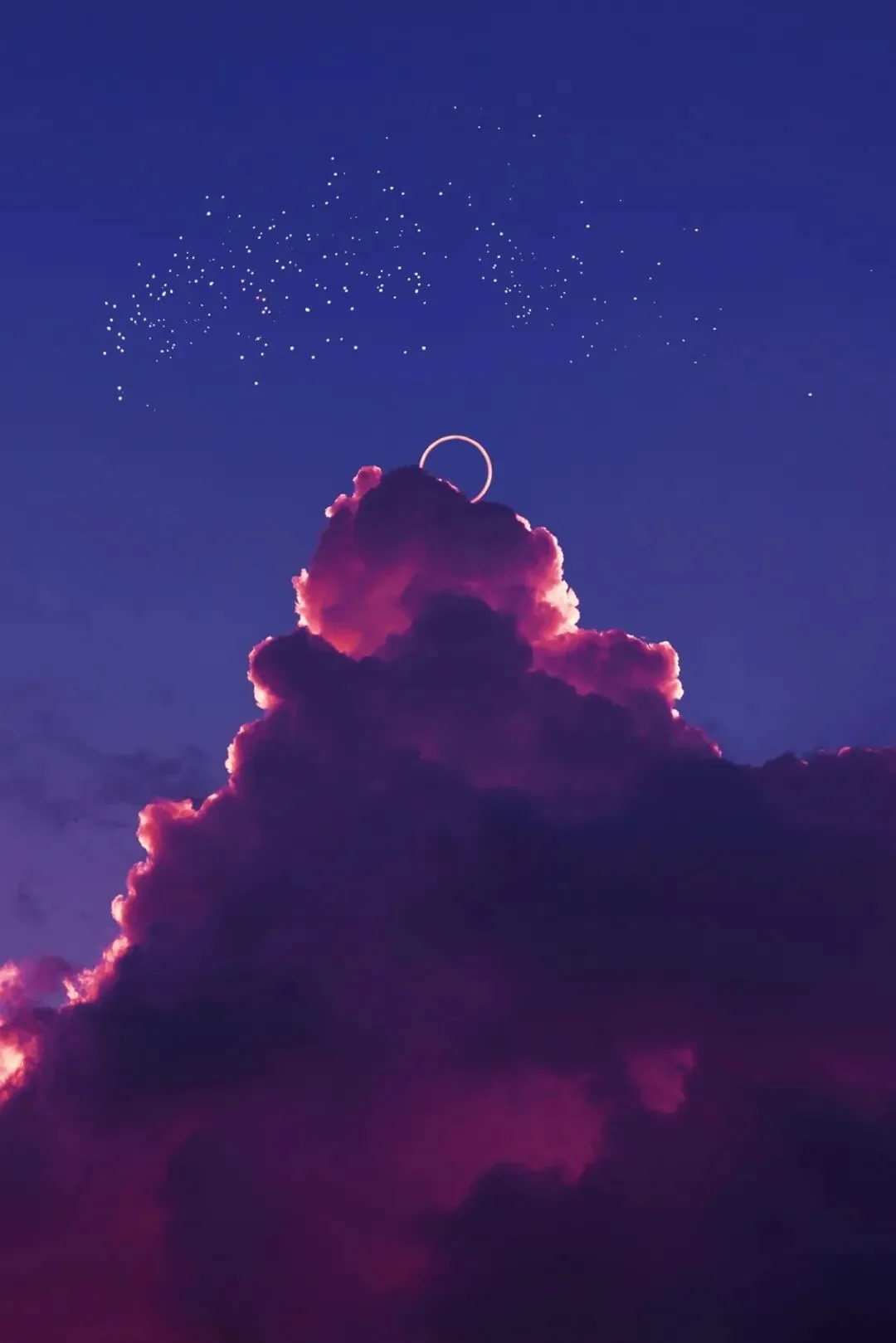
ClouinKim
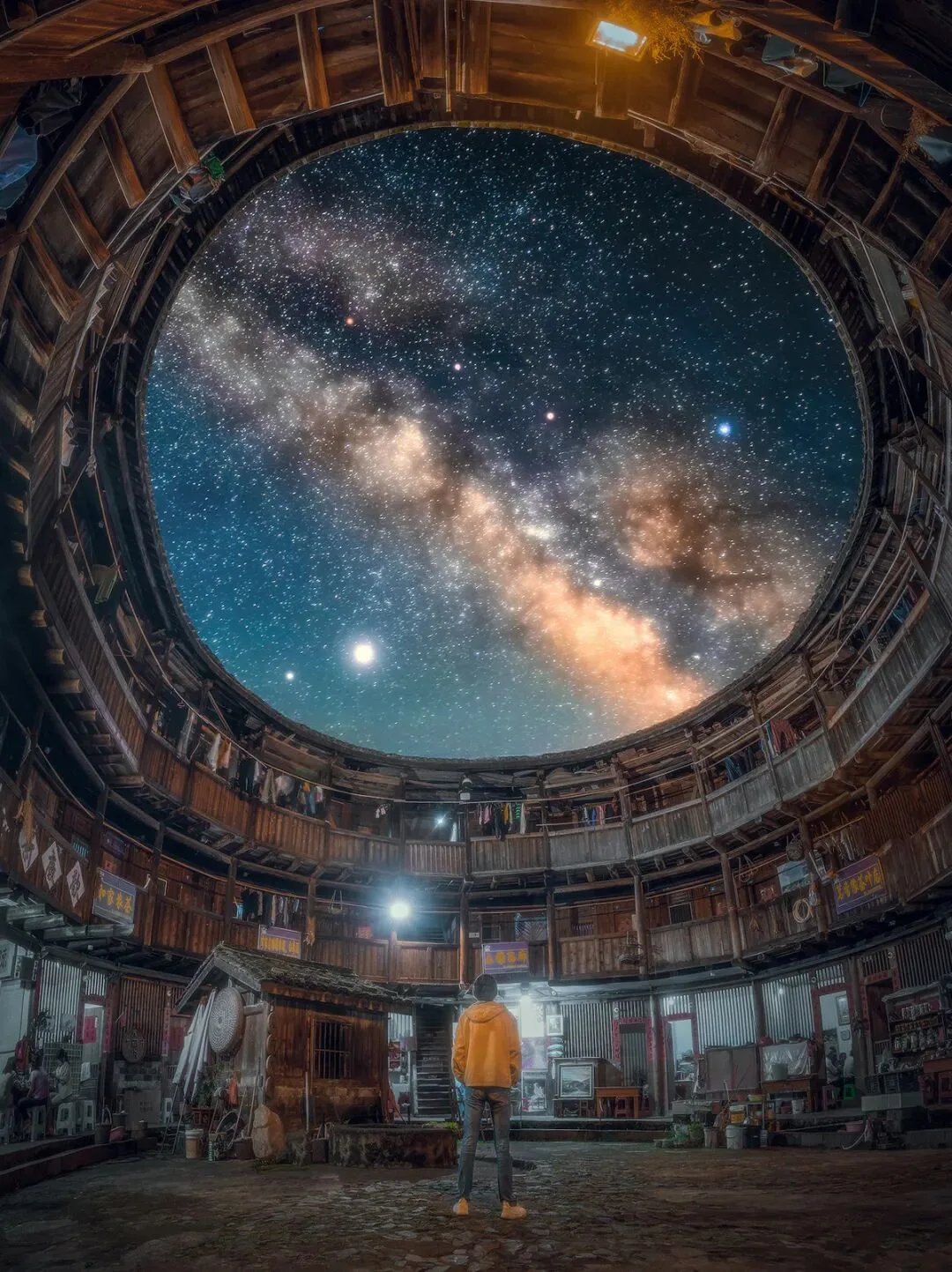
Guyan_Eric
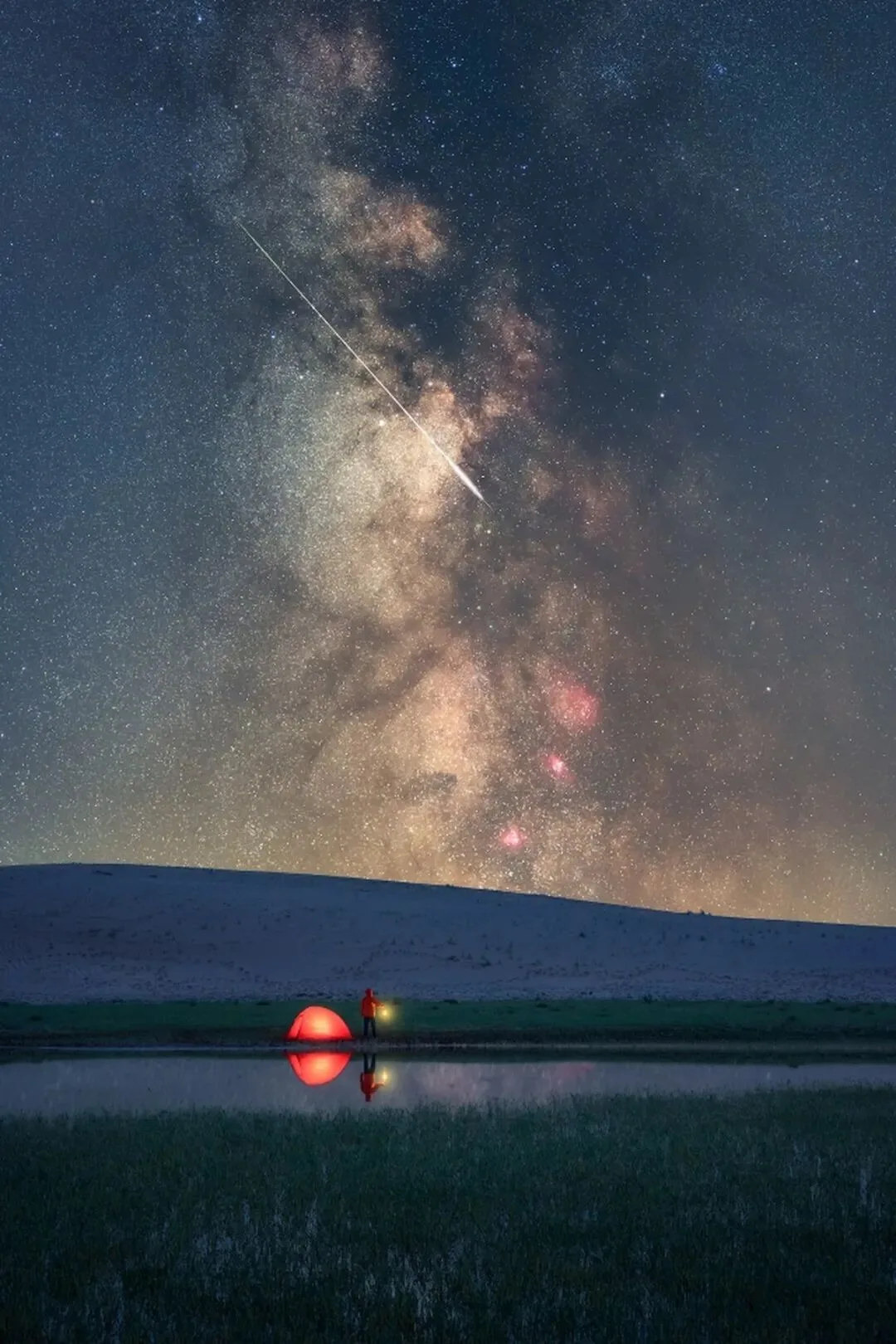
PeterLau
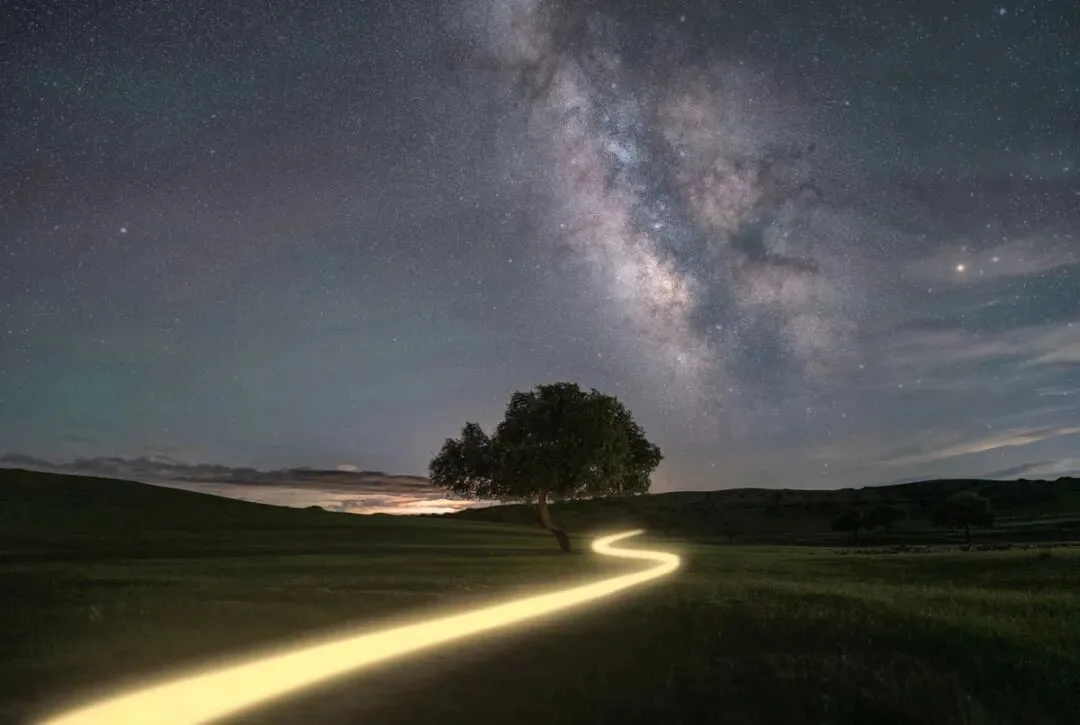
Africa Is Cold (非洲很冷)
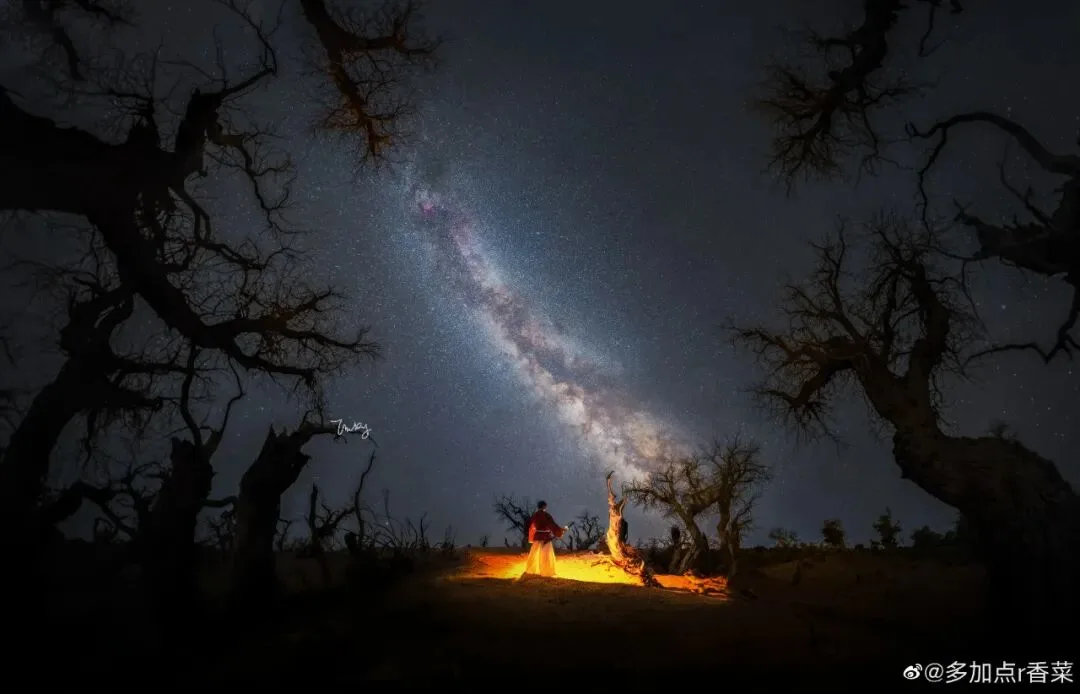
Add More Cilantro (多加点r香菜)
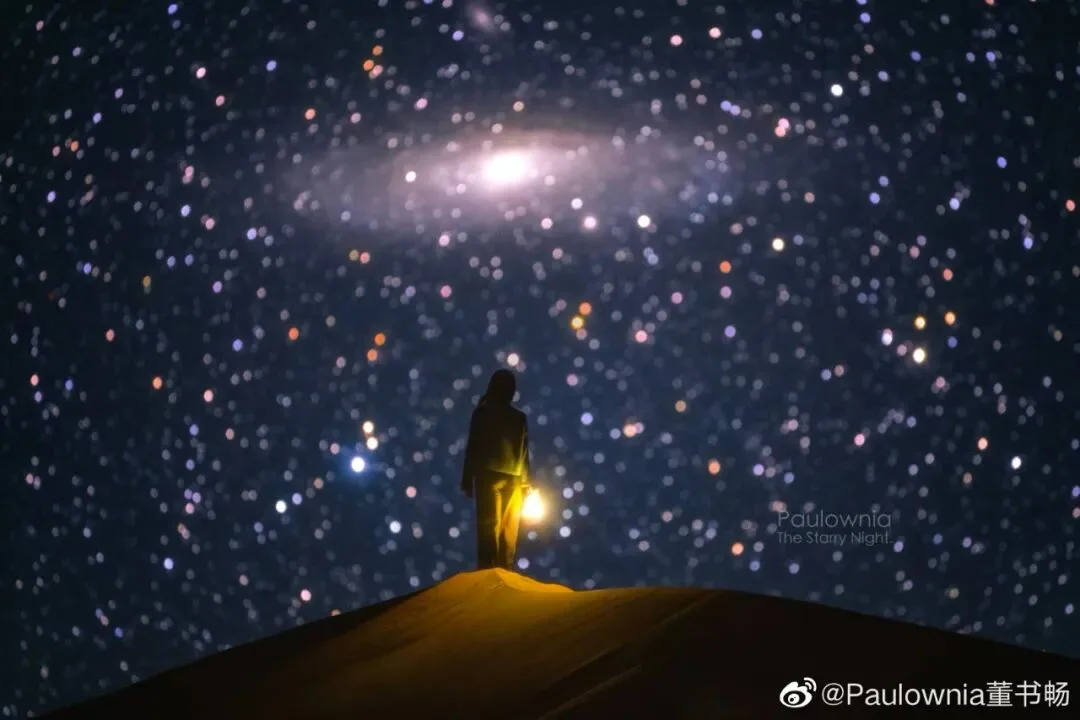
Paulownia Dong Shuchang (Paulownia董书畅)
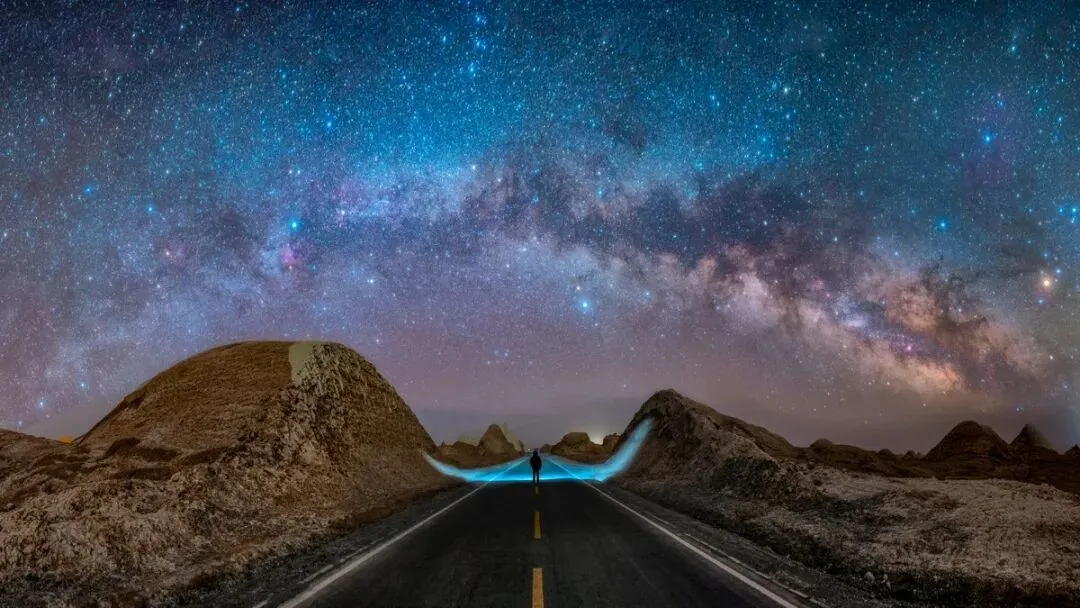
Vector Chemistry (矢量化学)
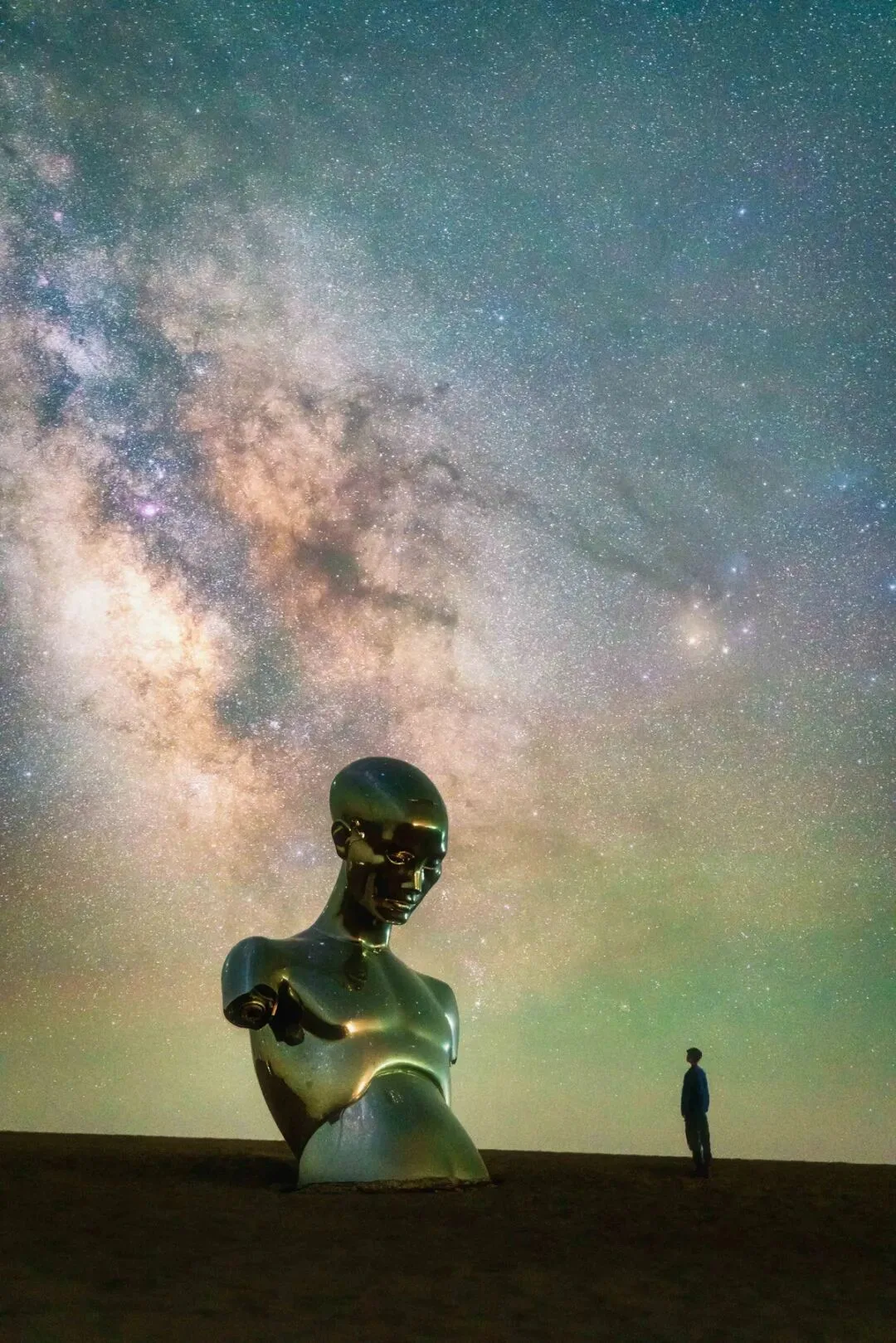
YaphetsYi Jing (YaphetsYi境)
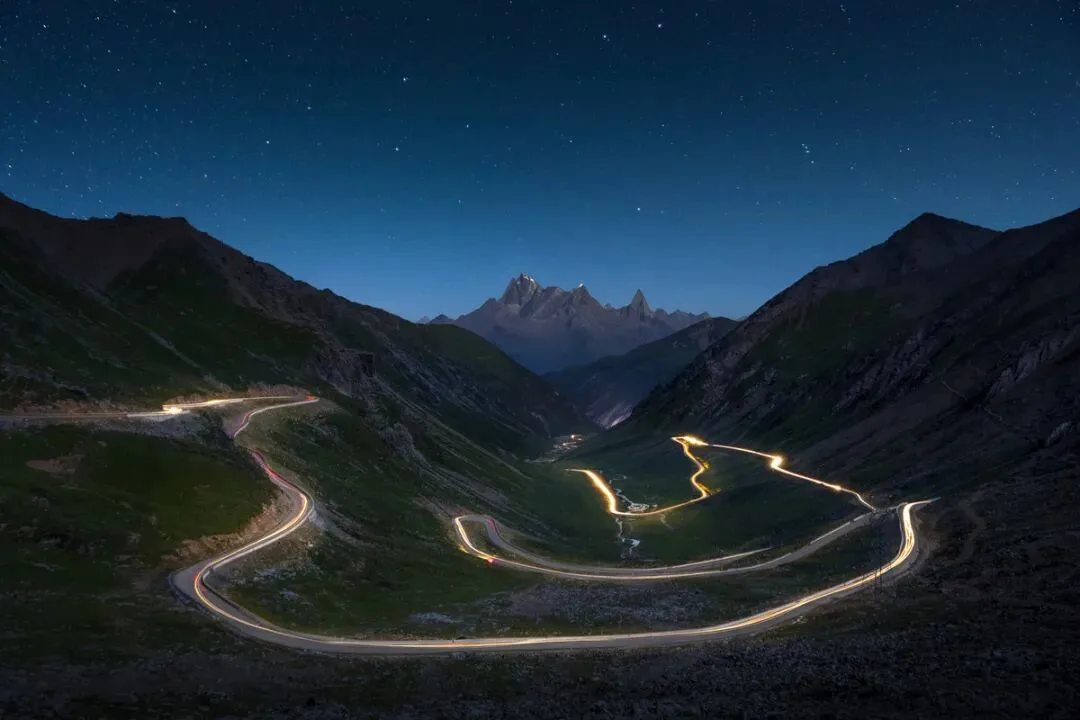
5 Zero 2 (5零2)
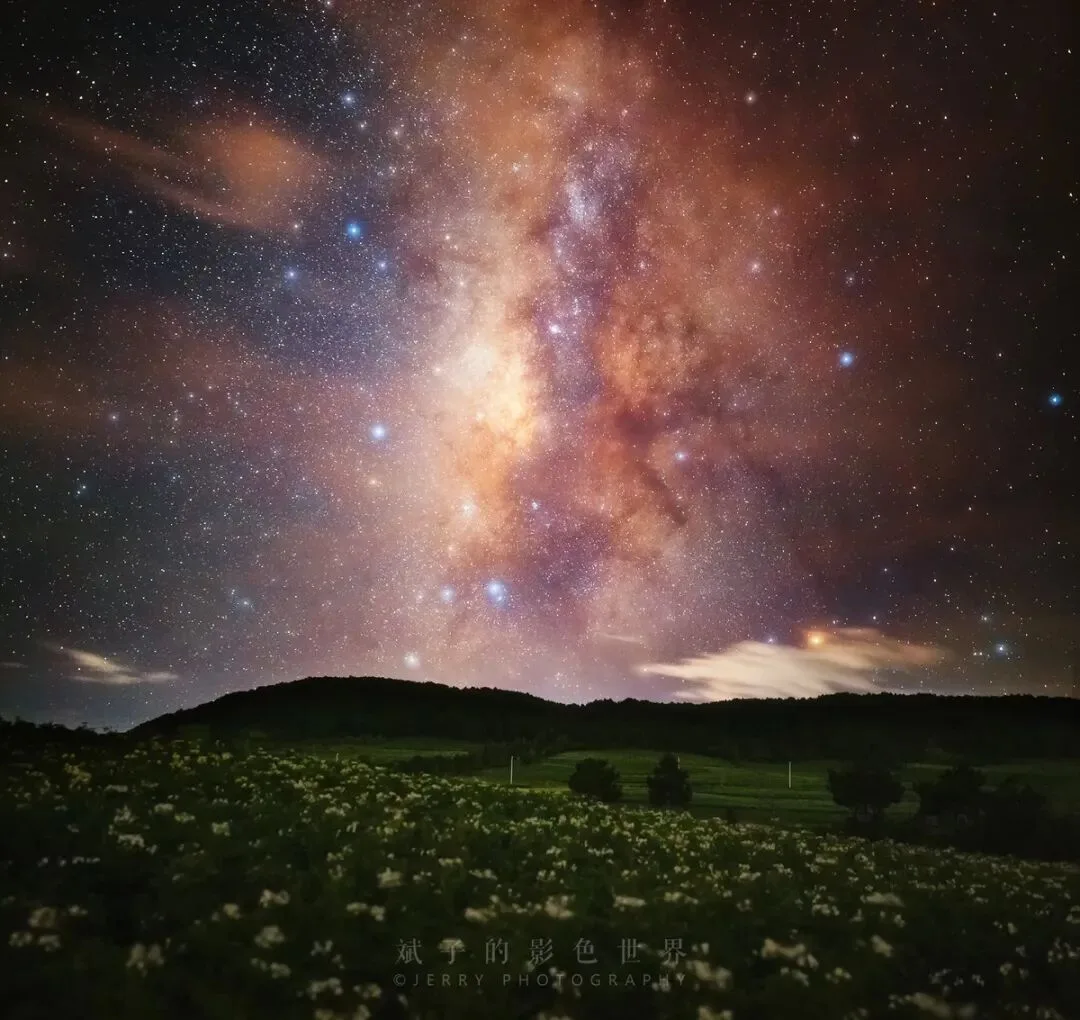
Binzi's World of Light and Color (斌子的影色世界)
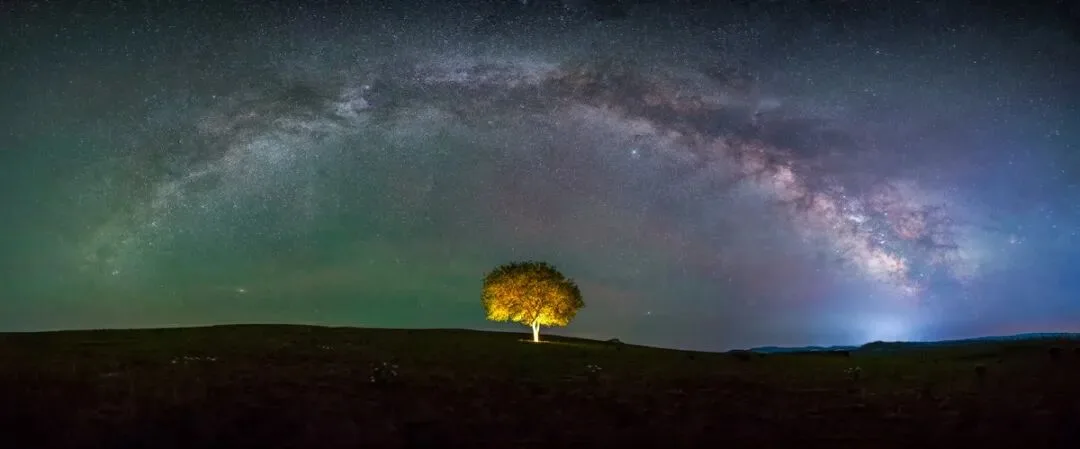
JIFENG Ji Feng (JIFENG冀峰)
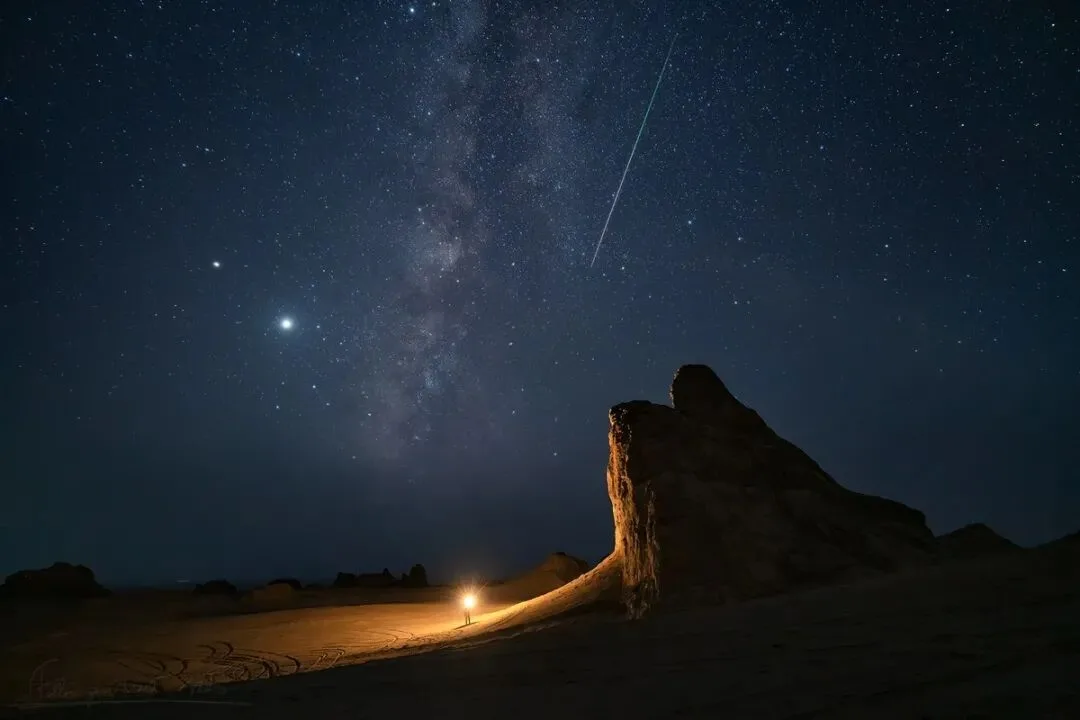
Renshan (仁山)
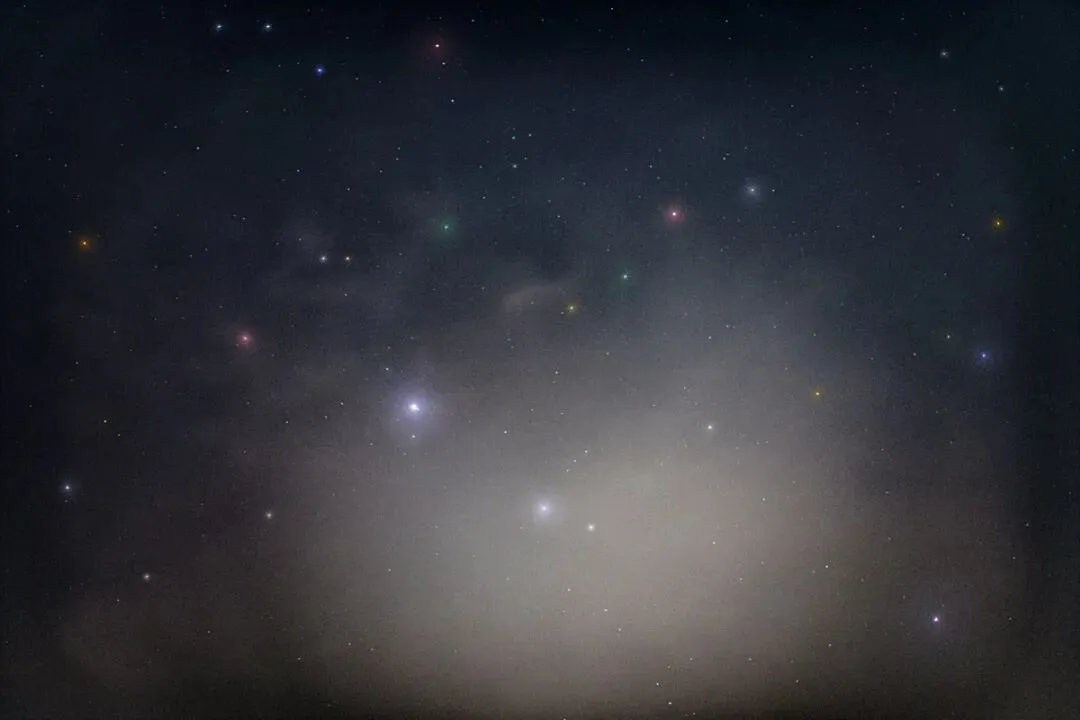
STM_AndriyGin
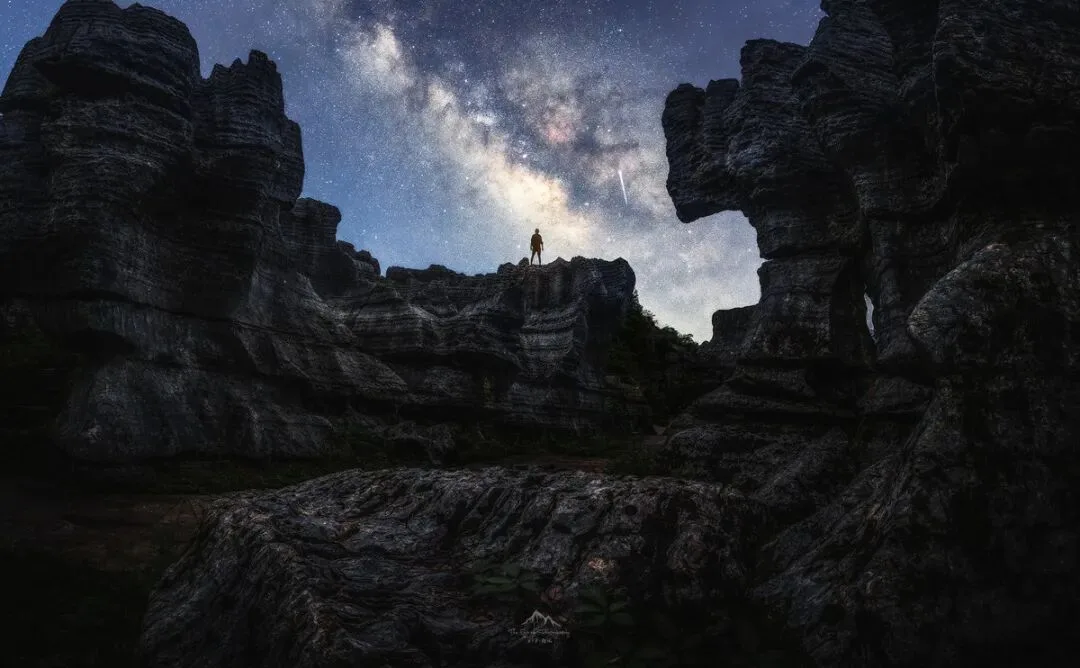
yb Chaofan (yb超凡)
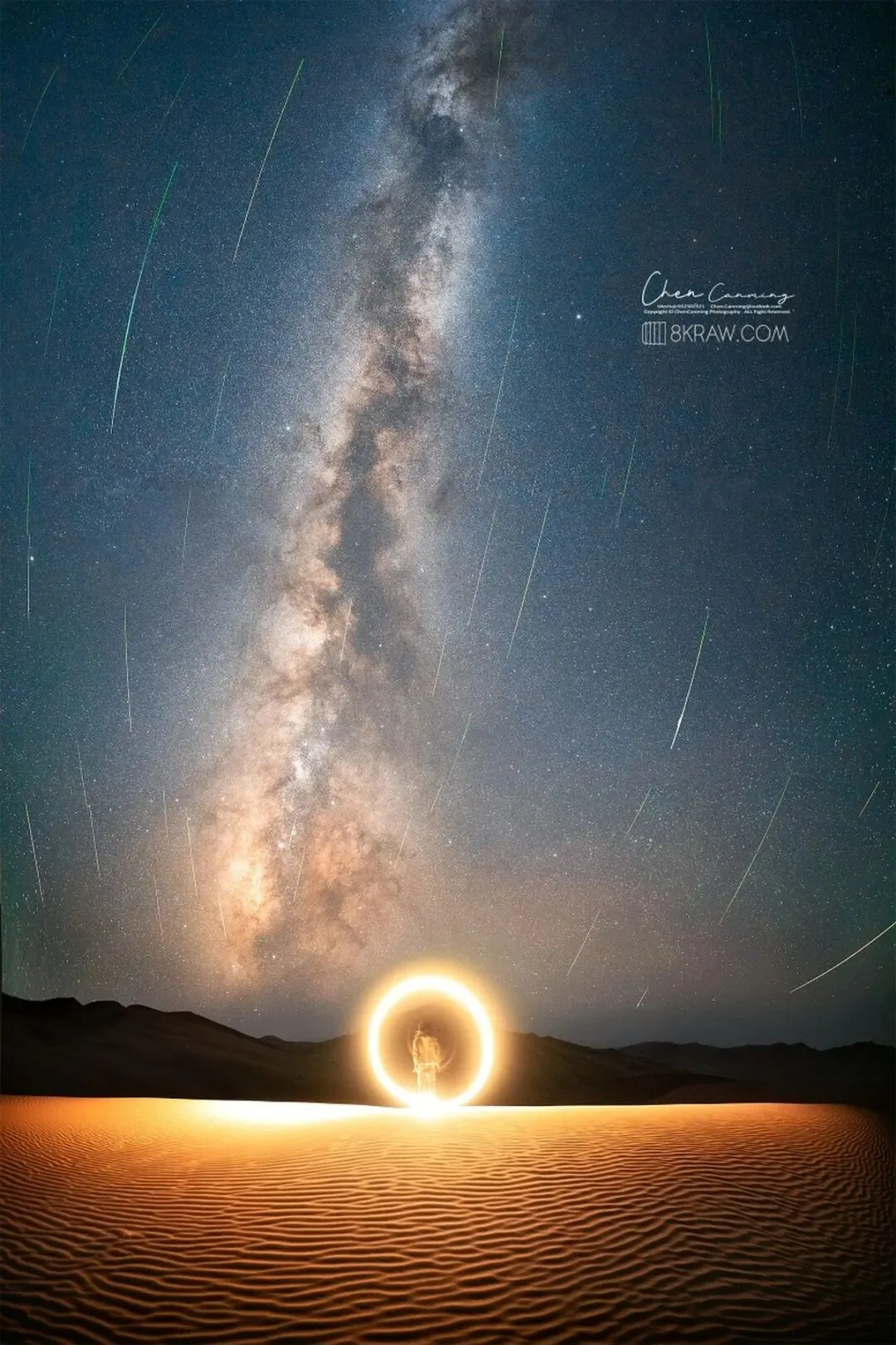
ccm Please Call Me Little Superman (ccm请叫我小超人)
Everyone is welcome to post videos and photos on Kuaishou, Mepai, and Weibo platforms to join the #Star Cluster Project# photography contest~