Photography Tutorial · 2022-08-14
Stolen Inspiration: How Artists Steal Ideas and Style
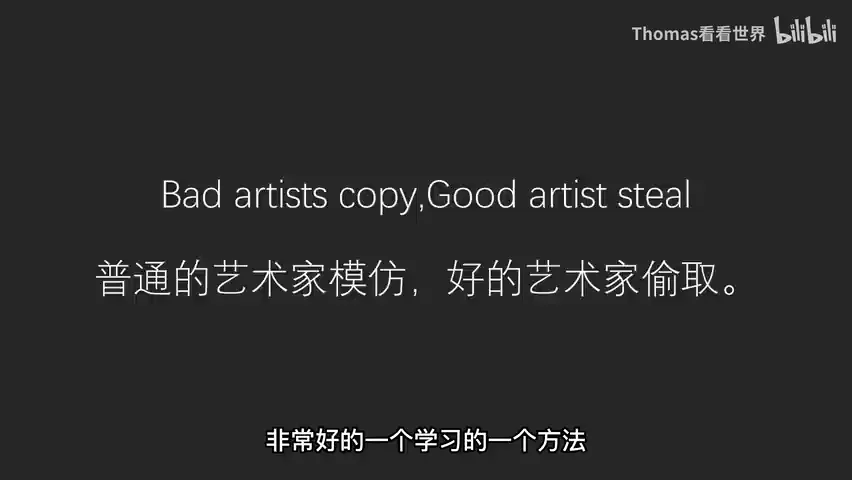
Picasso said: good artists copy, great artists steal.
What is imitation? And what does it mean for an artist to "steal"?
In today's photography tutorial, Thomas uses his own works as examples to share his experience with imitation and "stealing".
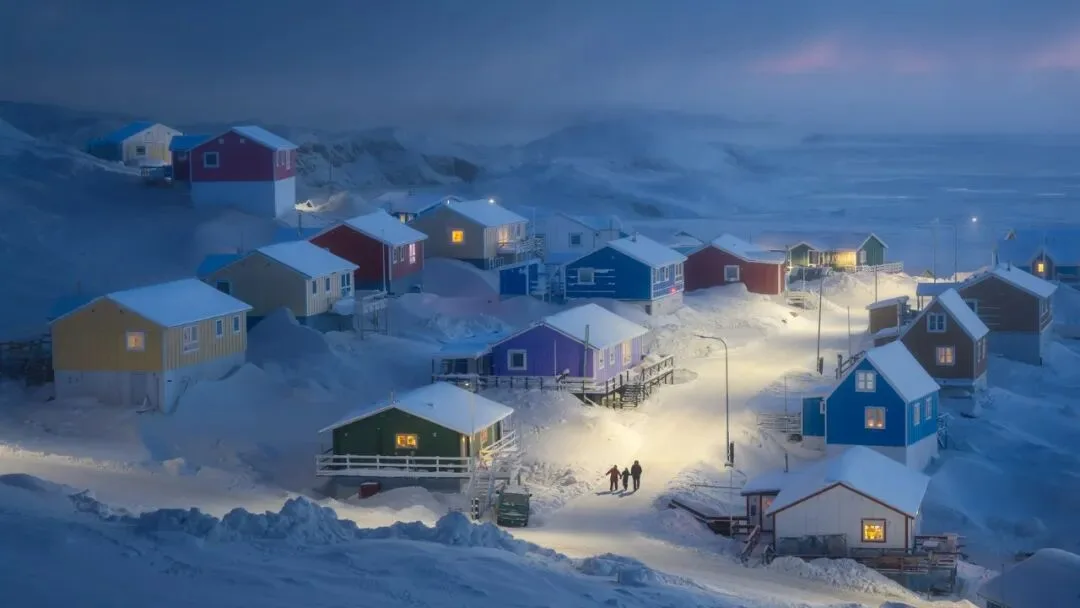
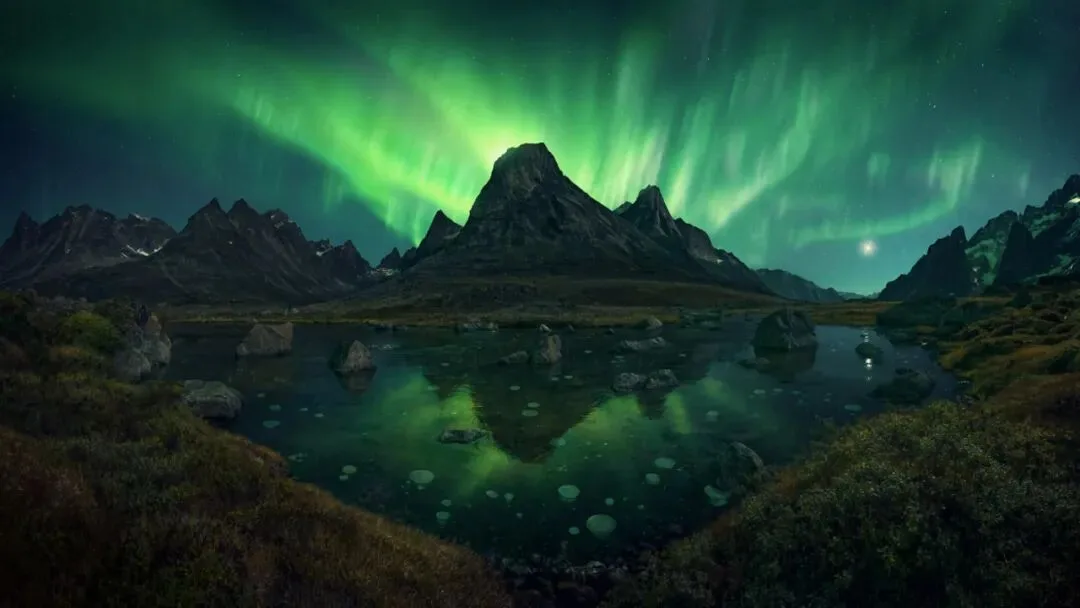
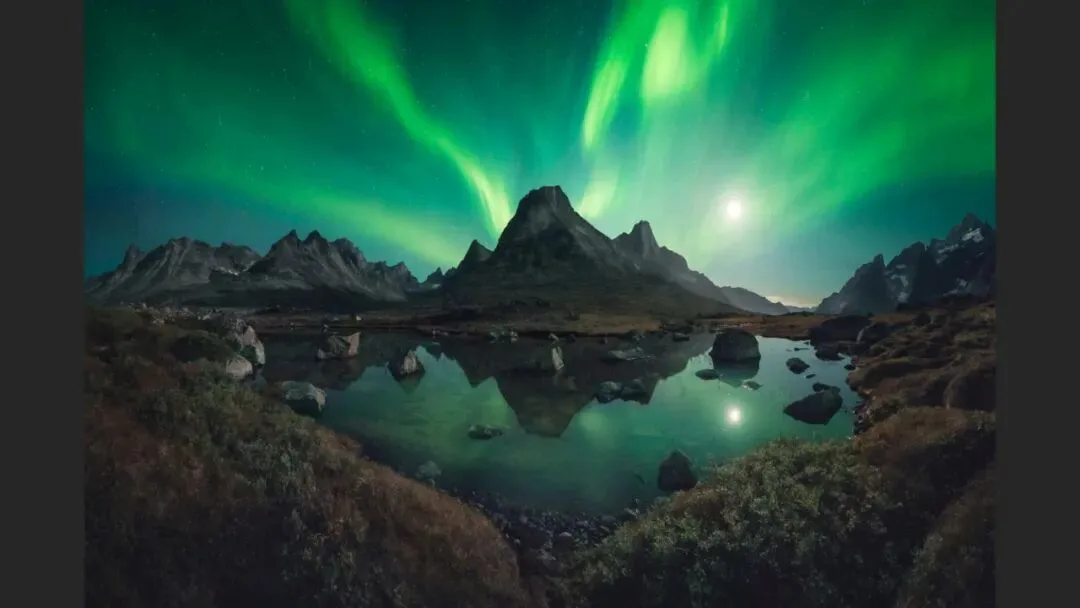
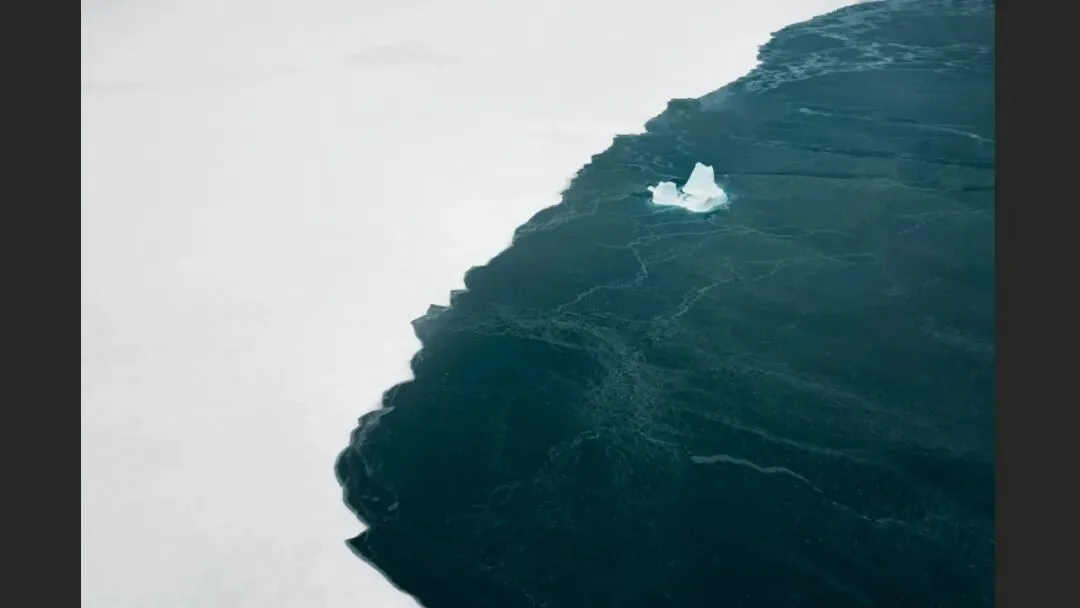
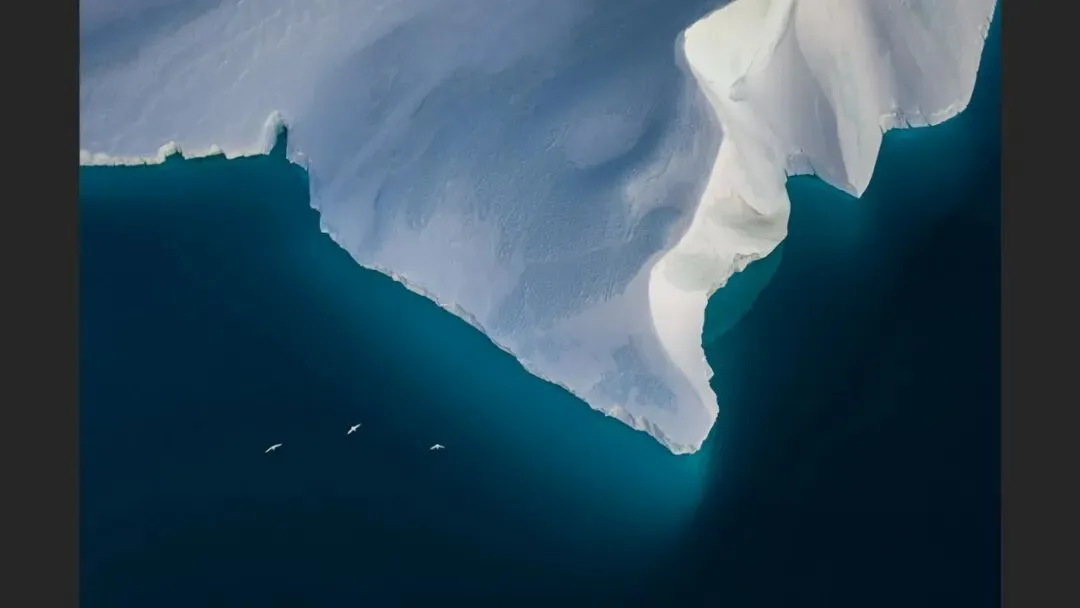
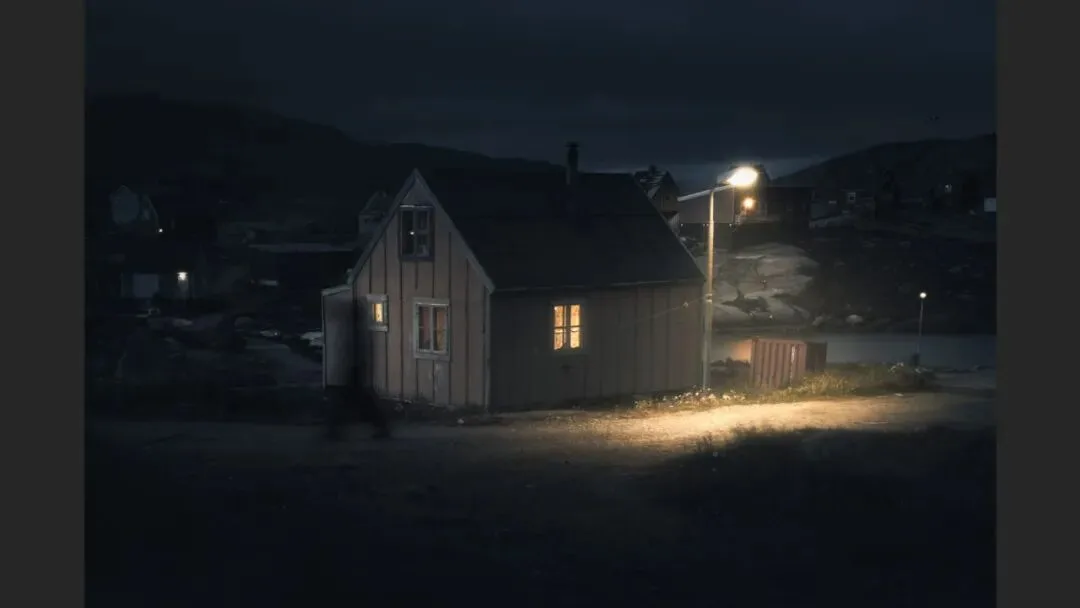
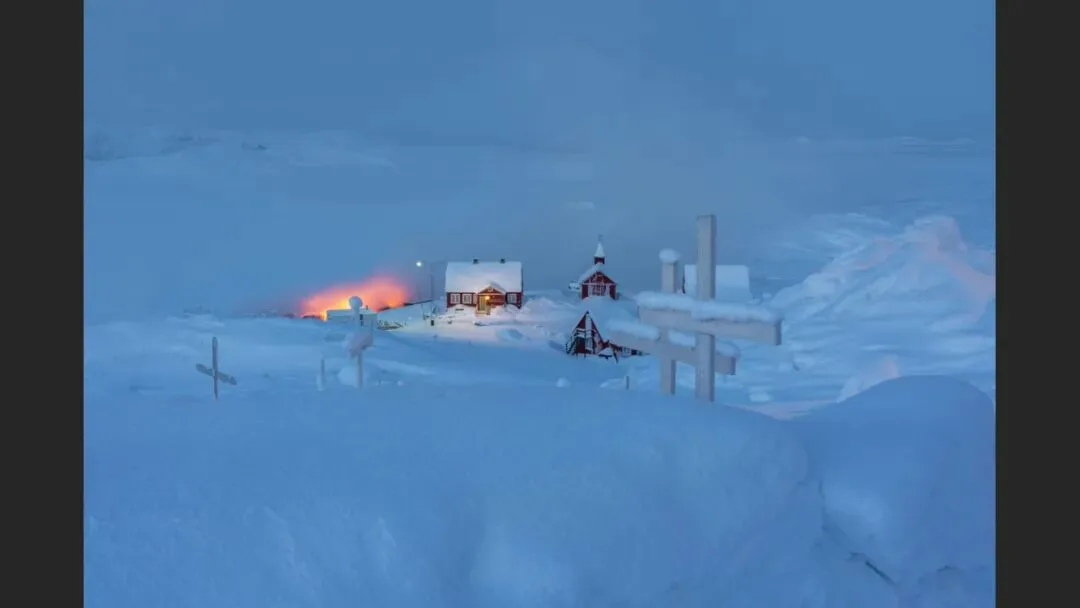
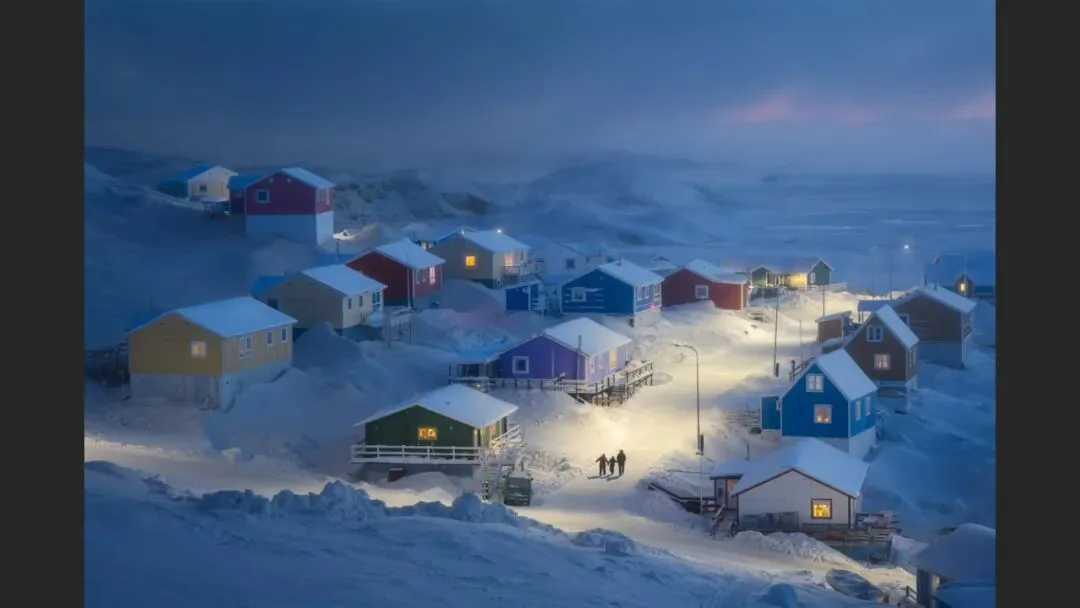
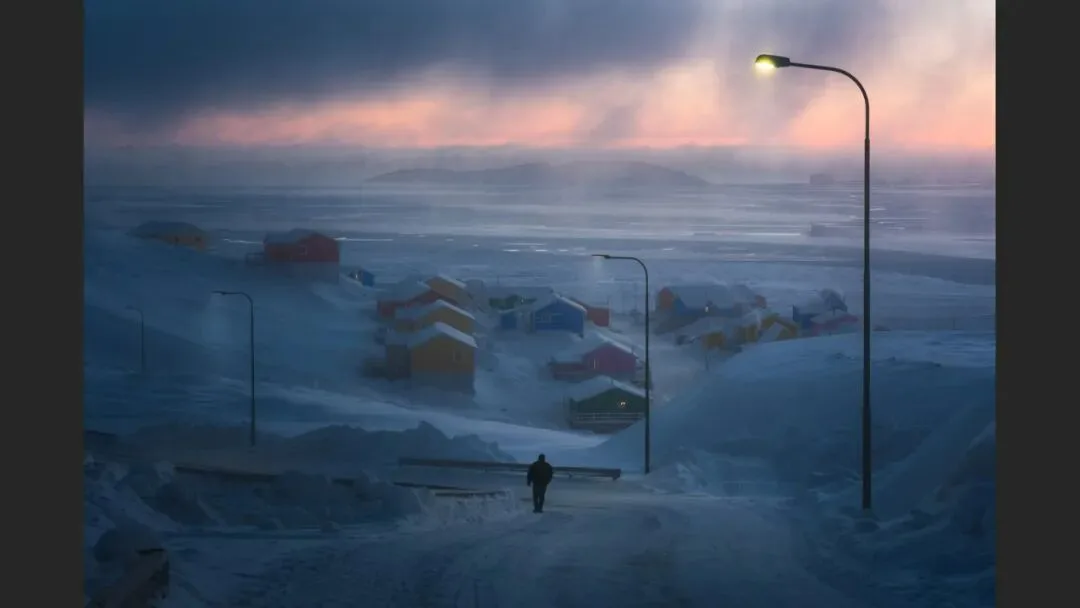
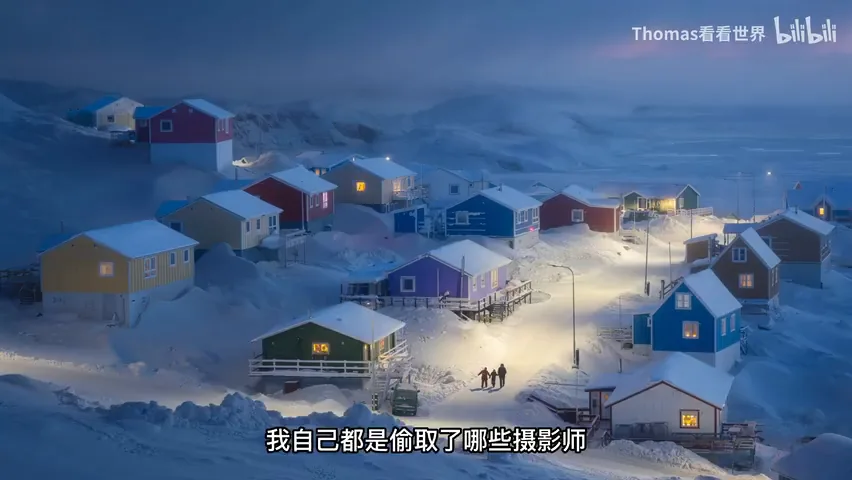
Behind this National Geographic award-winning photo lies inspiration absorbed from so many photographers!
Video
▶ Watch the video tutorial on Bilibili
This is the fully illustrated companion to the video above. What did Picasso — the line Steve Jobs loved to quote — really mean by "good artists copy, great artists steal"? Using his own 2017 deep imitation of Max Rive and the "stealing" behind his National Geographic award-winning Greenland series, Thomas breaks down the difference between copying and stealing, and what four photographers taught him.

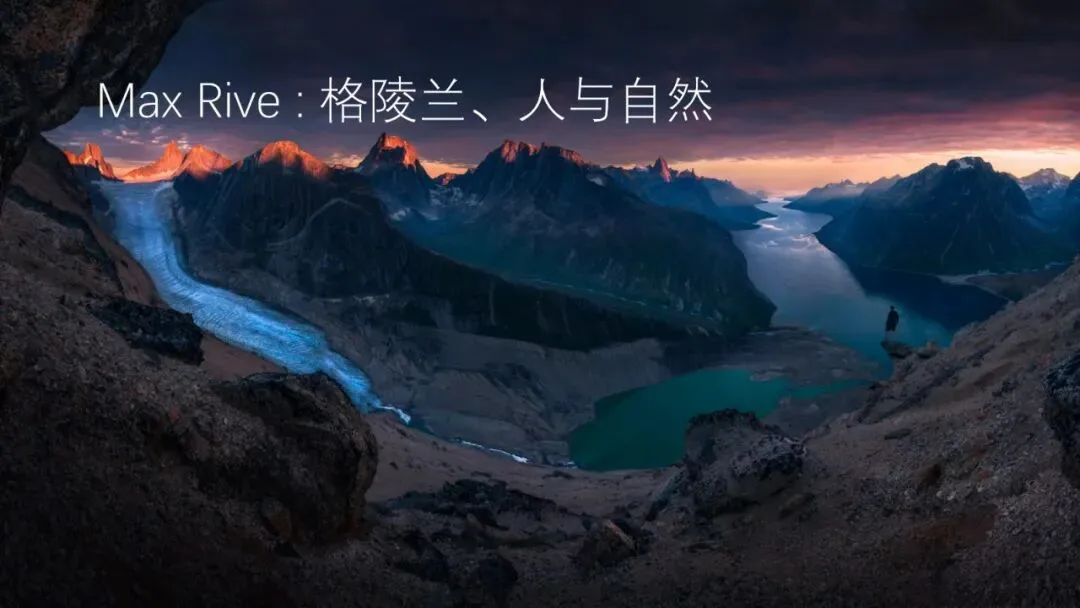
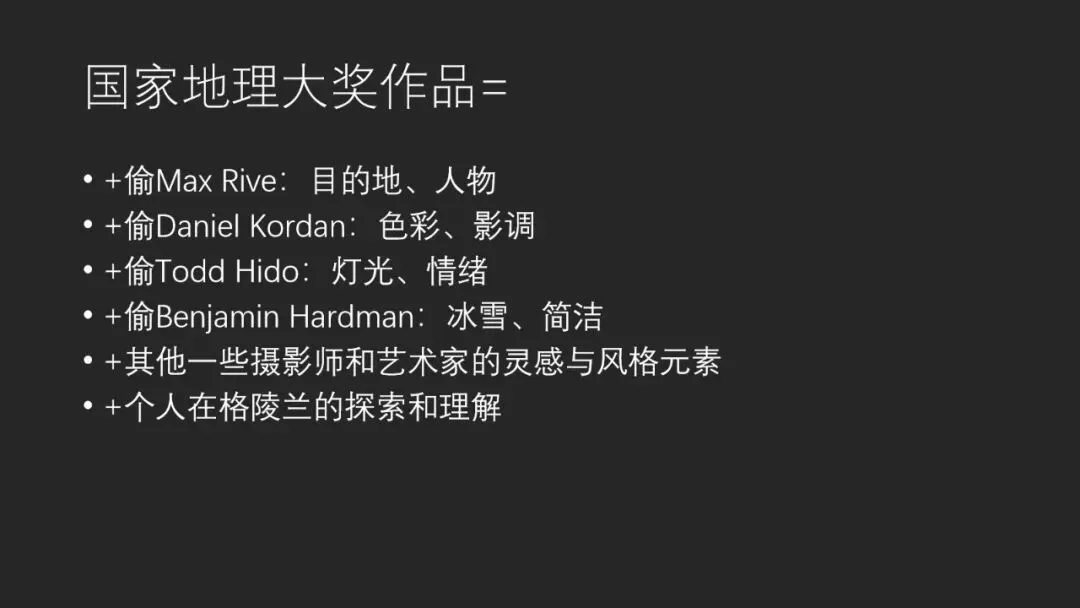
Start with the overview. The slide above, captured at 1:55 in the video: imitation is a deep copy of one artist's subjects, colors and style; stealing means absorbing and digesting the work of many artists, blending them into a combinatorial innovation, then fusing in your own strengths, experience and creation. Remember one line: never steal from just one artist.
01 Imitation: Your Ceiling Is the Artist You Copy
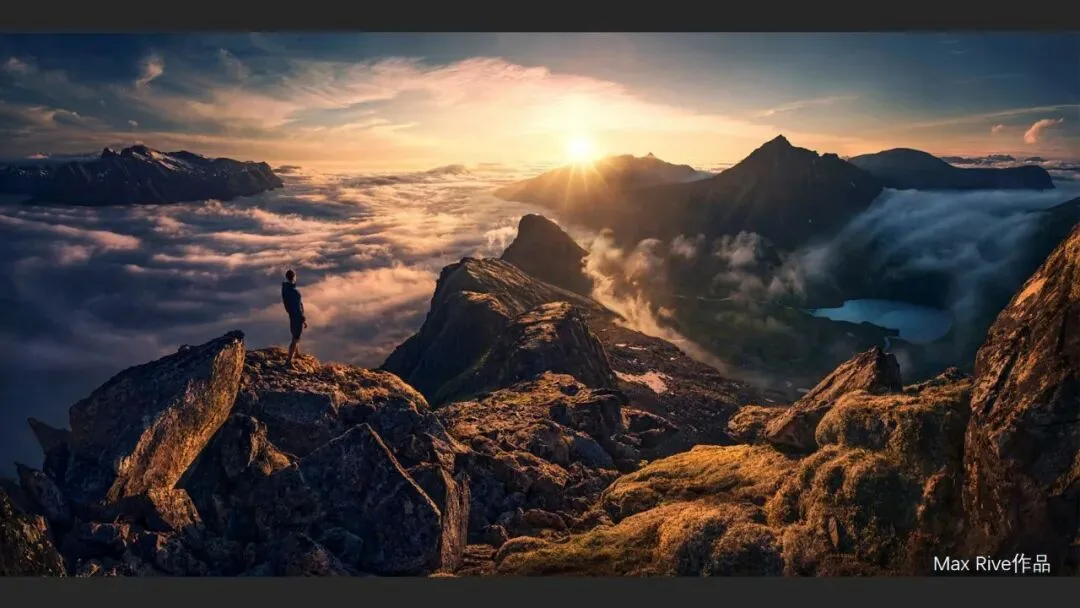
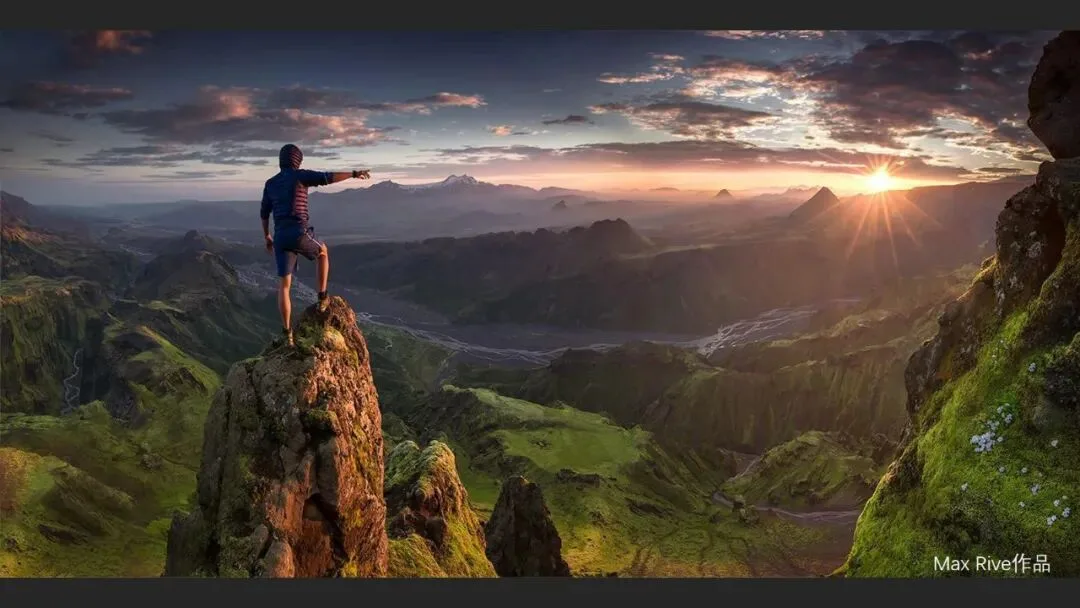
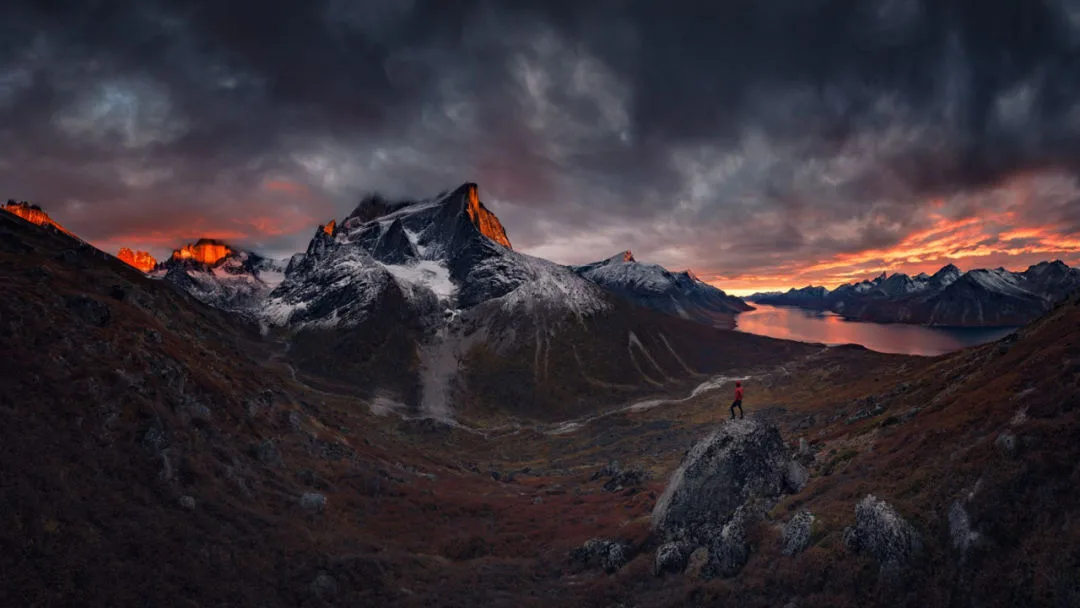
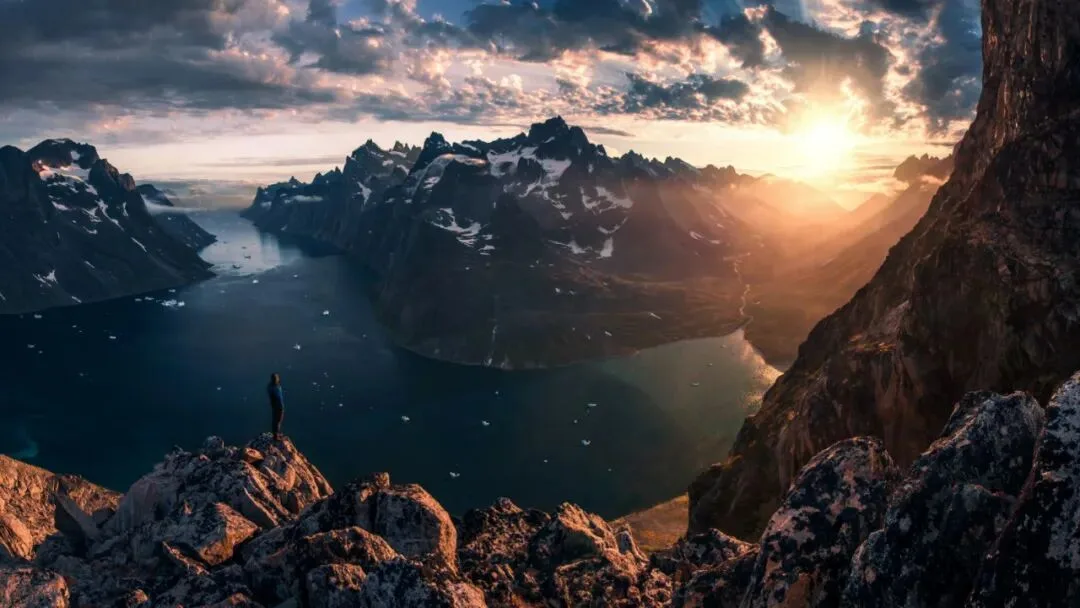
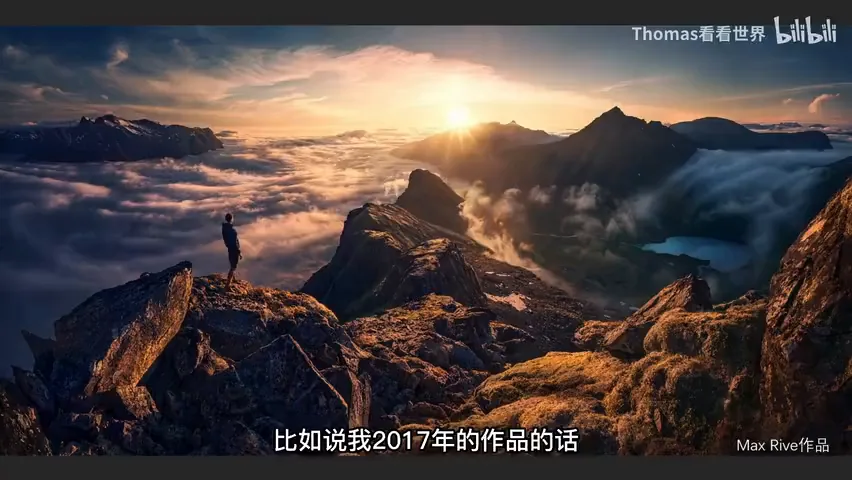
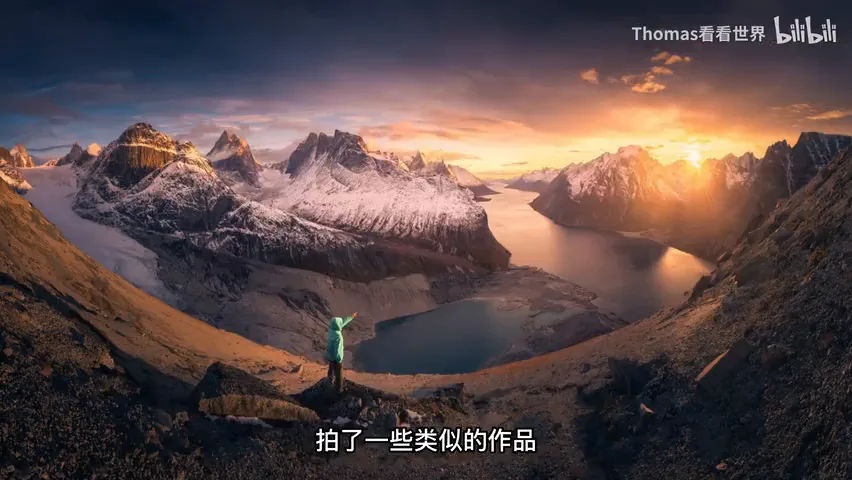
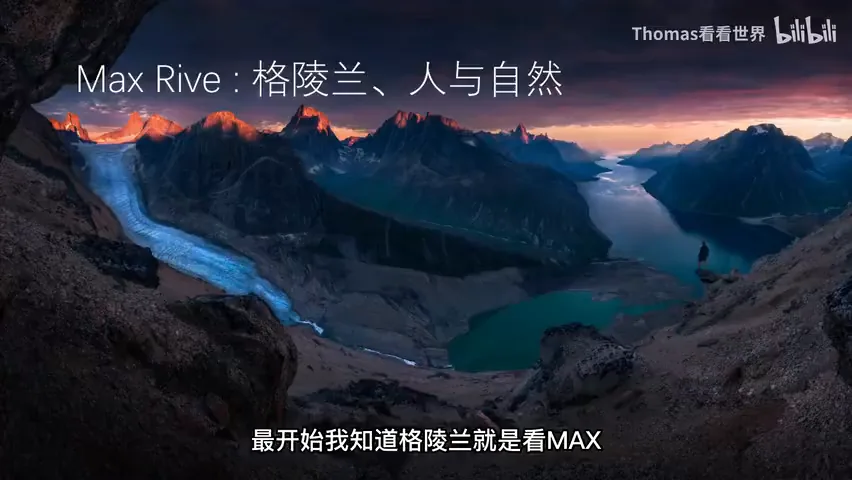
Thomas admits it outright: his 2017 work was a deep imitation of the Dutch mountain photographer Max Rive. Look at two of Rive's panoramas — a figure on a summit interacting with the sun, a vast landscape behind (at 0:28 in the video). Thomas copied the recipe wholesale: one person in a vast landscape, shot as a panorama, graded into the same magical blue-orange tones (at 0:48 in the video).
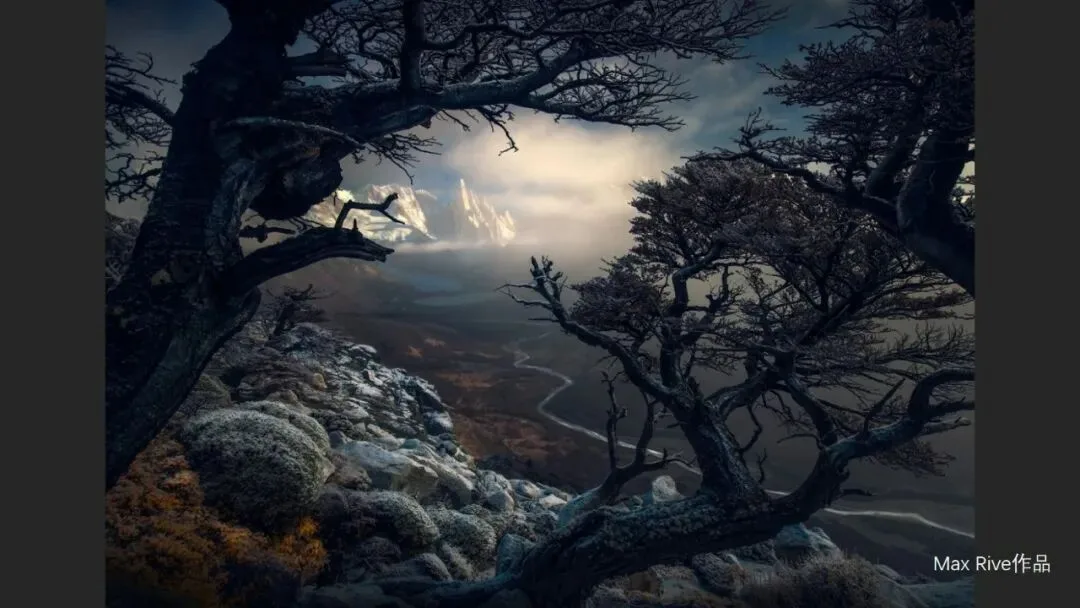
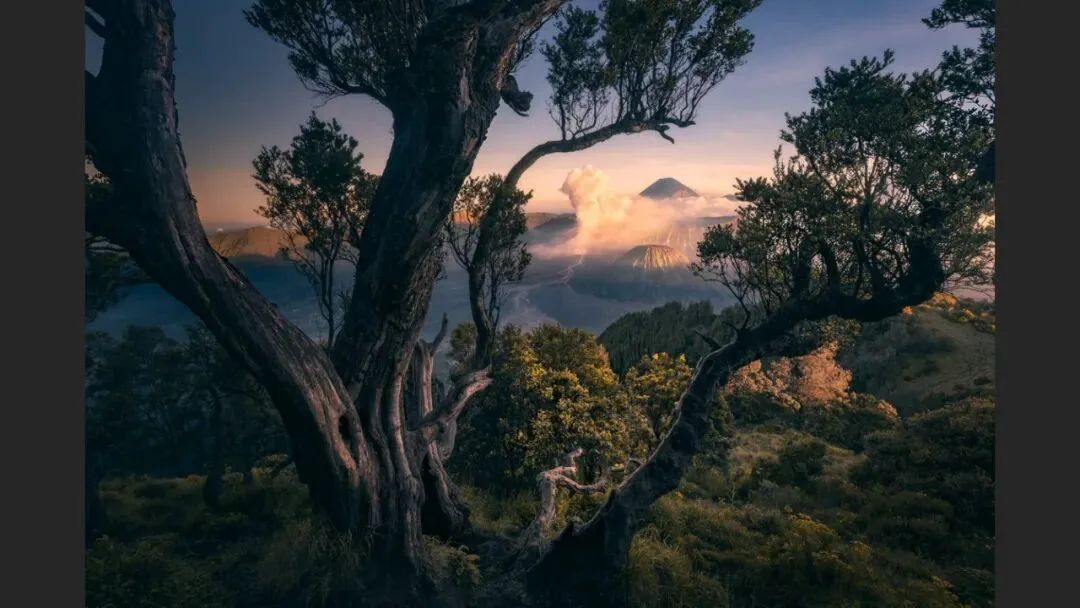
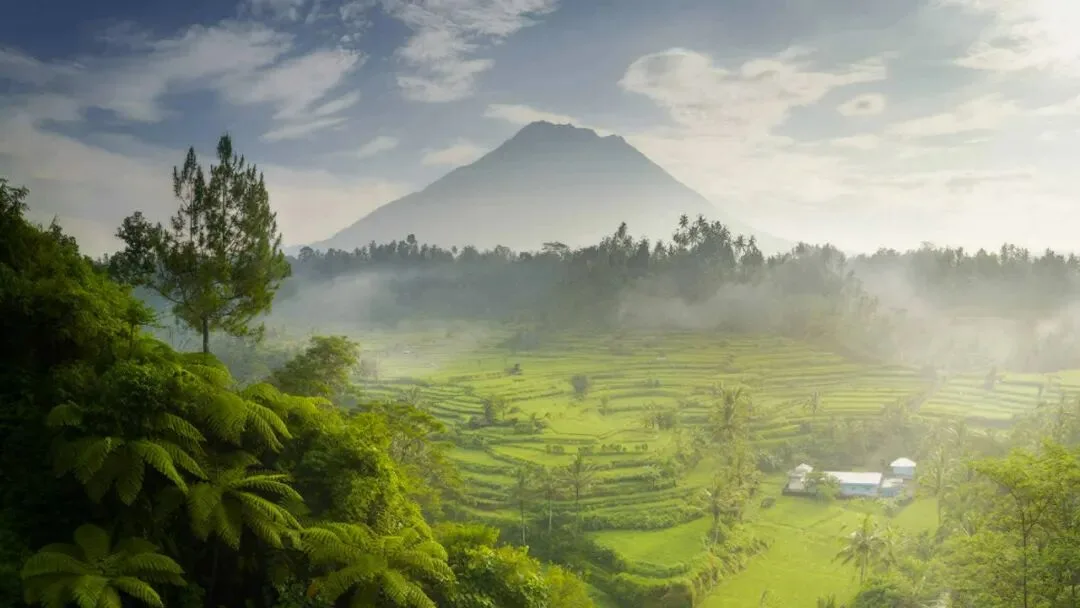
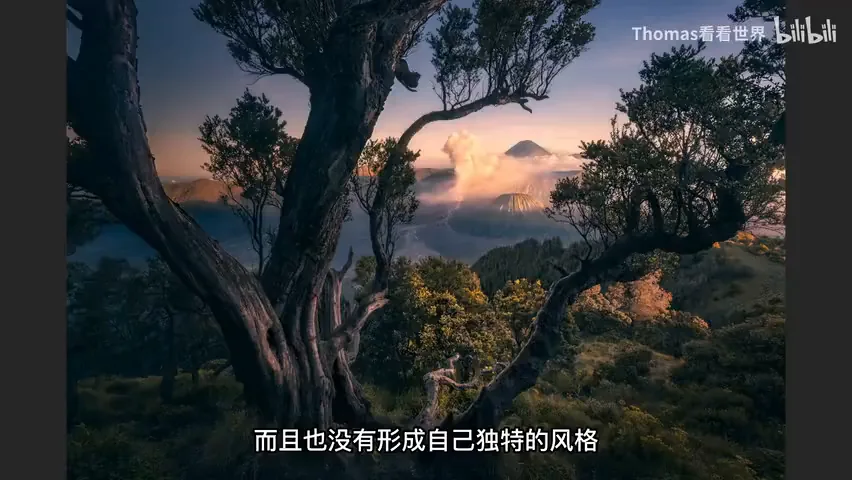
Another imitation went further: Max Rive loves early-morning tones and dark moods, framing dead trees as foregrounds so their lingering life echoes the mountains — Thomas produced a strikingly similar image at Mount Bromo in Indonesia, so close in tone, subject and style that many thought Rive had shot it (at 1:18 in the video). Proof the imitation succeeded; but the problem is obvious: the imitation is visible, your ceiling is the photographer you copied, and you never develop a style of your own (at 1:45 in the video).
02 Stealing: Take One Piece from Each of Many
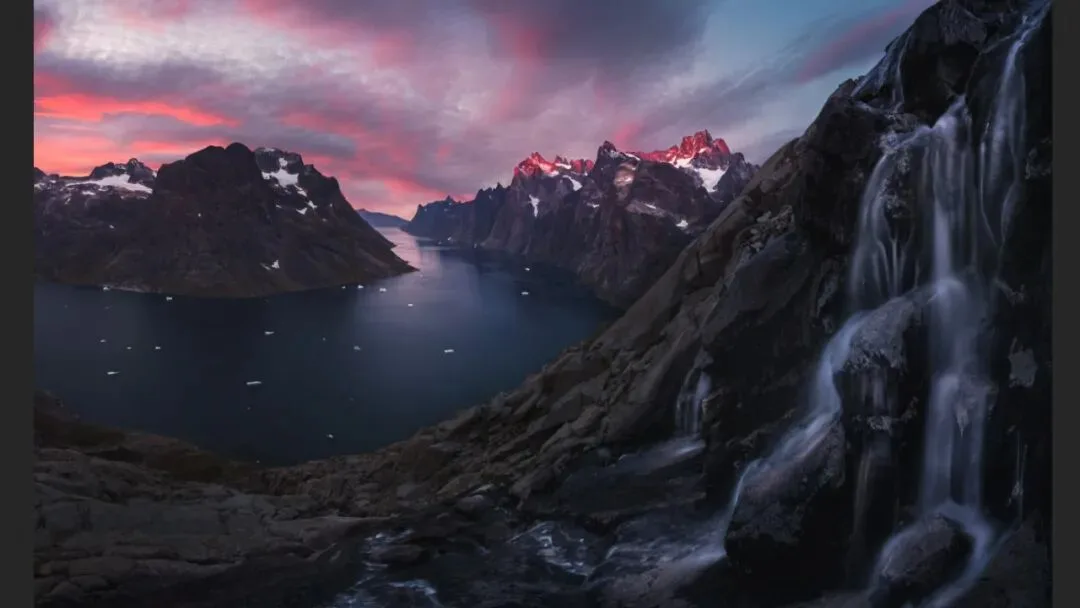
So upgrade from imitation to stealing. To steal means absorbing the creative ideas, the experience, a slice of the visual style from several artists, blending them into a combinatorial innovation, and processing it all through your own strengths and experience (at 2:05 in the video). Thomas uses his National Geographic award-winning Greenland work as the case: unstated, no one can tell who it references — that is exactly how stealing differs from imitating (at 2:55 in the video).
03 Four Teachers: Color, Fjords, Snow and Mood
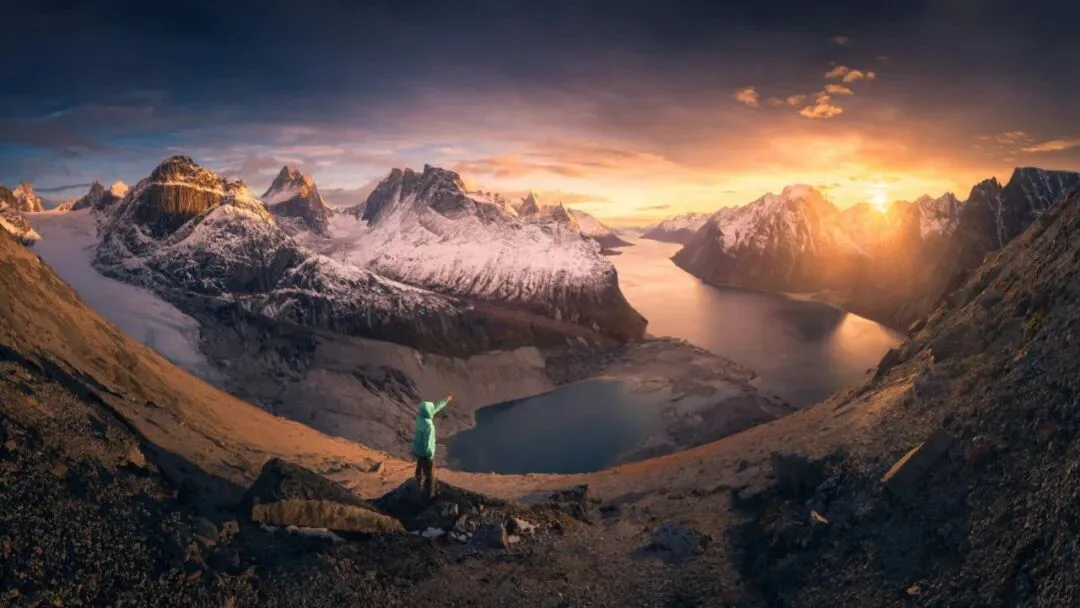
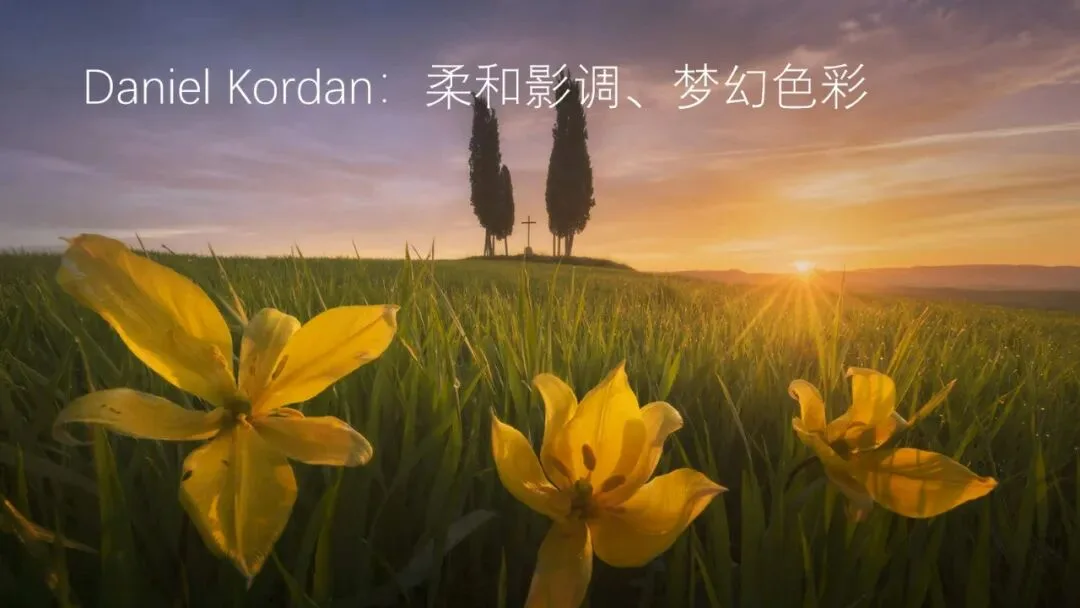
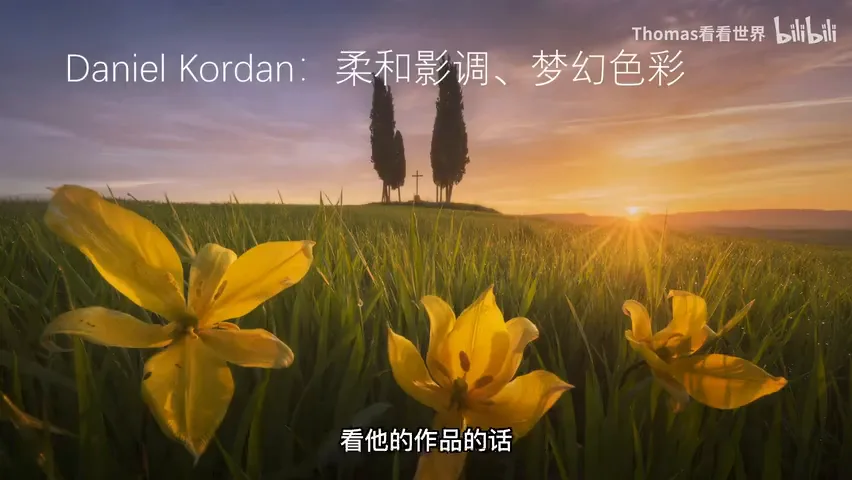
Teacher one: the Russian landscape photographer Daniel Kordan. Day or night, sunrise or sunset, his tonality stays soft, shadows never crush to black — a high shadow curve and heavy softening — with dreamy, rather saturated colors (at 3:20 in the video). That palette went straight into the Greenland series. Teacher two is the old friend Max Rive: Thomas first learned of Greenland through Rive's fjord images, and the deeper lesson was to include people, their belongings and buildings in landscapes, enriching the story and deepening the meaning (at 3:56 in the video).
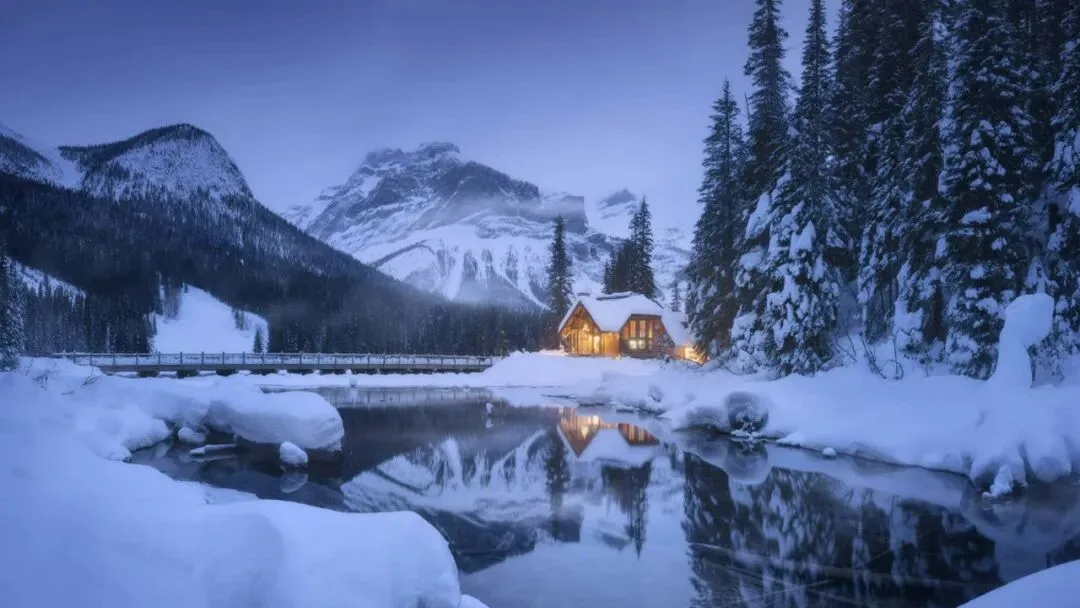
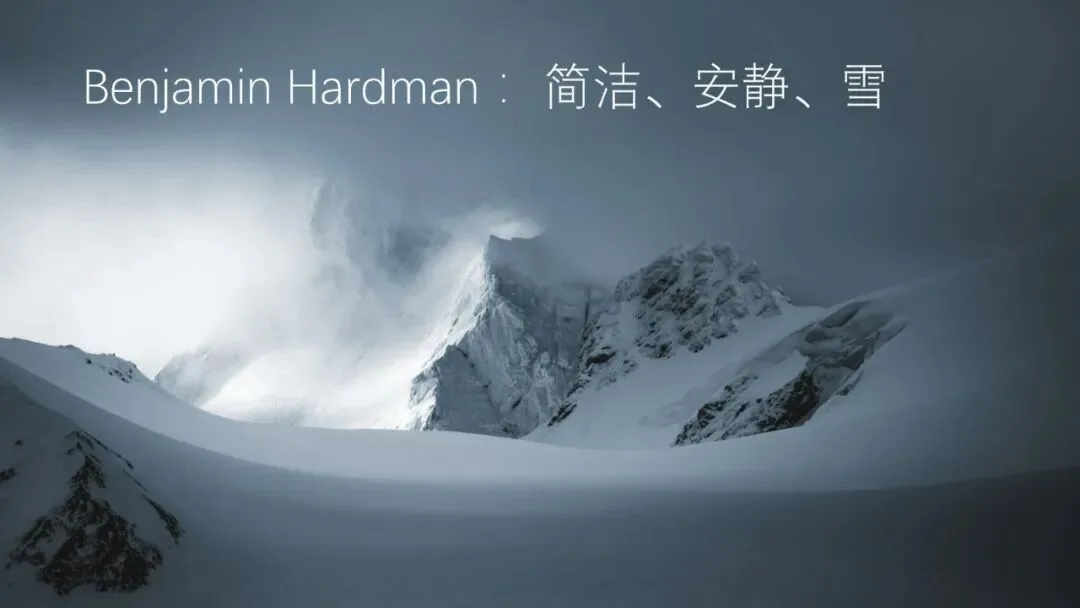
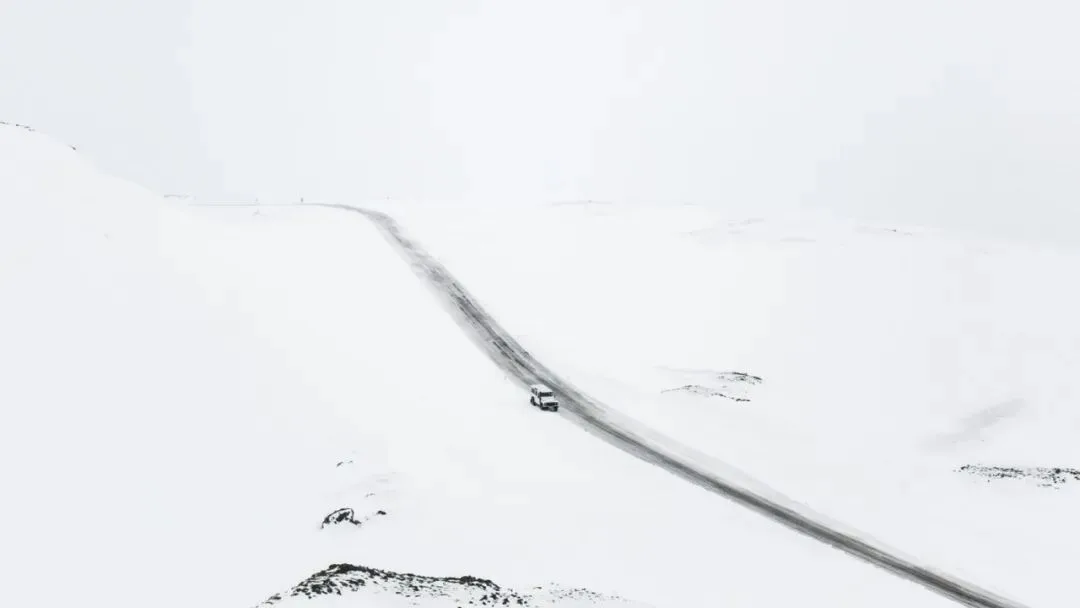
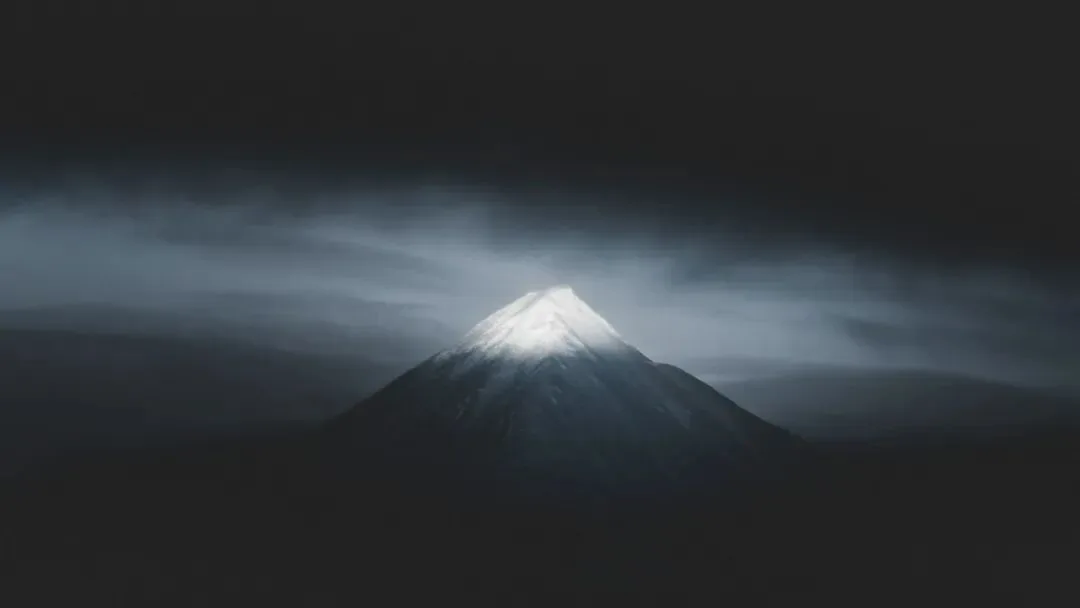
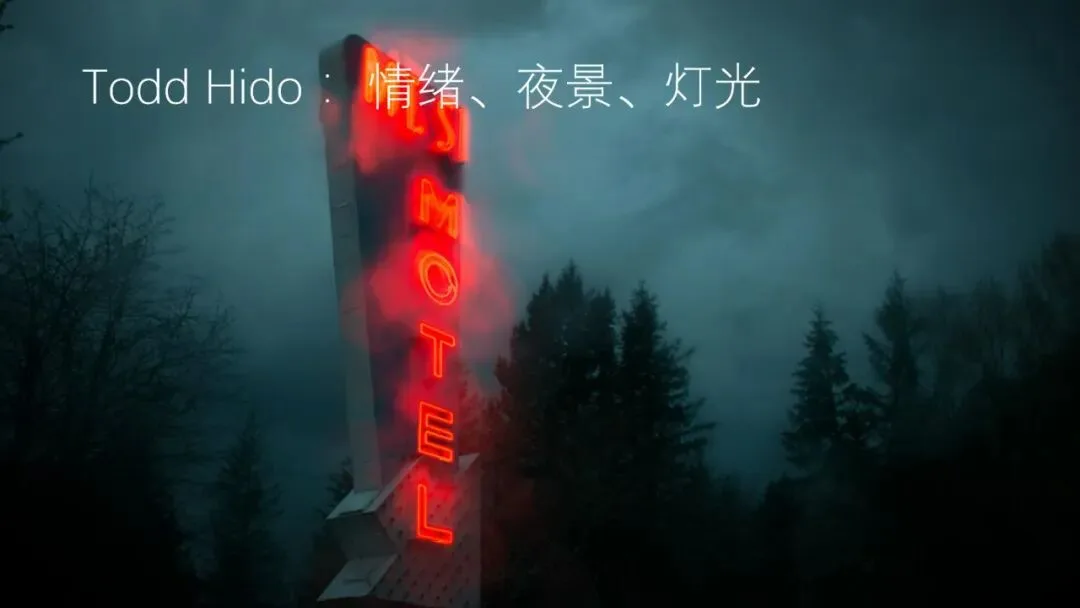
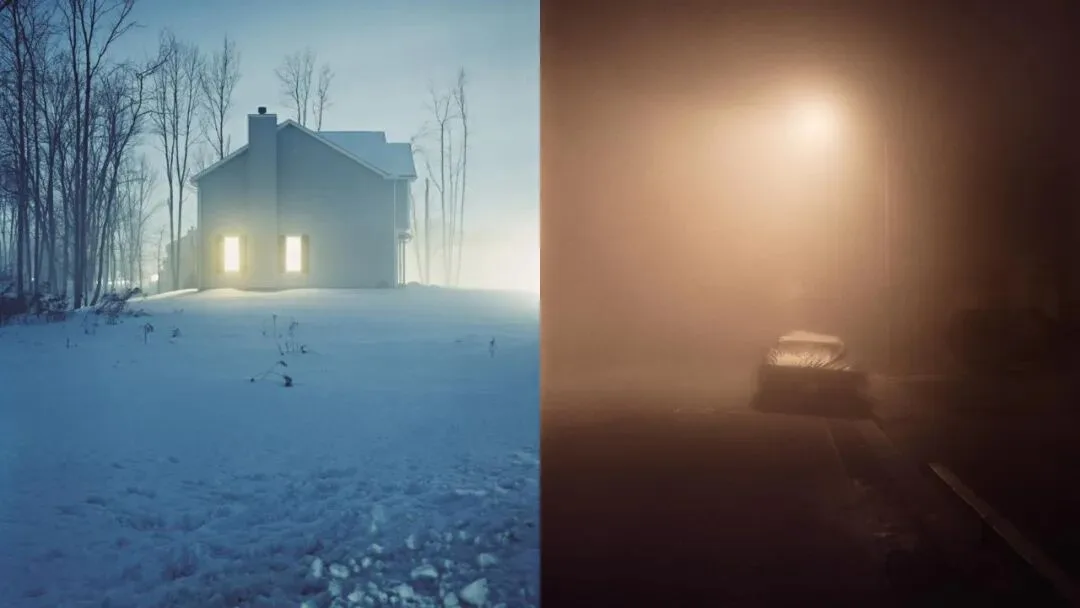
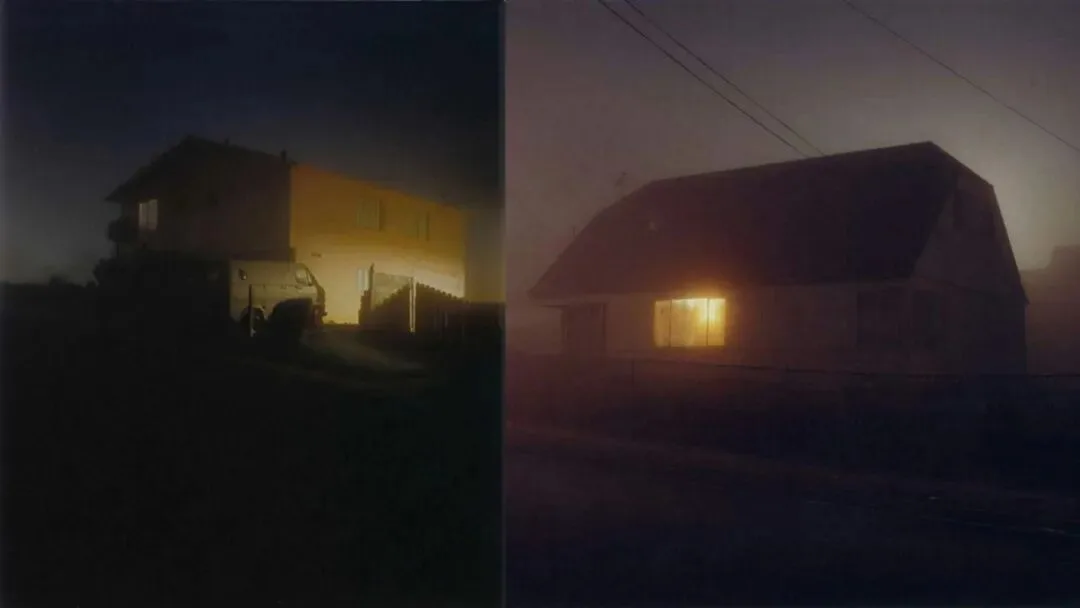
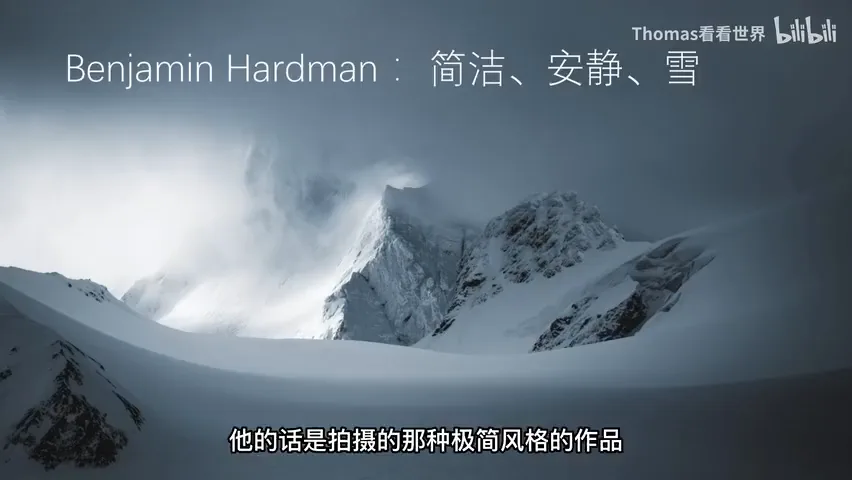
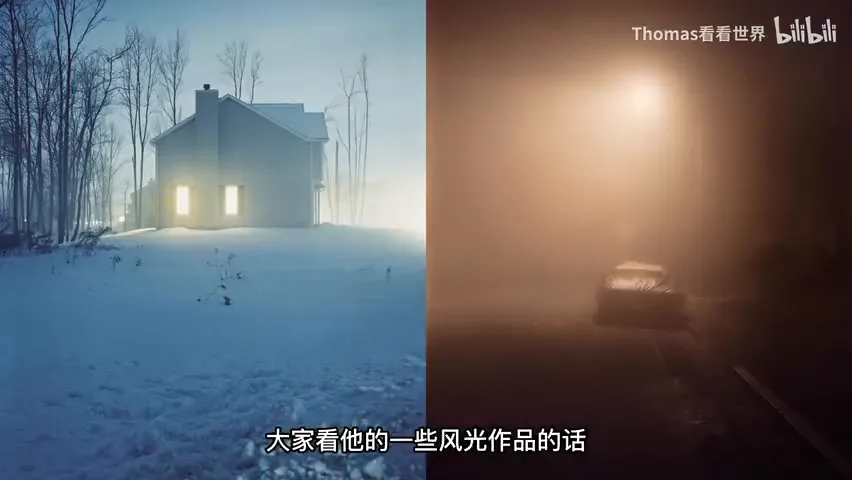
Teacher three: the Iceland-based photographer Benjamin Hardman, a minimalist whose work is immaculately clean. From him Thomas learned what snow can do — Greenland trips had always been in summer, but winter snow photographs quiet and minimal (at 4:28 in the video). Teacher four: the American photographer Todd Hido, who shoots suburban nights, letting lamps carry the emotion, and loves special weather — fog, rain, snow — which together with night lights charges a photograph with intense mood (at 4:56 in the video).
04 The Fusion: Three Stages in Greenland
Then fold these into your own work, stage by stage. In 2017, Thomas's Greenland style was entirely Max Rive — fjord subjects in magical tones (at 5:35 in the video). In 2018 he began visiting in winter, producing minimalist, clean, snowbound images in Benjamin Hardman's spirit (at 5:45 in the video). Later he noticed how deeply the island's small towns are shaped by their environment, brimming with unique atmosphere — so he applied Todd Hido's techniques: dark night subjects, special symbols like the cross, intense emotion (at 6:08 in the video).
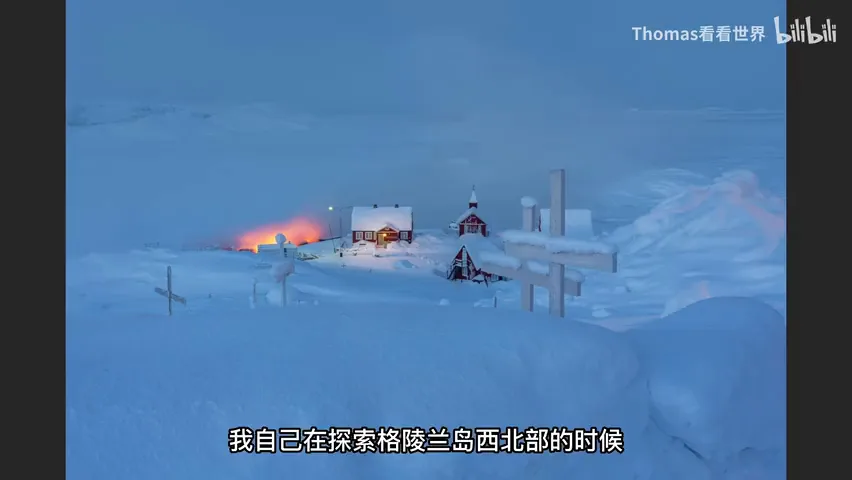
The turning point came exploring northwest Greenland, where he found Upernavik and other small villages (at 6:33 in the video). He chose winter, using ice and snow for a clean atmosphere, included human elements as Max Rive would, and leaned on Daniel Kordan for color and tonality — because his Greenland is not despair or isolation, but people living on, together and warm, in the middle of all that ice (at 6:54 in the video). So he skipped Todd Hido's palette and used Kordan's colors to show the Greenland he believed in.
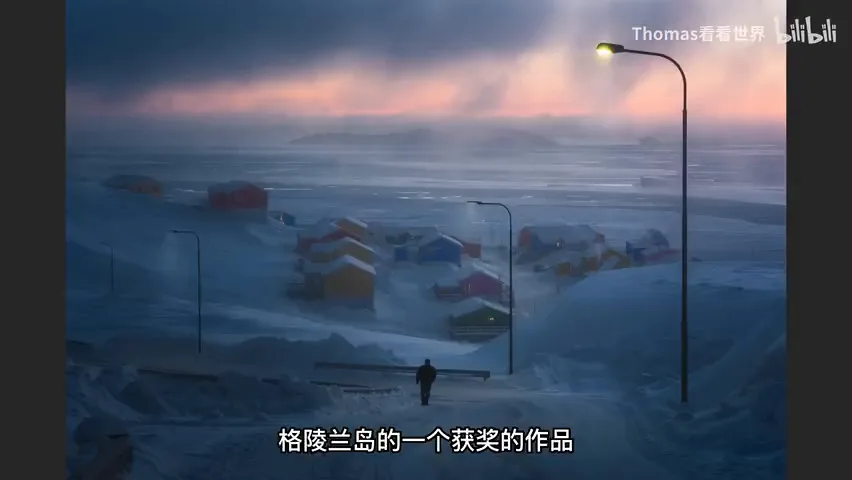
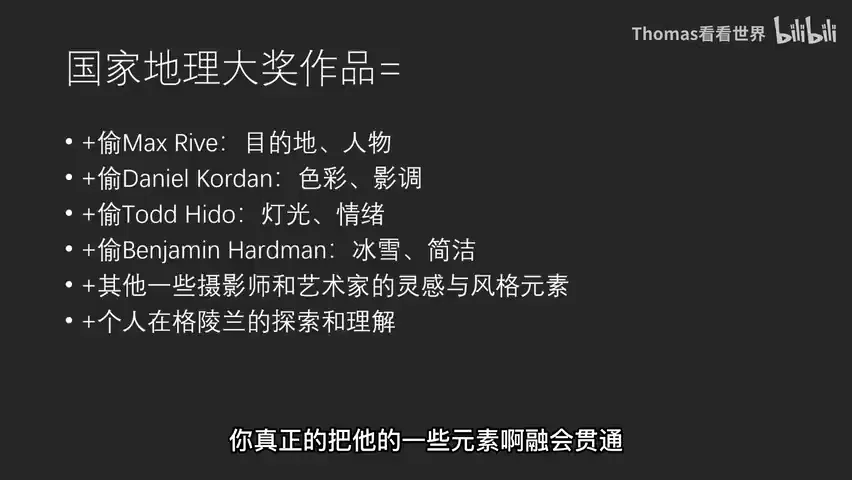
The result was the award-winning series (at 7:19 in the video). In the video's own summary: the National Geographic grand-prize work = stolen from Max Rive, the destination Greenland and the way figures meet landscapes; from Daniel Kordan, color and tonality; from Todd Hido, lamps and emotion; from Benjamin Hardman, snow and simplicity; plus inspiration from many other photographers and artists — all fused with personal exploration and understanding (at 7:26 in the video). Left unsaid, nobody spots the references — that is what stealing truly means.
05 Keep Stealing: From Trains to Glimmers
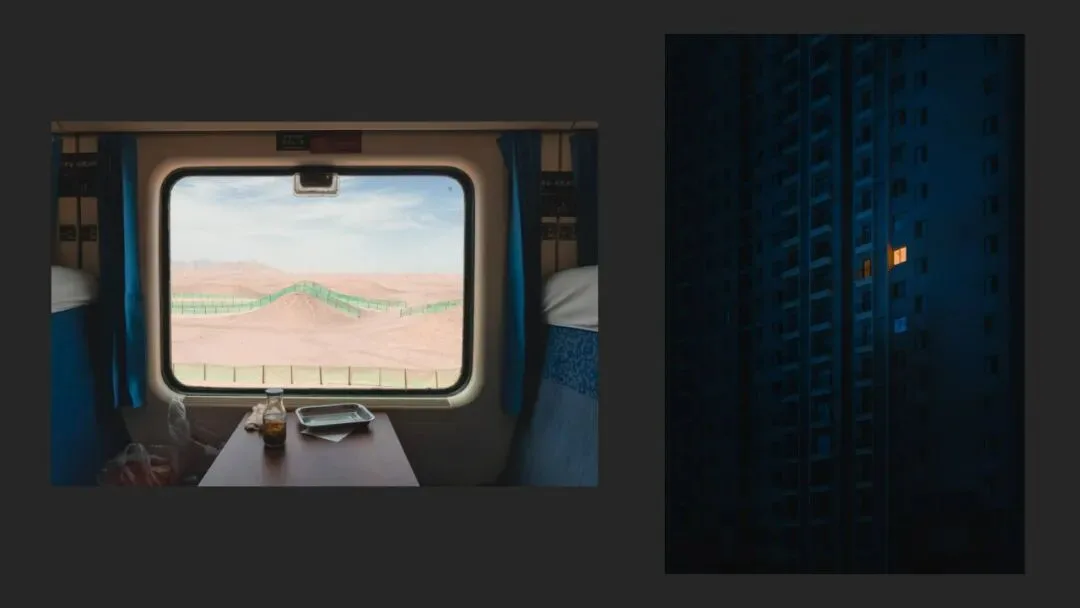
The method never stopped. Thomas's recent series "Seeing China by Train" and the "Glimmer" works likewise steal from and reference many artists' ideas, styles and elements, fused with his shooting across China and his read of this era, before they took shape (at 8:30 in the video). He leaves a question: which photographers or artists can you spot in those two series? Leave your guesses in the comments.
End with the line one more time: good artists copy, great artists steal. True stealing is always digestion and recombination into something new, created through your own experience and strengths (at 9:06 in the video) — for growing as a photographic artist, it is one of the best learning methods there is.
1. Imitation is a deep copy of one artist's subjects, colors and style — the better the copy, the lower the ceiling; 2. Stealing takes ideas, experience and fragments of visual style from many artists, blends them into combinatorial innovation, and filters them through your own strengths and life; 3. Thomas's National Geographic work stole the destination and figure-in-landscape approach from Max Rive, color and tonality from Daniel Kordan, lamps and mood from Todd Hido, snow and minimalism from Benjamin Hardman — plus his own Greenland explorations; 4. The test of stealing well: unannounced, nobody can tell.
HD video:
https://www.bilibili.com/video/BV1qY4y1c7We/
PPT