Photography Tutorial · 2023-10-24
Shoot Street Photography Like This, the Atmosphere and Creativity Are Amazing!
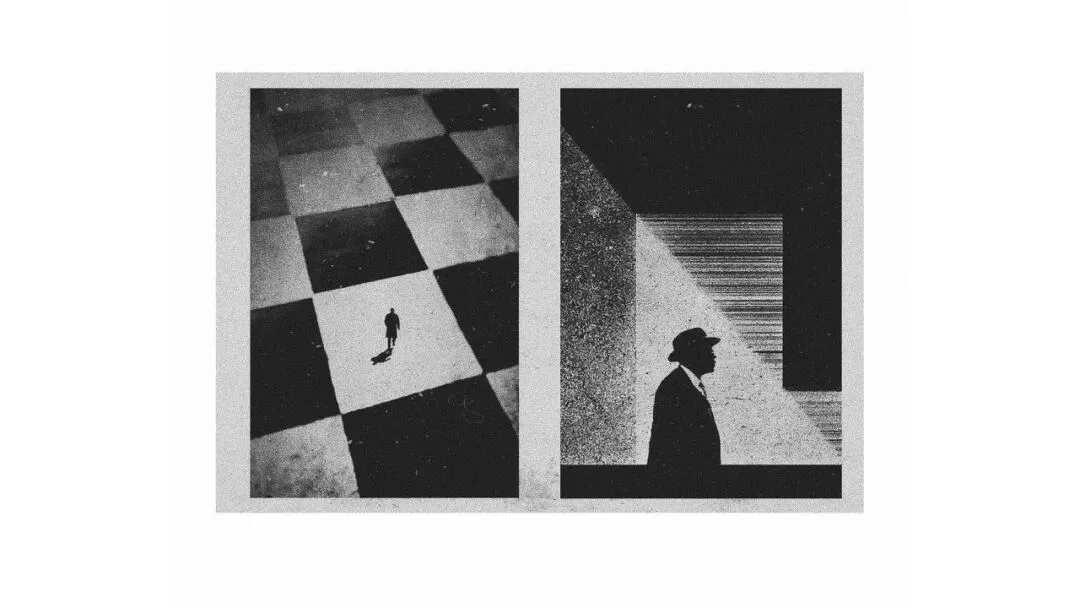
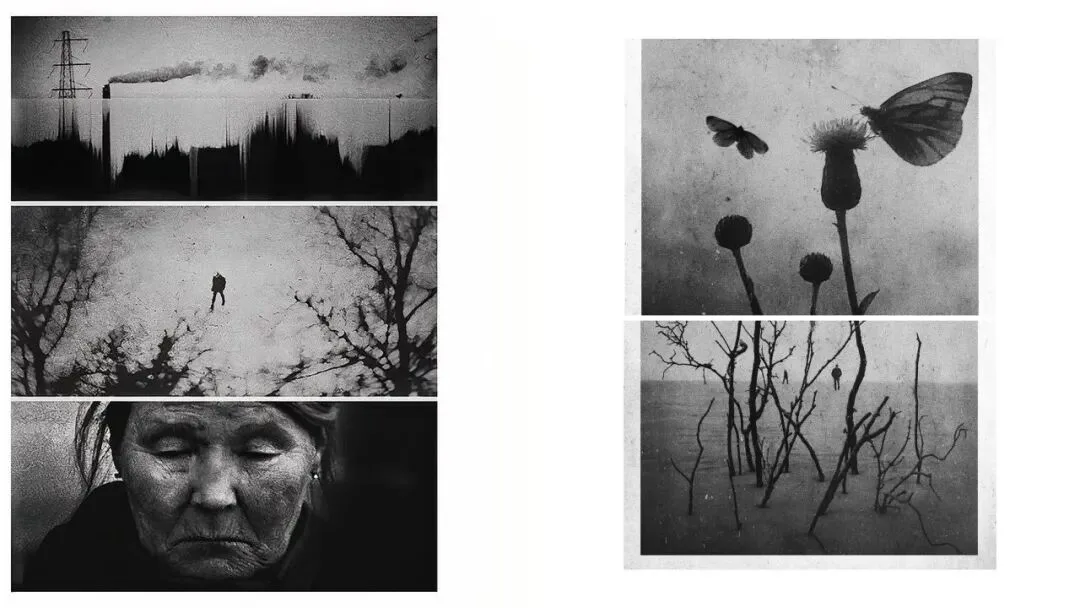
In today's photographer recommendation tutorial, Thomas will appreciate the photos of street photographer Joakim Möller with everyone.
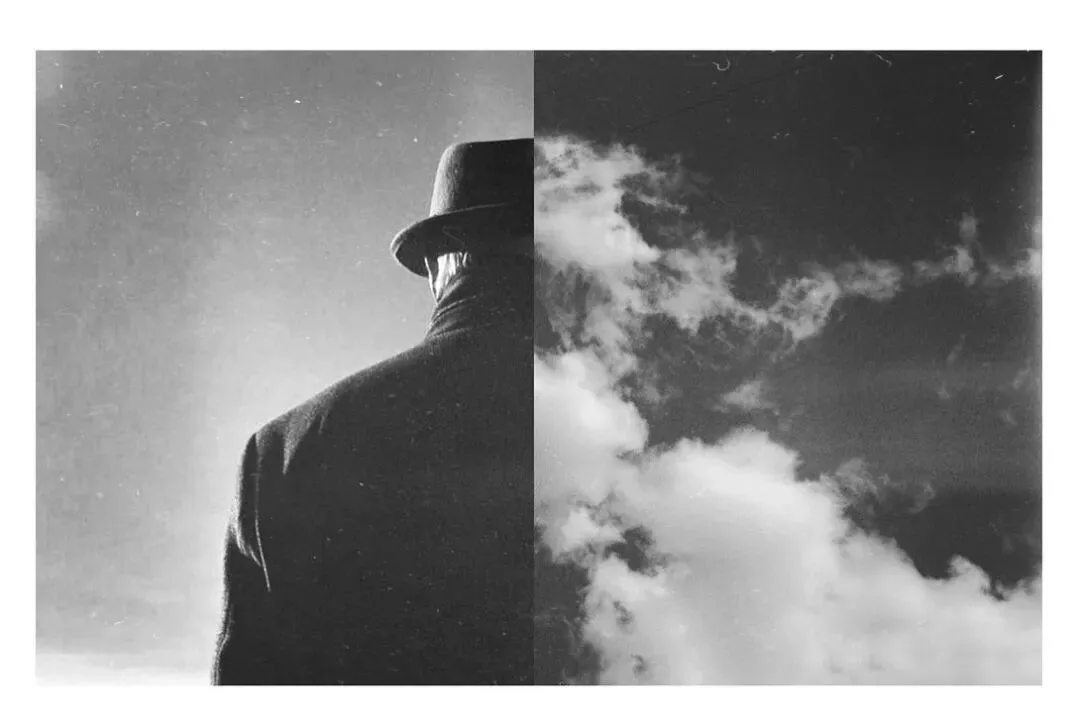
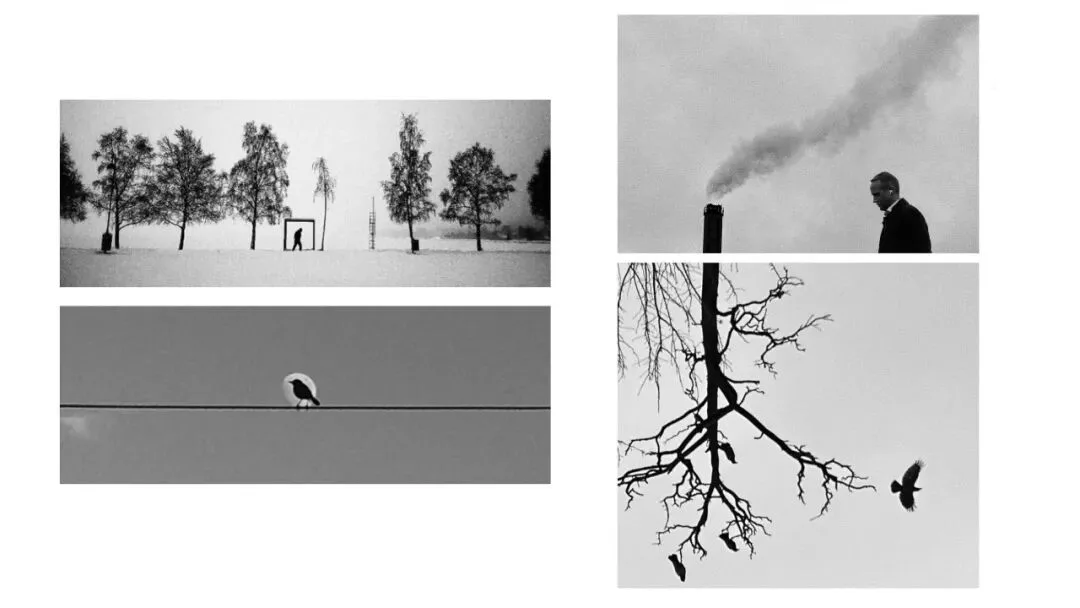
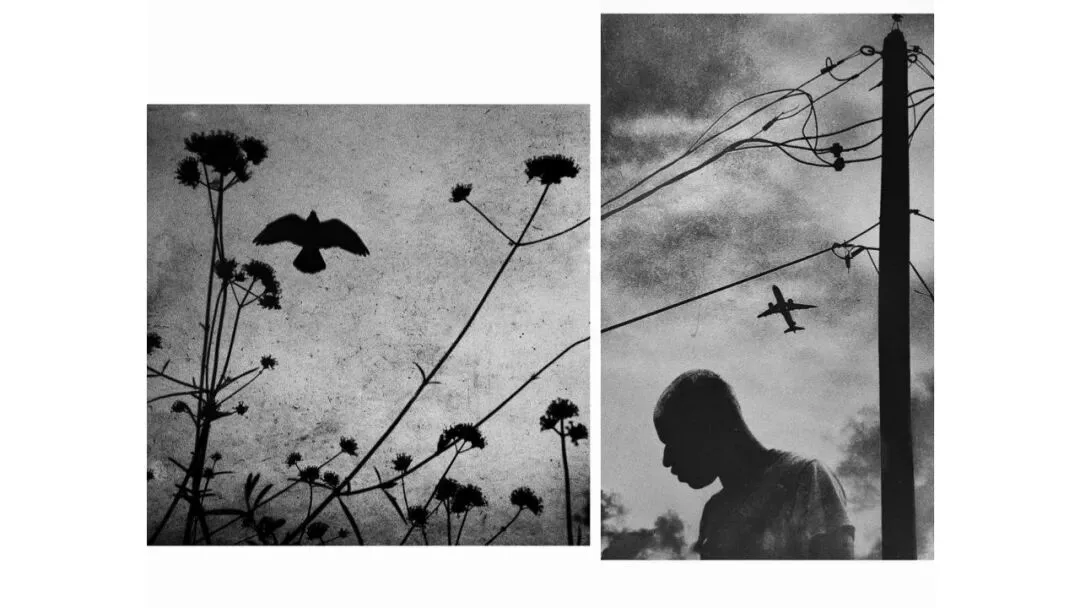
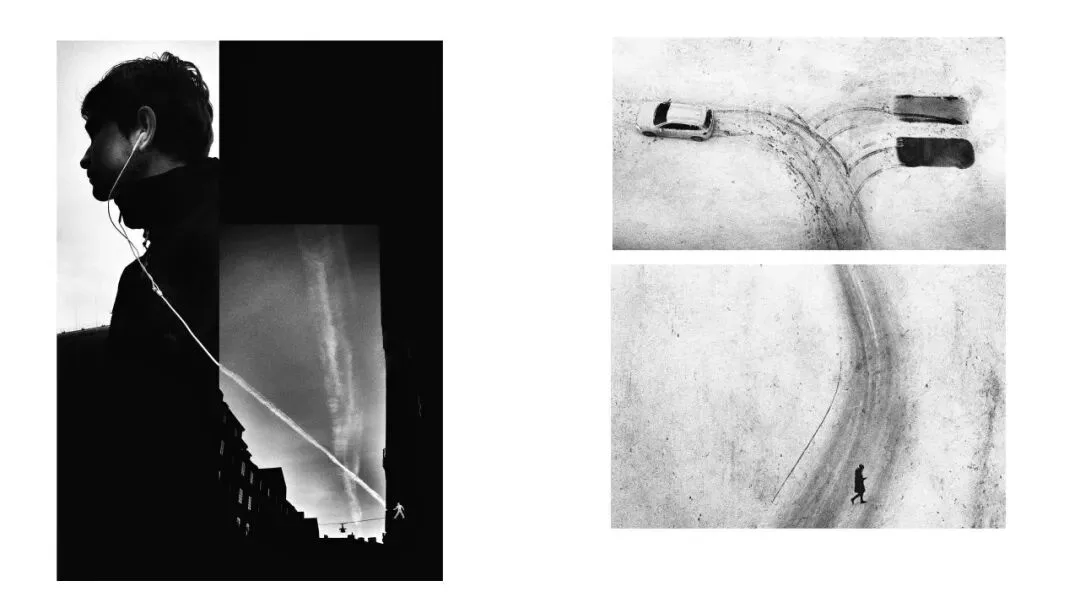
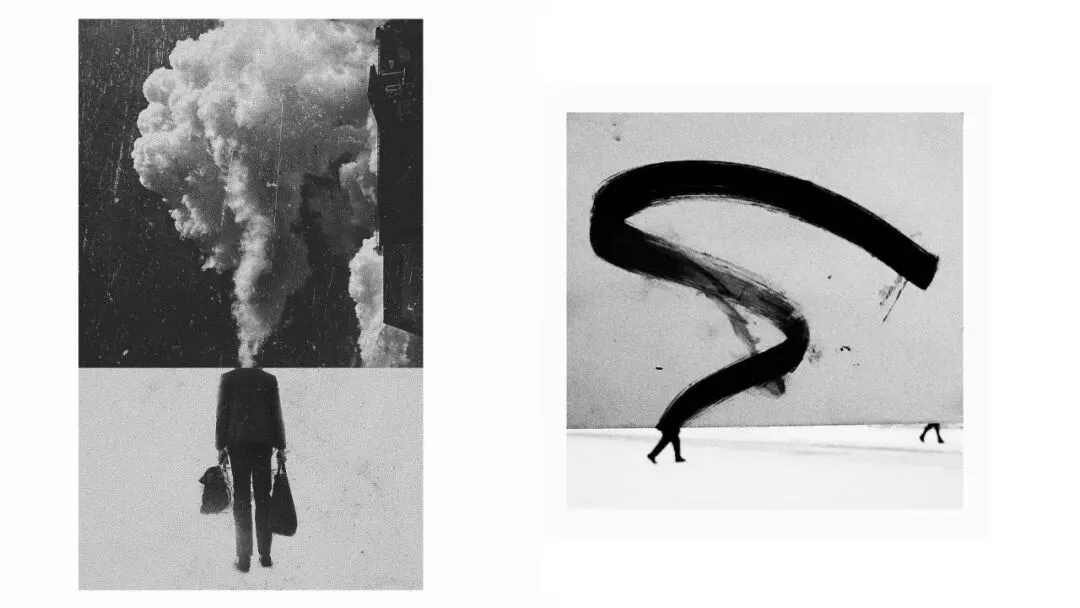
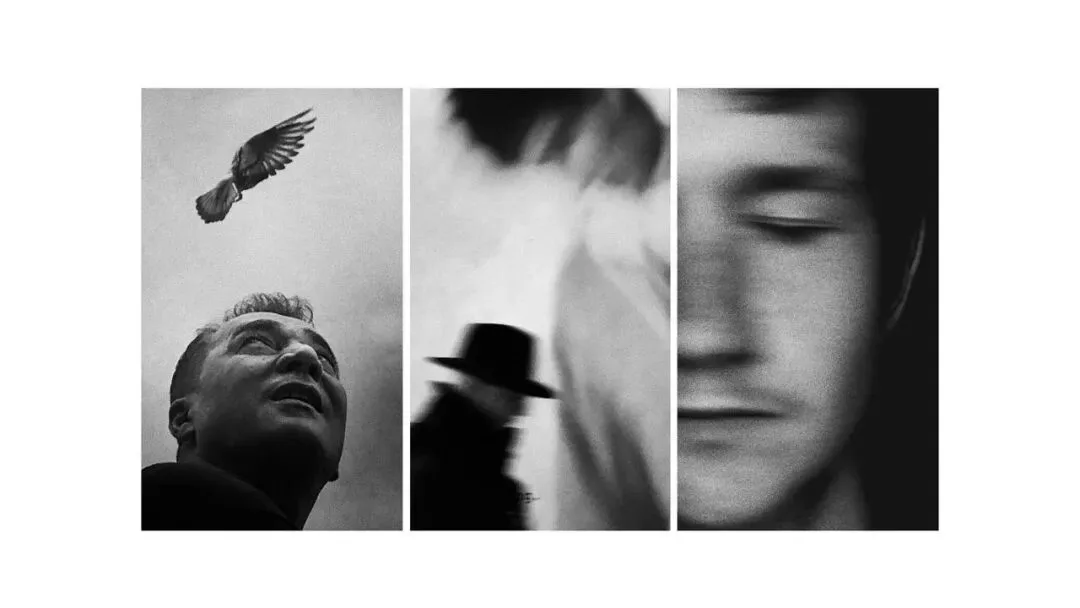
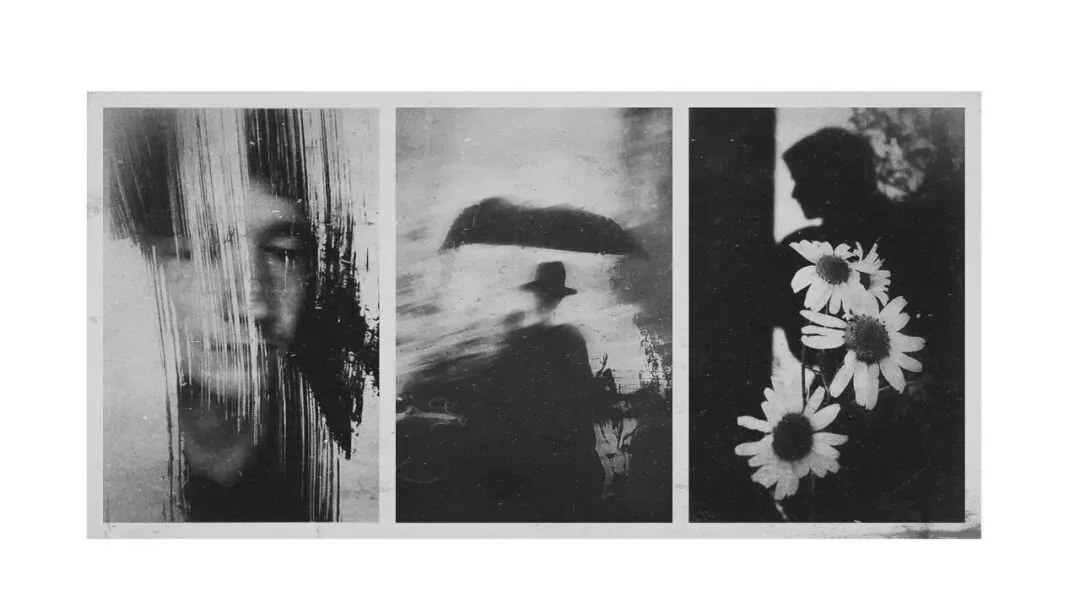
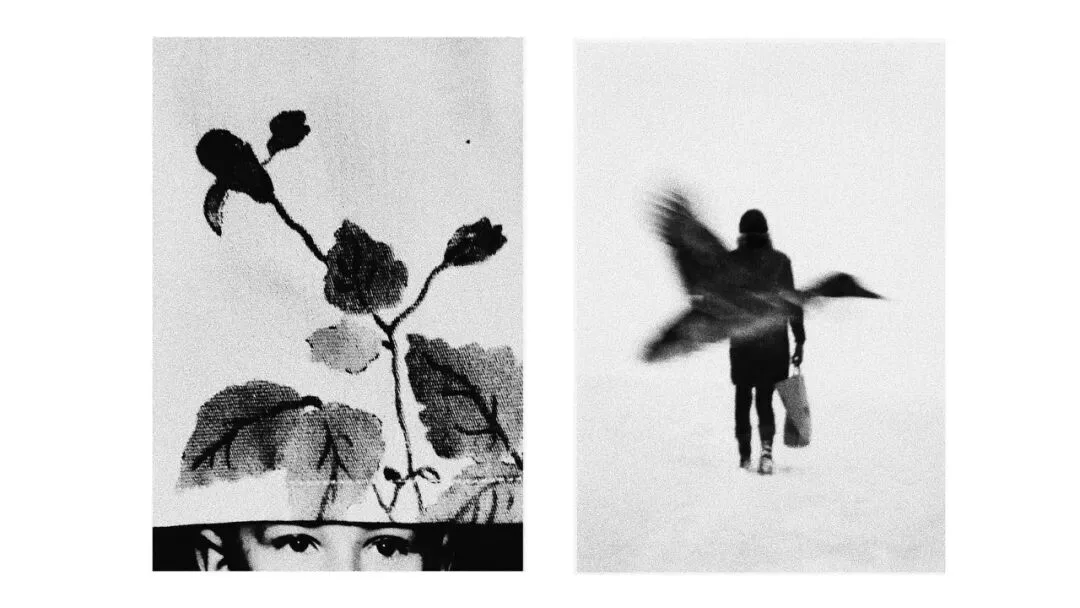
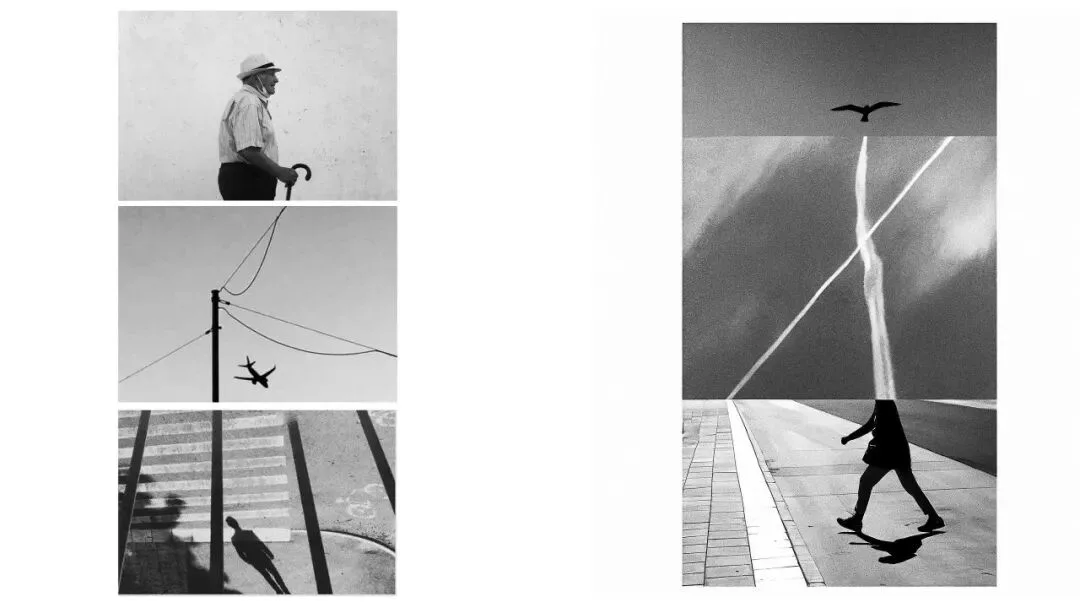
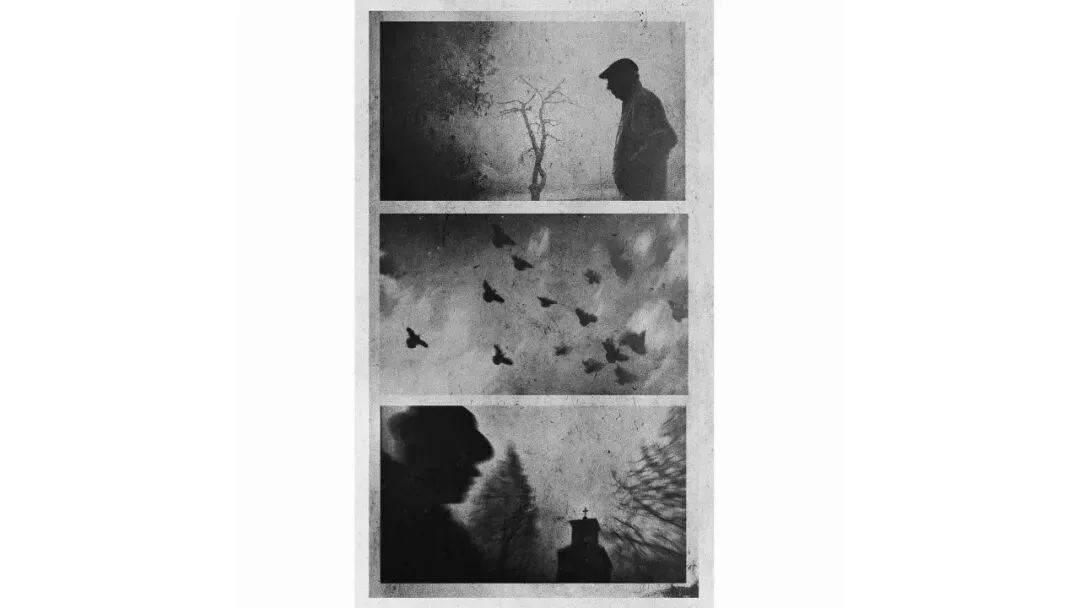
Juxtaposing visually connected photos can surprisingly produce a chemical reaction of 1+1>2!
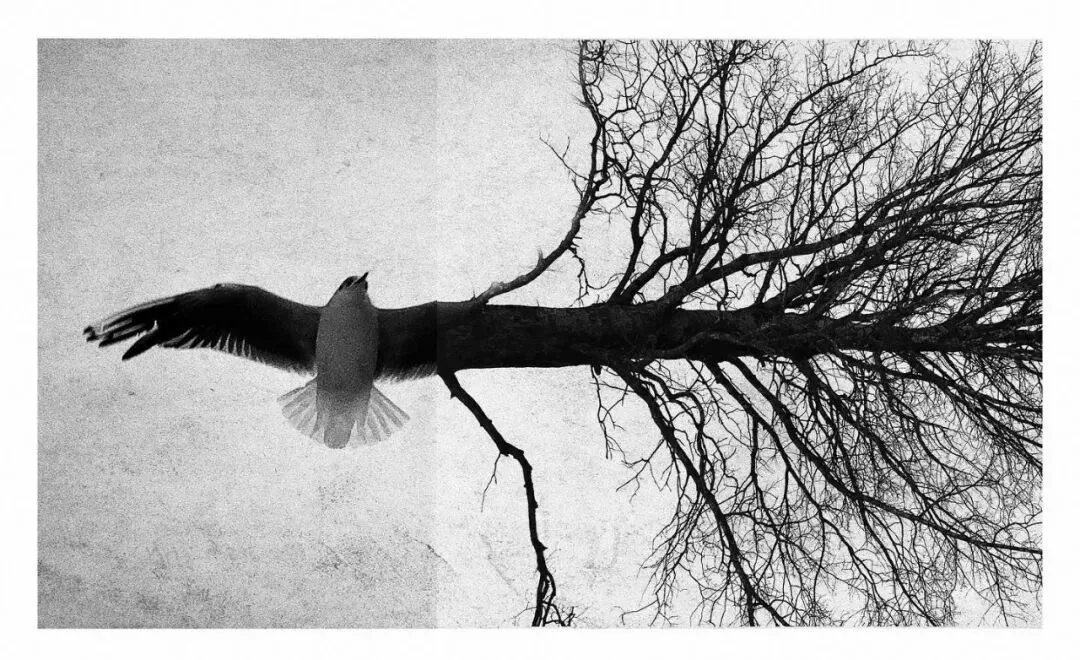
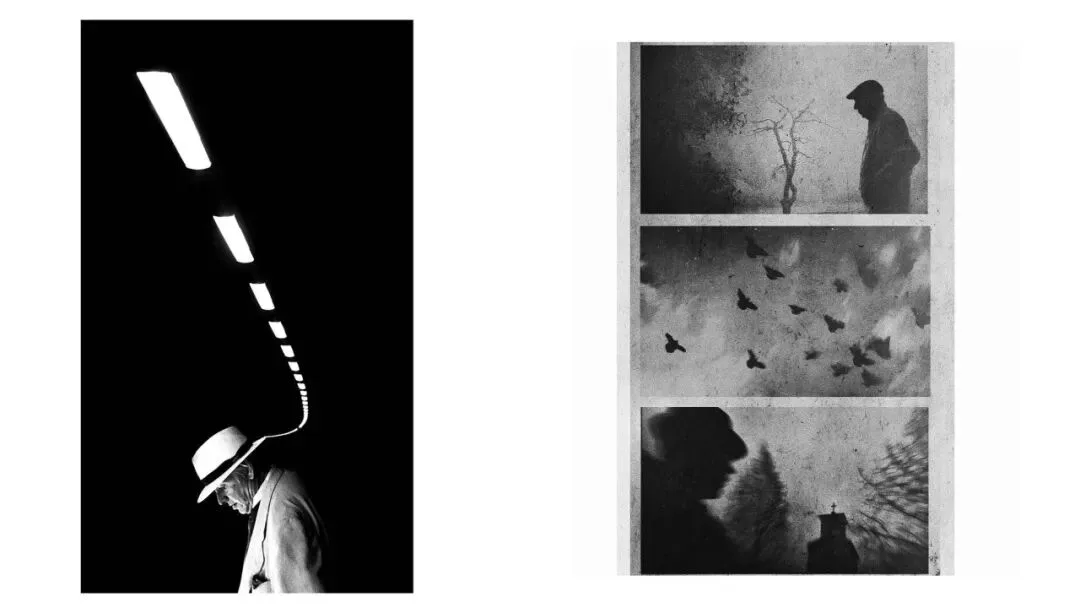
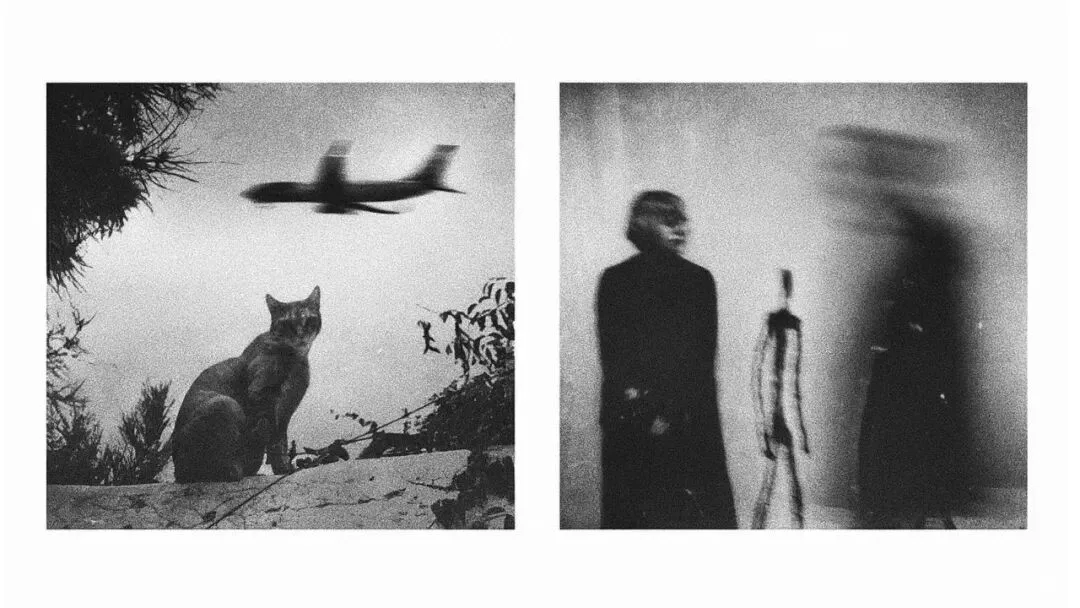
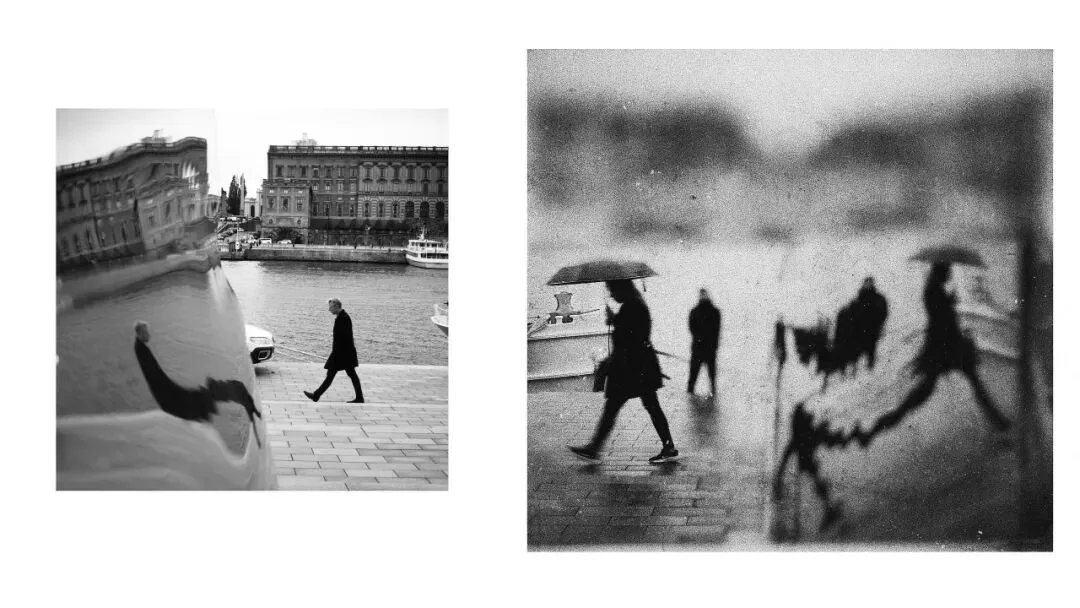
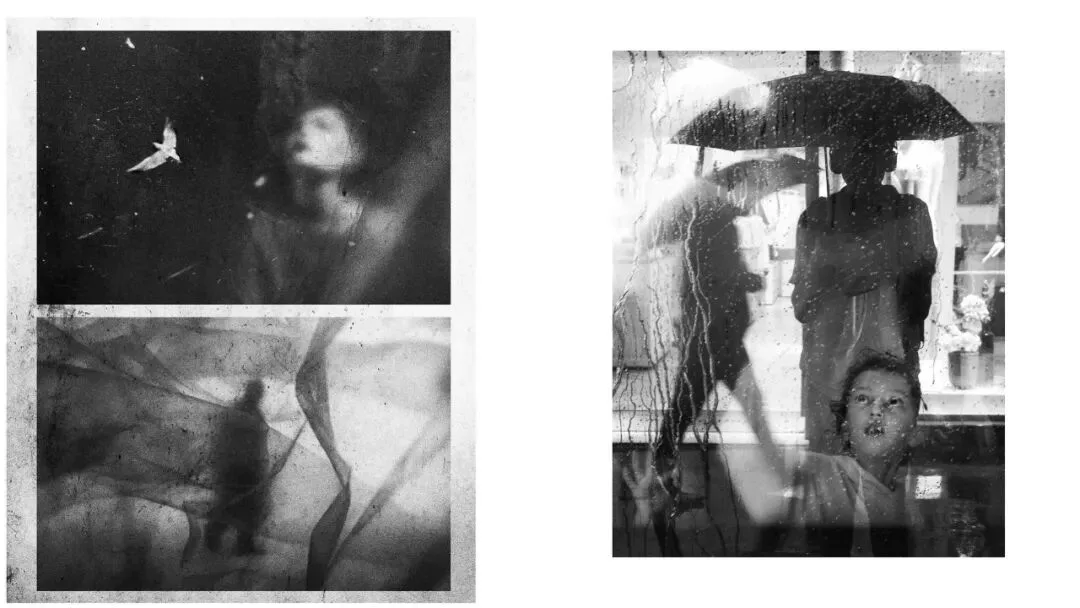
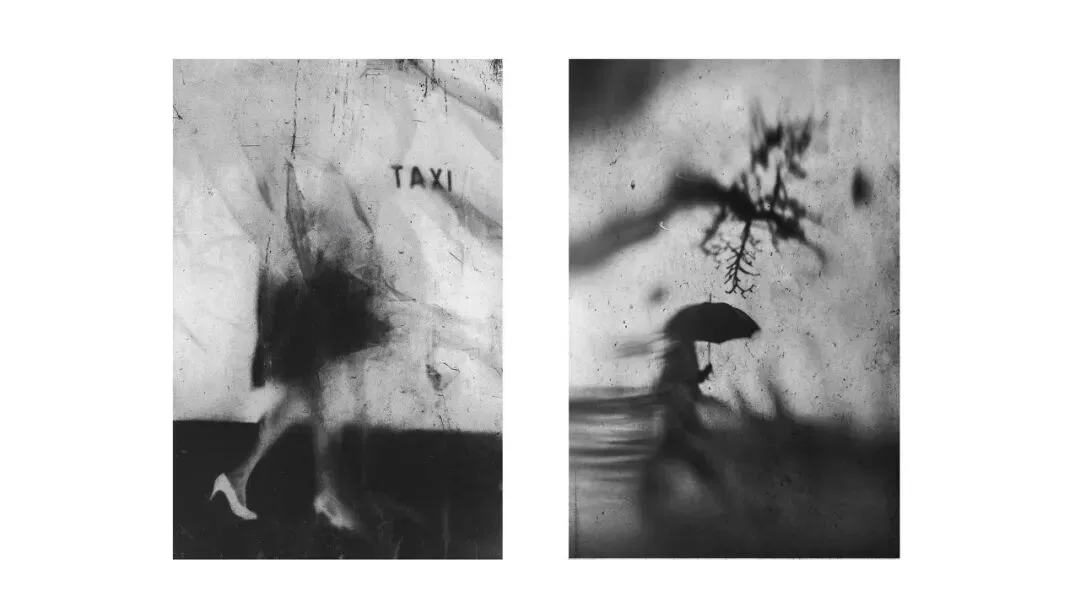
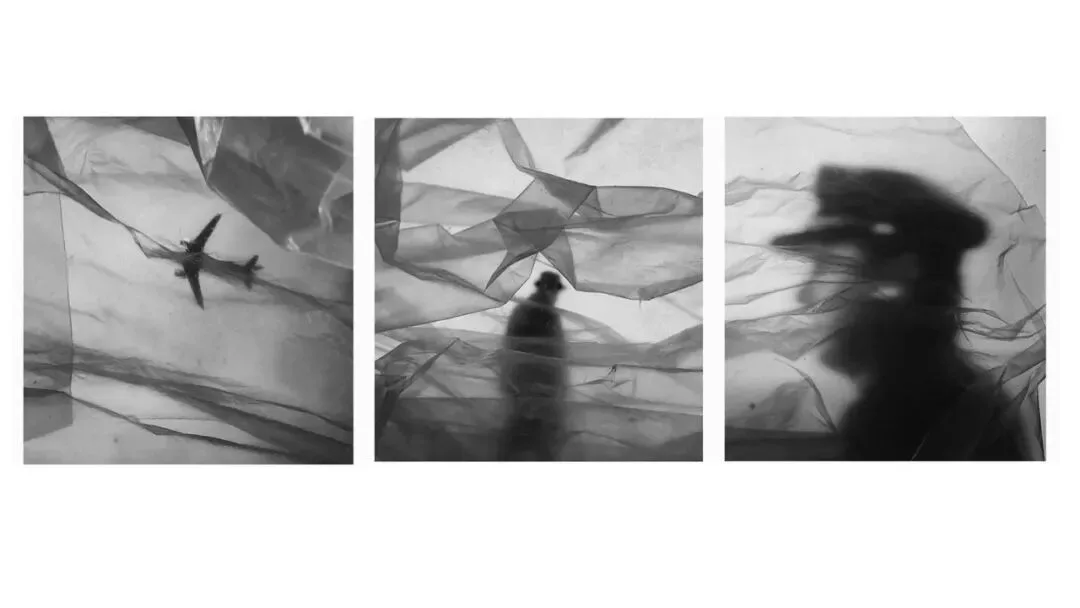
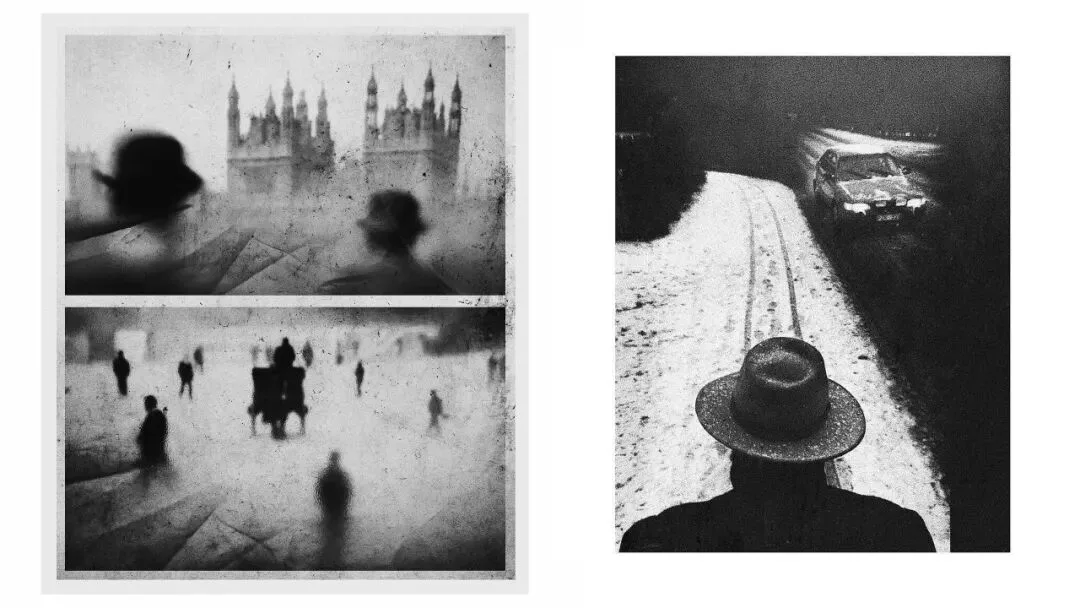
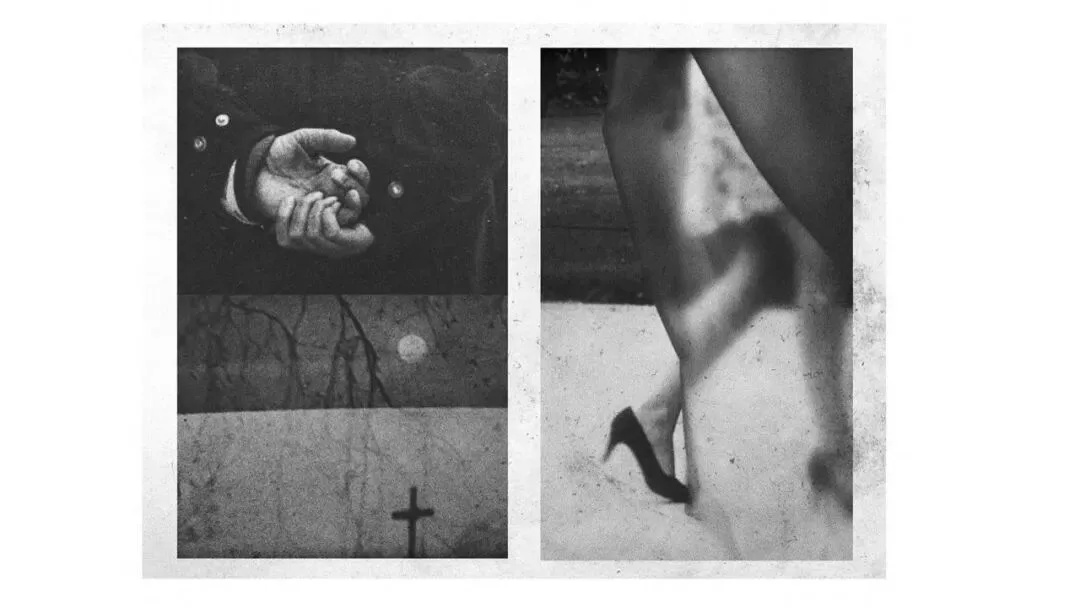
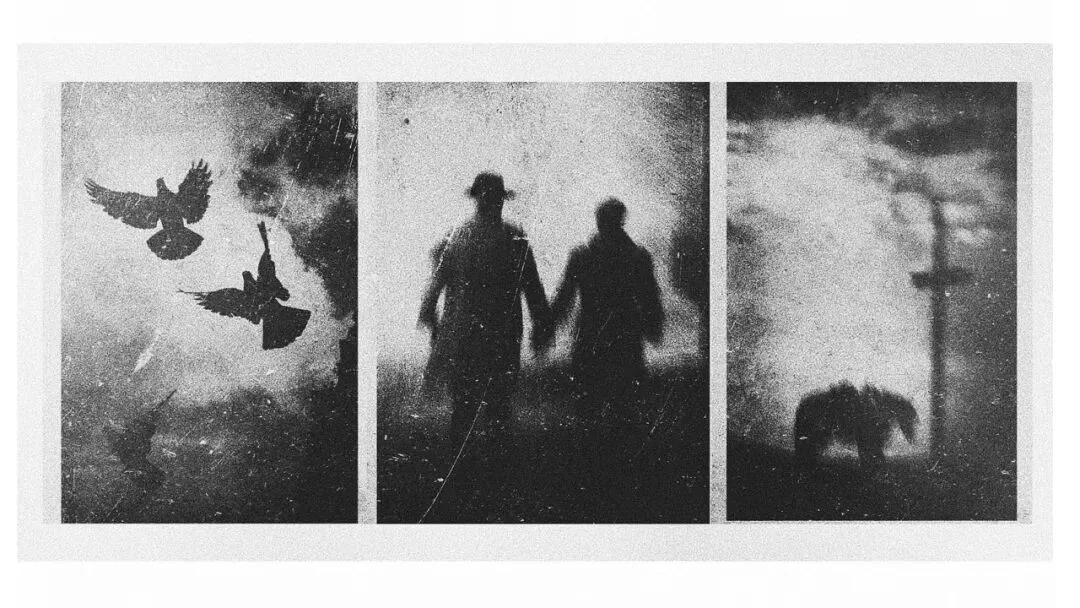
At the same time, the photographer's use of effects like symbols, silhouettes, props, and blur also gives the black-and-white photos a full sense of atmosphere!
Video
▶ Watch the video tutorial on Bilibili
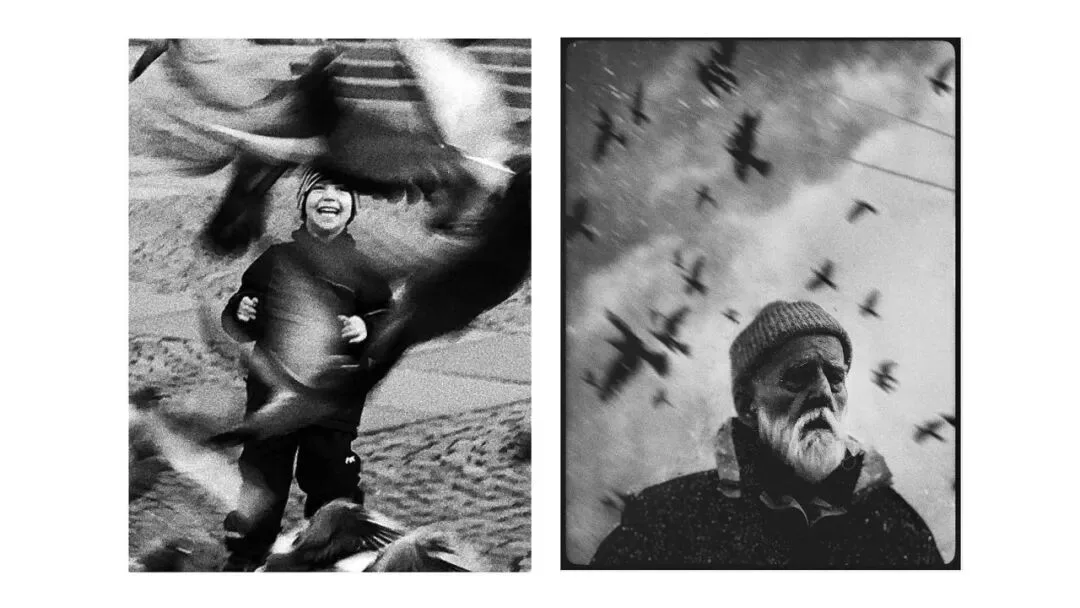
This is the illustrated companion to the video above, in which Thomas reviews the black-and-white street work of photographer Joakim Möller: his subjects are the elderly, children and pigeons that everyone photographs, yet the results are utterly different. This article organizes his two great strengths — creative editing that juxtaposes photographs, and the use of symbols, silhouettes, props and blur to build black-and-white atmosphere — paired with keyframe screenshots from the video.
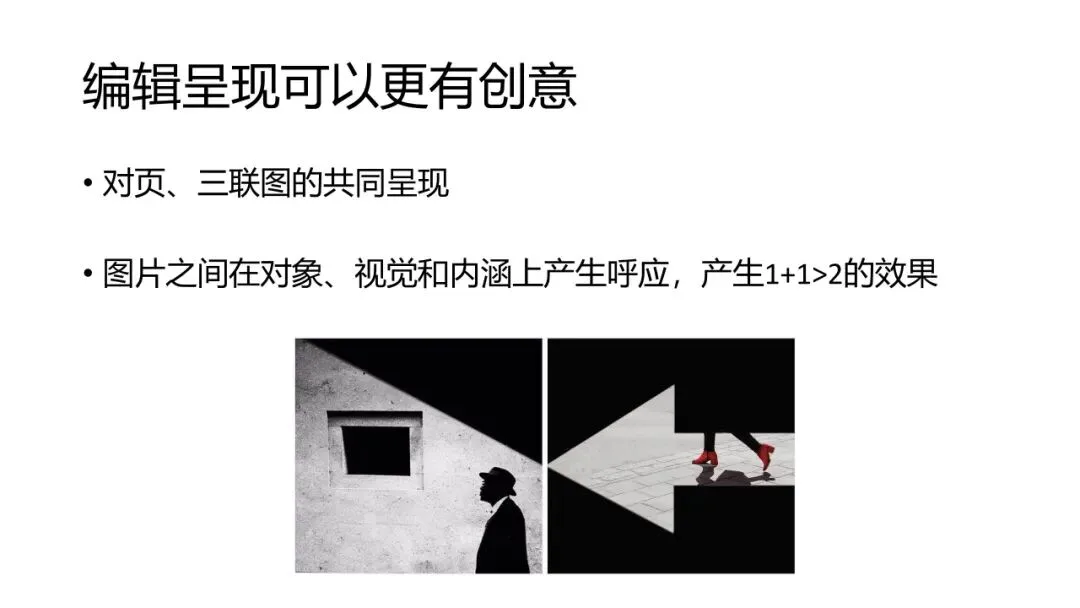
Start with the overview. This summary card, captured at 0:56 in the video, states the core of juxtaposed editing: presenting images together as spreads, triptychs and their variants so they echo one another in subject, visual form and meaning, creating a 1+1>2 effect — the skeleton of the whole episode.
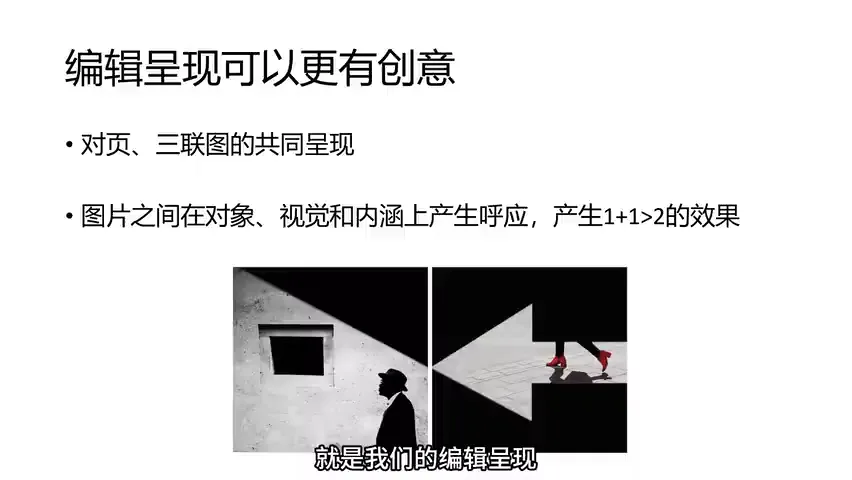
01 Juxtaposition: Editing Where 1+1>2
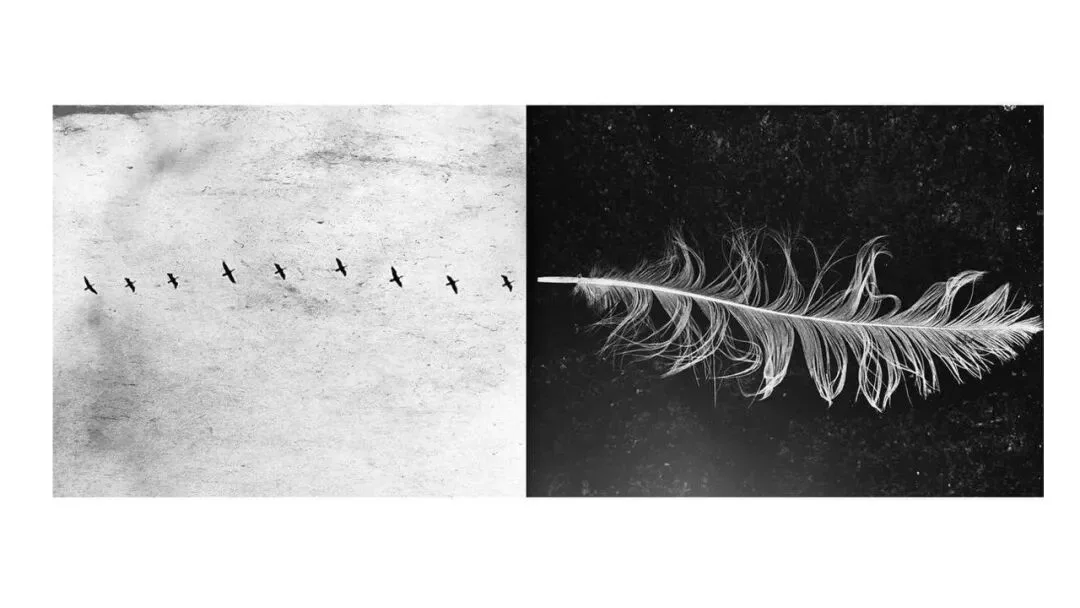
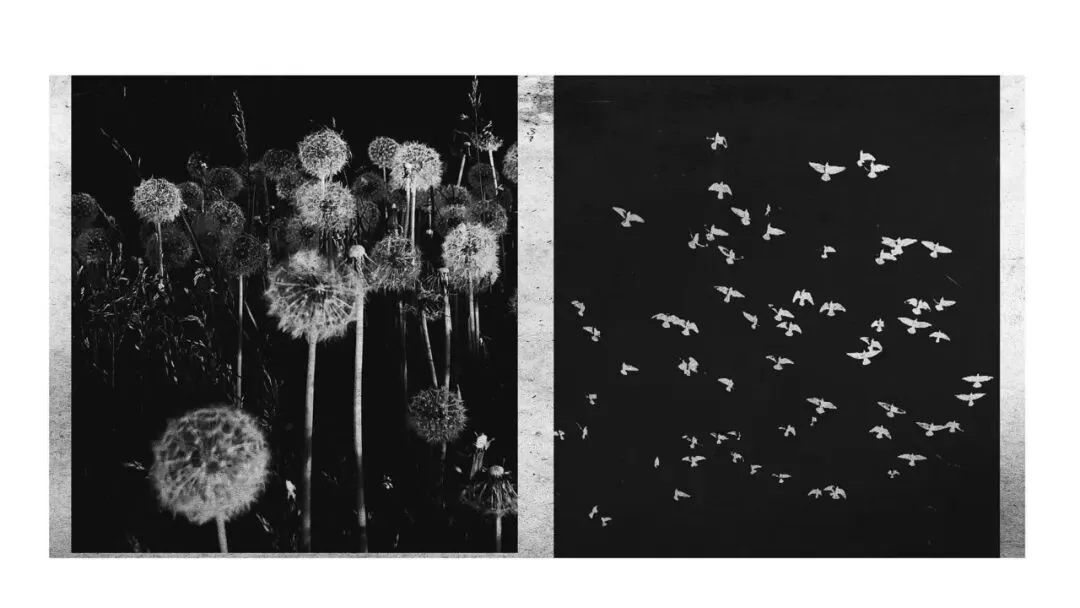
The first lesson from Möller is that presentation itself can be more creative. Where most of us post single images or a nine-grid, he borrows the diptych spread common in photo books, along with triptychs (at 0:58 in the video). The pair below is typical: flying wild geese on the left and a single feather on the right, linked in meaning and in negative — a white ground with black elements on the left, a black ground with white elements on the right (at 1:44 in the video).
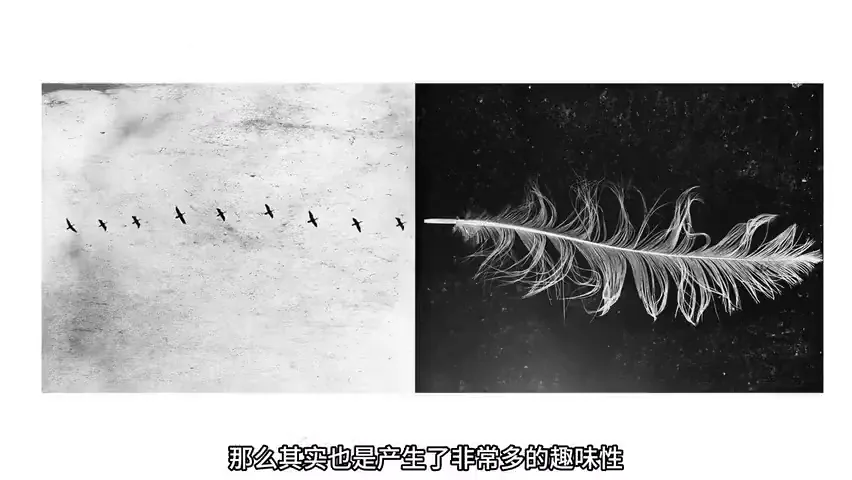
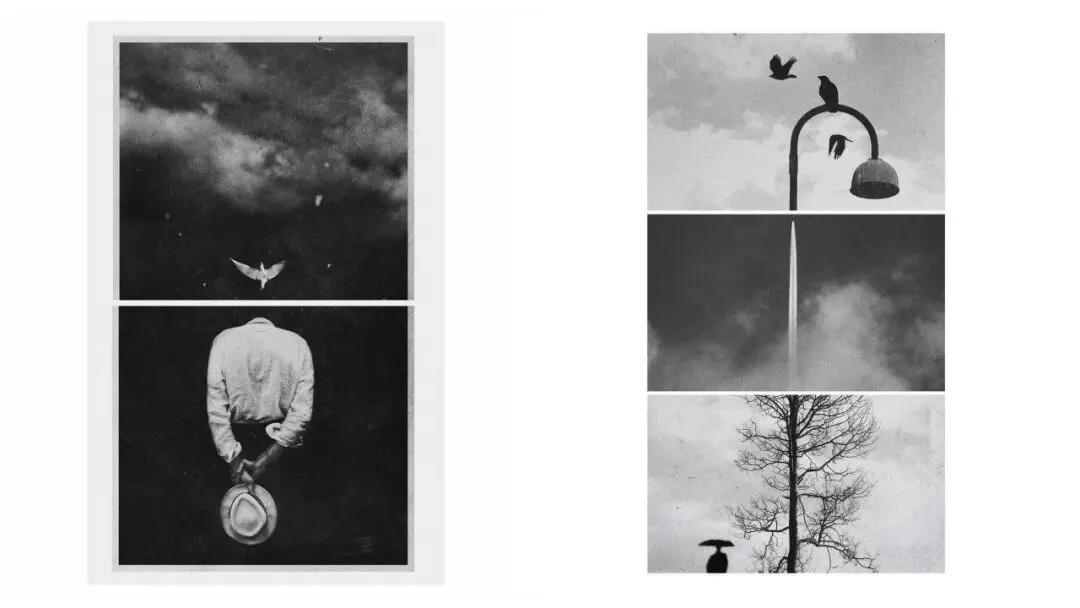
The magic of such pairing: cover either side and you still have a good photograph, but not that stunning feeling; only side by side does the viewer marvel at the presentation (at 2:02 in the video). Below is another: a tree, the contrail of a plane crossing the sky, and a street lamp — three of the most common, most-photographed elements in daily life, yet combined and interlaced in light and dark, the effect becomes something else entirely (at 2:18 in the video).
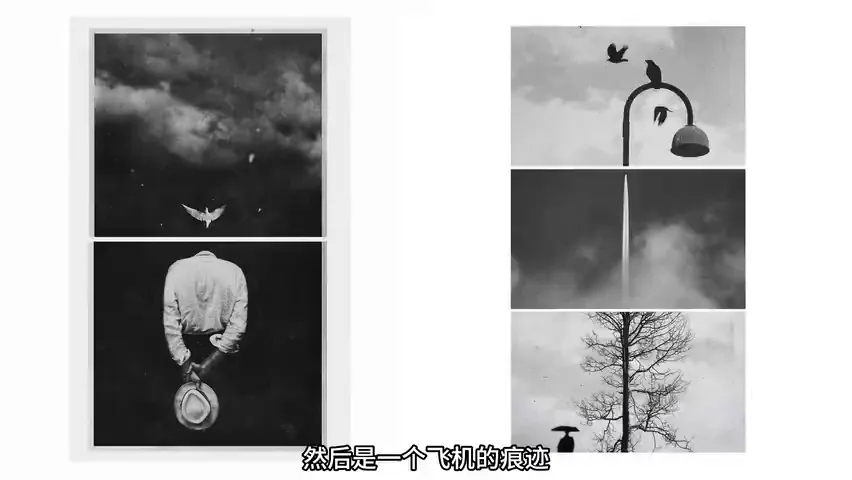
02 Dislocation and Weight: Echoes in Post
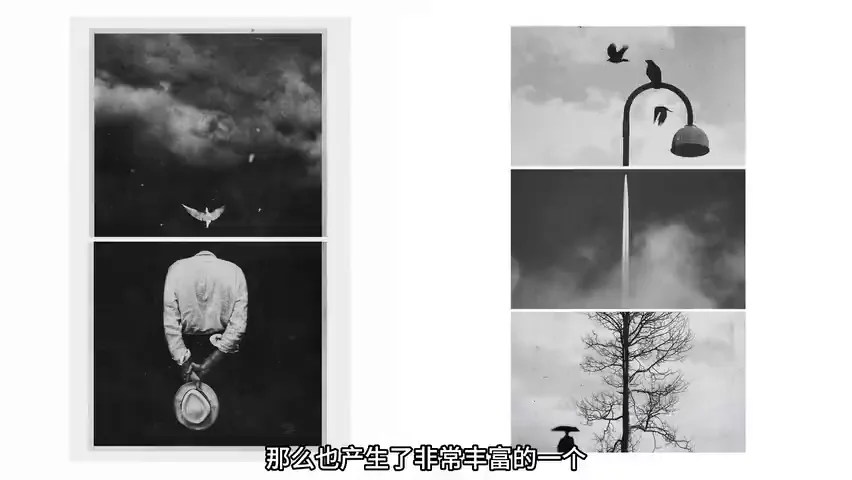
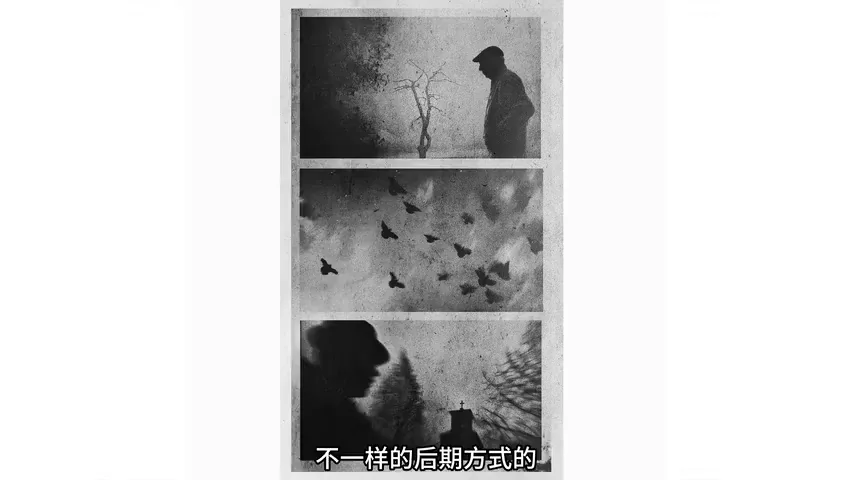
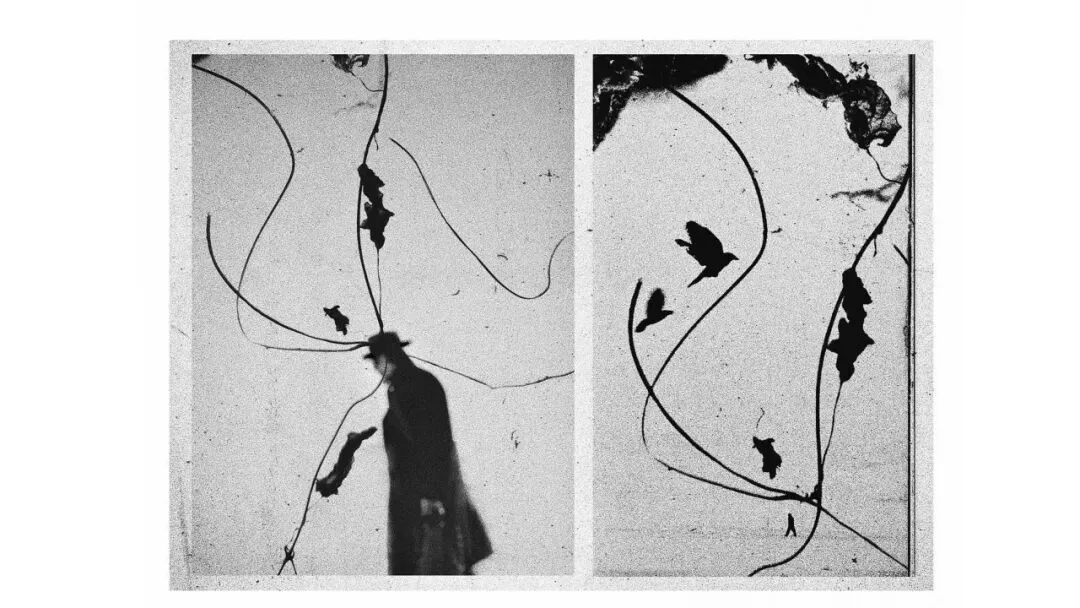
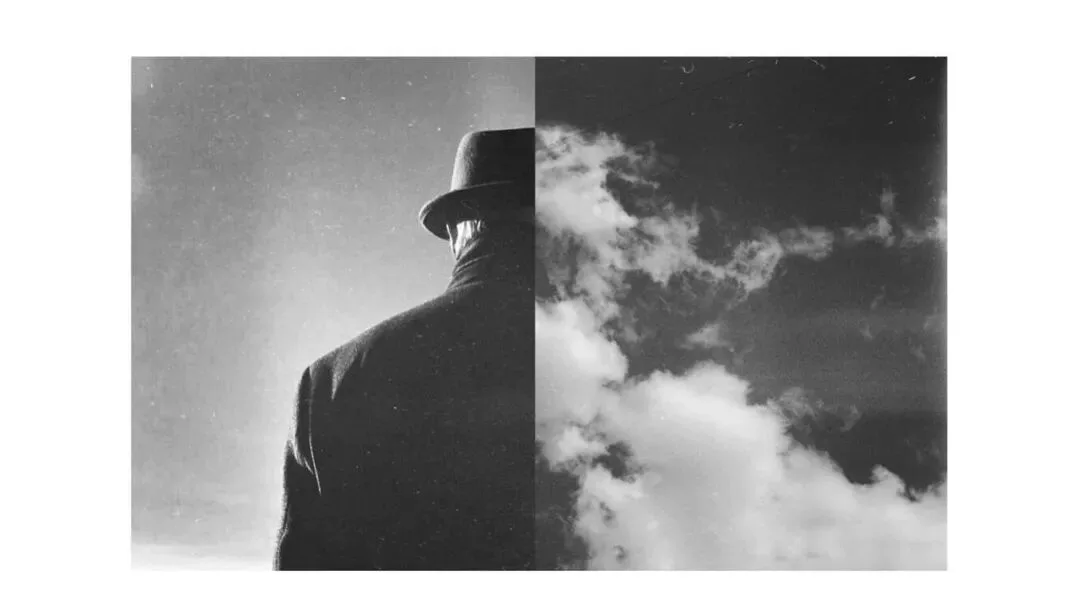
Juxtaposition need not be symmetrical. Some pairs play on visual dislocation between top and bottom; others share a formal language — both a black background with a centered white subject, similar in form yet different in substance (at 2:56 in the video). Even more inventive is this one: a figure whose head, through post-processing, is buried in shadow, while exactly where the head should be perches a bird — a rich visual echo between person and bird (at 2:49 in the video).
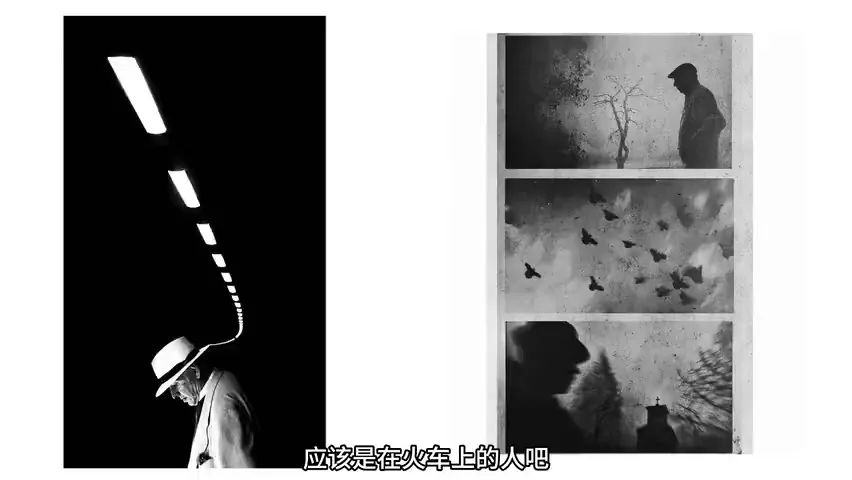
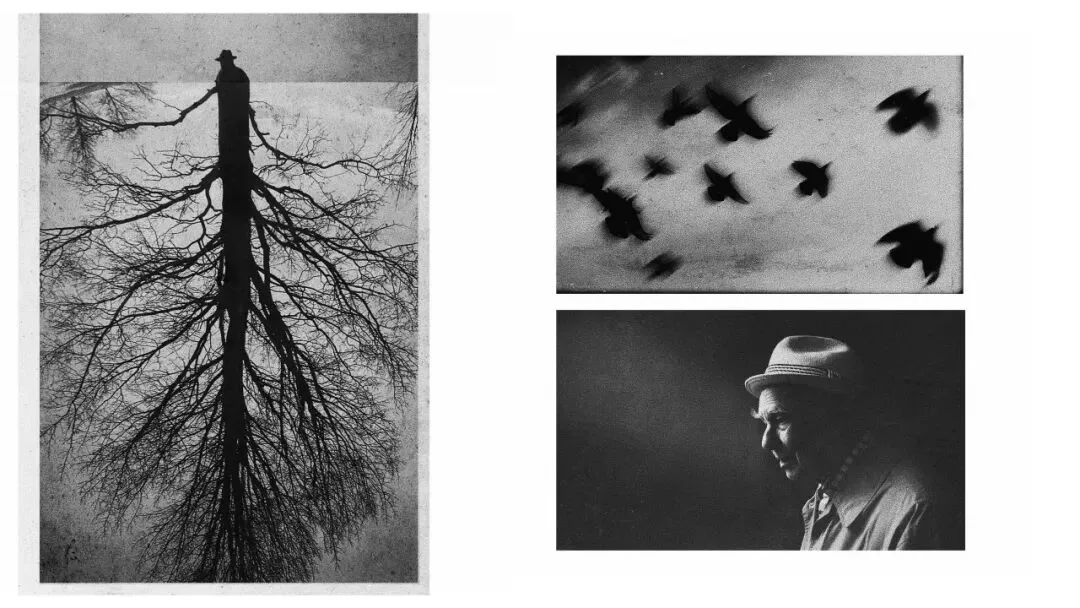
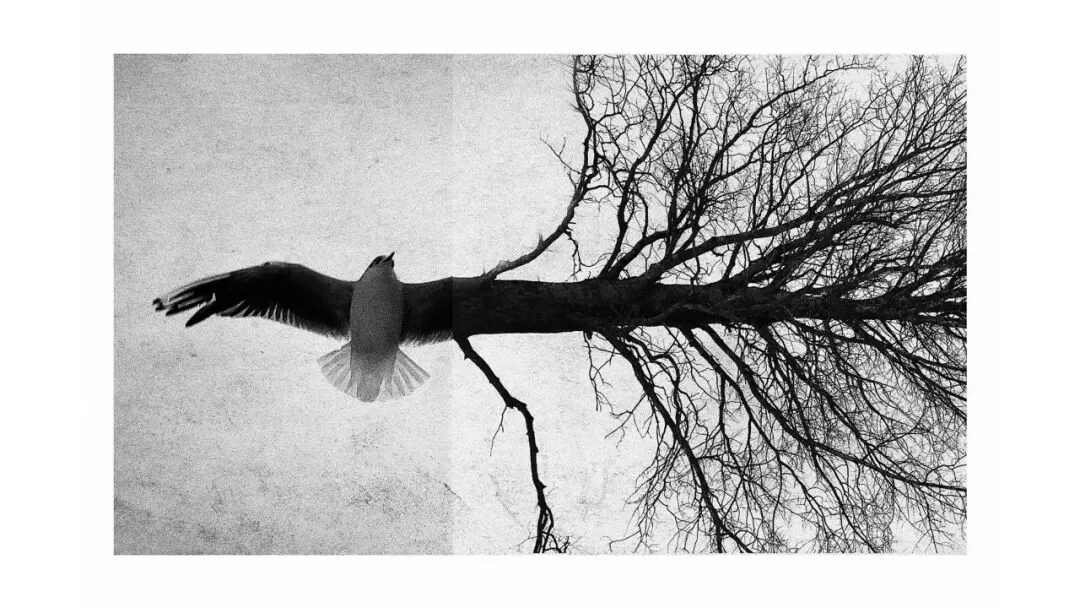
He is also bold with heavy post-processing. In this frame of a man waiting on a train, every cluttered element around him is swallowed into black, until a string of lamps seems to drift out of the man's hair — wonderfully odd (at 3:59 in the video). And juxtaposition is not always left-right symmetric: sometimes a tree takes up eighty or ninety percent of the lower frame with just a fragment of a person above, and the playfulness grows stronger for it (at 4:35 in the video).
03 Symbols and Silhouettes: The Base of B&W Mood
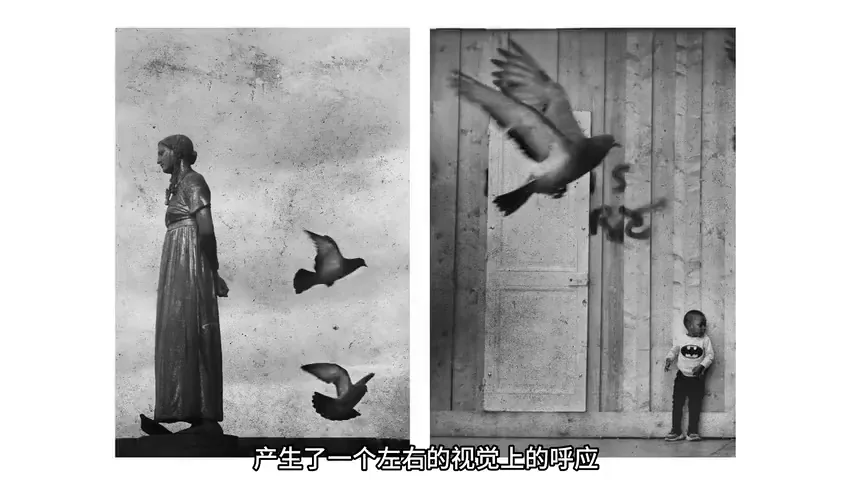
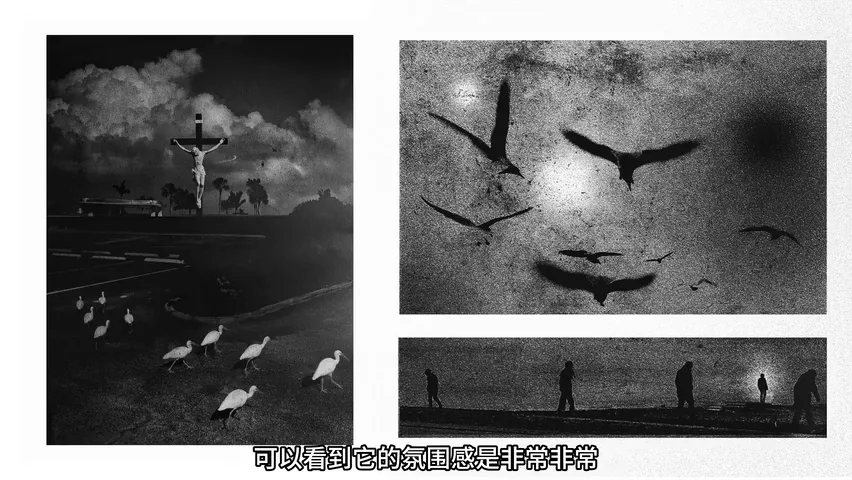
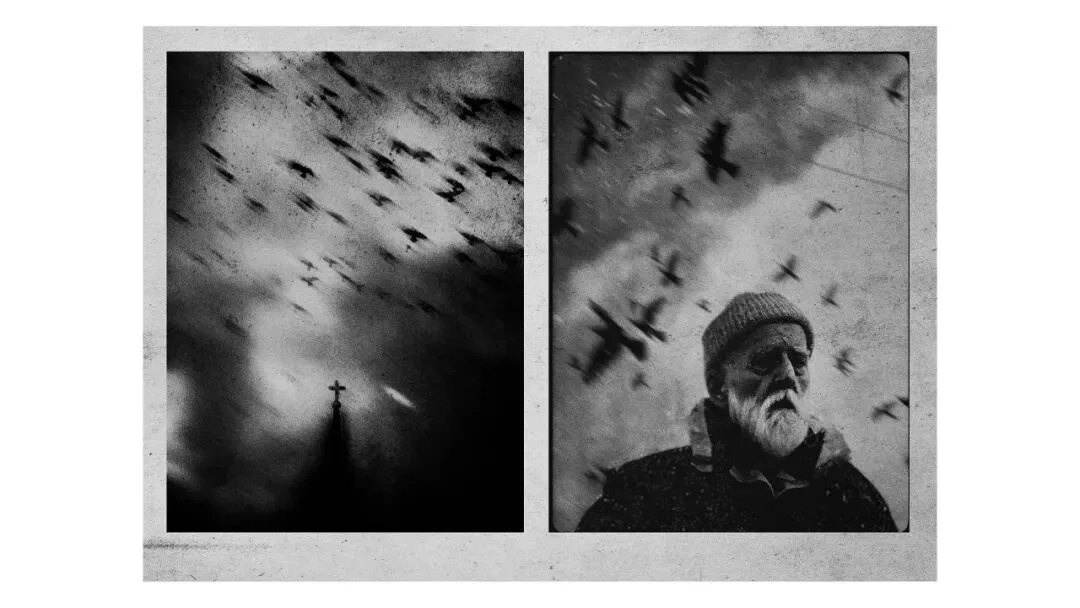
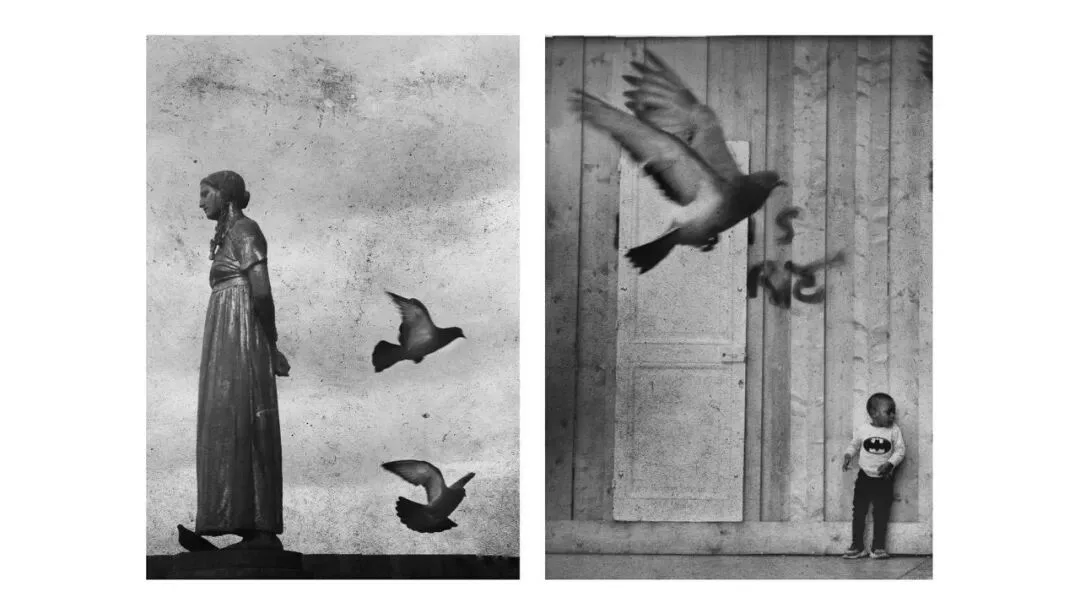
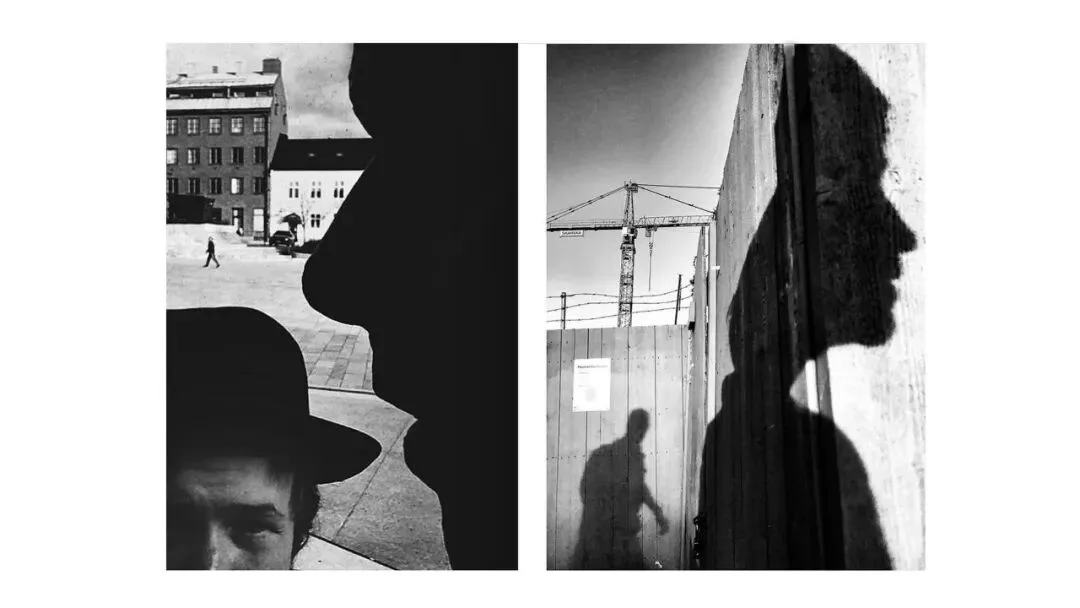
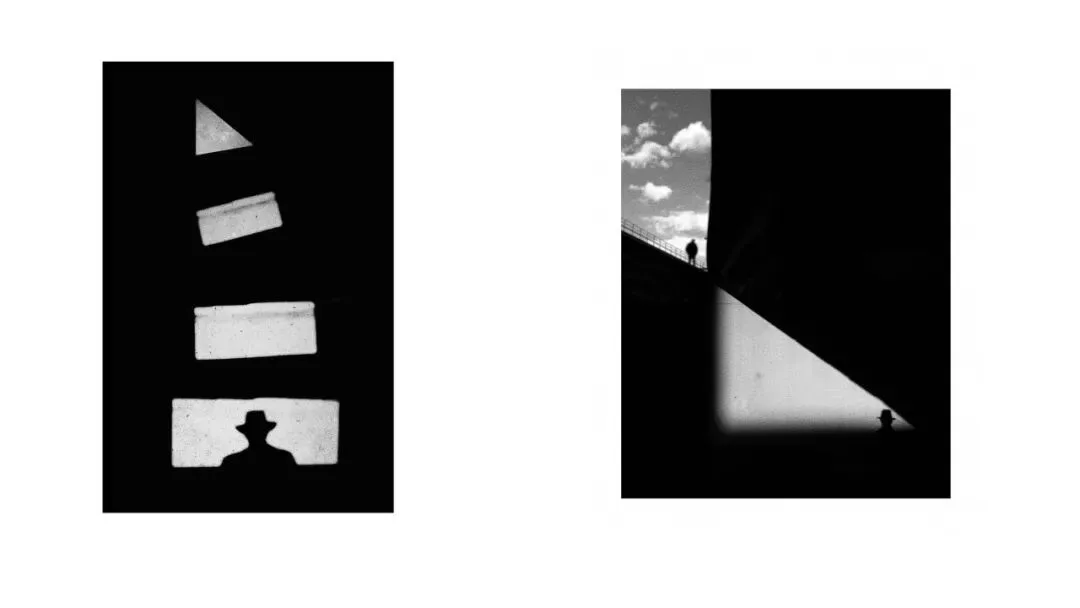
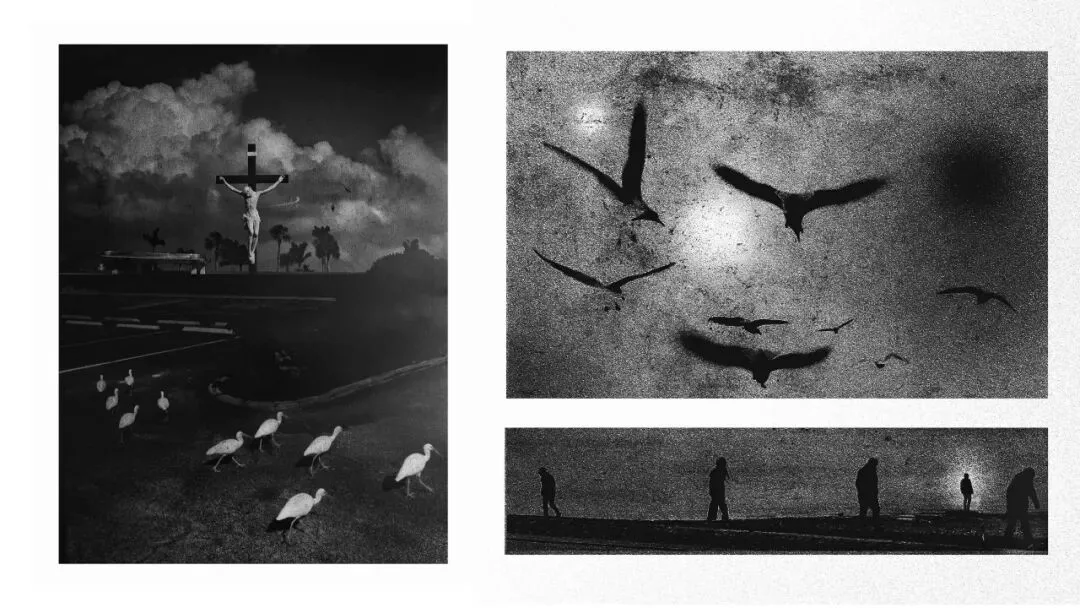
It must be granted that even untangled from their pairs, his single images are thick with atmosphere — and they are pure black and white, with color unavailable. In monochrome, atmosphere can only come from capturing light and shadow in the field plus adjustments in post (at 5:57 in the video). His symbol bank is fixed: people, birds, and special images like the cross, rendered largely as silhouettes. The pair below — a statue and pigeons — even creates a flowing visual echo (at 5:56 in the video).
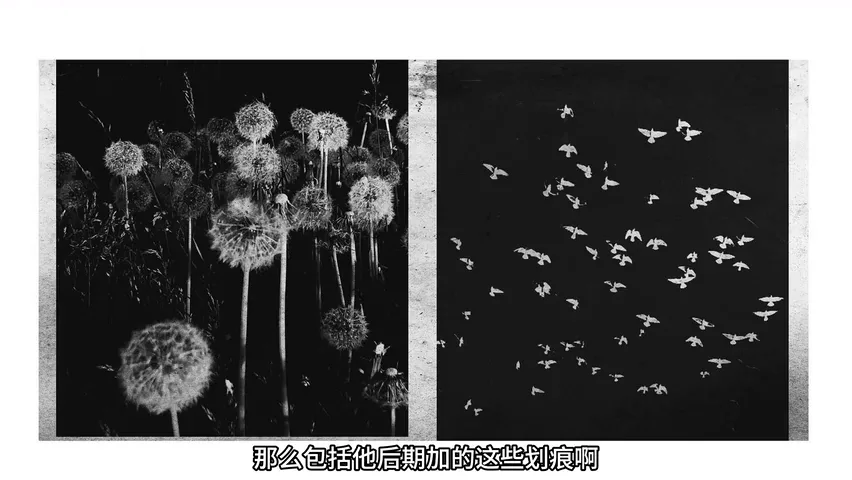
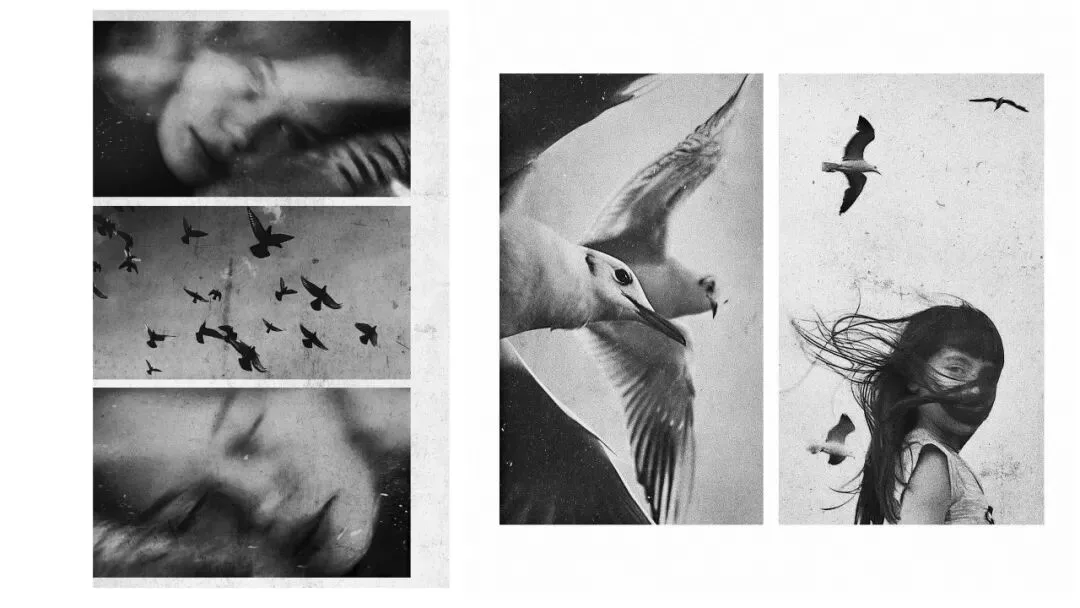
Mass-produced darkness is another of his tools. Big flocks of birds, eagles, flowers in a bed — subjects that are hard to photograph well — he reduces by pressing everything else into black, leaving only the subject (at 8:16 in the video). This vast, minimal darkness instantly sets the photograph apart.
04 Props and Texture: Plastic, Blur and Grain
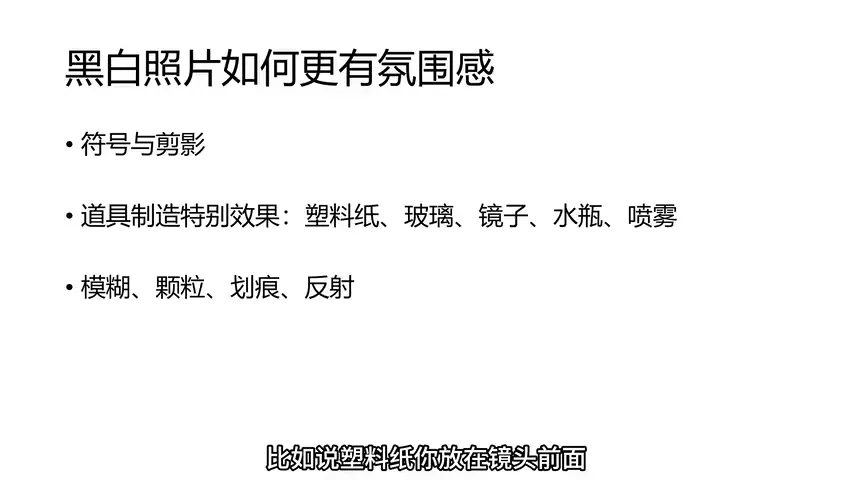
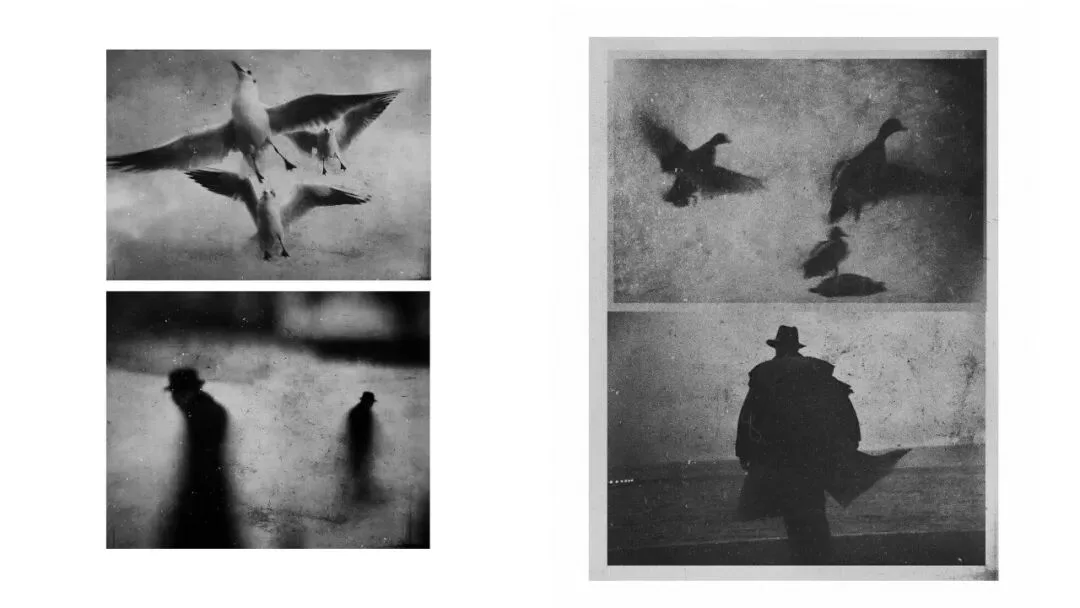
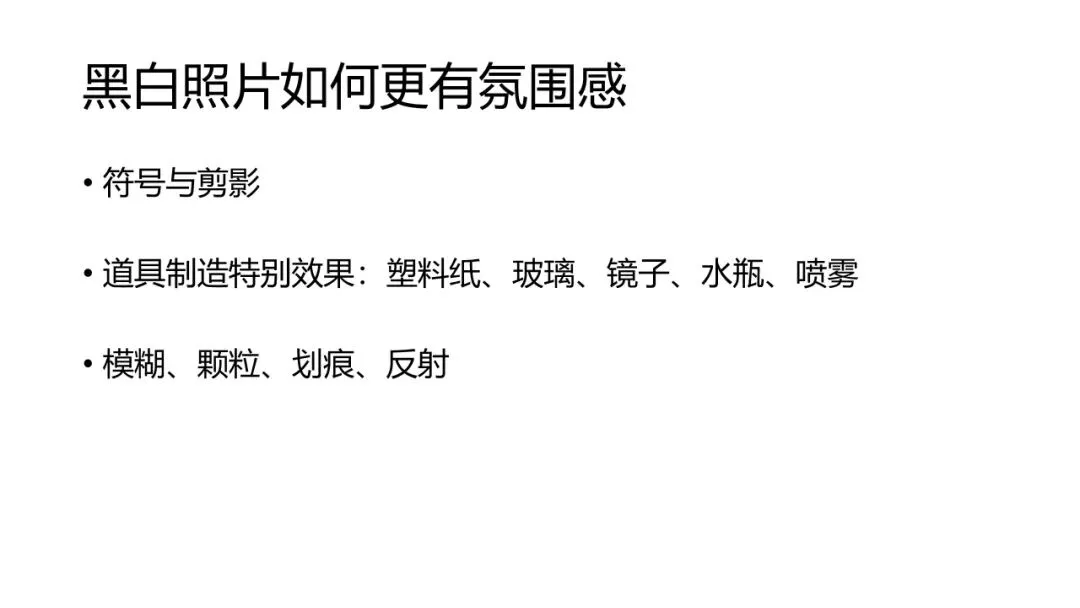
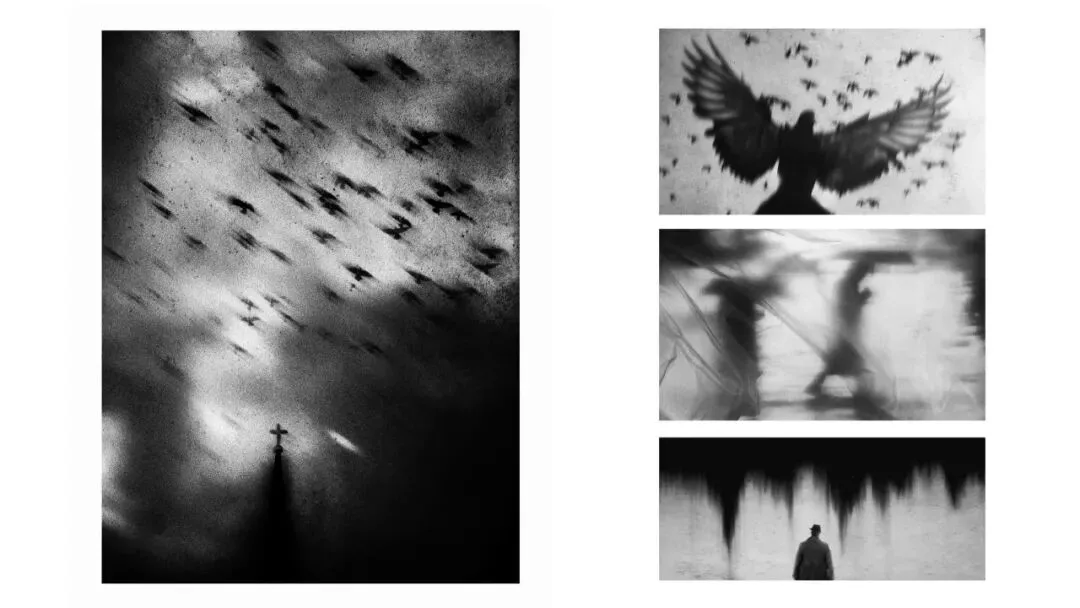
Props in front of the lens manufacture special effects: plastic sheets, glass, mirrors, water bottles, spray — any of them can yield remarkable pictures (at 6:25 in the video). Reflections in car windows or bodywork let the normal world and a distorted world coexist in one frame (at 7:27 in the video); a plastic sheet over the lens, combined with raindrops on glass, builds an intricate spatial structure (at 7:41 in the video).
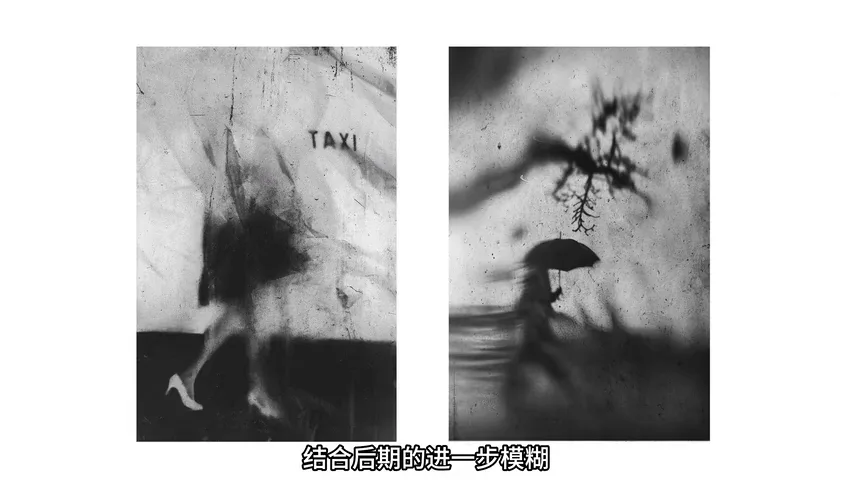
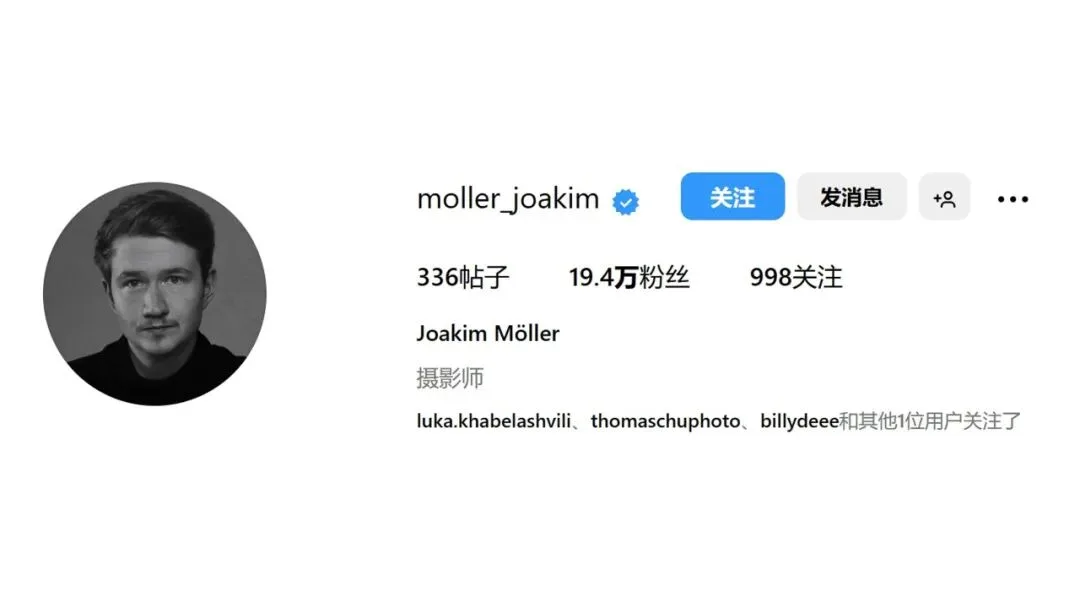
Then another layer in post: grain, dirty specks, scratches, reflections and blur — blur above all conjures a hazy, dreamlike mood (at 6:41 in the video). In the cross-and-birds frame, a flash lights the subject in the field and the contrast is pushed further in post, producing overwhelmingly strong atmosphere (at 8:45 in the video). Stacked with collage and juxtaposition, these treatments make the work unmistakably his — a practice carried through his entire Instagram presentation, and well worth experimenting with yourself.
1. Presentation itself can be creative: diptychs and triptychs let images echo in subject, form and meaning — 1+1>2; 2. Juxtaposition need not be symmetric — dislocation, extreme size contrast and post-production darkness all create interest; 3. Black-and-white atmosphere comes from light captured in the field and finished in post: symbols (people, birds, crosses), silhouettes and vast areas of black are the foundation; 4. Props — plastic, glass, mirrors, spray — combined with blur, grain and scratches are the shortcut to hazy, textured moods.
HD video:
https://www.bilibili.com/video/BV1Xy4y1A79a/
PPT
Scan the QR code above or click "Read More" at the end of the article