Photography Tutorial · 2024-04-21
Asia's Most Expensive Photographer? Three Lessons I Learned from Hiroshi Sugimoto!
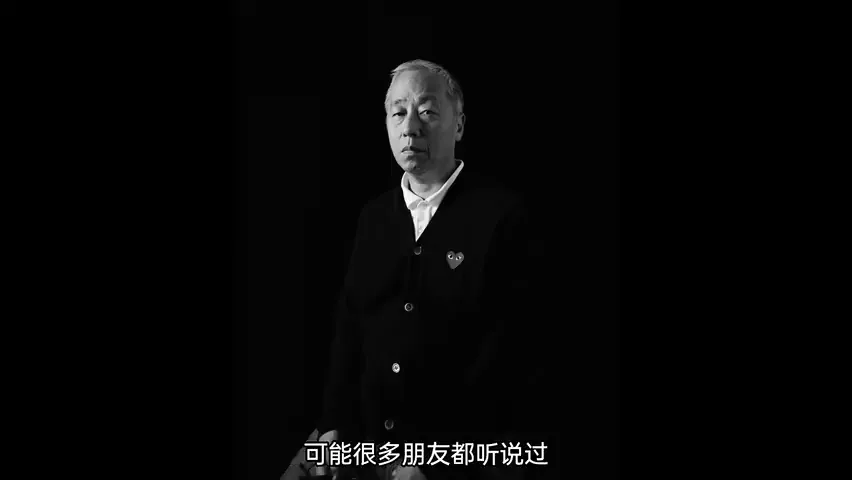
Some time ago, Thomas viewed Hiroshi Sugimoto's solo retrospective "The Infinite Moment" (《无尽的刹那》) at UCCA in Beijing.
As a photographer whose single photos can sell for tens of millions, what inspiration can Hiroshi Sugimoto's decades-long artistic career give us?
Today Thomas will share 3 simple and intuitive takeaways — no vague mysticism, but the underlying thinking every photography enthusiast and creator needs!
Video
▶ Watch the video tutorial on Bilibili
This is the illustrated companion to the video above. As invited media, Thomas visited Hiroshi Sugimoto's retrospective The Long Neverless — "Endless Moment" at UCCA in Beijing; the photographer once called "Asia's most expensive" sold a single seascape for over ten million RMB. Rather than dissecting the art market, the video distills three underlying lessons from his decades-long career that transfer to every creator, paired with keyframe screenshots of the exhibition and the works.
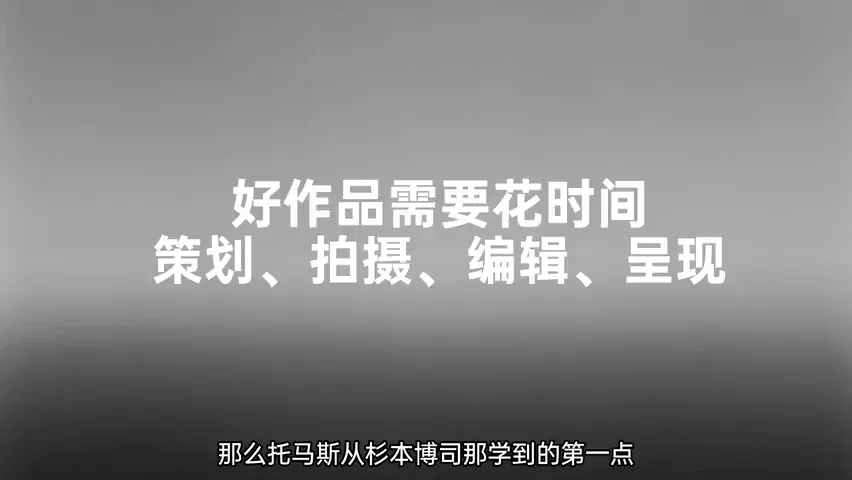
Start with the overview. The first lesson is condensed on this card: good work takes time — and most of that time is not spent shooting, but on planning, editing and presentation (at 0:57 in the video). Each is unpacked below.
01 Good Work Demands Time
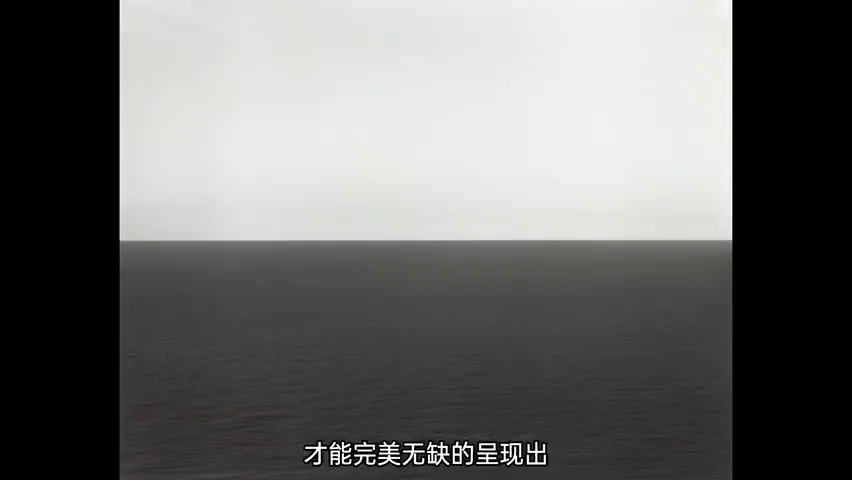
Many criticized Thomas's earlier video on spending four hours editing a single photo as putting the cart before the horse. But look at Sugimoto's Seascapes: the series spans forty years of shooting, of which a full five years went into thinking through why to photograph the sea and how (at 1:24 in the video). Thomas divides photography into four stages — planning, shooting, editing and post, and presentation; most people fixate on shooting, yet it is actually the smallest share of the work (at 1:42 in the video).
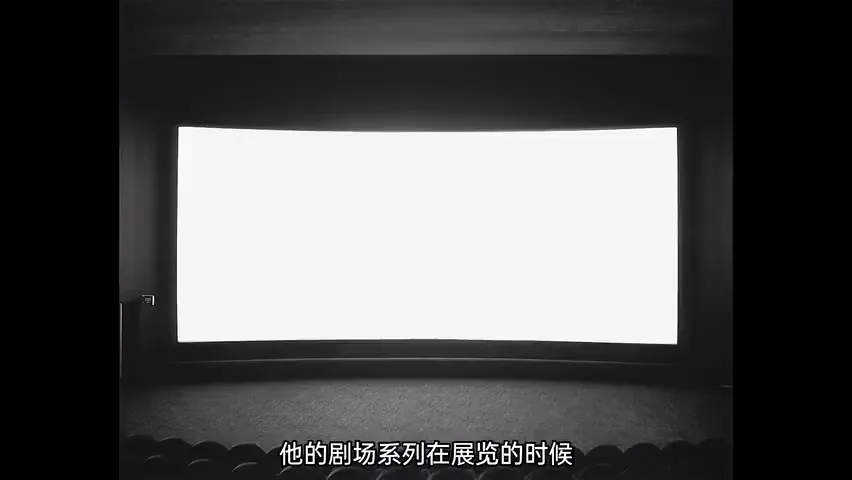
Sugimoto takes presentation to the extreme. Viewing the Theater series in the exhibition, Thomas noticed every screen glowing with a peculiar presence — looking up, there really were two lamps on the ceiling: one lighting the whole frame, and one small spotlight aimed precisely at where the screen sits inside the photograph (at 2:33 in the video). And since each theater photograph's screen differs in size and position, the spotlight must be adjusted one by one — presentation-level thinking like this is where time goes.
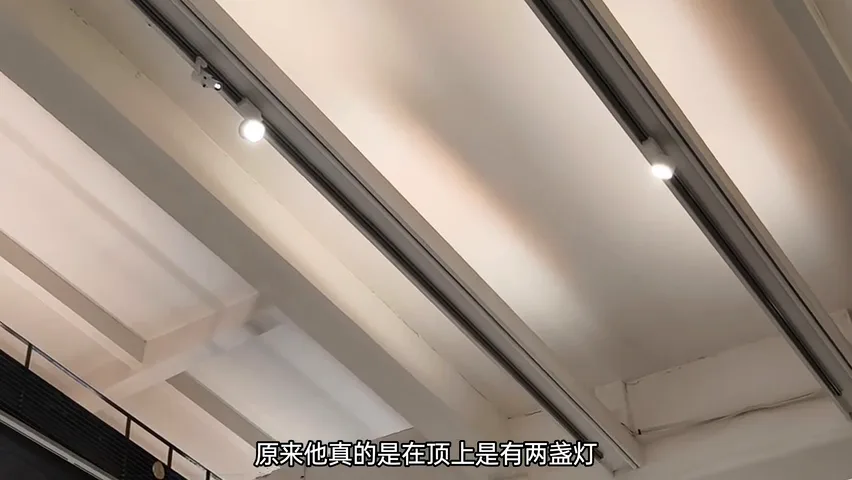
We cannot all stage exhibitions: when posting to WeChat Moments, think about the words that accompany the images and how to tell a more moving story; when posting a nine-grid, pick nine photos of the same palette and style with subtle links between them and arrange them with care, instead of dumping them at random — these are presentations within everyone's reach (at 2:57 in the video).
02 Planning Is Where the Hours Go
In planning you must ask: why do I want to shoot this series? Does it truly matter to me? What techniques does it demand? Sugimoto spent five years finding out what weather, what hour, what light the Seascapes require, and what darkroom craft would deliver such immaculate images (at 4:12 in the video). Even for pure travel shooting, you can plan locations before departure, gather references, study the map for unusual angles, and prepare fallbacks for rain and overcast days (at 4:30 in the video).
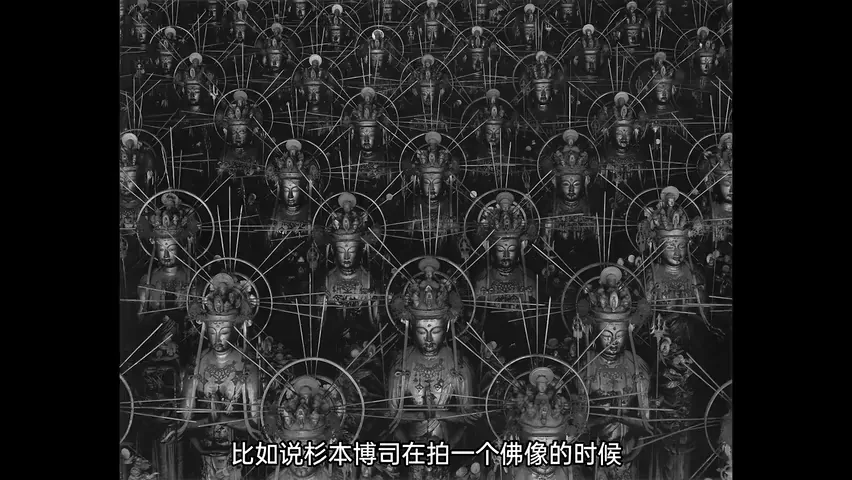
The invisible accumulation is resources: for his Buddha project he applied repeatedly for seven years before permission was finally granted, and the capital and reputation built over decades beforehand all stood behind that application (at 5:28 in the video). The fine portrait photographers Thomas has met work the same way — scripts written in advance covering wardrobe, props, how far to direct the model's expression, references and color palettes. That planning time is exactly what separates the results on set.
03 Stay True to Yourself, Ride Your Era
The second lesson: choice matters more than effort, and the wrong direction wastes everything. Much of Sugimoto's work carries traces of Song-dynasty and Japanese painting; across decades he has riffed on one concept — time: the eternity of the Seascapes, the instants of the Lightning Fields, meditations on the real and the fake, on history, on life and death (at 6:12 in the video). Because every series serves a subject he genuinely cares about, they condensed into his personal IP.

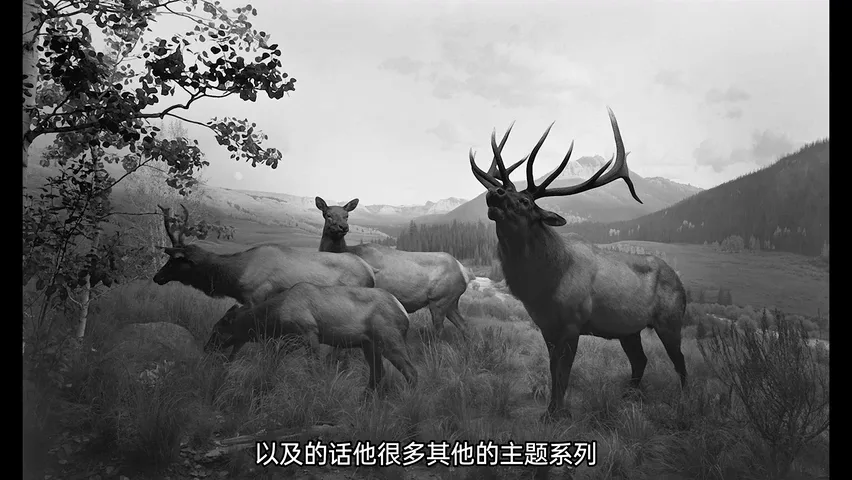
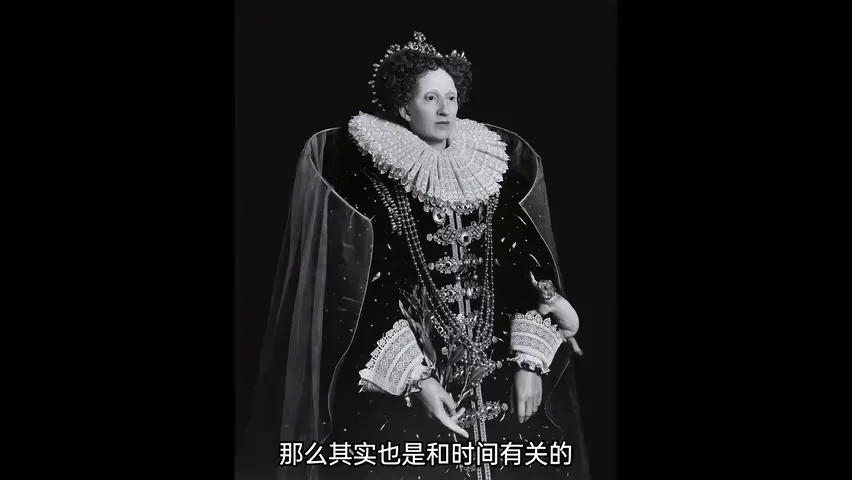
The mistake beginners make most is imitation: imitators slip entirely into someone else's context and forget to adapt to their own era, national character and personal experience — which is fatal. Sugimoto's work also locked into its moment: the Seascapes clearly carry the influence of American minimalism and matched the tide of the contemporary art auction market — one reason they command such prices (at 7:24 in the video). Photographers today should likewise think about riding short-video traffic — presenting stills with music, or telling the behind-the-scenes story of the shoot alongside the photographs (at 7:54 in the video).
04 From Recording to Expressing
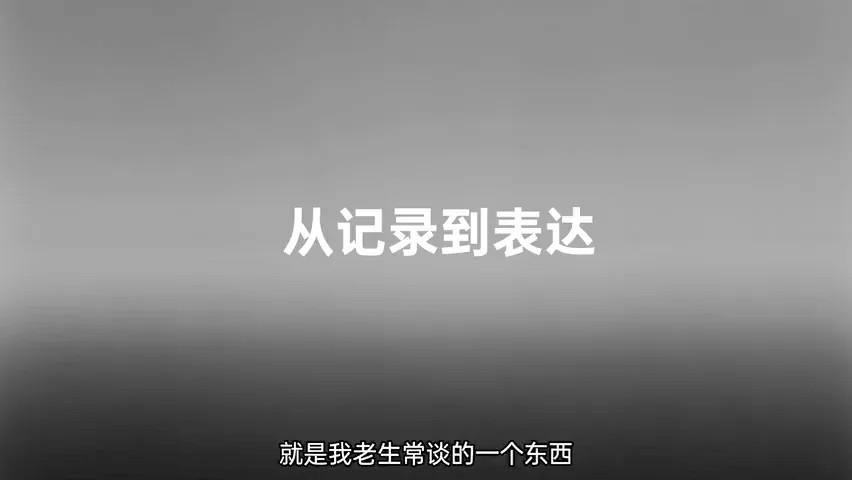
The third lesson is one Thomas returns to often: photography stopped being mere recording long ago — you need to express. Expression does not mean Photoshop is mandatory — shooting entirely without post is fine too, but be clear about why: not because photography forbids it, rather that for your subject, heavy editing would gild the lily (at 8:42 in the video). The cautionary example is pasting a hot-air balloon into every landscape — a purely visual effect that clashes horribly with the natural mood. There is no correct or incorrect expression, only good and bad expression (at 9:22 in the video).
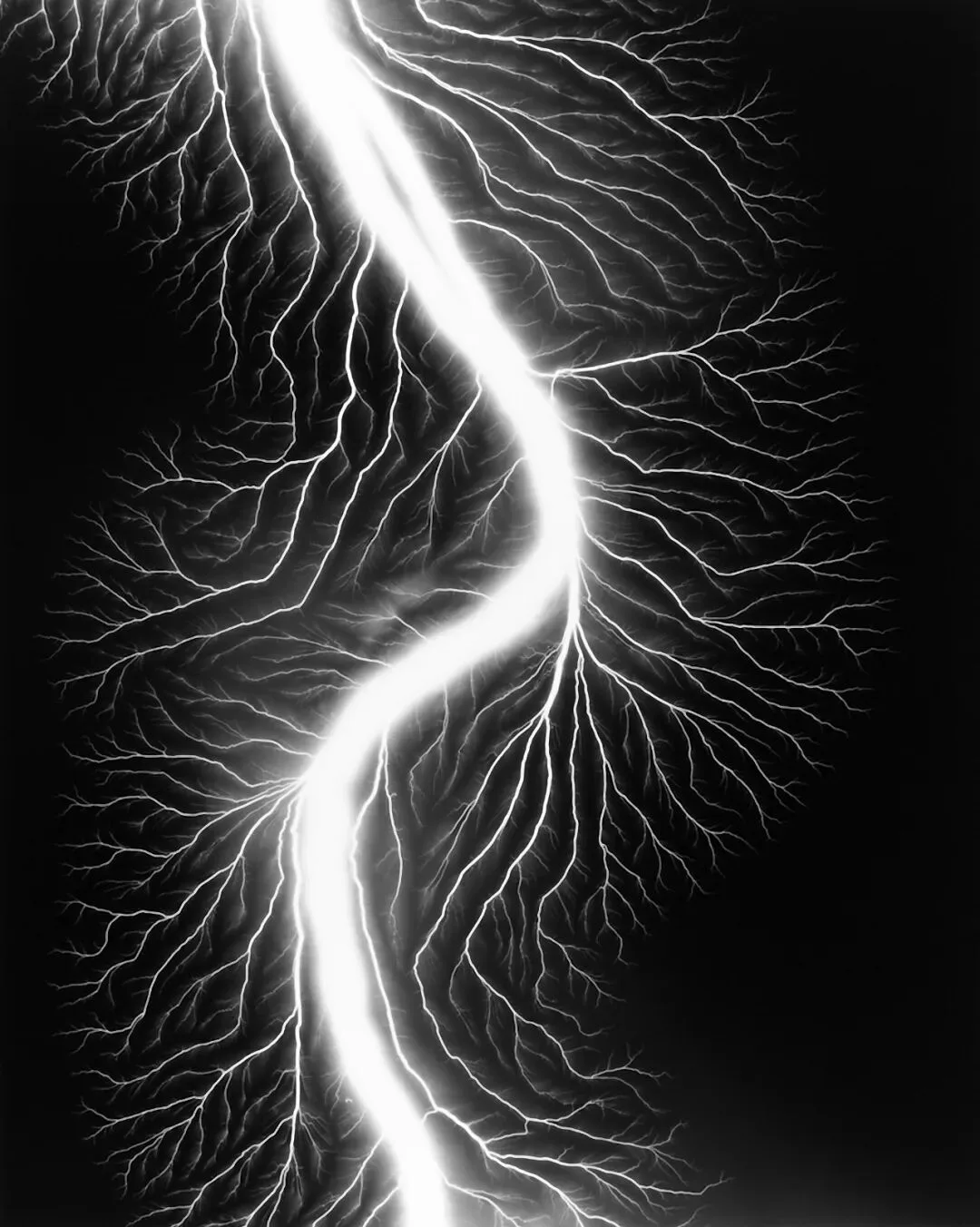
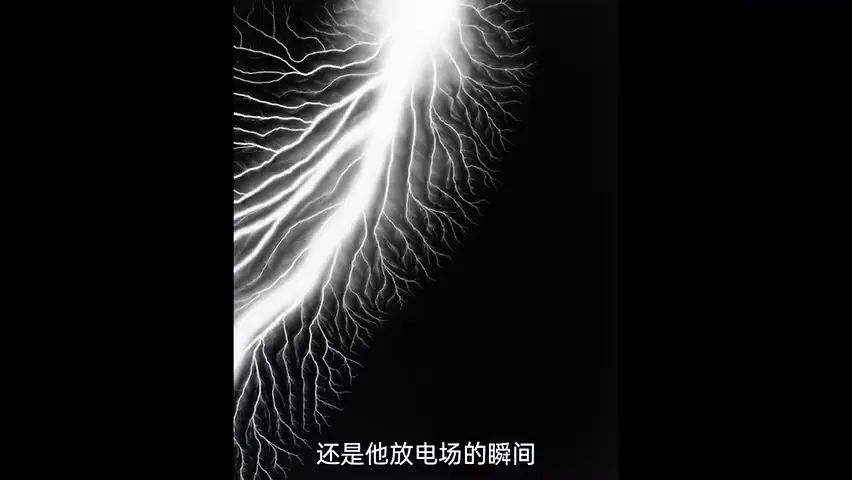
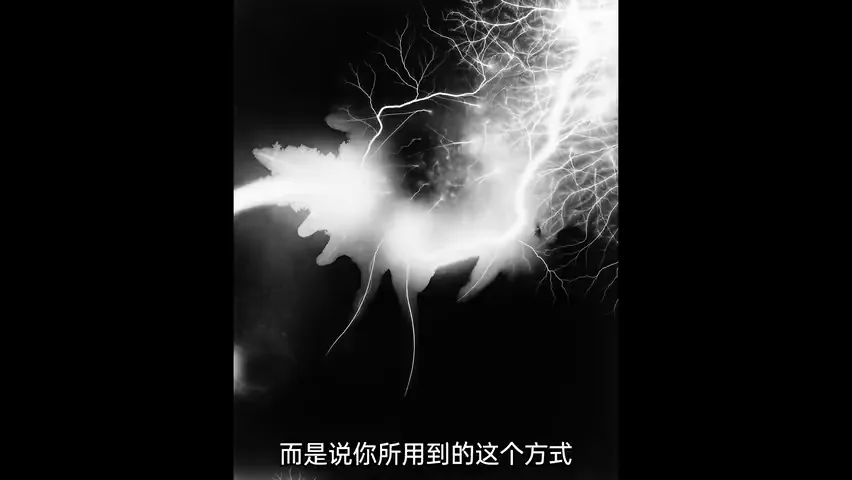
Sugimoto's Lightning Fields series never even uses a camera — high voltage is fired directly at film negatives. Is it still photography without a camera? The question hardly matters; what matters is whether your means suit the expression you intend (at 9:40 in the video). If photography were mere recording, why not plant a surveillance camera to capture sunrise after sunrise, the stars and the ordinary days? We need the photographer's intervention precisely because every photographer holds a different inner world with something different to say — how to express, present, edit and shoot is where a photographer's true value lies (at 10:06 in the video).
1. Good work is proportional to the time invested: of the four stages — planning, shooting, editing, presentation — shooting is the smallest slice; spend the hours where others cannot see; 2. Stay loyal to the subjects you truly care about and riff on them for years, while embracing your era's formats and traffic — that is how a personal IP condenses; 3. When you imitate, never forget your own era, country and experience; 4. Move from recording to expressing: means have no rank — what fits the theme is best — and the photographer's inner world is the root of the work.
HD video:
https://www.bilibili.com/video/BV1Lw4m1U7Nf/
Scan the QR code above or click "Read More" at the end of the article