Photography Tutorial · 2023-02-05
Absolutely Amazing! Recommending 3 Photographers Who Blend Dreams into Landscapes~
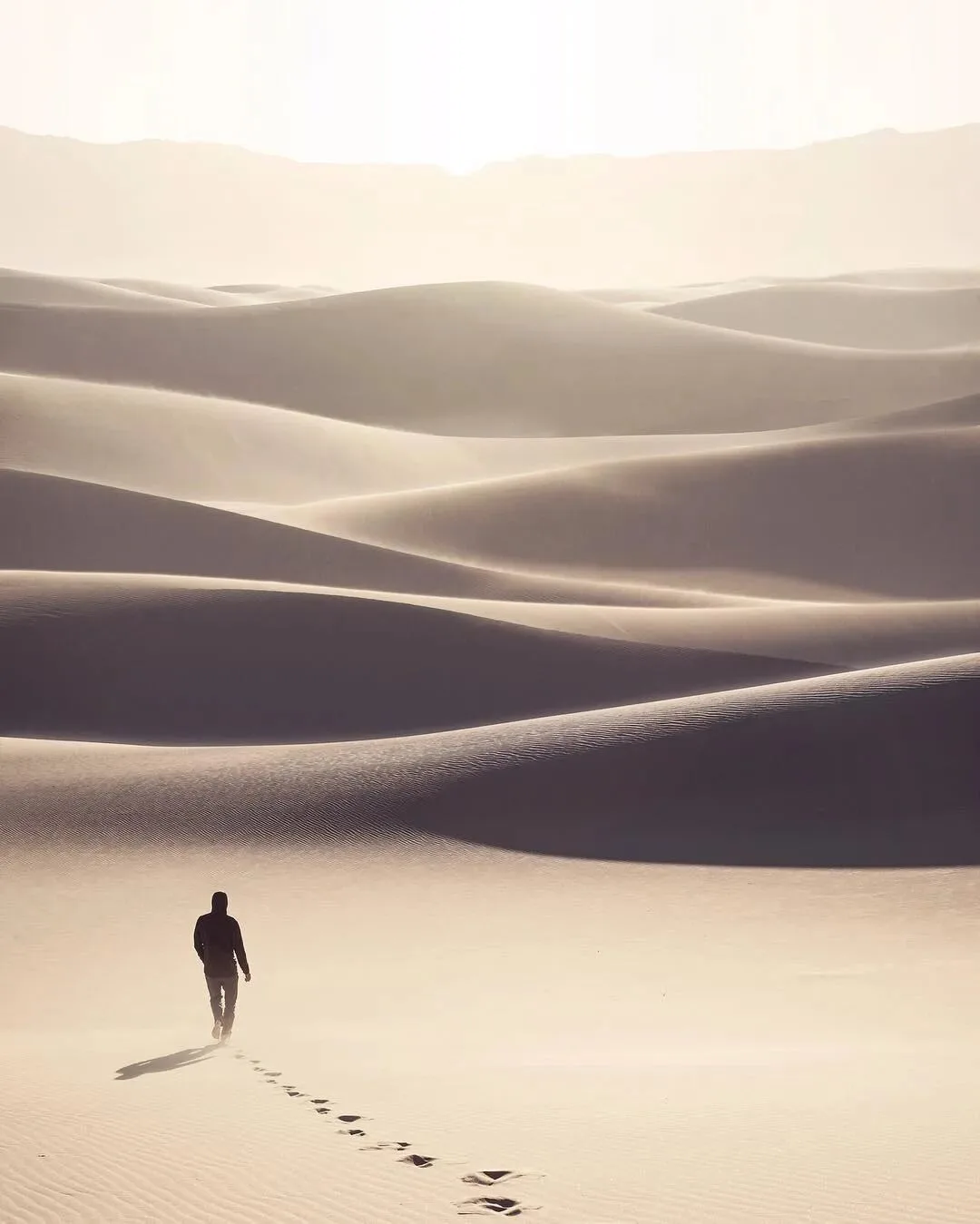
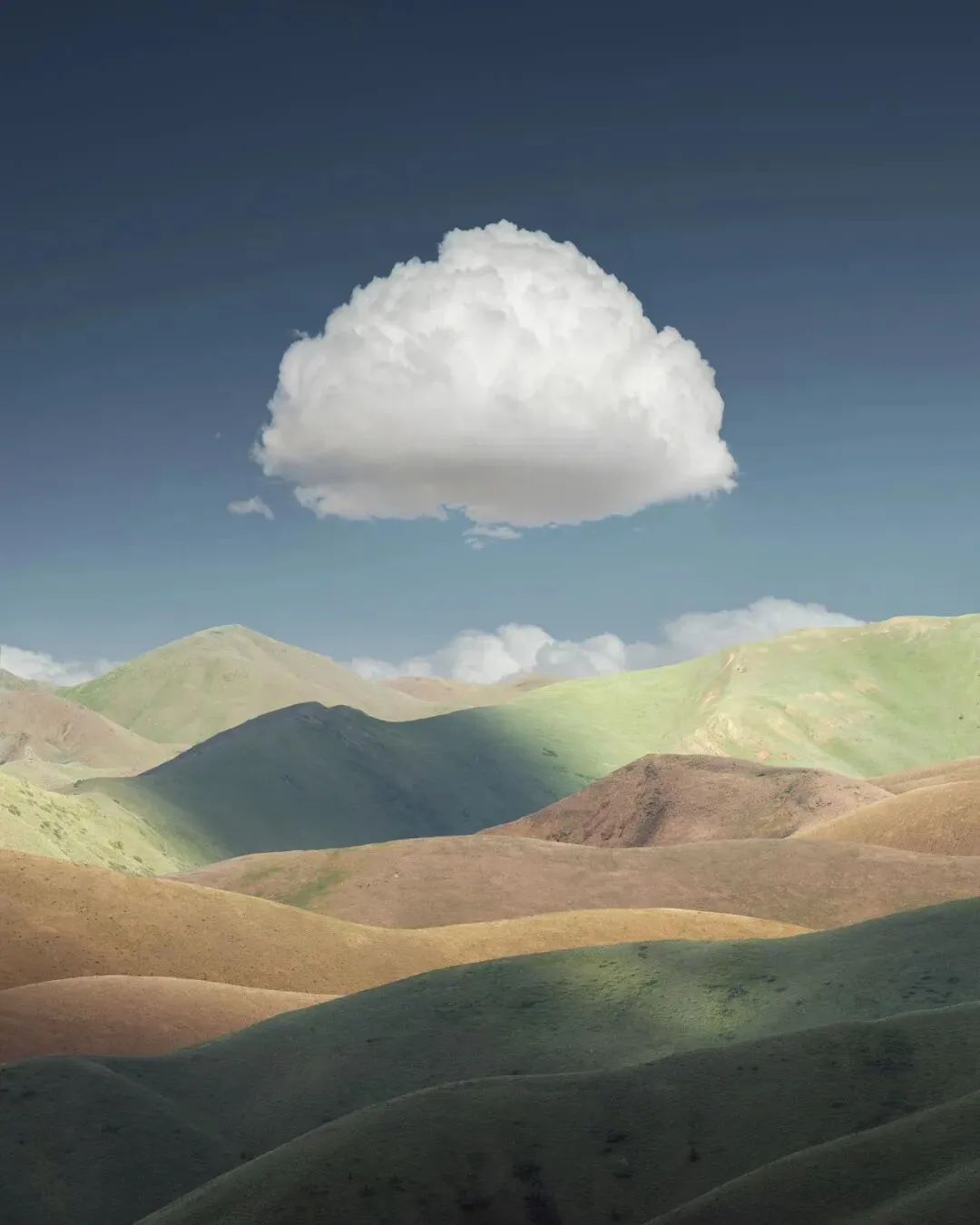
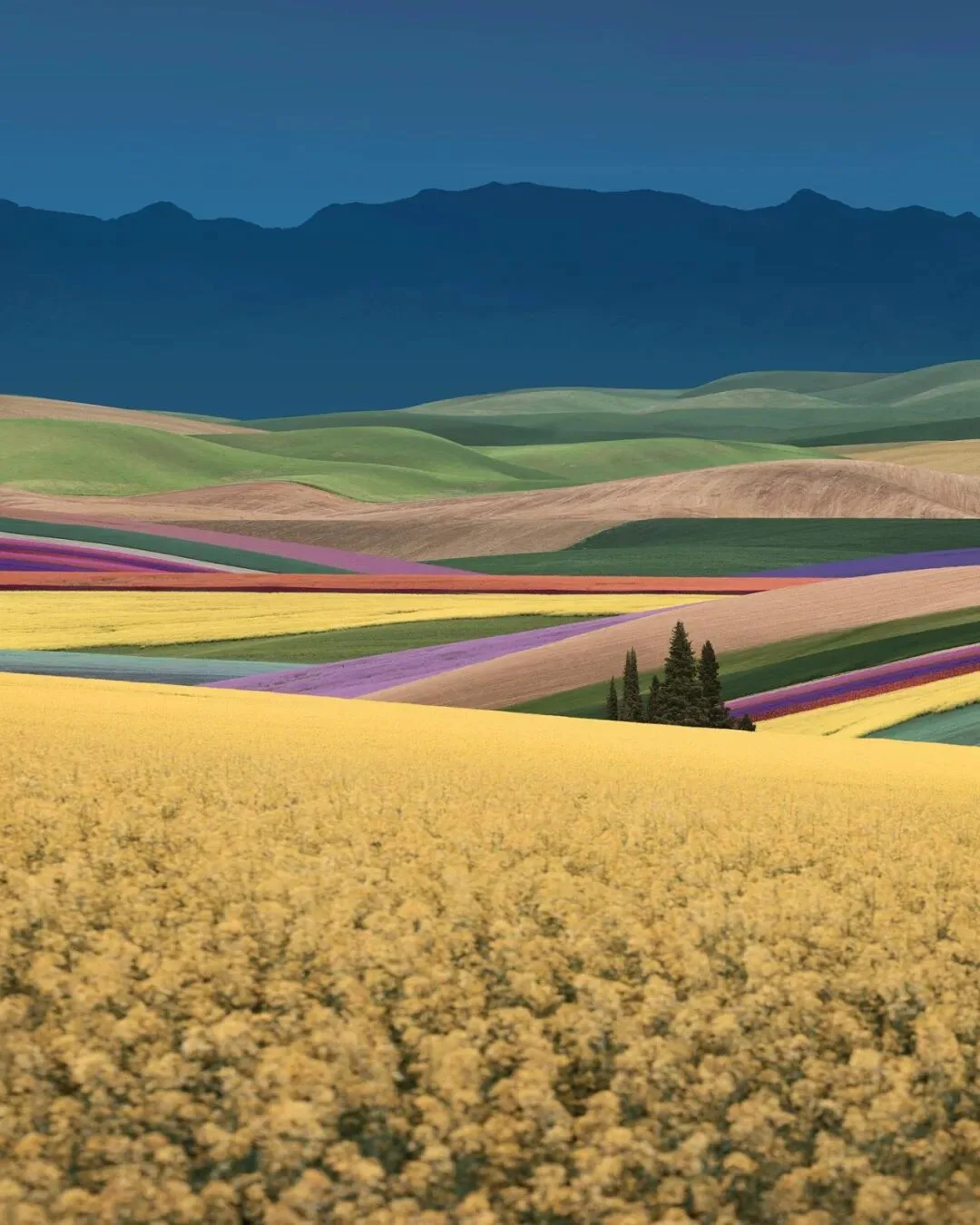
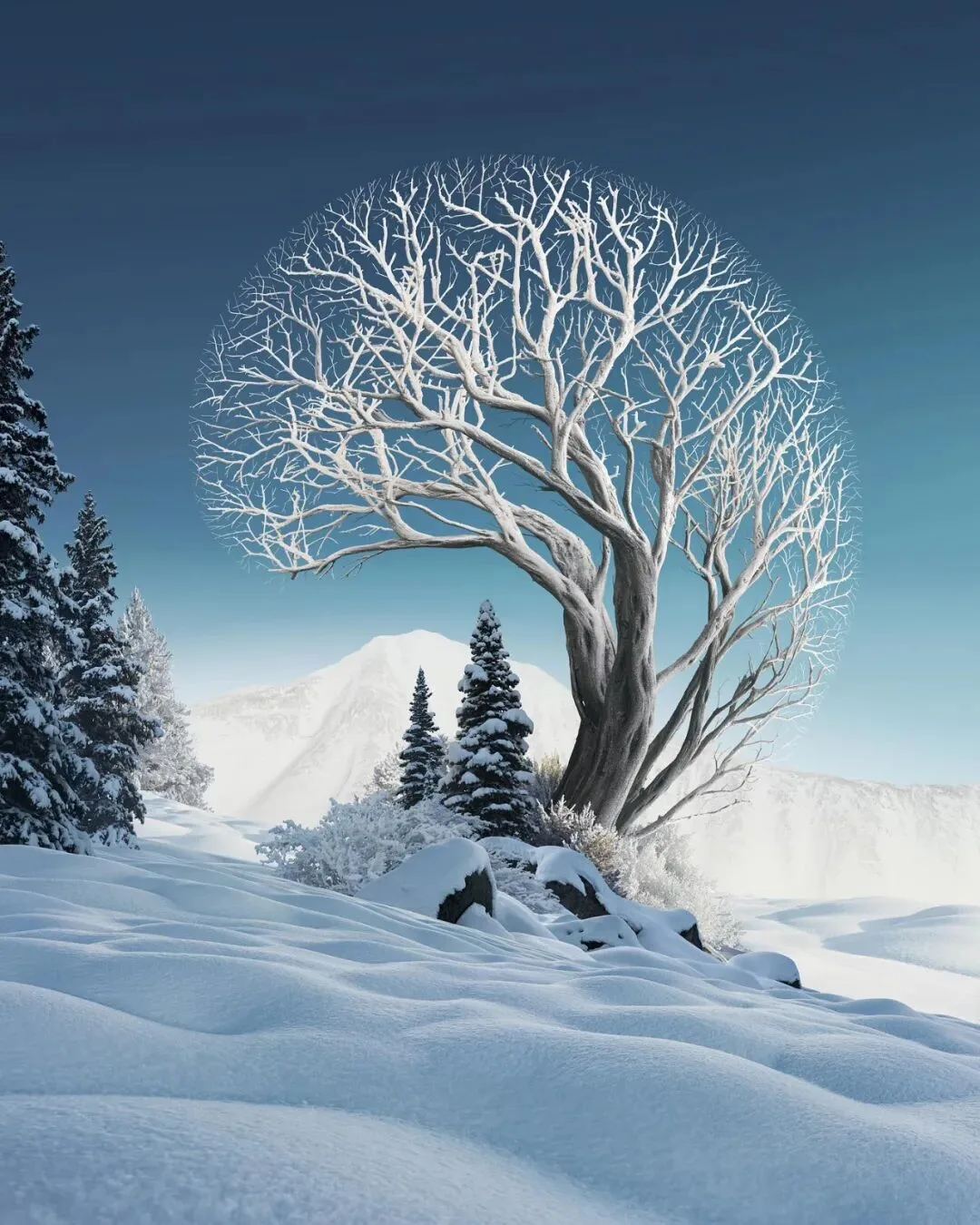
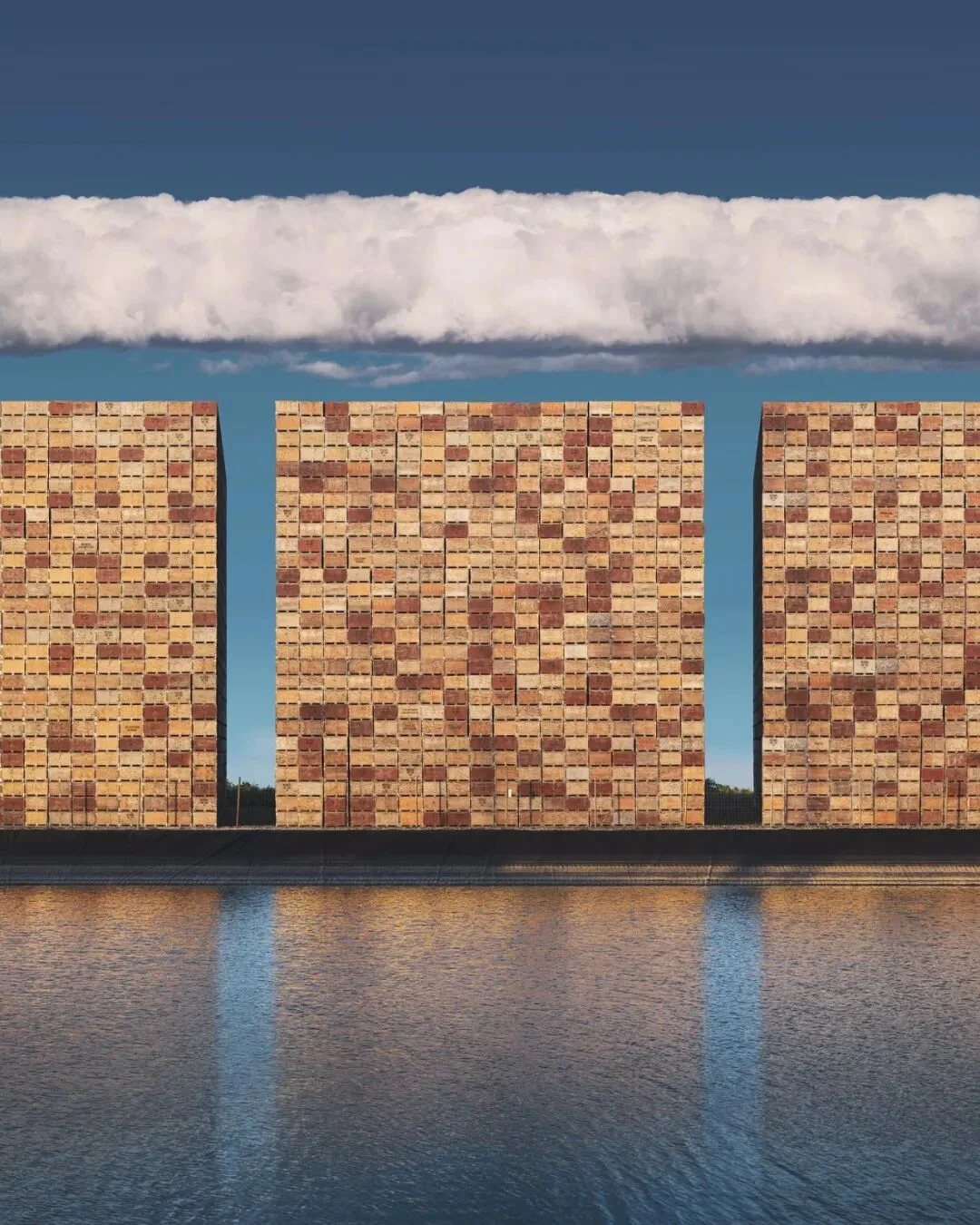
Besides the natural landscape photography everyone usually sees, there's also a group of artists who create by re-collaging real elements and heavily using post-processing compositing.
This type of post-composited landscape easily falls into a vicious circle: becoming a frantic pile-up of visual elements while ignoring observation of real life and unbounded imagination.
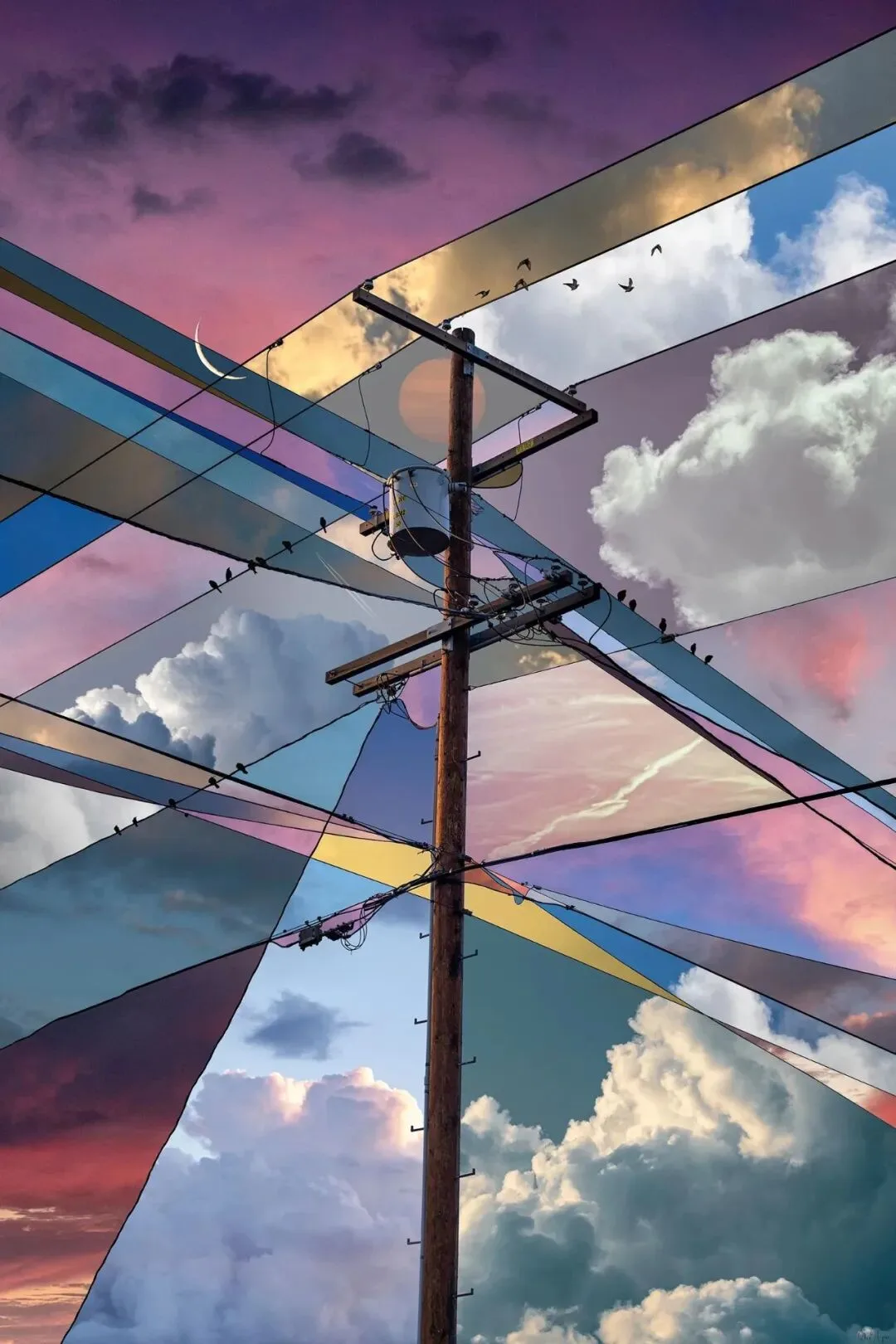
In today's video, Thomas will recommend 3 visual artists who heavily use post-processing techniques in their creation, and talk about what I think good composite landscape works should look like.
Video
▶ Watch the video tutorial on Bilibili
This is the fully illustrated companion to the video above. Beyond natural landscape photography lives a tribe of artists who re-collage reality — shooting their own materials, then rebuilding them by imagination into dreamlike composite landscapes. This episode recommends three of them: Alex Hyner, Benjamin Everett, and Korea's surrealist KangHee Kim, while Thomas also weighs in on what makes a composite landscape good. Keyframe screenshots follow.
We start with the card "What should a good composite landscape look like?" — the skeleton of the whole episode, and the three artists' work below proves it point by point.

01 Ideas over Visual Piling
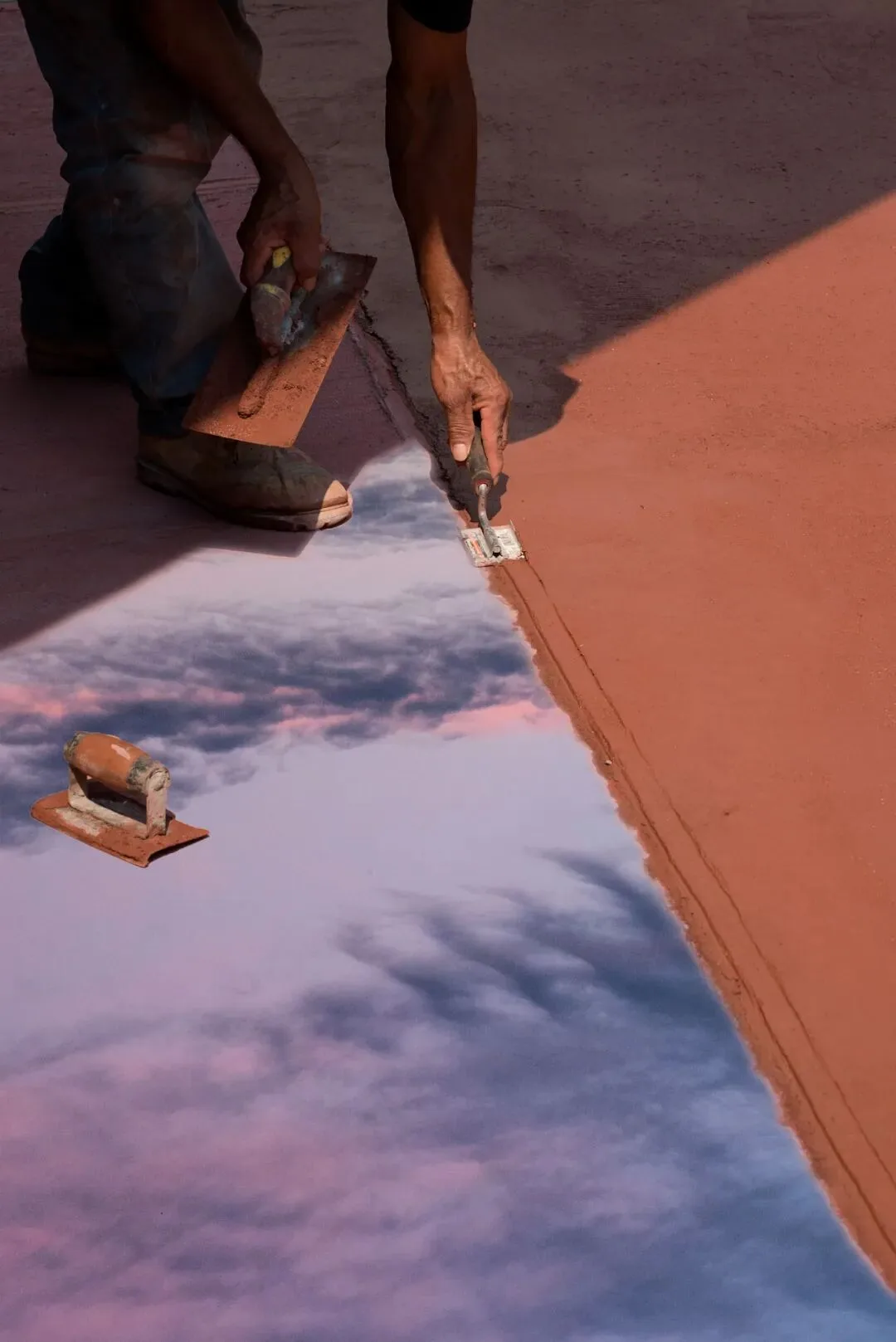
Mention composite landscapes and many picture stock-site fare: a mountain here, a few houses and a road there, some foreground, a lens flare, a moon or a flying figure stacked on top. Thomas calls all that entry-level compositing — once Photoshop enters, the work sits between painting and photography, and the idea must outweigh the pile of visual elements (at 1:06 in the video).

A good composite landscape is at once real and wildly imaginative — since you are not fully painting, realism must hold; it should surprise yet feel inevitable; it should fuse landscape with dream; and it should carry a signature visual identity. Keep these four in mind and the artists below open right up (at 1:48 in the video).
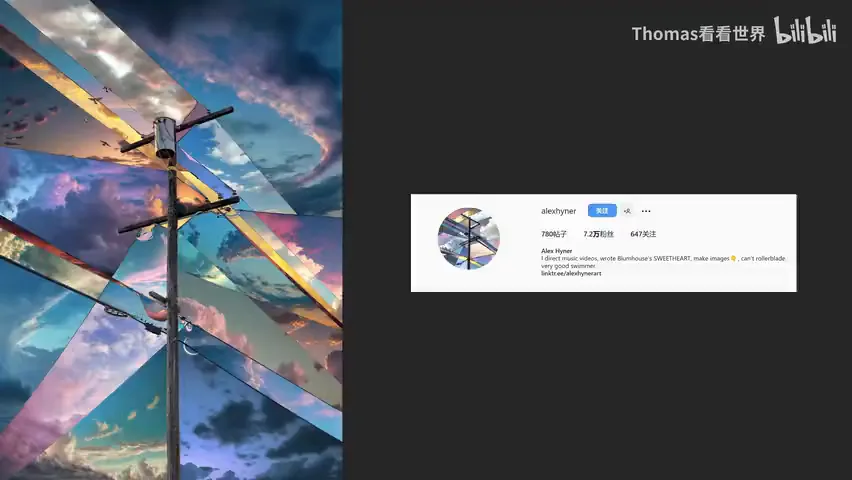
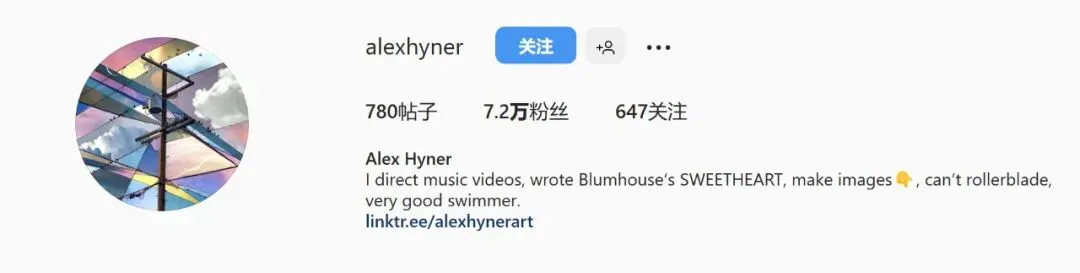
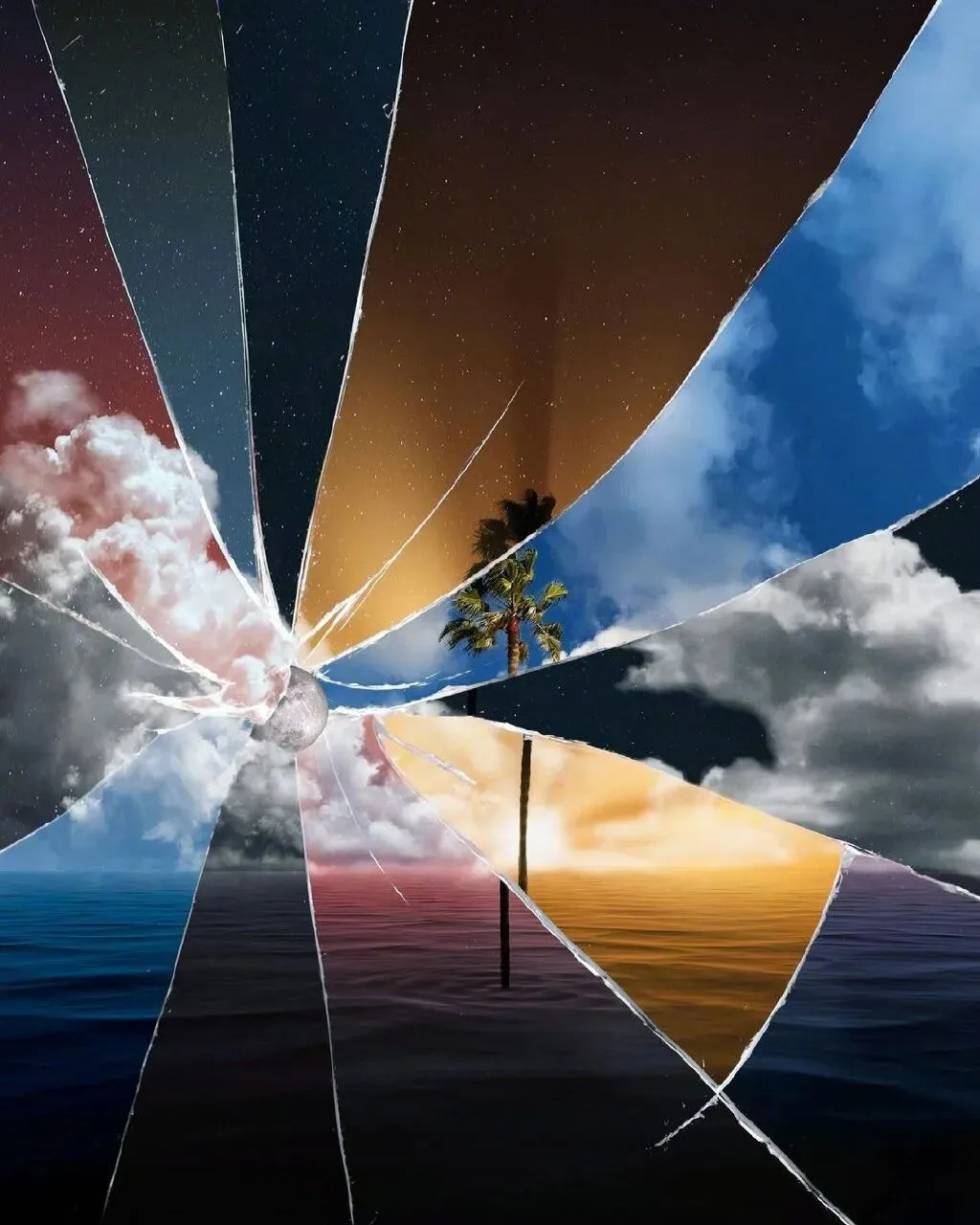
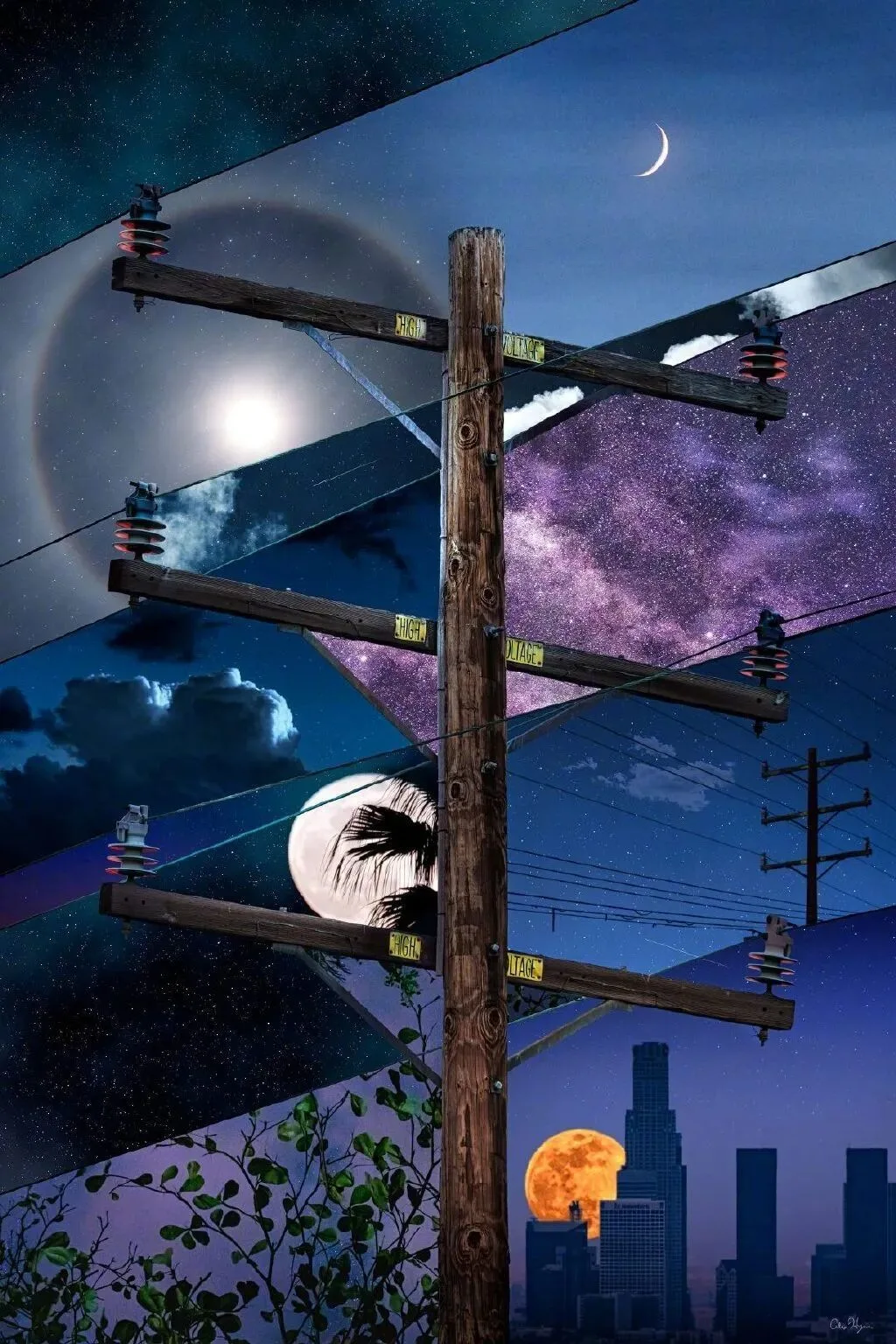
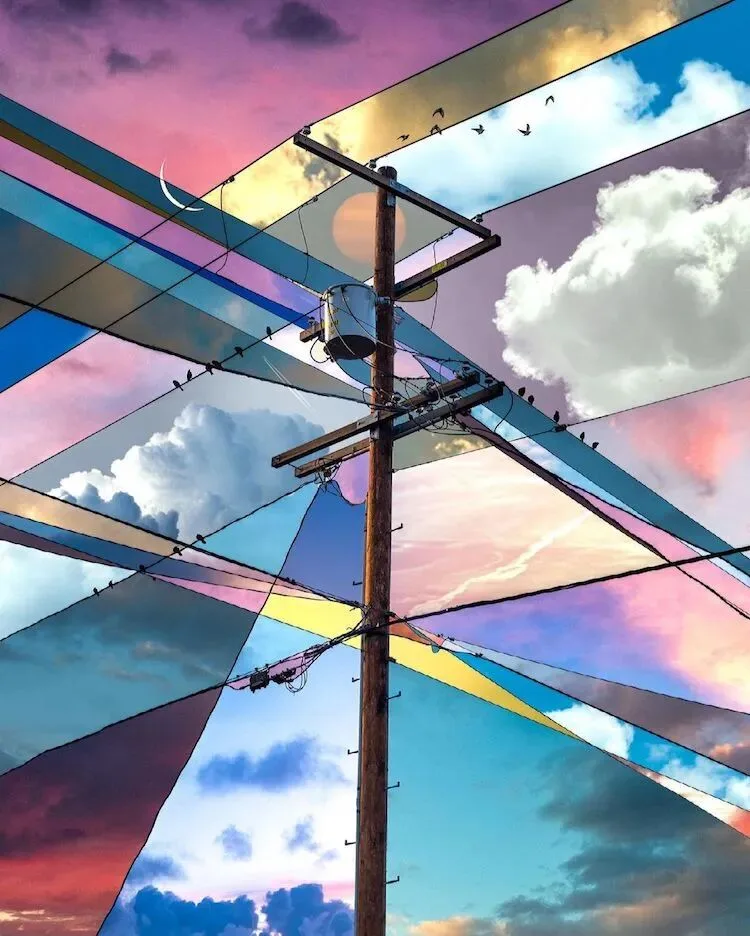
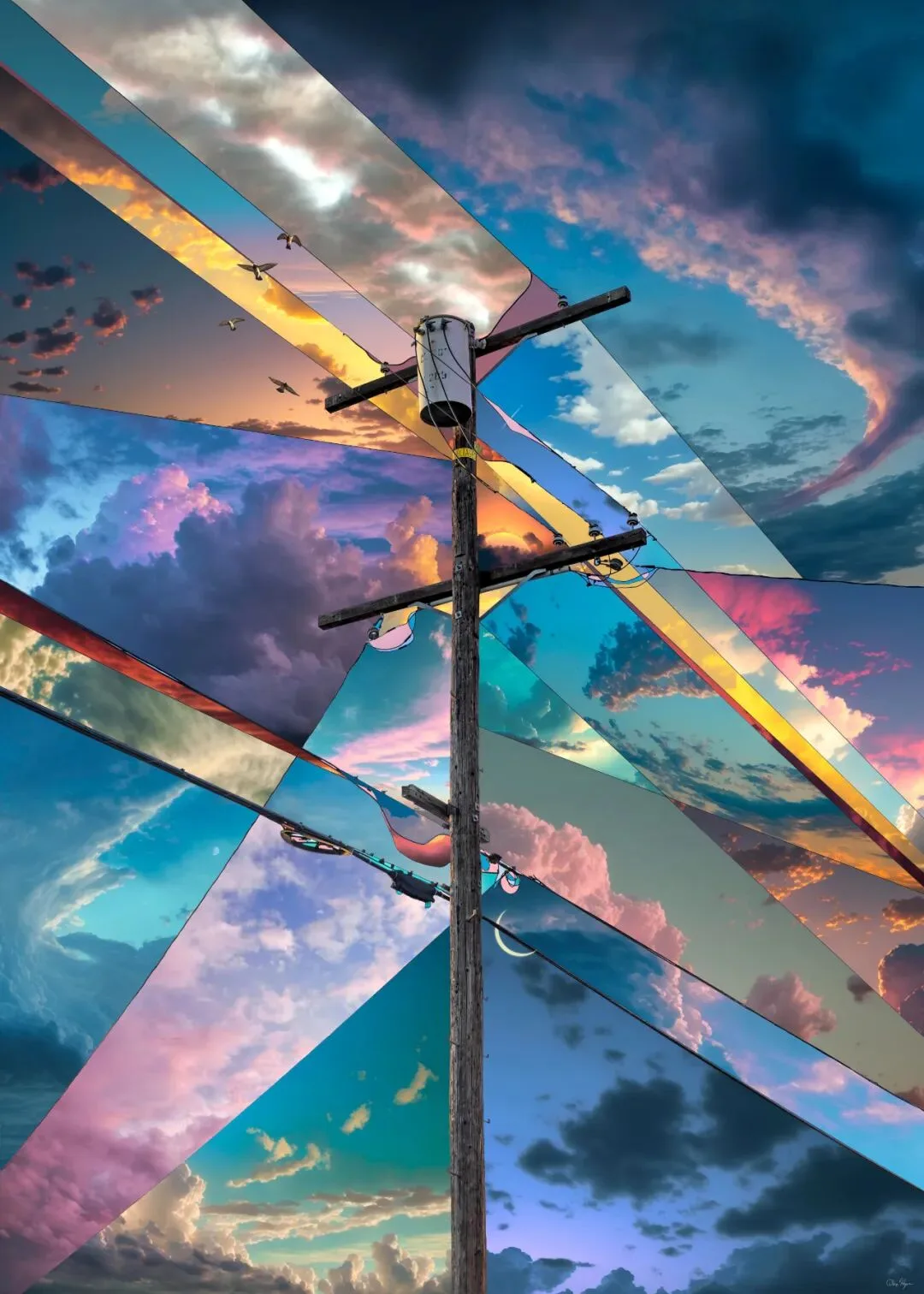
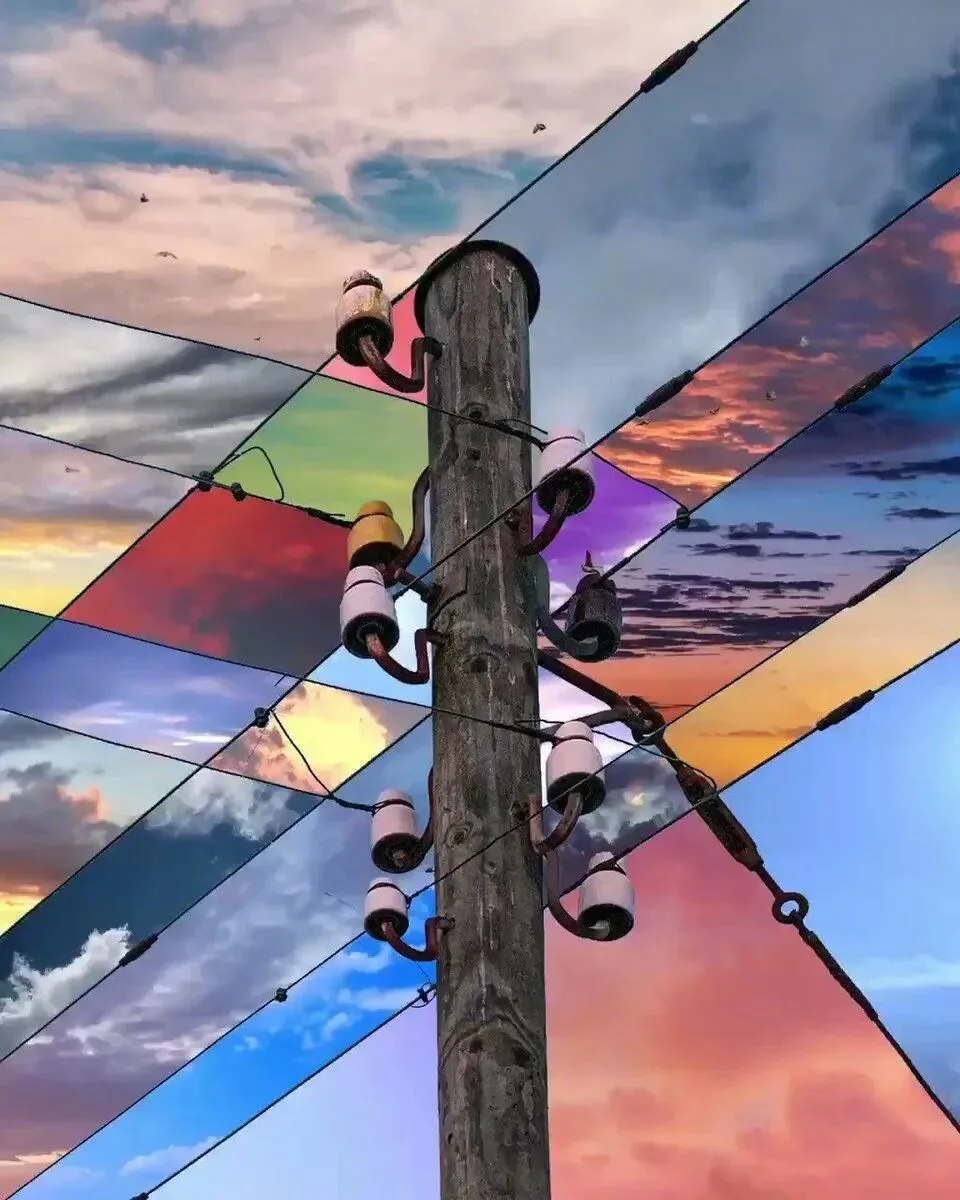
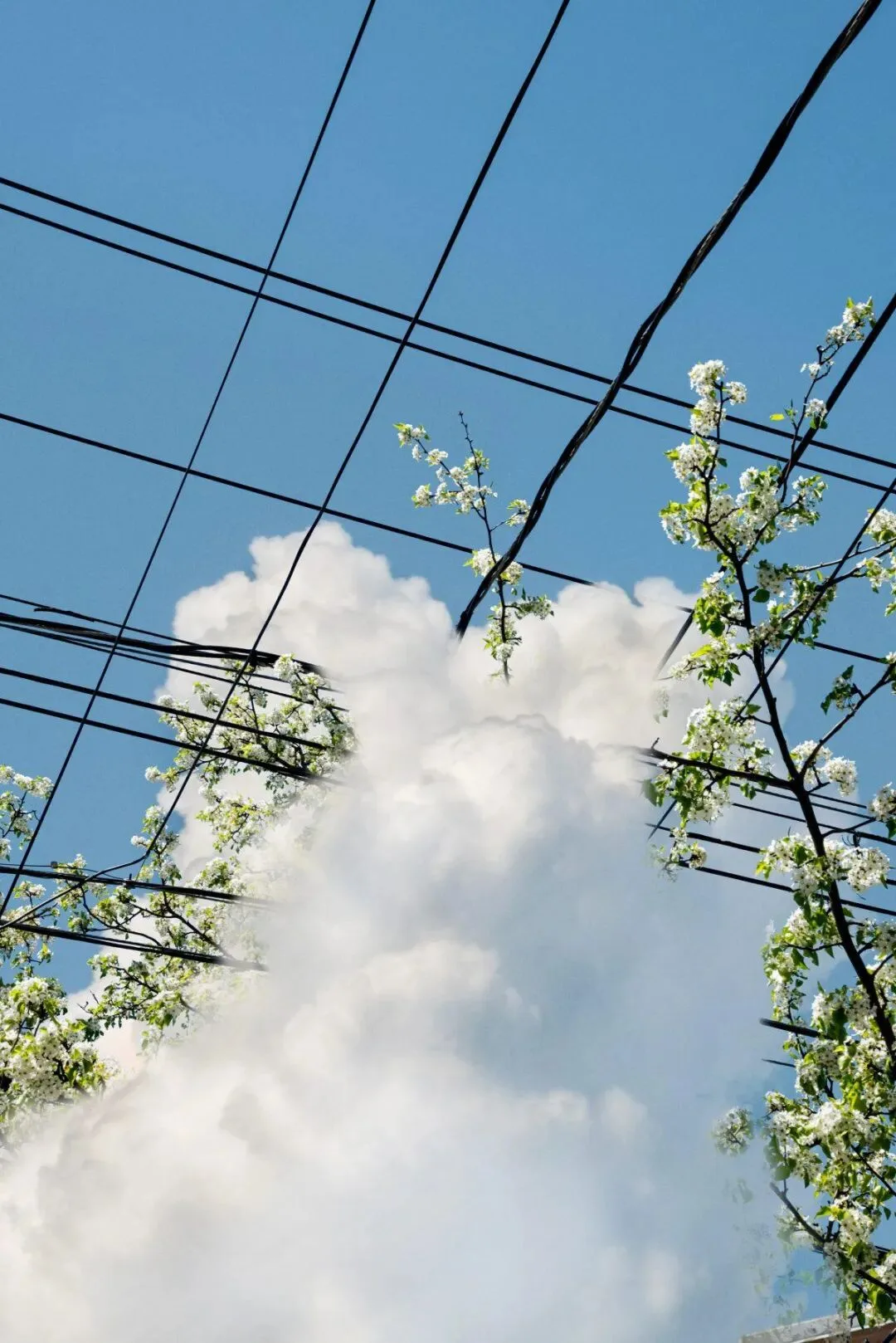
02 Alex Hyner: The Sky, Sliced by Power Lines
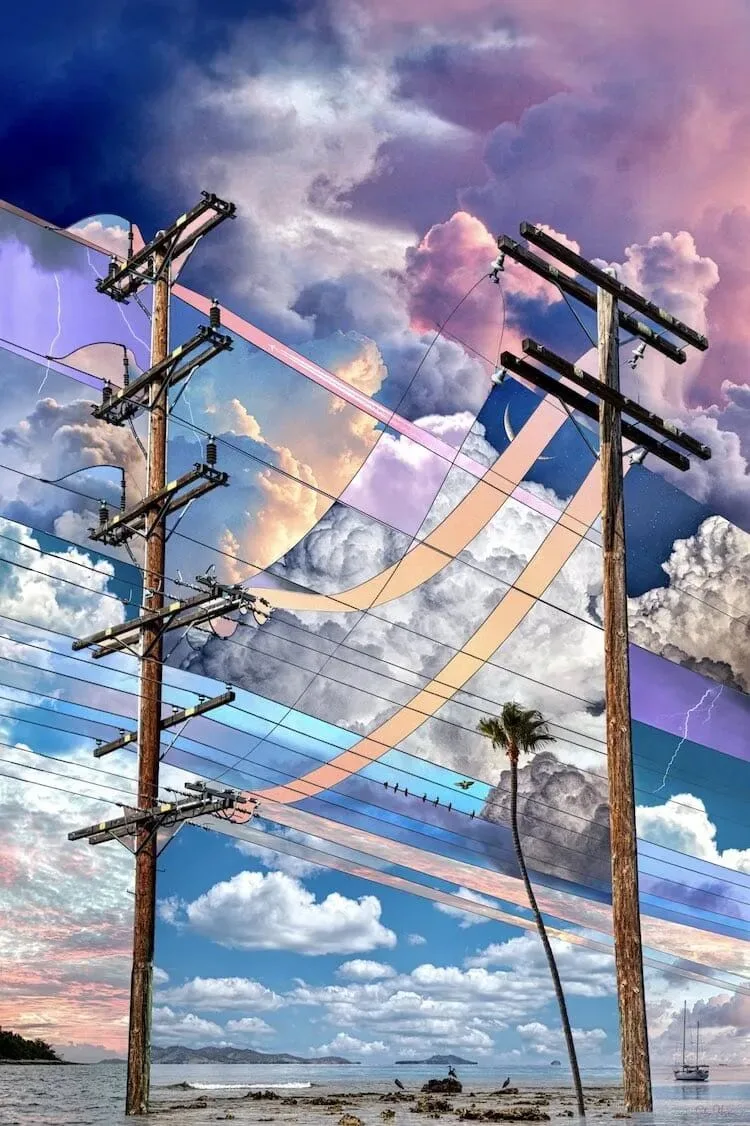
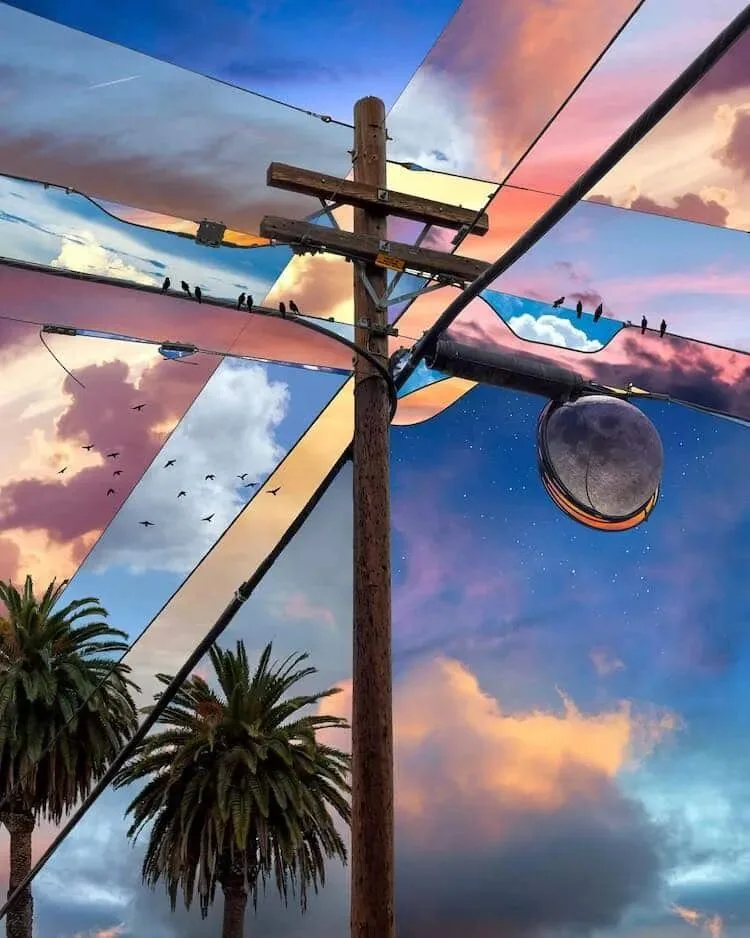
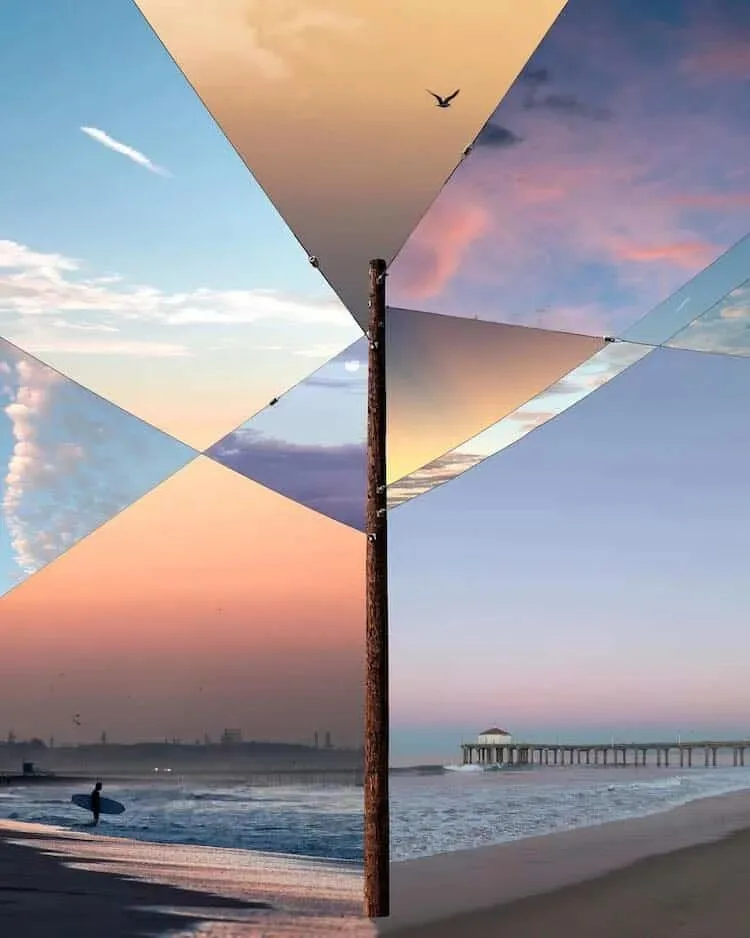
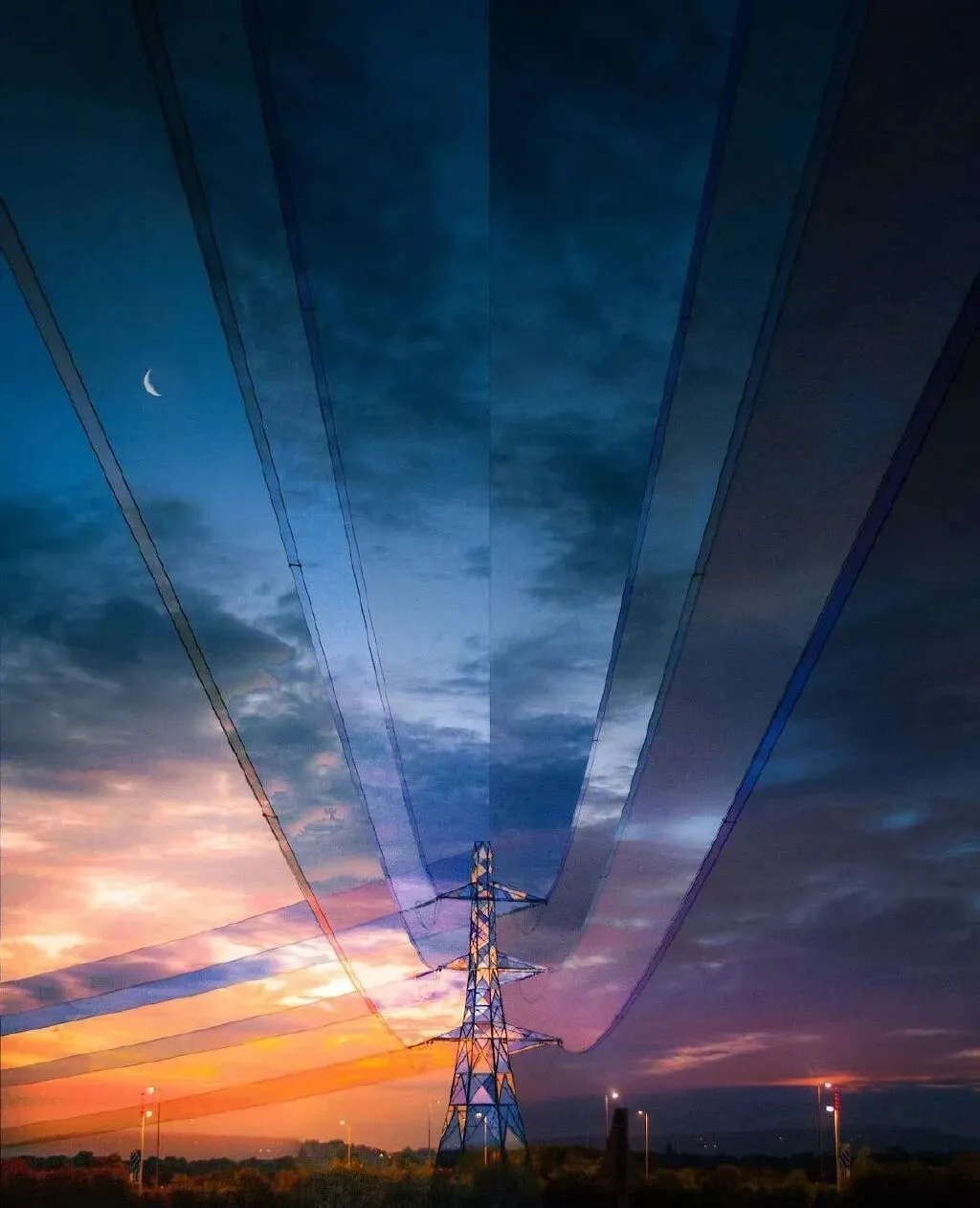
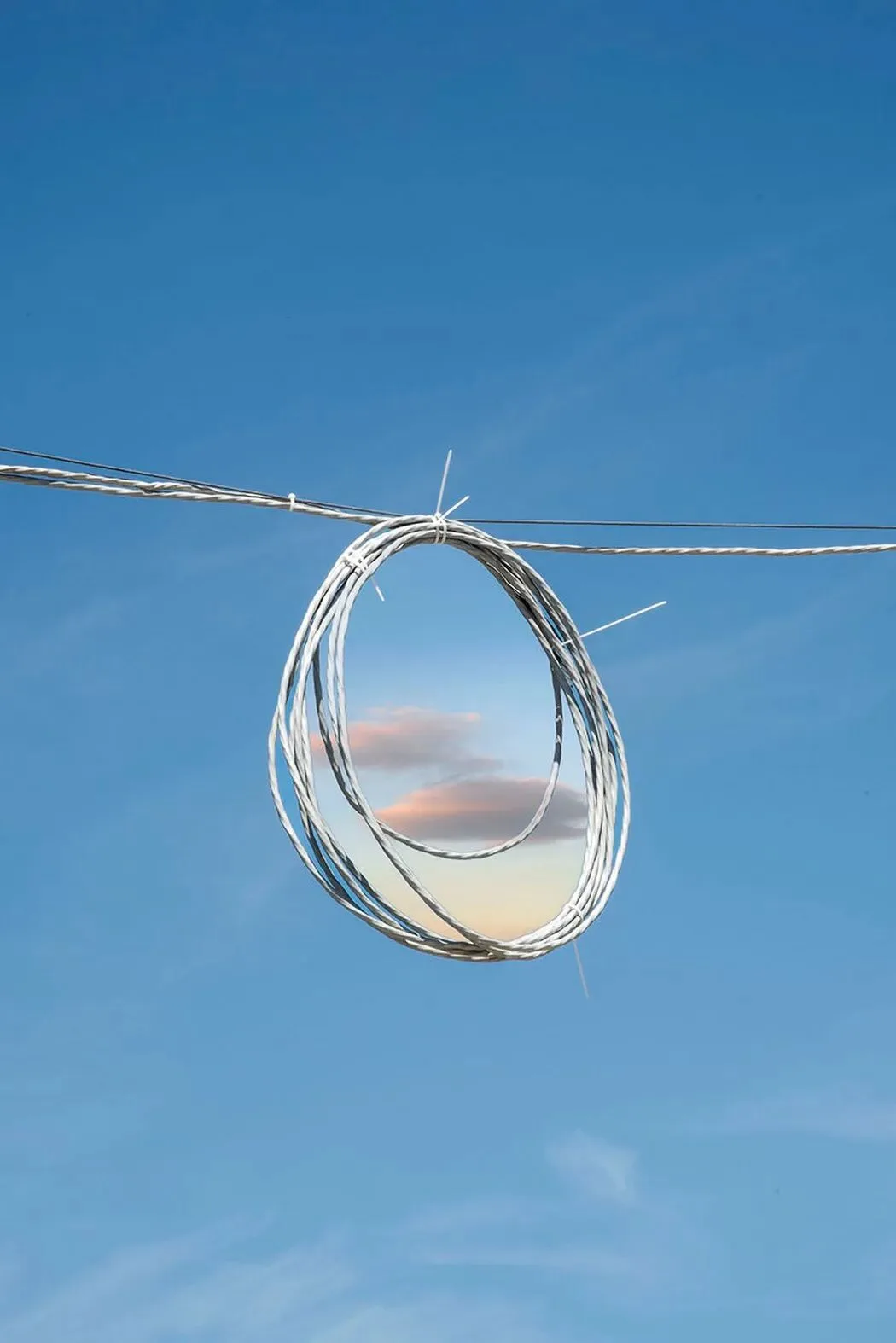
The wave of imitations flooding social media traces back to Alex Hyner: he assembles skies from different moments of a single day, and the method is brilliantly simple — leaning on the slicing objects of everyday life, poles and power lines, he divides the sky into dozens of shards, each carrying the clouds of a different hour. The final mosaic is stunning (at 2:13 in the video).
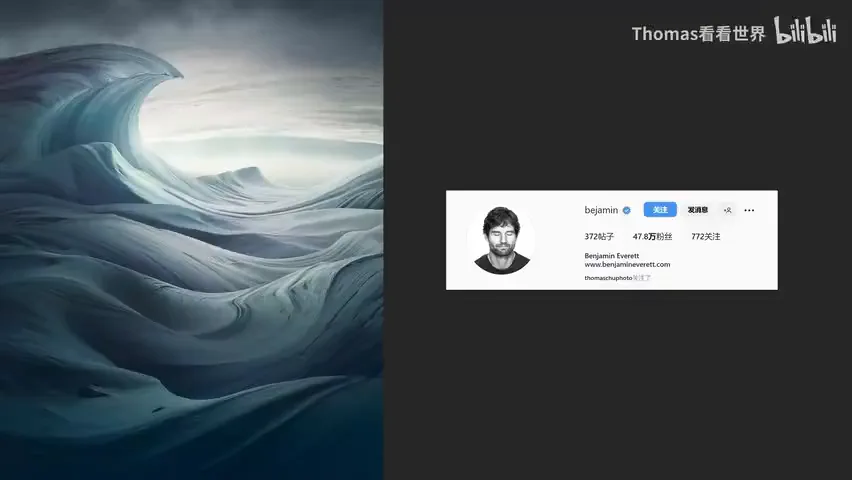
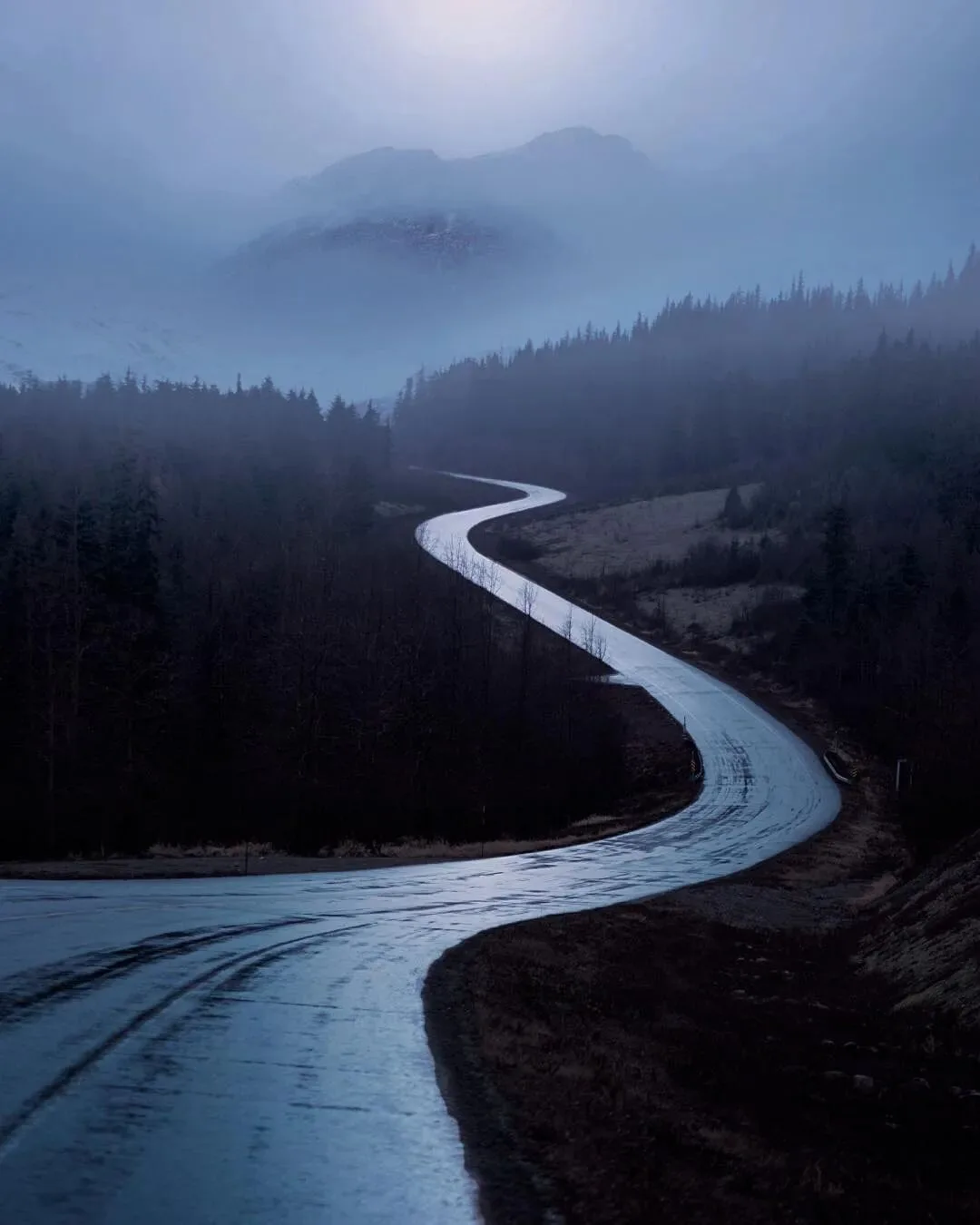
03 Benjamin Everett: More Wave than the Wave
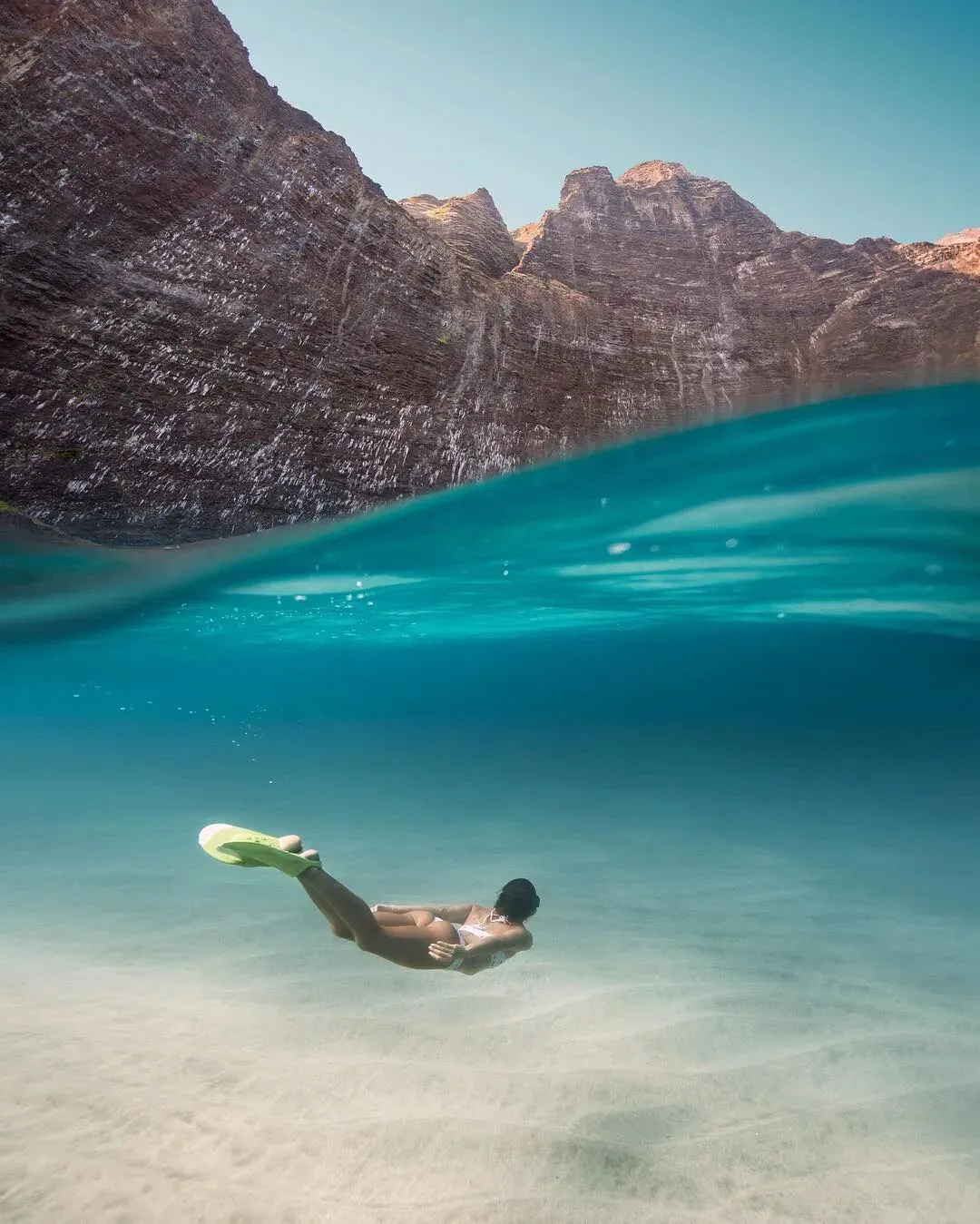
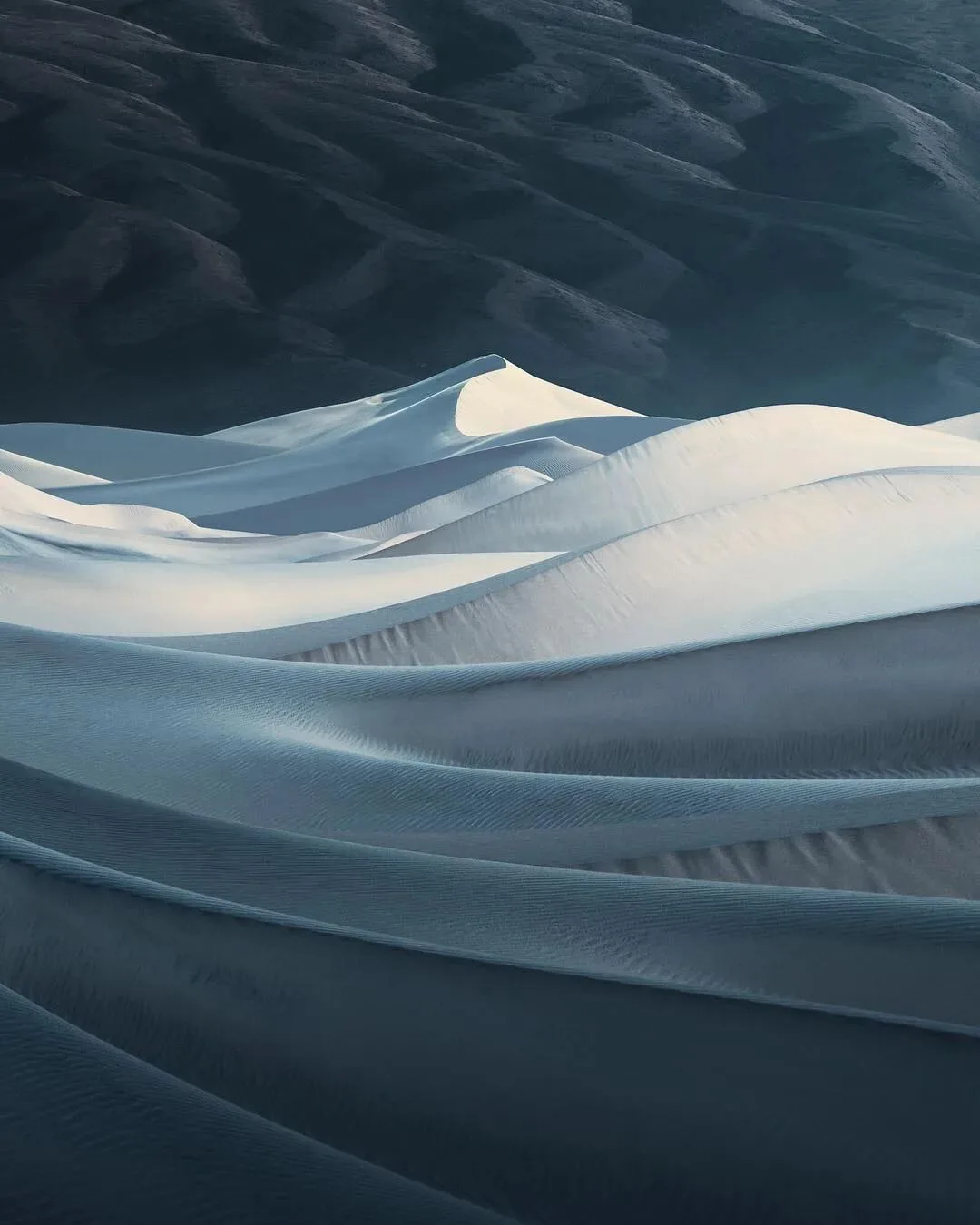
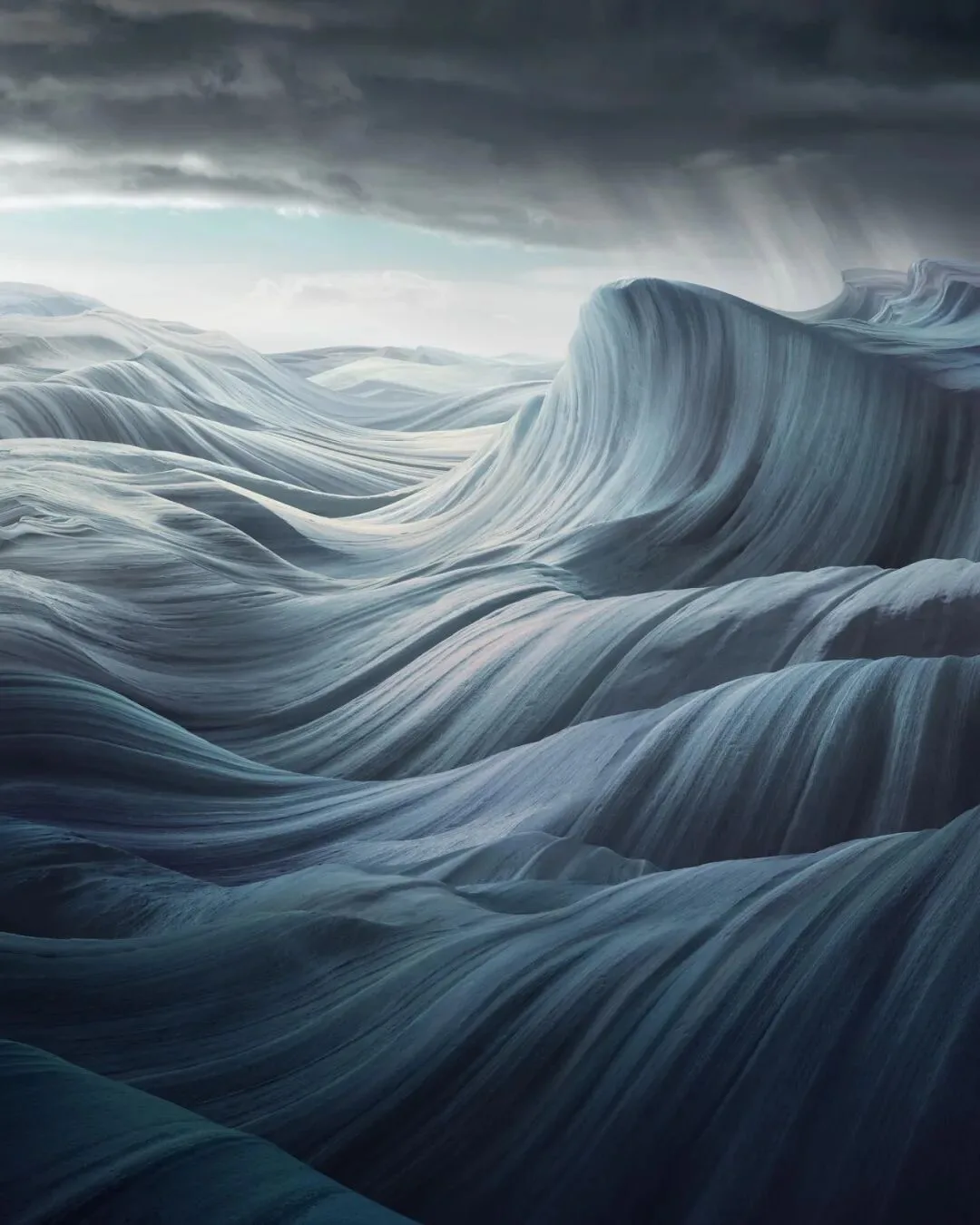
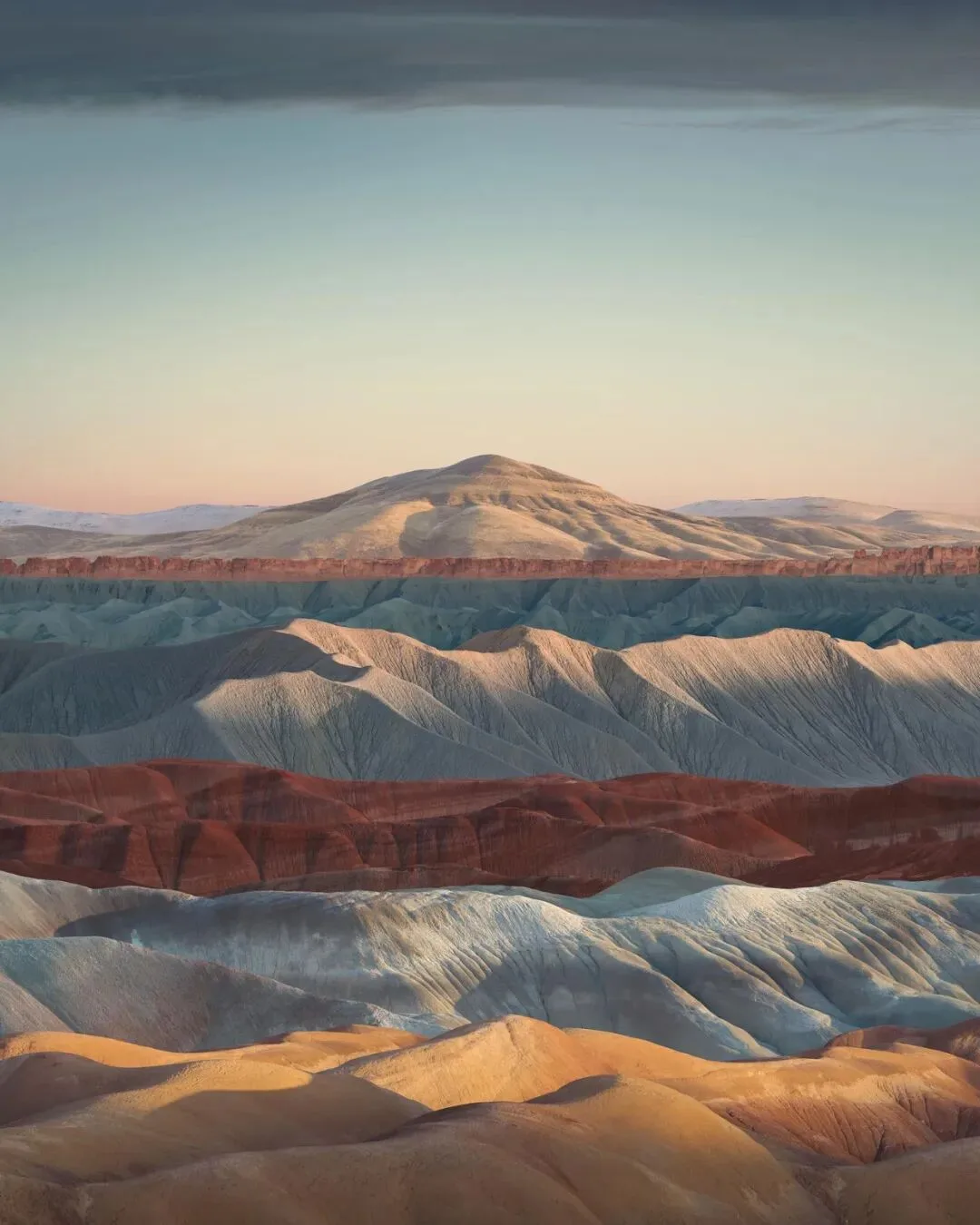
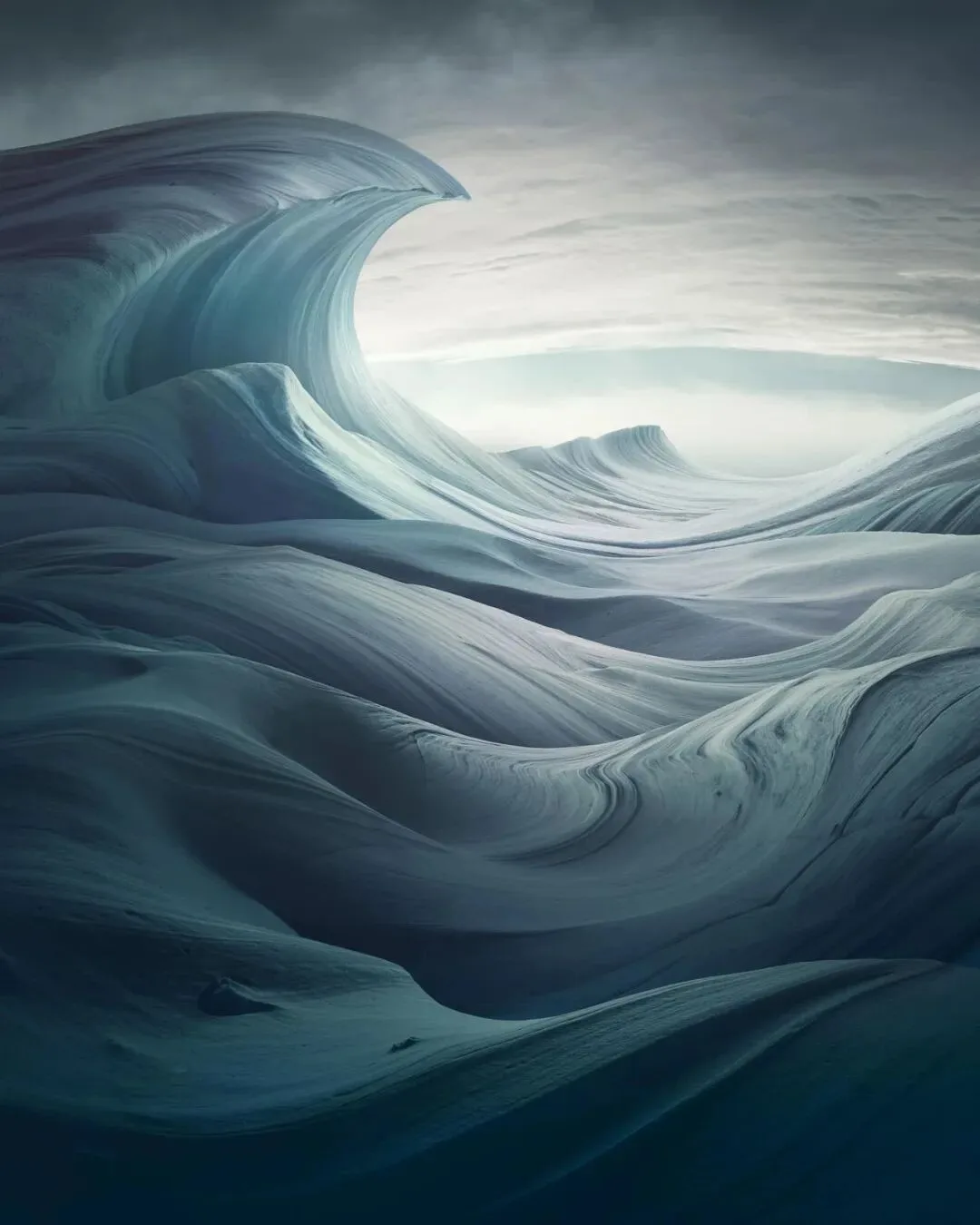
The second, Benjamin Everett, a frequent guest in these recommendations, bends and collages rock strata until they swell into the shape of breaking waves — a true "Wave Valley" that looks more like surf than any real one on Earth. Absolutely stunning (at 2:45 in the video).

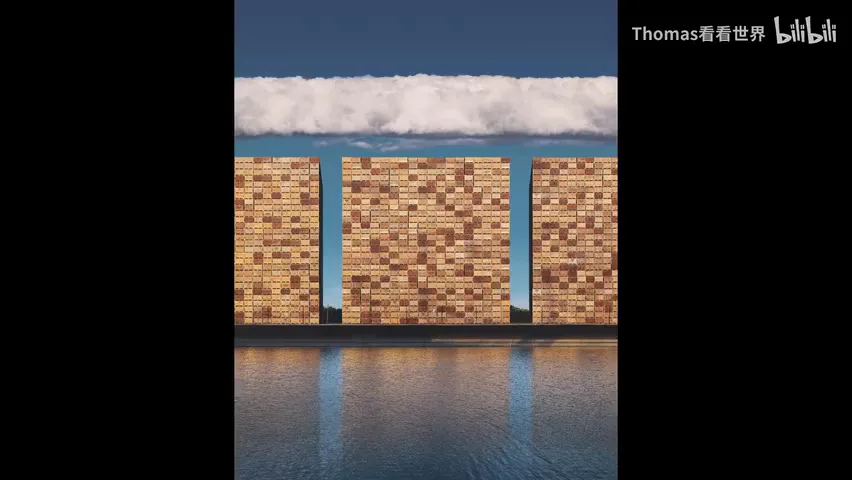
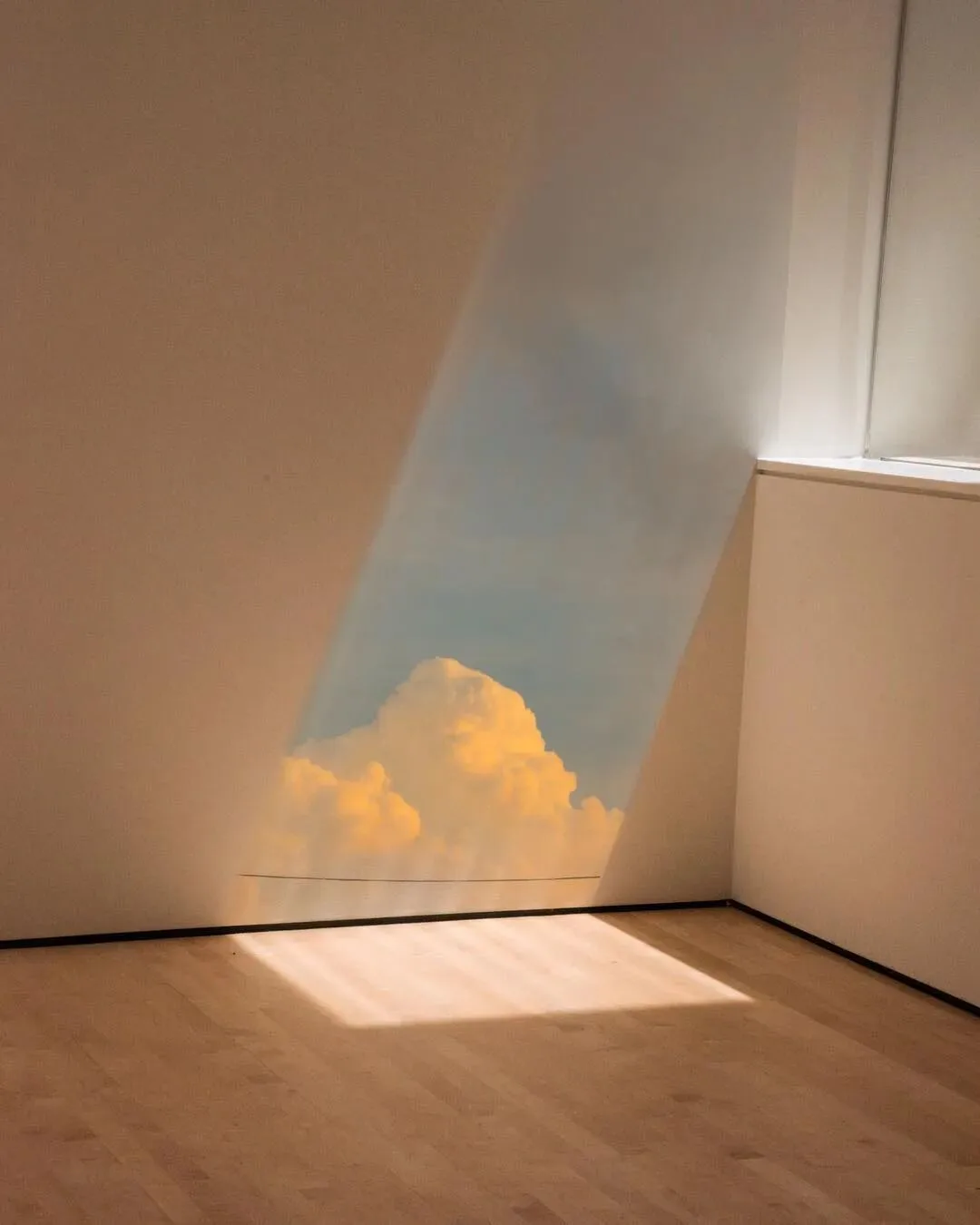
04 KangHee Kim: Clouds in Everyday Life
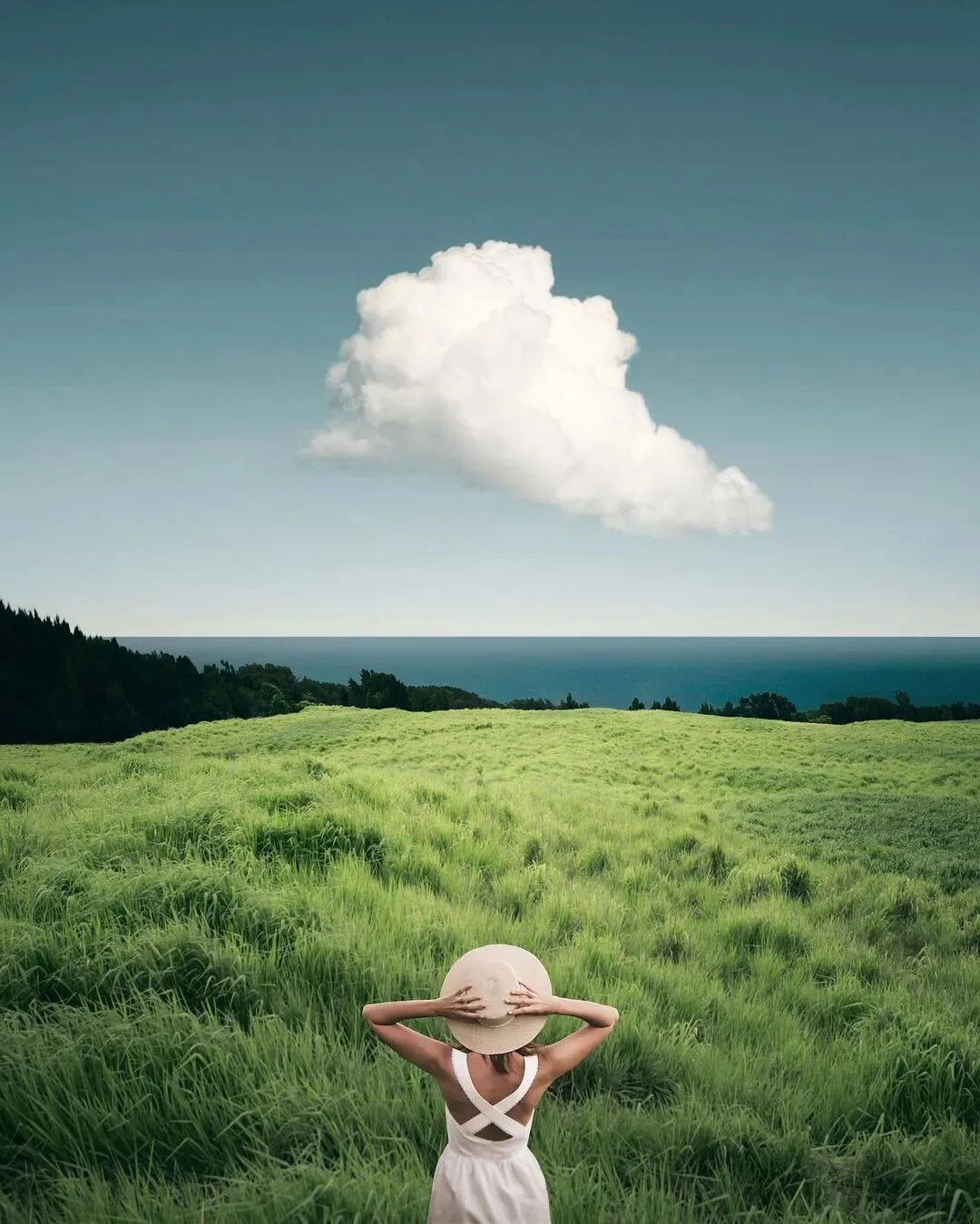
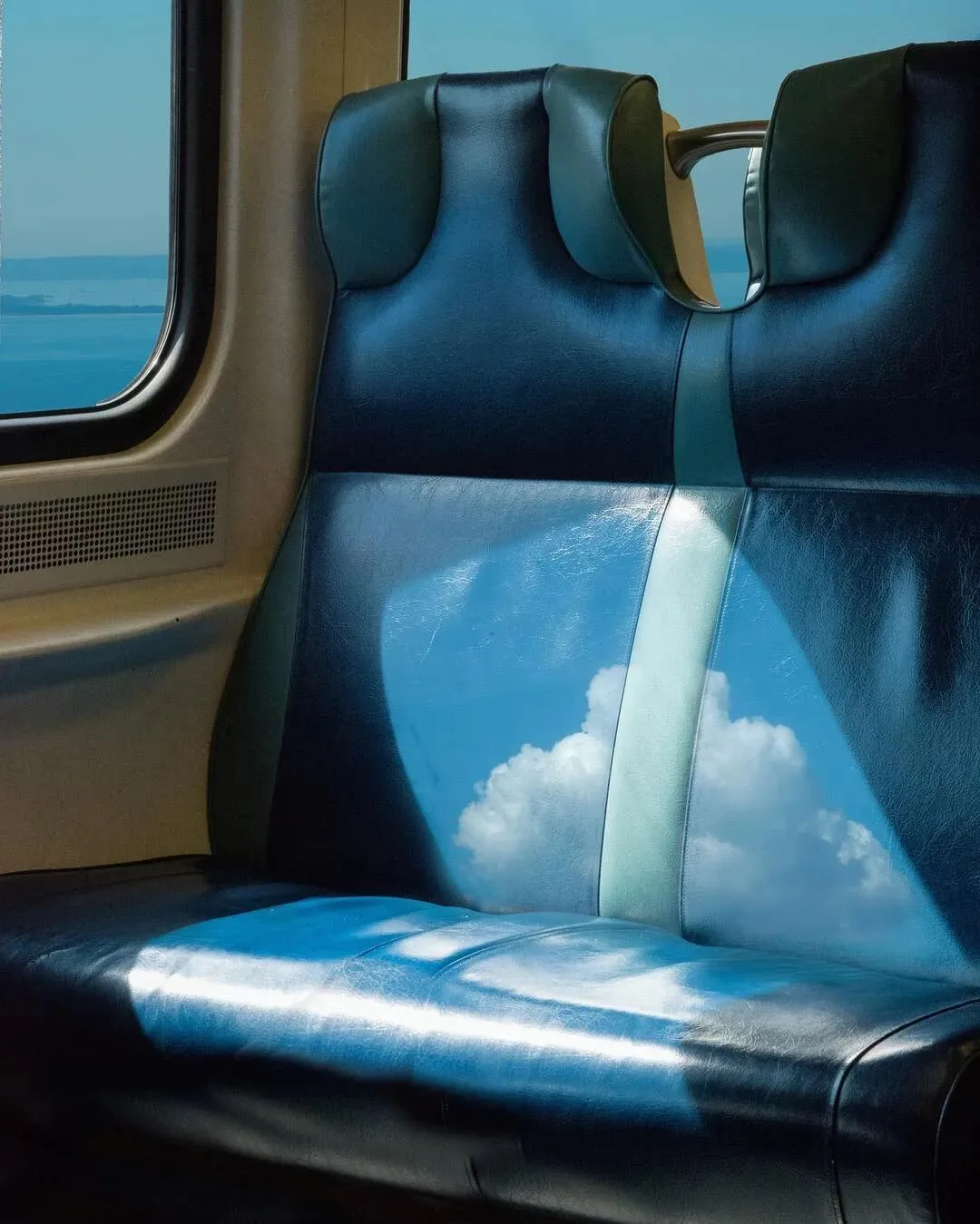
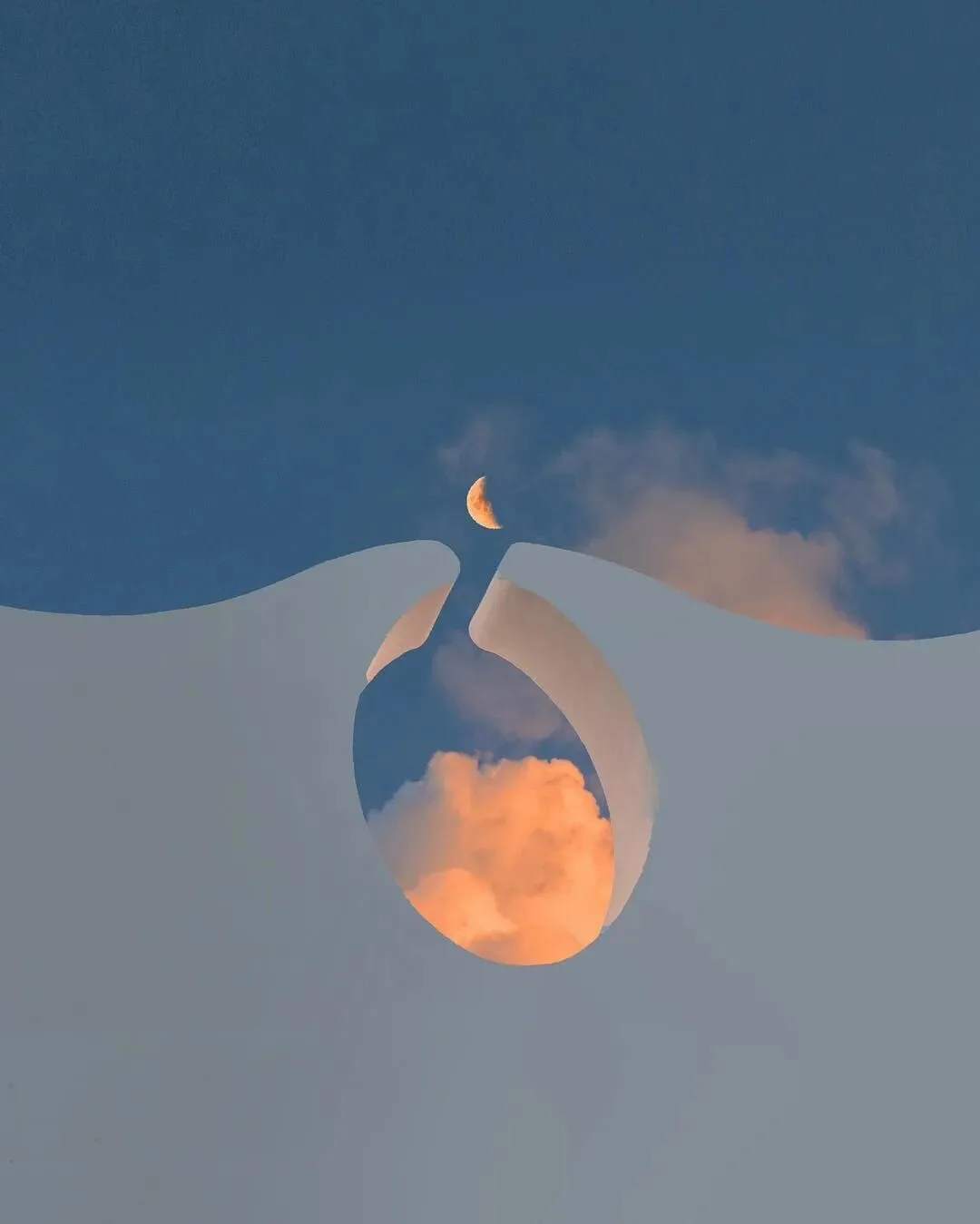
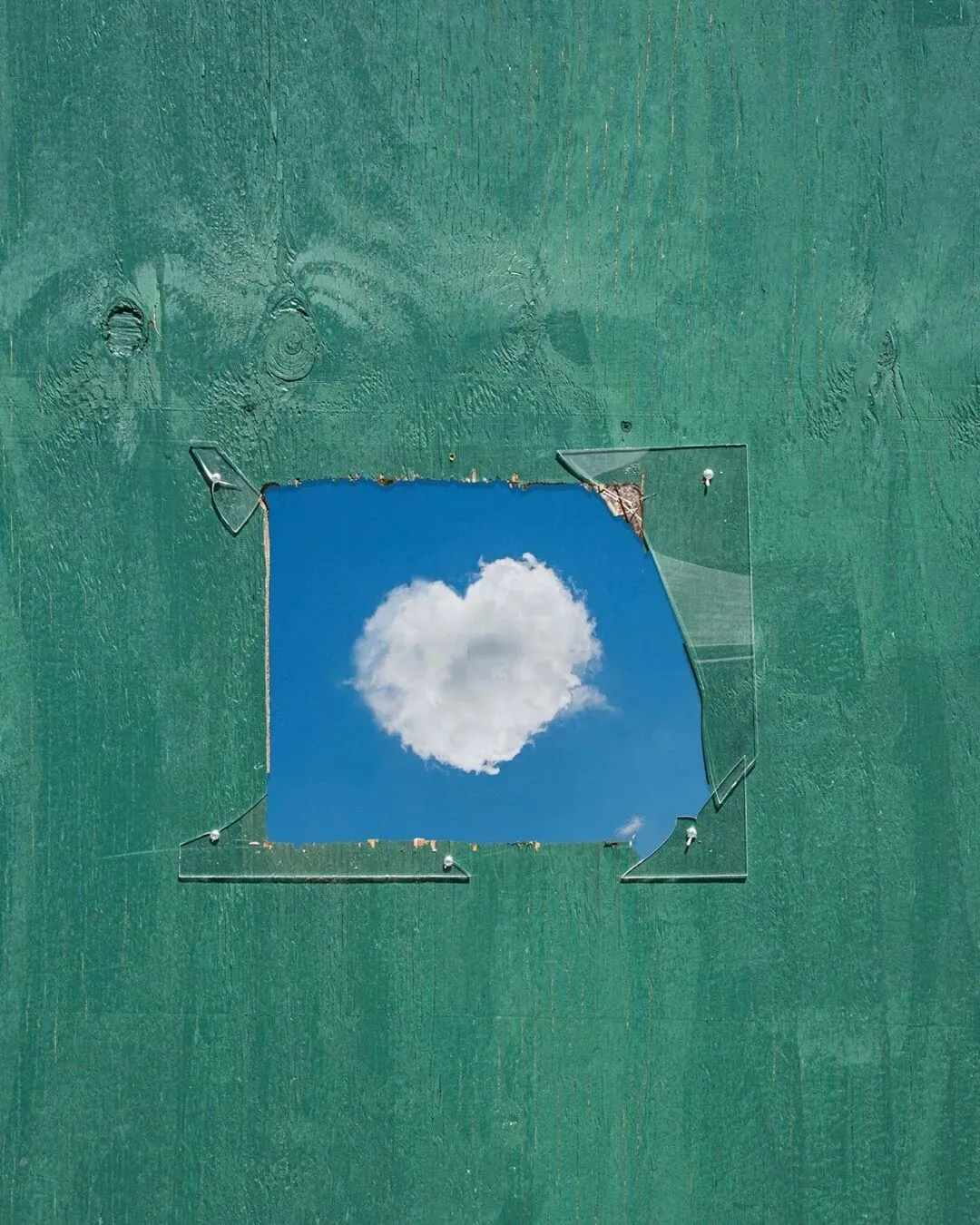
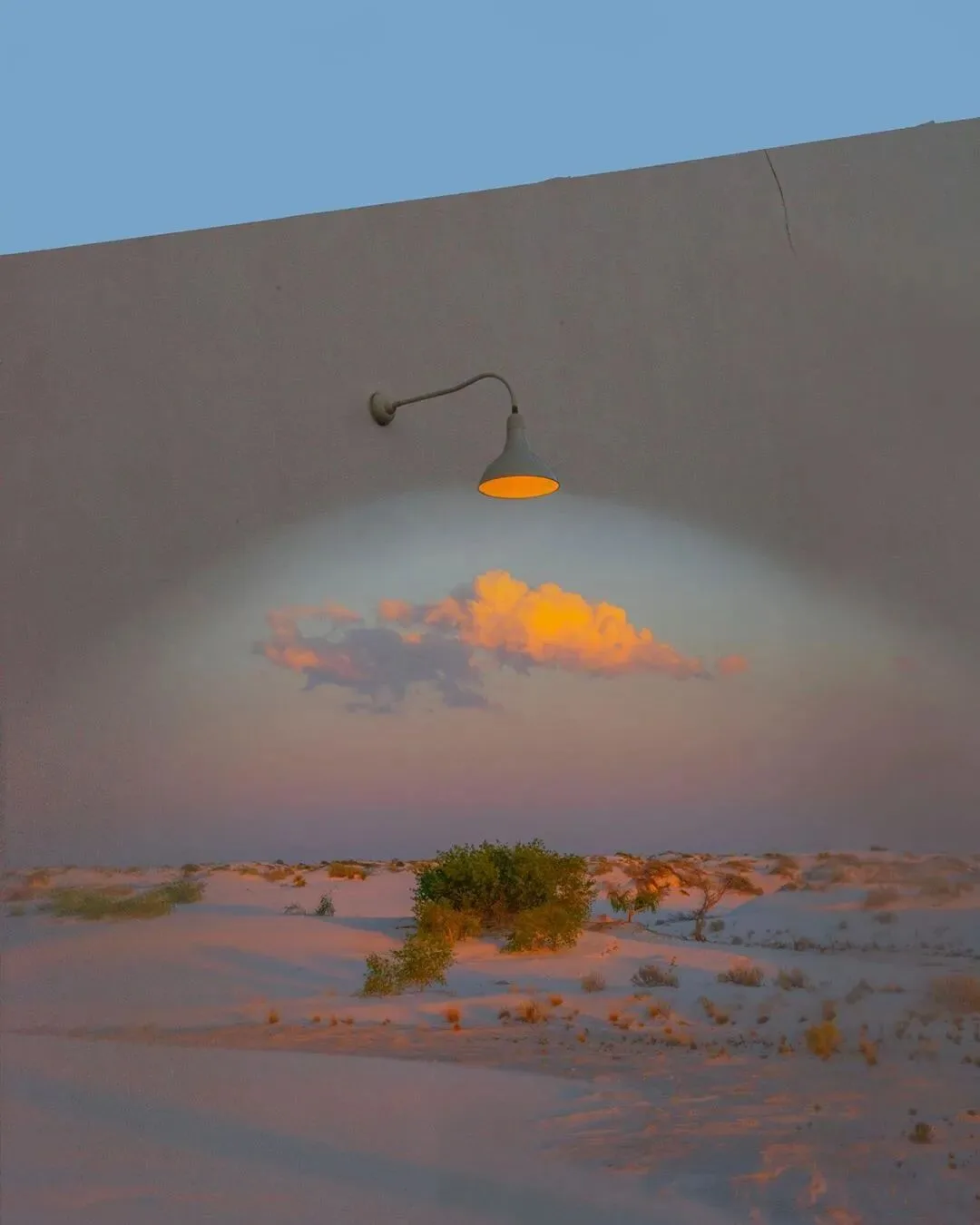
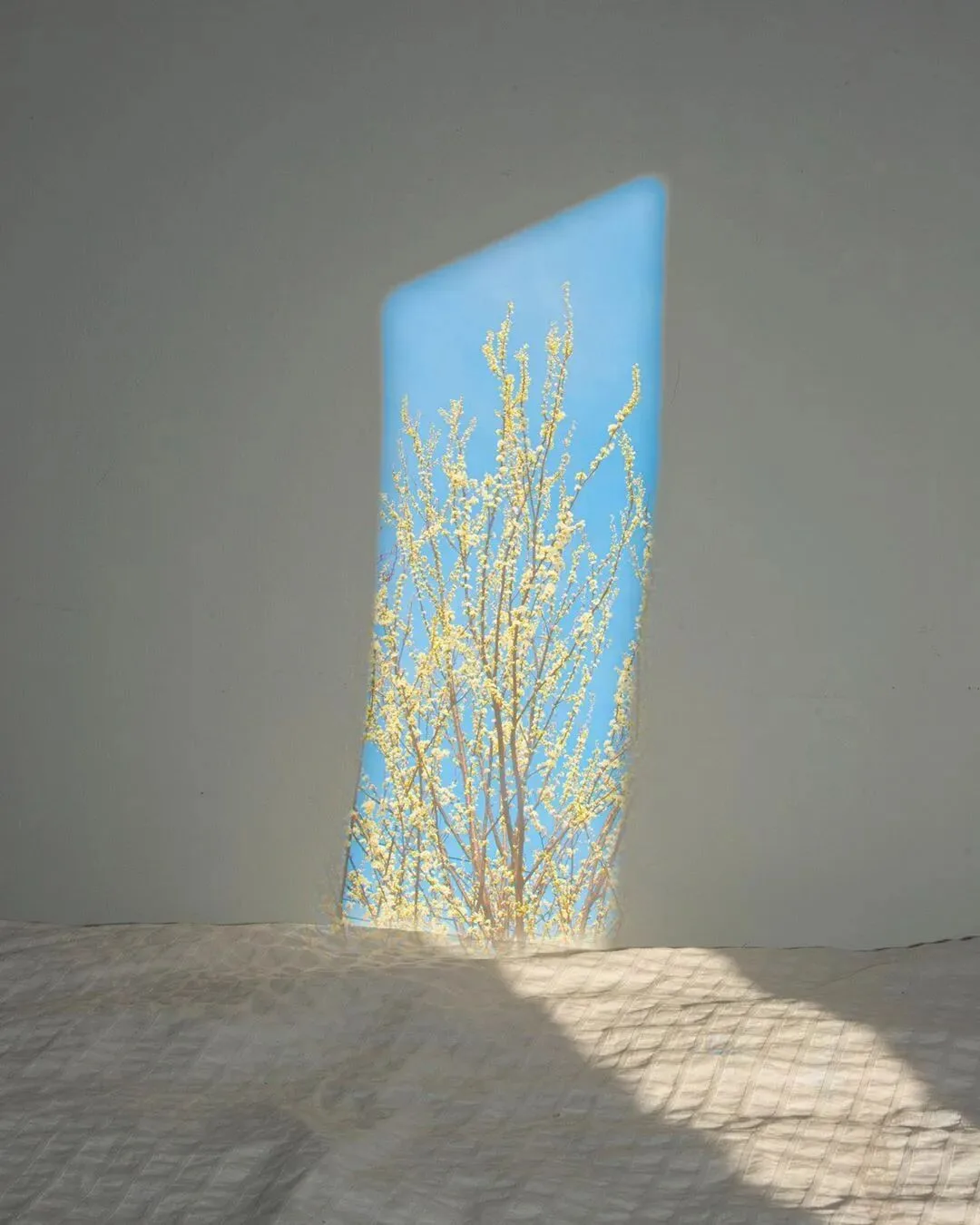
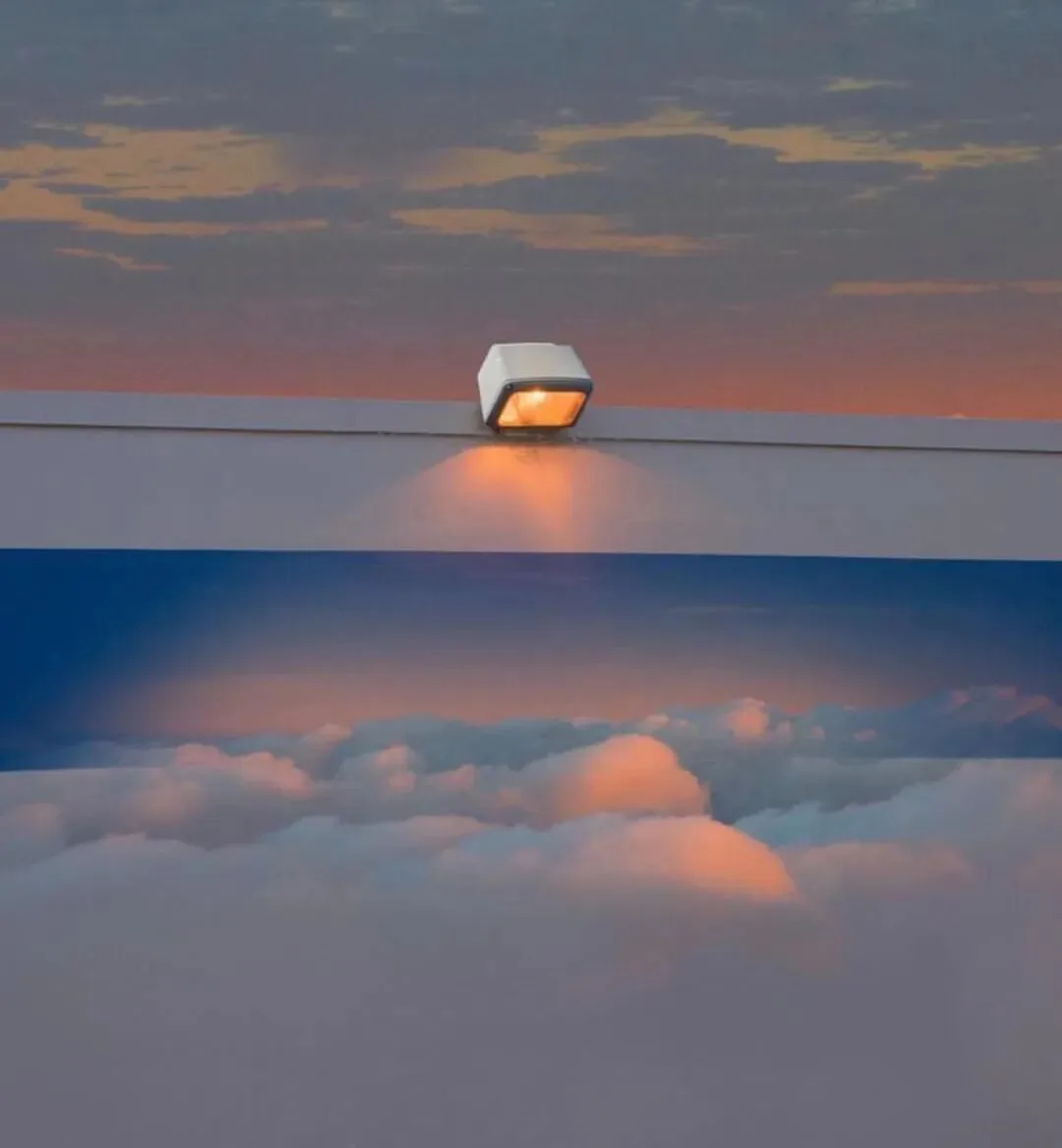
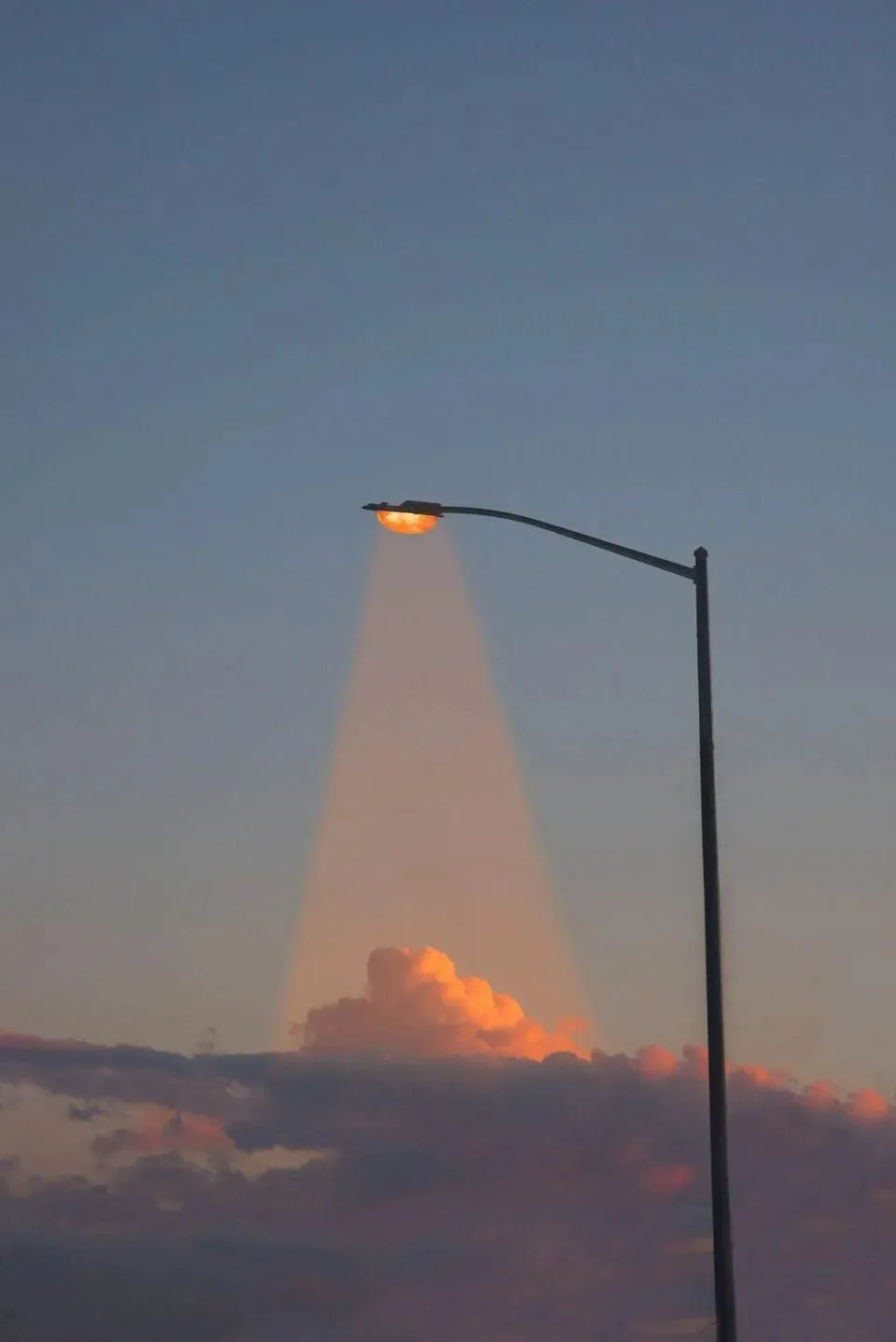
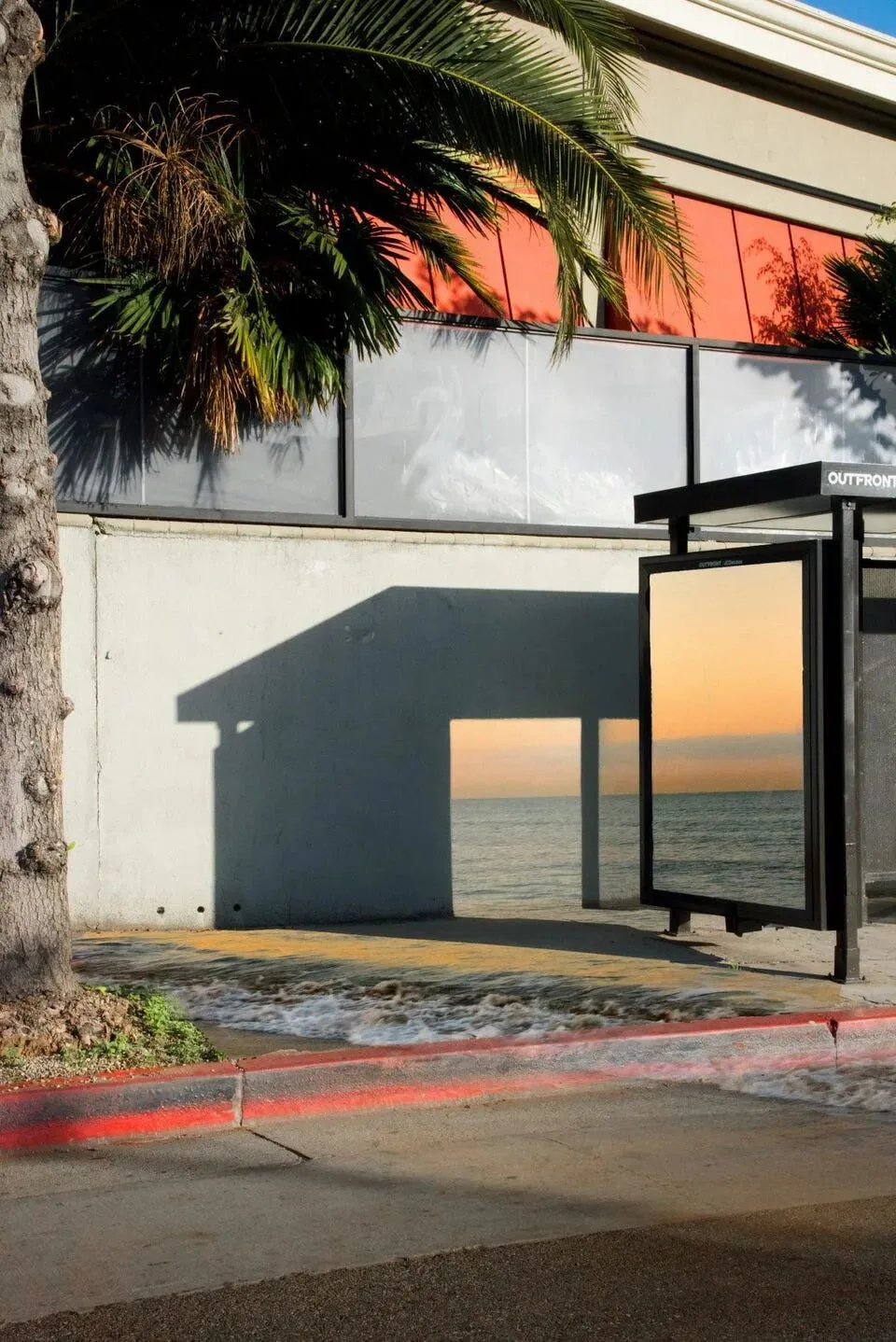
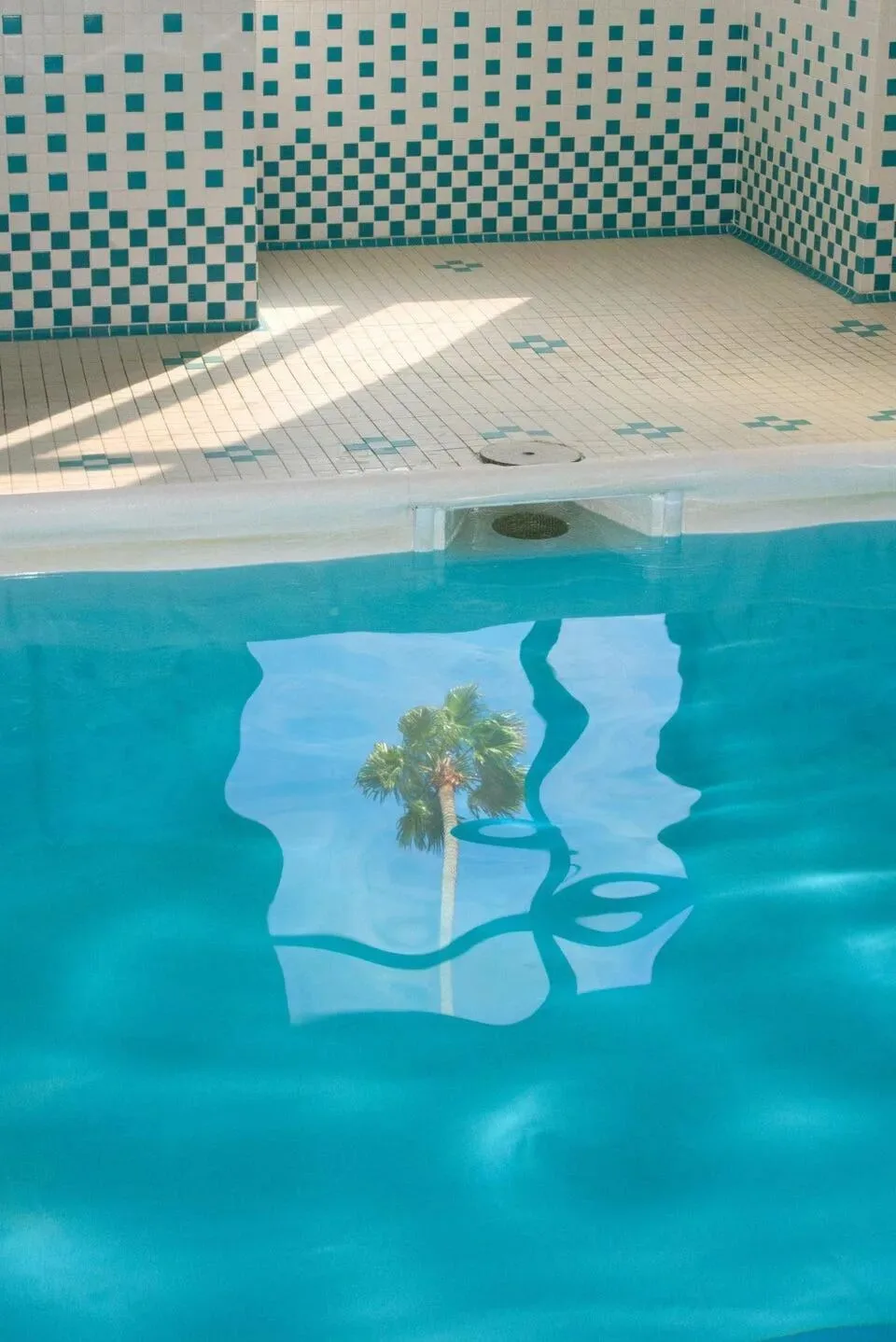
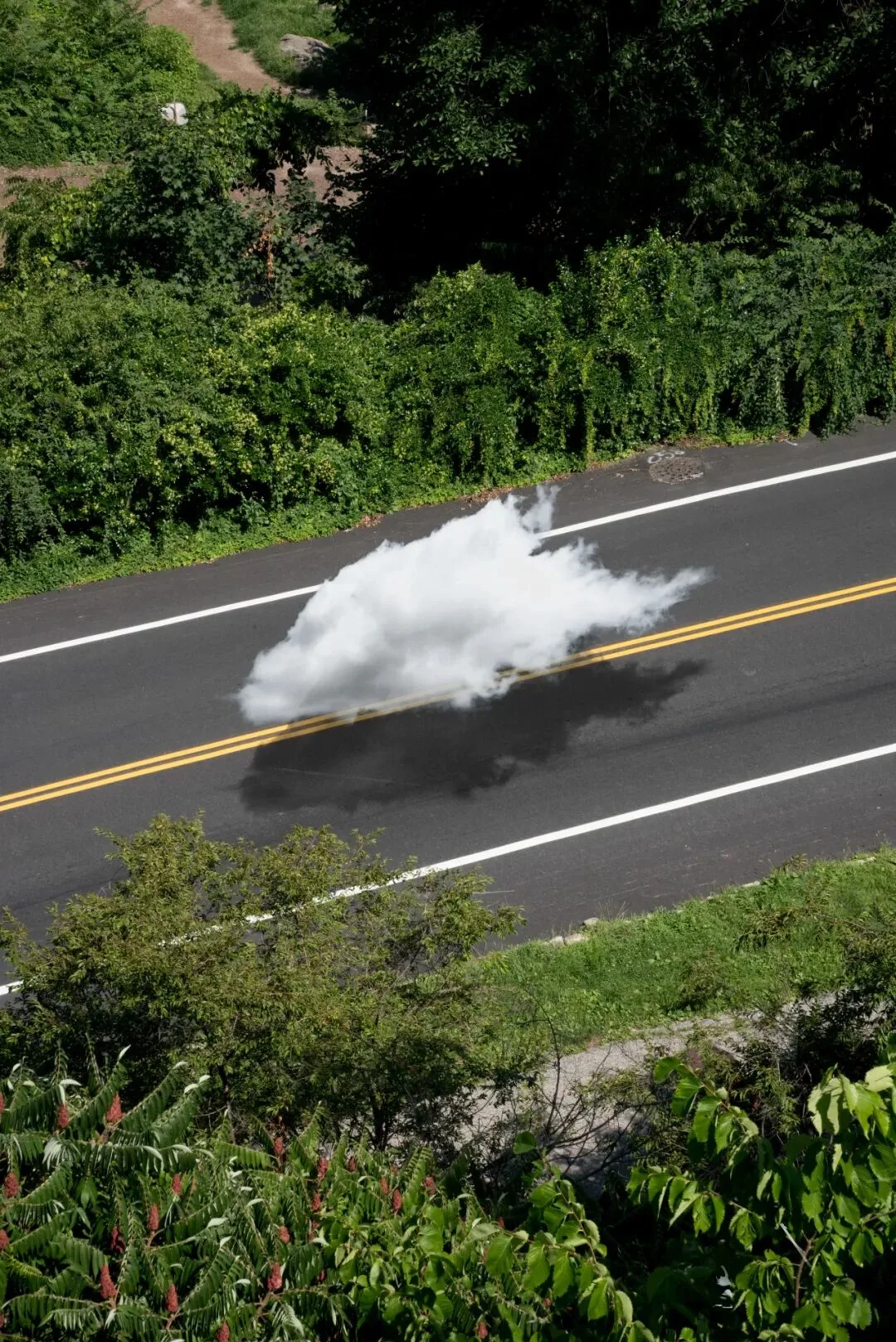
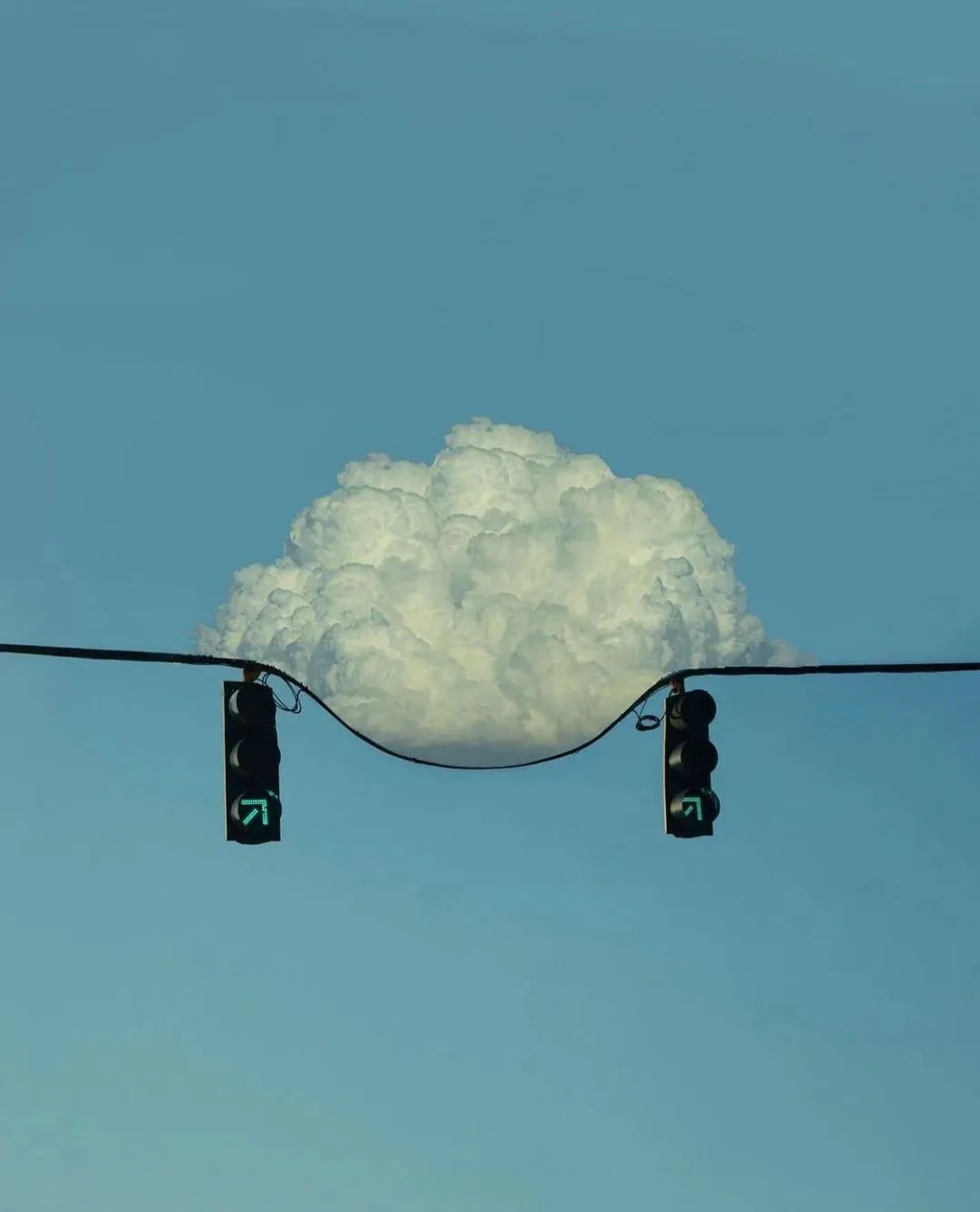
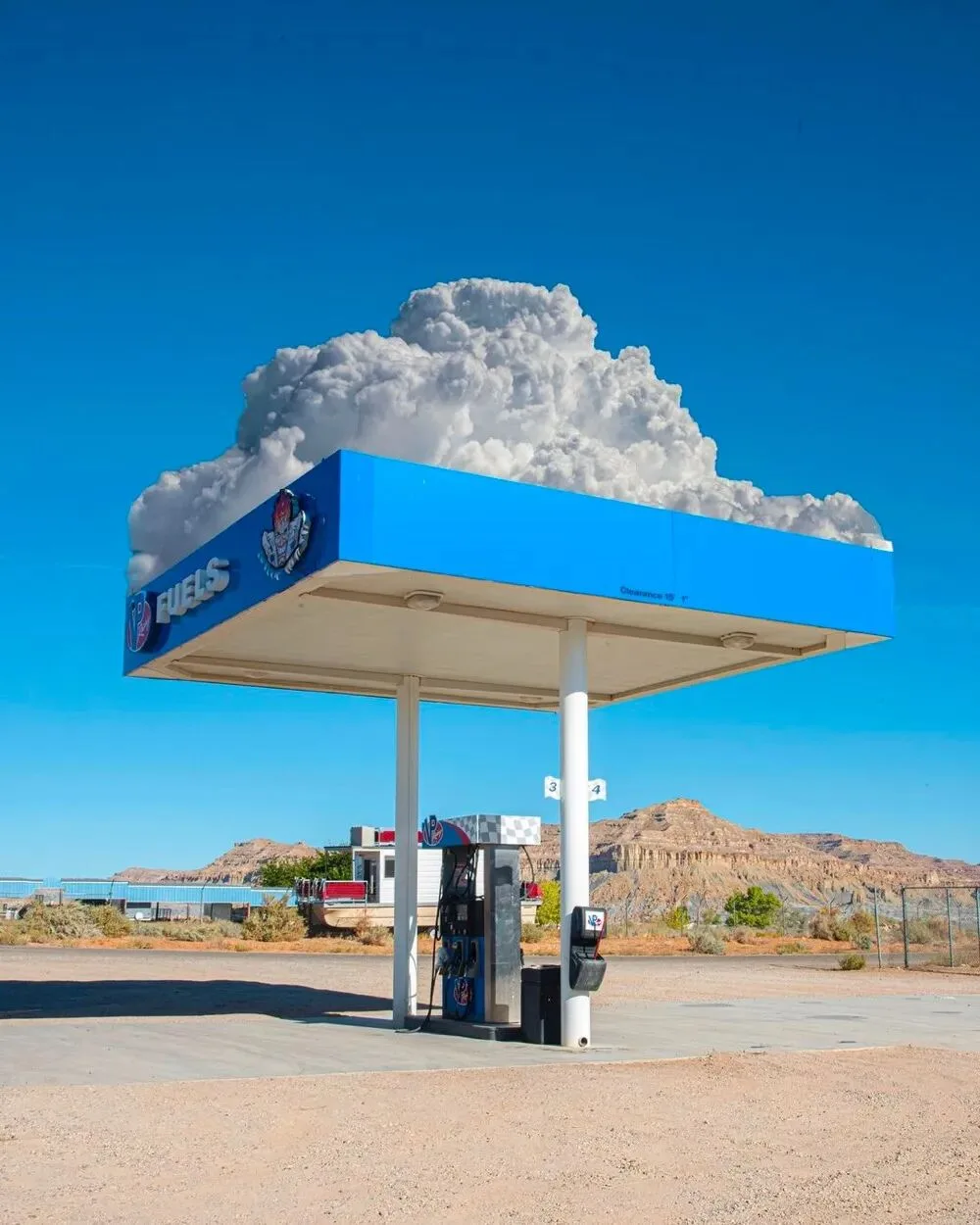
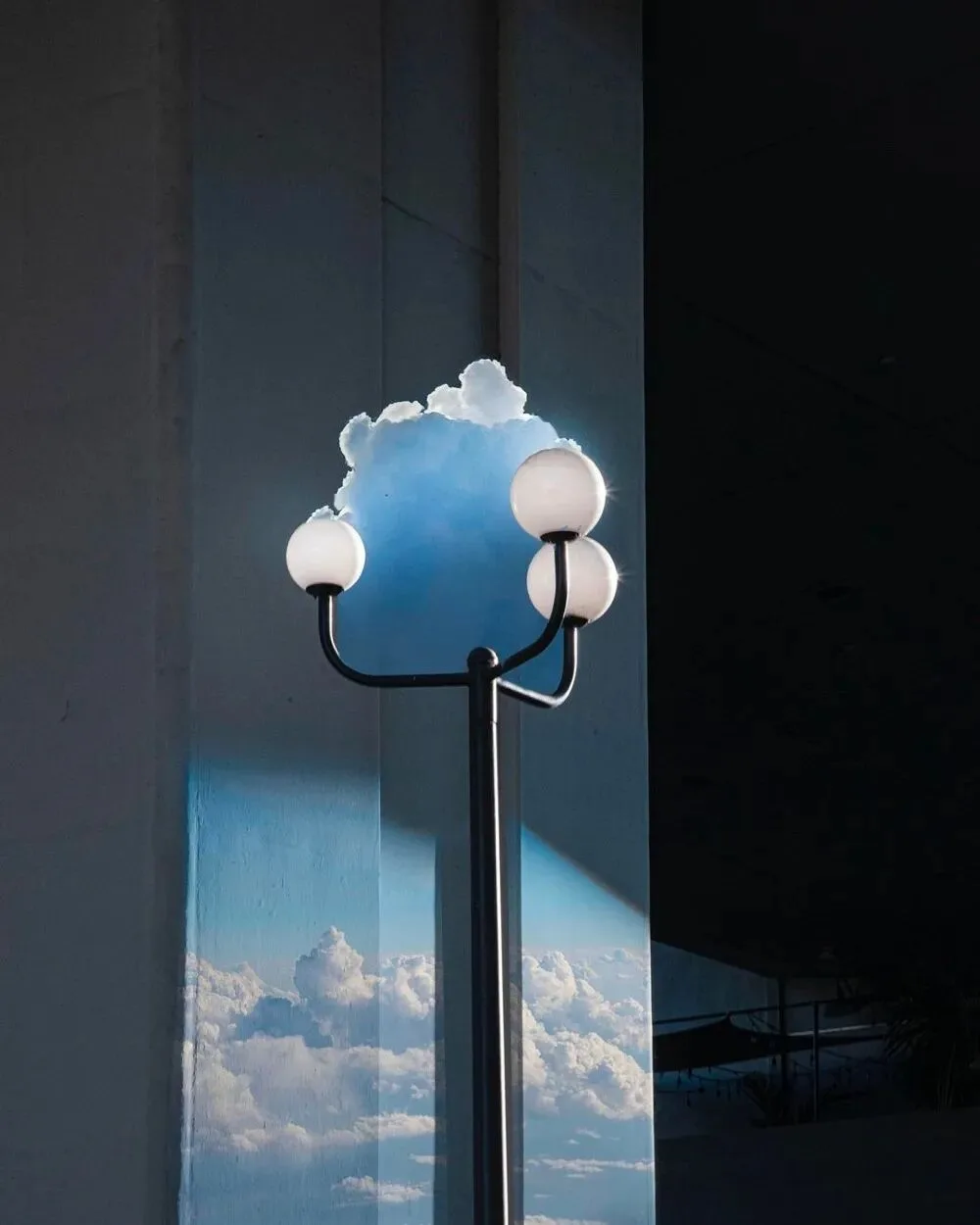
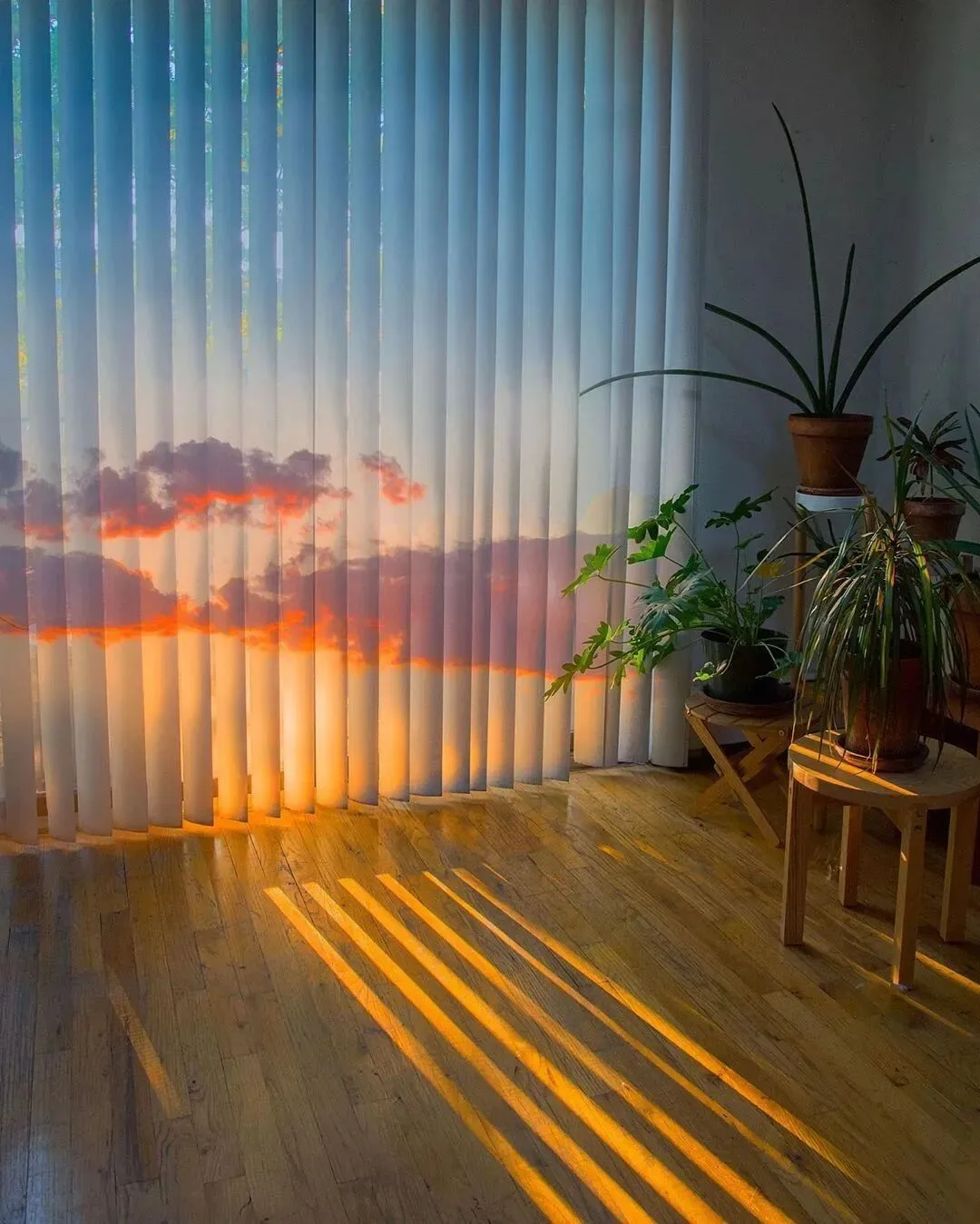
Last is KangHee Kim, the viral Korean surrealist whose work revolves almost entirely around clouds. Her genius is pairing wild imagination with plausibility: a streetlamp just happens to light the cloud above it — associations like this give her composites a genuine, living pulse (at 3:09 in the video).
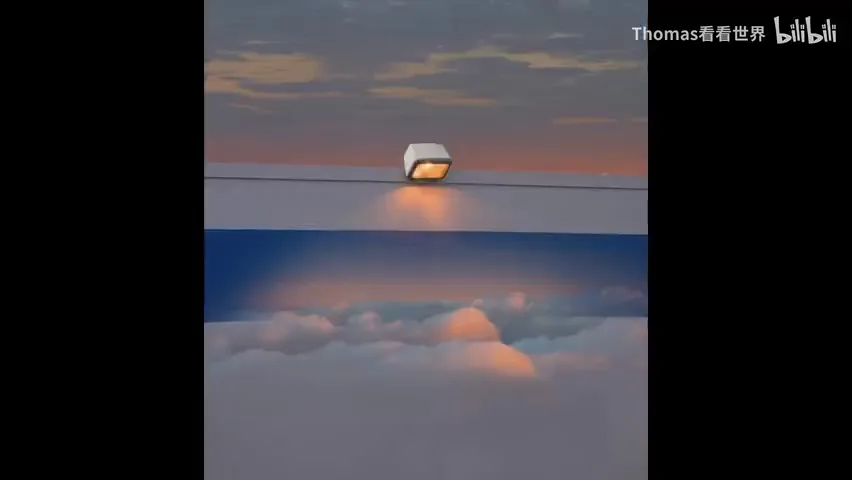
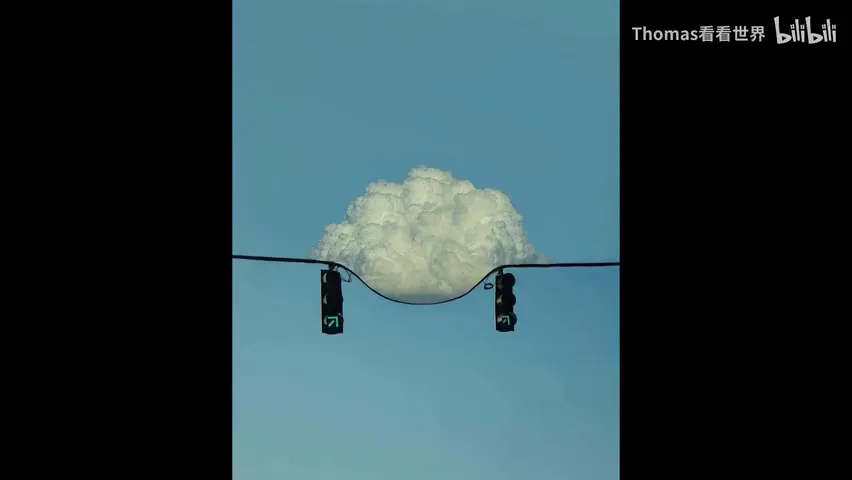
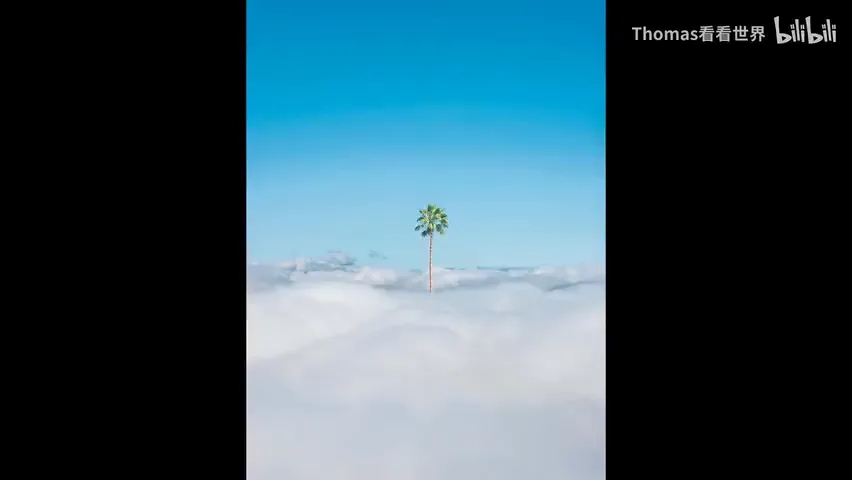
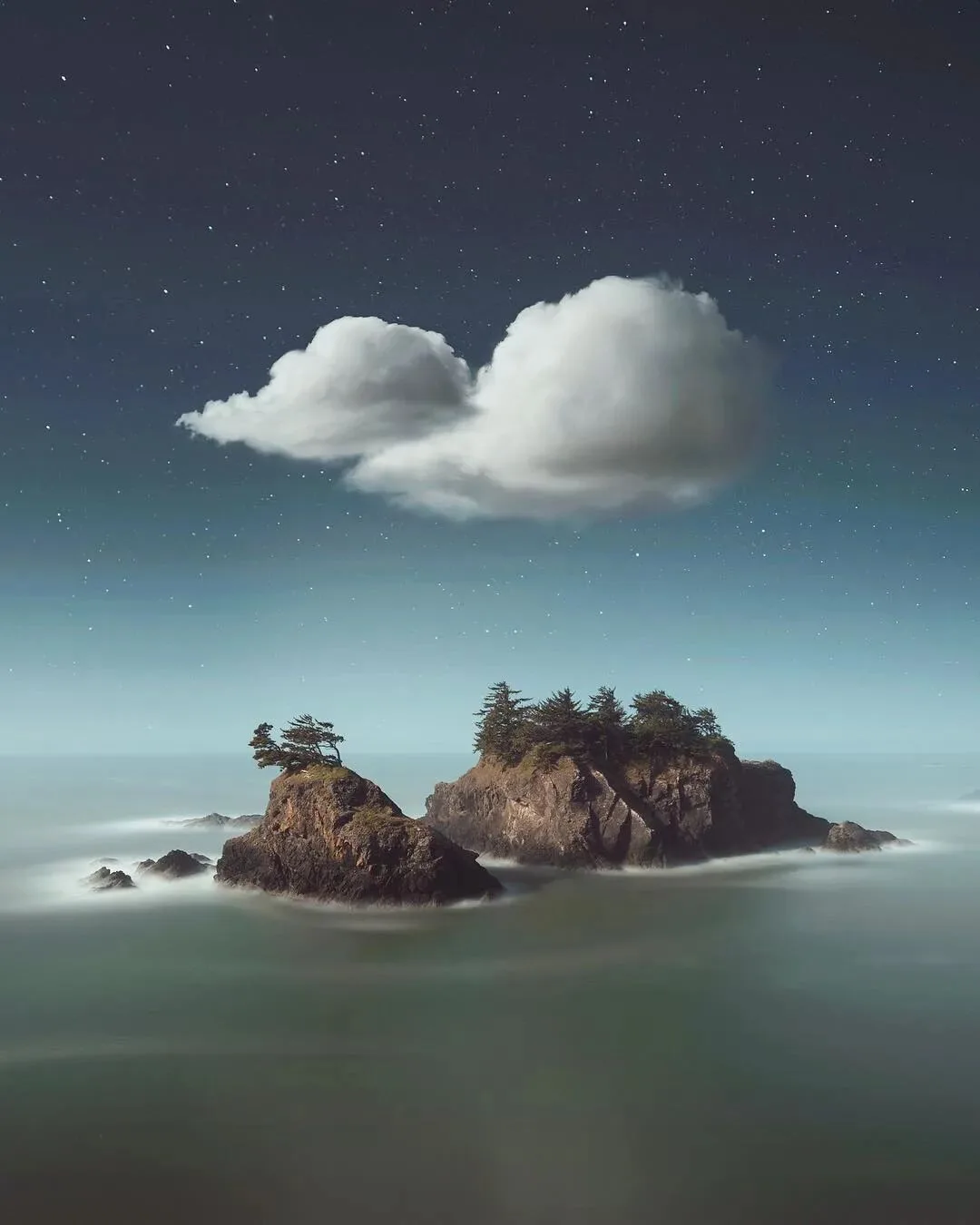
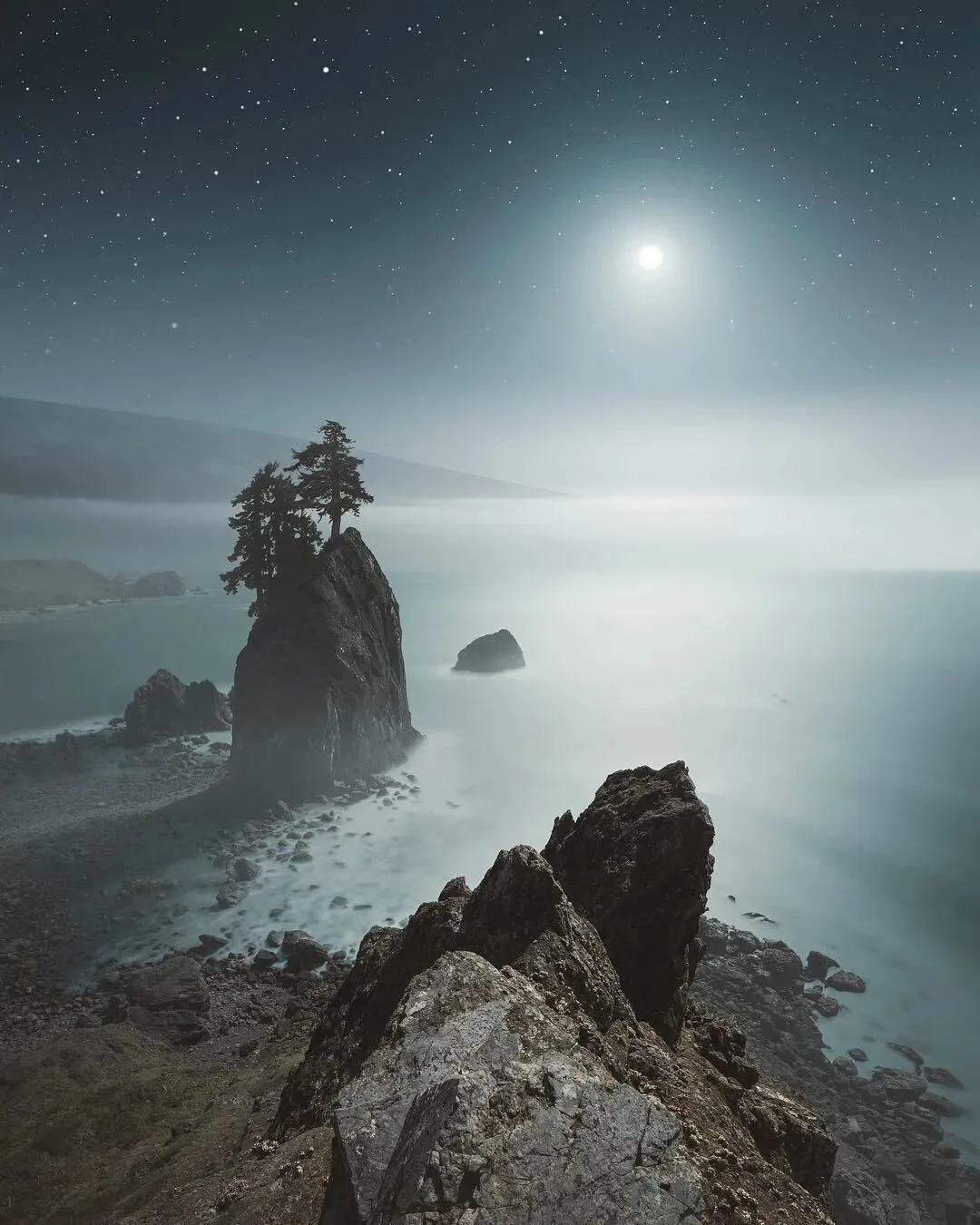
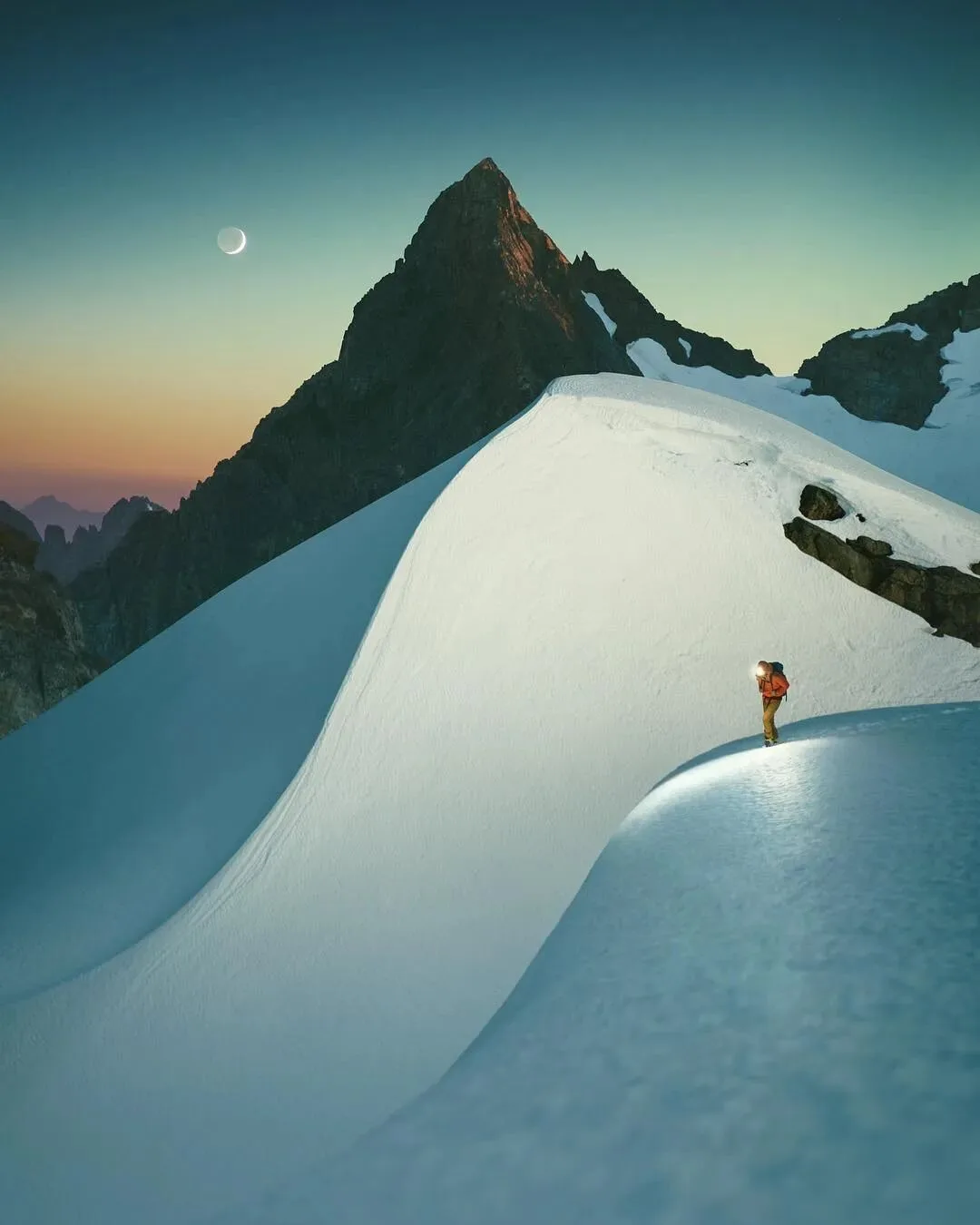
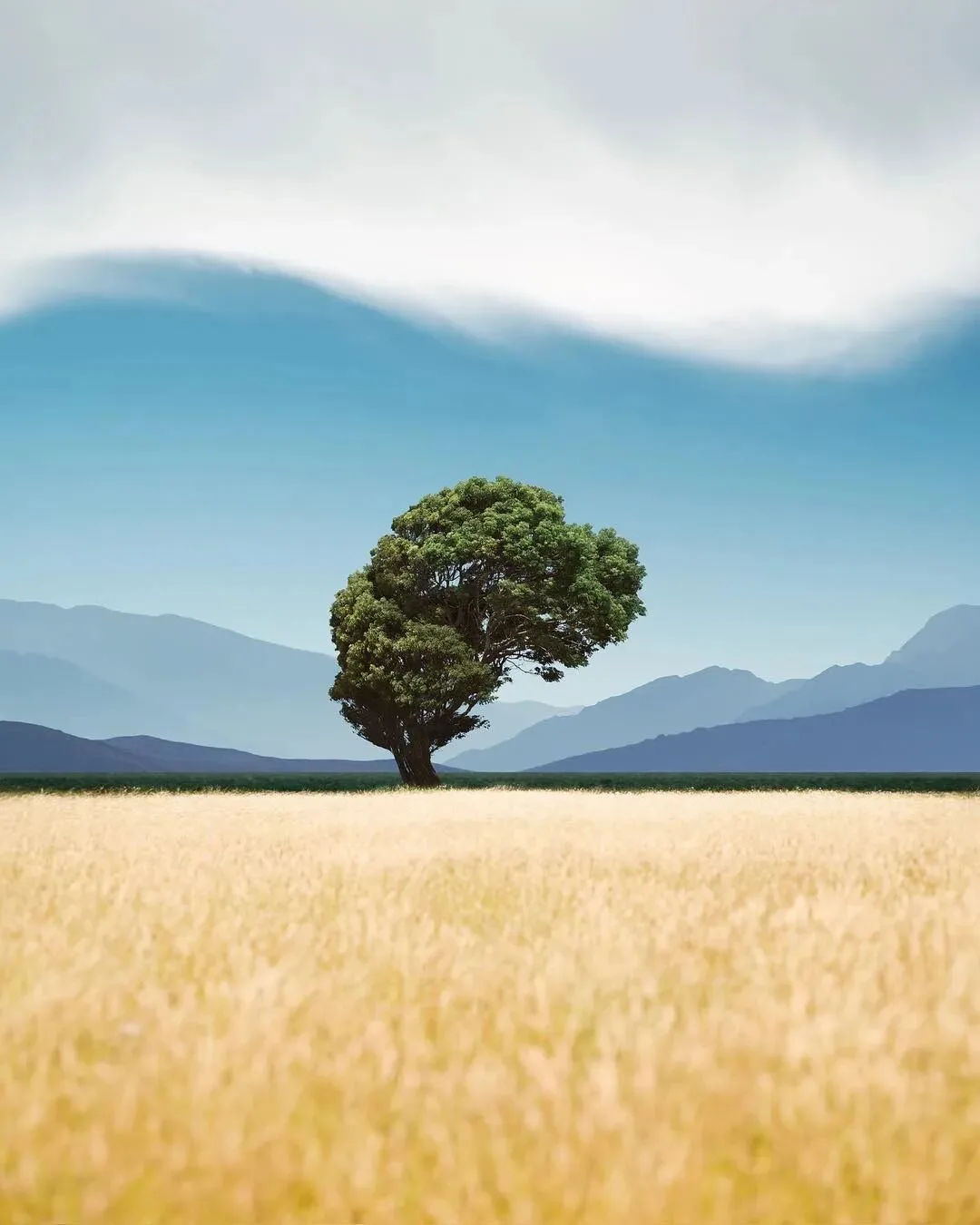
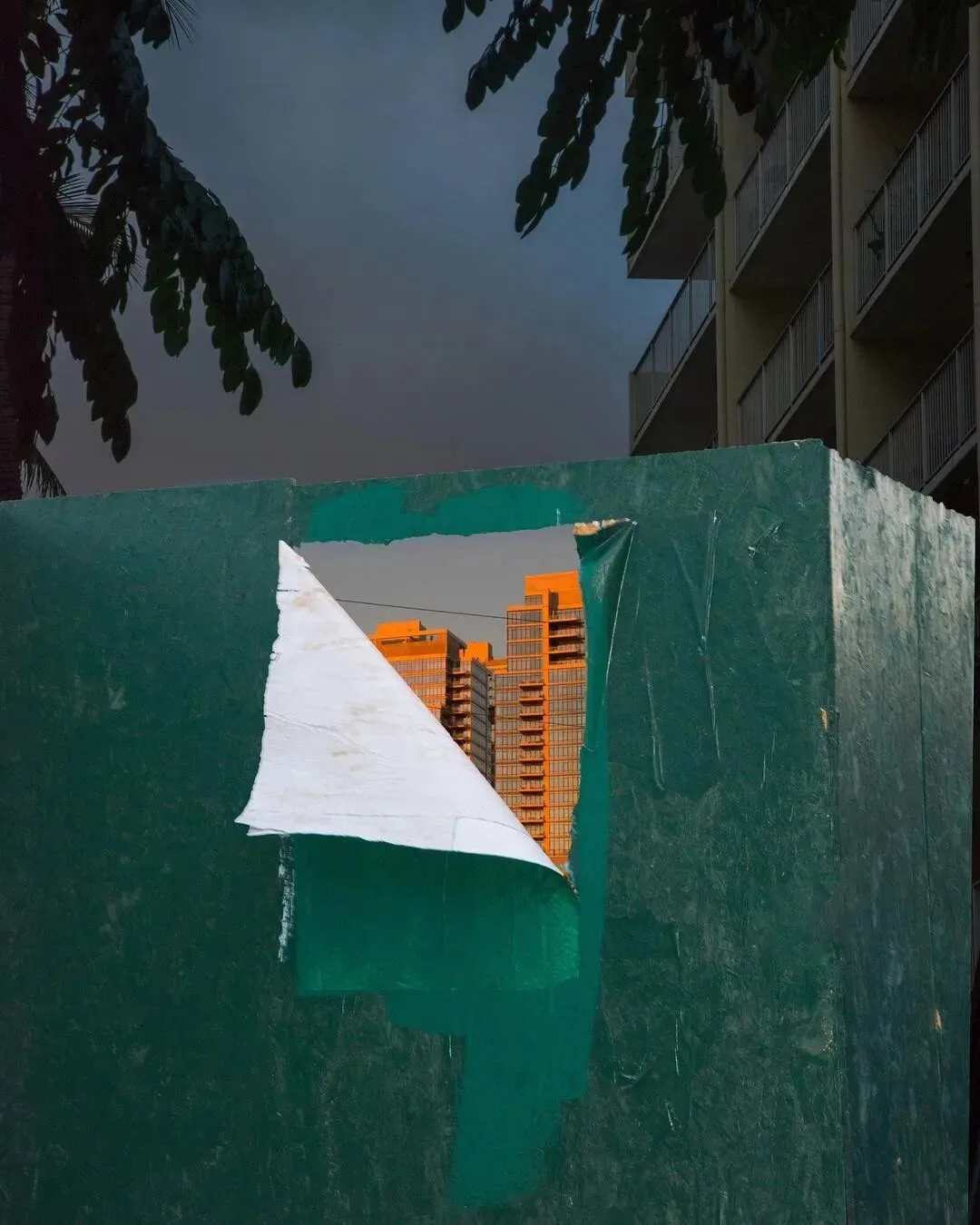
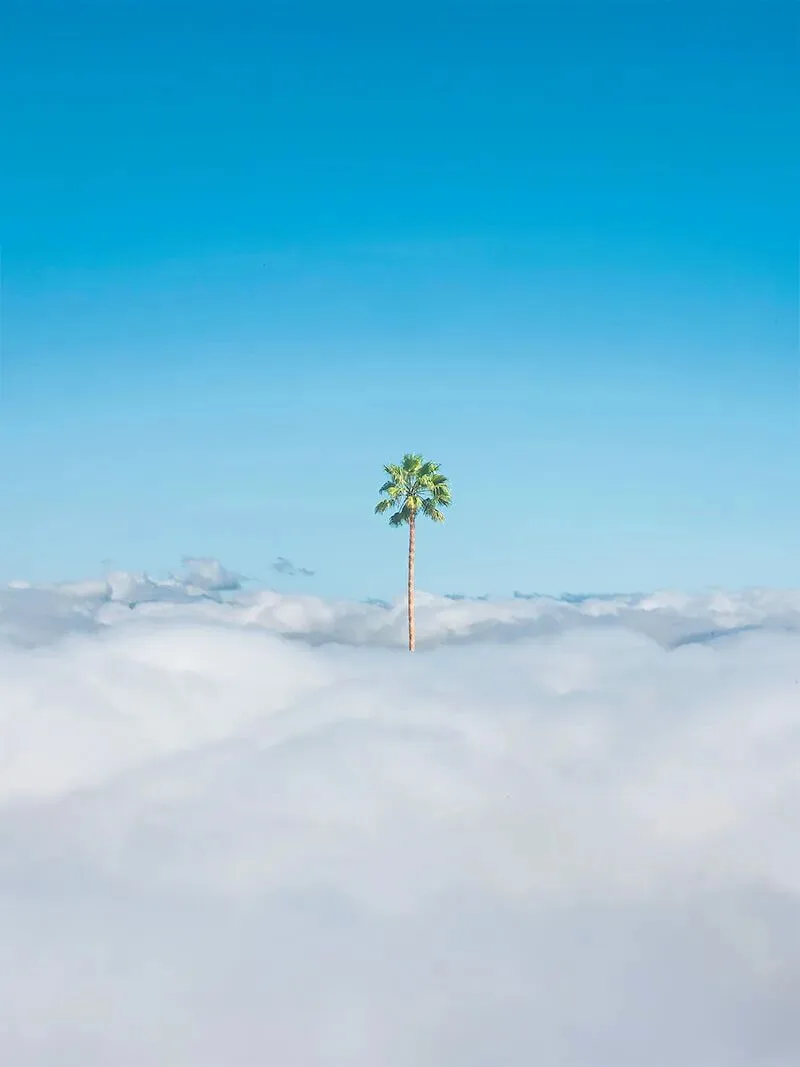
Enjoy more of their work: a lone tree stranded in a sea of cloud, a moonlit coast in turmoil, a river of cloud pouring between brick walls — every frame answers the four tests from the start: real, imaginative, surprising yet inevitable, and unmistakably authored. That may be the summit of composite landscape art: technique is only the means; what stays with you is always the idea (at 3:37 in the video).
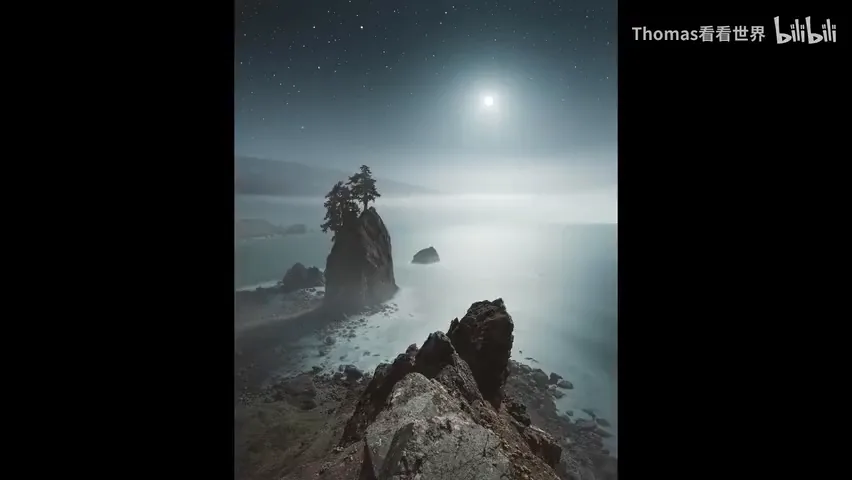
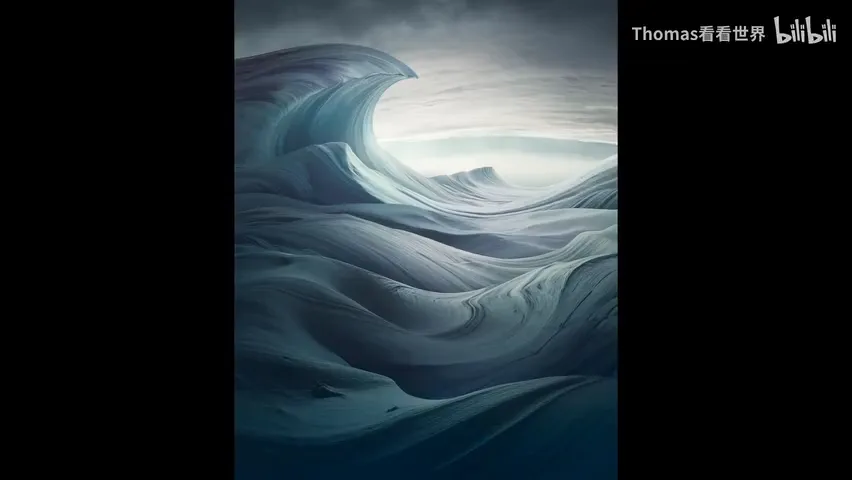
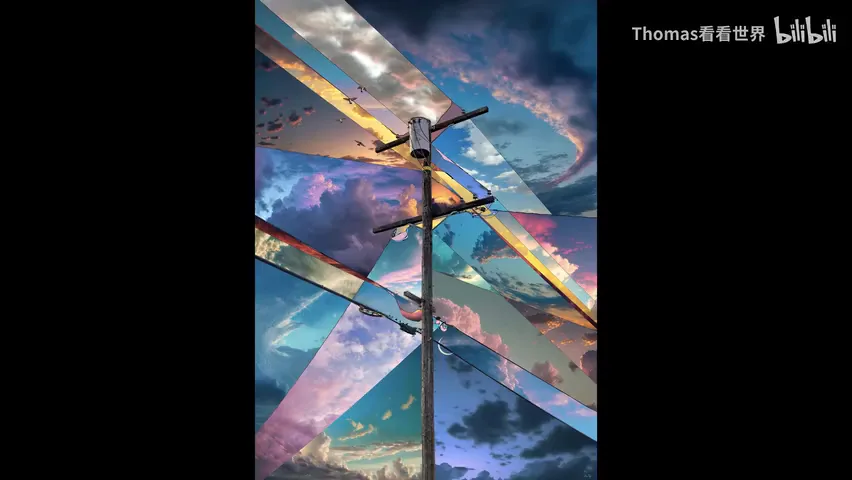
1. Technique is the entry fee; imagination sets the ceiling — piling up visual elements is beginner's work, while narrative and association give a composite its life; 2. Good composites surprise yet feel inevitable: realism holds the floor, imagination breaks the roof; 3. Slicing, warping and collaging are mere vocabulary — Alex Hyner's pieced skies, Everett's wave cliffs and KangHee Kim's lamp-lit clouds all grow from minute observation of daily life; 4. What makes work memorable is your own visual signature.
HD video:
https://www.bilibili.com/video/BV1VM411v7C4/
Images