Photography Tutorial · 2021-11-21
Why Do I Photograph Landscapes from Trains? The Story and Motivation Behind It
Thomas Chu Photo
In several previous tutorials, I shared the capture techniques and post-processing methods behind my 'China by Train' landscape series.
But those were mainly technical explanations.
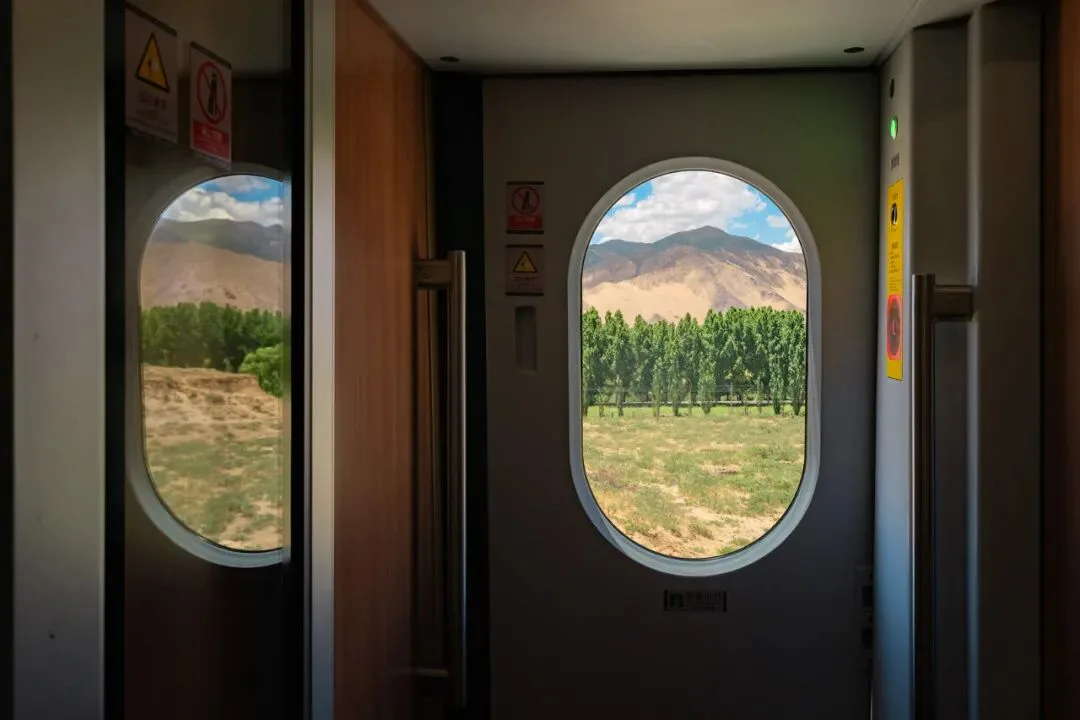
What I share today is a recent interview with me by China Radio International, which clearly presents the original intention, the stories behind this series, and its long-term vision.
Perhaps this interview video will inspire some of you even more, as it answers my thinking on questions like: why shoot these? Why shoot this way? Why express through photography? How to present China's landscapes?
Video Tutorial
▶ Watch the video tutorial on Bilibili
This is the fully illustrated companion to the video above. In this interview for the "Returnee Dreams" program of China Radio International, Thomas (Chu Weimin) tells, for the first time in full, the story behind his "Seeing China from the Train" series — a train leaving Xining, steel and nature meeting in the desert, track workers saluting passing trains, and the contemporary China he wants to show through the window. Keyframe screenshots follow the interview in order.
Meet the subject first. The opening title card in the video (at 0:10) introduces Chu Weimin, a post-90s landscape photographer better known as Thomas. This interview answers exactly one question: why ride trains for dozens of hours to photograph scenery.

01 The Beginning: a Train from Xining to Golmud
The idea was born in August 2020: on the train from Xining to Golmud, outside the window stretched the spectacular northwest desert, a scene of utter desolation (at 0:51 in the video). Thomas was struck at once — the power infrastructure in the wasteland looked magnificent, the metallic texture of steel mingling with the raw force of the desert, setting each other off against the snow mountains (at 1:00 in the video).
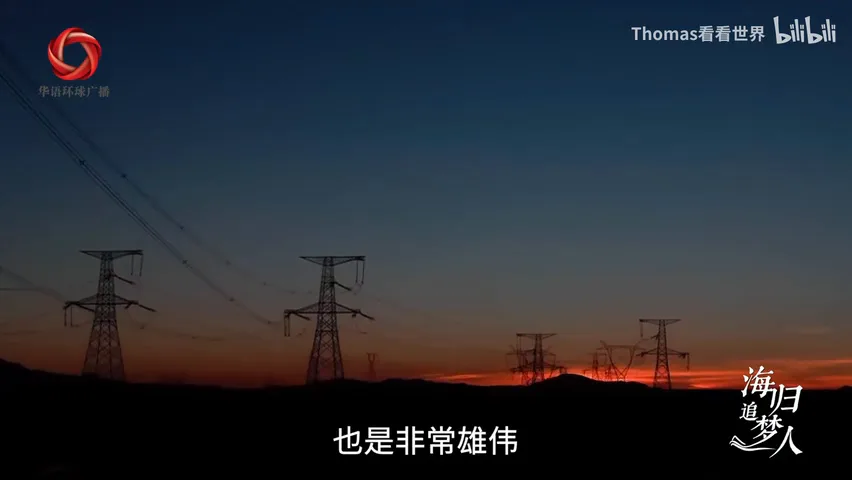
What makes China special: even in the most remote regions you witness grand human construction (at 1:21 in the video). Green-skinned trains threading forests, wind farms and pylons marching across the gobi — this single journey planted the idea of "photographing China's landscapes from trains" (at 1:31 in the video).
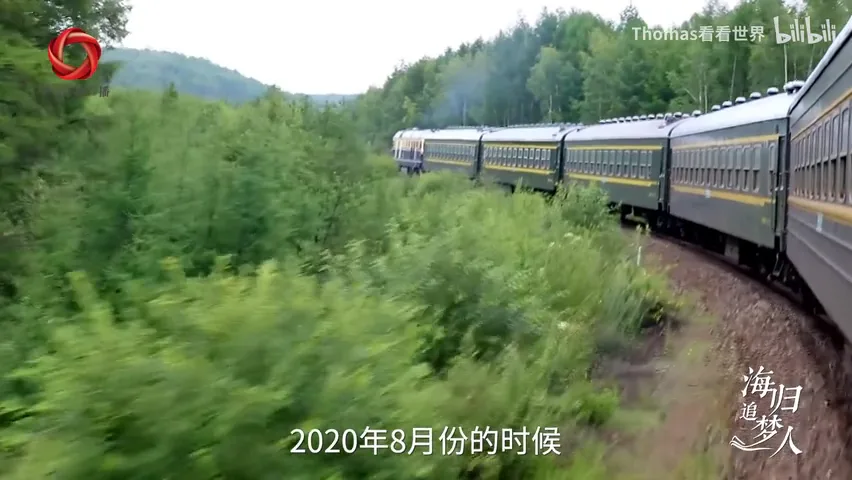
And through these photos he hopes people rediscover what flashes past the train window — moments like these were there all along (at 1:36 in the video).
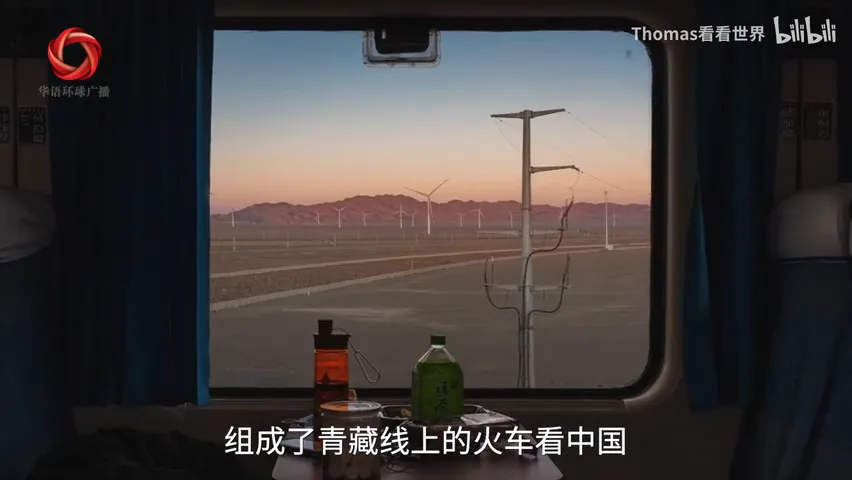
02 Beyond Scenery: Infrastructure and the Workers
Thomas's photos brim with infrastructure: wind farms, signal base stations, factories (at 1:47 in the video). Set against famous mountains and rivers, they carry the imprint of the era — another face of the Chinese landscape beyond the classical scroll (at 2:04 in the video).
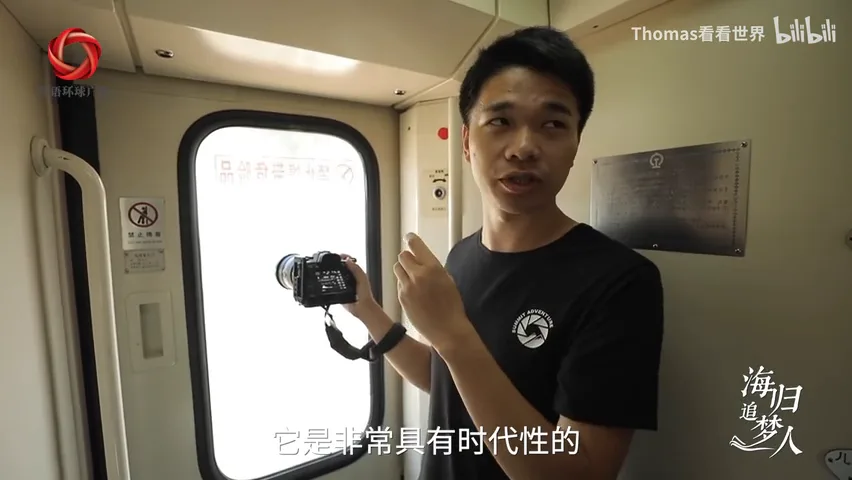
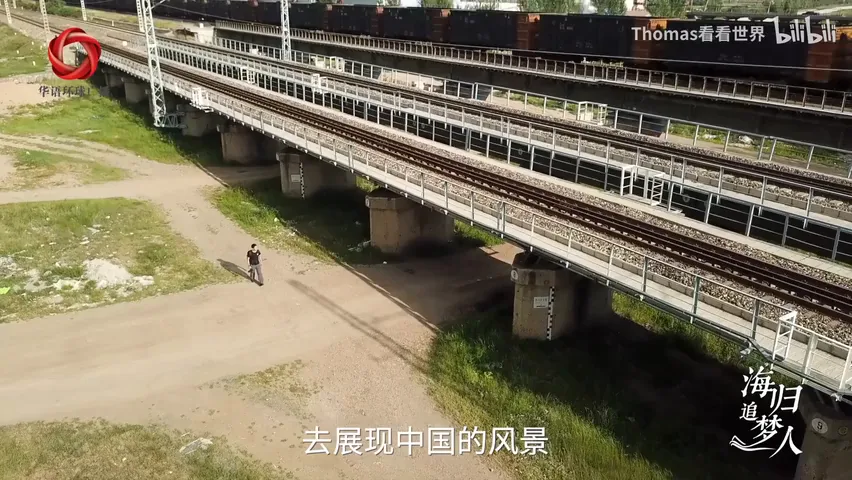
We take the railway for granted, yet it depends on thousands of track workers, conductors and line electricians (at 2:07 in the video). The Qinghai-Tibet line crosses treacherous geological-hazard terrain with wildlife and herders' yaks alongside; every few kilometers a track worker stands watch, saluting each passing train (at 2:27-2:46 in the video).
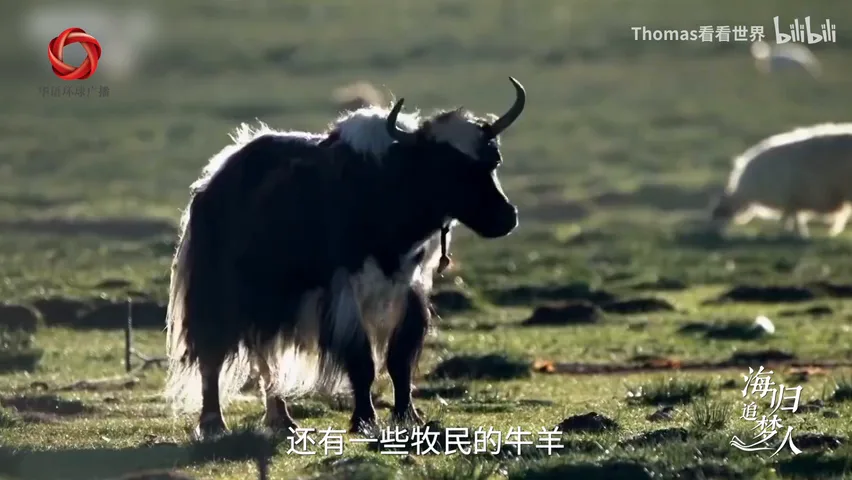
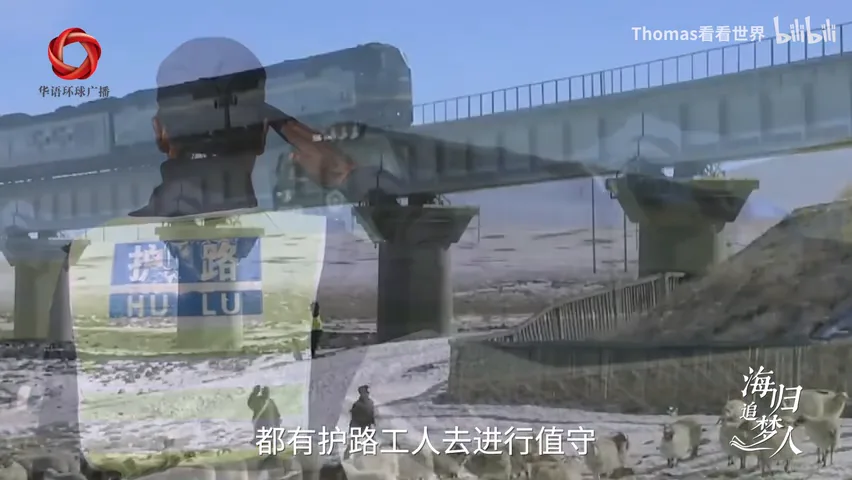
To Thomas, the salute is a ritual, a deeply moving sight (at 2:46 in the video). Keeping the infrastructure alive takes every single worker — their small efforts converge into one safe, stable, vast railway (at 2:54-3:02 in the video).

03 Tibet in Change: from Prayer Flags to High-Speed Rail
Thomas first visited Tibet in 2012 and has returned nearly every year since (at 3:07 in the video). The cities of Nyingchi and Lhasa keep modernizing, and travel keeps getting easier. On June 25, 2021, the Lhasa–Nyingchi railway opened, and he grabbed a business-class seat to experience this very modern way of travel (at 3:20-3:26 in the video).
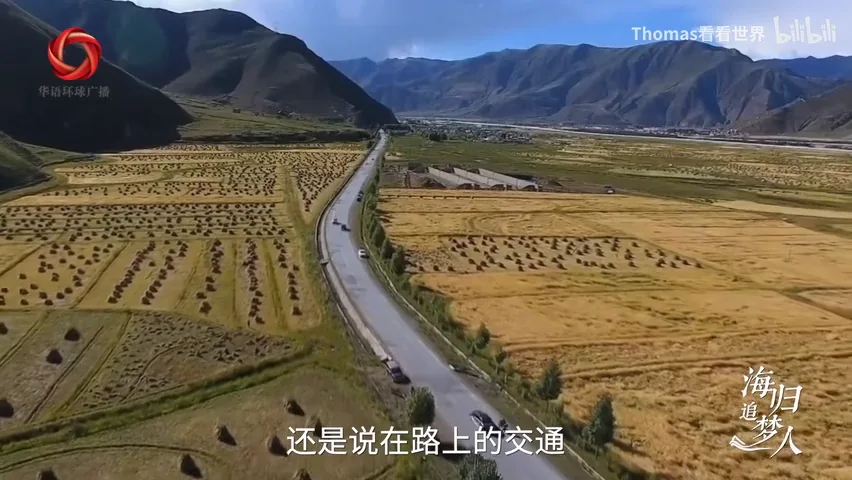
In the carriage, an elderly Tibetan man kept gazing out the window — at highways busy with traffic on the plateau (at 3:29 in the video). The Tibet he has lived through changed beyond recognition (at 3:42). Today's Tibet is no longer only prayer flags, monks and the Potala Palace: there are high-speed trains and high-rises, and infrastructure has quietly brought a more modern life to people on the frontier (at 3:45-4:03 in the video).
04 From One Photographer to Everyone's Camera
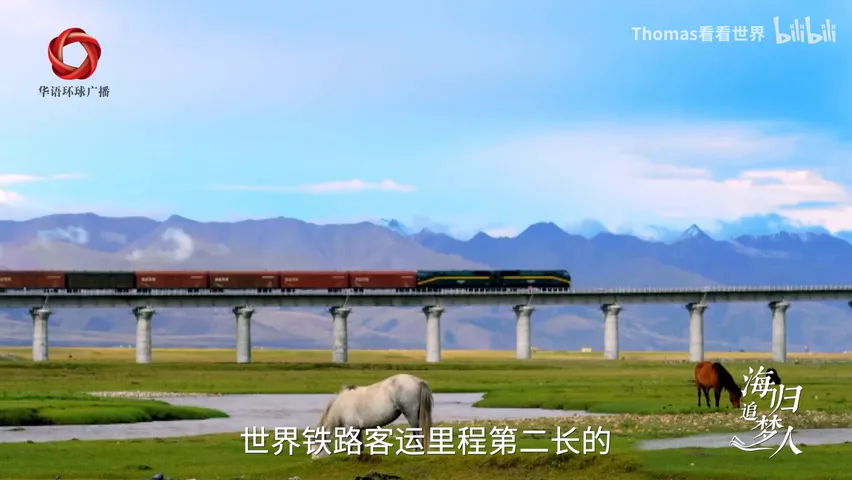
China now has the world's second-longest railway network (at 4:06 in the video) — and only here can a train window frame plateaus, seas, cities and villages. Last year and this year he focused on Qinghai and Tibet's lines; next year, remote stations deep in the mountains, then the country's most remarkable railways one by one — hoping, through the train's eye, to see the new countryside of the new era, bustling metropolises and the sea, and to paint a panoramic scroll of contemporary China (at 4:21-4:48 in the video).
What he wants to make is not just pretty, like-and-share photos (at 4:50 in the video), but a richer, more diverse China shown to the world through photography — telling China's story well. The real China is never one-sided or stereotyped; it emerges from many perspectives at once (at 5:25-5:30 in the video).
After the collection was published, many readers commented that they too had glimpsed spectacular sunsets, people working in the fields, unusual engineering — but lost them in a blink (at 5:34 in the video). Now they carry the awareness to record such fleeting scenes. For Thomas, future work should also mobilize this public energy and creativity — only then does a more diverse, more personal China come into view (at 5:58-6:09 in the video).

As a landscape photographer returned from overseas, he keeps sharing post-processing and field techniques in his spare time, hoping to inspire practitioners at home: make the traditional modern, the classic popular, and the Chinese universal (at 6:34 in the video). He hopes more young people born in the 90s and 00s will join in — showing China's landscapes in the freshest, most modern ways, and letting the world know the real, diverse China (at 6:53-7:13 in the video).
1. "Seeing China from the Train" began with a jolt of awe — steel power lines in the desert answering the snow mountains; 2. Beyond scenery, infrastructure and track workers deserve the lens too: the salute is both ritual and a sign of the times; 3. The train is a unique vantage on contemporary China — the shift from prayer flags to high-speed rail happens right outside the window; 4. Photography is more than pretty pictures — it shows the world a real, diverse China and wakes more people to record the scenery at hand.
China by Train — selected works from the Qinghai-Tibet Railway
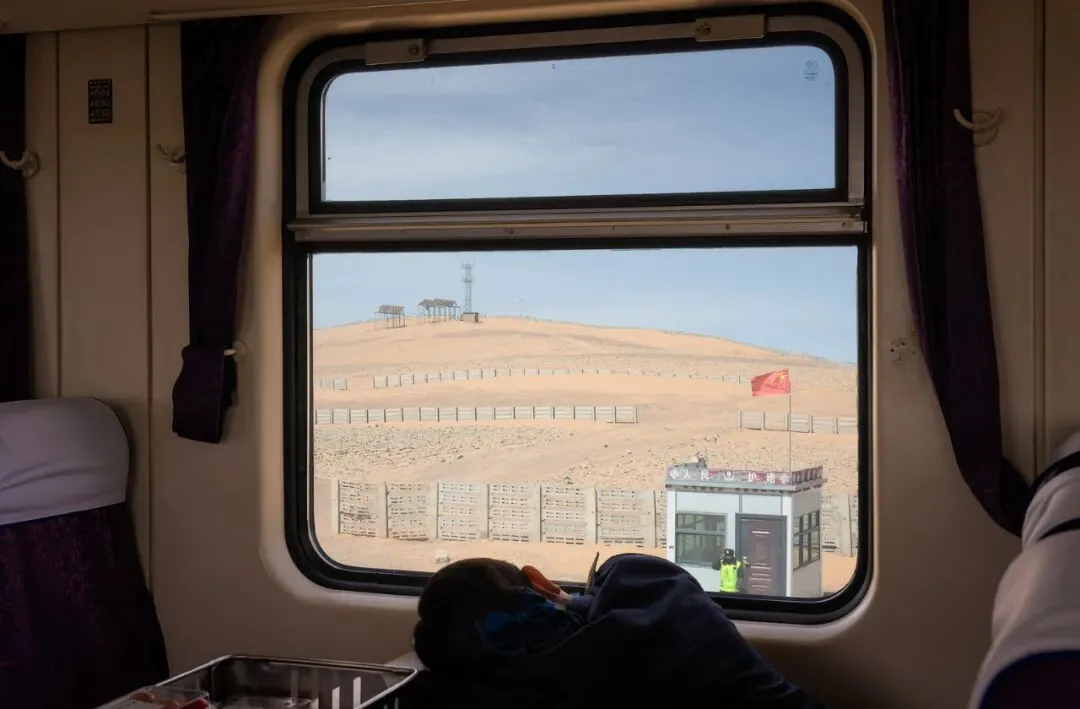
Train: Z6811 Xining-Lhasa
Location: Nagqu
Date: April 2021
Caption:
Scenery inside and outside the Qinghai-Tibet Railway windows. Since the Xining-Lhasa section spans day and night with over 20 hours of travel time, staff also nap in some unremarkable corners of the train. Outside the window, most sections are desolate plateau, but every so often you see track guardians like this, who salute the train as it passes.
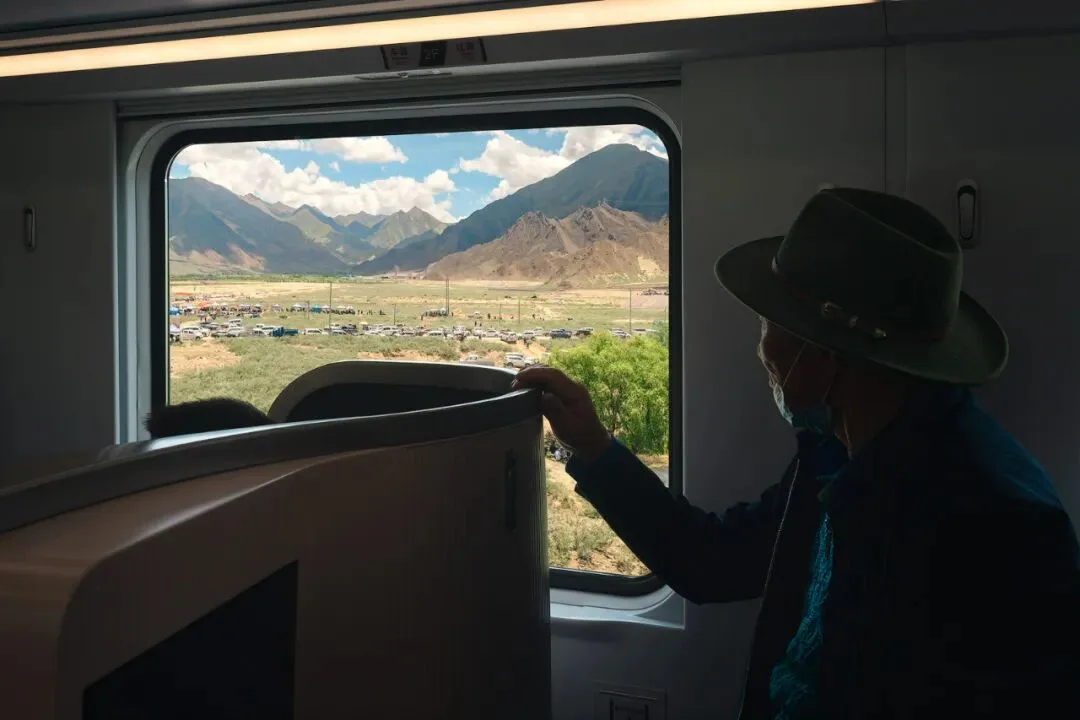
Train: Lhasa-Nyingchi D8993
Location: Lhasa
Date: 2021-06-26
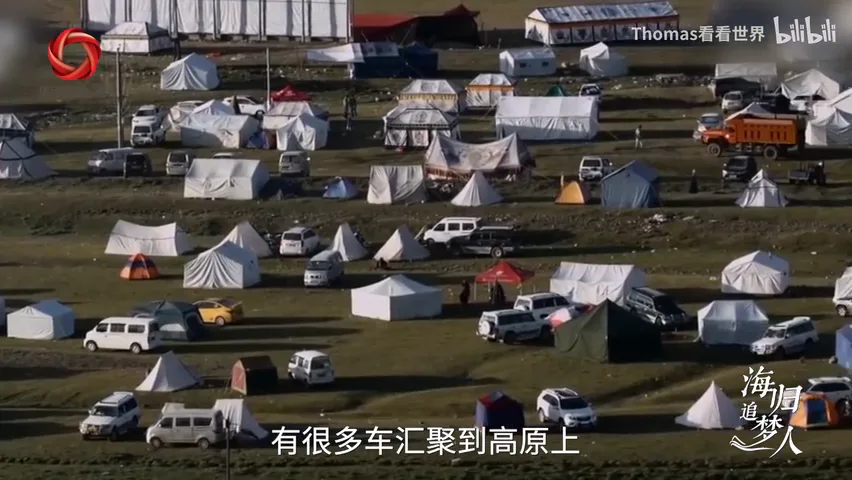
Caption: The opening of the Lhasa-Nyingchi railway was a historic achievement — the electrified Fuxing EMU ran onto the Qinghai-Tibet Plateau for the first time. The 2021 Fuxing business class also adopted a herringbone layout, more spacious and comfortable. A Tibetan family brought their elderly and children to experience Fuxing business class; outside the window was a traditional plateau market packed with vehicles.
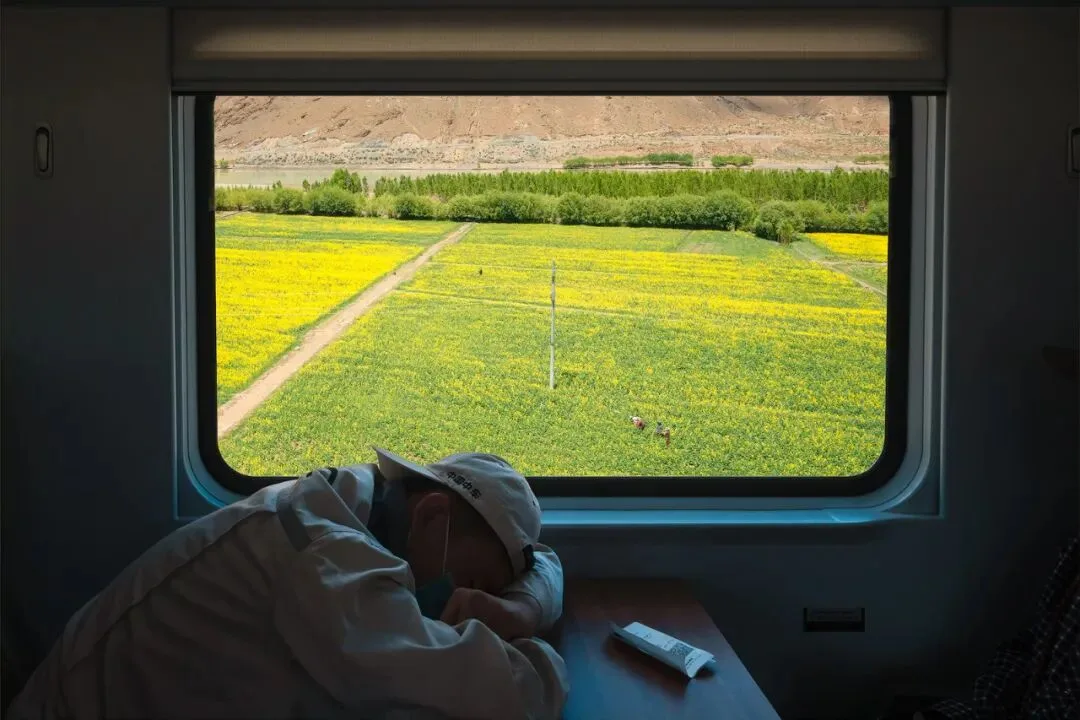
Train: Nyingchi-Lhasa D8982
Location: Lhasa
Date: 2021-06-27
Caption: On the third day after the Lhasa-Nyingchi railway opened, a CRRC engineer naps between shifts; outside the window, Tibetan people work in the fields.
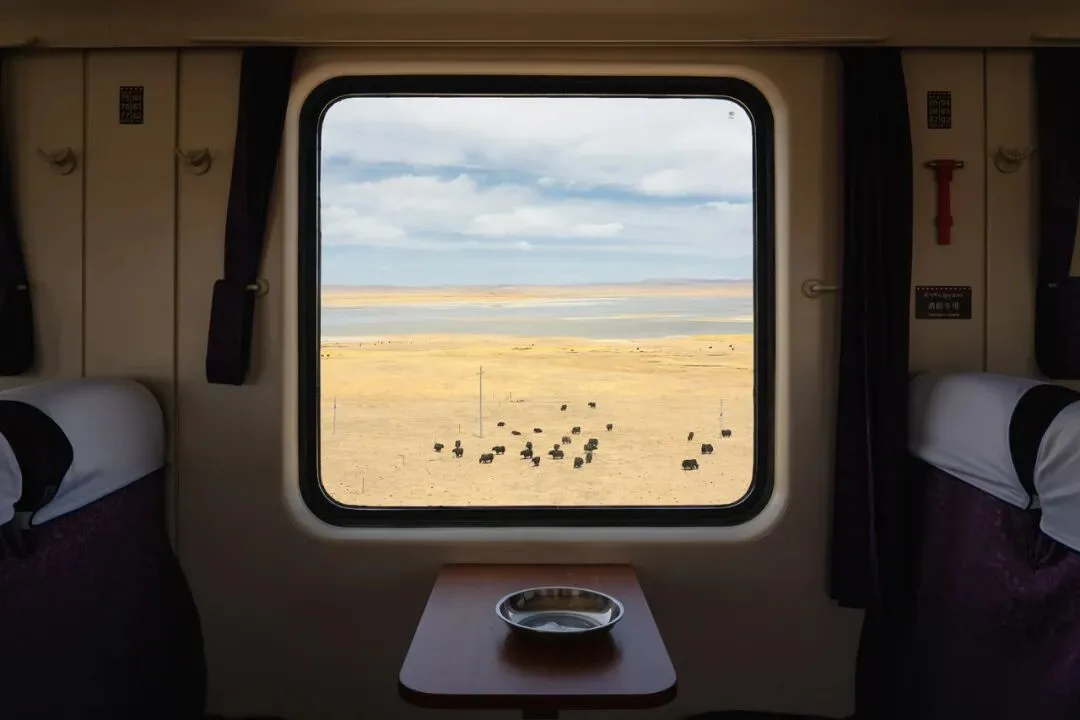
Train: Z6811 Xining-Lhasa
Location: Nagqu
Date: April 2021
Caption: The train journey from Golmud to Nagqu takes 10 hours, almost all through uninhabited land, and nearly everything seen along the way is wildlife. As the train approaches Nagqu, herders' huts and yaks on the grassland multiply — like an oil painting in a frame under blue sky and white clouds.
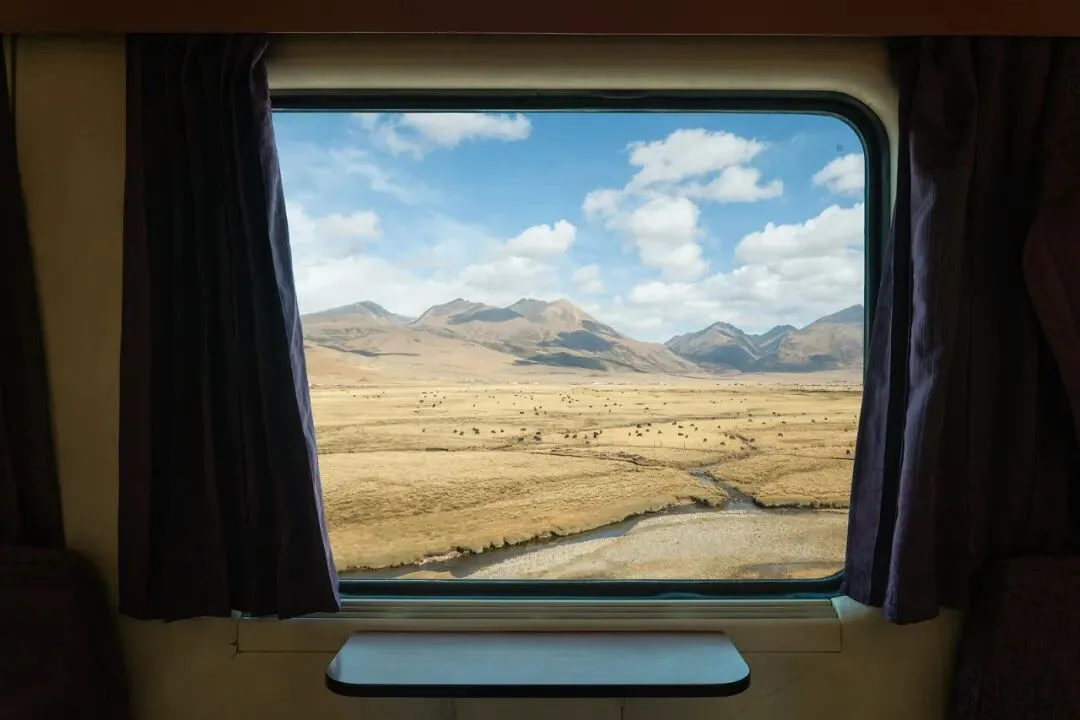
Train: Z6802 Lhasa-Xining
Location: Damxung
Date: April 2021
Caption: One of the most beautiful sections of the Qinghai-Tibet Railway is the Damxung grassland in northern Tibet. In good weather, blue sky, white clouds, snow mountains, grassland, yaks and sheep compose a gorgeous plateau scroll.
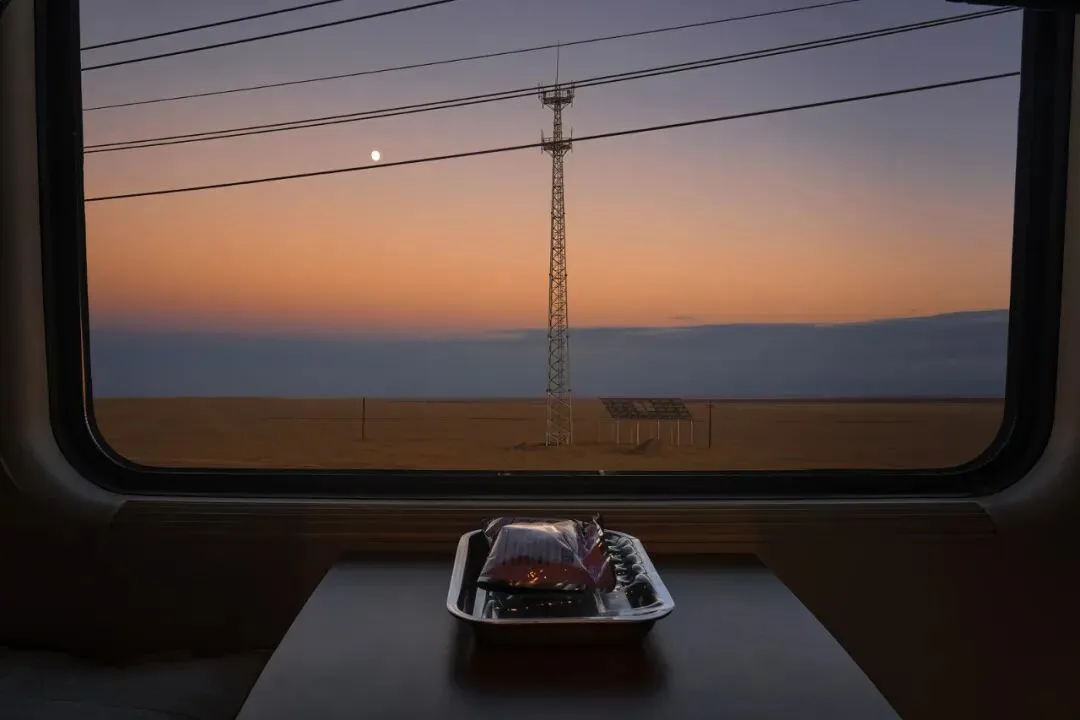
Train: Z6801 Xining-Lhasa
Location: Golmud
Date: August 2020
Caption: As the train approaches Golmud: signal towers beside the track, solar panels, and the twilight and moon in the distance. The Qinghai-Tibet line has almost full 4G coverage from Xining to Golmud and from Nagqu to Lhasa — thanks to the signal base stations along the way.
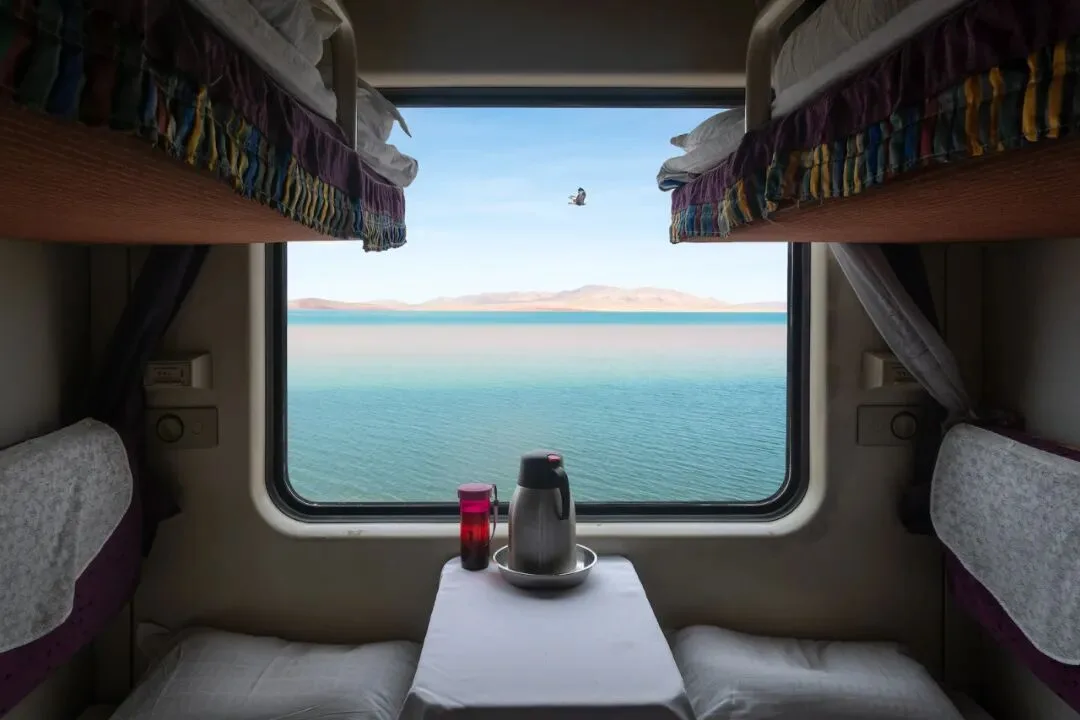
Train: Z6802 Lhasa-Xining
Location: Damxung
Date: April 2021
Caption: The most anticipated viewpoint on the Qinghai-Tibet line is Cona Lake near Nagqu. The railway comes within a few meters of the lake surface — one of the highest freshwater lakes in the world seems within reach. I shot continuously with my camera and happened to catch a bird flying over the lake.
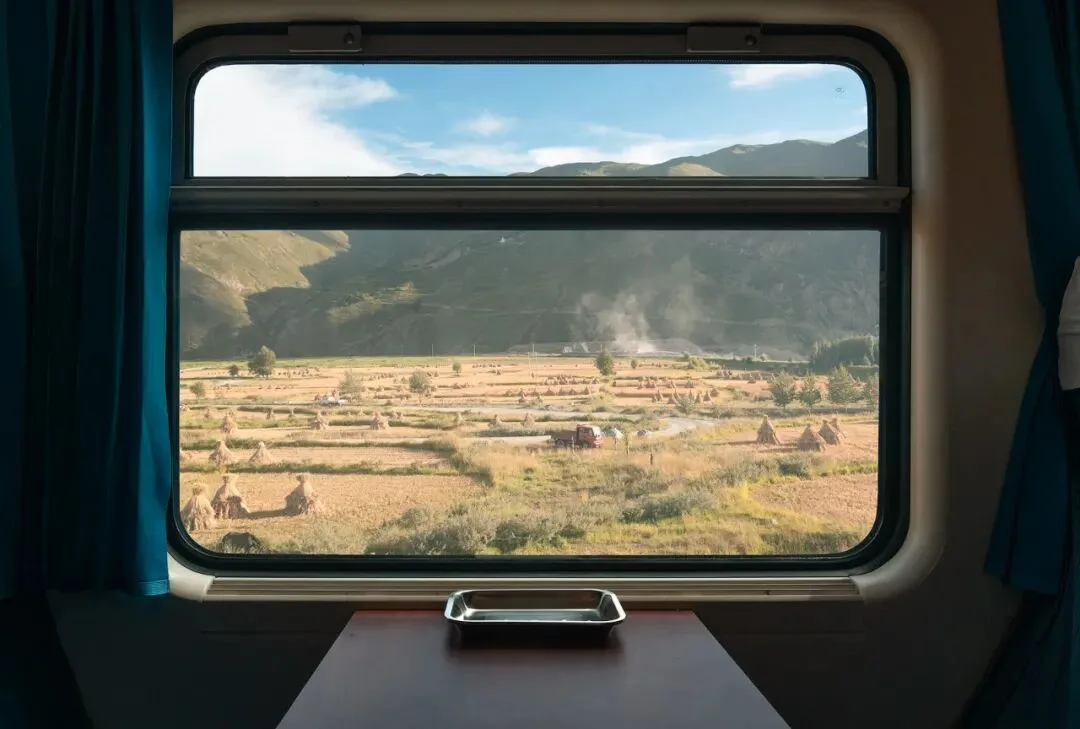
Train: Z8804 Shigatse-Lhasa
Location: Shigatse
Date: August 2020
Caption: A bustling highland barley harvest scene beside the track in the setting sun. Tibet is a high-altitude, cold region where cold-resistant highland barley is one of the main crops — sown in March, harvested in August.
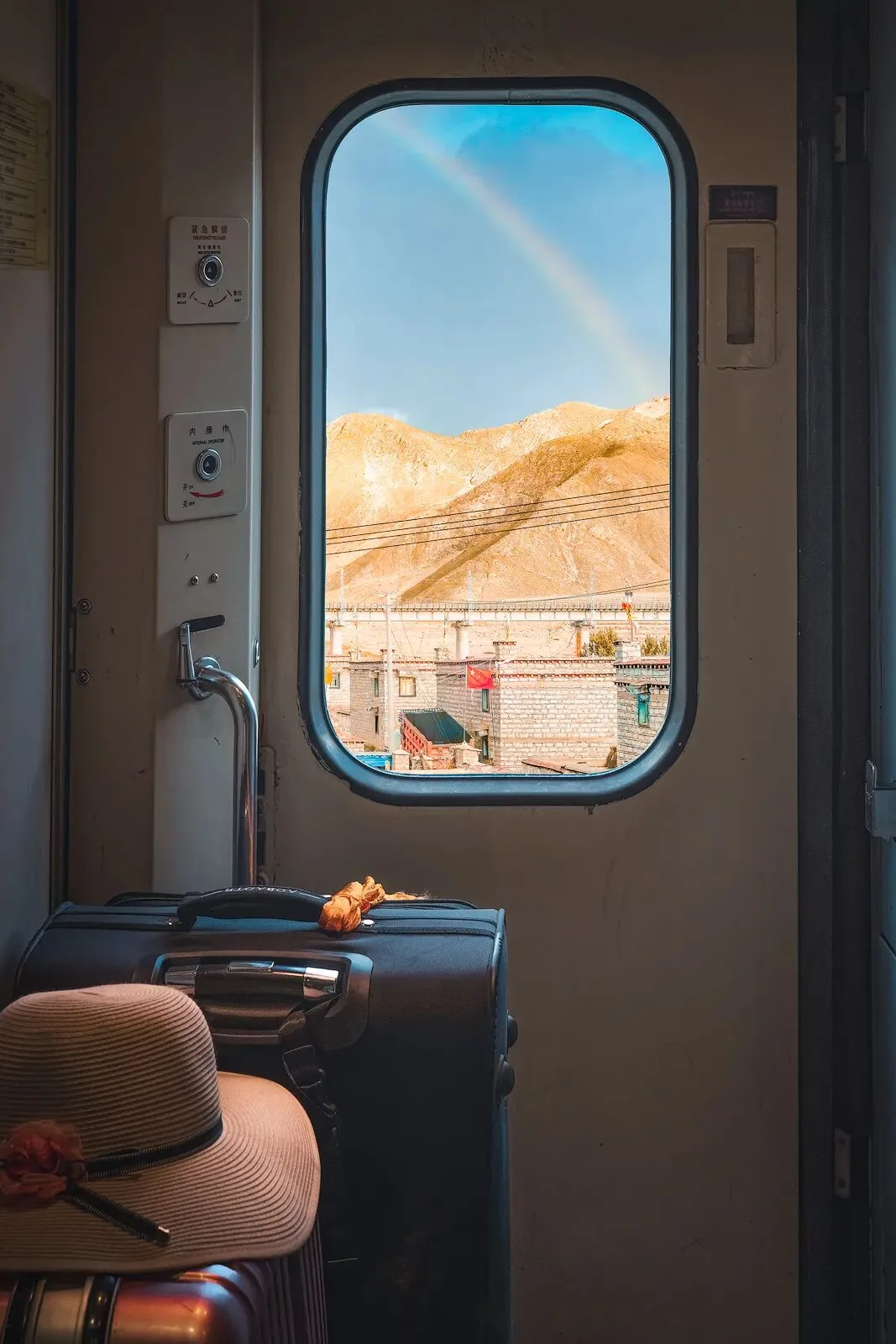
Train: Z8804 Shigatse-Lhasa
Location: Shigatse
Date: August 2020
Caption:
A corner I discovered while wandering the train, which I later found echoed a scene flashing by outside. The luggage ribbons inside echo the rainbow outside; the red flower on a hat inside echoes the five-starred red flag outside — a clever connection.
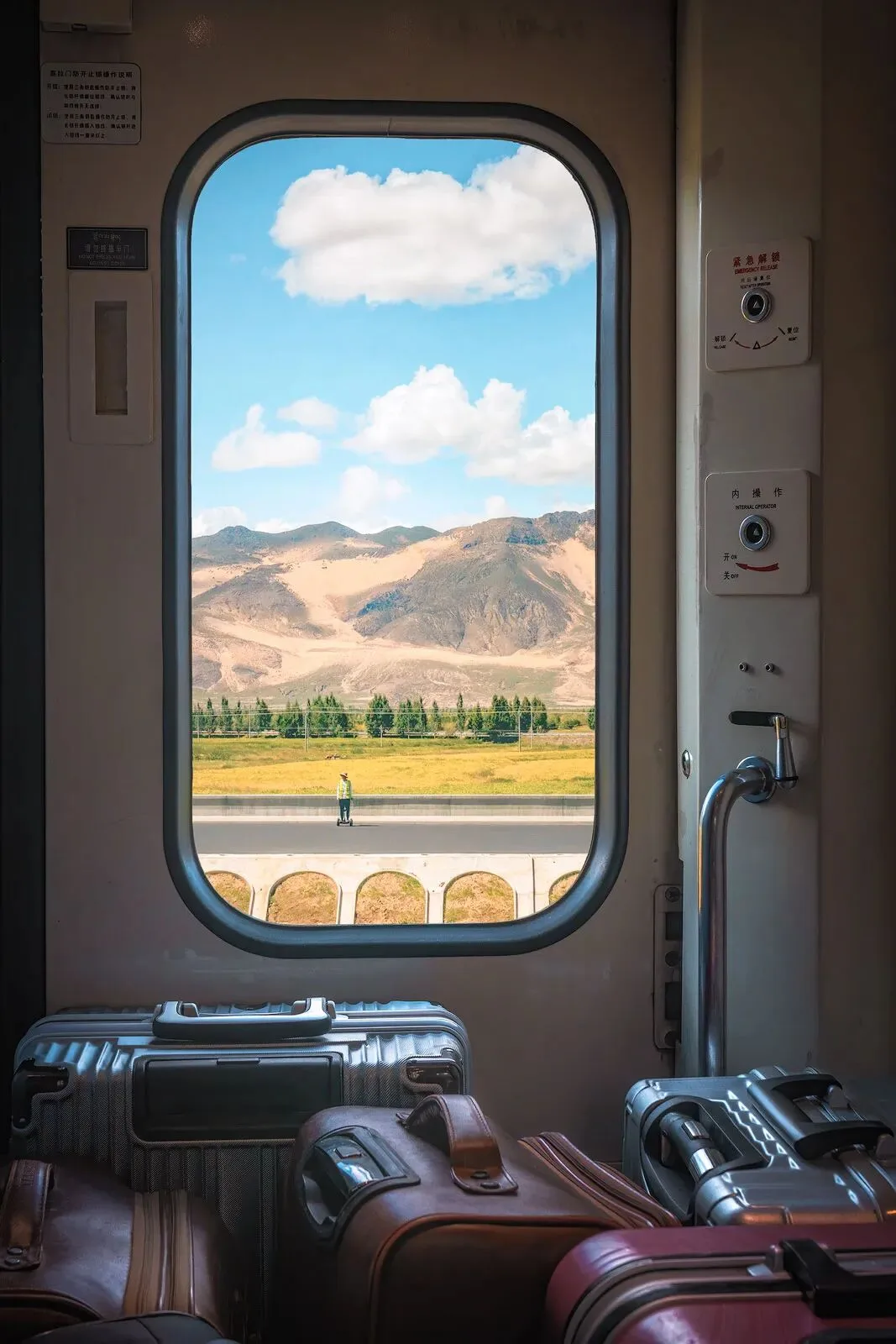
Train: Z8803 Lhasa-Shigatse
Location: Lhasa
Date: August 2020
Caption: The train passes a road worker on a self-balancing scooter — this is the construction site of the Lhasa section of the planned Ya'an-Yecheng expressway (from Ya'an, Sichuan to Yecheng, Xinjiang).
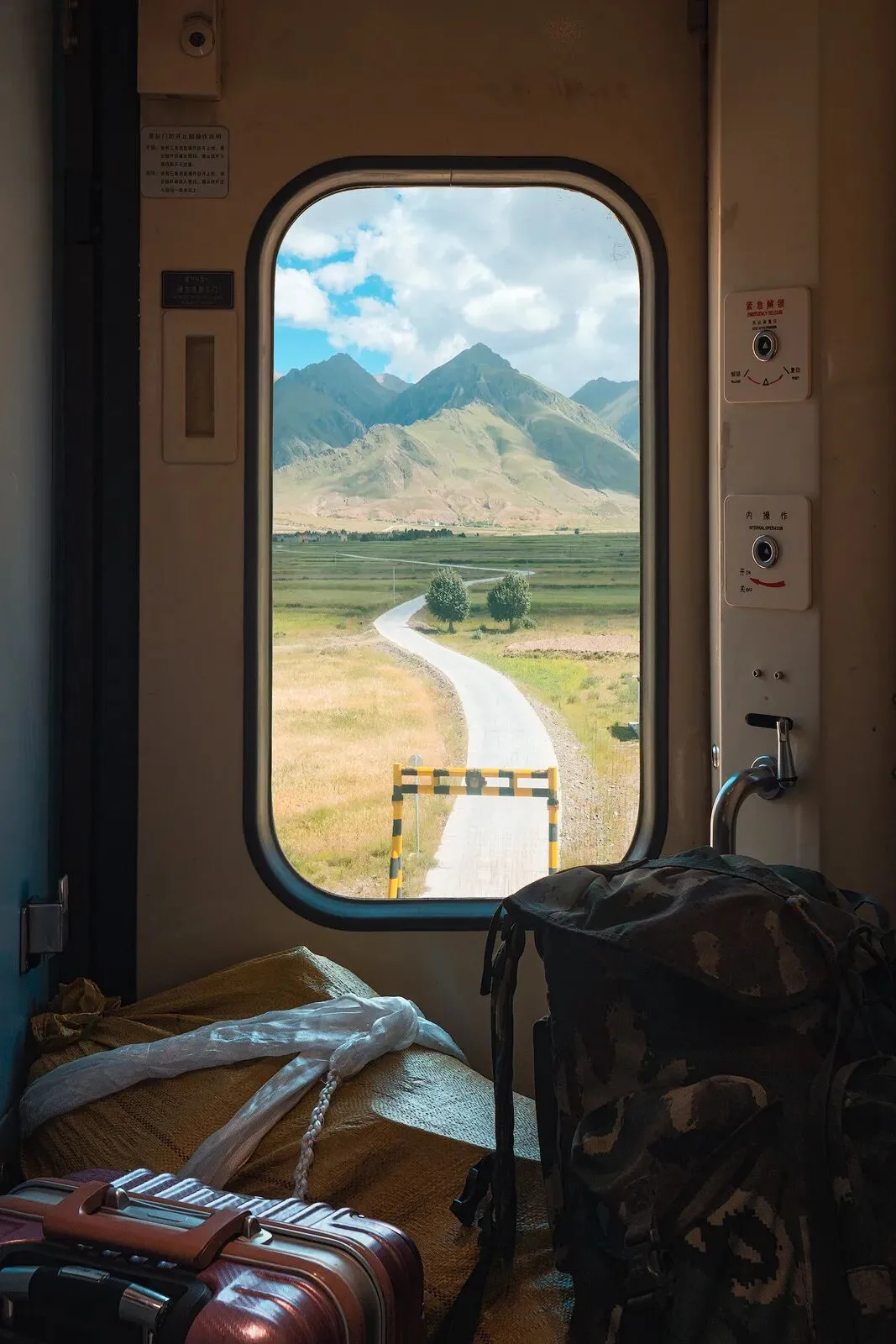
Train: Z8803 Lhasa-Shigatse
Location: Shigatse
Date: August 2020
Caption: The train from Lhasa to Shigatse was almost full of passengers, with much luggage piled at the carriage junctions. Outside the window, a country road crosses the railway embankment toward the distance.
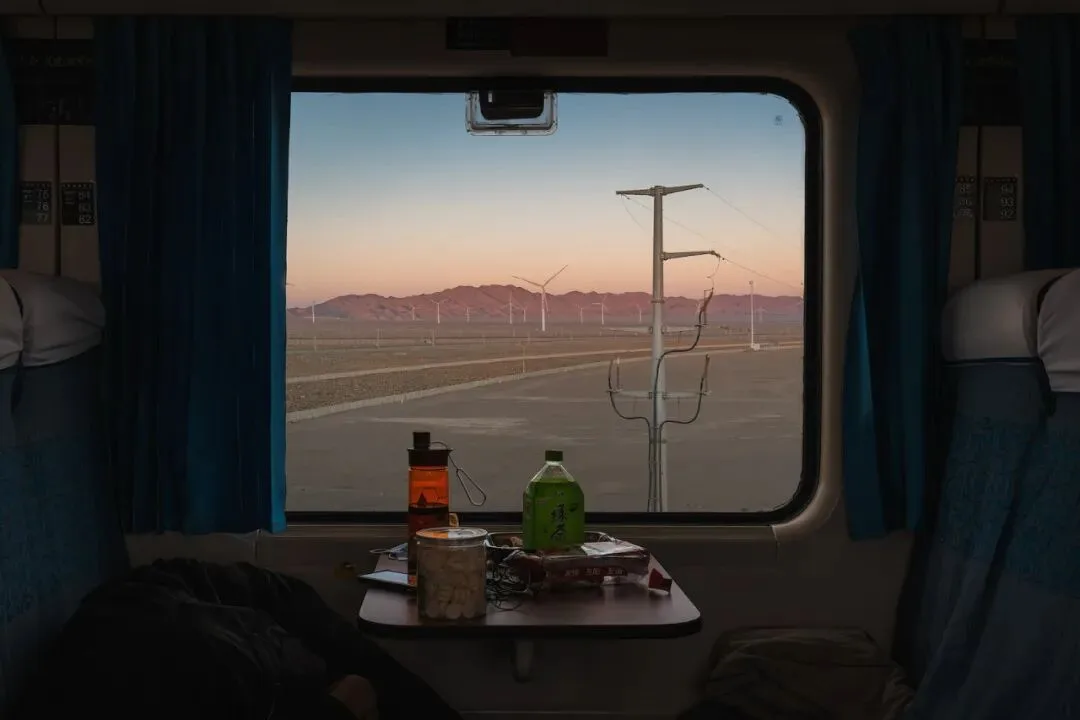
Train: Z6801 Xining-Lhasa
Location: Golmud
Date: August 2020
Caption: On the Qinghai-Tibet Railway, the train passes a wind farm at dusk. The utility pole in the frame is distinctive — overhead wires transition to buried cables here to cross the railway.
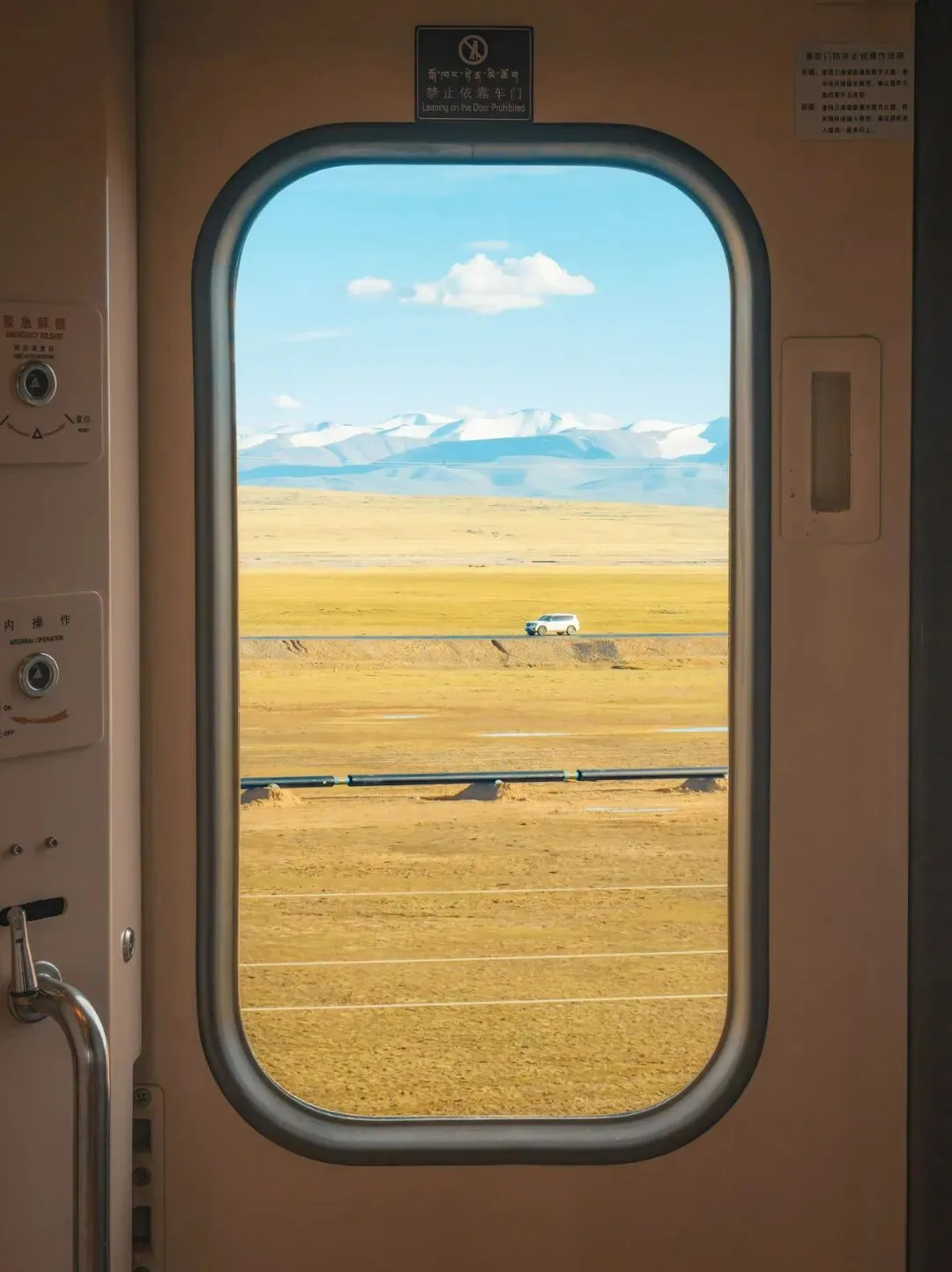
Train: Z165 Golmud-Lhasa
Location: Hoh Xil
Date: August 2020
Caption: A train delayed nearly 9 hours let me pass through the Hoh Xil wilderness exactly at the golden sunset hour. Beneath blue sky, white clouds and snow mountains, the Qinghai-Tibet line is a 'sky road' not only for rail, but also for highways, oil pipelines, fiber-optic lines and power grids.
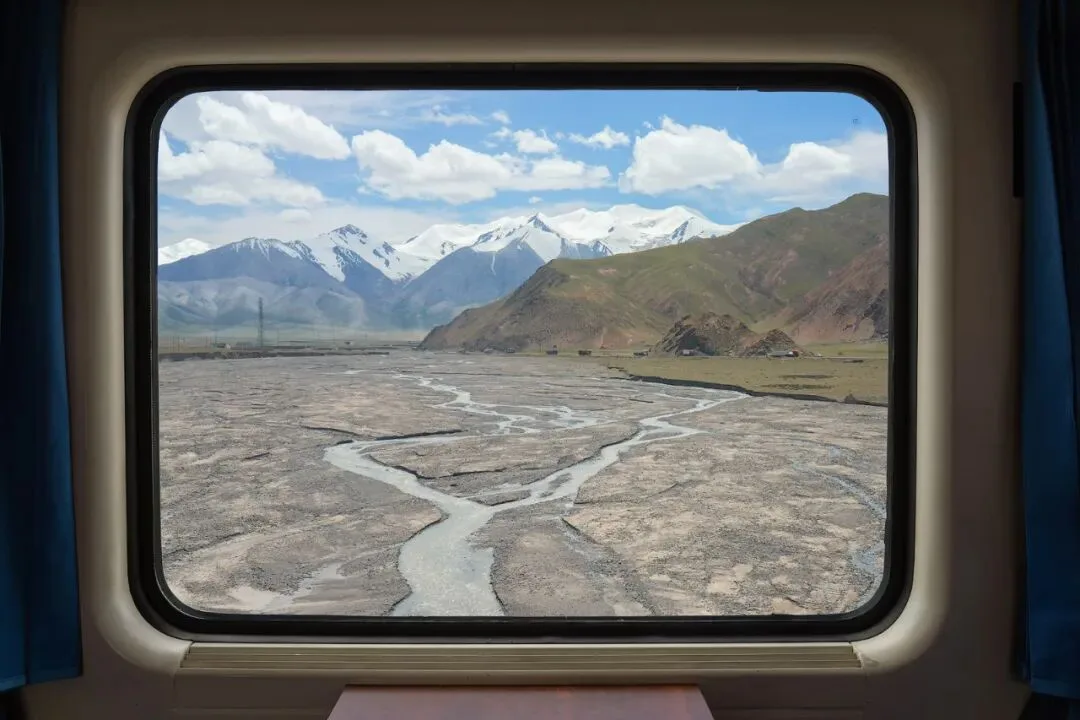
Train: Z165 Golmud-Lhasa
Location: Hoh Xil
Date: August 2020
Caption: The 6,178-meter Yuzhu Peak has stood here for at least tens of thousands of years; long geological movement has given its glaciers and rivers stunning forms. But when I saw Yuzhu Peak through the train window, and the Qinghai-Tibet Highway packed with trucks beneath the snow mountains, an equally powerful sense of strength stirred me even more.
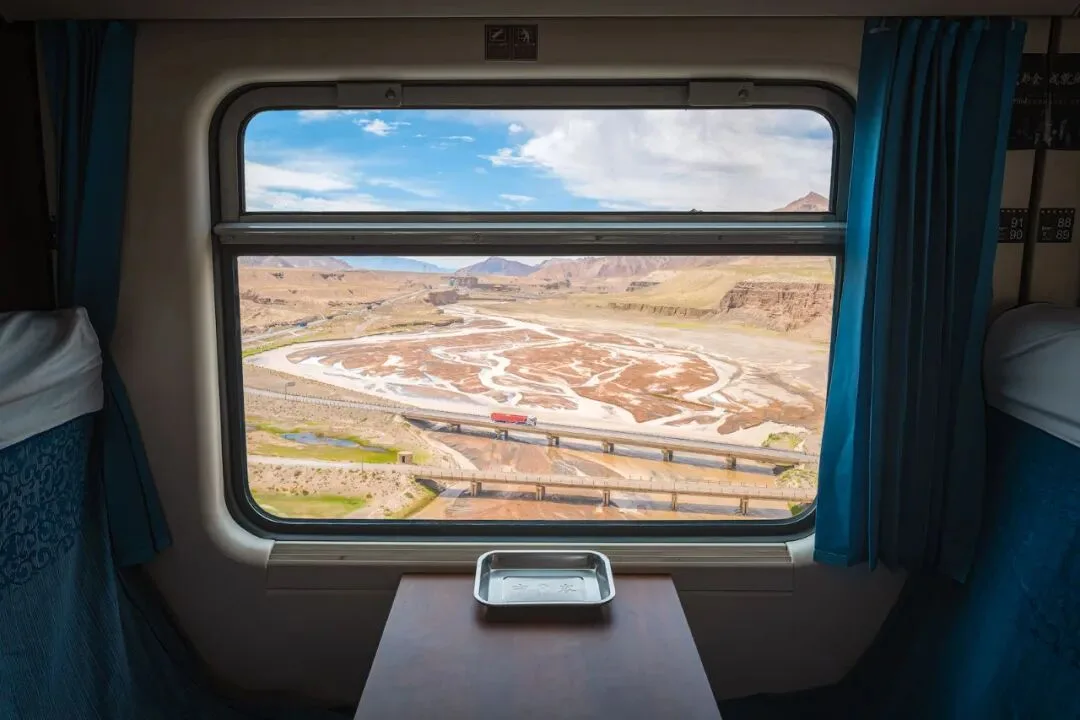
Train: Z165 Golmud-Lhasa
Location: Golmud
Date: August 2020
Caption: Viewing the Qinghai-Tibet Highway from the railway — what's striking is not only the dense, winding rivers, but also the bridges crossing them one after another.
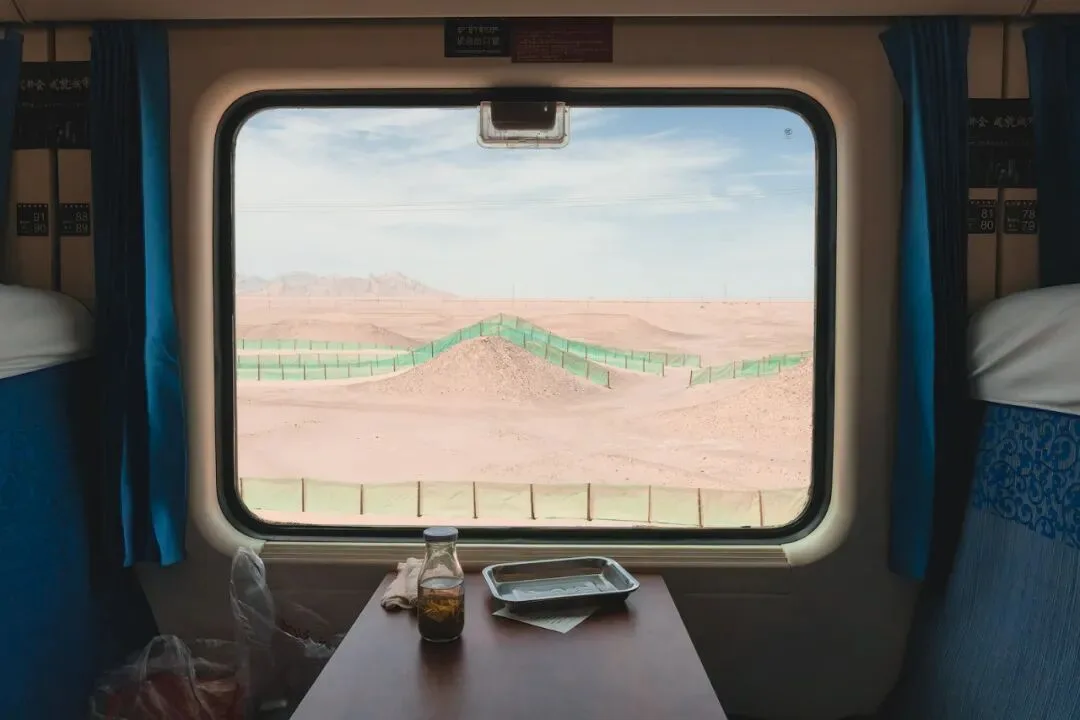
Train: Z165 Golmud-Lhasa
Location: Golmud
Date: August 2020
Caption: The Qinghai-Tibet Railway crosses all kinds of terrain, passing many especially sandy Gobi sections. Pictured are sand-blocking dams and fences just out of Golmud — lines of defense protecting the railway that have become a unique sight in the desert.
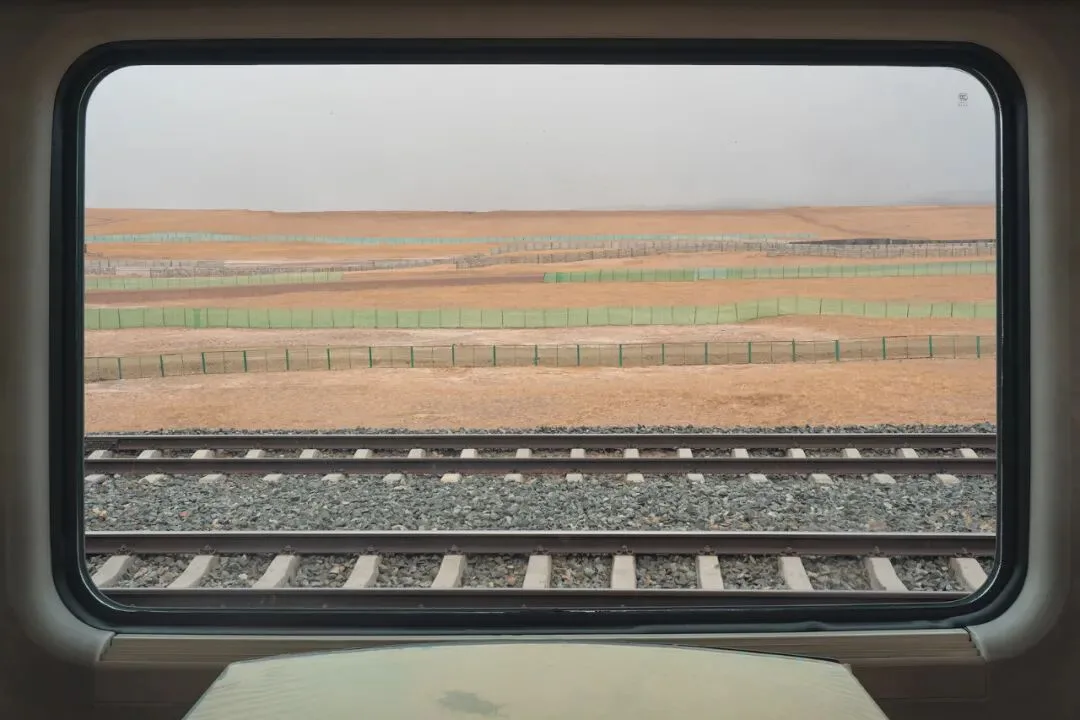
Train: Z6802 Lhasa-Xining
Location: Tuotuohe Station
Date: April 2021
Caption: At Tuotuohe Station on the Qinghai-Tibet Railway, dense sand-blocking fences and rails form a unique sense of order on the plateau.
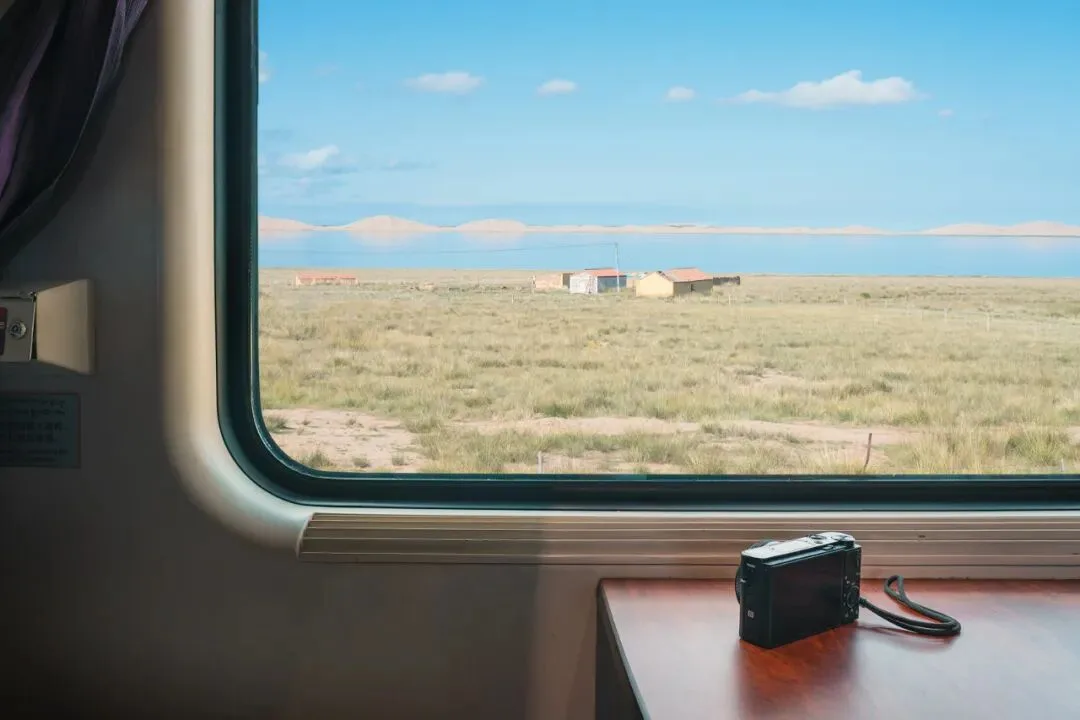
Train: Z6801 Xining-Lhasa
Location: Qinghai Lake
Date: August 2020
Caption: Shortly after departing Xining, a vast blue lake appears in the distance — this is the Qinghai Lake section of the railway. Qinghai Lake is China's largest inland lake with a circumference of over 360 km; the railway runs along its shore for nearly 150 km between Haiyan and Bird Island stations.
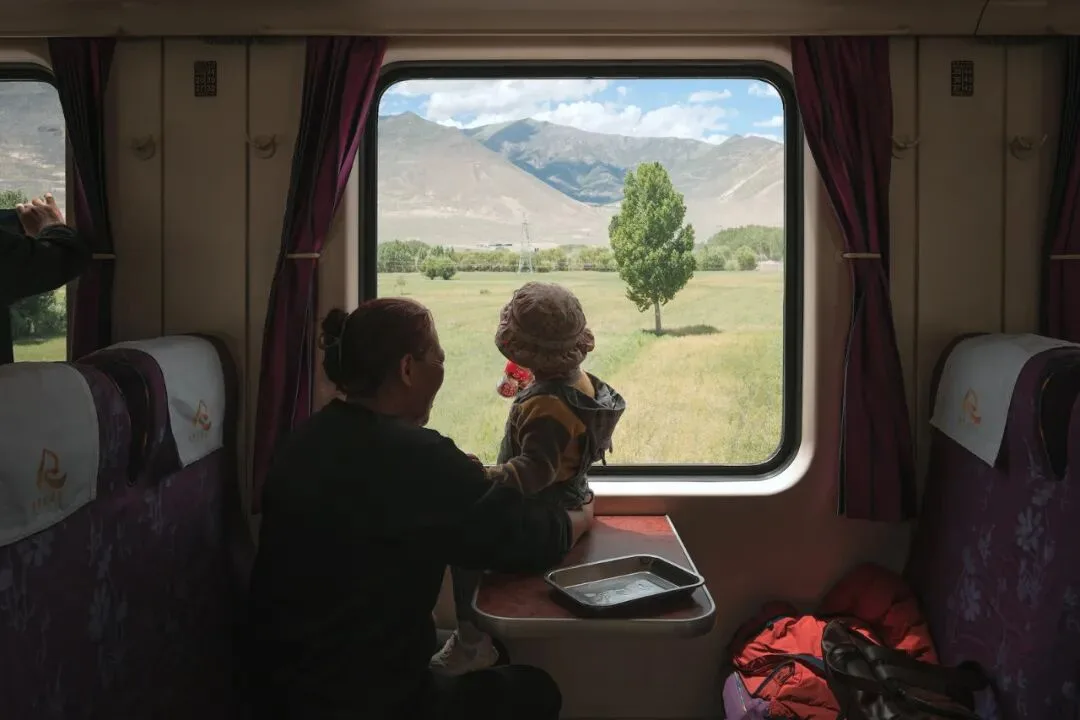
Train: Lhasa-Nyingchi Z8901
Location: Shannan
Date: 2021-06-29
Caption: After stopping at Shannan, the regular train passes a vibrant field; passengers all look out the windows or take out their phones to record the beauty.
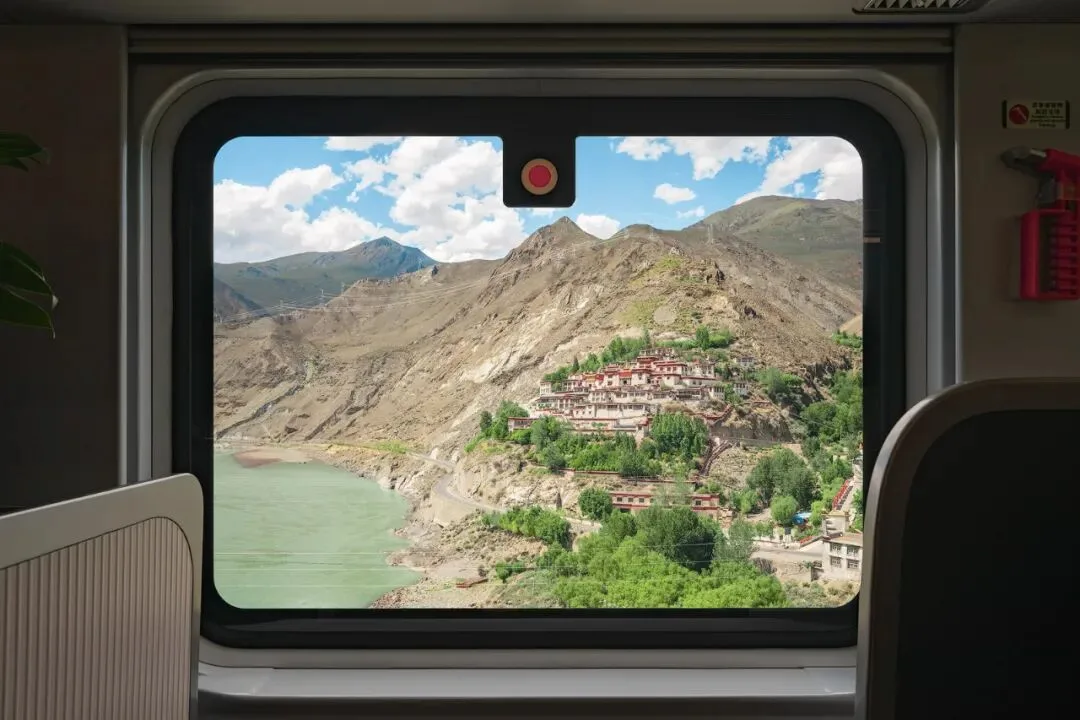
Train: Lhasa-Nyingchi D8993
Location: Barqude Temple
Date: 2021-06-26
Caption: On the second day of the Lhasa-Nyingchi railway, I grabbed a business-class ticket from Lhasa to Nyingchi. The scenery along the way was full of plateau character — snow mountains, prayer flags, barley fields, Tibetan villages. Pictured is the spectacular temple complex of Barqude Temple, built into the hillside by the Yarlung Tsangpo River, captured as the train passed.
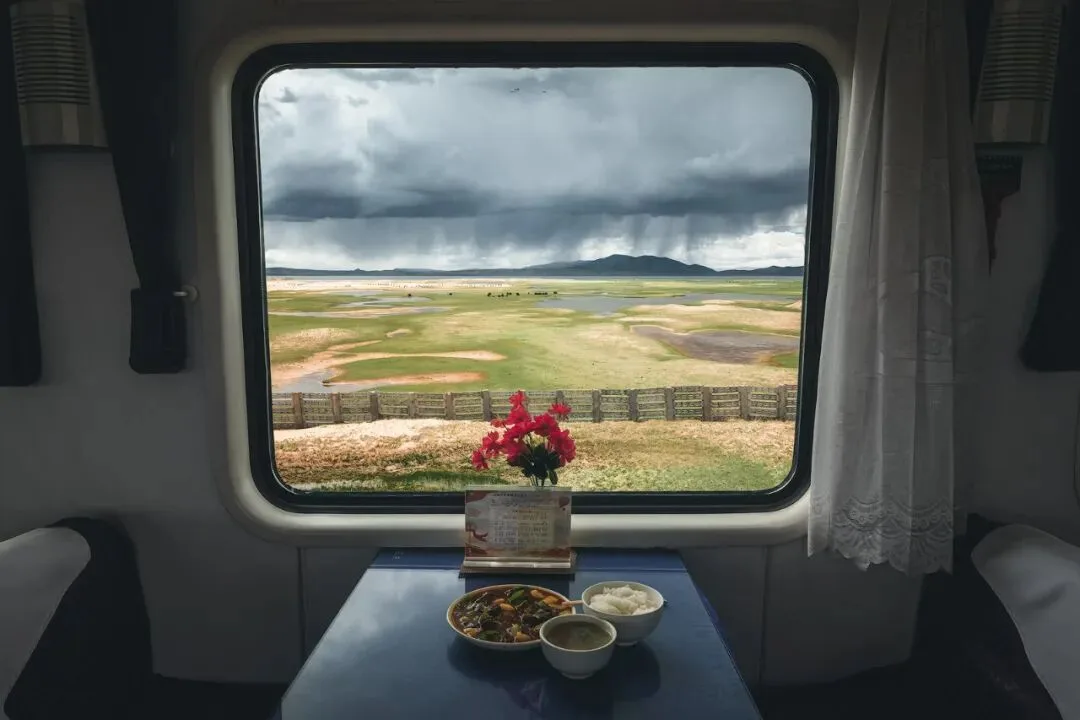
Train: Z918 Lhasa-Golmud
Location: Cona Lake
Date: 2021-06-23
Caption: I ordered the 80-yuan braised beef brisket set meal in the dining car on the Qinghai-Tibet line, eating while watching cattle and sheep graze happily on the grassland outside.
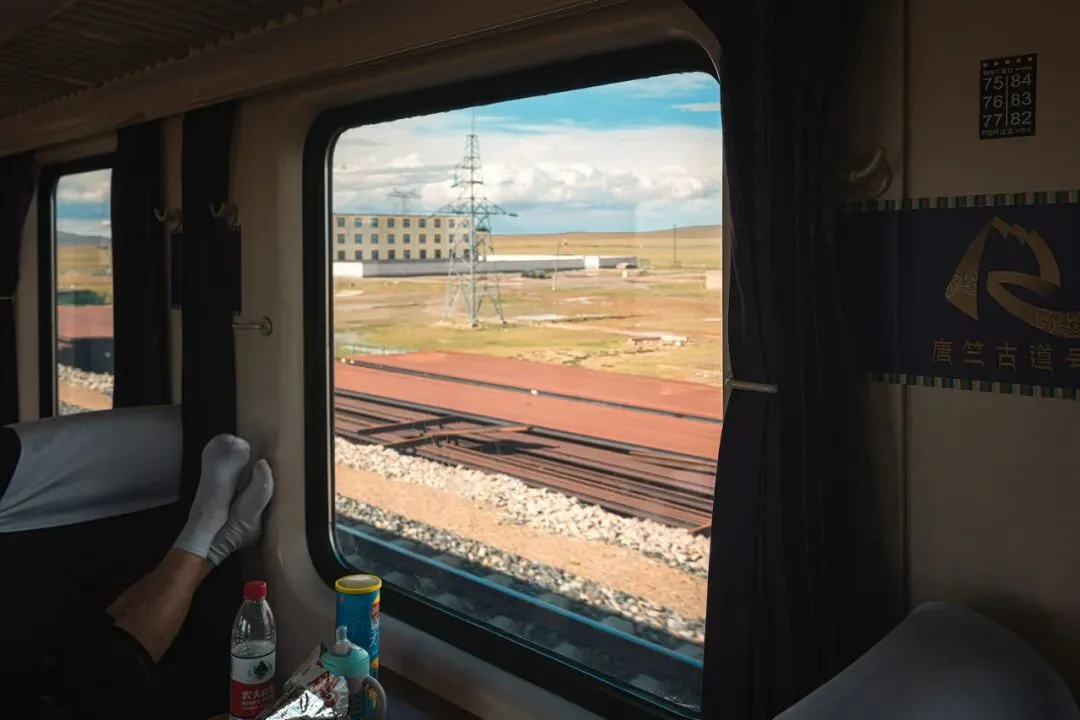
#China by Train# is a large open-source crowdsourced photography project on the internet. After learning the related ideas and techniques, you're welcome to try shooting on your own journeys and submit under the #China by Train# tag!
Main submission platforms:
Weibo #China by Train#
Kuaishou #China by Train#
Bilibili #China by Train#
Tuchong #China by Train#
Submission requirements: the view outside the window must be actually shot on a train within China (high-speed rail, EMU, regular train, light rail, subway, etc.). If the final image includes the train interior, the depicted train type should match the actual operation of the line where the exterior was shot.