Photography Tutorial · 2021-08-01
How to Post-Process Train Window Masterpieces: So Many Things to Watch While Shooting
Thomas Chu Photo
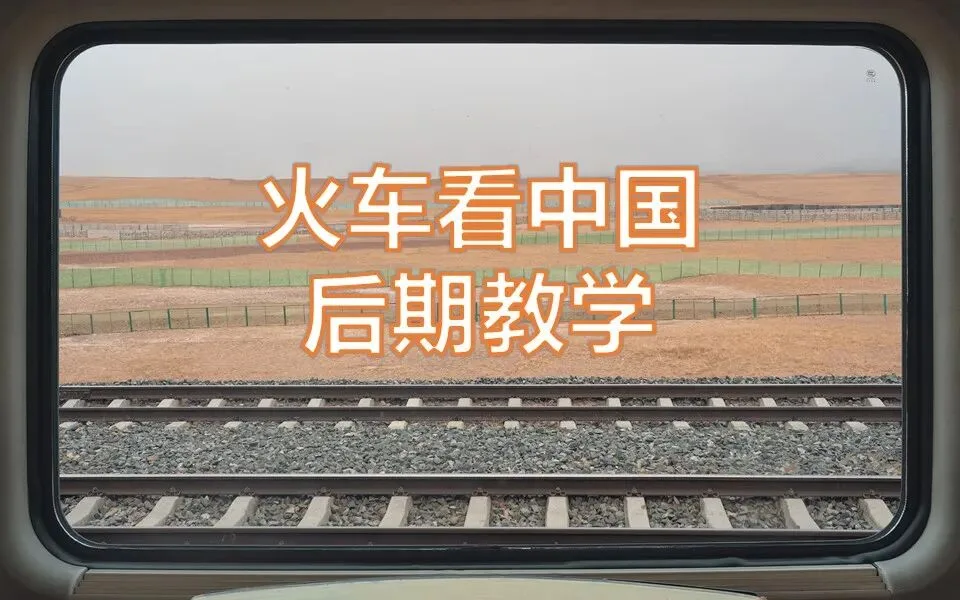
#China by Train# is a series I started shooting and launched last year, aiming to present the unique landscapes of today's China through train windows.
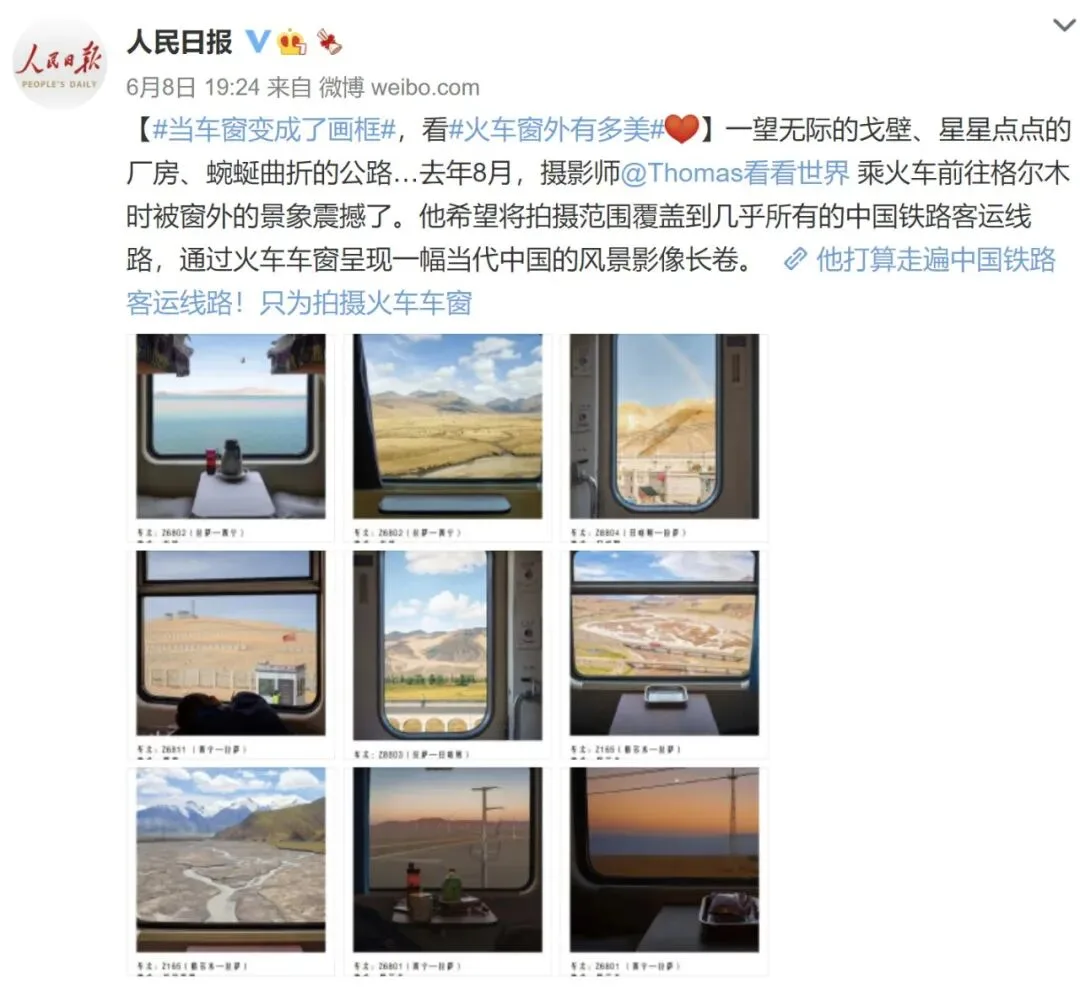
In the article 'How to Shoot Stunning Train Window Scenes? Detailed Tutorial from the #China by Train# Photographer!', Thomas shared techniques for the capture side of window photography.
In today's video tutorial, Thomas demonstrates the post-processing steps in detail. Although the techniques are not complicated, achieving a natural blend actually demands very high consistency in the captured material.
Video Tutorial
▶ Watch the video tutorial on Bilibili
This is the fully illustrated companion to the video above — the complete post-processing class of the "Seeing China from the Train" series. Thomas first answers three burning questions (is it still real? why composite? can I just grab random materials?), then the shooting requirements that make a believable blend possible, and finally walks through the masking, color unification and brightness logic in Photoshop — with keyframe screenshots throughout.
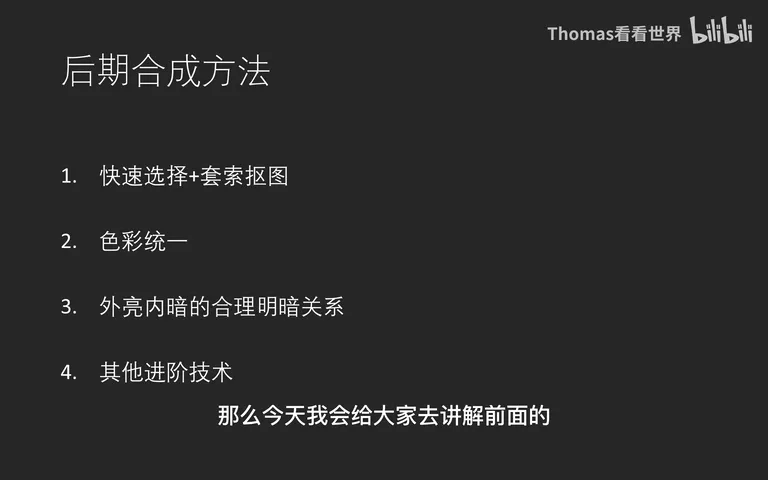
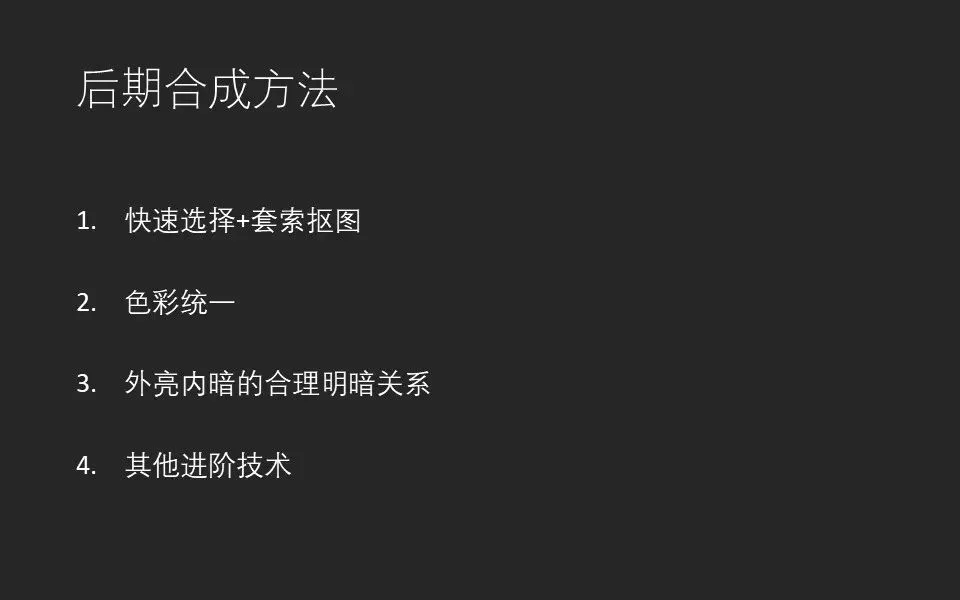
Start with the summary card. The slide at 11:20 in the video captures the whole method: quick selection plus lasso for masking, unified color, the inside-darker-outside-brighter luminance logic, and the advanced channel masking saved for later — each unpacked below.
01 Three Questions: Reality, Compositing and the Three Kingdoms
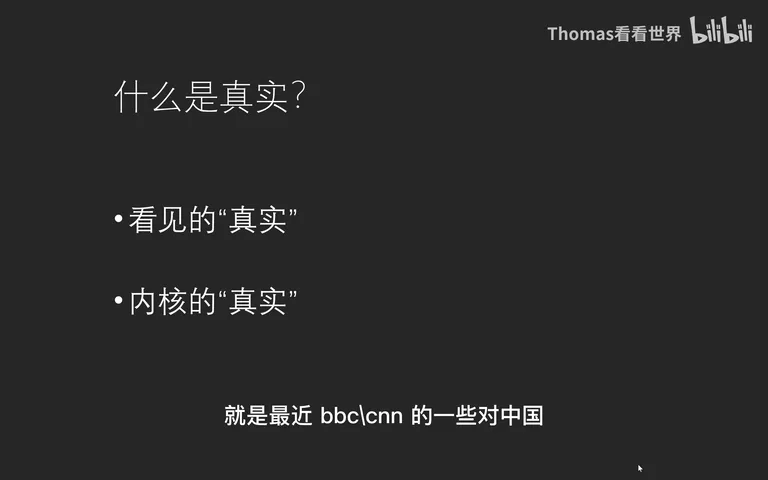
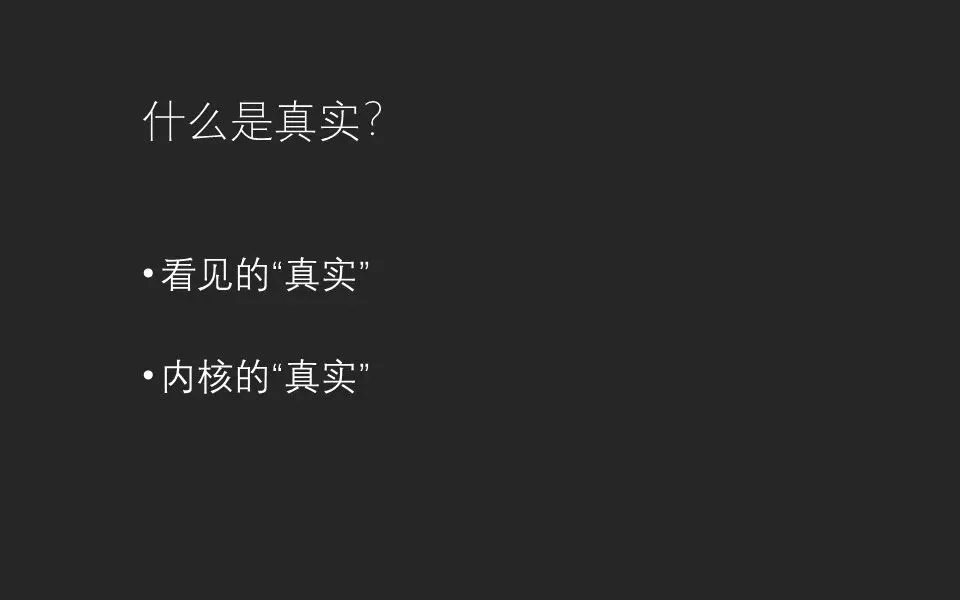
Question one: are such photos still real? (at 0:27 in the video) Thomas draws the line between "seen reality" and "essential reality" — what we see is not necessarily real. BBC and CNN reports on China, say, may use untouched raw footage, yet through editing, fabrication and quoting out of context they present something untrue. His project pursues essential reality: grading and compositing are just means; what is presented — people's lives, the real scenery and infrastructure outside the window — genuinely exists (at 0:31-1:30 in the video).
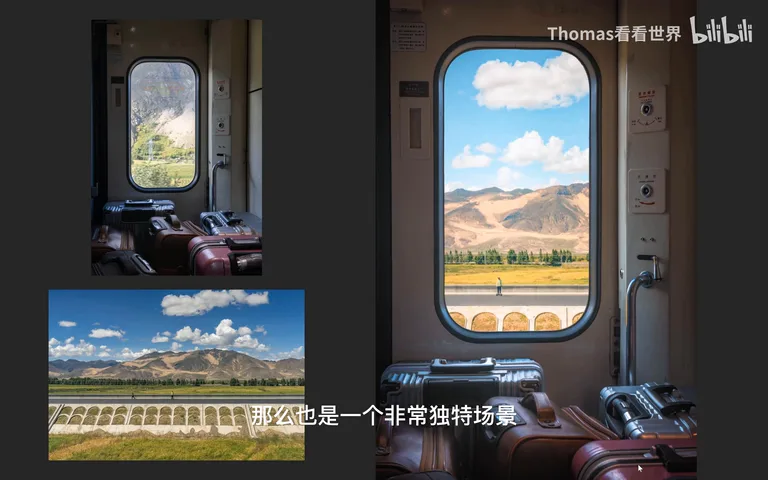
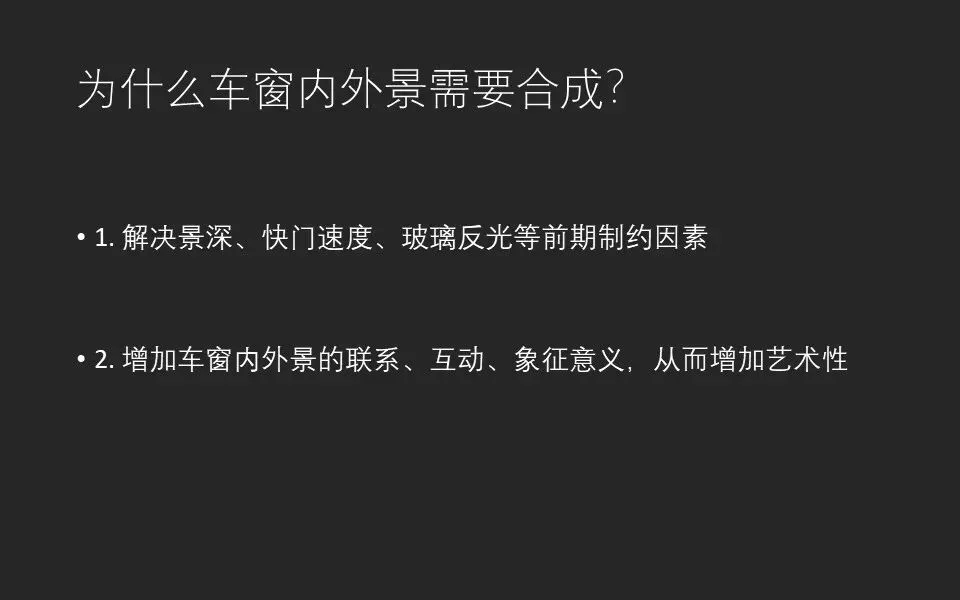
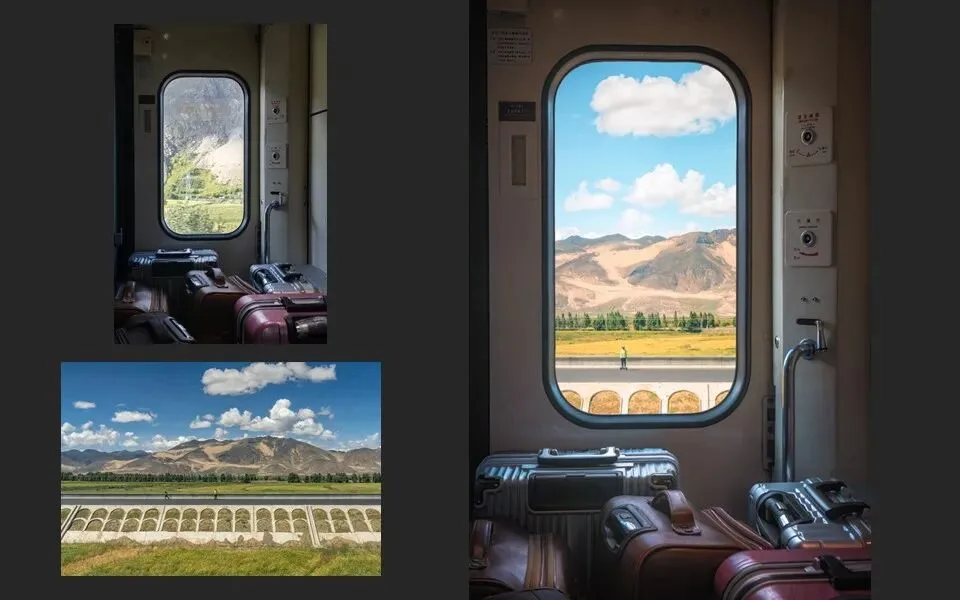
Question two: why shoot inside and outside separately and blend? (at 1:31 in the video) A single shot must juggle depth of field, shutter speed and glass reflections that fight each other; splitting them yields far better quality. More importantly it opens artistic doors: the suitcase photo and the track worker outside are each unremarkable alone, but merged they spark associations, interaction, even metaphor — wings for creation (at 2:14-2:57 in the video).
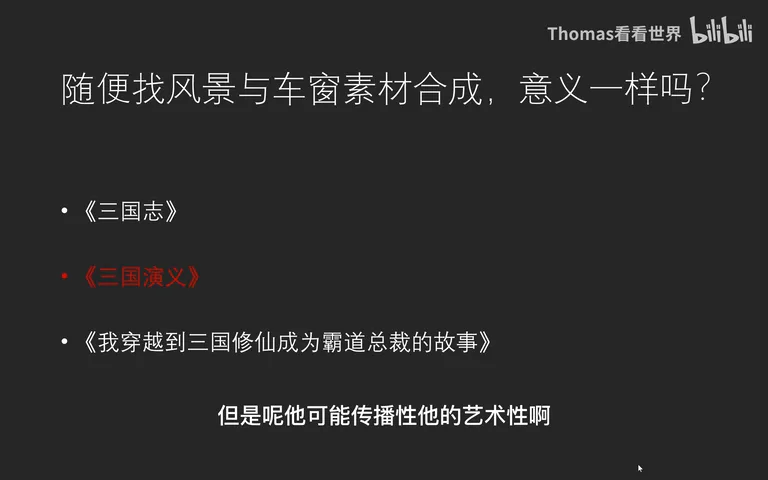
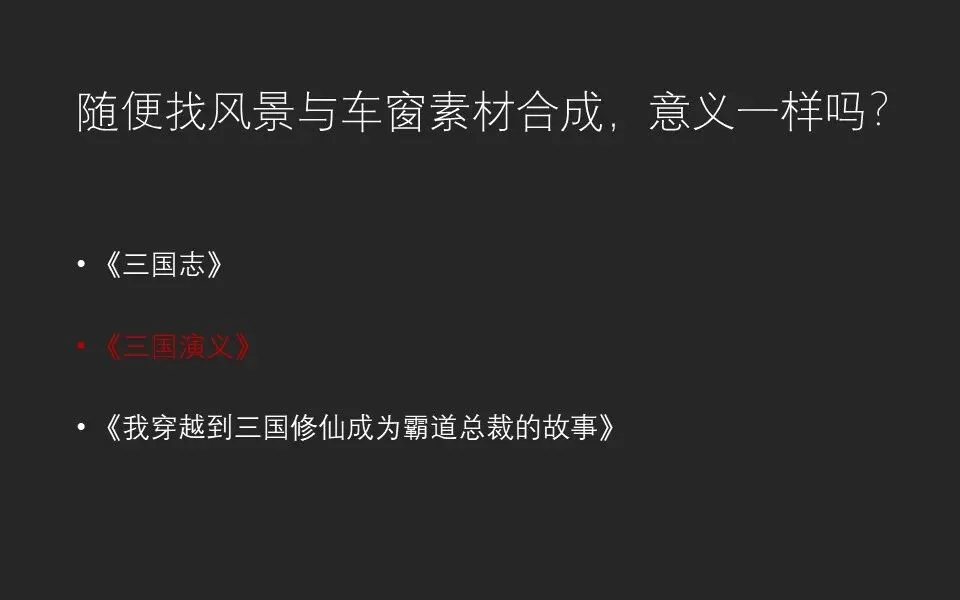
Question three: is it the same to grab any landscape off the internet and merge it with a window frame? (at 2:58 in the video) Thomas reaches for three books: Records of the Three Kingdoms is pure chronicle — factual but artistically flat; a time-travel cultivation novel is pure imagination, furthest from reality; while Romance of the Three Kingdoms is "seven parts fact, three parts fiction" — art built on truth, the one everyone remembers. Seeing China from the Train aims at exactly that Romance-style creation grounded in reality (at 3:22-5:13 in the video).
02 Pre-Requirements: Focal Length, Perspective, Light, Route
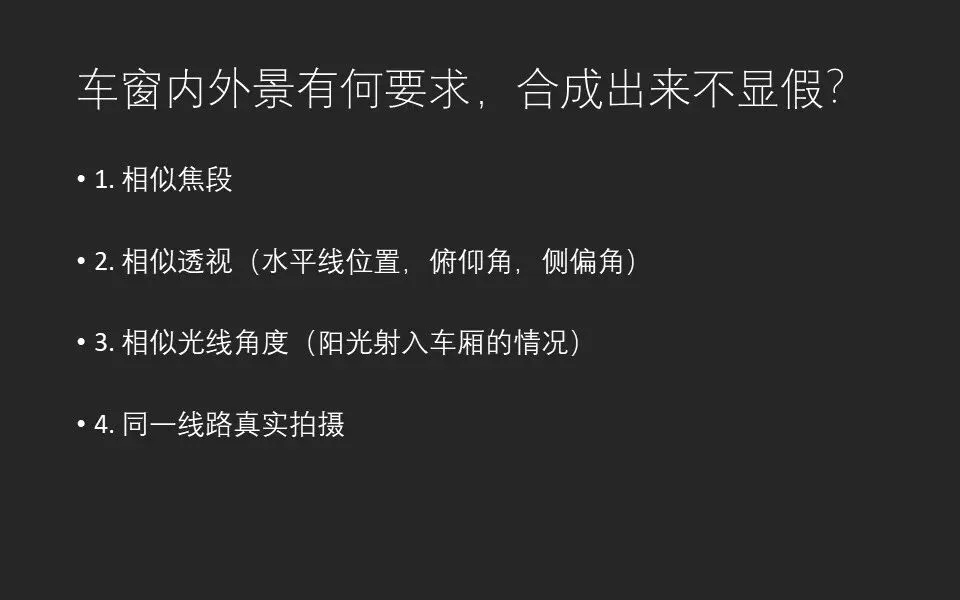
Many composites on Weibo look instantly fake because the raw shots never matched (at 5:23 in the video). In Thomas's project the exterior beyond the window always comes first (at 7:13) — inside the carriage, "Chinese on the Train" has already been mastered by a great photographer. He snaps the exterior first: on a striking moment he notes the focal length (42mm) and his sideways angle to the window, then shoots the interior to match (at 6:49-7:48 in the video).
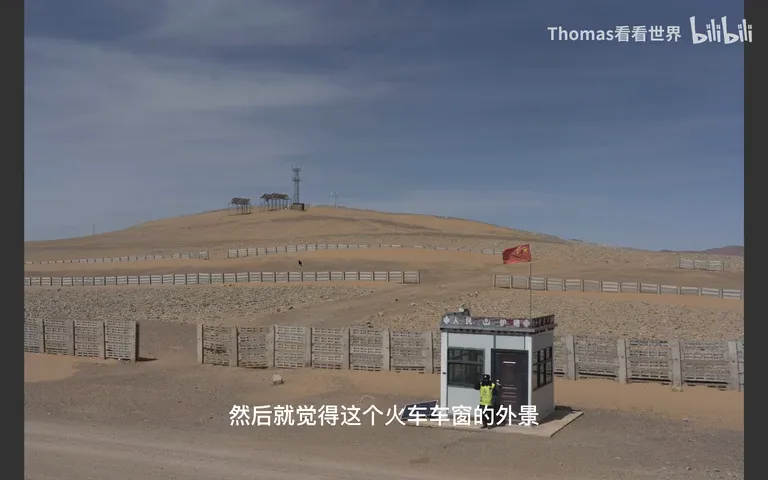
Rule one: matching focal length — telephoto with telephoto, wide with wide; mismatched perspective never blends. Rule two: matching perspective — horizon height, pitch and yaw should roughly agree (at 5:41-6:02 in the video). A 45mm level exterior pairs with a 41mm level interior; an 18mm downward-tilted exterior needs an 18mm tilted interior; the ratio of a building's front to its side face must agree across both frames — only then do they read as one exposure (at 7:50-10:04 in the video).
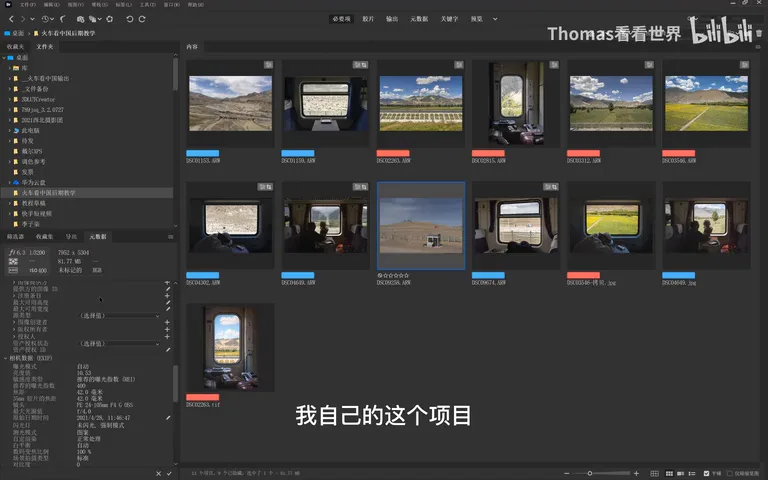
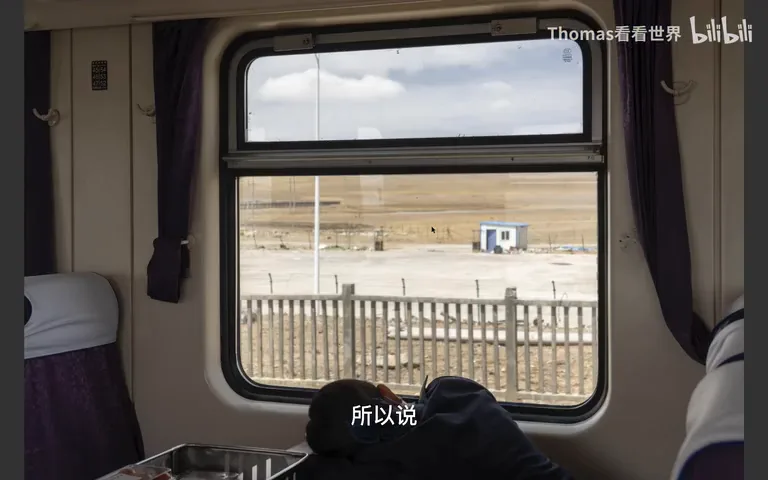
Rule three: matching light angle (at 10:06 in the video). If the interior figure is lit from one side — side backlight — the sun outside must sit in that direction; so pick an exterior with the same side backlight and similar shadow directions behind the figure, or the blend will jar. In short: hunt an interior to match the exterior's focal length, horizon, pitch and light (at 10:11-11:19 in the video). Rule four: shoot for real on the same line — carriages differ across railway bureaus; pair a Chengdu-bureau interior with a Zhengzhou exterior and any train fanatic will spot it instantly (at 6:18-6:47 in the video).
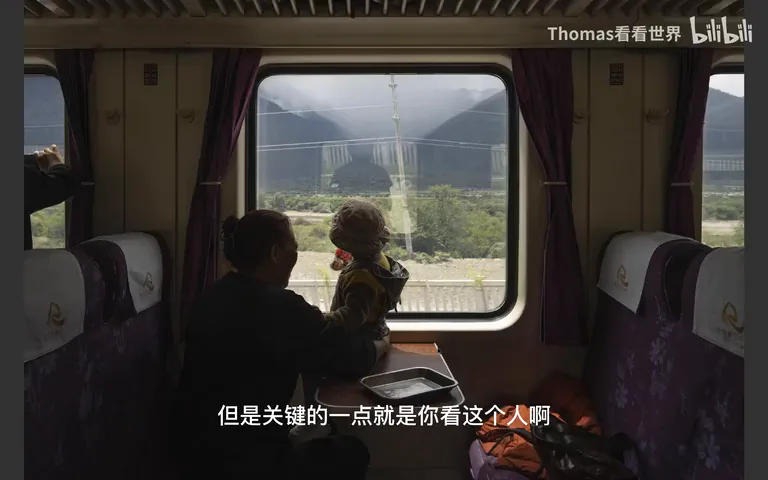
03 In Photoshop: Masking, Color and Brightness
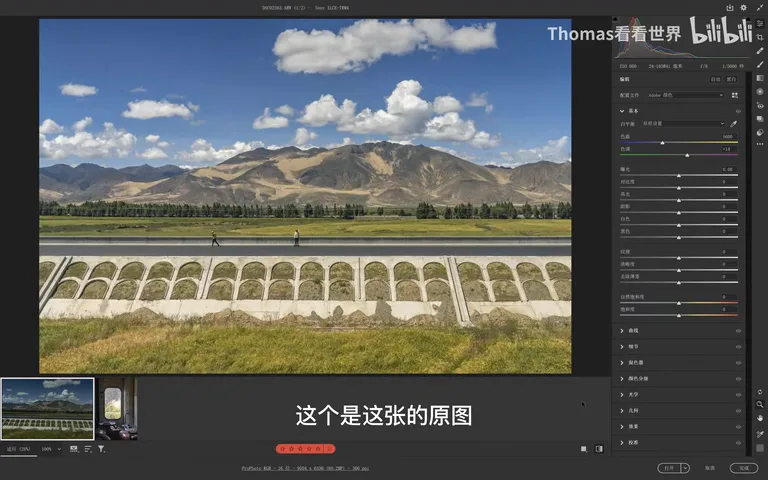
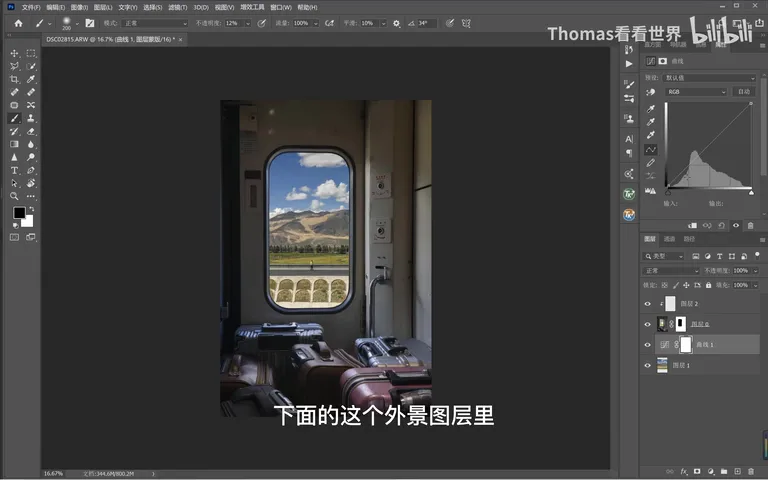
The demo case is that classic work (at 11:53 in the video). The technique is not complicated: quick selection plus lasso handles the masking; color and luminance do the rest (at 11:20). Step one happens in Camera Raw: the raw exterior, grabbed at ISO 800 and 1/50 s, is clearly underexposed — restore the exposure, then warm the white balance slightly, since the carriage interior is also warm-toned; unify the two sides' color first (at 11:56-12:37 in the video).
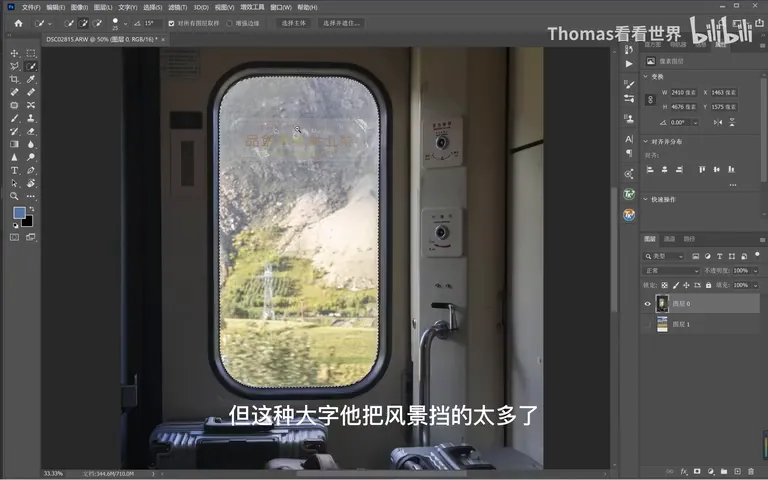
In Photoshop, drag the exterior into the interior document and keep the interior layer on top (at 12:39 in the video). The quick selection tool grabs the window in seconds; keep the window's small printed characters for authenticity, drop the large ones that block too much scenery; refine edges with the polygonal lasso — Alt subtracts, Shift adds; stains can be removed first, or handled later with advanced channel masking (at 12:57-14:00 in the video).
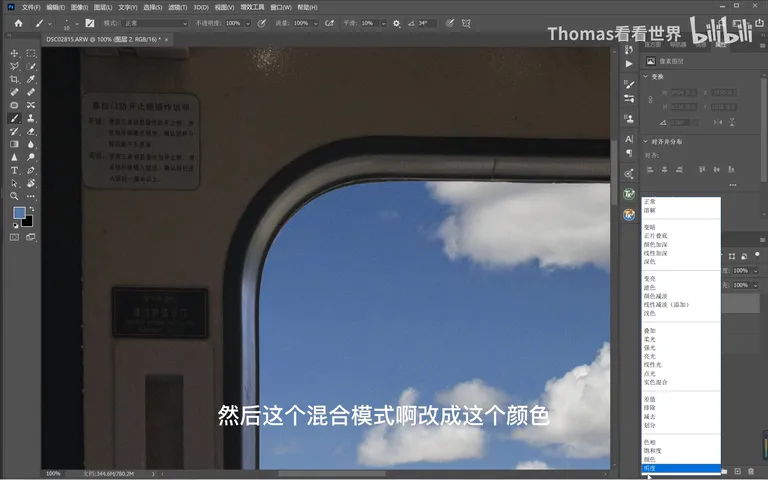
Create a mask from the selection, invert it to reveal the background, then position the exterior — aligning the two horizons and deciding whether to keep a stray figure (at 14:02-14:44 in the video). Finishing: feather the mask if the cutout feels harsh; quick selection often leaves white fringes — paint them away with a small black brush, holding Shift for straight lines (at 14:46-15:38 in the video). For color: add a blank layer, Alt-click to clip it, set the blend mode to Color, sample the blue sky, drop opacity to 10%, and paint over any unreasonably yellow patches of the interior (at 15:41-16:09 in the video).
The most overlooked rule: outside the window must be brighter than inside (at 16:13 in the video). In many composites the exterior is so dark it reads as a display screen rather than glass. The fix is trivial — add a Curves layer on the exterior and lift the midtones; the image instantly relaxes. Glass is brighter on the light side and darker inside, as the human eye expects (at 16:19-17:08 in the video). The advanced channel masking that blends the lettering into the glass will come in a future tutorial (at 17:16 in the video).
1. Believability has two layers — the content must genuinely exist (essential reality), and the perspective and light must obey physics (compositing reality); 2. The raw shots decide everything: matching focal length, matching perspective, matching light angle, and same-line real shooting — all four or it fails; 3. Nail the exterior first, then shoot the interior to match its focal length, horizon and light; 4. Post is three moves — quick selection plus lasso for the mask, clipped layers to unify color, and a Curves lift that keeps the outside brighter than the inside.
PPT
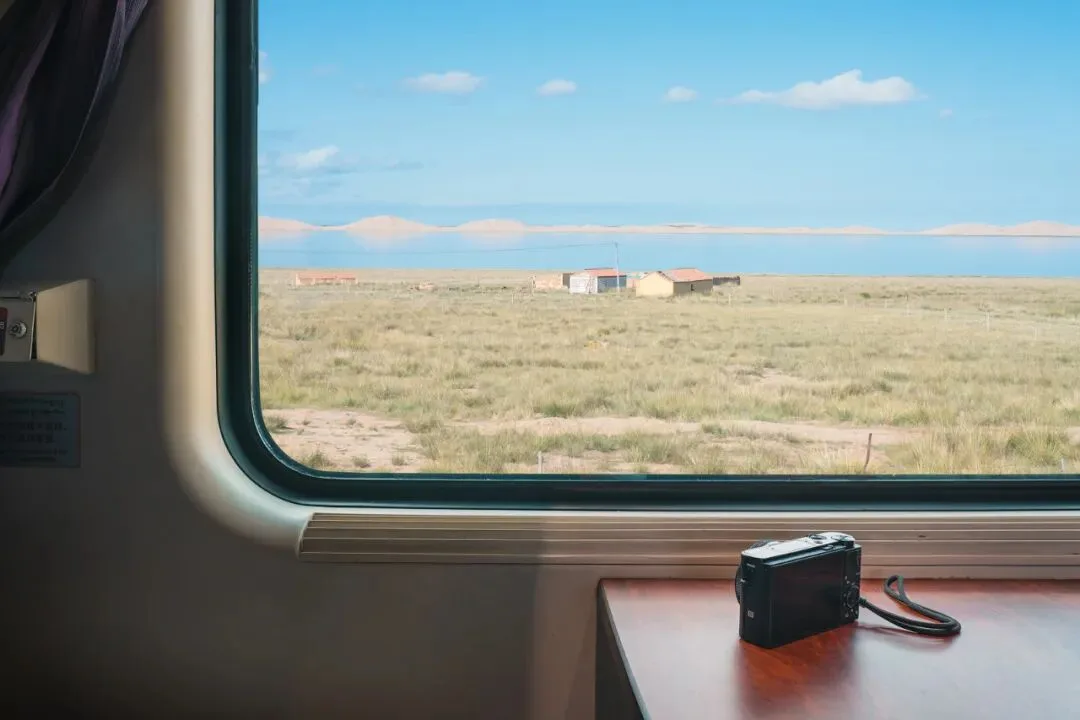
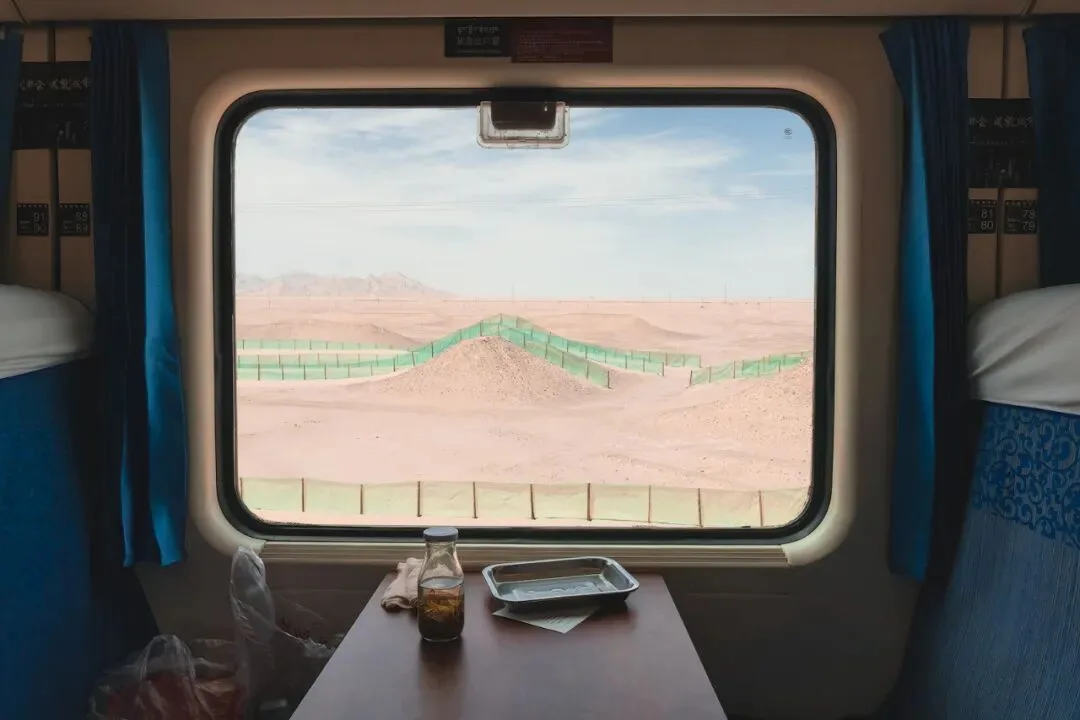
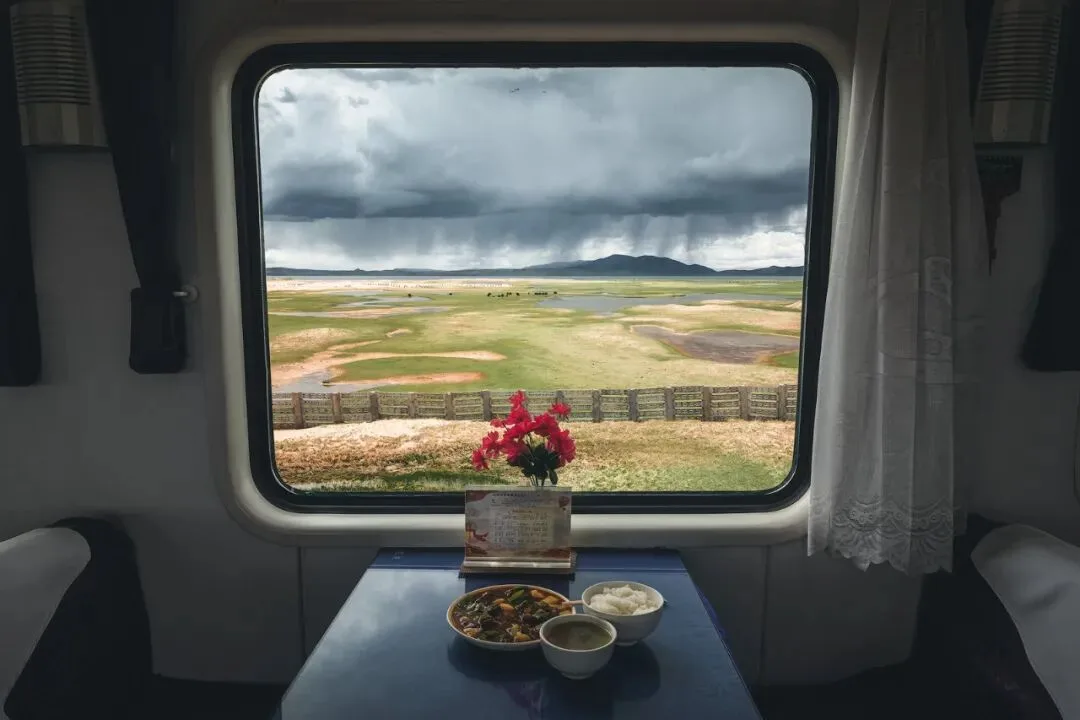
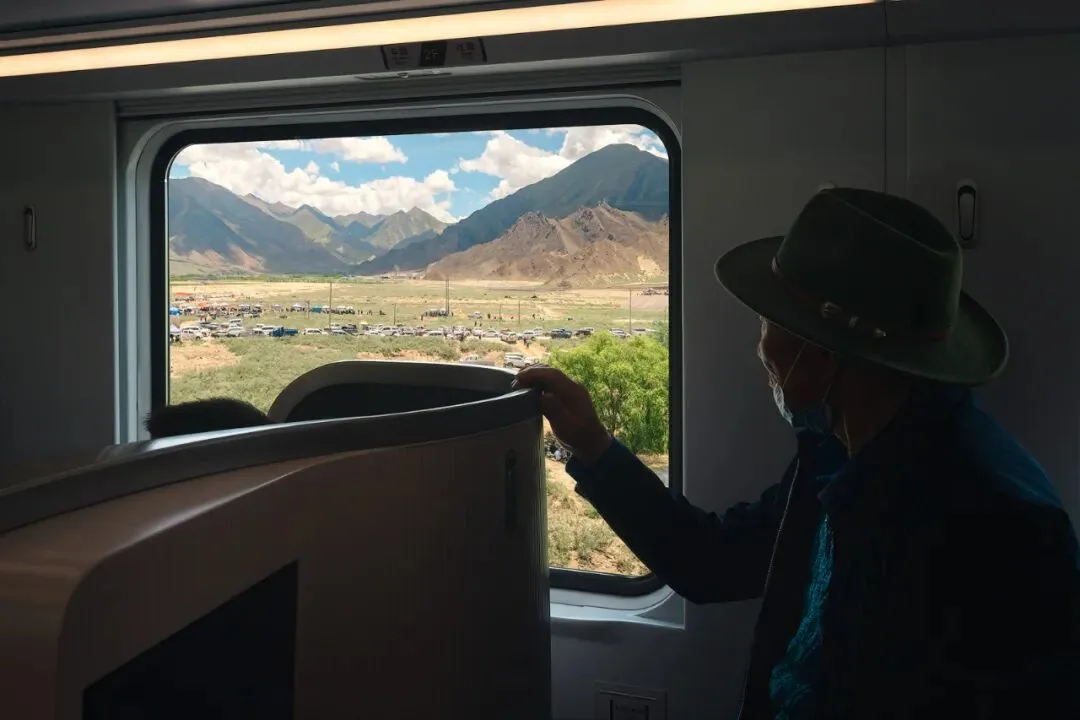
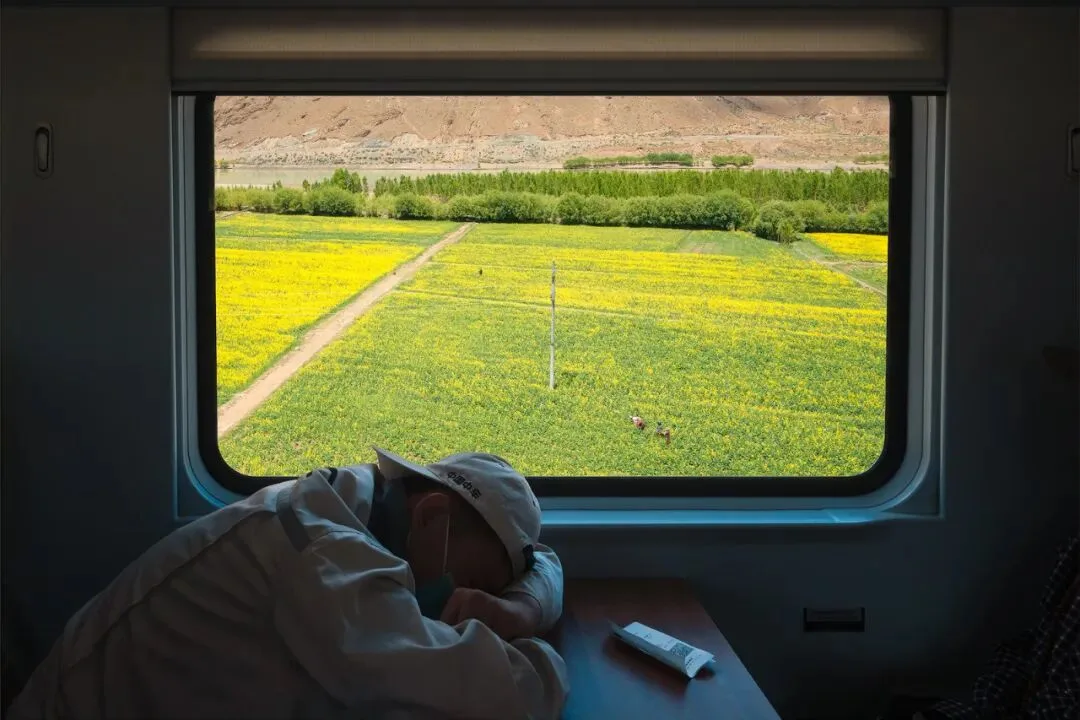
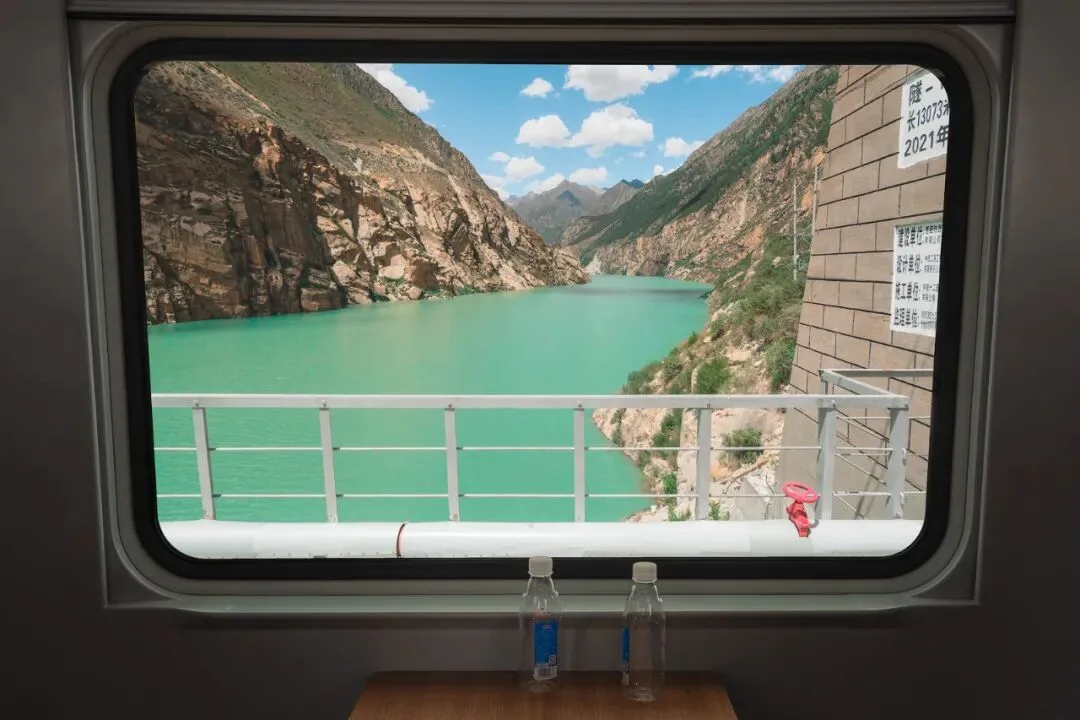
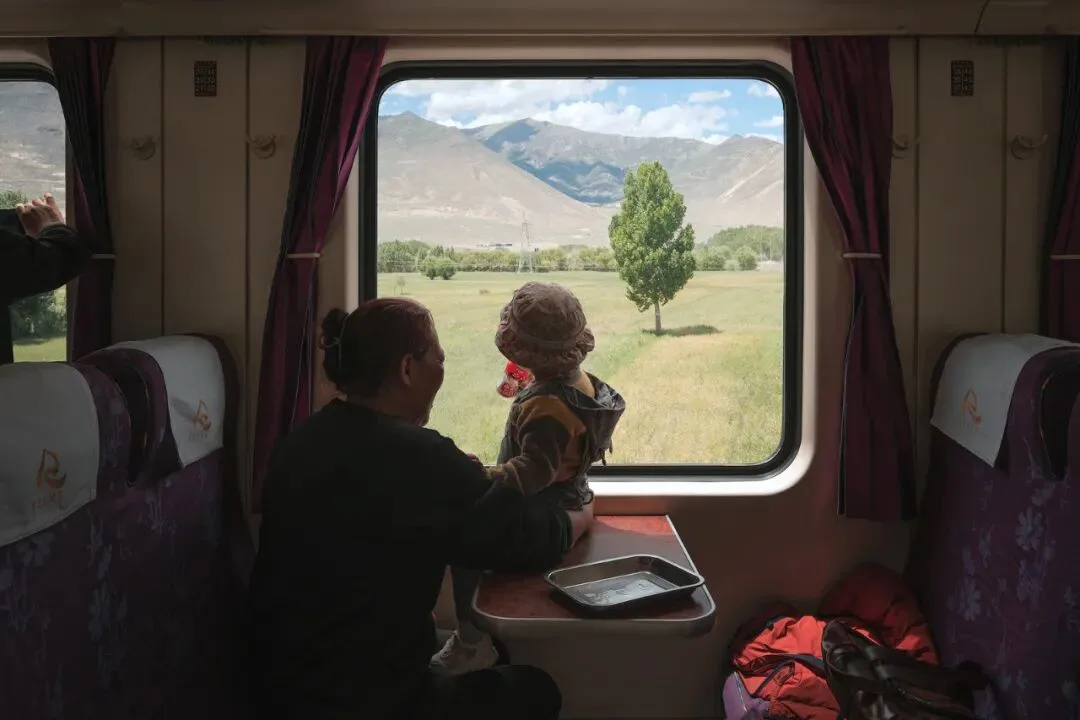
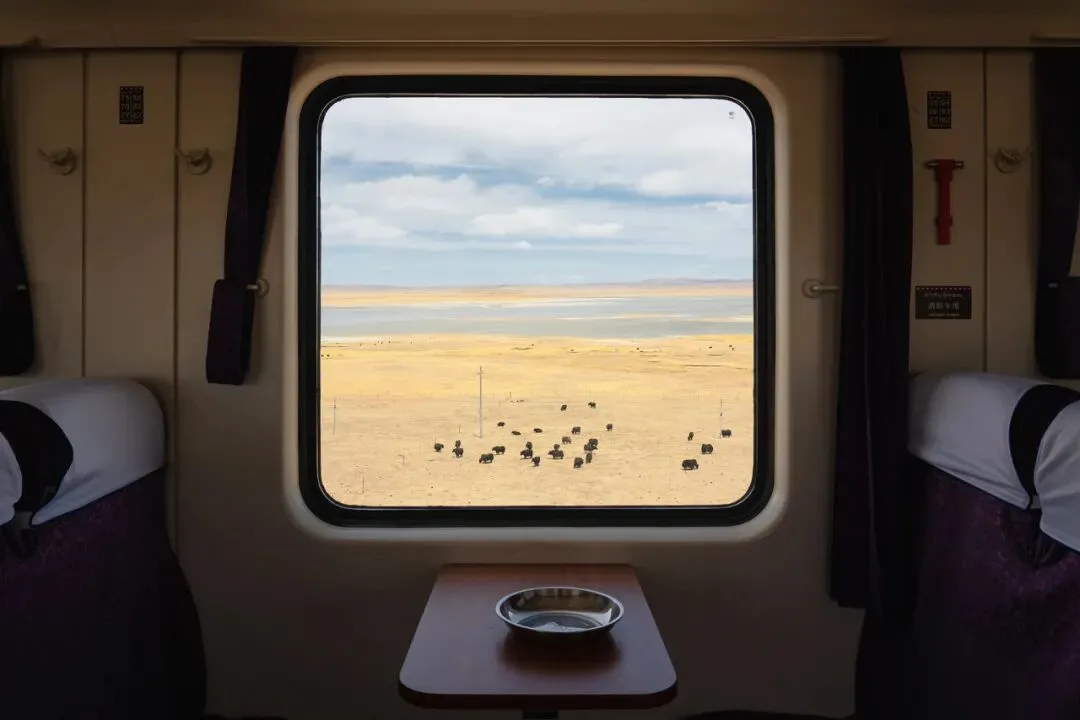
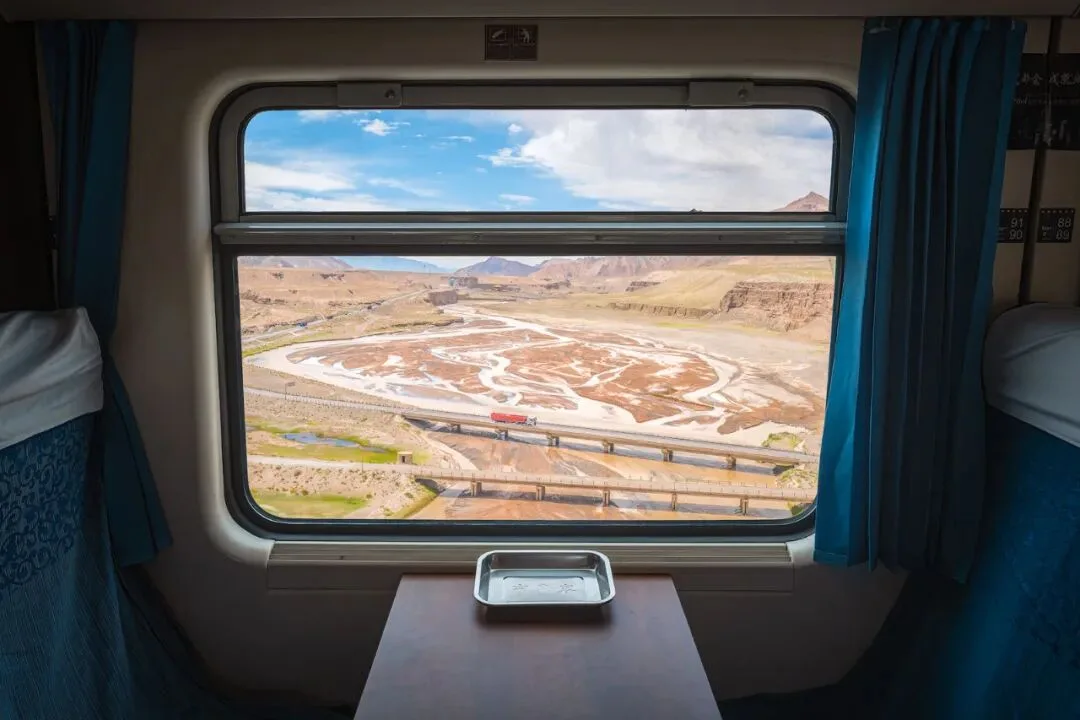
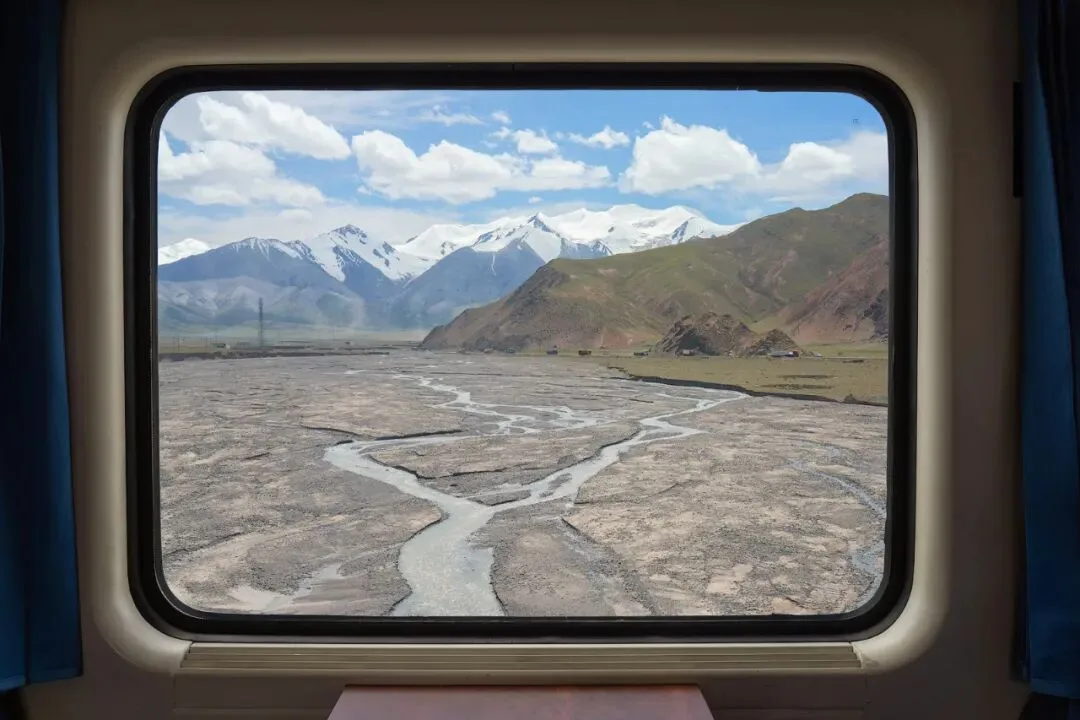
In addition, #China by Train# is a large open-source crowdsourced photography project. After learning the ideas and techniques, you're welcome to try shooting on your own journeys and submit under the #China by Train# tag!
Main submission platforms:
Weibo #China by Train#
Kuaishou #China by Train#
Bilibili #China by Train#
Tuchong #China by Train#
Submission requirements: the view outside the window must be actually shot on a train within China (high-speed rail, EMU, regular train, light rail, subway, etc.). If the final image includes the train interior, the depicted train type should match the actual operation of the line where the exterior was shot.