Photography Tutorial · 2021-08-01
How to Shoot Landscape Masterpieces from Train Windows: A Detailed #TrainViewChina# Tutorial
Thomas Chu Photo
#China by Train# is a series I started shooting and launched last year, aiming to present the unique landscapes of today's China through train windows.
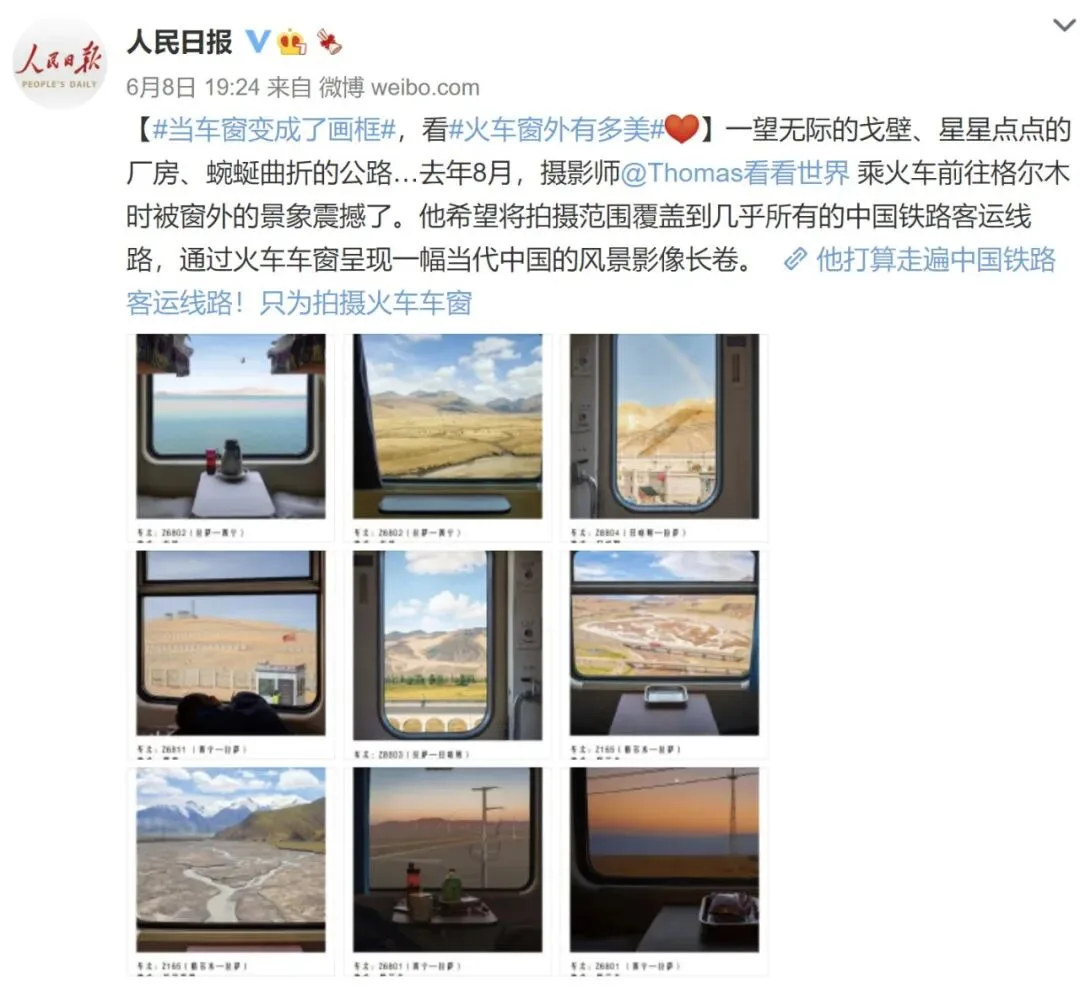
Many people are curious: what settings do I use to freeze the moments outside the window? And what techniques are needed to remove window reflections and capture scenes sharp both inside and outside?
In today's video tutorial, Thomas shares and demonstrates in detail.
In addition, #China by Train# is a large open-source crowdsourced photography project. After learning the ideas and techniques, you're welcome to try shooting on your own journeys and submit under the #China by Train# tag!
Video Tutorial
▶ Watch the video tutorial on Bilibili
This is the fully illustrated companion to the video above — the shooting class of the "Seeing China from the Train" series. Why do your train-window shots come back either full of reflections or motion-blurred? Using a Chongqing metro ride as a live demo, Thomas covers the one-shot fallback spot, the split-shoot-and-blend workflow, and the exact parameters for exterior and interior frames alike, with keyframe screenshots throughout.
Start with the overview: the card at 0:23 in the video lays out two routes — Plan A, a single exposure, and Plan B, shooting inside and outside separately and blending later — each unpacked below.
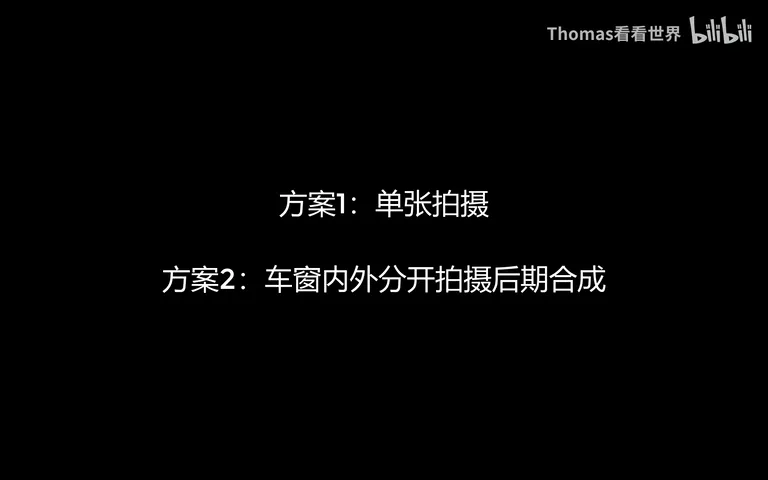
01 Single Shots: Find the Right Spot First
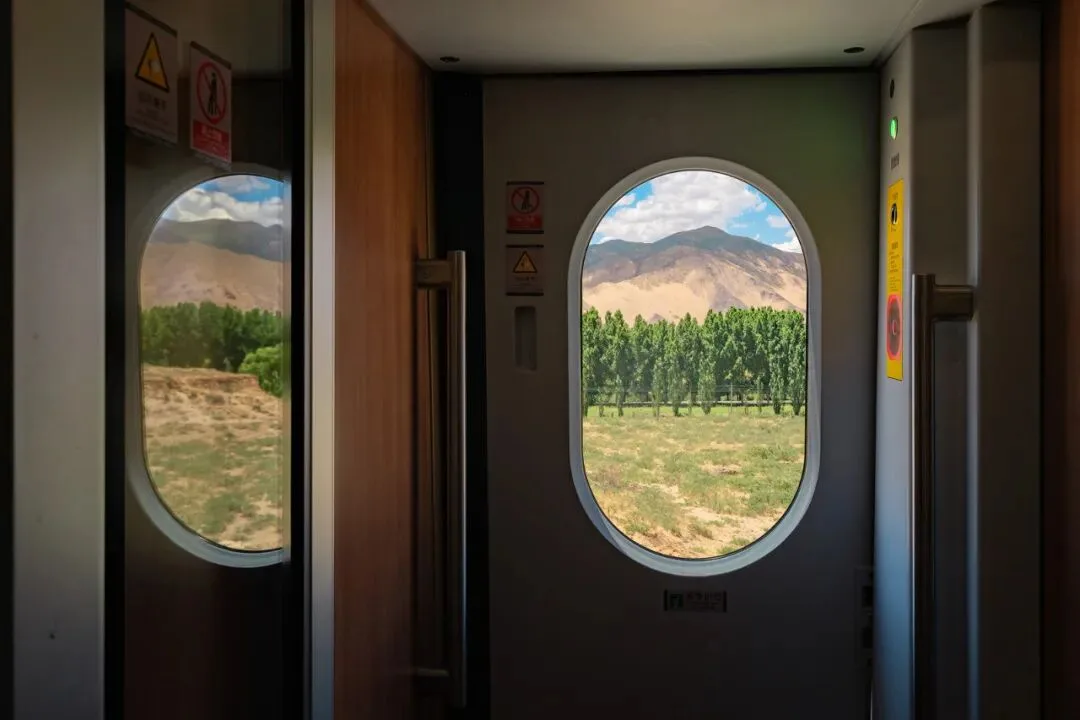
Single exposures can still work — the trick is the gangway between carriages (at 0:26 in the video). The door usually has a small window with few reflections and less grime; with some luck, one frame is enough. Ordinary large windows are trouble: reflections that even a polarizer cannot kill, and dirt on the glass that drains the scenery (at 0:43-1:23 in the video).
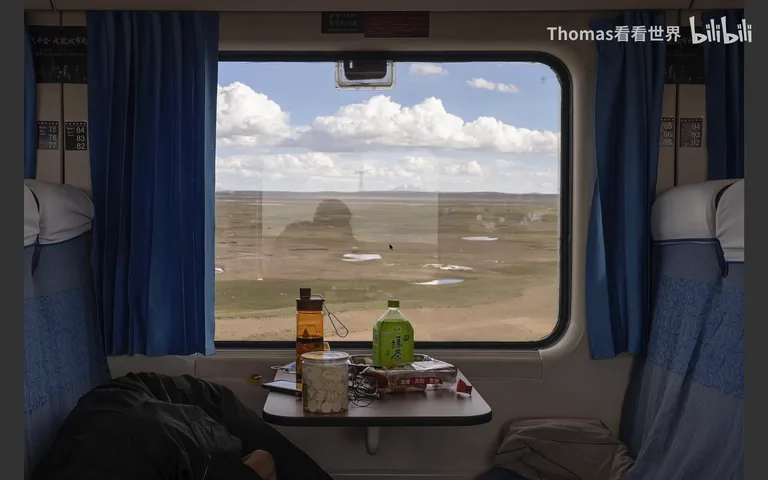
The deeper conflicts are physical: dark inside, bright outside, with depth of field and shutter fighting too (at 1:24-2:10 in the video). Indoors you get only about 1/60 s; speed the train up — on high-speed rail the scenery smears into streaks. That is why Thomas now shoots inside and outside separately.
02 Split Shooting: Against the Glass, Hood On, Read Ahead
The demo ran on Chongqing Metro Line 3; the principles are identical on trains (at 2:17 in the video). For the exterior, press the lens against the glass to eliminate flare and grab the river view first (at 2:34-2:46); when you add the interior, stop down to around f/8. The lens hood is a secret weapon: with it on, you can press against the glass and swing left-right without a single reflection (at 2:56-3:10 in the video).
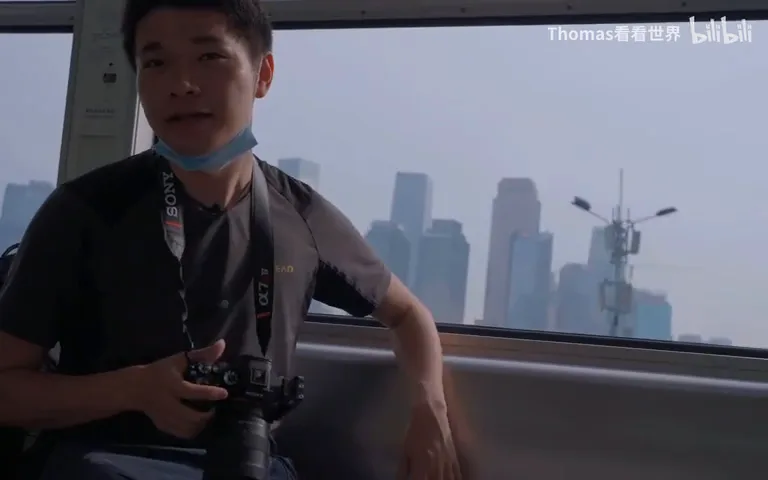
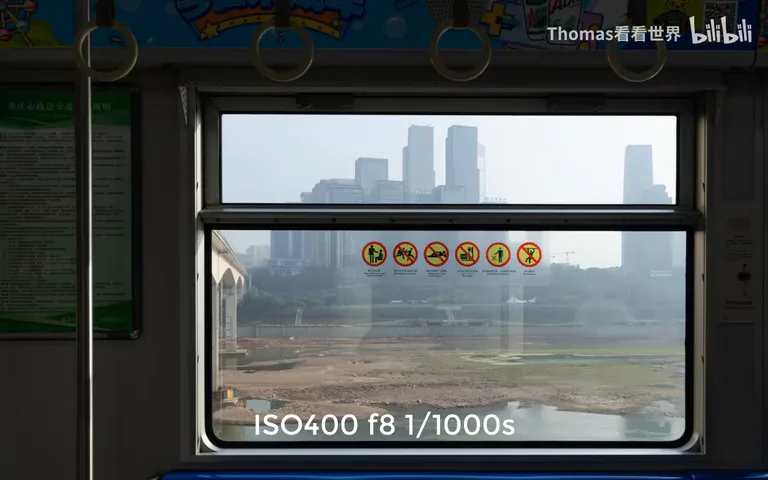
Another key is anticipation: watch the scenery ahead so you are ready when the train arrives (at 3:13 in the video). Settings: keep the shutter around 1/1000 s — 1/2000 s or faster on high-speed rail; open the aperture to about f/5.6 — avoid f/2.8, whose shallow depth of field blurs the foreground; raise ISO to 400 or even 800 to buy shutter speed (at 3:17-3:46 in the video).
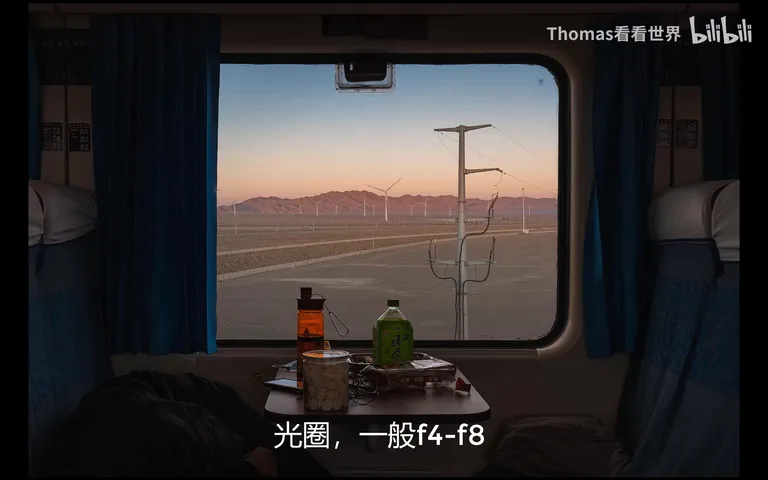
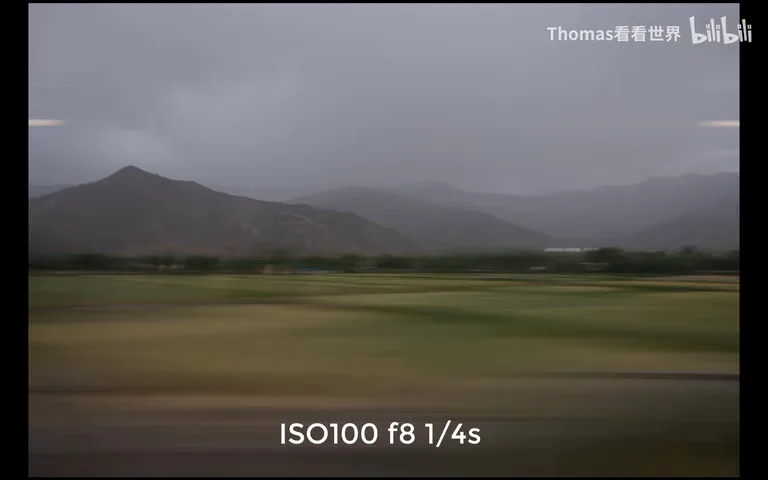
Fast is not the only option (at 3:47 in the video): with a well-chosen shutter you can render motion — distant scenery sharp, near foreground carrying a hint of blur, directions well worth exploring. At sunset, ISO 400, f/8 at 1/500-1/1000 s balances the light outside with the detail inside the carriage.
03 Case Studies: the Lhasa Line and Cona Lake
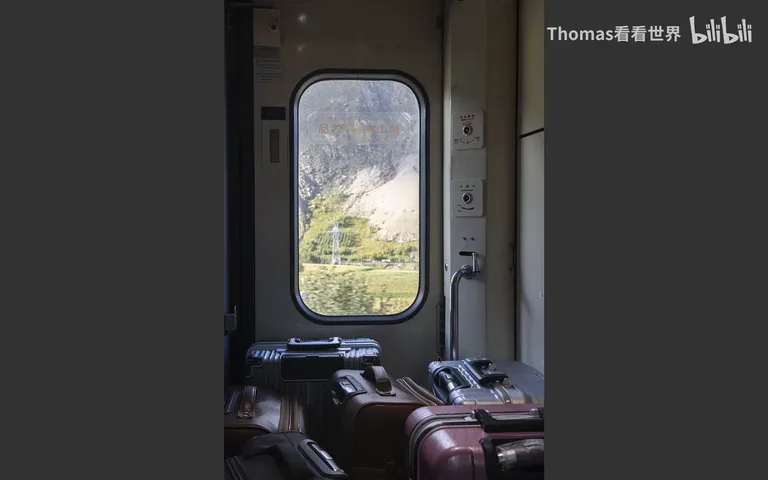
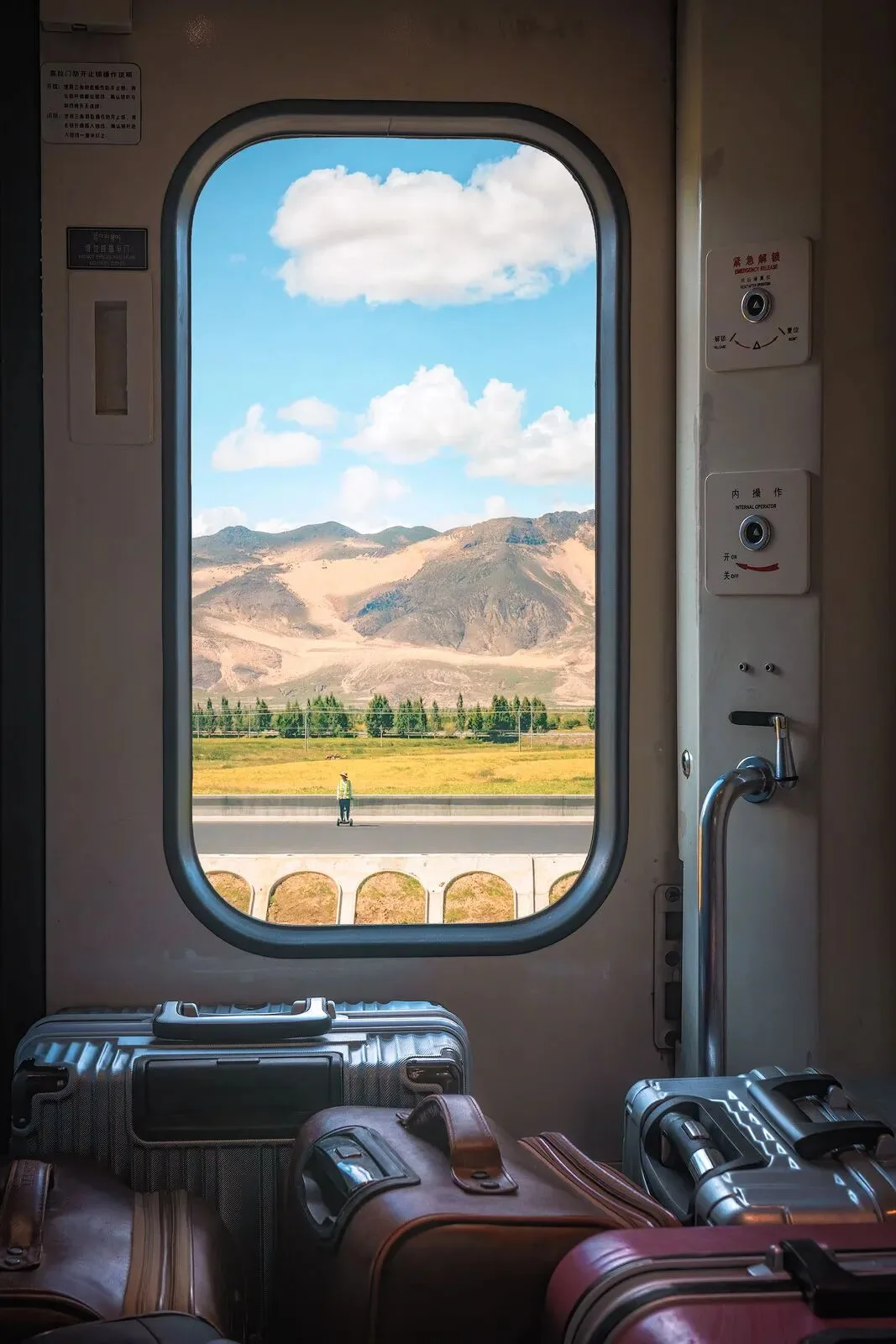
In post, cut-and-blend merges the two views (at 4:07 in the video) — and opens creative space. Case one: on the Lhasa–Shigatse railway, Thomas first captured road workers on a flatcar along the Lhasa–Shigatse expressway, then kept shooting the carriage interior until the pile of suitcases appeared — carriers of homesickness and the urge to leave for work, echoing the journey outside (at 4:20-5:00 in the video).
One iron rule: inside and outside must come from the same train, the same line (at 5:06 in the video) — a bullet-train interior over a Xinjiang-Tibet line exterior simply never happens. Workflow: nail the exterior first, then pick an interior to match (at 5:22-5:30). Parameters: exterior ISO 800, f/8, 1/5000 s to freeze the scenery; interior, dim as it is, ISO 800, f/9 around 1/200 s (at 5:31-5:56 in the video).
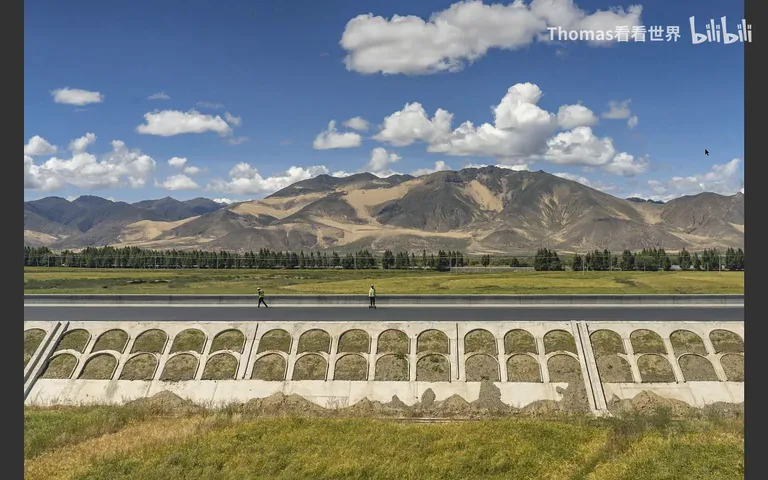
Why split at all? (at 5:59 in the video) Shooting only outward, you can press to the glass, watch and anticipate; the moment the interior must be in frame, the outside view is blocked and you are reduced to machine-gunning frames hoping luck strikes — against the whole spirit of creating. And with people you do not want to disturb, you cannot hover with the camera anyway; compositing solves that too (at 6:26-6:40 in the video).
Case two: Cona Lake in Tibet (at 6:40 in the video). The birds were really captured lakeside — lens against the glass at ISO 400, f/7.1, 1/2500 s. He was in a hard sleeper whose triple-bunk window framed poorly, so he booked a soft sleeper and rode the line again; the interior was grabbed at ISO 400, f/5.6, 1/500 s. That day turned overcast — the mountains identical, the weather not — and only by merging the two frames does the finished photo pair sunny lakeside with a cozy cabin (at 6:52-7:45 in the video).
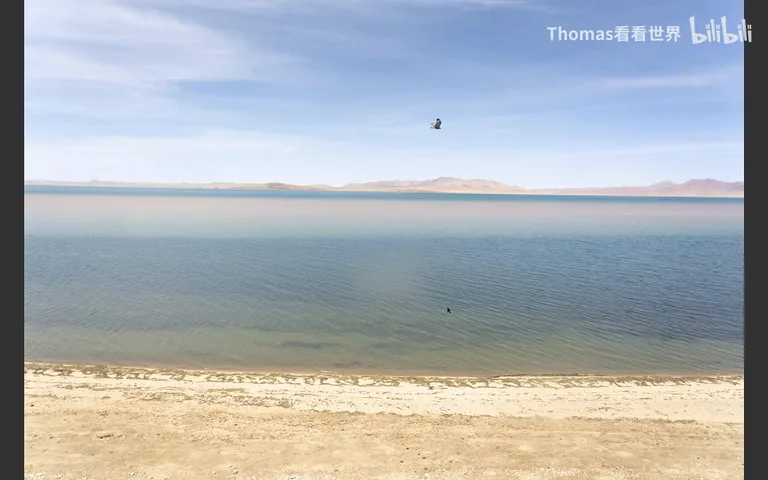
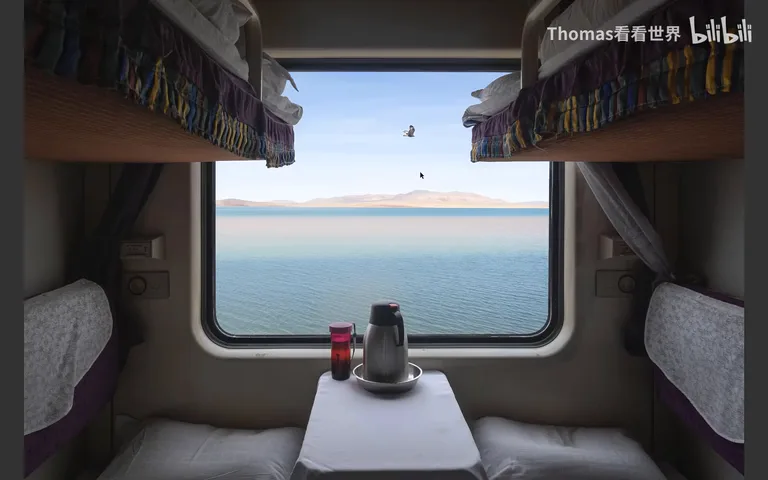
True, in a soft sleeper such a scene could sometimes be caught in a single frame (at 7:46 in the video), yet Thomas still splits the capture: technically it passes — no reflections, no dirty glass, depth of field and shutter under control — and creatively it opens more possibilities. #SeeingChinaFromTheTrain# is an open, crowdsourced photography project: tag your own train and station shots on any platform and submit; Thomas follows the tags long-term and curates from the submissions (at 8:20-8:41 in the video).
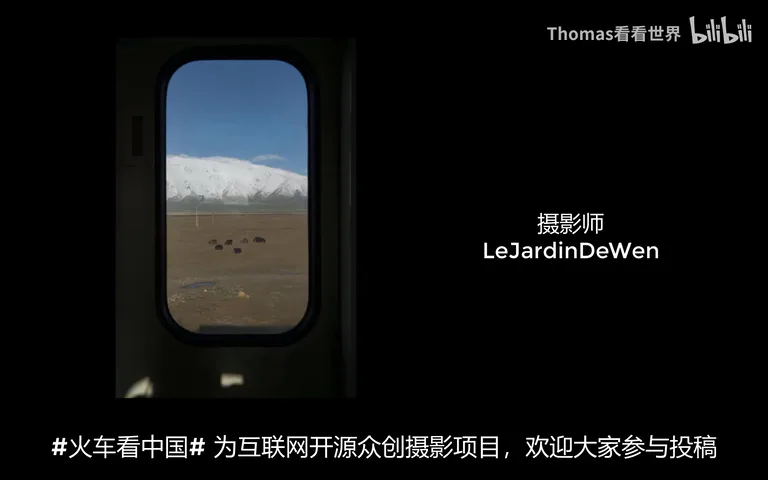
1. For single frames, use the small gangway window — fewer reflections, cleaner glass; big windows suffer reflections, dirt and contrast; 2. Split shooting is the real answer: press the lens to the glass or add a hood for the exterior, around 1/1000 s, f/5.6, ISO 400-800 — faster on high-speed rail; 3. Inside and outside must share one train, one line — shoot the exterior first, then match the interior, gaining narrative ideas like the suitcase shot; 4. Only by watching through the glass can you anticipate — leave luck-based bursts behind and give creation back to yourself.
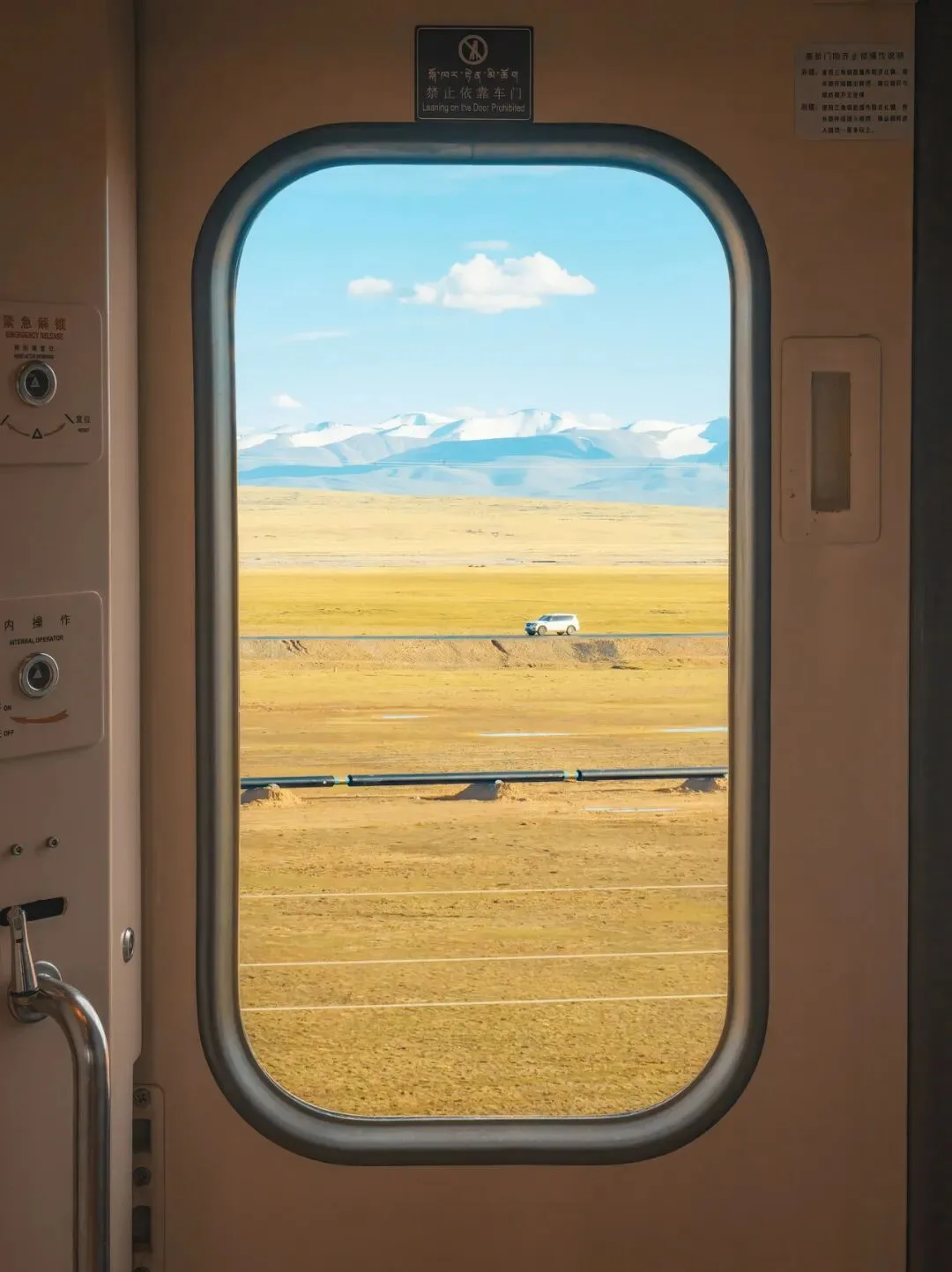
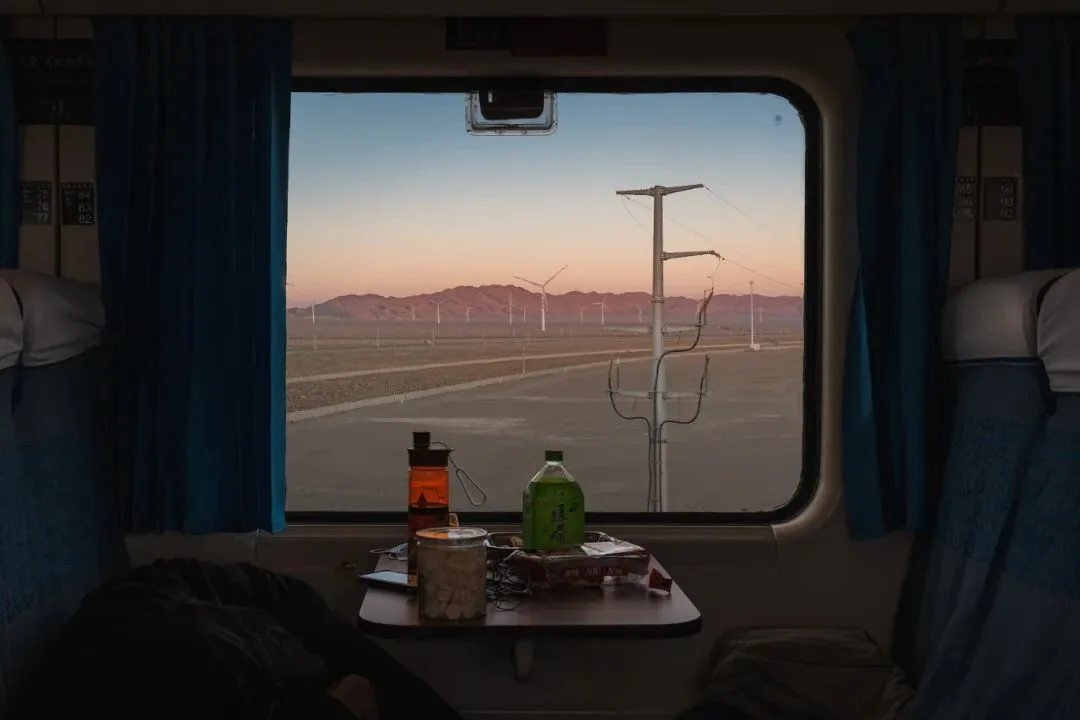
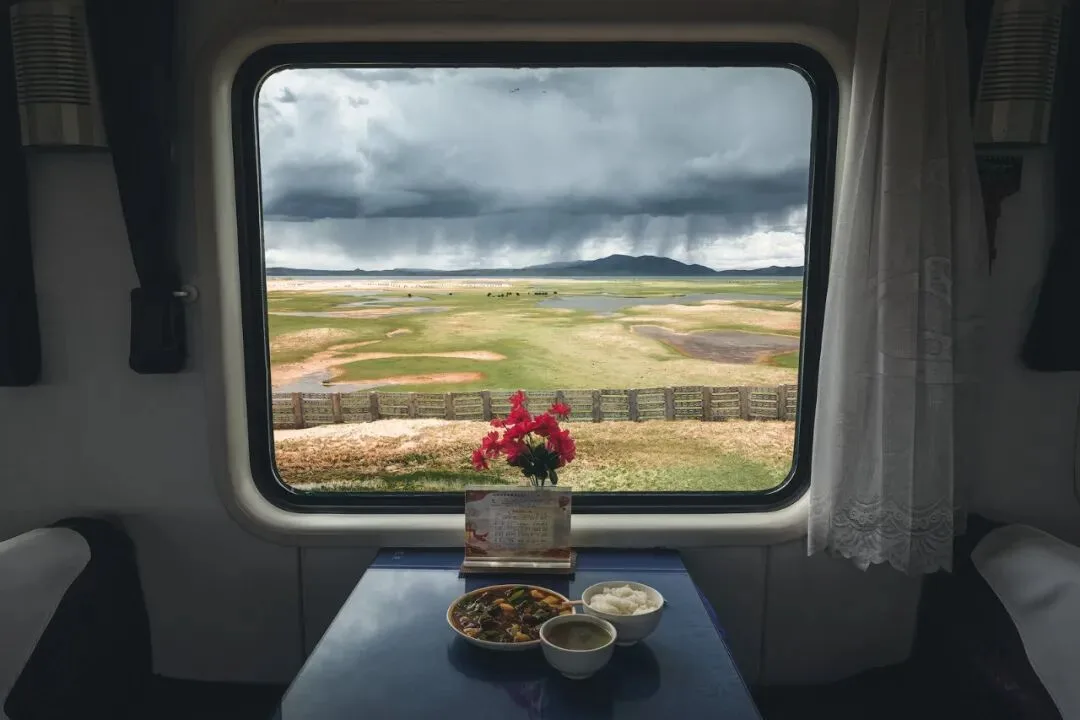
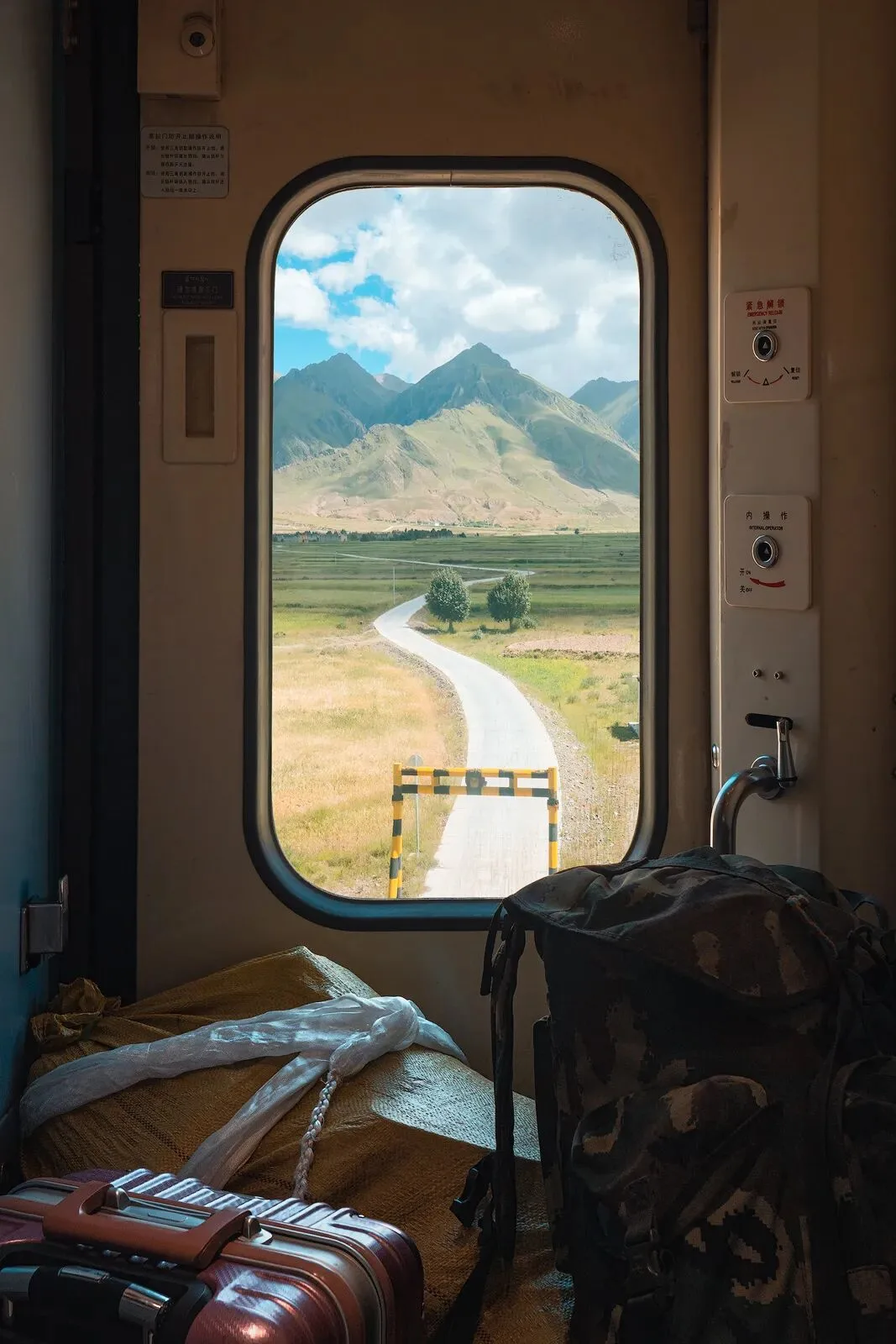
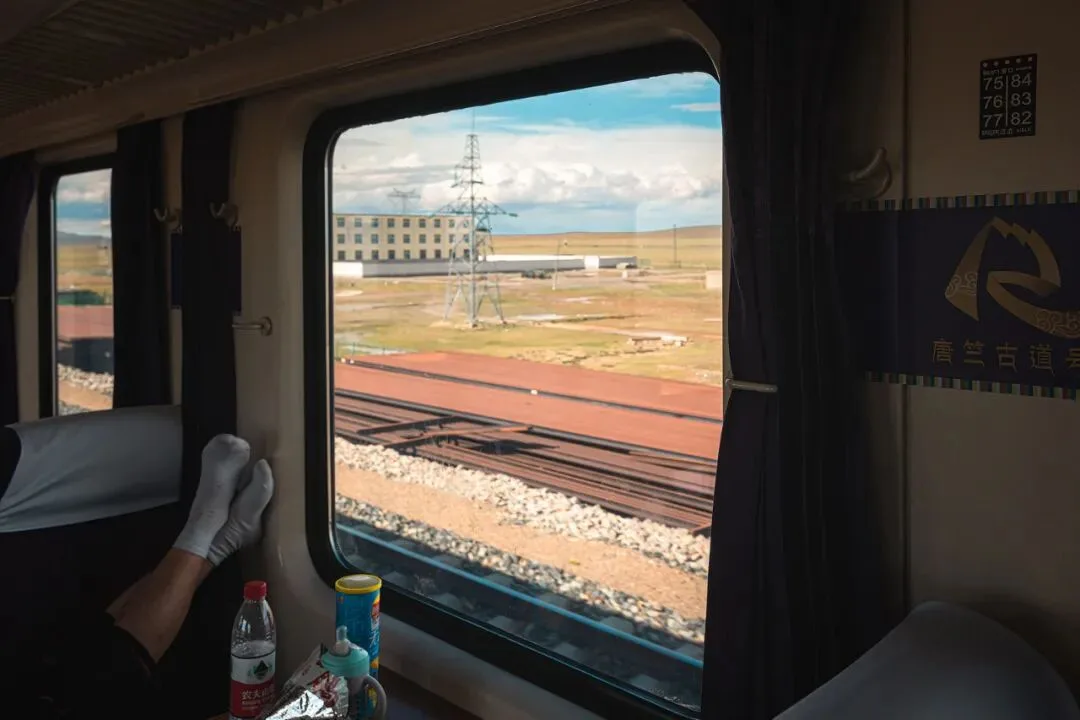
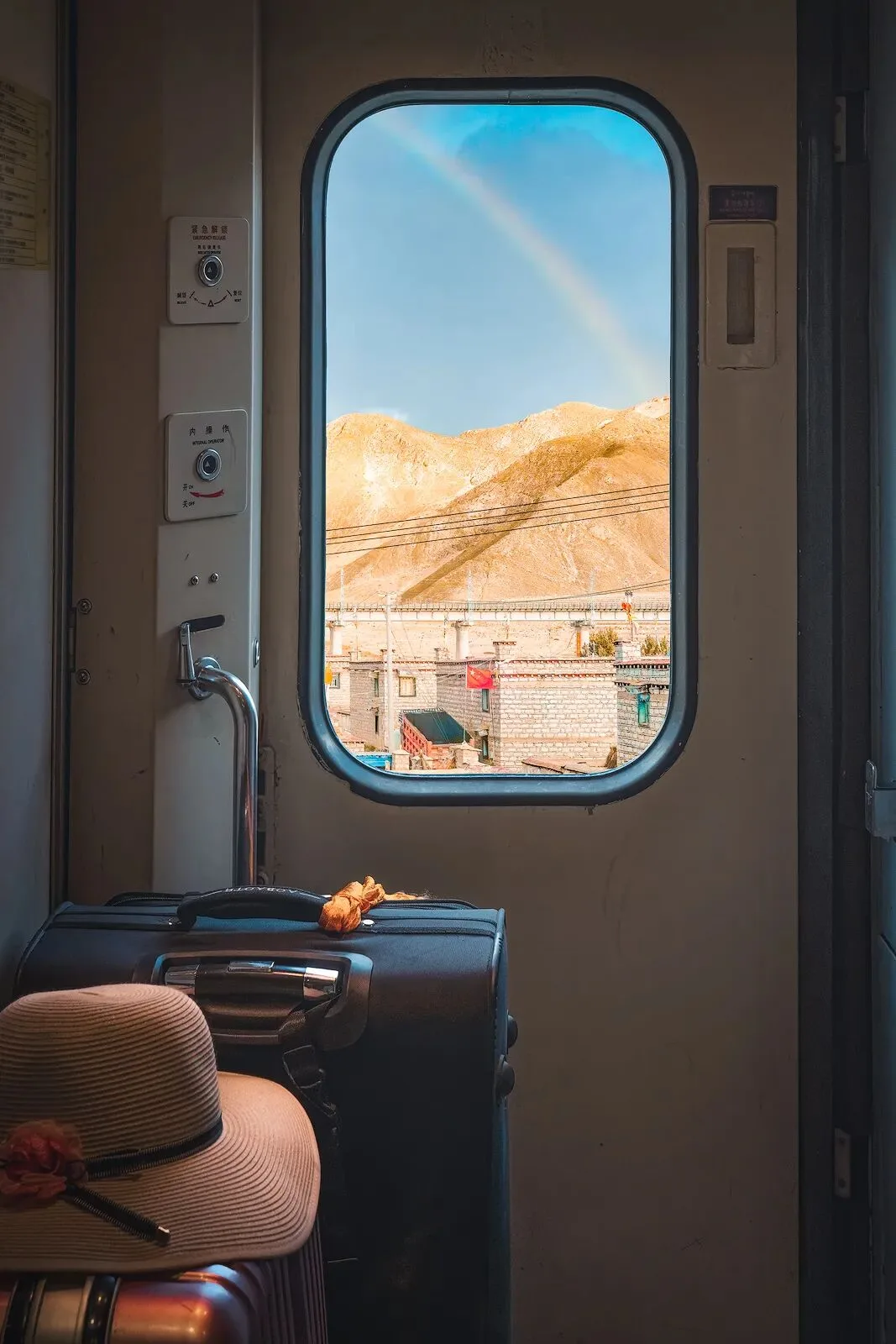
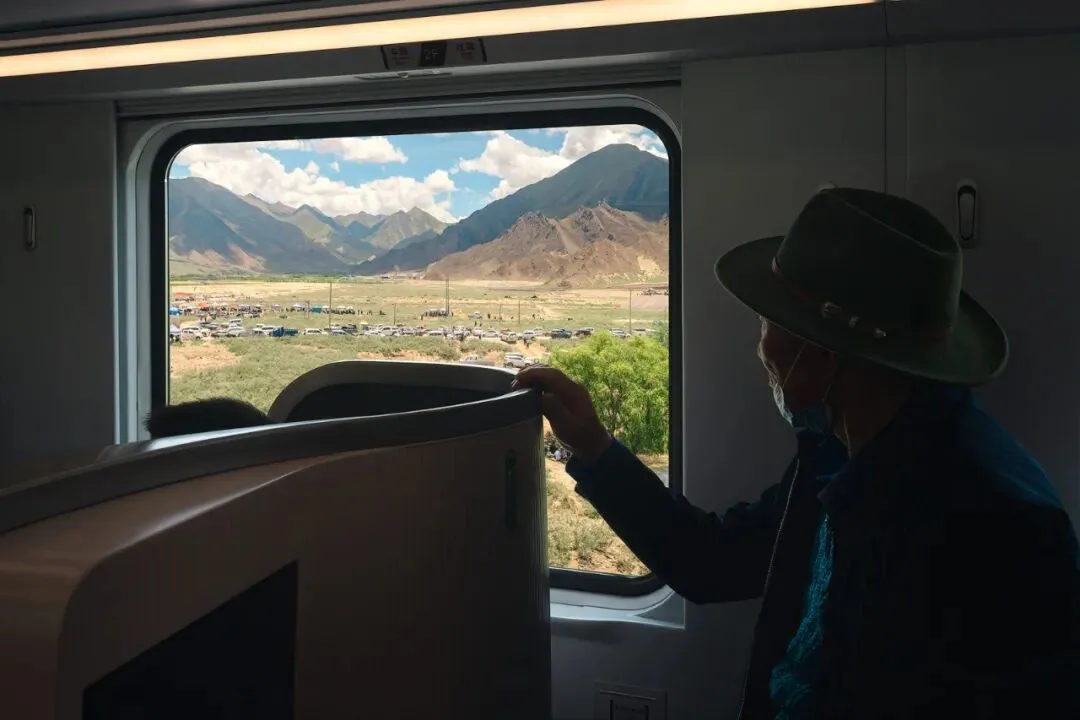
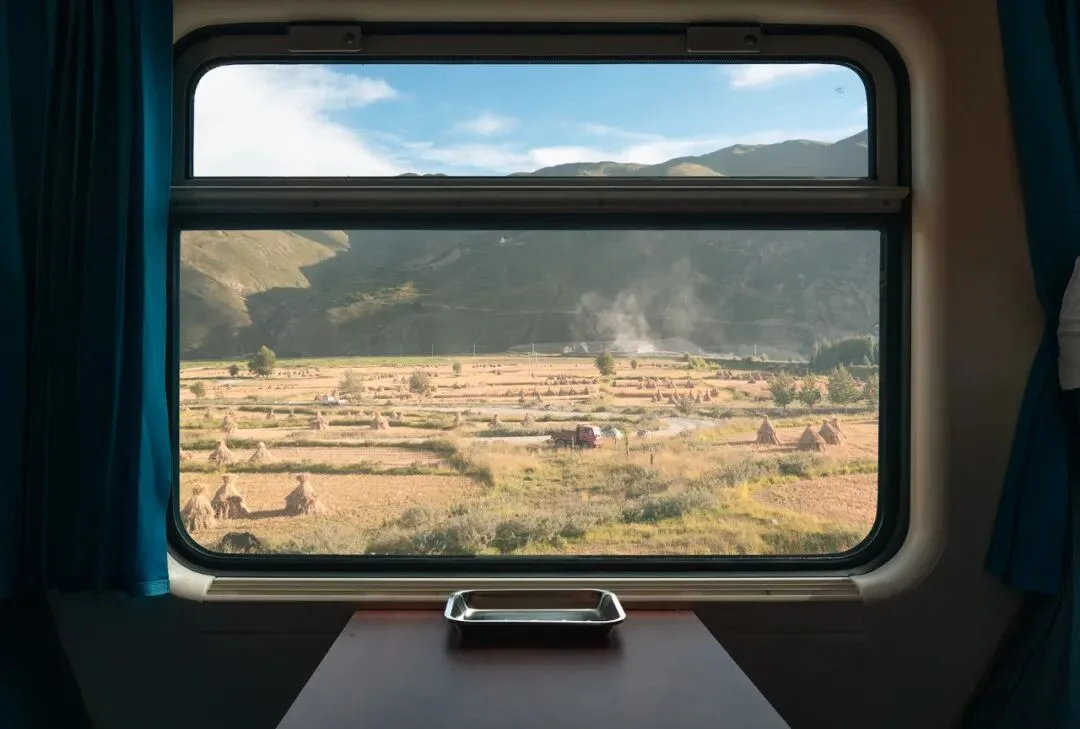
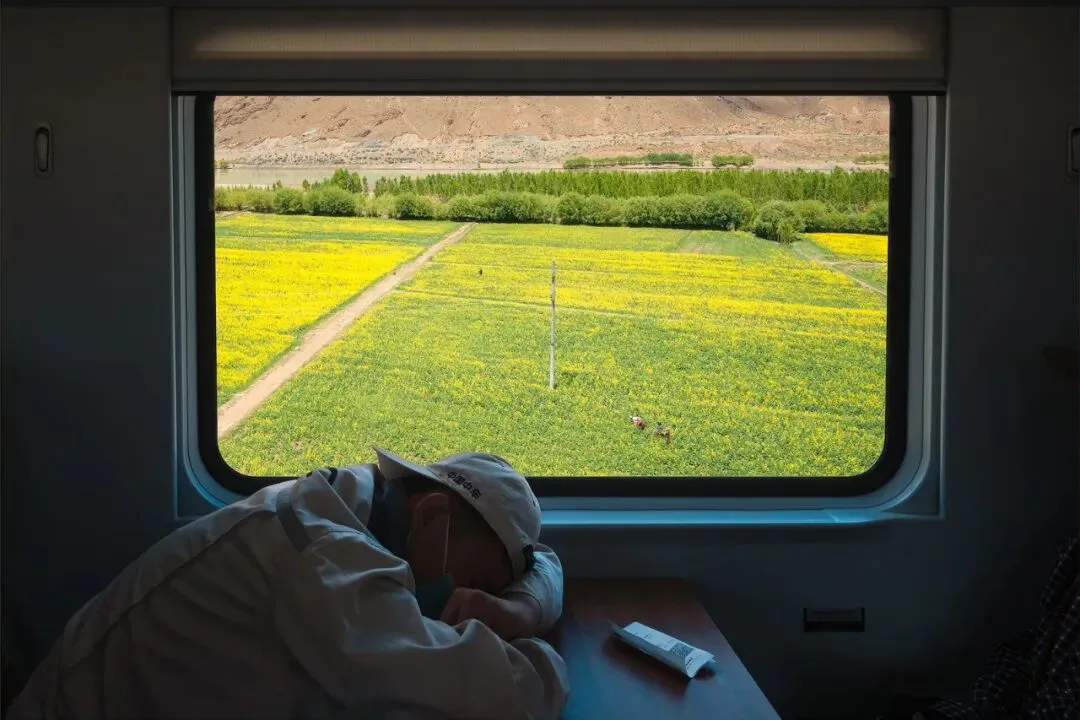
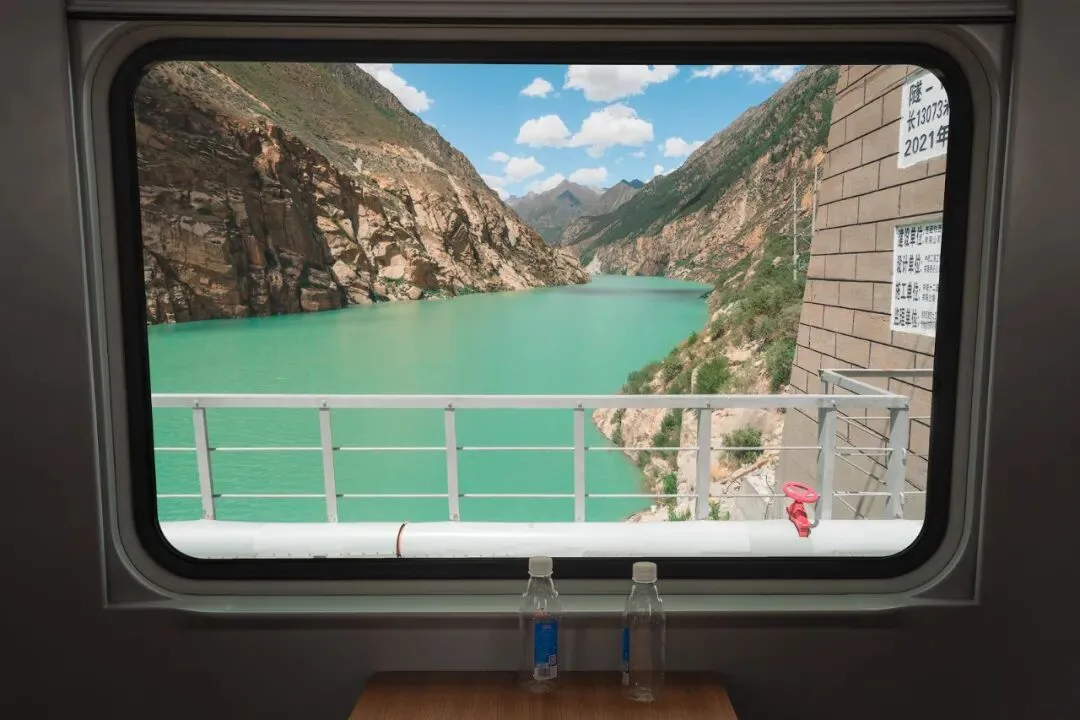
China by Train — images from Tibet & Qinghai
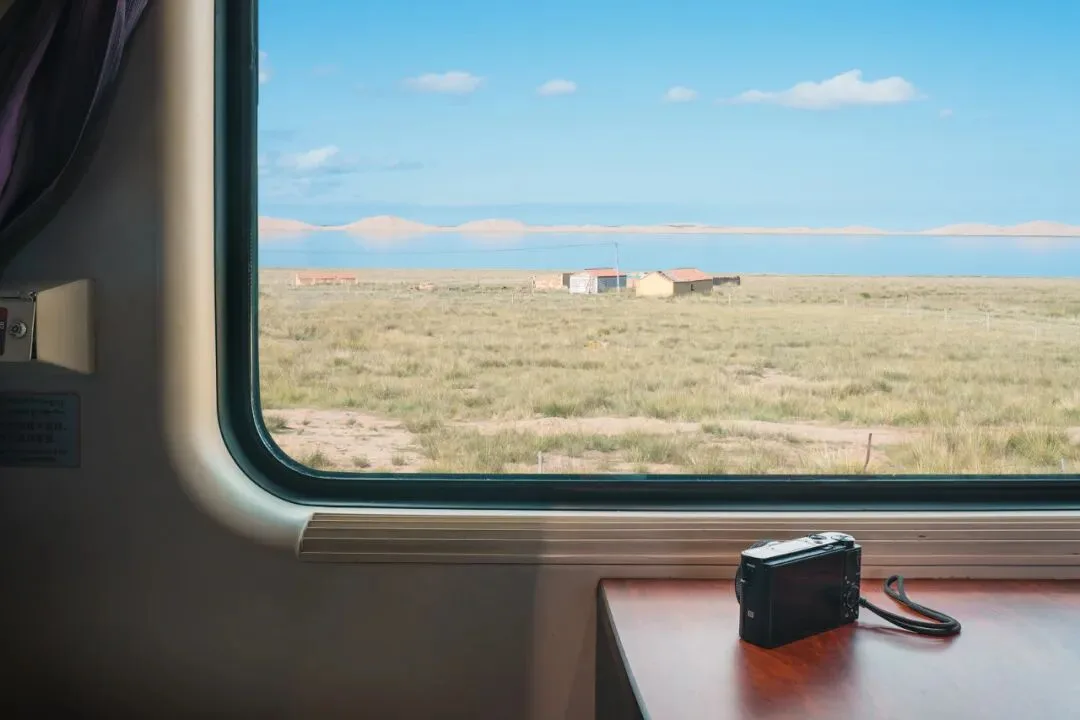
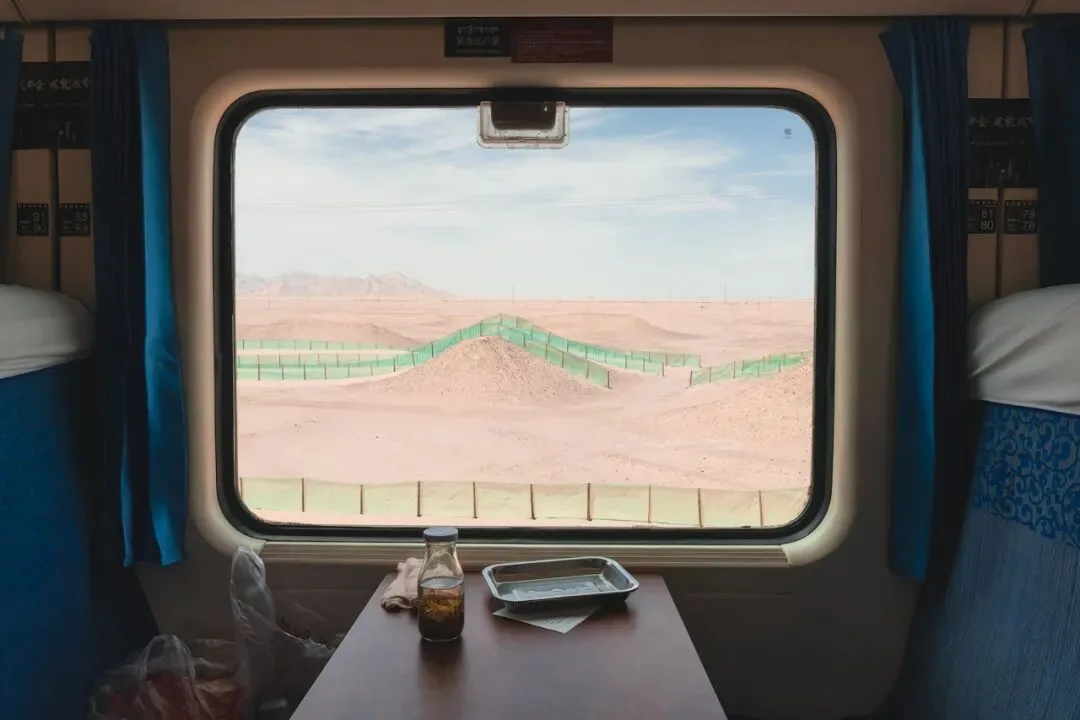
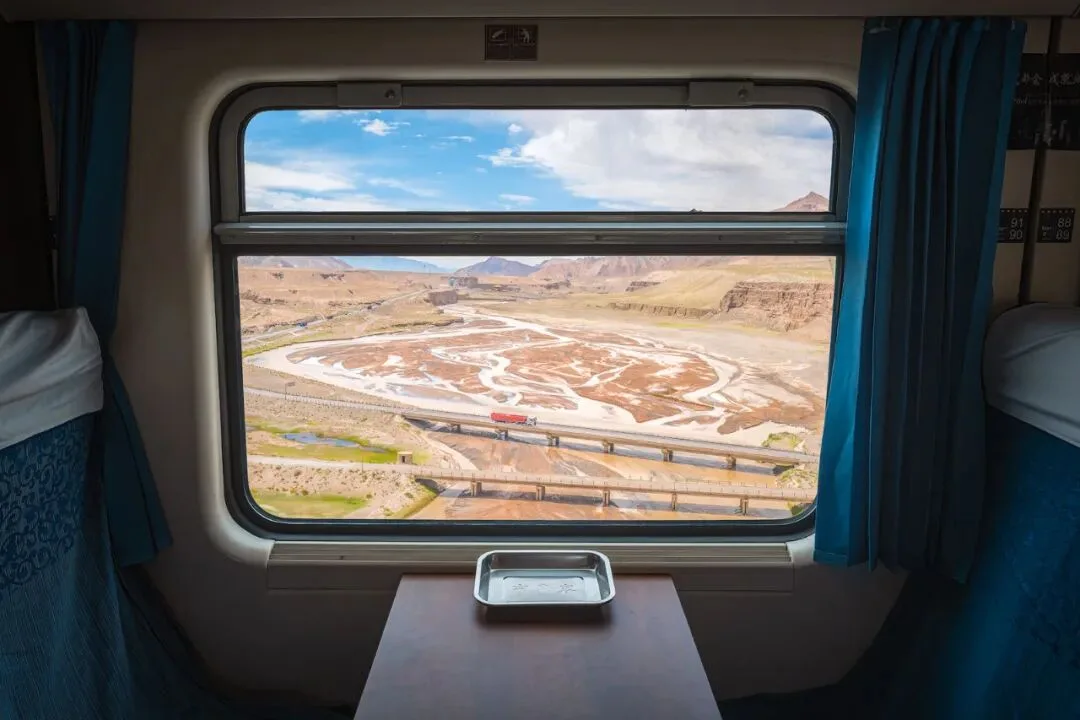
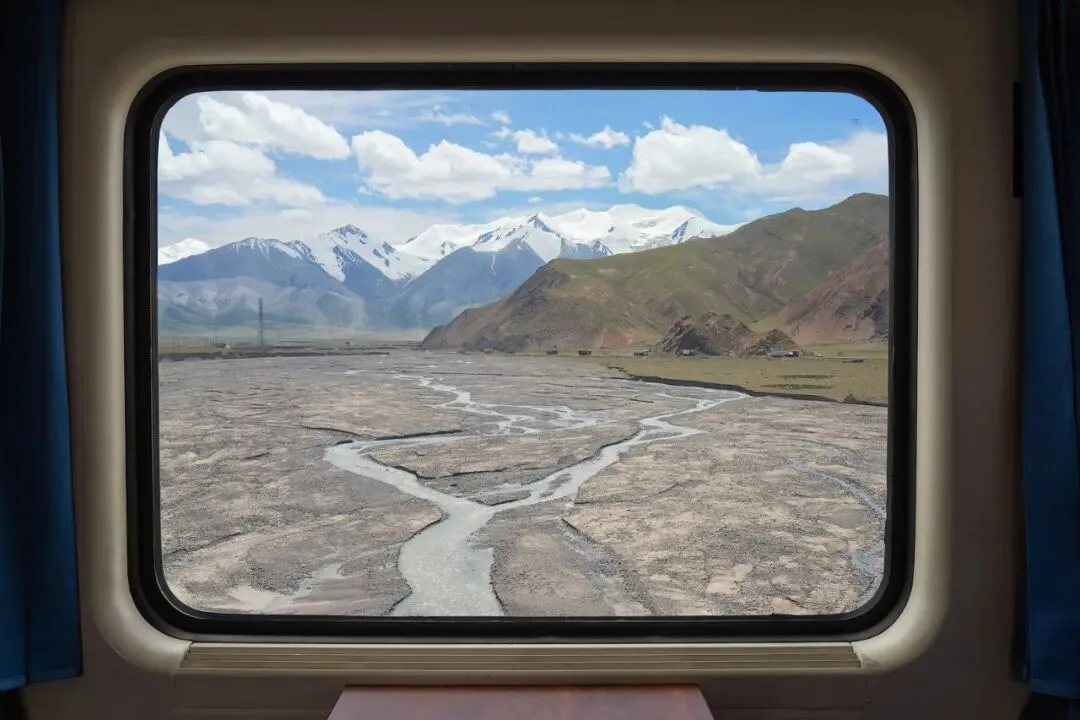
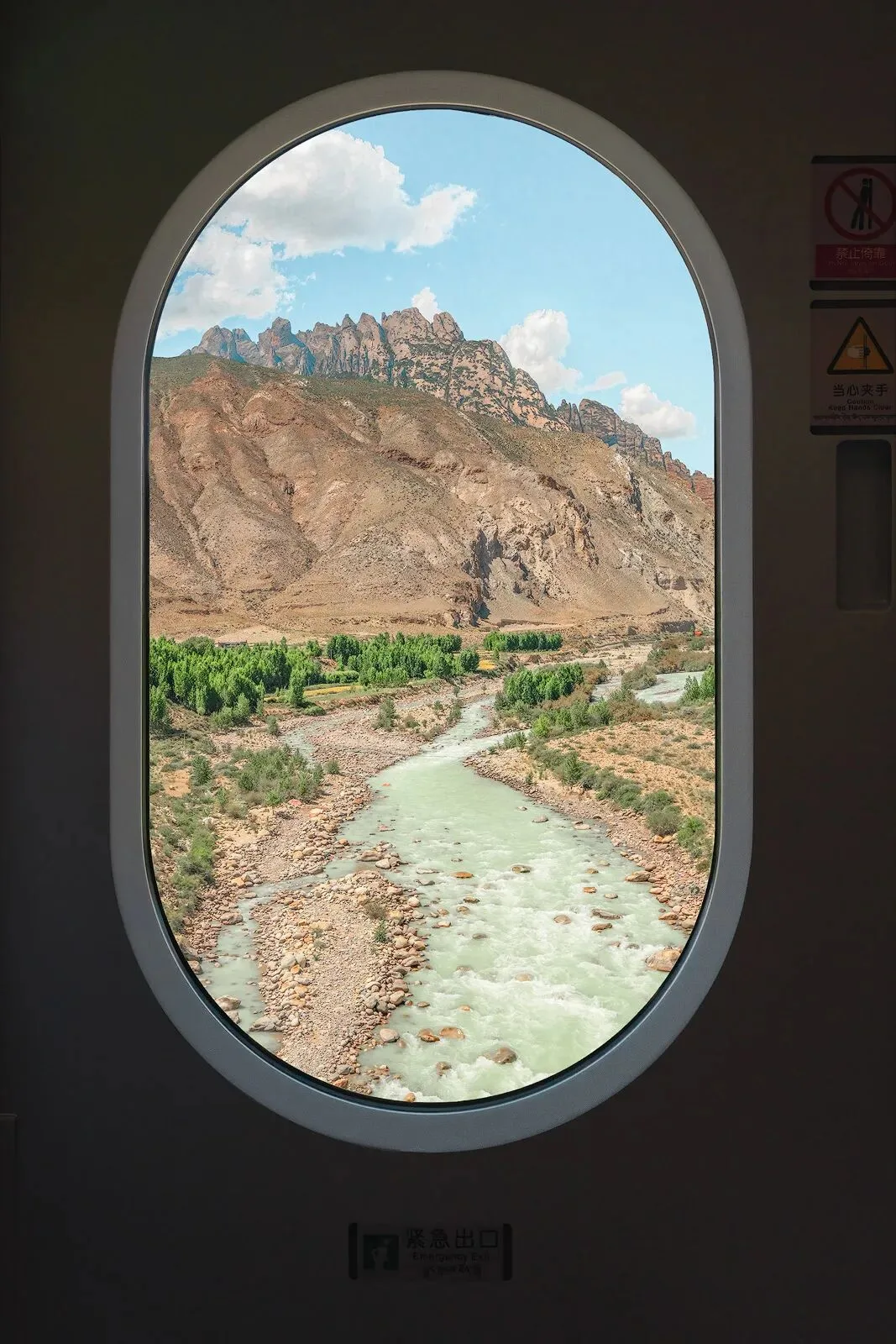
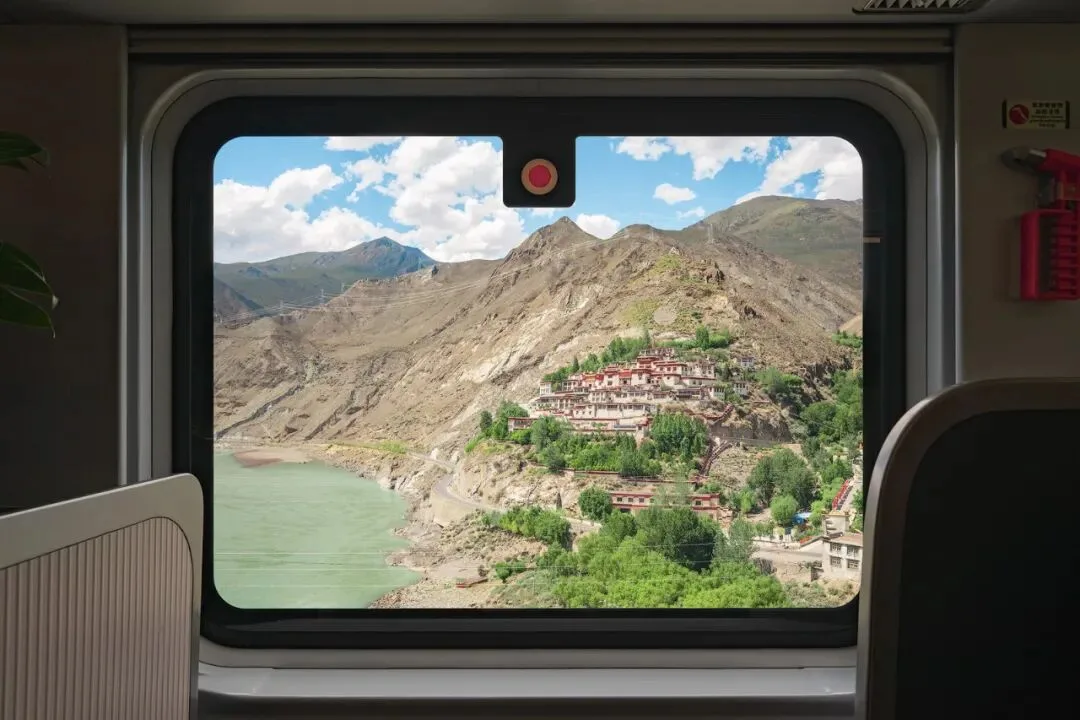
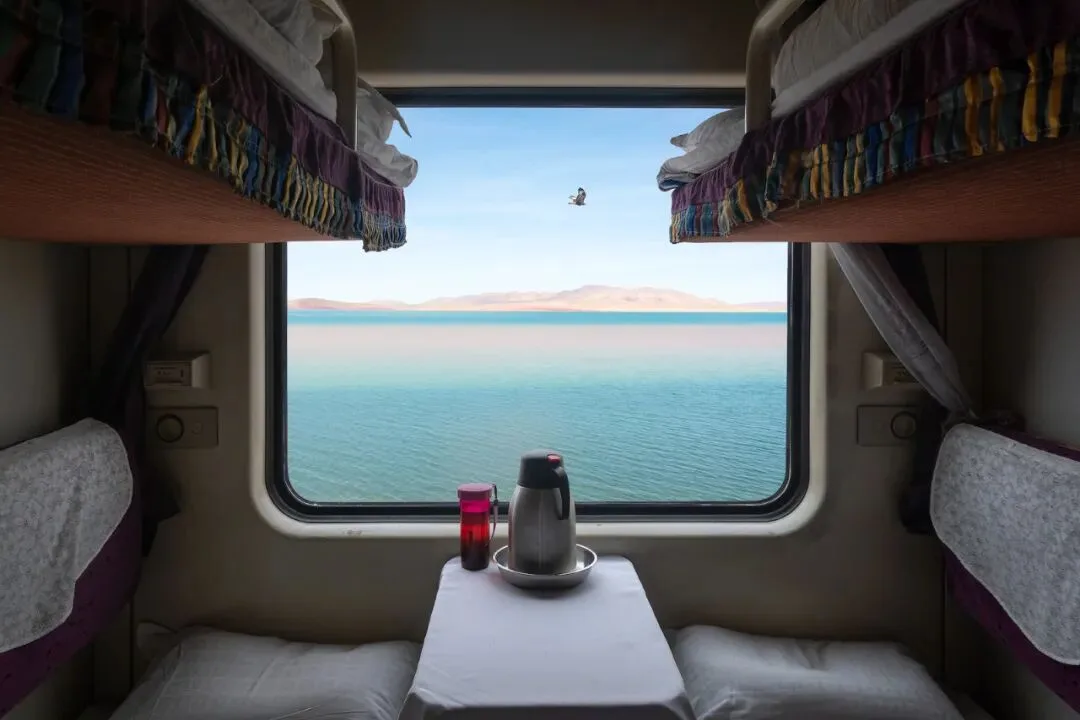
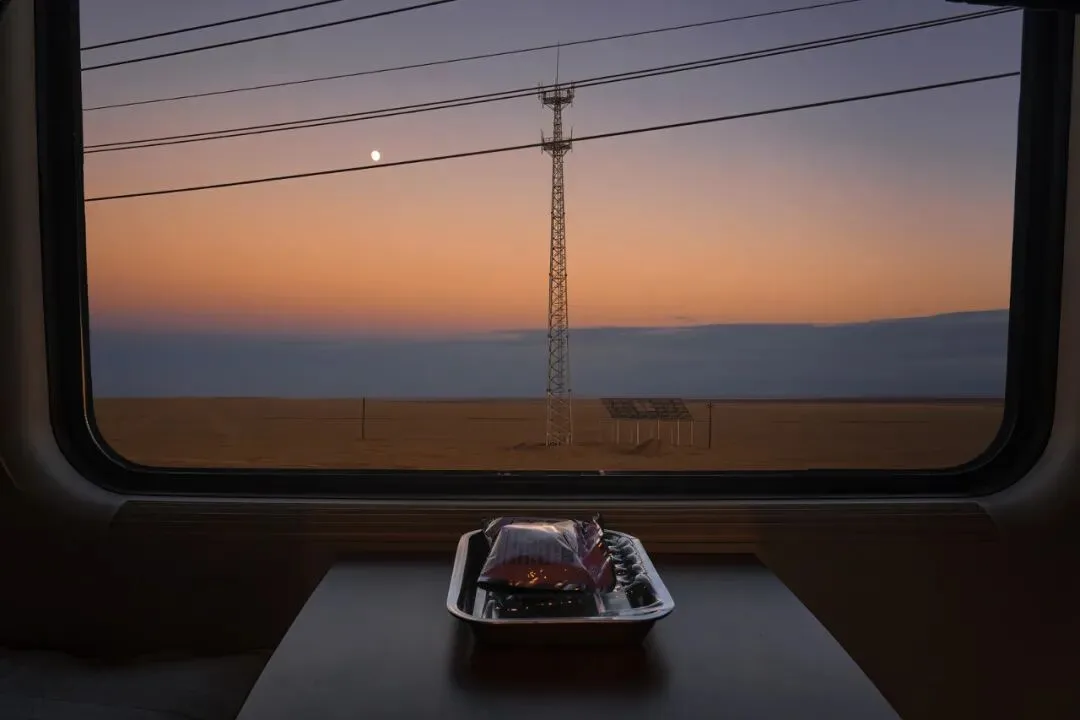
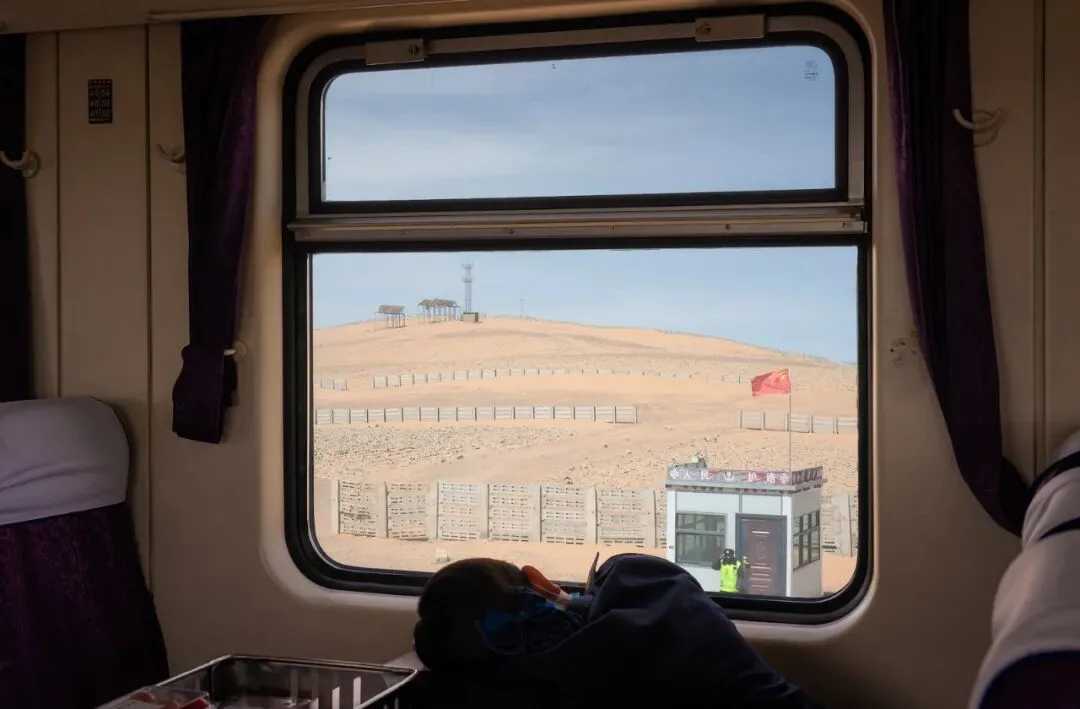
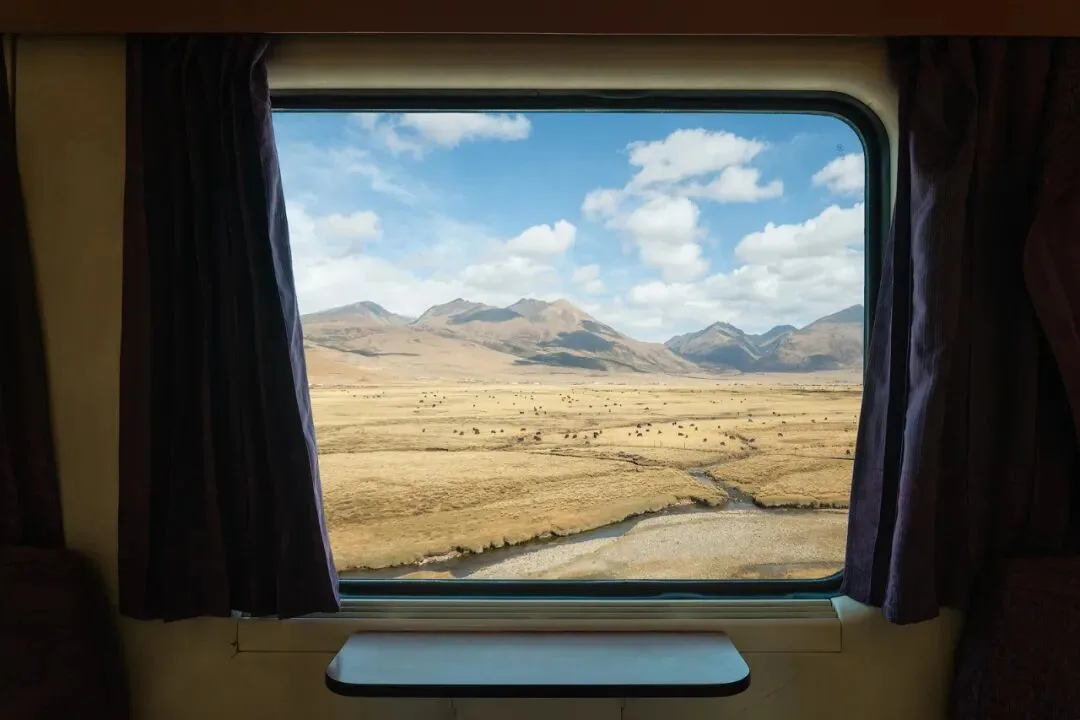
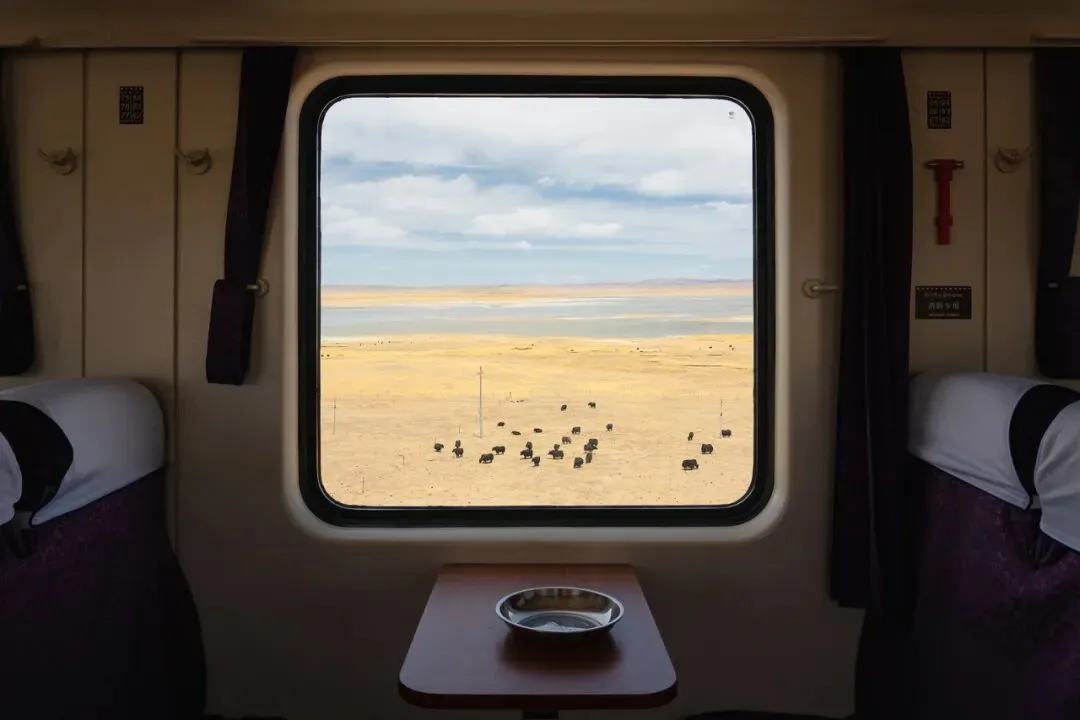
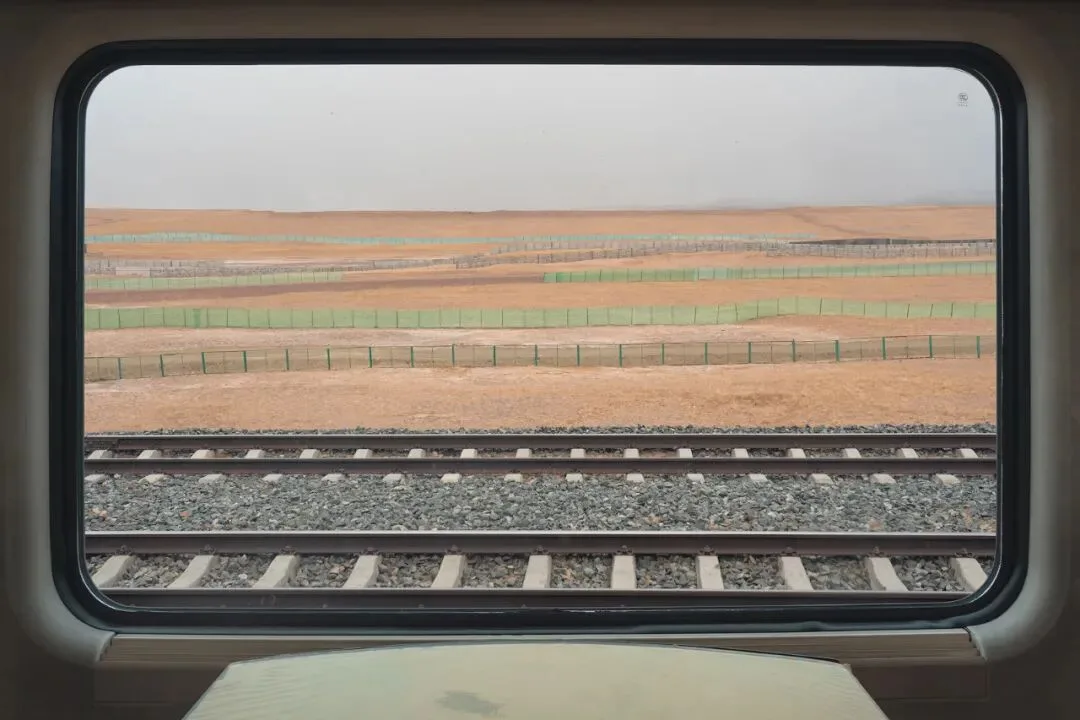
China by Train — reader submissions
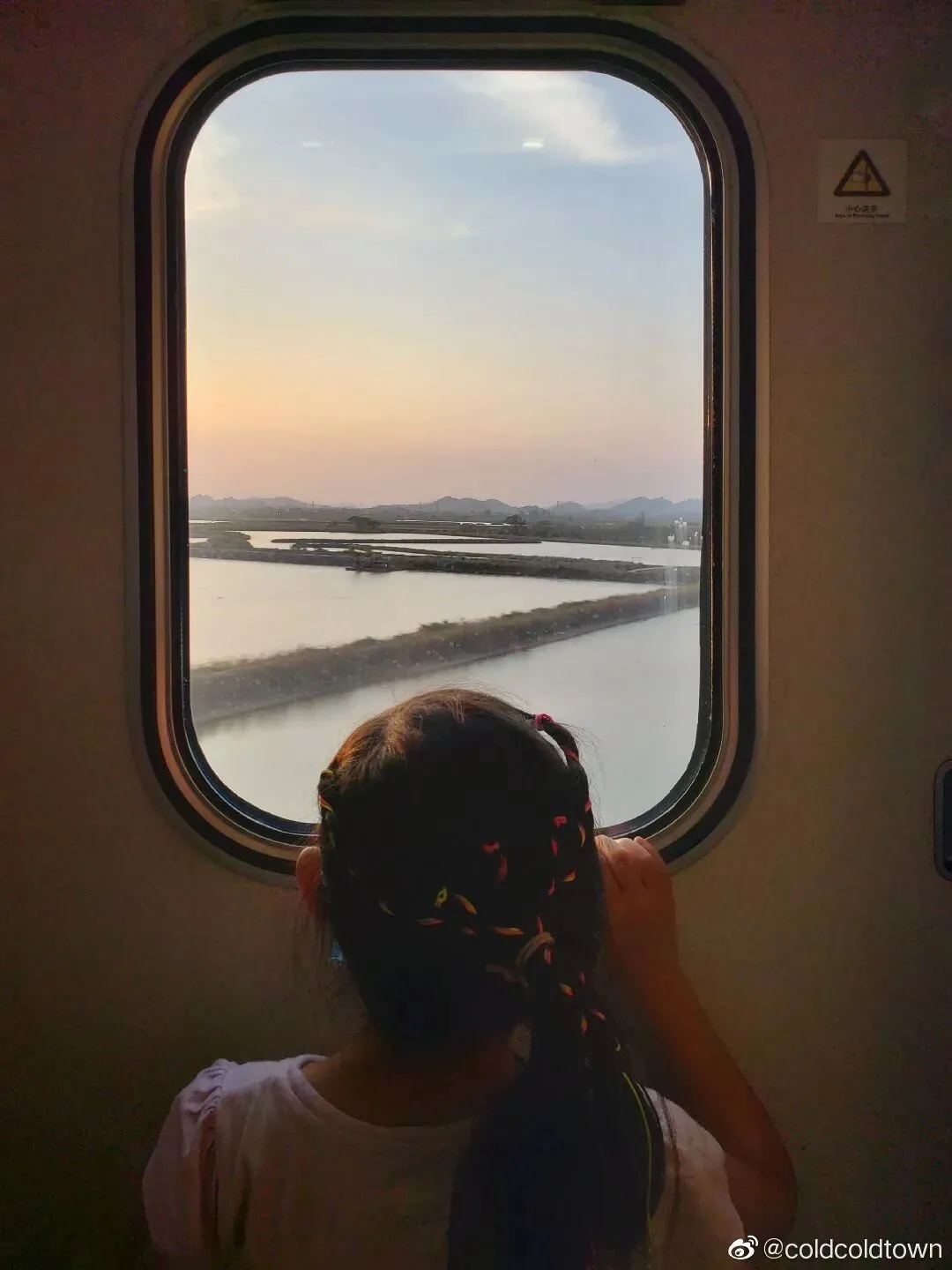
@coldcoldtown
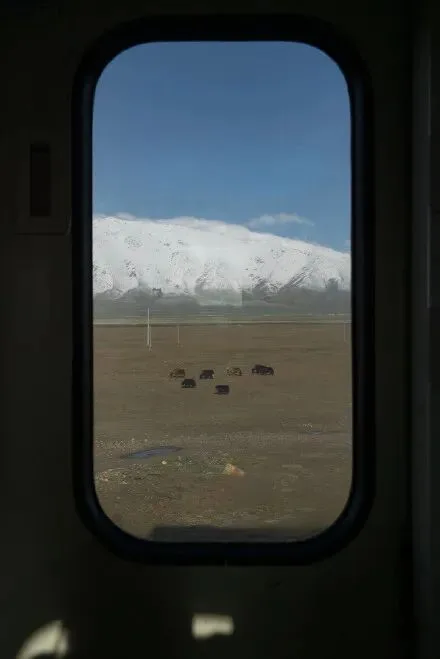
@LeJardinDeWen
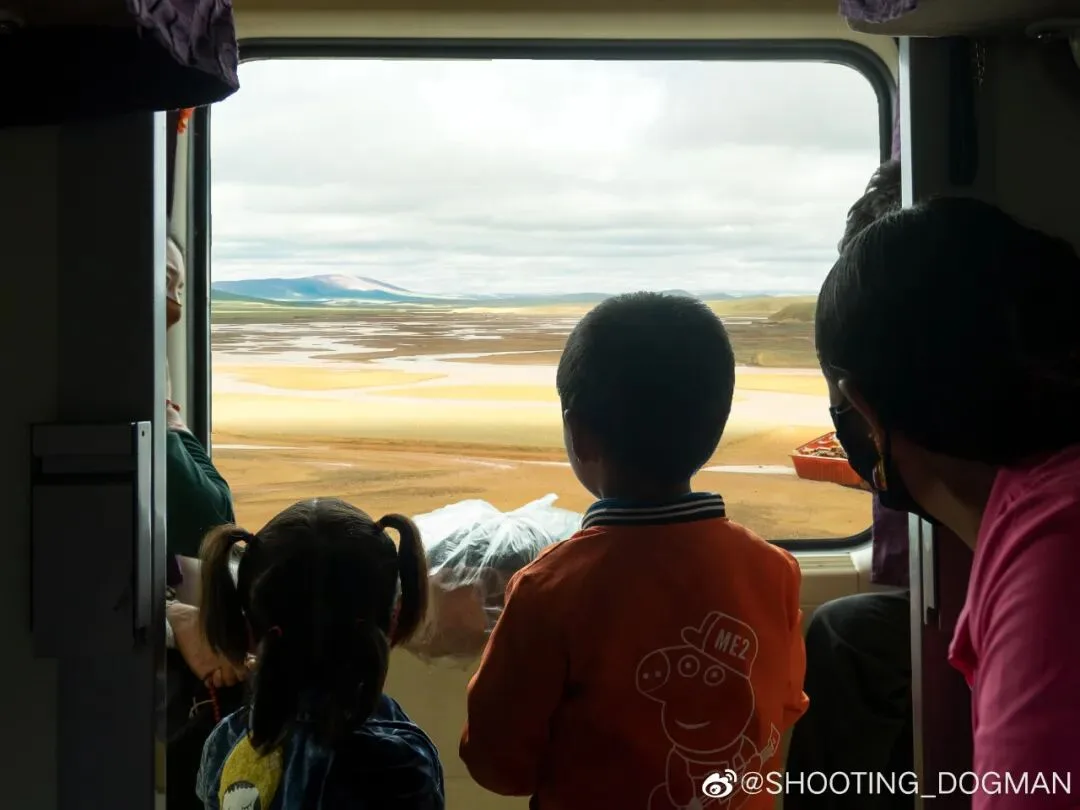
@SHOOTING_DOGMAN
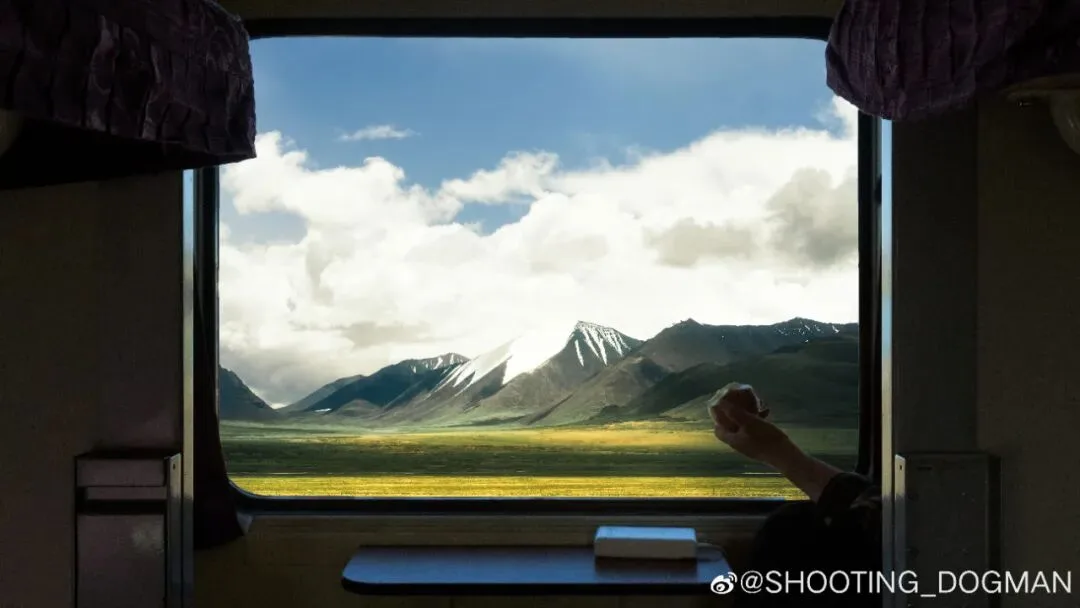
@SHOOTING_DOGMAN
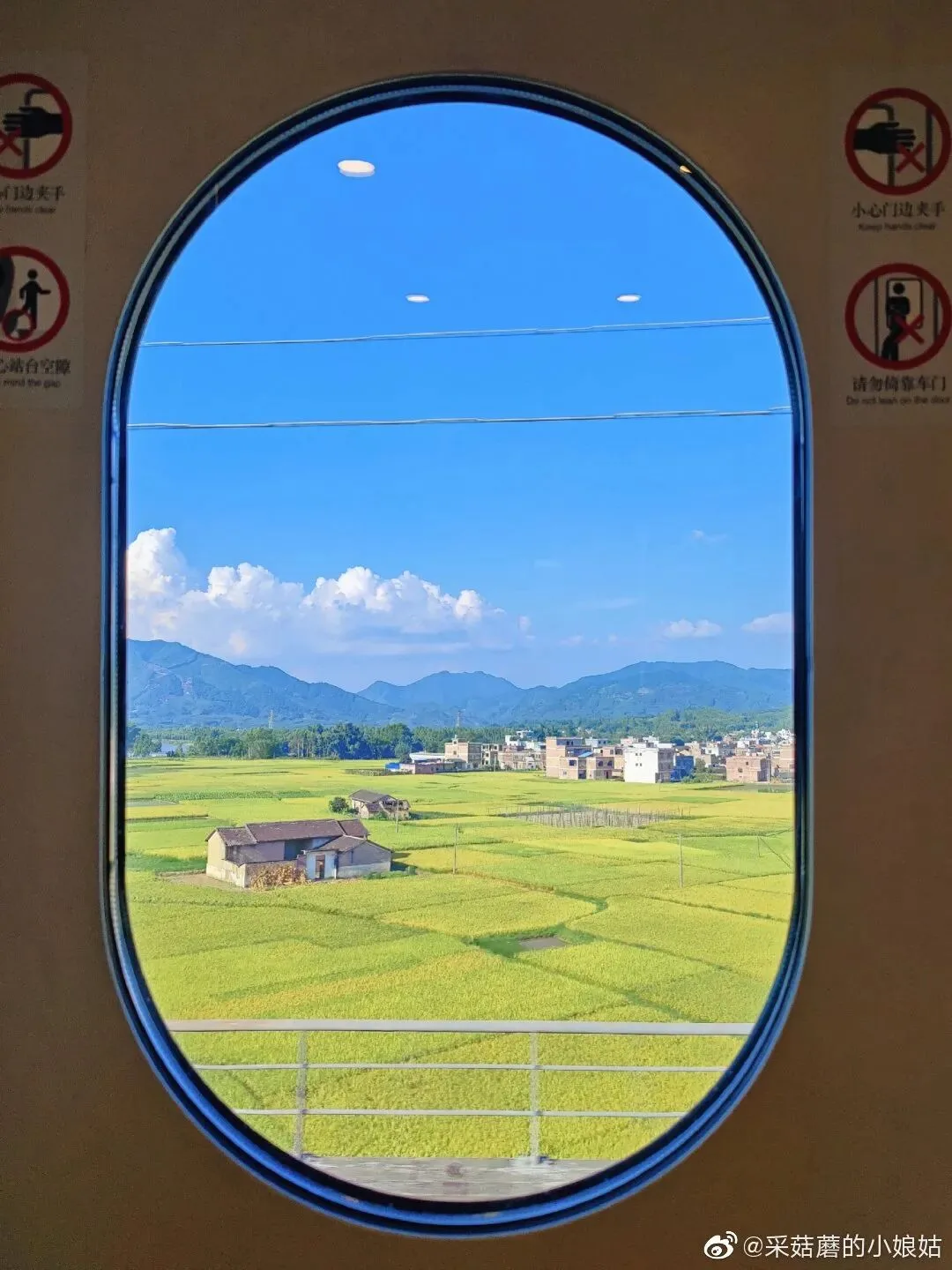
@采菇蘑的小娘姑
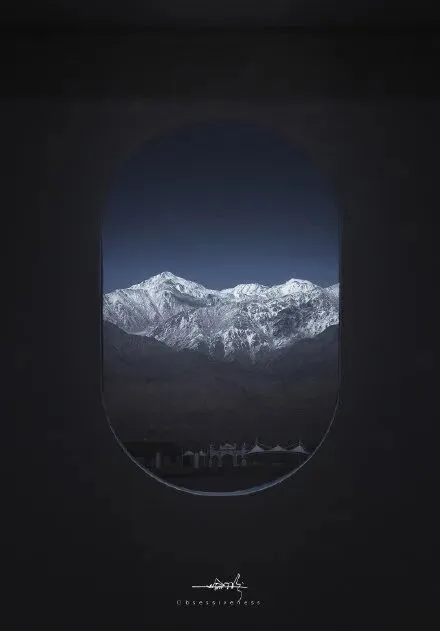
@喻晨轩ObsessiVeness
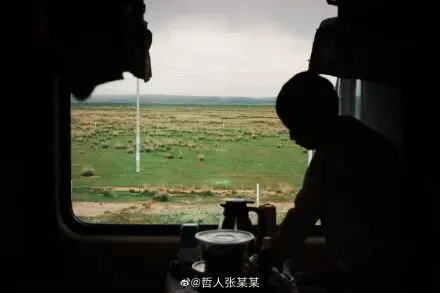
@哲人张某某
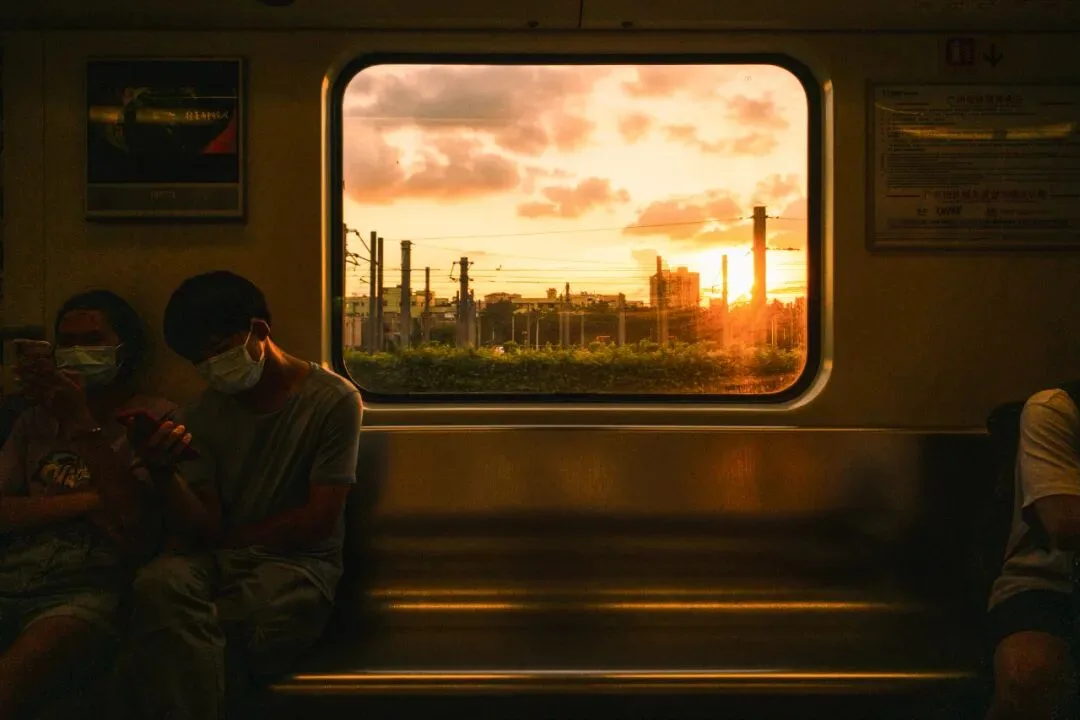
@AsIRam6 (Bilibili)
Main submission platforms:
Weibo #China by Train#
Kuaishou #China by Train#
Bilibili #China by Train#
Tuchong #China by Train#
Submission requirements: the view outside the window must be actually shot on a train within China (high-speed rail, EMU, regular train, light rail, subway, etc.). If the final image includes the train interior, the depicted train type should match the actual operation of the line where the exterior was shot.