Photography Tutorial · 2017-05-12
How to Take Great Travel Photos in Crowded Places
Friends often ask me about shooting self-portraits at tourist spots — but as a landscape dog, how could Thomas possibly have experience, hahaha.
So today I've invited Wei Yishan to share with everyone — they say she's the girl who knows selfies best on Zhihu~
How to shoot in crowded places — I'm practically a professional at this kind of photo. Every trip is a battle against wave after wave of crowds, so everything you'll see below is written in the photographer's blood and tears!
First, let's narrow down what "crowded places" means: busy attractions with a constant flow of people, where other tourists affect your shots. Not somewhere utterly deserted, and not the special case of a stampede-level crowd — but situations where shooting techniques and post-processing can make your photos look empty of people.
Next, we enter the world of people-people-people-scenery-people-people-people:
The Forbidden City in Beijing, Shinjuku and Akihabara in Tokyo, Saint Sophia Cathedral in Harbin, the Ruins of St. Paul's in Macau, the Grand Palace in Thailand, the Avenue of Stars in Hong Kong — every one of these names sounds like a sea of people.
The wrong examples below were found online; the good ones are my own photos, mostly self-portraits.
1
Find Different Angles
This is actually a photographer's most crucial skill, combining two concepts: location choice and composition. When you arrive somewhere so crowded it affects your shooting, the first thing to consider is how to use different angles to produce unique photos.
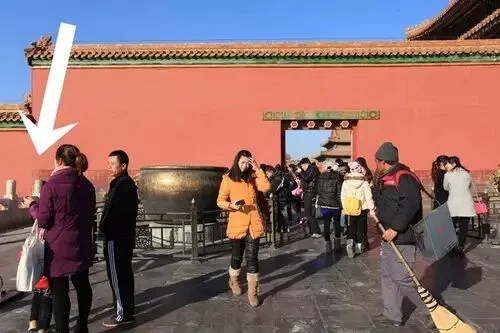
First up, photos of the great Forbidden City. As everyone knows, it's packed with people on each of its 300-plus open days a year. It generally looks like this:
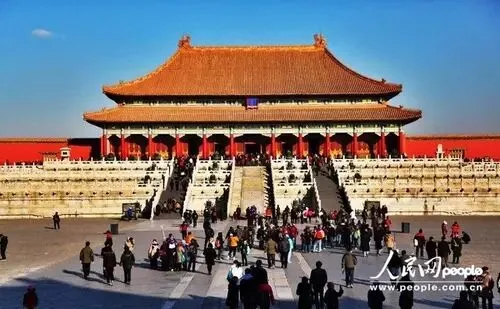
Image from the internet
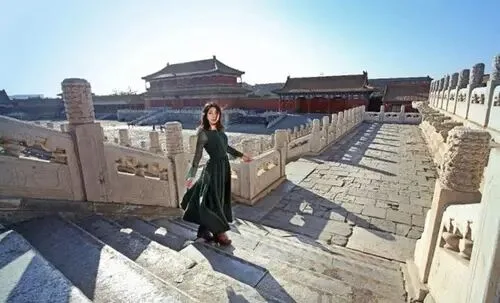
But what I shot looks like this:
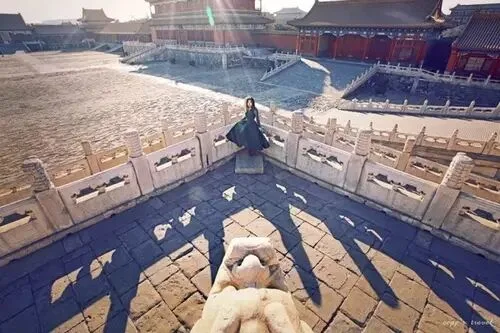
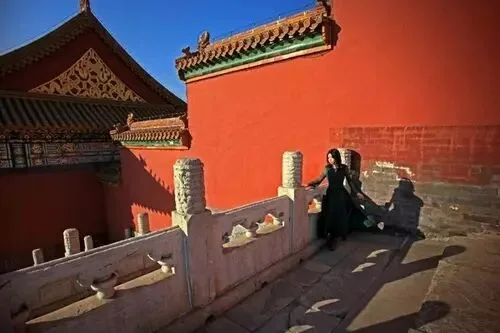
Many people questioned this set — how could I possibly capture the Forbidden City this empty? Did I go after closing time? Heaven be my witness, I went on a weekend afternoon like everyone else and it was crowded. I simply chose different angles: no head-on shot of the Hall of Supreme Harmony, no earnest shot of the central axis. Avoid the crowds, and you capture different photos.
This photo is right there — offset from the tide of people, shooting the layered palaces behind. It still shows the Forbidden City's grandeur, but with no people!
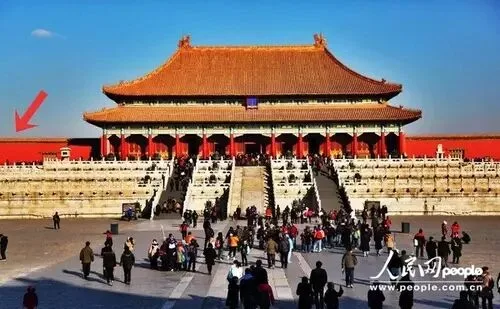
Image from the internet
This photo is from there too — even facing that terrifying tide of people, that pillar has stood solitary for a hundred years!
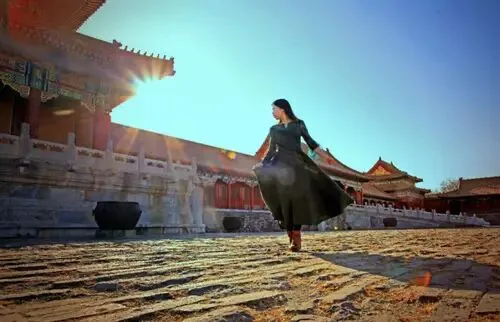
As long as you offset from the central axis and shoot toward the sides, you can get shots like this.
And when photographing scenery, this kind of angle matters even more.
The Ruins of St. Paul's in Macau, as everyone shoots it, look like this:
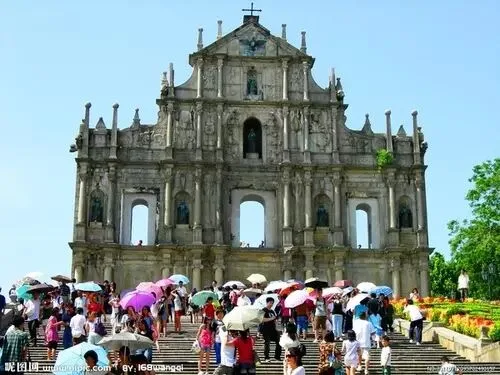
Image from the internet
Actually, just change the angle and you can shoot this:
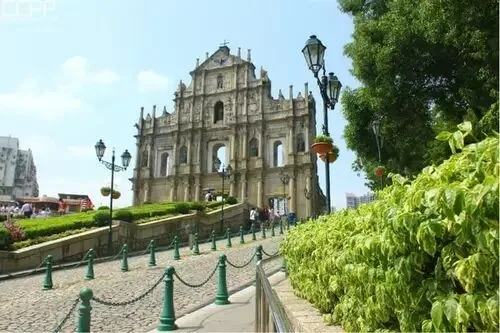
To find this angle I seriously got sunburned to death...
Look for quiet spots around the attraction and find a good foreground, and your photos will rise above the sea of people.
2
Minimize the Impact of People
When people will inevitably appear in your frame, work hard to minimize the tourists' impact — or treat them as a very small element. Do everything possible to make yourself stand out.
The great Forbidden City again:
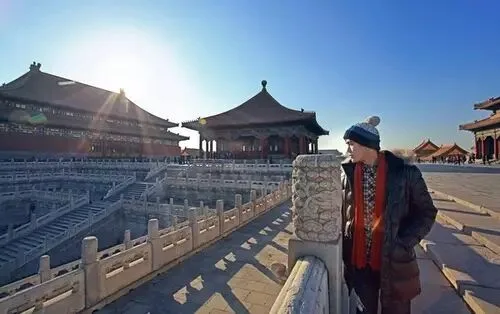
This was shot for my best guy friend. You can see the dense crowd behind him, but those "ants" don't diminish his handsomeness one bit!
Akihabara, Japan:
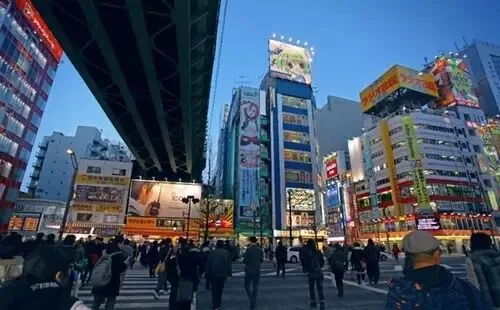
This is one of Japan's most densely populated areas. I took this while crossing the street. Since the people are essentially in shadow and pressed low by the upward angle, they don't affect the image's overall feel.
3
One word: wait
I know some of you want to flip the table and say "isn't that obvious?" — hold on. Waiting has its techniques too.
1. Wait for a less crowded time slot
Everyone knows mornings and evenings are emptier than midday, and weekdays emptier than weekends. Shooting in low-traffic windows is still very worthwhile.
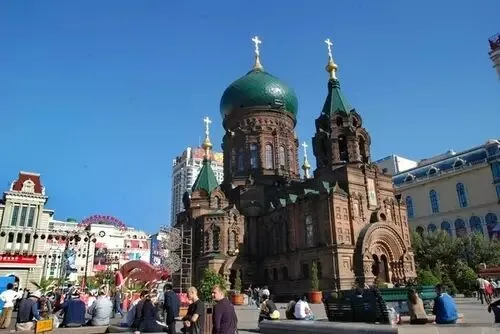
Image from the internet
Harbin's Saint Sophia Cathedral — everyone knows this place is Harbin's equivalent of Tiananmen Square. The crowds look like this: and because I waited until 9 PM to shoot, it looks like this:
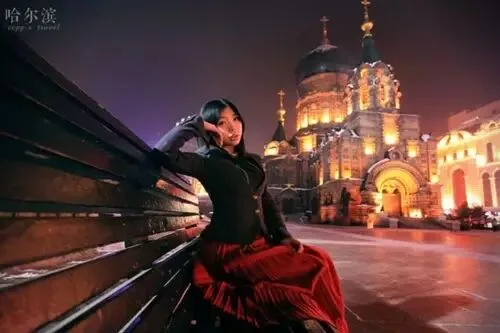
The chair on the right in the image above is the chair where I took my photo.
Later I also shot this:
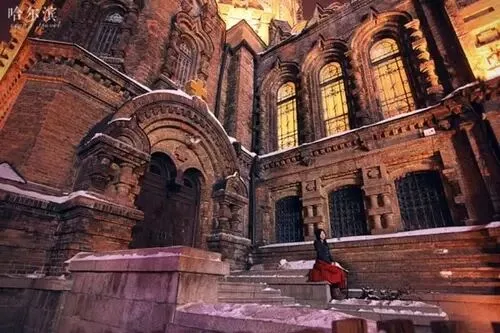
In addition, using different angles, I shot this during the day while the place was packed:
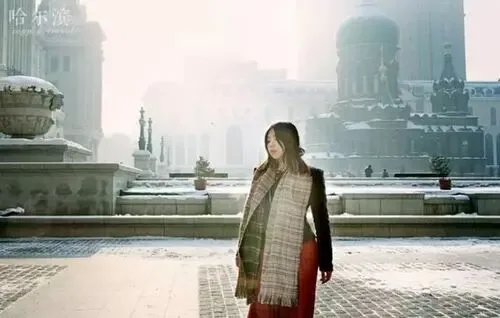
The square behind is full of people!
2. Wait for the gaps between waves of people
In different places, crowd flows have different rhythms. At certain large attractions, people arrive in waves — wait for the gap between two waves and you'll capture far fewer people than most!
Shinjuku in Tokyo is Tokyo's most crowded place; the commuter tides come like war chariots, like this: (I shot this too)
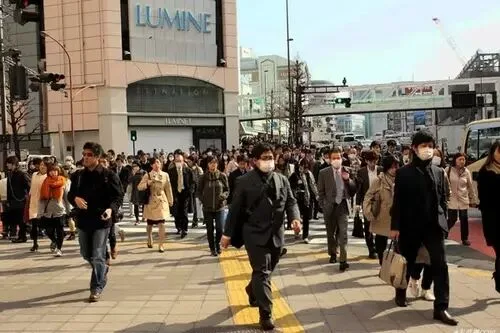
But in fact, these tides follow patterns — one wave per train, one per traffic light. I waited one traffic-light cycle and captured this:
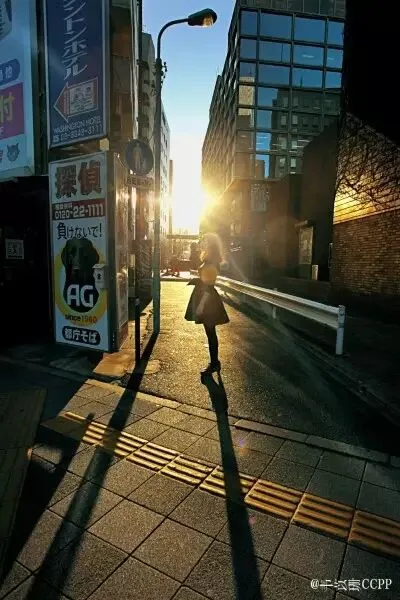
Isn't it magical?
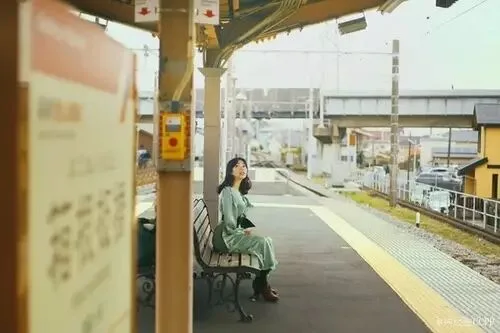
Japanese train stations quiet down after each wave of passengers exits — that's the time to shoot.
4
Shoot from a Low Angle, Camera Tilted Up
No matter what, crowds stay on the ground — lift the camera and the people disappear. But low-angle shooting requires managing distortion, and making the scenery cooperate well with the sky.
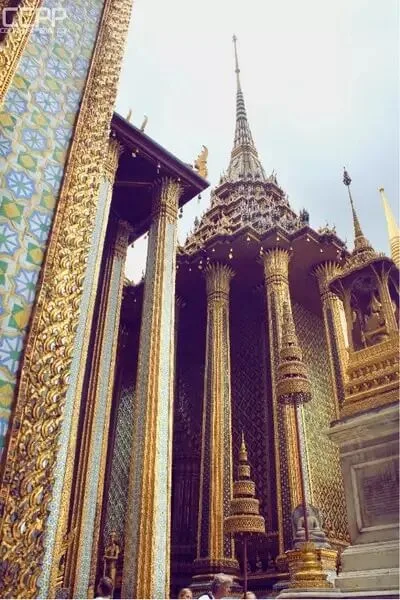
The Grand Palace in Thailand has crowds to rival our Forbidden City, but fortunately its buildings are the extending kind, perfect for upward shots. You can see a few foreigners' heads at the bottom of the frame.
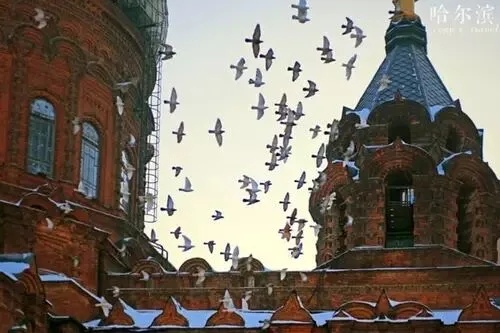
Saint Sophia Cathedral in Harbin again — pigeons against the sky work beautifully. Lens distortion was corrected in post for this image.
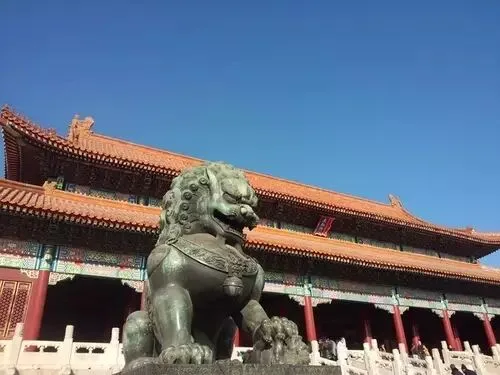
Aren't you all trying to shoot the Hall of Supreme Harmony? It can be shot like this.
5
Shoot with a Wide Aperture
A wide aperture or a long lens blurs the background, reducing the damage tourists do to your frame.
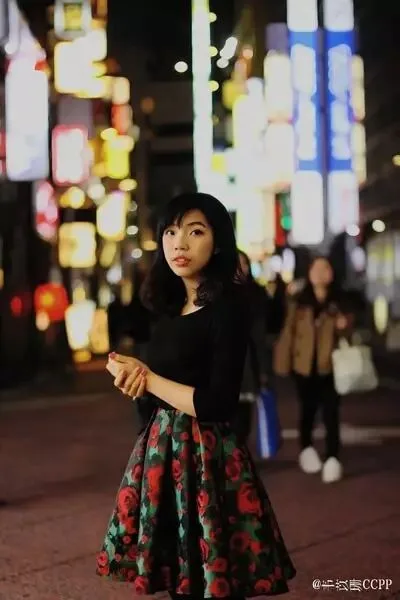
A wide aperture can blur out the people behind you. This photo used an f/1.8 aperture, and the girl behind me was mercilessly merged into the lightbox by the lens. One technique here: keep as much distance as possible between yourself and the people behind you, or they won't blur out.
6
Long-Exposure Shooting
Long exposure is a technique often used in landscape photography, but I find my own landscape long exposures are all traffic trails, so I won't show them here.
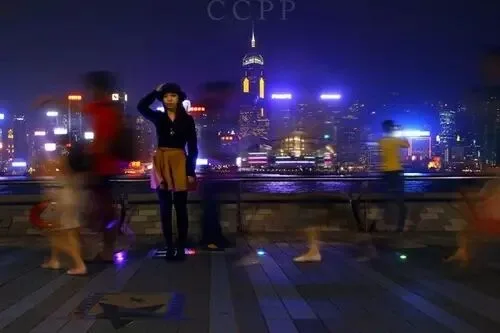
Long-exposure shots of yourself among crowds don't really work: staying still isn't easy, and staying still in a crowd looks bizarre. Searching high and low, I only found this one from many years ago (truly many years) on Hong Kong's Avenue of Stars — I was so chubby back then! It made me look even shorter.
7
Use Post-Processing
We've been emphasizing minimizing others' impact on your frame, but sometimes a shot is a shot — and post can still help.
1. The clone stamp tool

It's this thing in the toolbar — it helps you remove the little dots of people, like this:
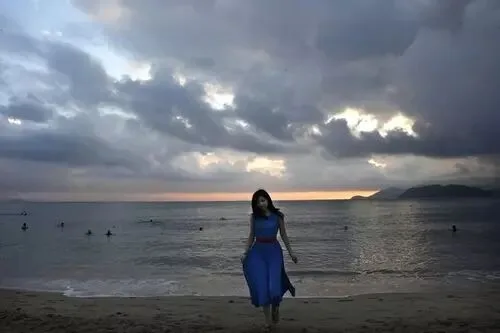
After selecting the clone stamp, hold Alt, move to the area you want to sample (such as the sea in the frame), release Alt, then click the thing you want covered (such as the person in the frame) — the person gets replaced by sea.
2. Simulating a long exposure
As mentioned above, real-world long-exposure selfies aren't practical — but you can simulate one in Photoshop.
Use a feathered lasso to circle the unwanted people, then go to Filter - Blur - Radial Blur, adjust the angle and amount, and you can turn people into a motion-blurred effect.
Conclusion
To get good photos in a busy environment, using your head matters most. Whether finding new angles at an attraction, waiting for the crowds to leave, or solving problems in post — all can be flexibly switched and combined in real shooting, and very often they work together. That's a great joy of photography — capturing a Forbidden City that has no one in it!
PS: Some of you suggested I wake up earliest and run fastest to shoot an empty Hall of Supreme Harmony — that's really just the evolved version of my "wait". But for ordinary tourists it's not so practical; at least I can't get up that early... and that window lasts only 10 minutes. It's best if you learn both tricks — and isn't discovery the greater joy of photography?
Of course, if you insist on shooting a people-free frontal Hall of Supreme Harmony in the afternoon... just time-travel!
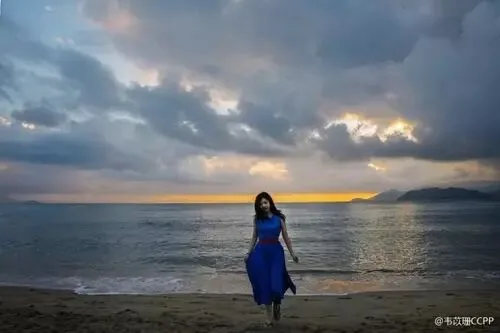
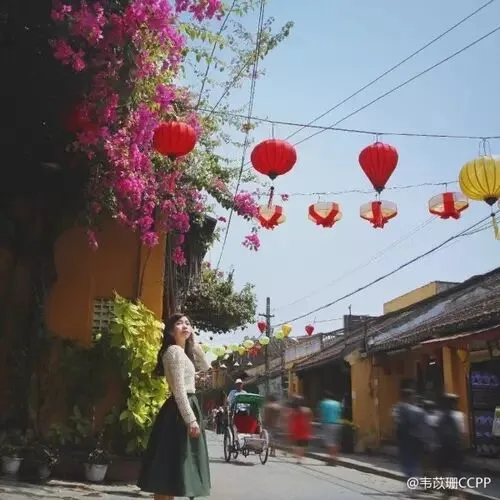
The beautiful author
▲ Wei Yishan
Editor at "Photography Friend" magazine
Painting, traveling, and selfie addict
Weibo: @韦苡珊CCPP
Zhihu: www.zhihu.com/people/wei-cc-99/
Follow @Thomas Chu Photo, and learn one photography skill every week.