Photography Tutorial · 2021-05-05
Visual Separation: A Key Concept in Portrait and Landscape Work
Thomas Chu Photo
Have you ever run into this problem: the scenery is clearly beautiful, yet the photo you take has no beauty at all — the frame is a tangled mess with chaotic layers?
Then you need to pay attention to a concept that matters in both portrait and landscape photography: visual separation!
Photography is about cutting a moment of order out of a chaotic world. The concept of visual separation has a major impact on both shooting and post-processing.
Video tutorial
▶ Watch the video tutorial on Bilibili
This is the fully illustrated companion to the video above. In nine minutes, Thomas unpacks "visual separation," a foundational concept for both shooting and post-processing: what separation is, the three tools — tone, color, and texture — plus before/after case studies from Furong Town, a lakeside castle, and Mount Fitz Roy. Keyframe screenshots accompany the whole text: skim here for the framework, then hear the details in the video.
01 What Separation Is: Pulling Order Out of Chaos
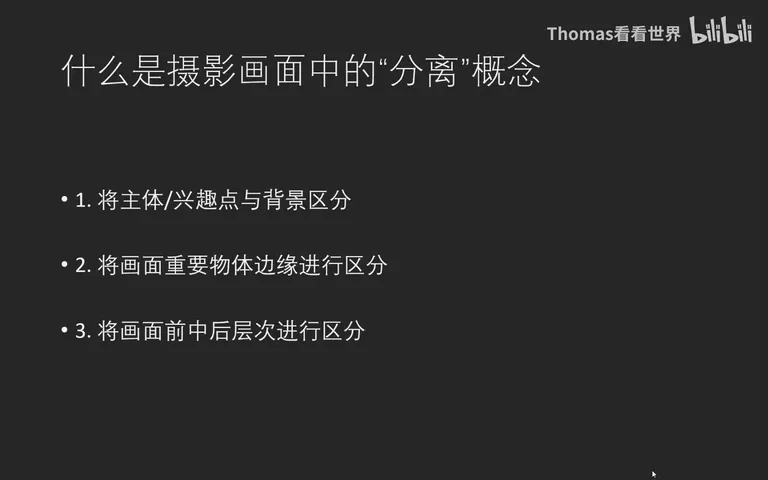
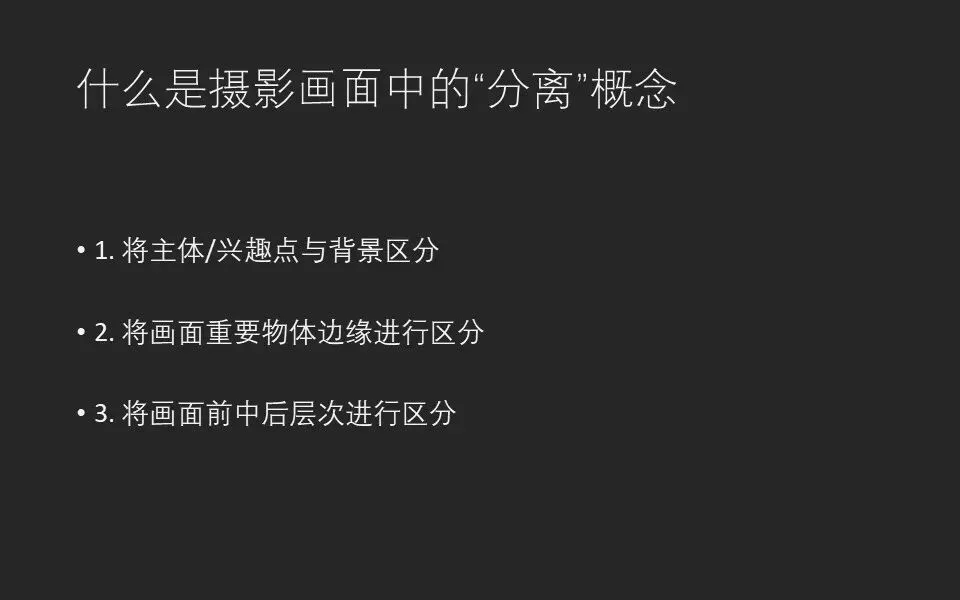
Separation means three things: the subject and points of interest must stand apart from the background; the edges of important objects must be distinguishable from one another; and the foreground, midground, and background layers must be clearly staged (see the outline card at 0:24 in the video). They map to subject, edges, and depth — one concept expressed across three dimensions of the frame.

Photography, at its core, cuts a moment of order out of the chaotic world: things are jumbled together in reality, so you must watch for separation while shooting, or create it afterwards in post (at 0:53 in the video). When a beginner's photo looks like "a tangled mess with chaotic layers," this missing step is usually the culprit.
02 Post-Processing in Practice: Tonal Separation in Furong Town
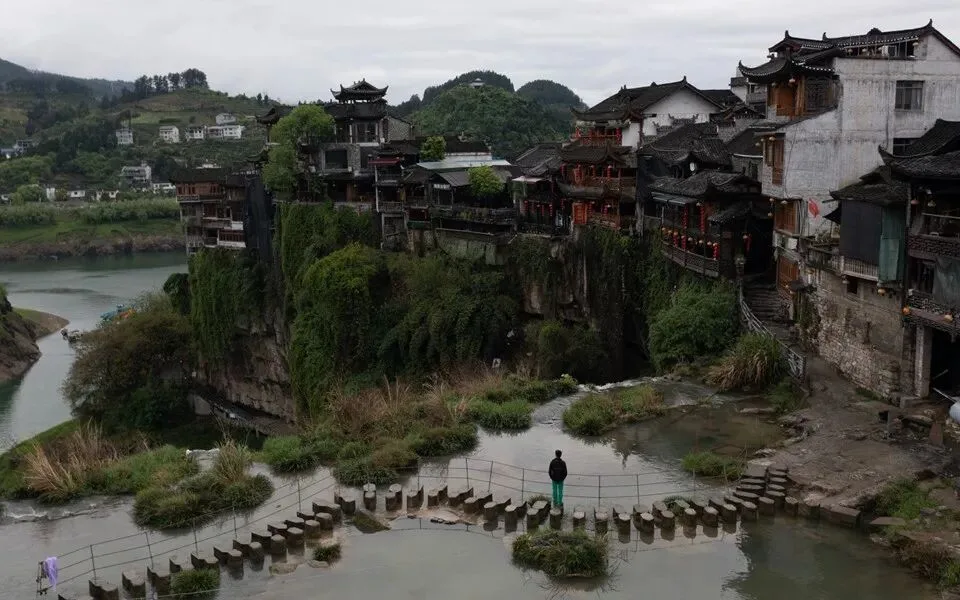
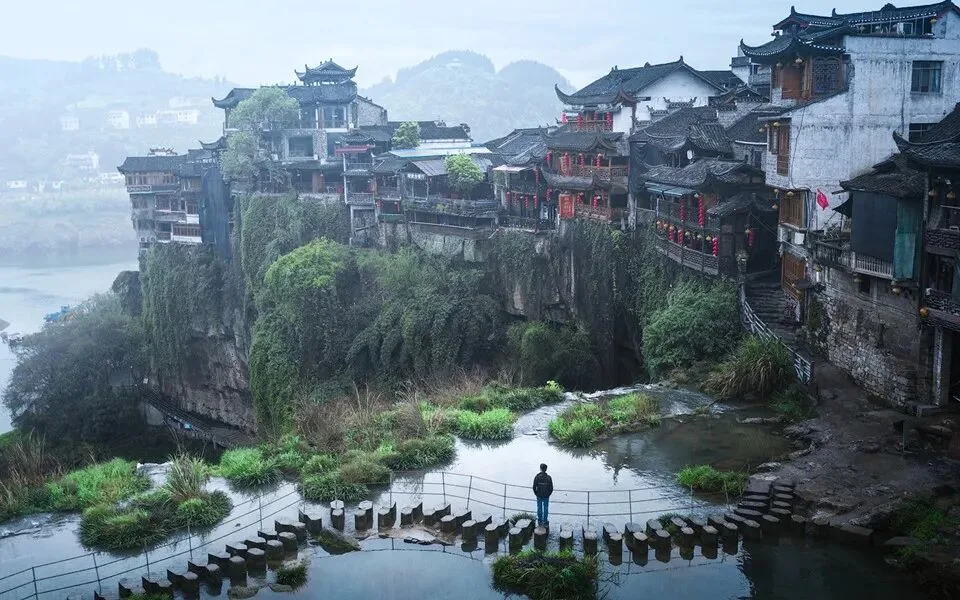
The first case study is Furong Town in Hunan. Straight out of camera the frame is uniformly warm, hazy and chaotic, with no atmosphere at all; without any separation work in post, it stays a mediocre snapshot (at 1:56 in the video).
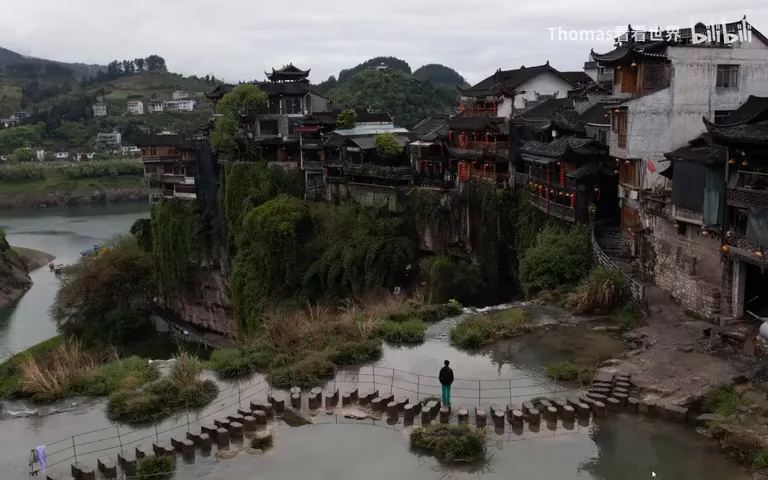
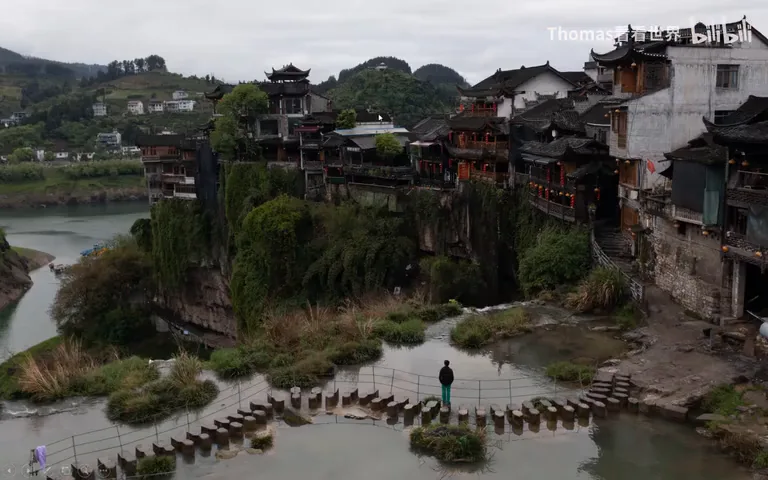
The first move is subject separation: brightening the stretch of water behind the figure, so the dark person against the luminous water creates a tonal contrast that pops the subject right out of the scene (at 2:17 in the video).
Then come depth and texture: darkening the foreground while lifting the background makes the near-middle-far staging obvious, and blurring the messy hillside behind the buildings restores their crisp edges, layering the textures of the whole frame (at 2:39-2:57 in the video).
03 Color Separation: Warm-Cool Contrast Makes the Subject Pop
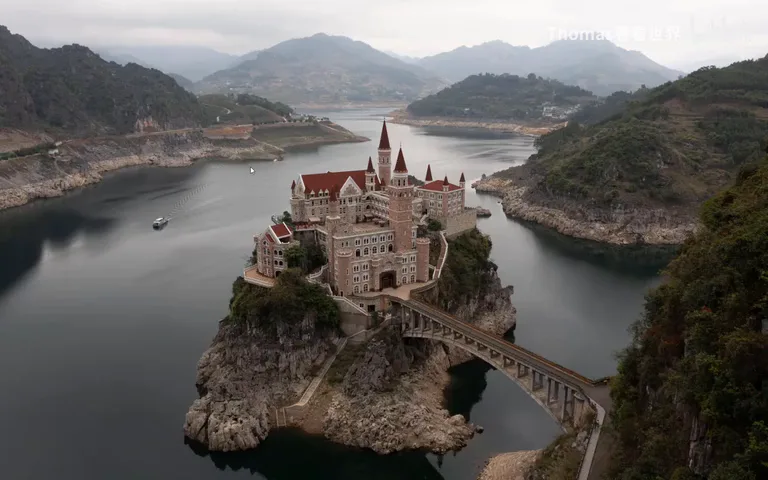
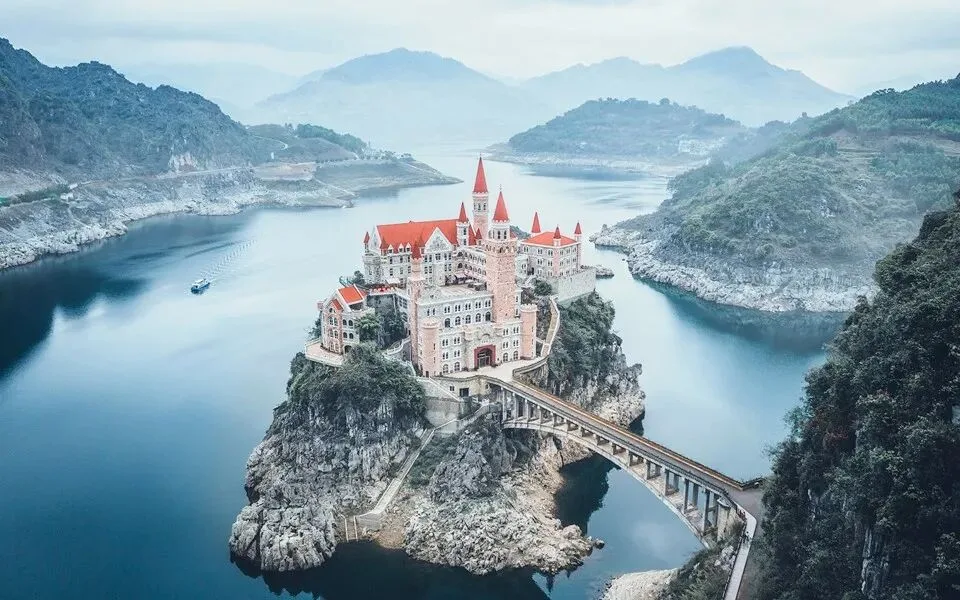
The second case is a lakeside castle. In the original everything sits in the same warm, muddy register — the castle is prominent in the composition, but not prominent enough. In post, the subject's colors are pushed richer and redder while the entire background is pressed into cyan-blue; with warm against cool, the subject separates from the frame (at 3:21-3:56 in the video).

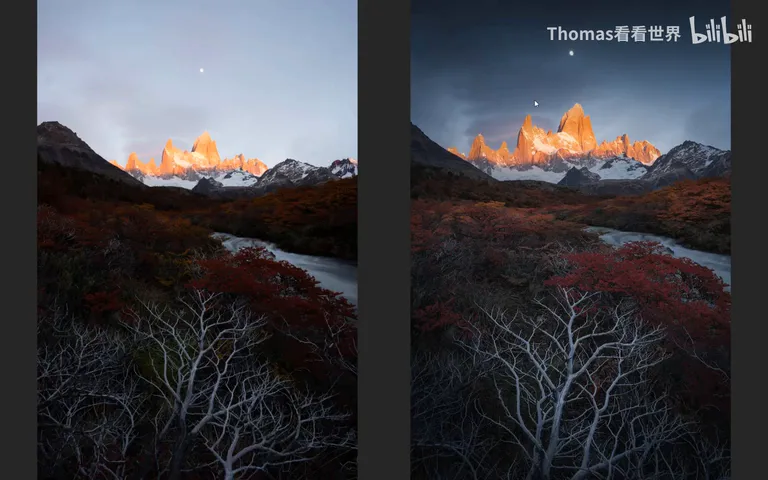
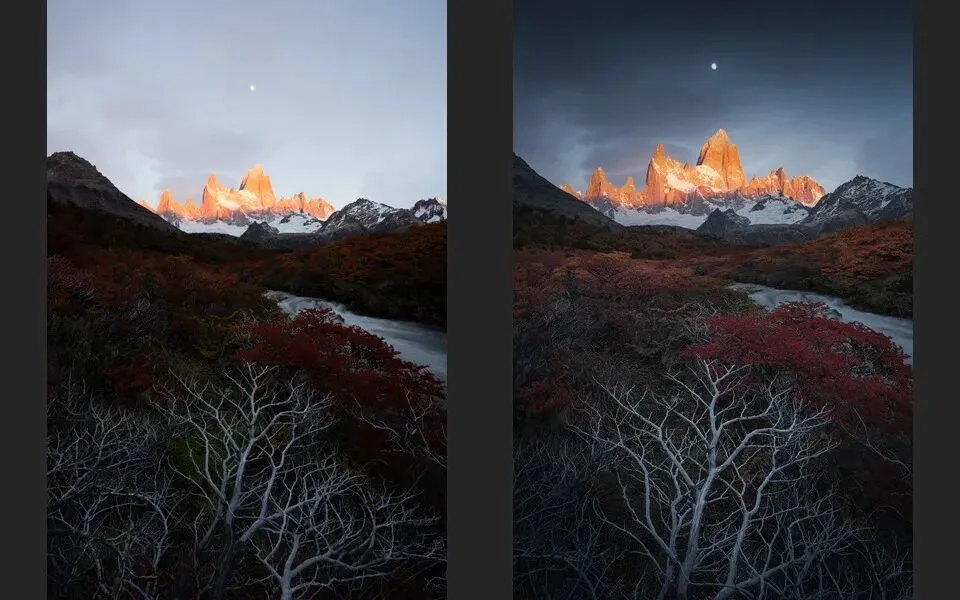
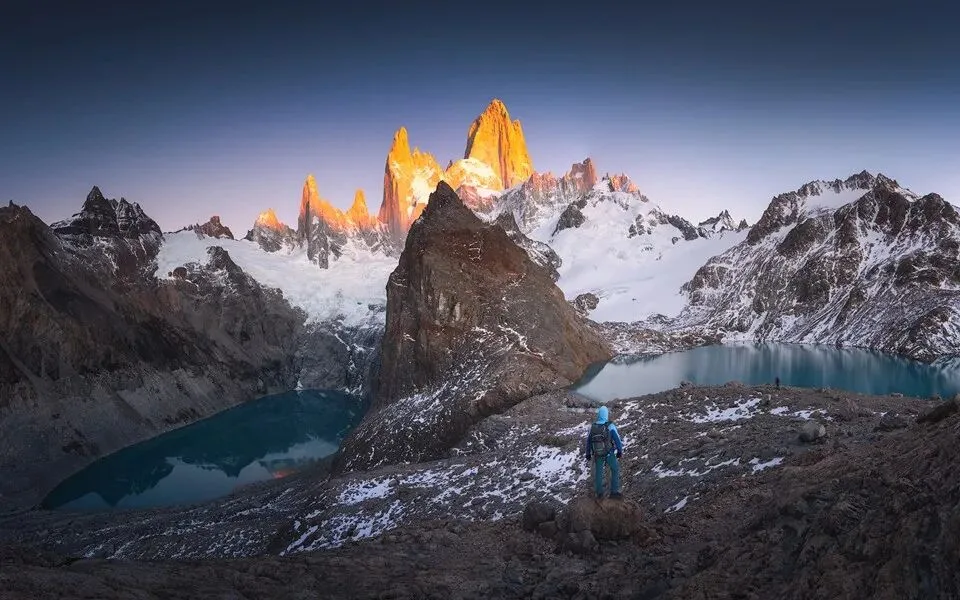
The same logic drives landscape grading. People often ask why Thomas keeps his skies blue and dark: it is to build a double separation in both color and tone against the bright, warm snow peaks, which automatically clarifies the layers and objects in the frame (at 4:00 in the video).
04 Texture and Edges: From Landscape to Portrait
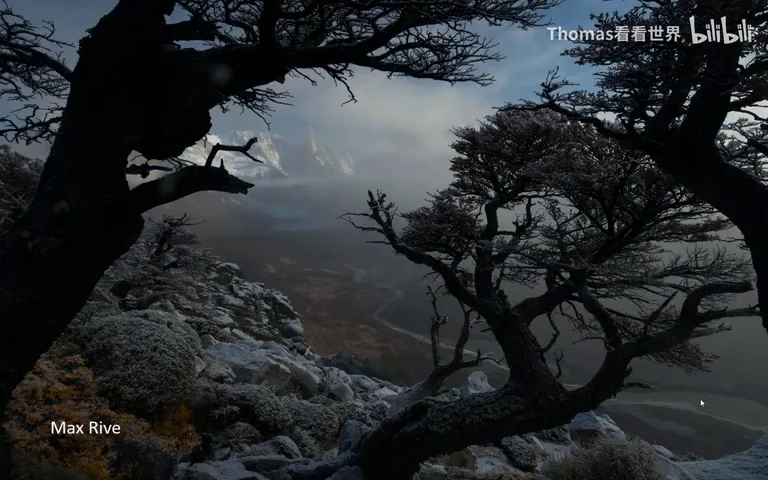
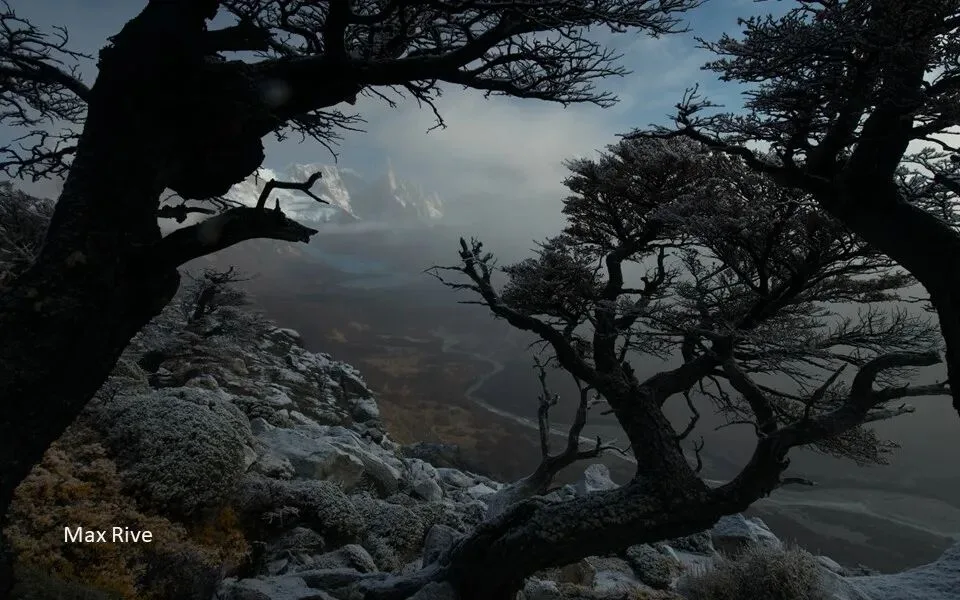
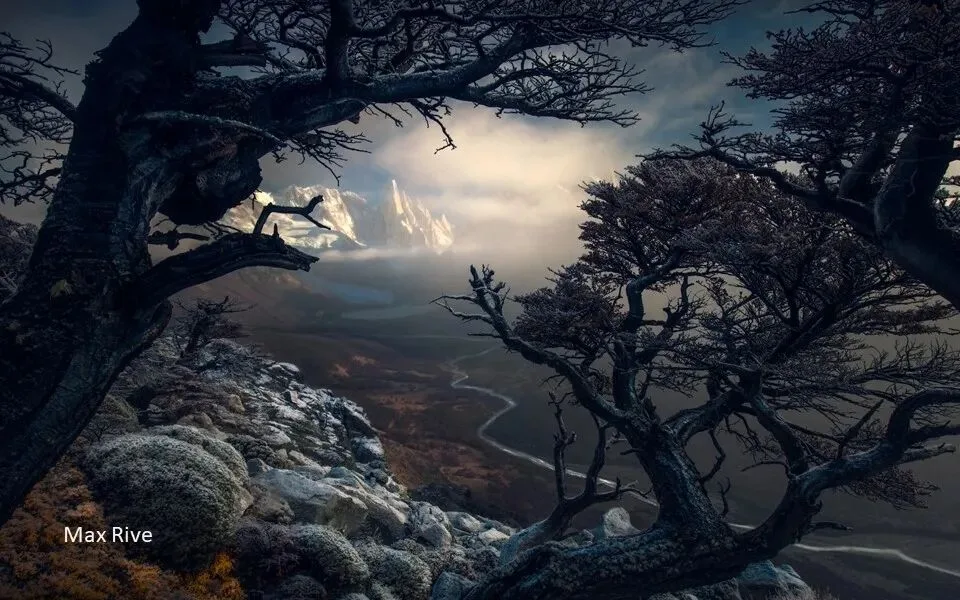
The third tool is texture. In this course photo made with Max Rive, a river that once blended into the murky background becomes prominent through brightening: the river is cool, the surrounding grasses warm, while each rock gets its edges dodged and burned to carve out contours that were previously one blurry mass (at 4:19-5:03 in the video).
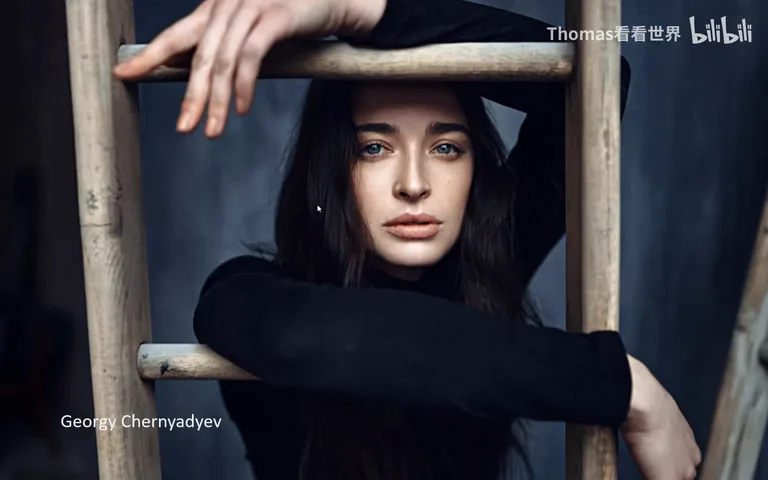
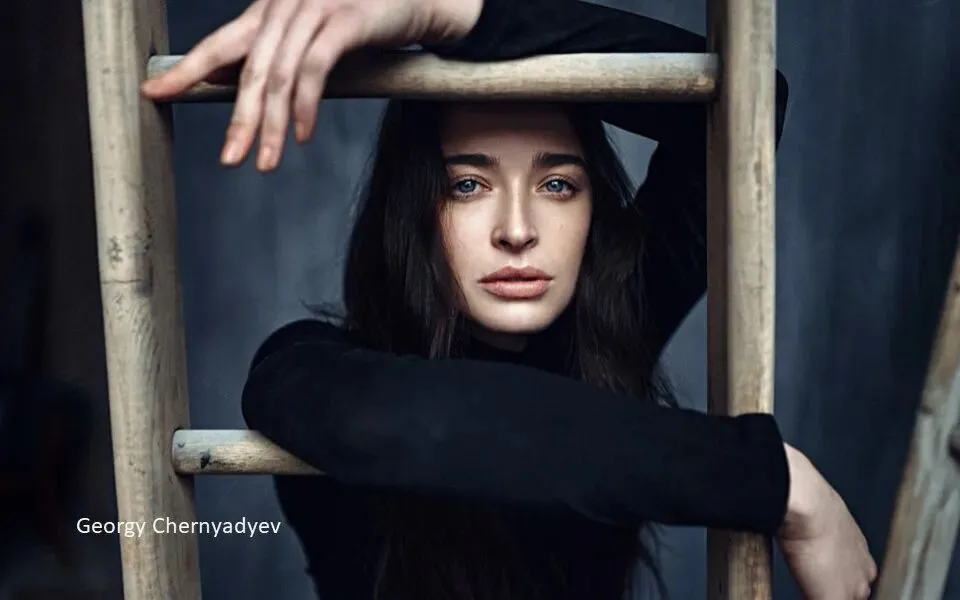
Portraits work the same way. In this image by Georgy Chernyadyev, the warm wooden ladder separates from the cool background through lighting in-camera and grading afterwards; and although the ladder and the face both live in warm tones, the skin's texture, light and saturation run noticeably higher, so the two still read apart (at 6:16 in the video).
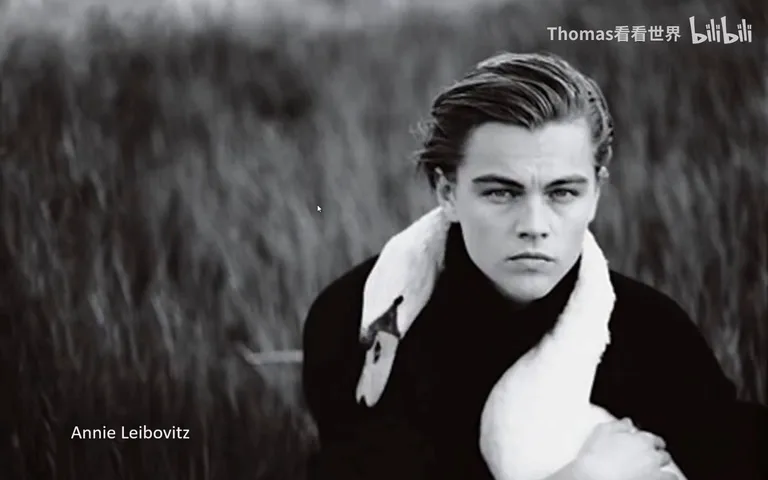
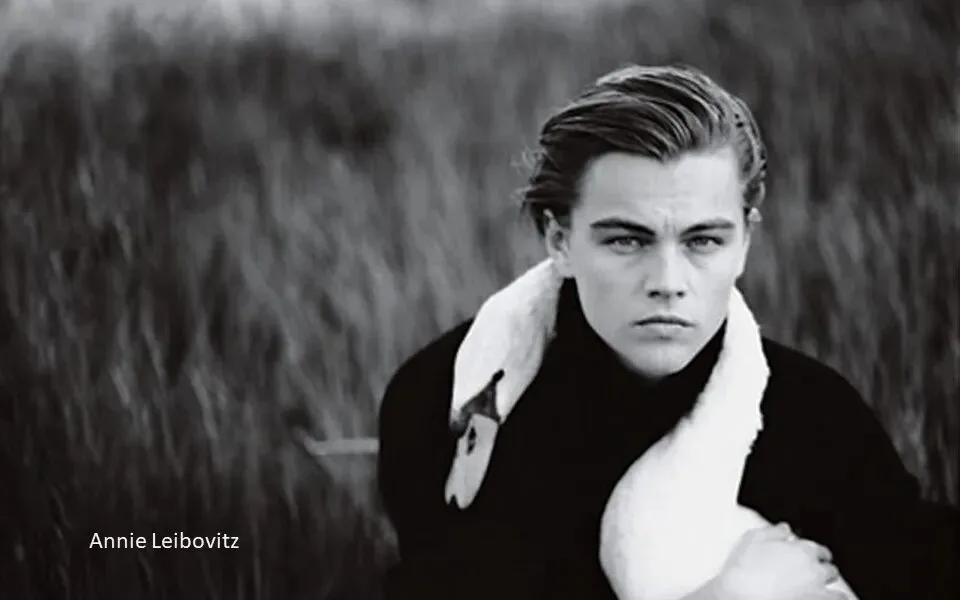
This classic Annie Leibovitz portrait is a textbook of texture separation: the pure-black clothing and porcelain-white face form two flat blocks of color that contrast with the blurred, richly textured grass behind — the subject stands out without any gimmicks (at 7:09 in the video).
05 Separation in the Field: Light, Fog, and Clothing
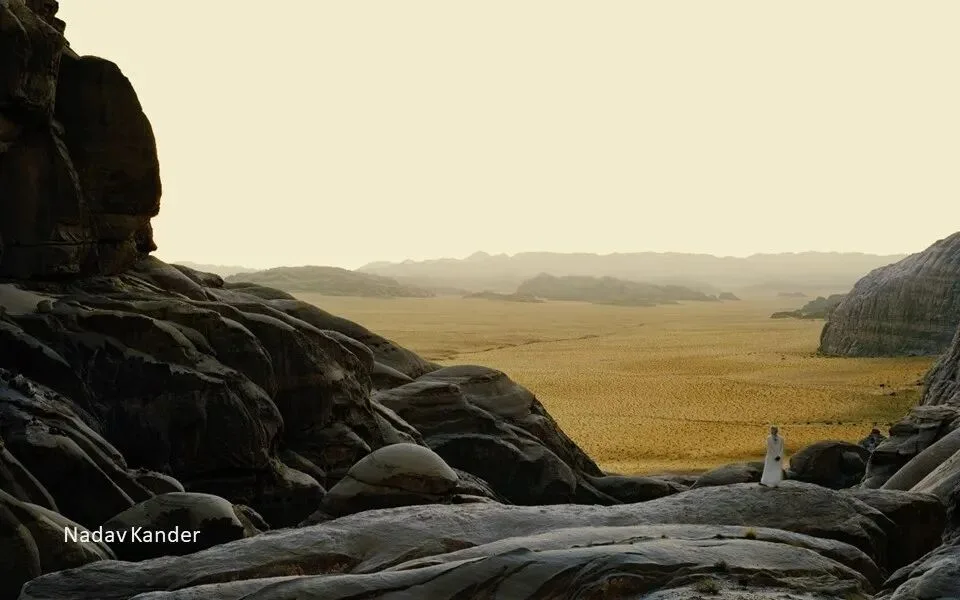
Separation is not only a darkroom game — natural light does it for you. Landscape photographers love sunrise: sunlit areas turn bright and warm while everything else falls into quiet, darker cool tones. Once the sun climbs and lights every rock on the ground, nothing stands out; the magic moment is when the terrain still sleeps in shadow and only the high peaks are lit — tonal and color separation at their strongest (at 5:06 in the video).
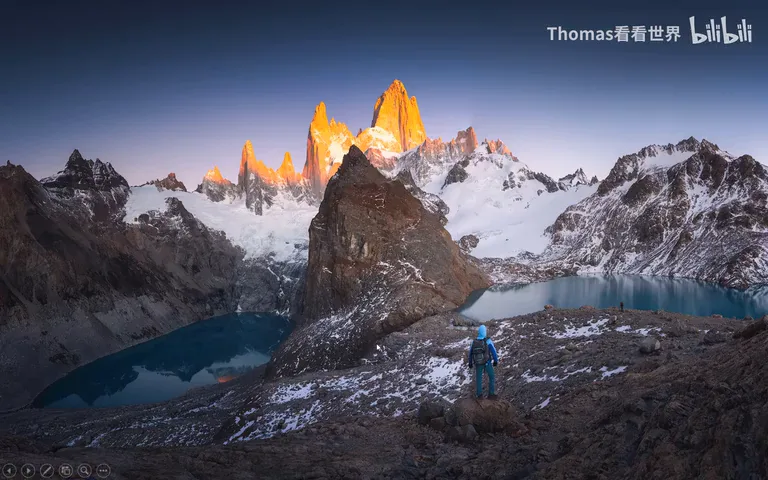
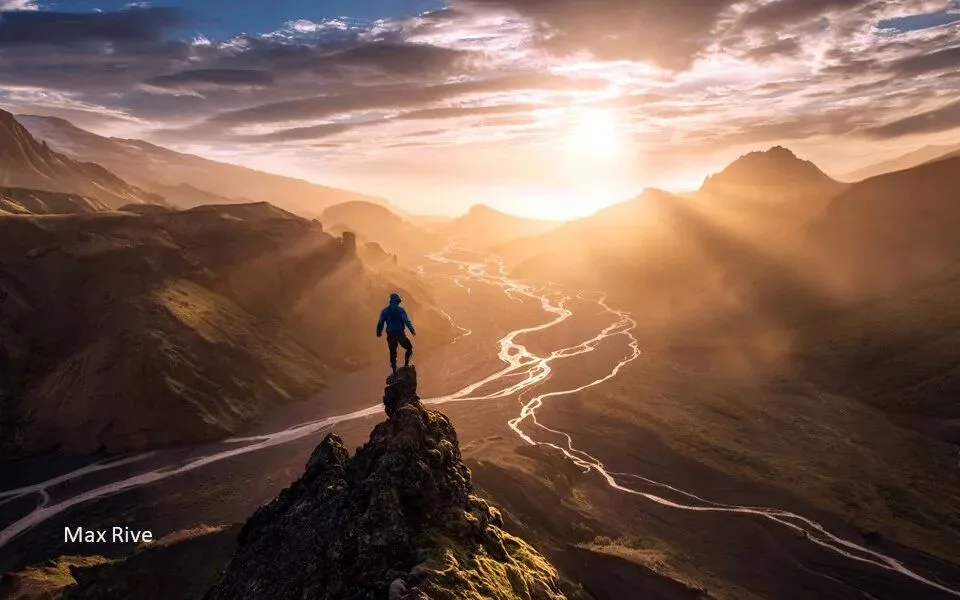
It also explains why so many outdoor photographers favor cool-toned shells: at sunrise and sunset the background turns warm, and only cool clothing separates from it. If you shoot portraits, wardrobe choices deserve the same reasoning (at 5:47 in the video).
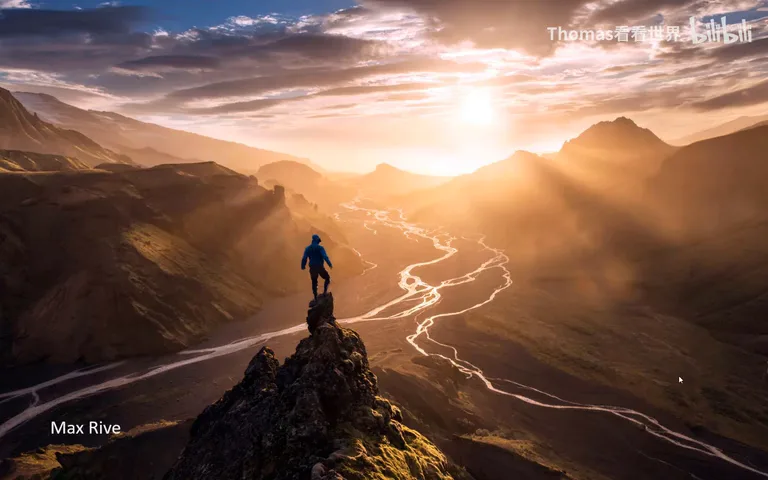
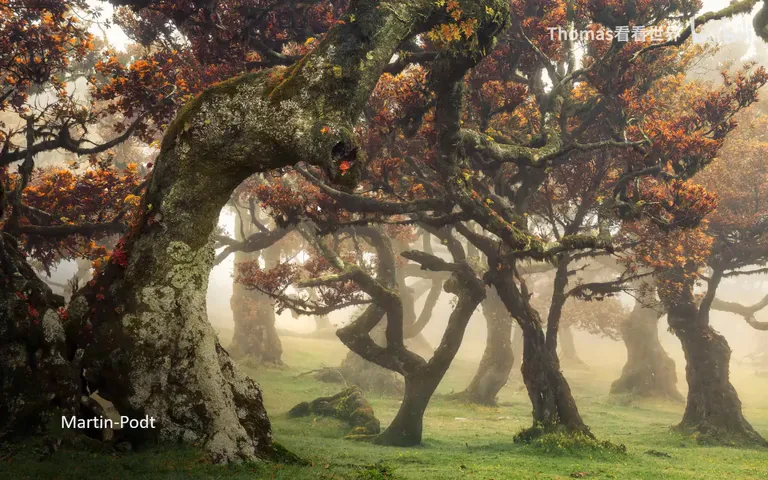
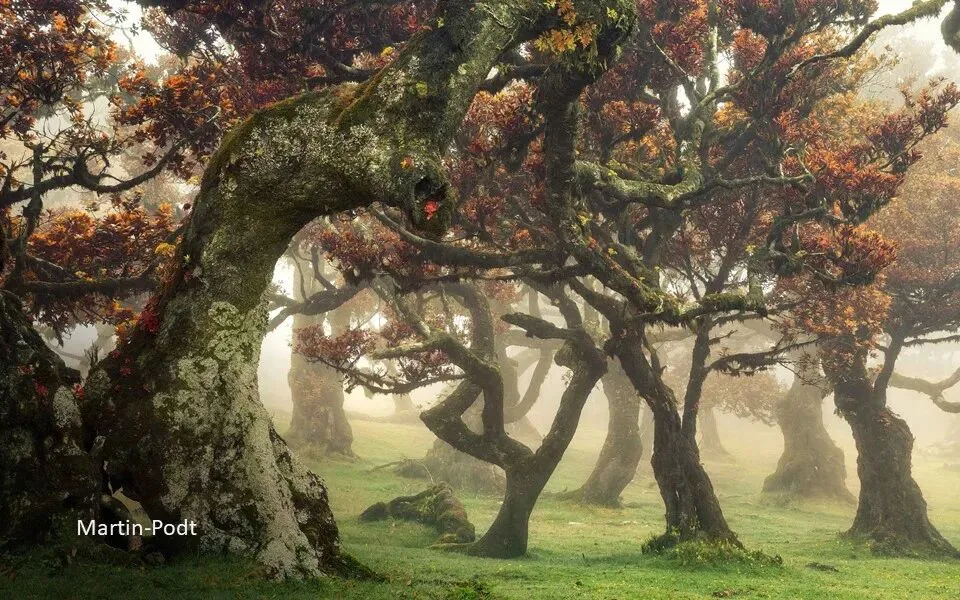
Weather is a separation tool too. Shoot a forest on a bright clear day and every tree bristles with detail and dappled light — the result is chaos. Fog acts as a natural veil that peels the trees apart layer by layer, hugely boosting beauty and atmosphere — exactly why the Dutch photographer Martin Podt shoots forests in mist (at 7:41 in the video). Compositions pairing a texture-rich foreground with a fogged-out background follow the same principle. The love of overcast and foggy weather, at heart, is about putting separation into the frame (at 8:39 in the video).
1. Separation is order: subject versus background, object edges, and near-mid-far layers must each read apart. 2. Three post-processing moves — tonal dodging and burning, warm-cool color contrast, and texture via blur or haze — stack freely. 3. Natural light separates on its own: raking sunrise light, veils of fog, and cool-toned clothing all layer the frame. 4. Revisit your older photos and ask whether tone, color and contrast could be separated once more, to sharpen layers and points of interest.
HD video:
https://www.bilibili.com/video/BV1ch411U7pM/
PPT



Related articles:
"Five Underlying Concepts of Photo Post-Processing That Matter More Than PS Skills!"
"In Post-Processing, Technique Is Not the Most Important Thing!"
"The Most Important Step in Post-Processing — Ignored by 90% of Enthusiasts!"
"These Stunning Photos Were Actually All Cropped Out in Post?"
"5 Common Misconceptions in Photo Post-Processing"
"Local Adjustment Is the Core of Post-Processing"
"What Can Post-Processing Achieve in Landscape Photography?"
"Put Down the Camera and Find Enlightenment — Visualized Post-Processing for Landscape Photography"
"Compositing = Faking? These 4 Compositing Techniques Actually Restore Reality!"
"Six Compositing Techniques of Modern Landscape Photography"
"On the Proper Limits of Landscape Photography Post-Processing"
"Why Does My Landscape Photo Lack Atmosphere?"
"What Level of Brightness Feels Most Comfortable in Landscape Photography?"
"No Ideas in Post-Processing? Going by Feel? Reconstructing the Point of Interest Is the Key!"