Photography Tutorial · 2024-04-07
A Chinese Photographer Won an Award! Interpretation, Learning, and Reflections on the 2024 World Press Photo Contest Selection!
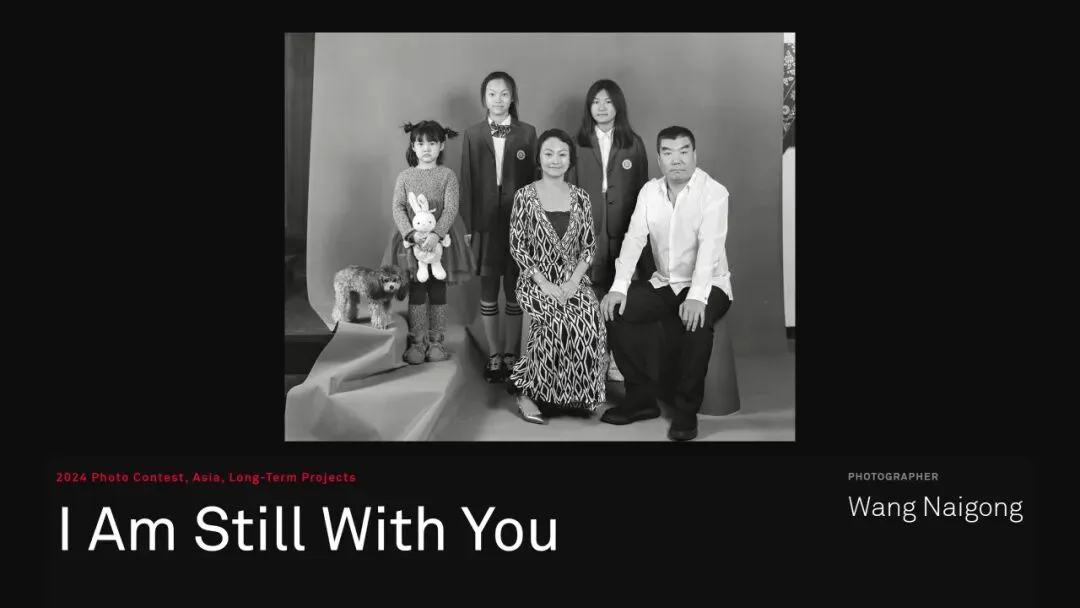
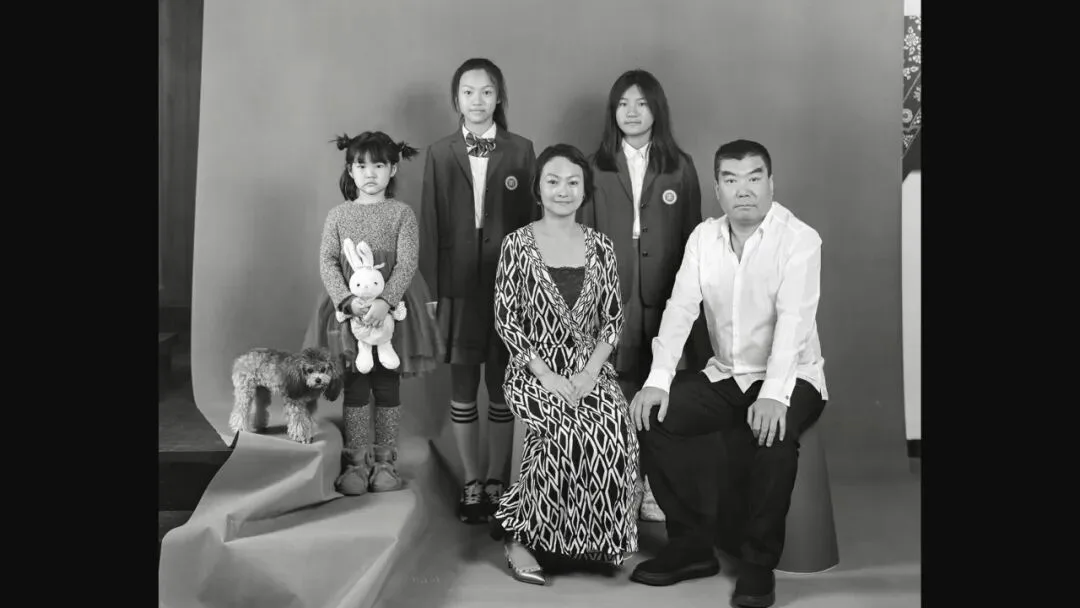
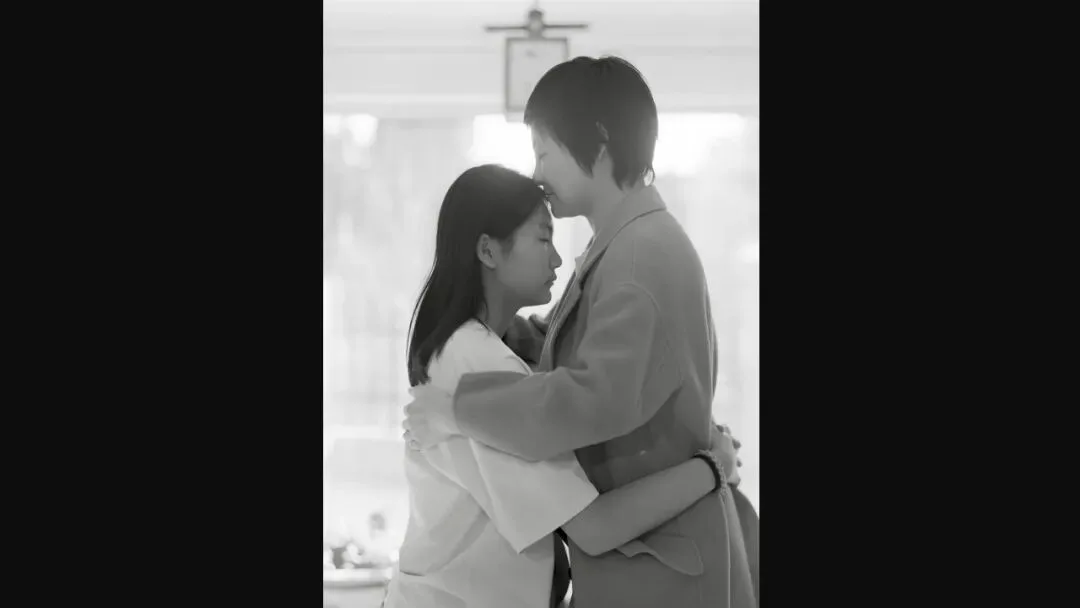
In this year's World Press Photo Contest, Chinese photographer Wang Naigong's "Being with You" (《与你在一起》) won the Asia Long-Term Project Award!
Today Thomas will interpret some of the winning works, seeing how photographers use rich means like restraint vs. exaggeration, candid vs. staged, and metaphor vs. directness to present wonderful stories and thought-provoking issues.
Not only for documentary photography, but also for portrait photography and landscape photography enthusiasts, these editing techniques and shooting methods are very inspiring!
Video
▶ Watch the video tutorial on Bilibili
This article is the illustrated companion to the video above: after the 2024 World Press Photo winners were announced, Thomas selected four core winning works from the Asia region for analysis — including "I Am Still With You" by Chinese photographer Wang Naigong, winner of the Long-Term Project Award. The four works represent four directions of documentary photography: restraint and respect, directness and impact, staging and metaphor, symbols and special effects — inspiring for documentary, portrait and even landscape photographers.
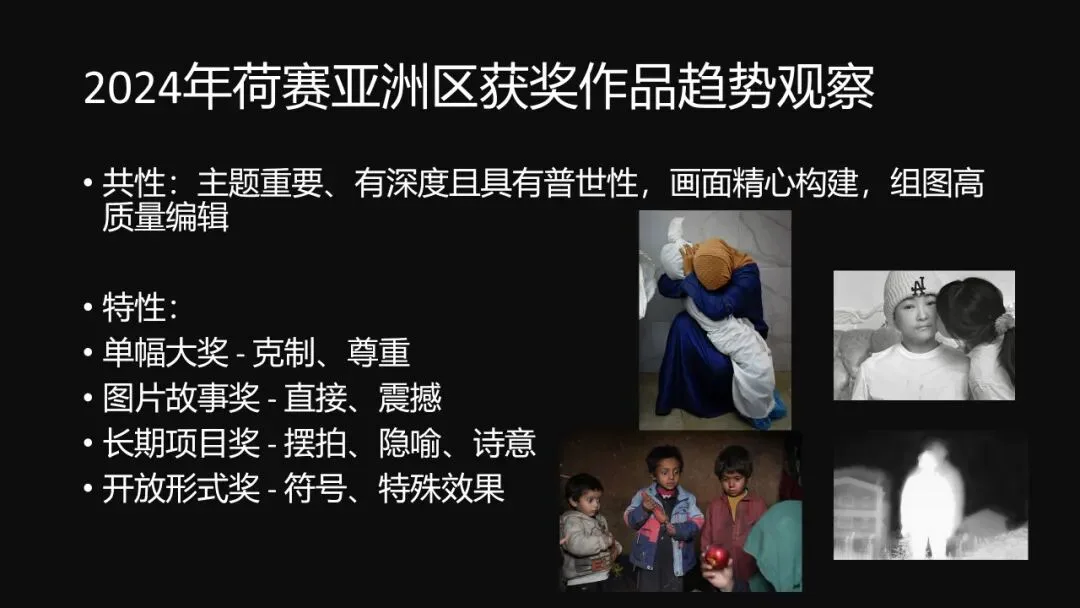
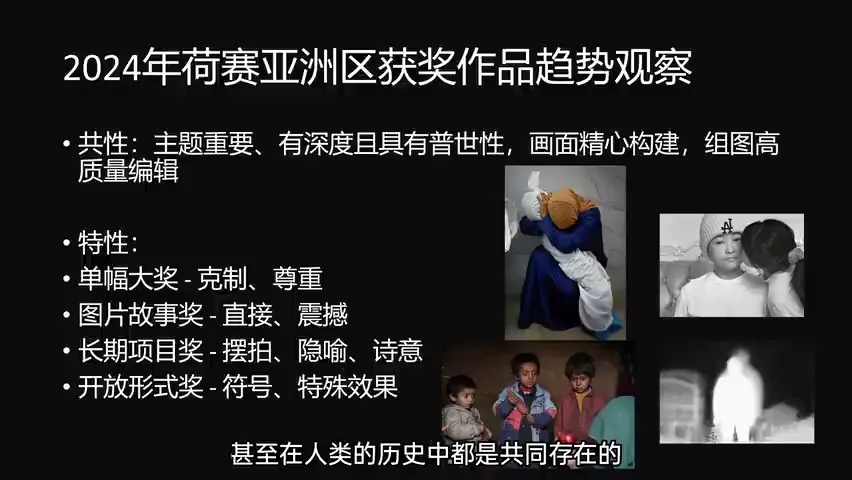
Start with the overview. This summary slide, captured at 1:08 in the video, lays out the shared traits and individual characters of the four works: all tackle important, deep and universal subjects with carefully constructed frames and high-quality story editing; their characters differ — Singles winner: restraint and respect; Story winner: directness and impact; Long-Term Project winner: staging, metaphor and poetry; Open Format winner: symbols and special effects. Each is unpacked below.
01 Four Works, Four Directions
As a photojournalism contest, World Press Photo winners all tackle deeply important subjects with depth and — crucially — universality: they photograph a problem of one Asian country, yet one that exists across the world and throughout human history (at 1:01). Every frame is carefully constructed, and the story editing is of the highest quality.
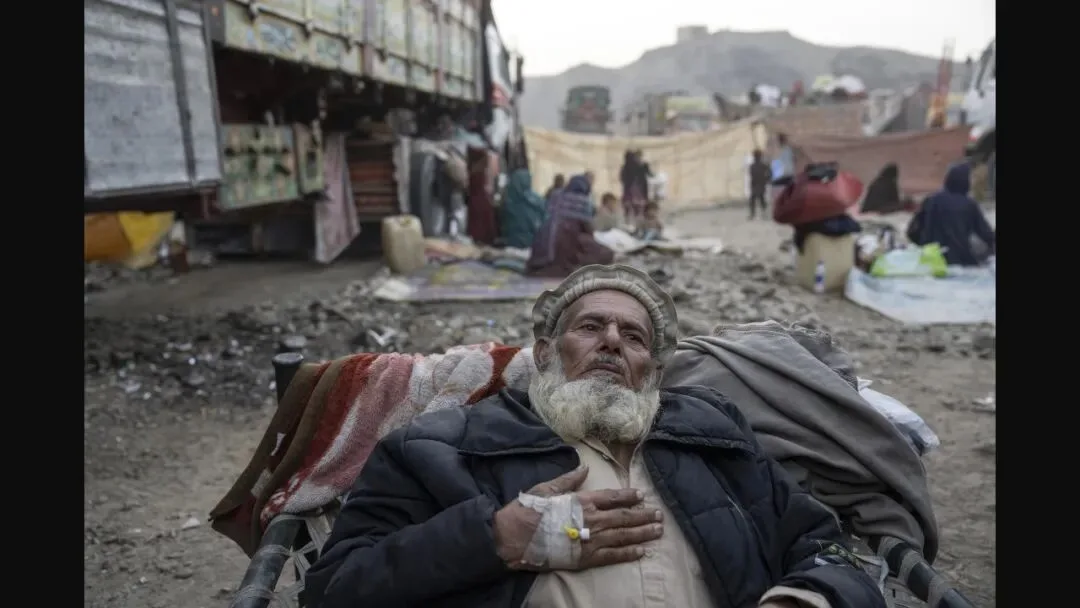
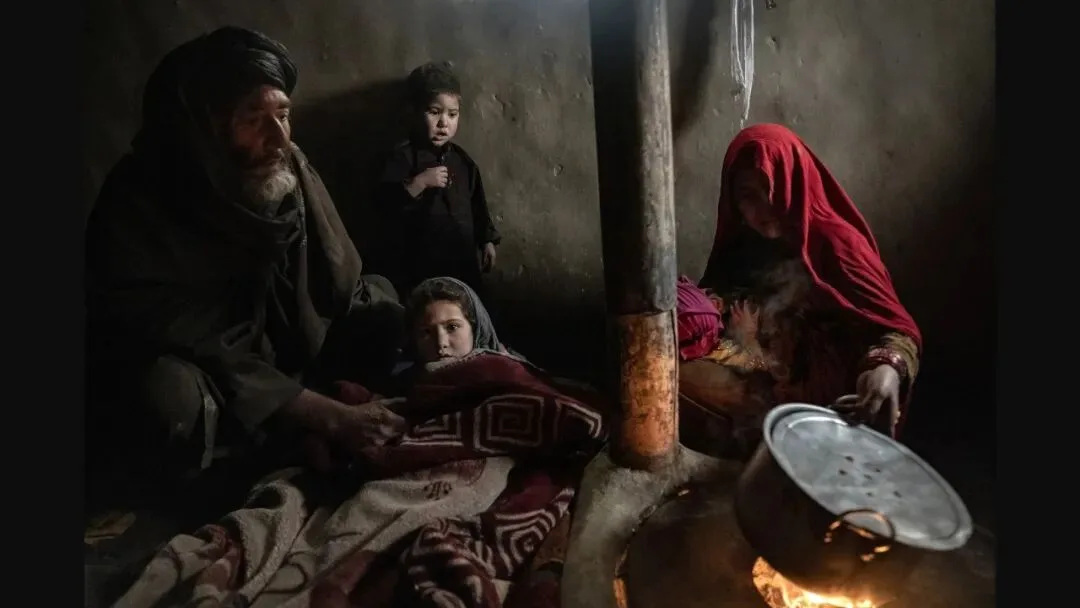
Each of the four has its own character (at 1:09): the Singles winner photographed war and conflict in Gaza; the Story winner photographed famine and poverty in Afghanistan; the winning work by Chinese photographer Wang Naigong addresses life and death, and intimate relationships; the Open Format winner focuses on Japan's aging society and dementia. Together they represent distinct directions of documentary photography.
02 I Am Still With You: Honest Staging
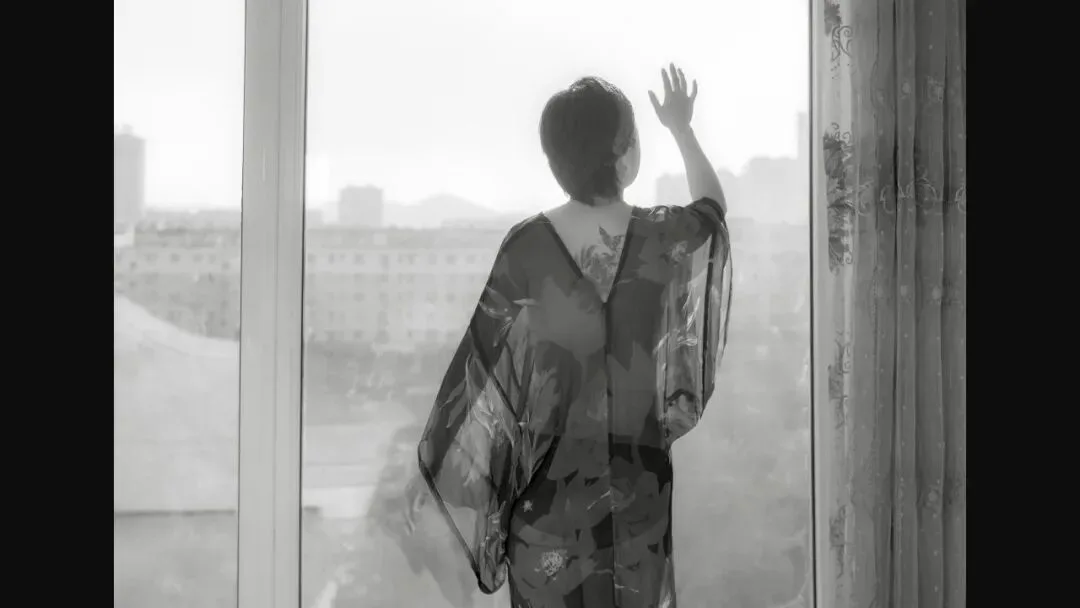
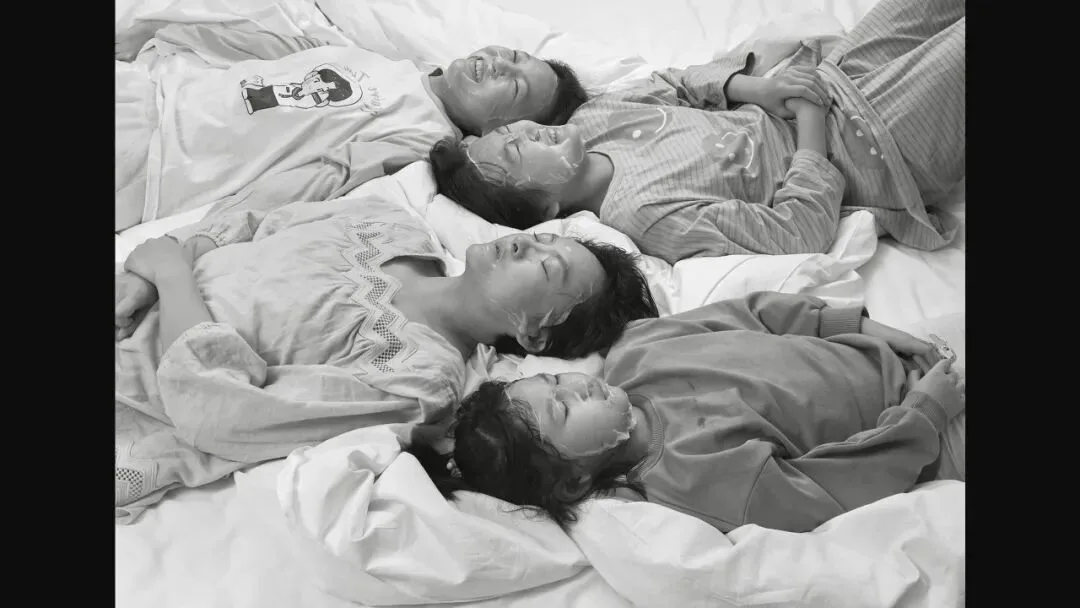
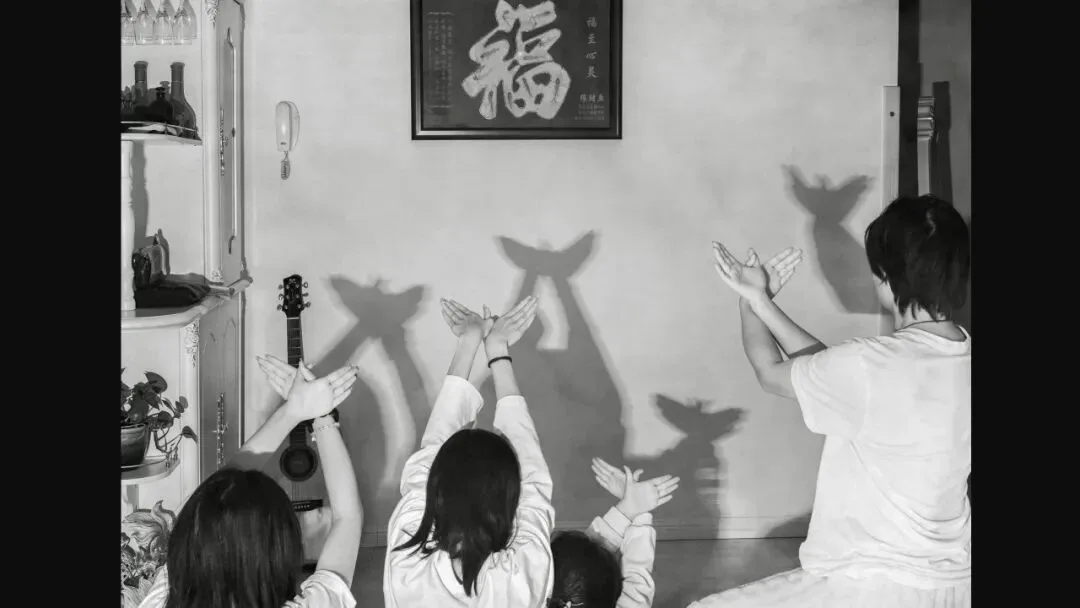
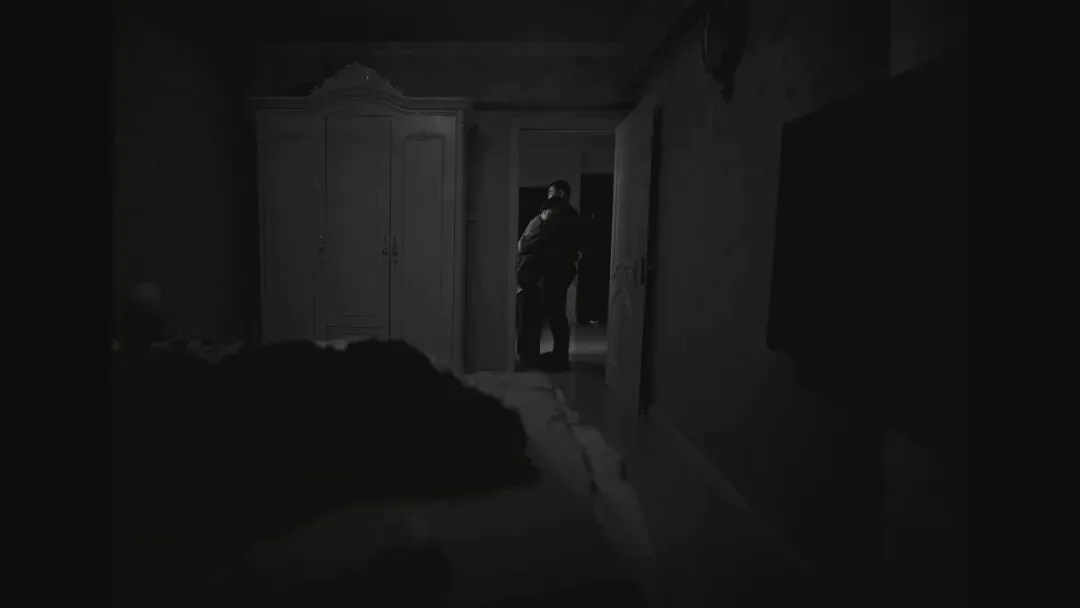
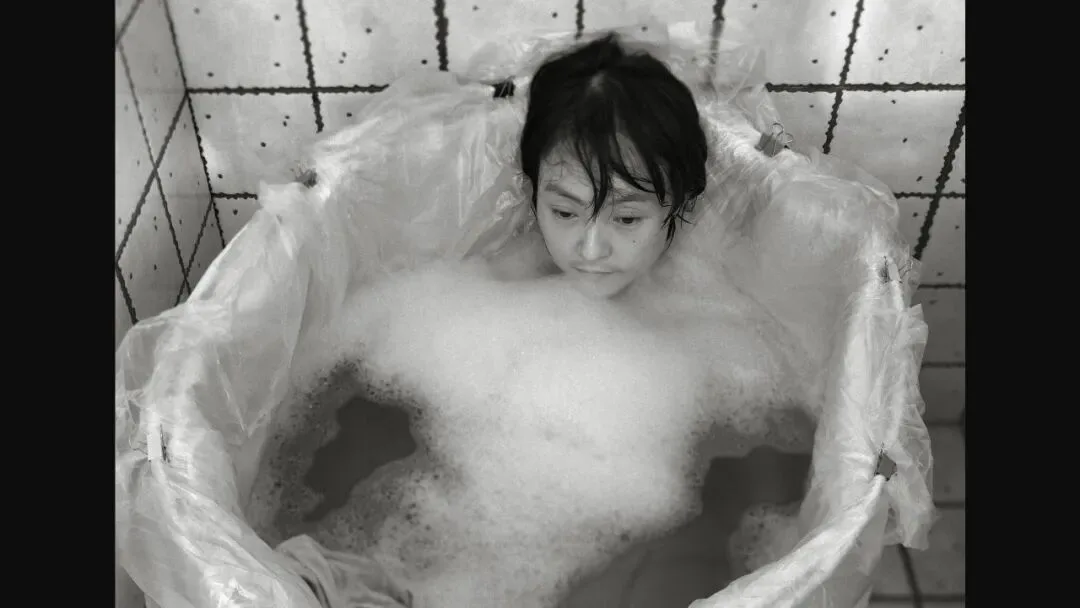
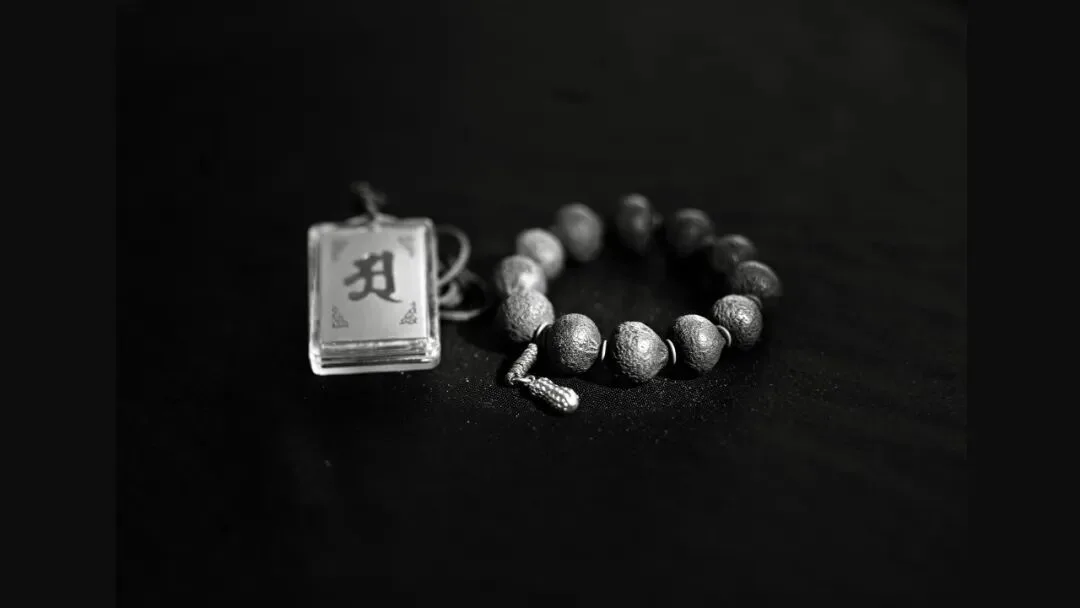
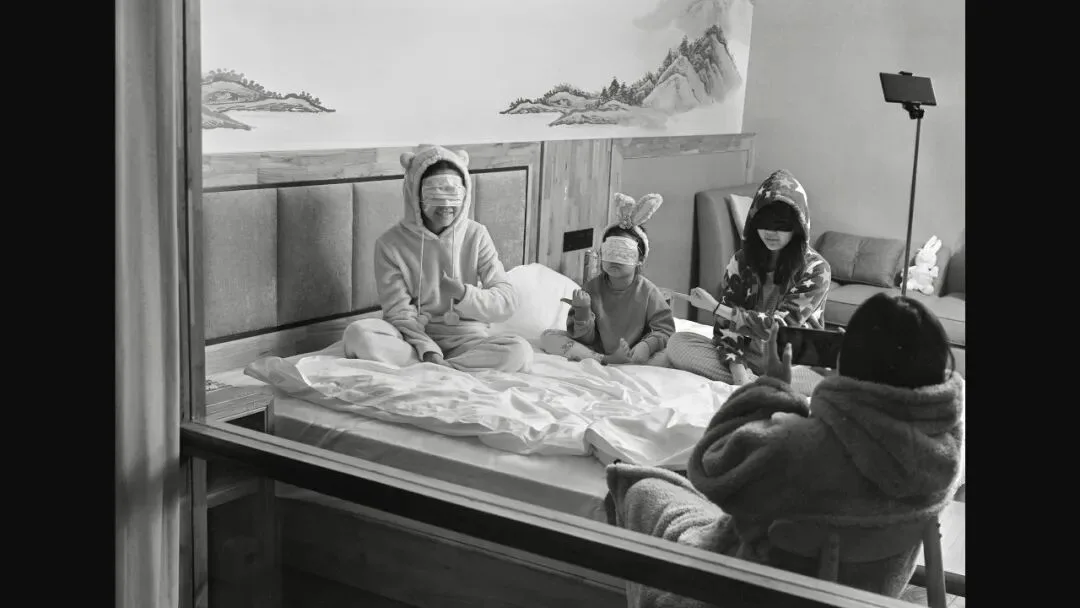
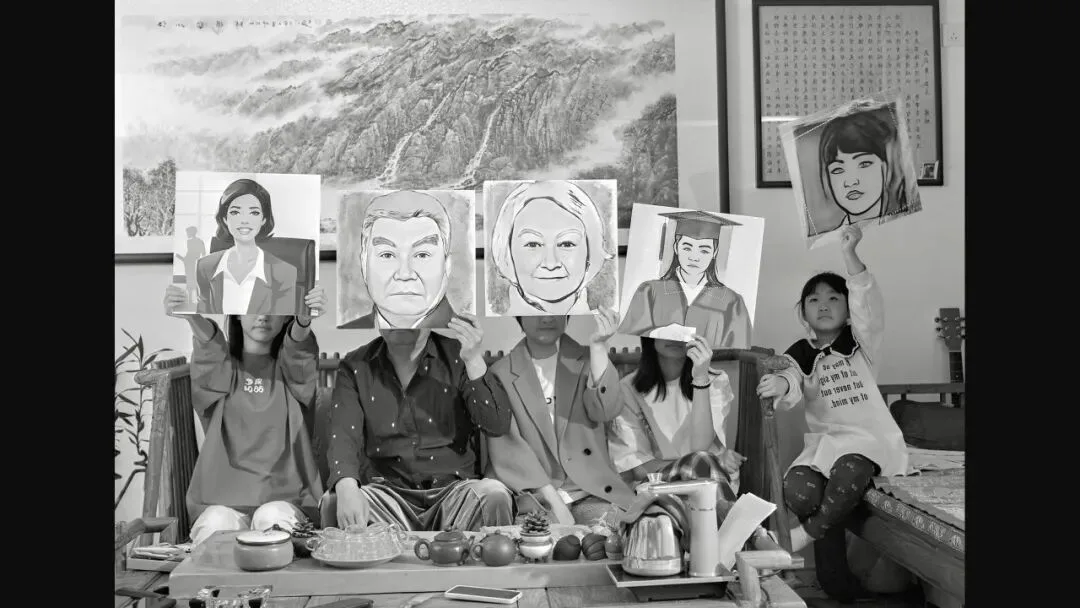
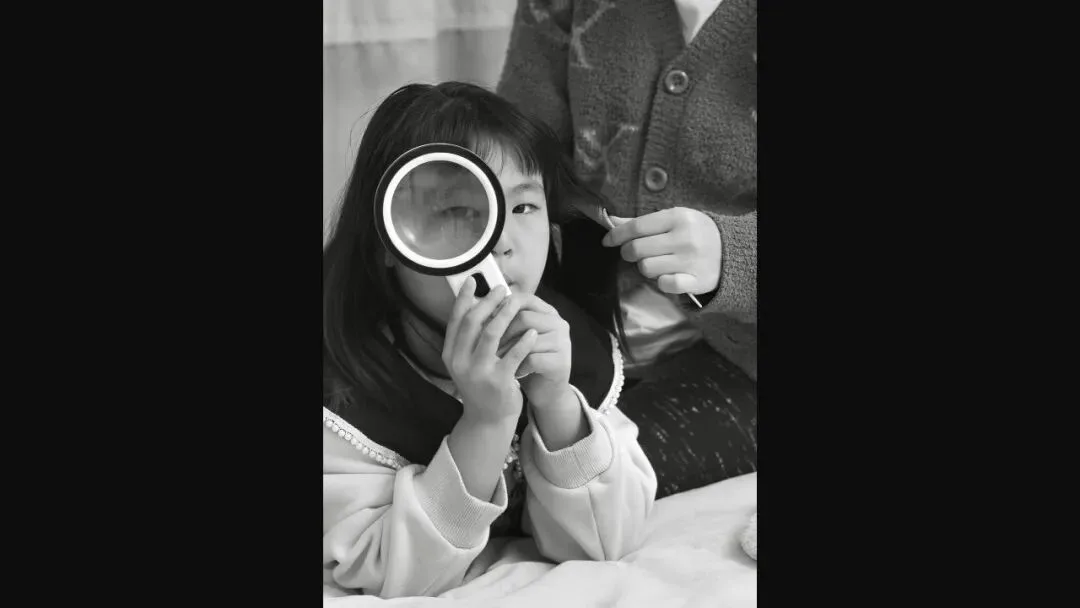
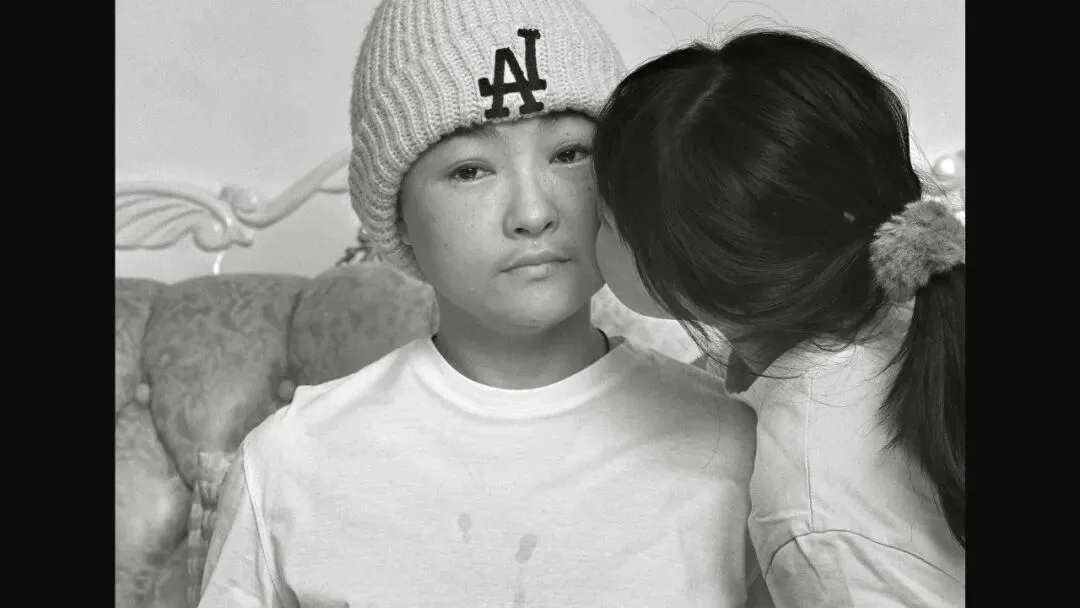
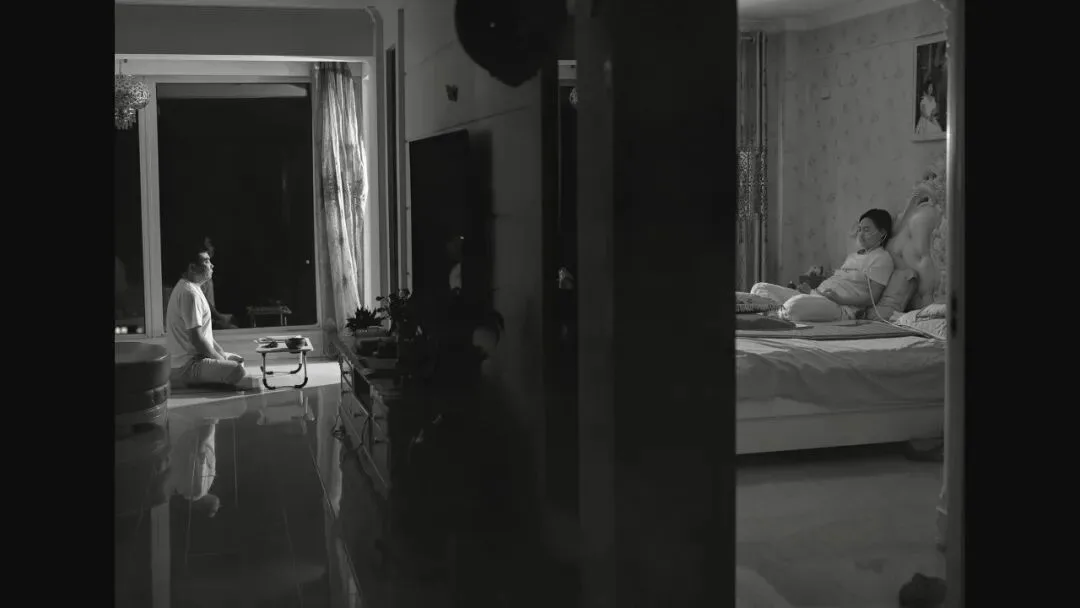
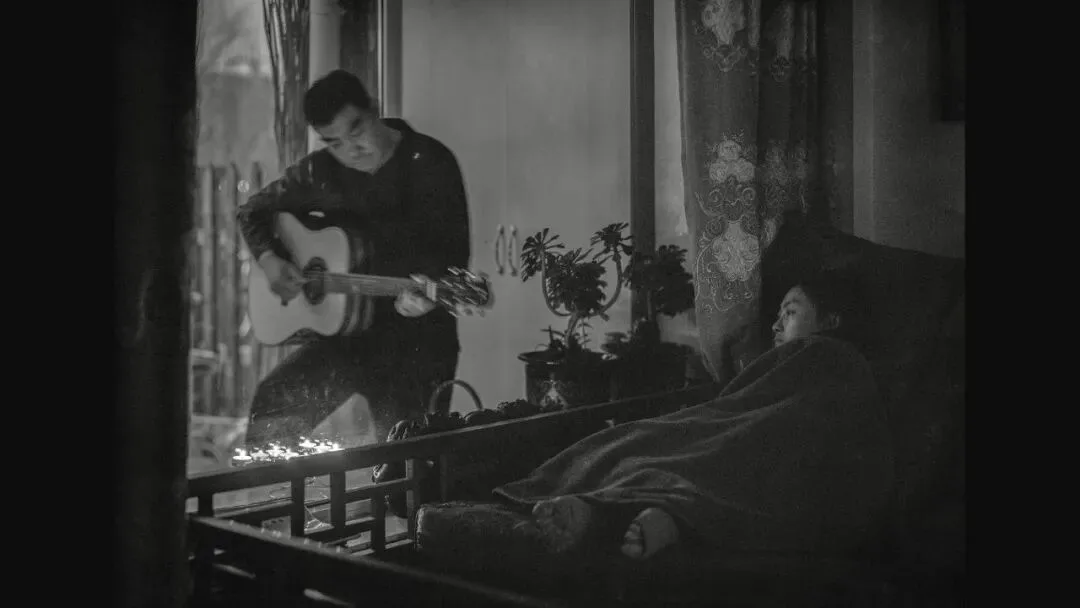
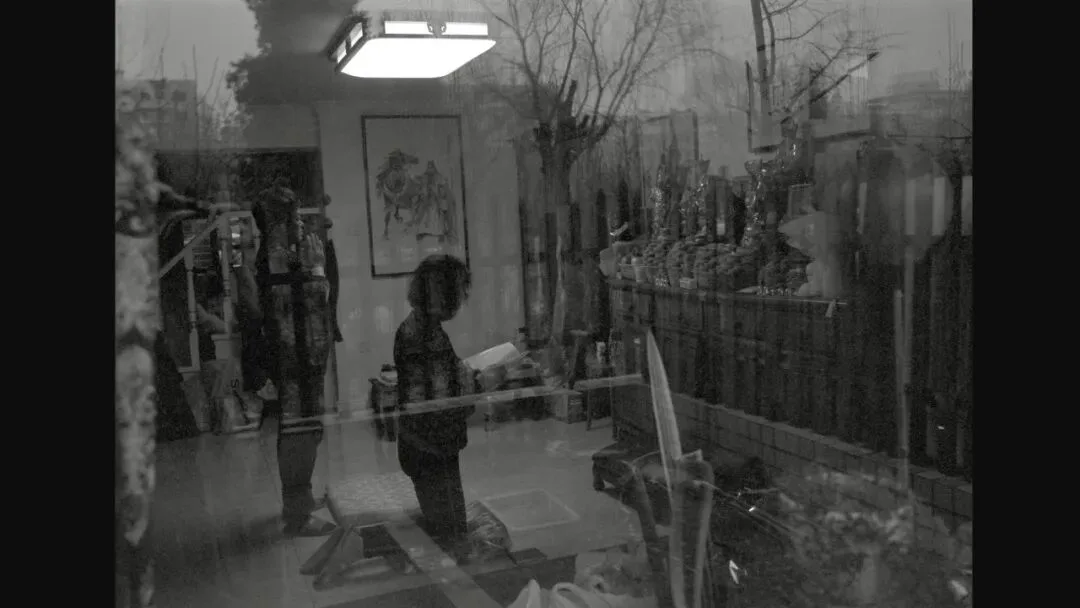
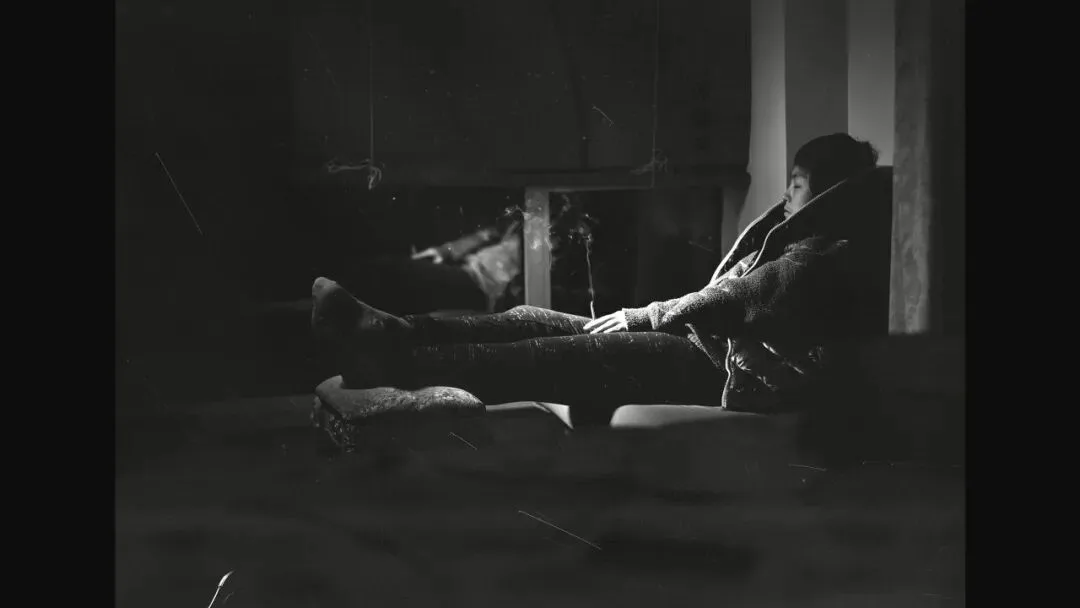
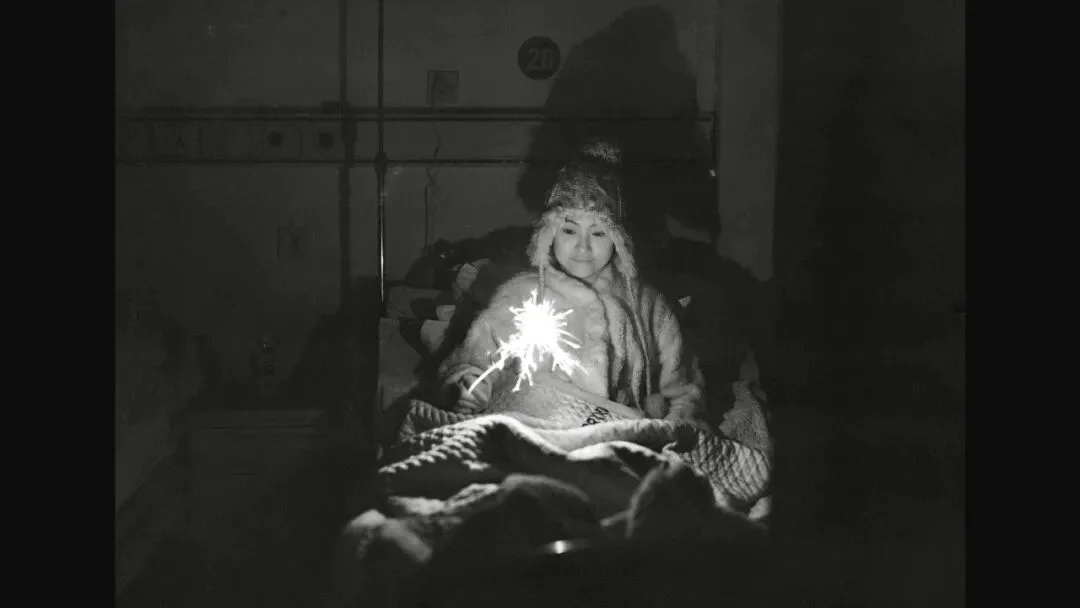
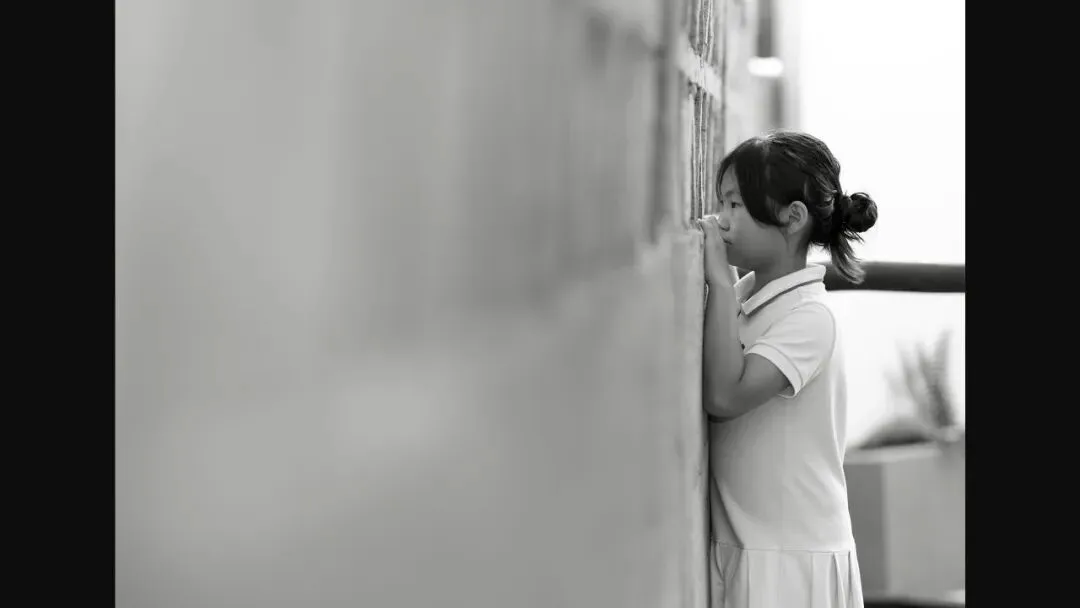
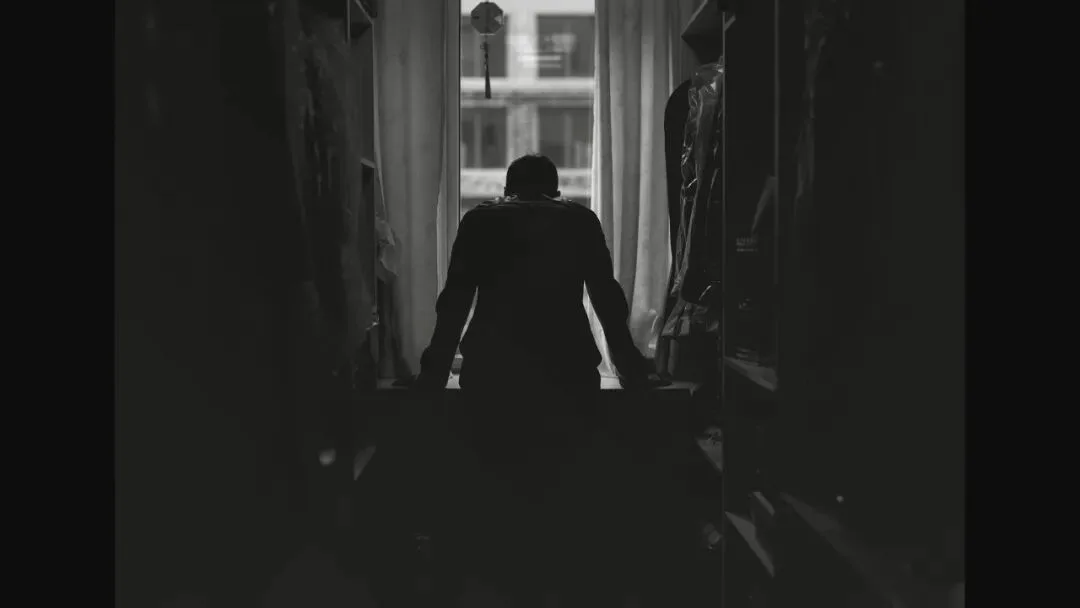
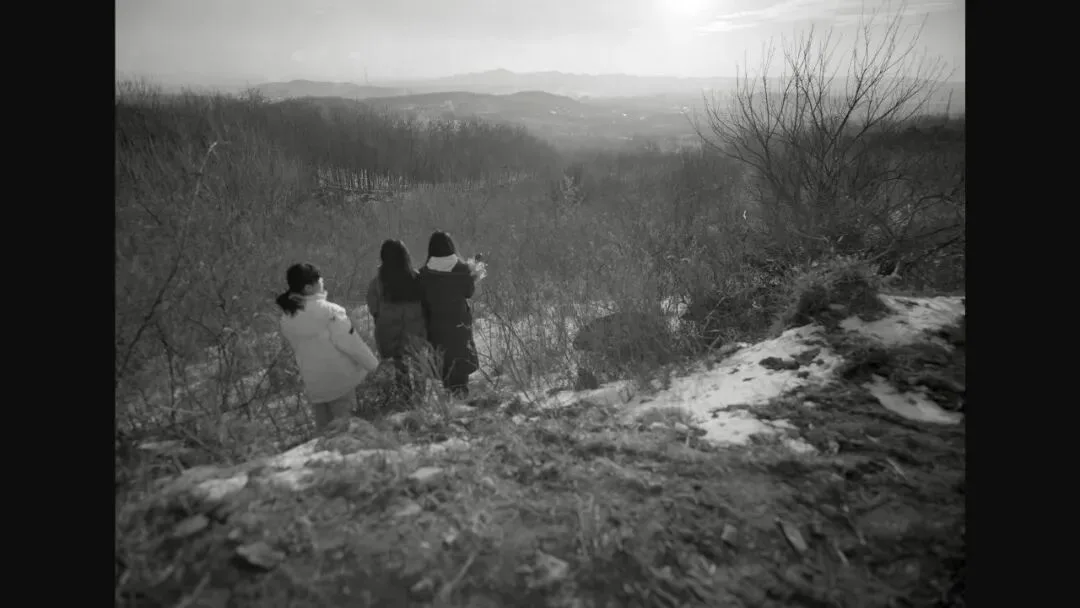
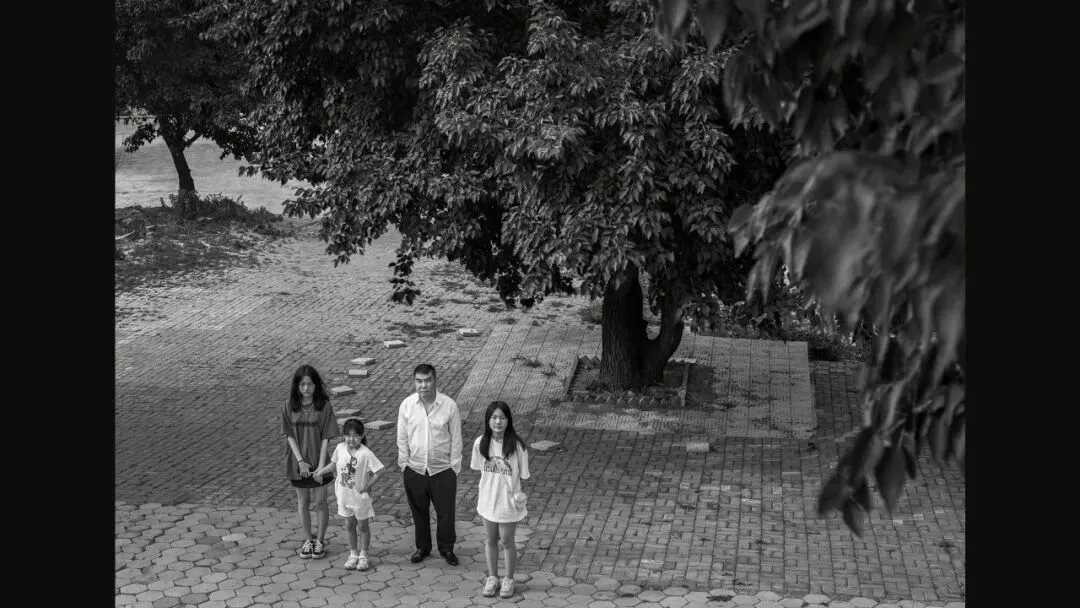
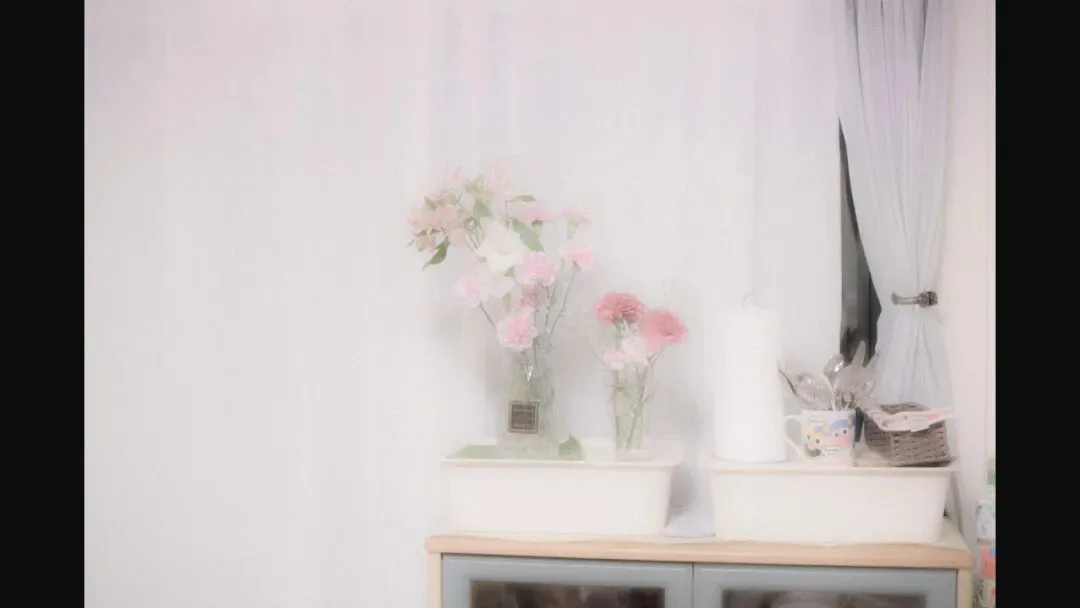
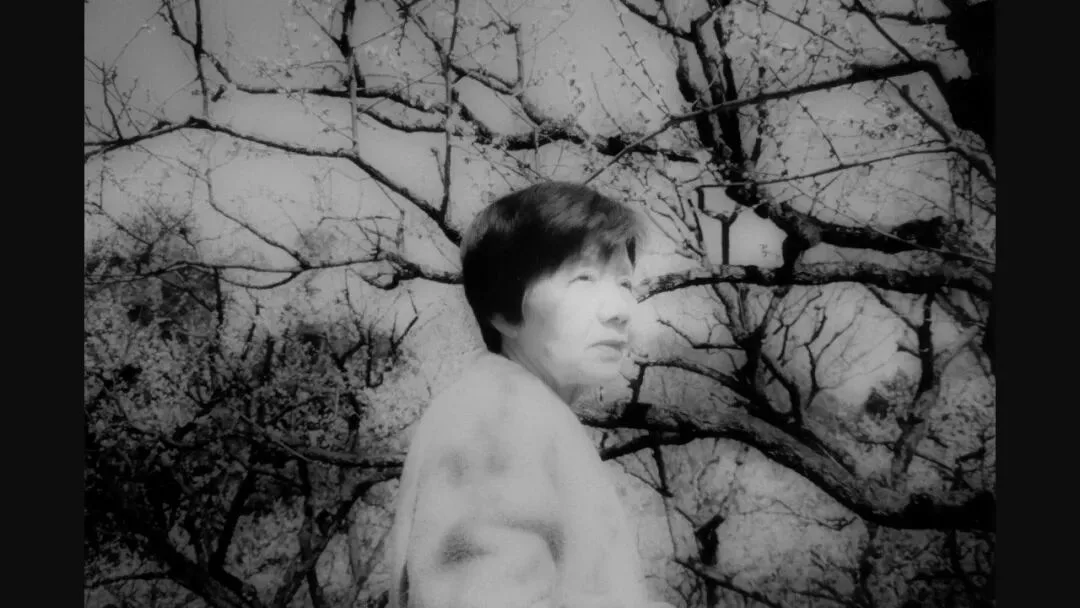
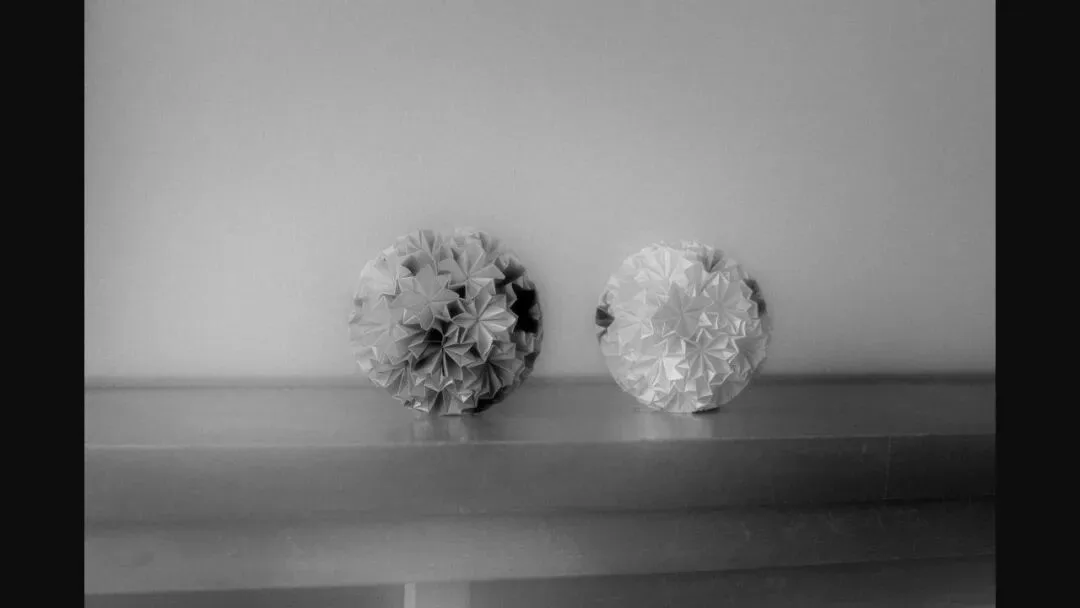
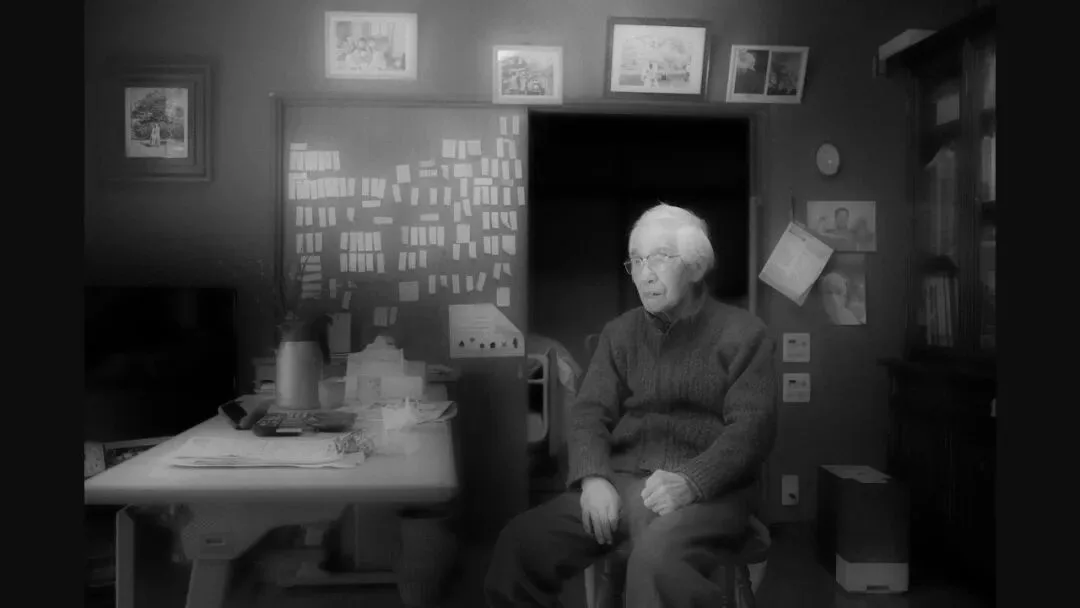
The Long-Term Project Award went to Wang Naigong, a photographer from Jinzhou. In "I Am Still With You", she followed her subject from 2019, using a large-format camera to document the final period Jiu'er — a young mother of three with terminal cancer — spent with her family: facing the fading of her life with calm and even optimism, her interactions with her family honest and moving (at 2:18).
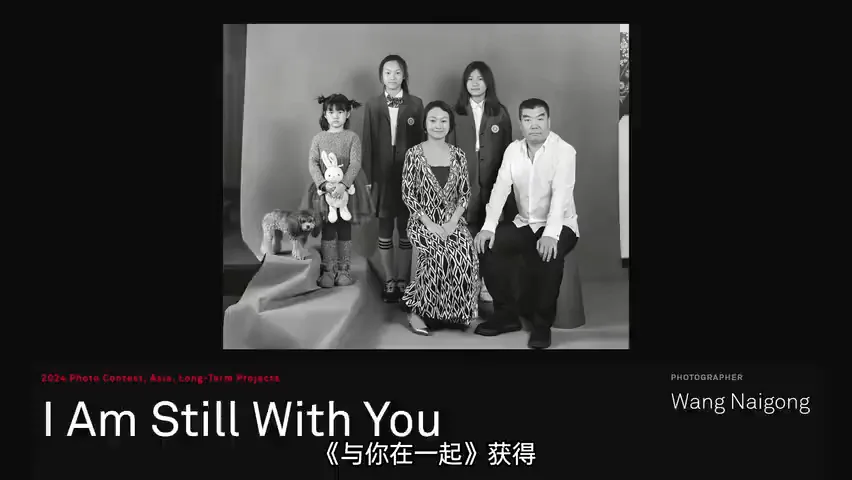
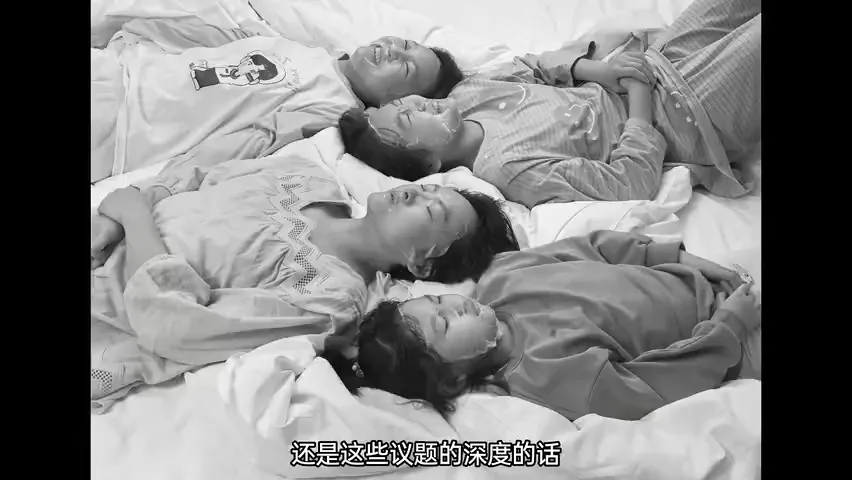
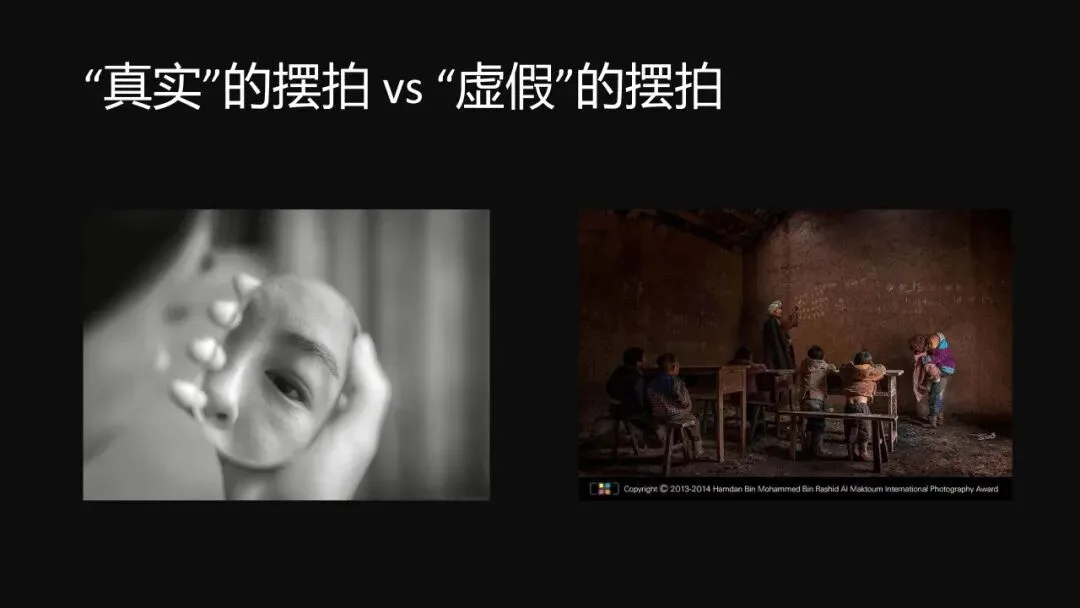
A large-format camera is big and conspicuous; every frame demands settings and time, so this series clearly uses staged shots. Thomas points out that in documentary photography staging is often unavoidable: in confined spaces the subject is bound to notice the camera and will perform somewhat unnaturally, so the moment you direct them you are already staging (at 3:25). World Press Photo's rule is explicit — staging must be honest staging: the scene and the emotion you portray must be real, not fabricated.
The counter-example is a classroom photo once awarded by the Hamdan International Photography Award (HIPA) (at 3:56): a child writes on a dried-mud wall — chalk neither marks nor erases on such a wall, and a proper blackboard is not expensive; in a normal class the desks could seat the two people on the right, and the child strapped to someone's back is placed deliberately. Invented scene, invented emotion, invented story, purely for visual effect — such fake staging drew wide criticism.
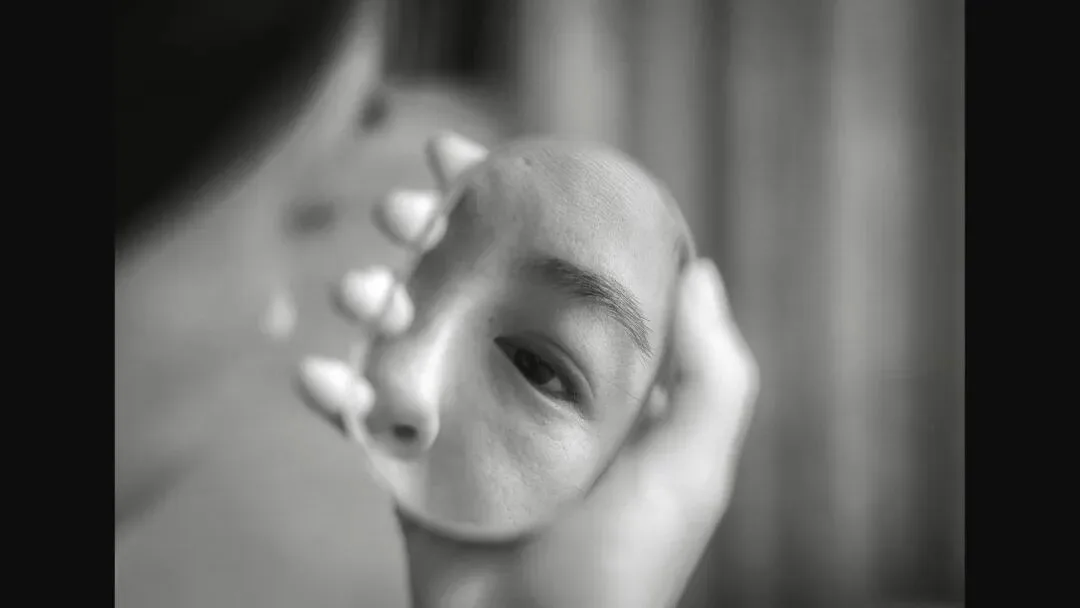
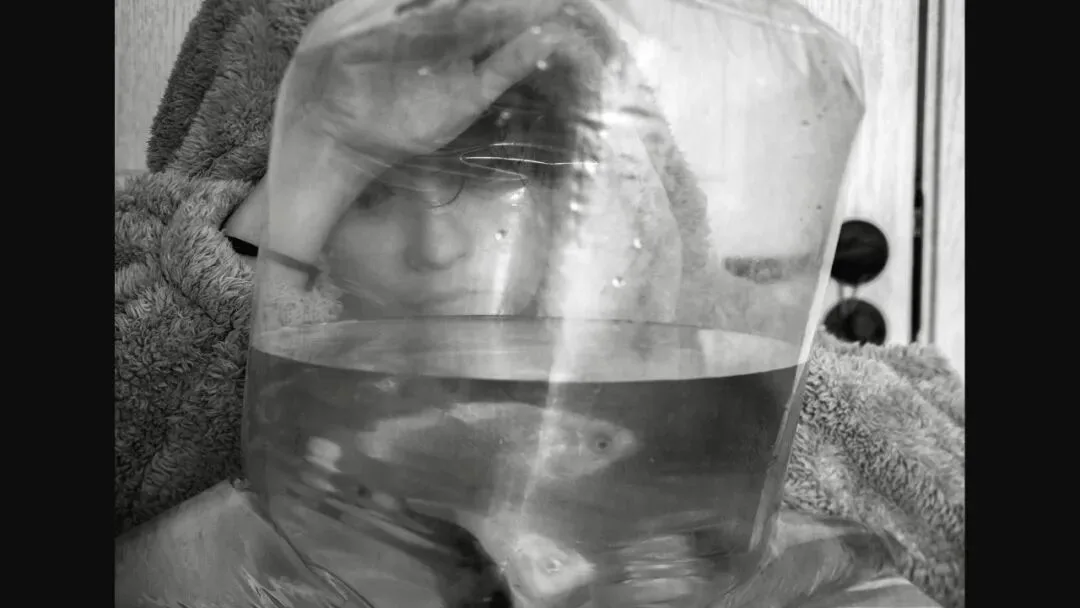
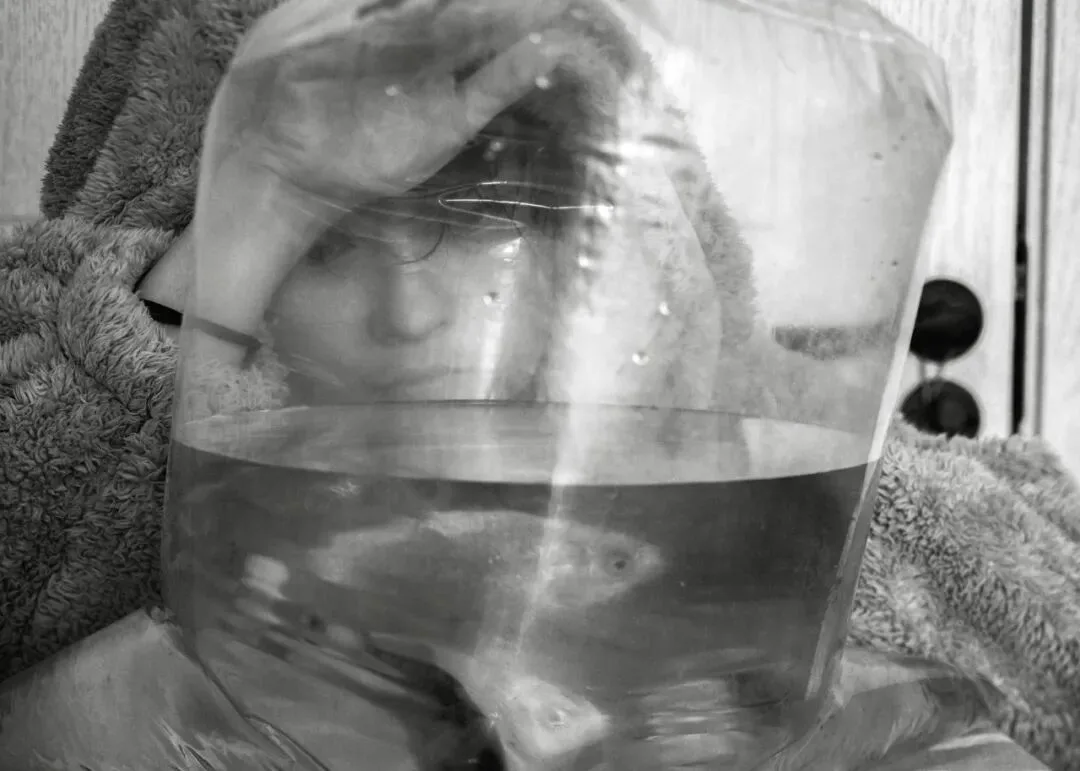
Compare that with the honest staging in "I Am Still With You": every chemotherapy patient looks in the mirror; the photographer only needs to choose the right angle and position, and the emotion of confronting hair loss, aging and sickness is entirely real, conveyed powerfully through the eyes (at 4:34).
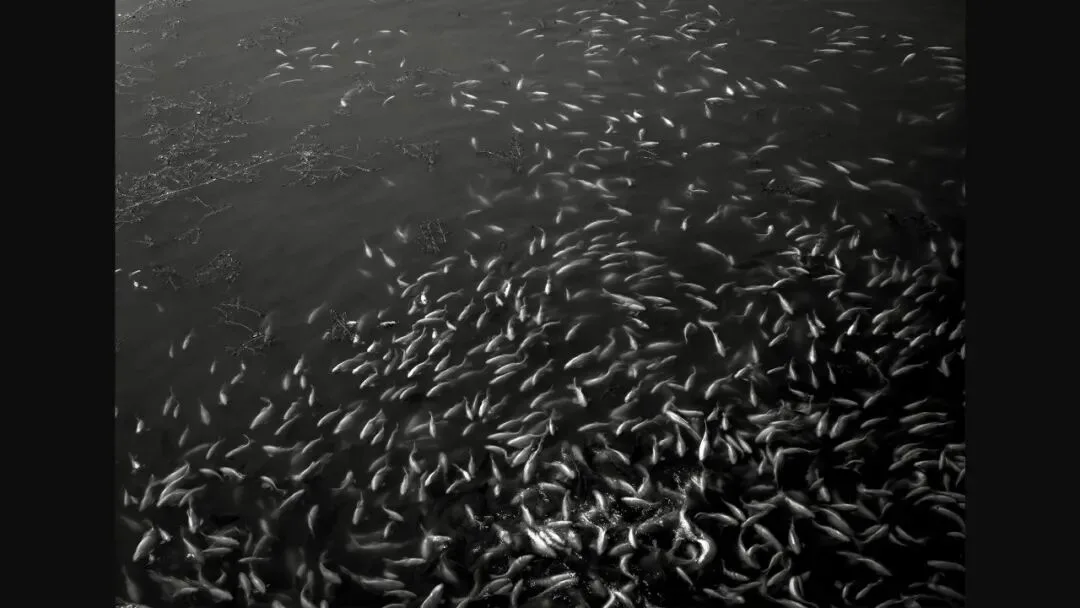
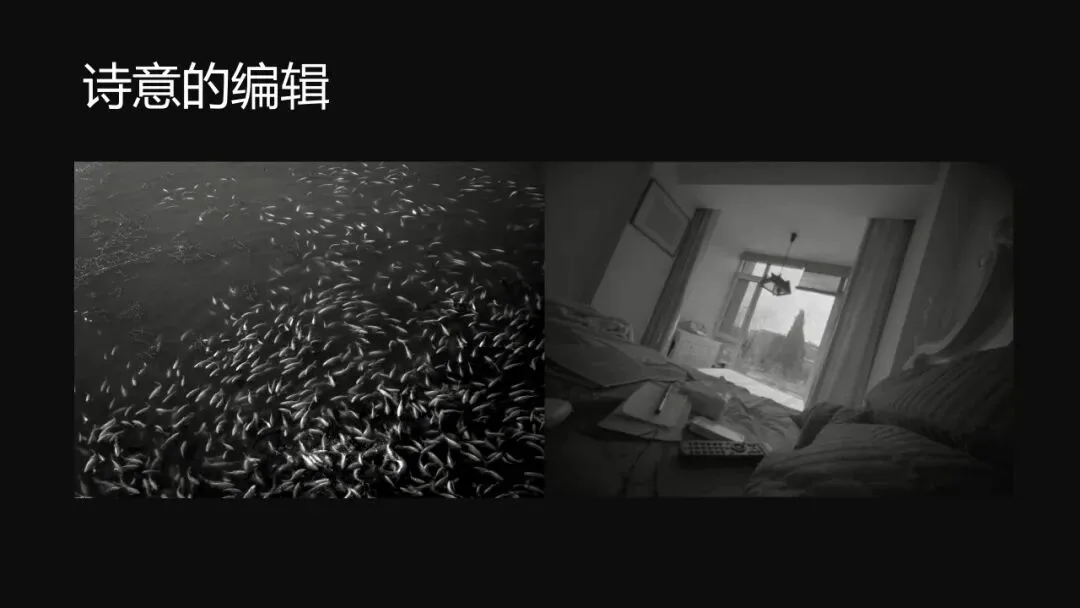
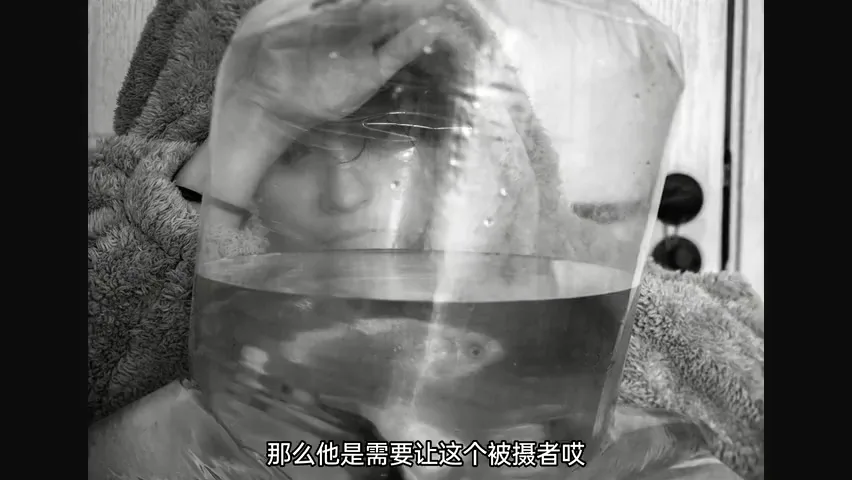
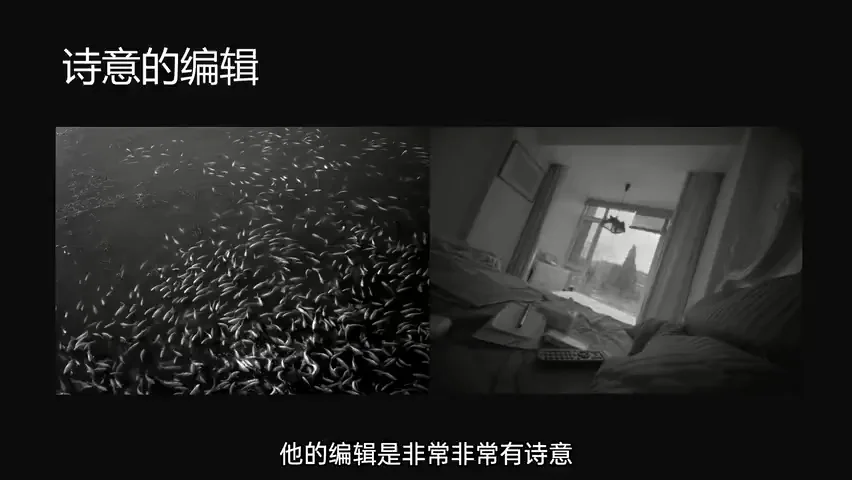
Take the fish-release photo: the photographer set up the angle first, then gently guided Jiu'er to watch the fish until she slipped into the moment, letting genuine, natural emotion surface (at 5:03). The frame also carries the power of contrast — the fish is about to return to nature, while she herself is walking slowly toward death. Honest staging has real force.
03 The Power of Metaphor and Poetic Editing
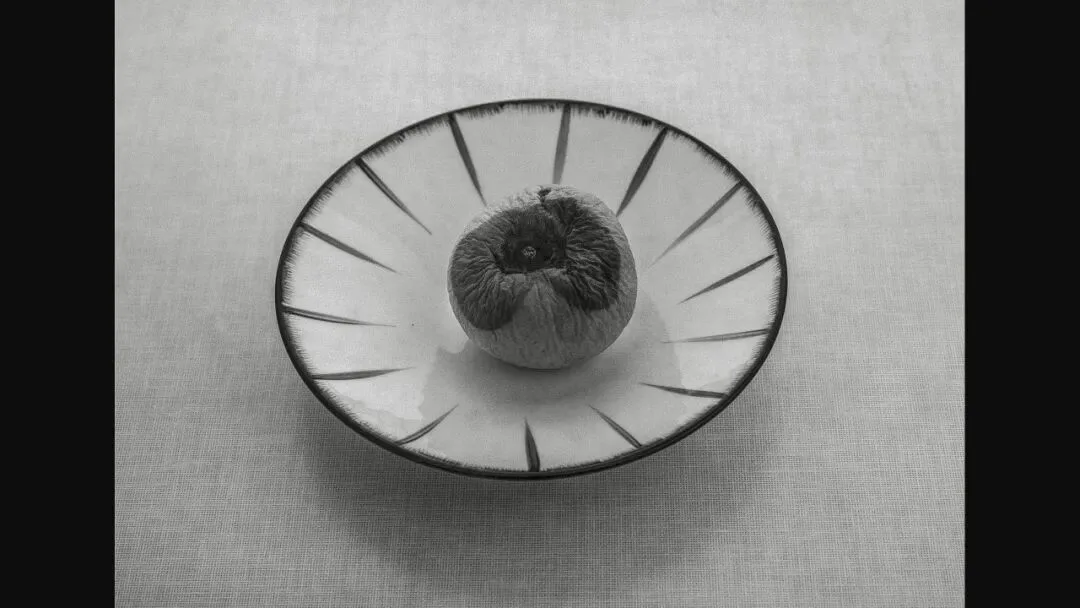
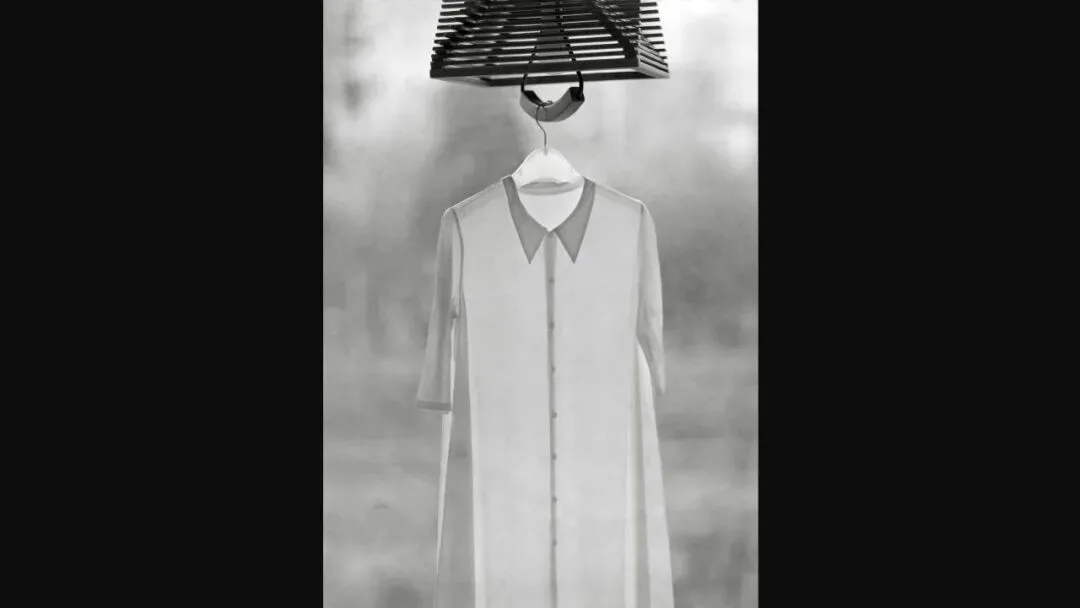
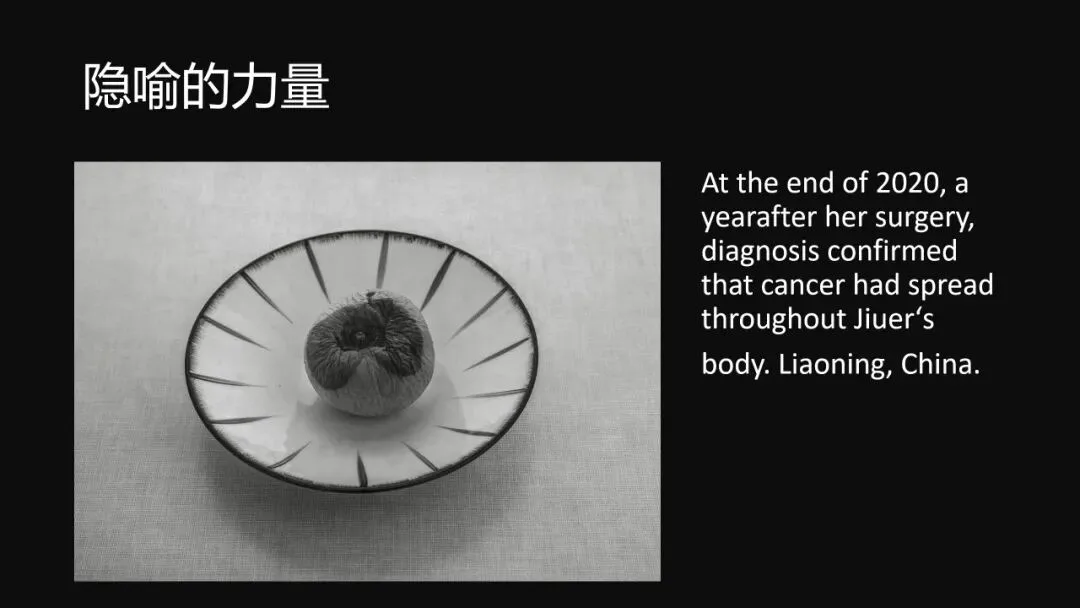
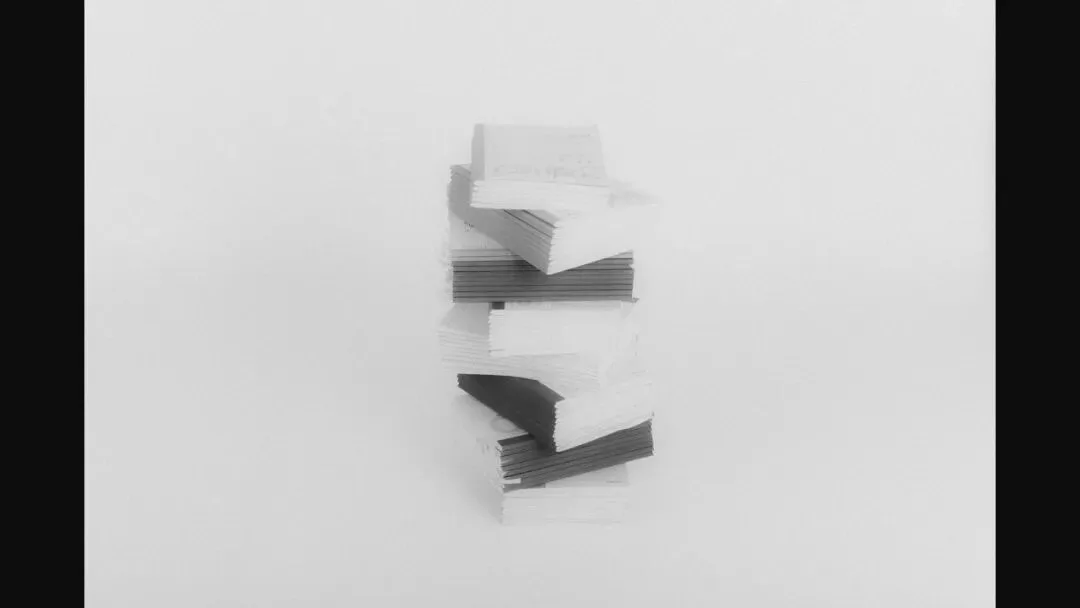
The series offers another lesson: the power of metaphor (at 5:41). Traditional news photos rarely portray illness this way, yet here it is a rotting apple — its caption reads: at the end of 2020, a year after her surgery, tests confirmed the cancer had spread throughout Jiu'er's body. To show that spread, the obvious choice would be the diagnosis sheet or a conversation with the doctor; instead the photographer shows a rotting apple — deeply restrained, deeply poetic, and open to endless reflection.
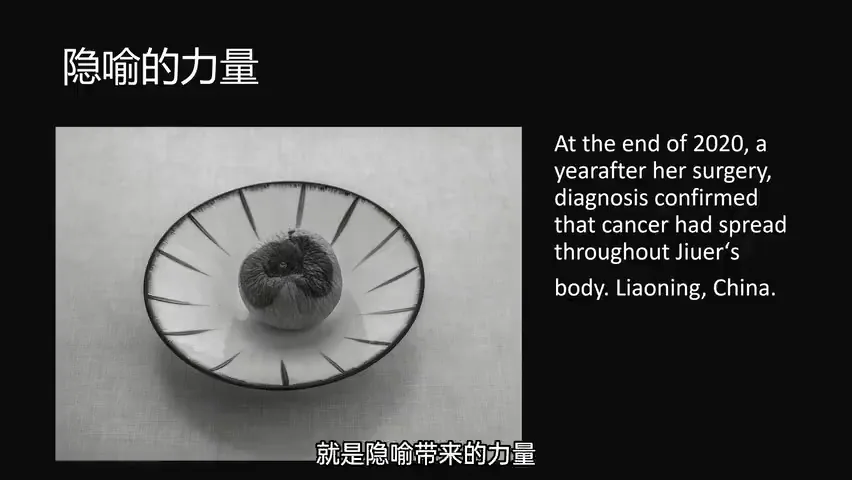
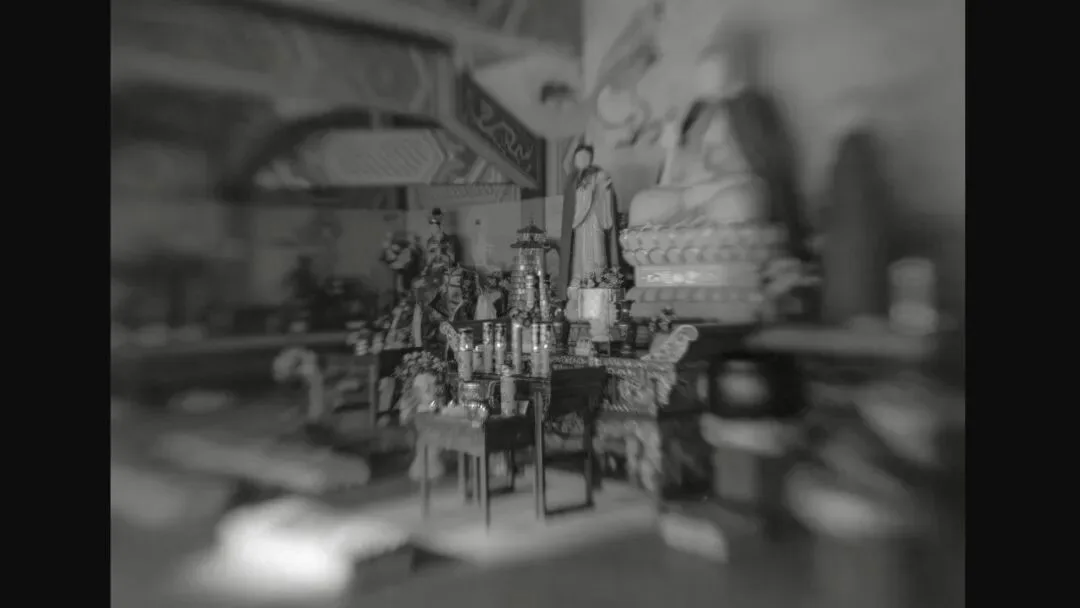
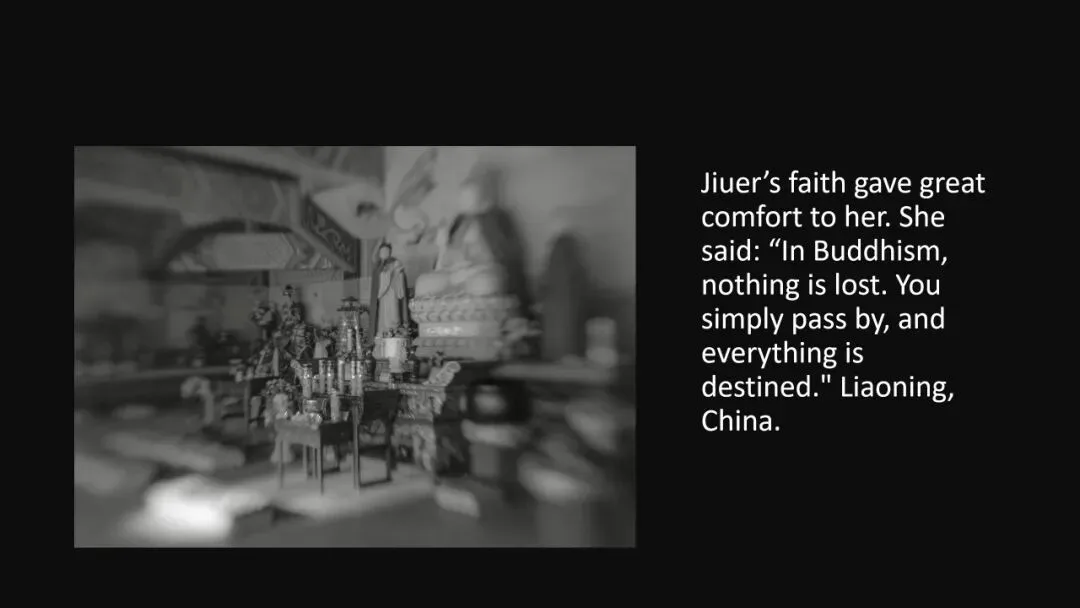
Metaphor opens the image to many readings. Jiu'er believed in Buddhism, trusting that the process is illusory and the outcome destined (at 6:20); the blurred glow beside her could equally be read as people taking refuge in religion, only to finally face death alone. When metaphor appears regularly in your work, viewers start reading every detail, every symbol — even over-reading — and that makes your photos more compelling.
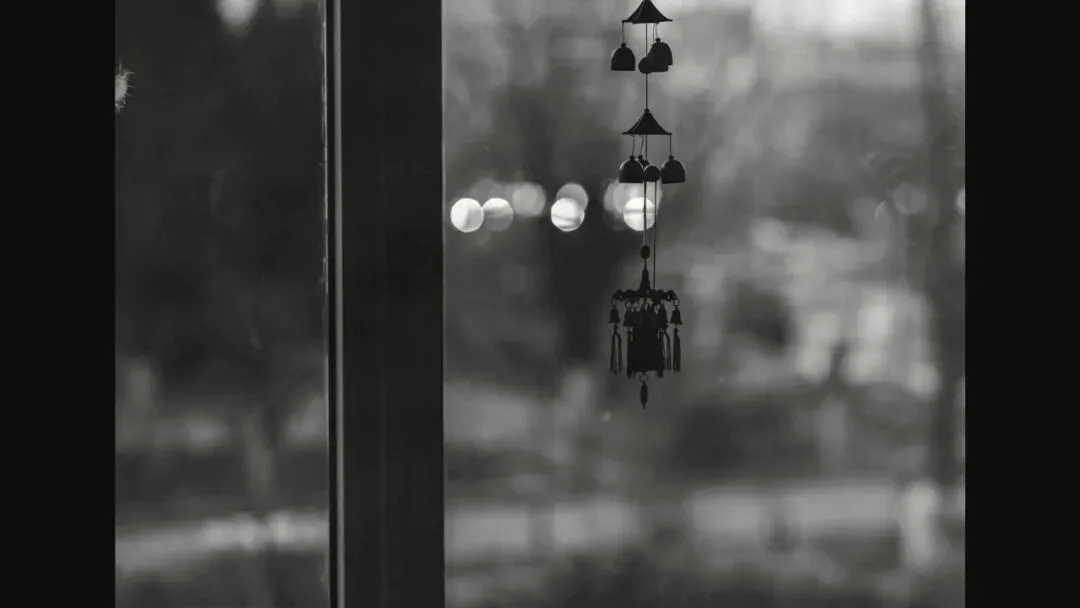
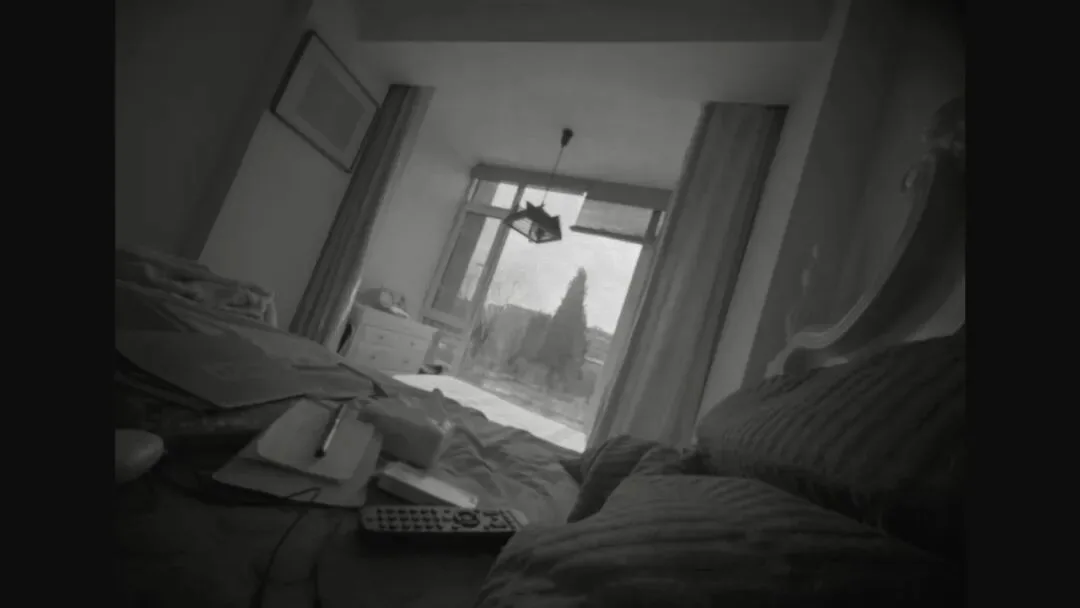
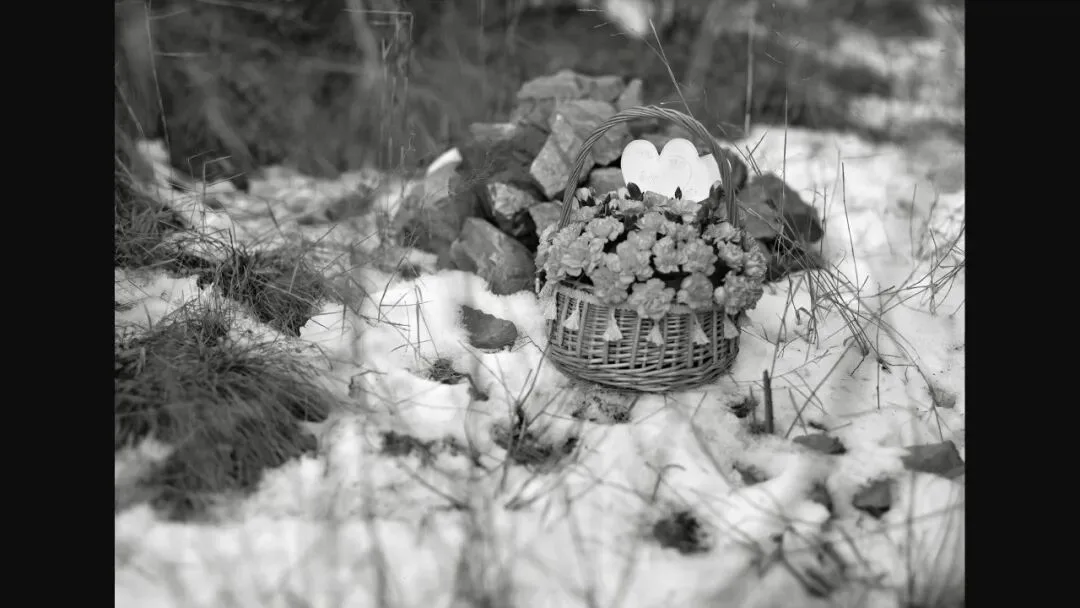
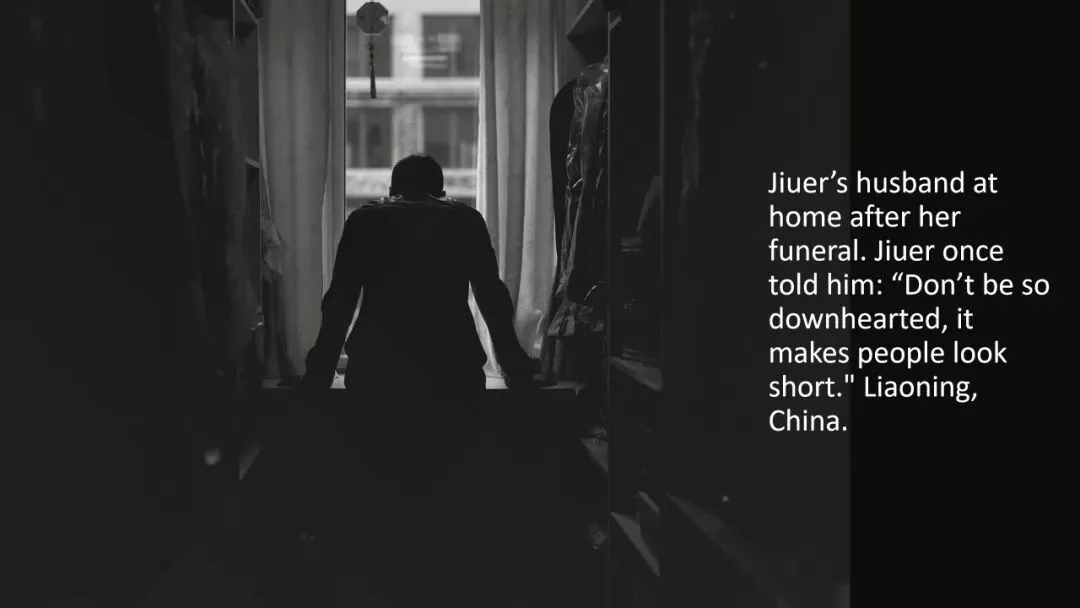
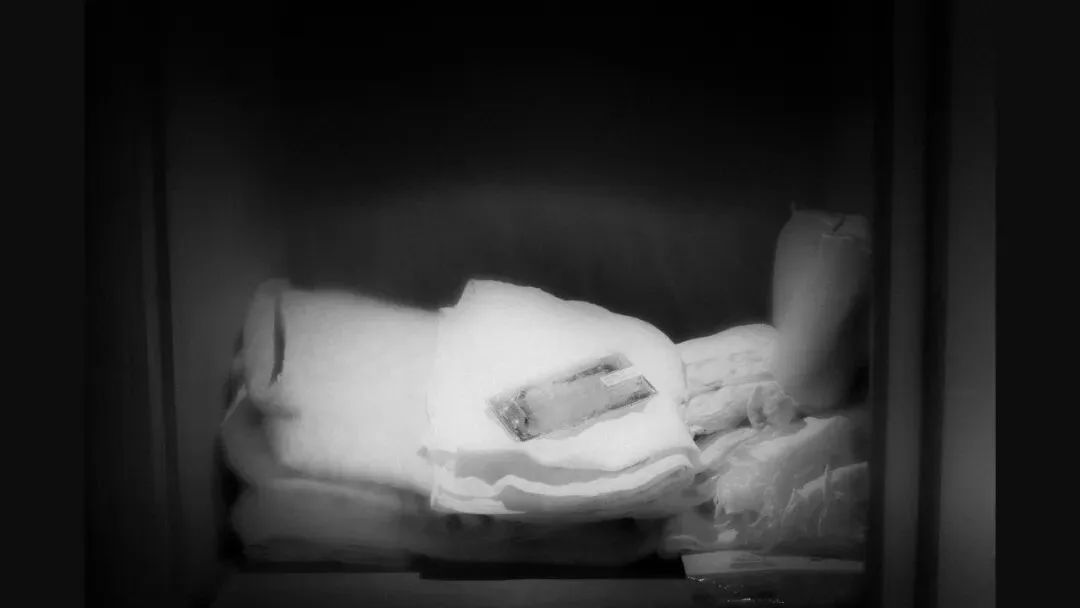
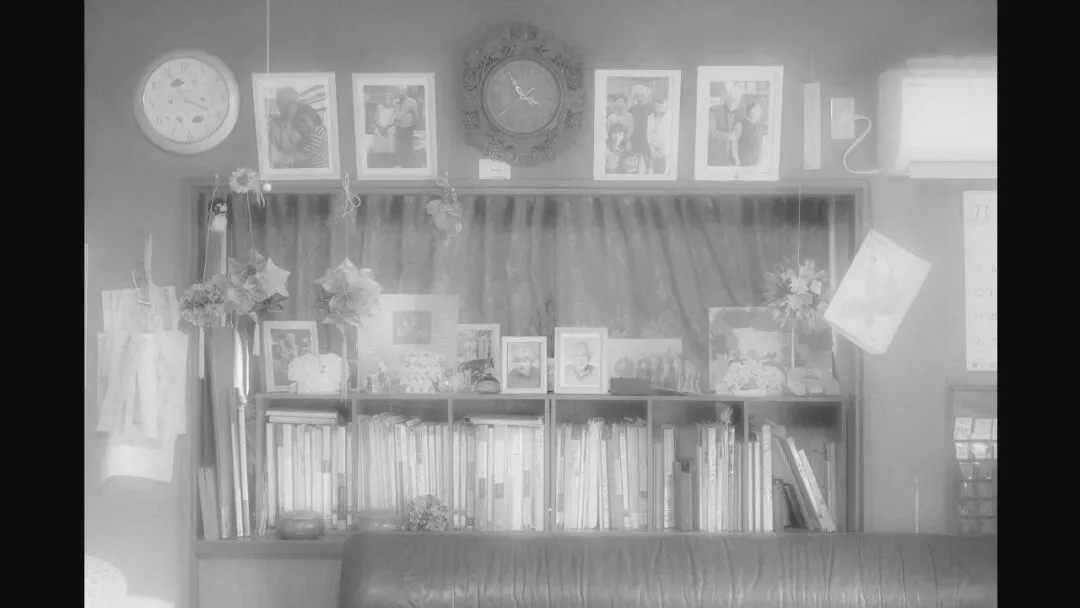
The story editing is deeply poetic too (at 7:19). To convey Jiu'er's passing she avoided direct imagery: earlier came the fish-release photo — the fish returning to nature, just as we return to nature atom by atom after death — an echo of imagery; and the room that once held Jiu'er and her family now stands empty. Restrained contrast says more than words ever could.
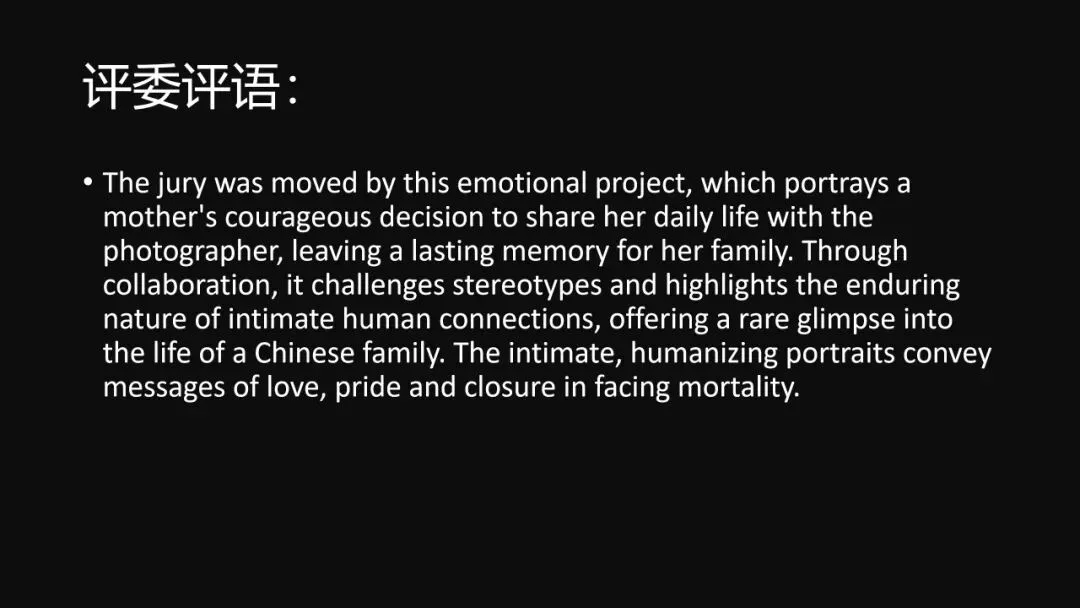
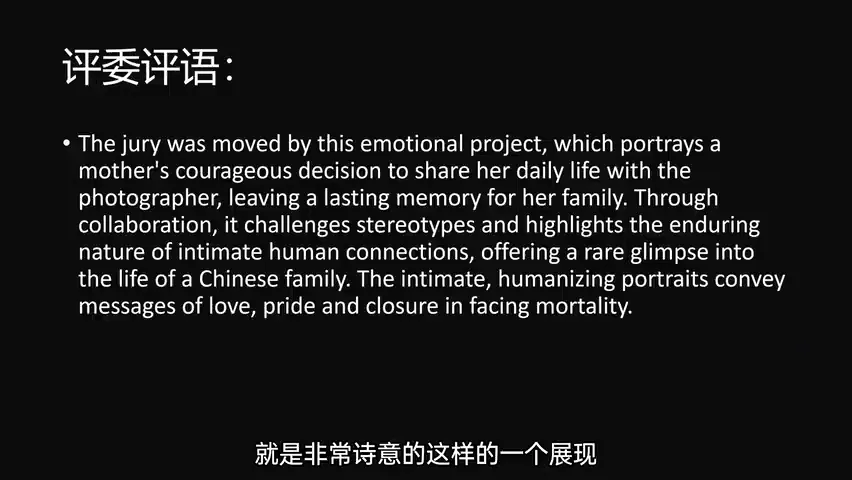
The jury's citation reads (at 7:53): the jury was moved by this emotional project, in which a mother bravely decided to share her daily life with the photographer, leaving a lasting memory for her family; through collaboration it challenges stereotypes and highlights the enduring nature of intimate human connection, offering a rare glimpse into the life of a Chinese family; its intimate, humanizing portraits convey messages of love and pride in facing mortality.
04 Open Format: When Form Meets Content
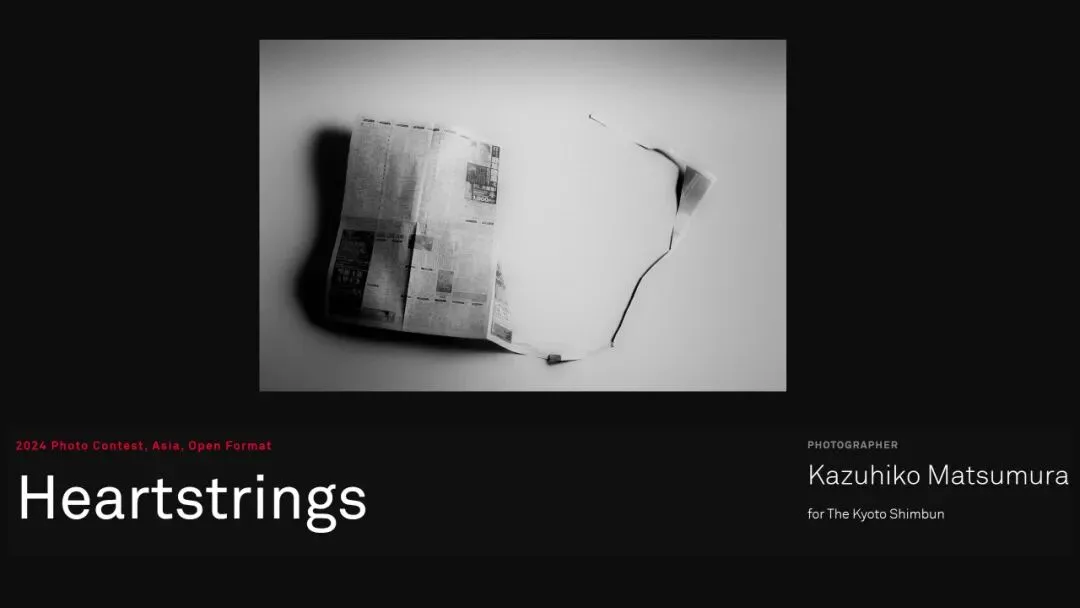
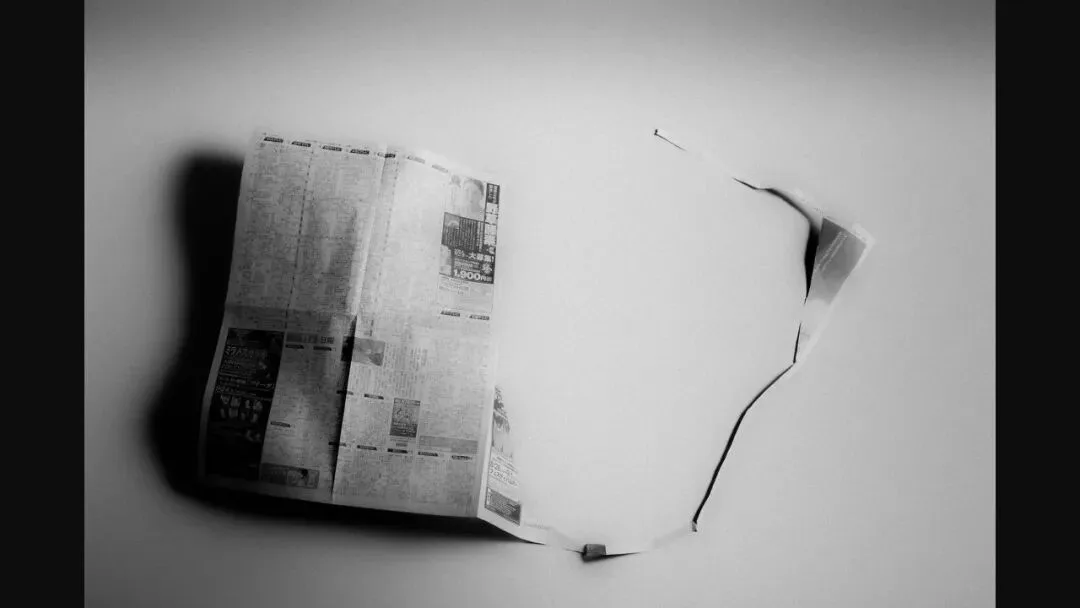
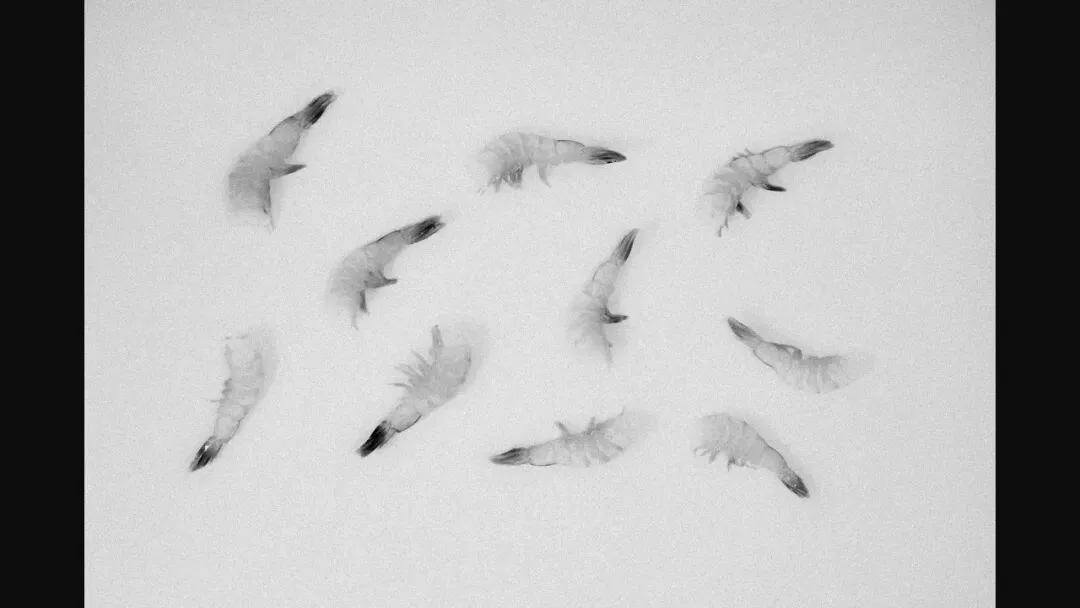
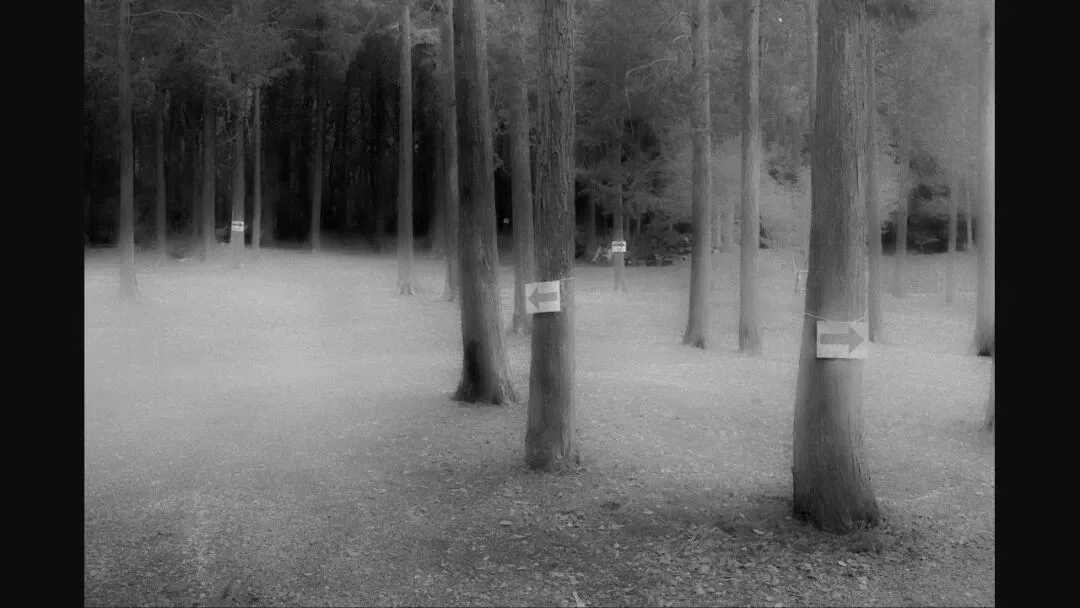
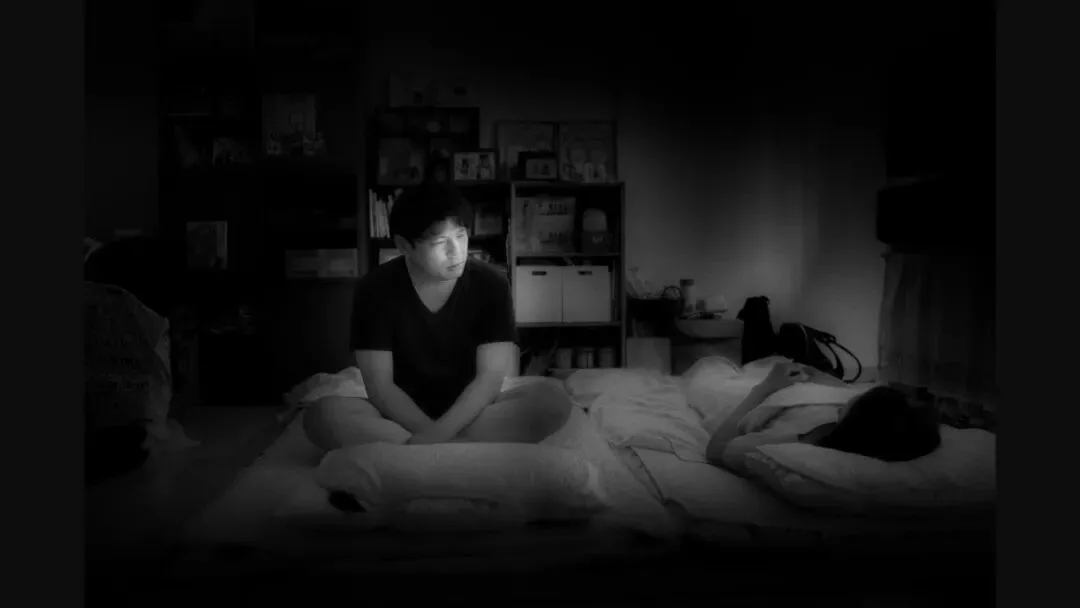
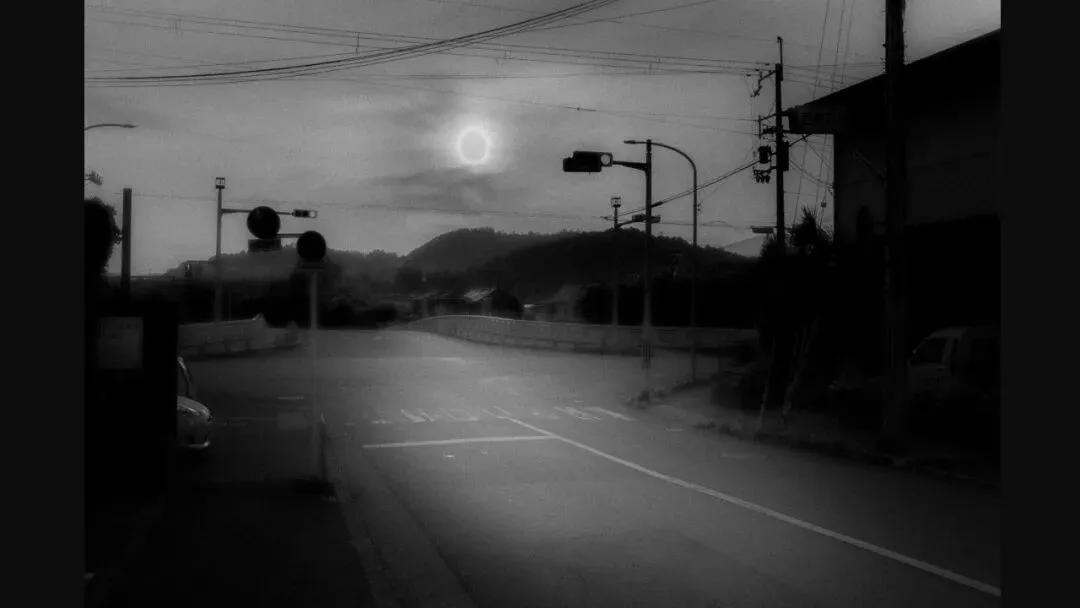
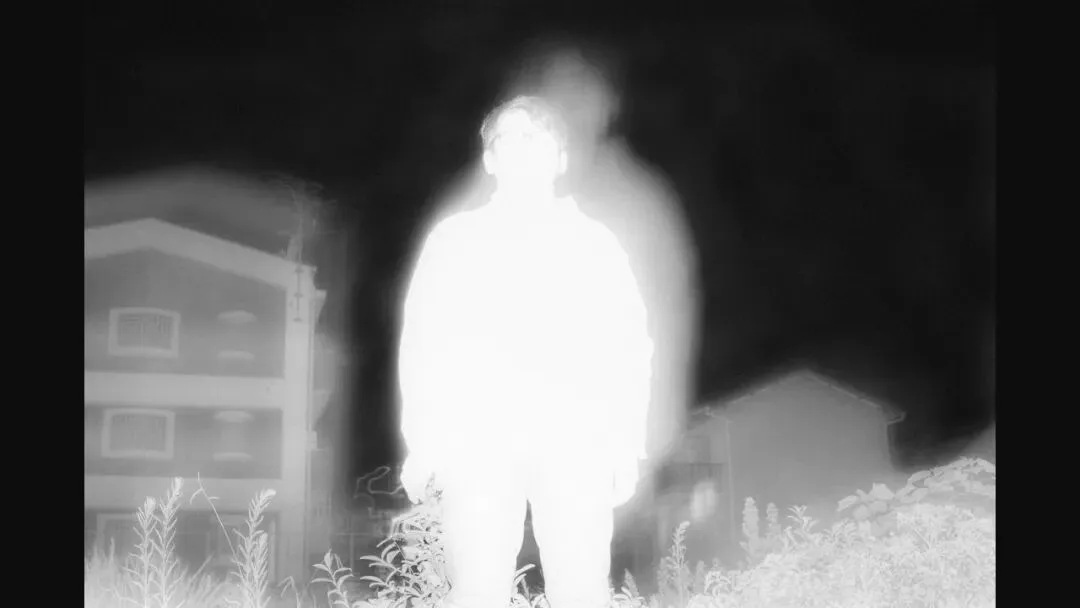
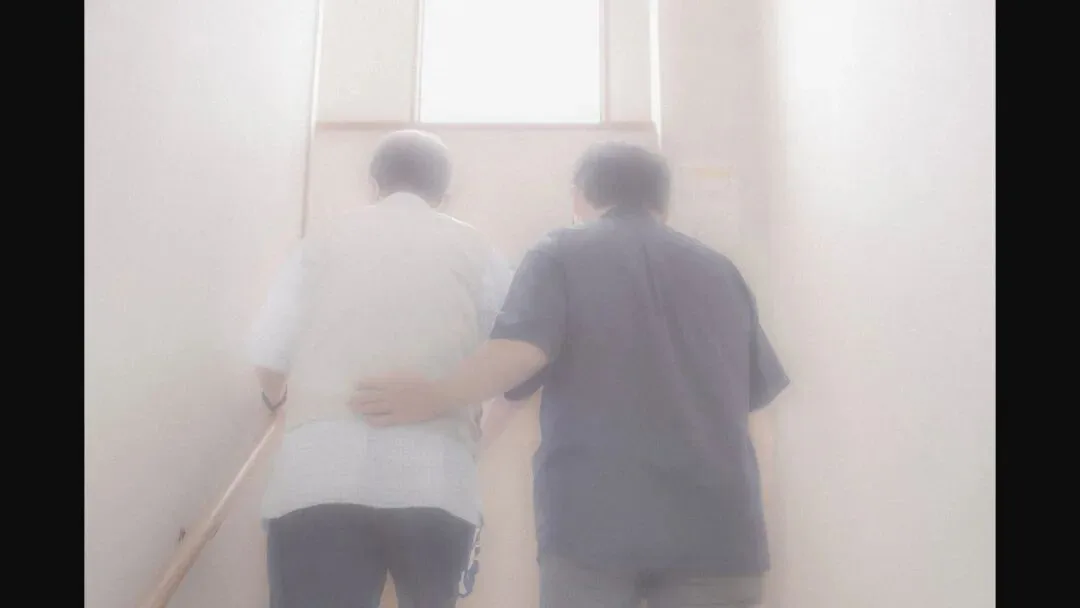
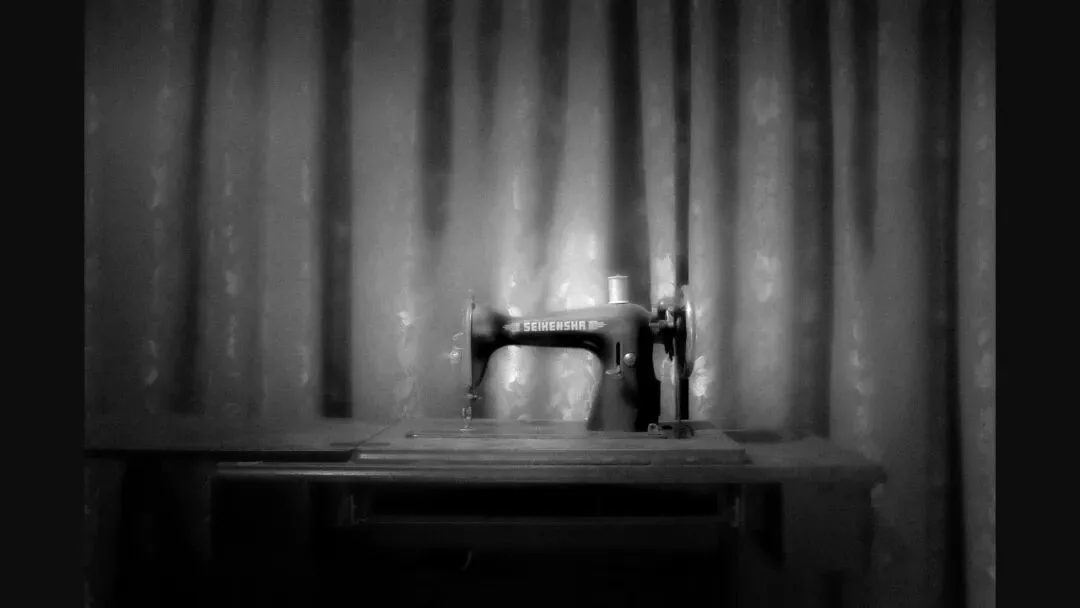
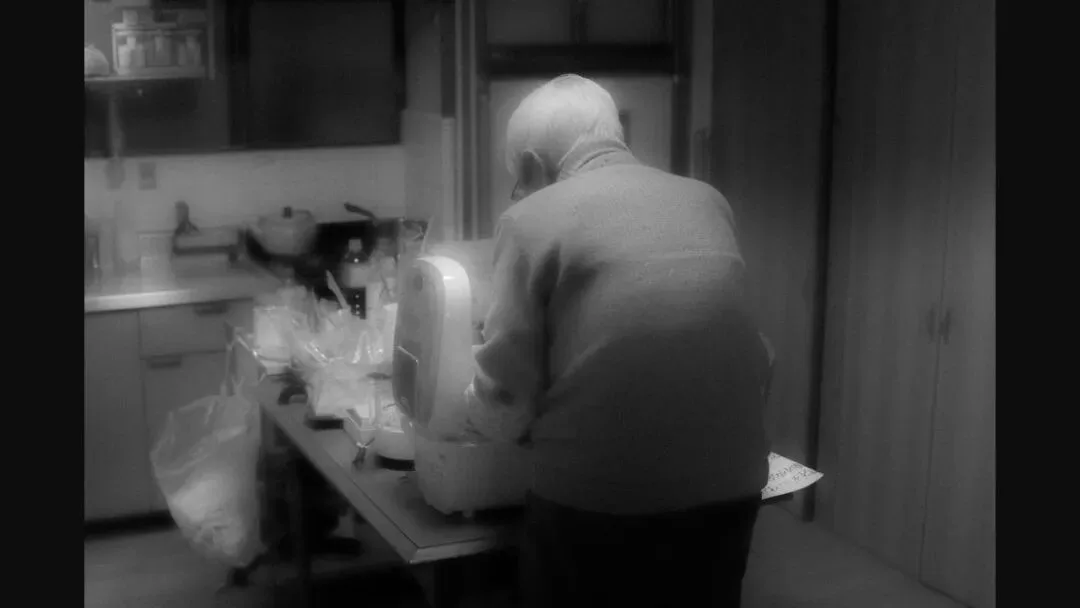
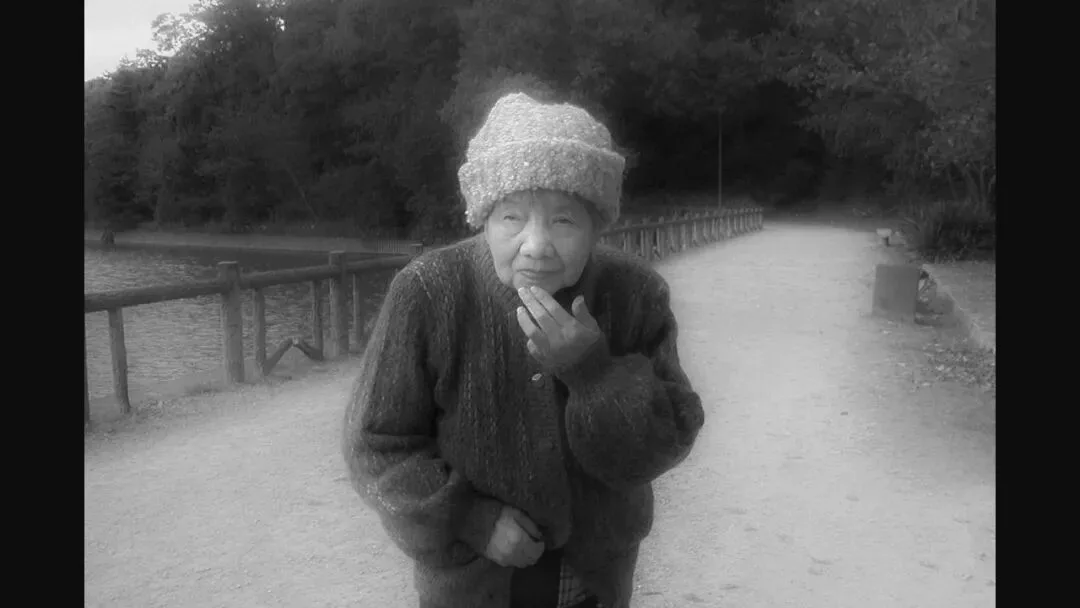
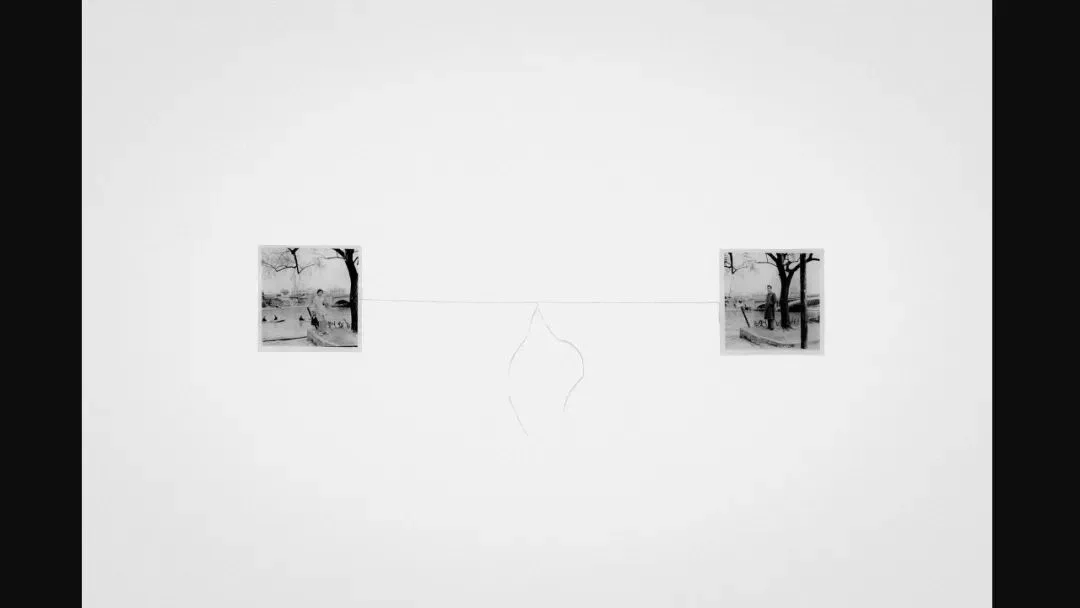
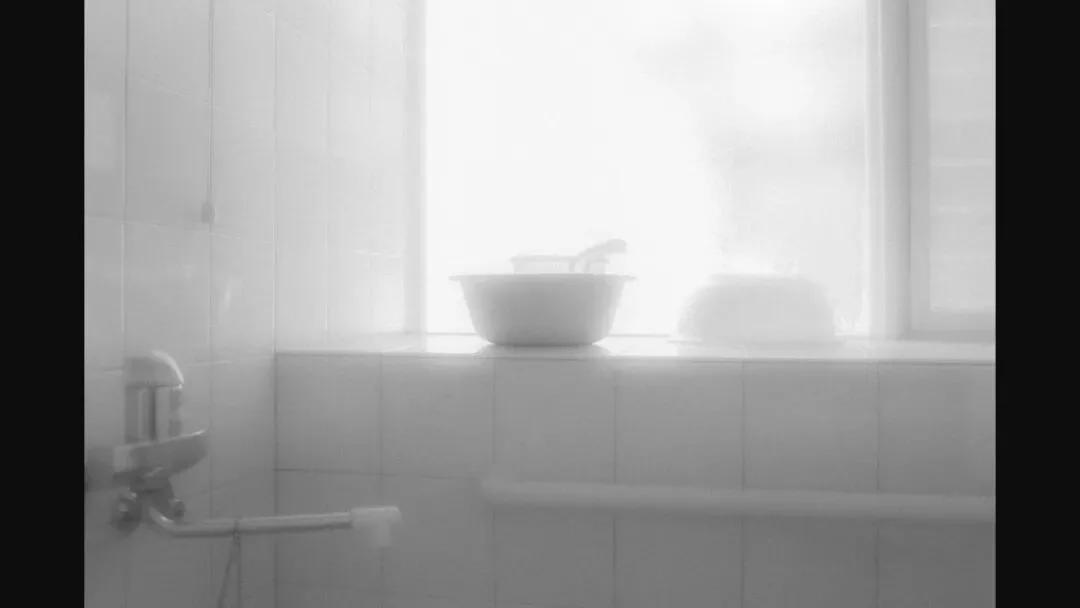
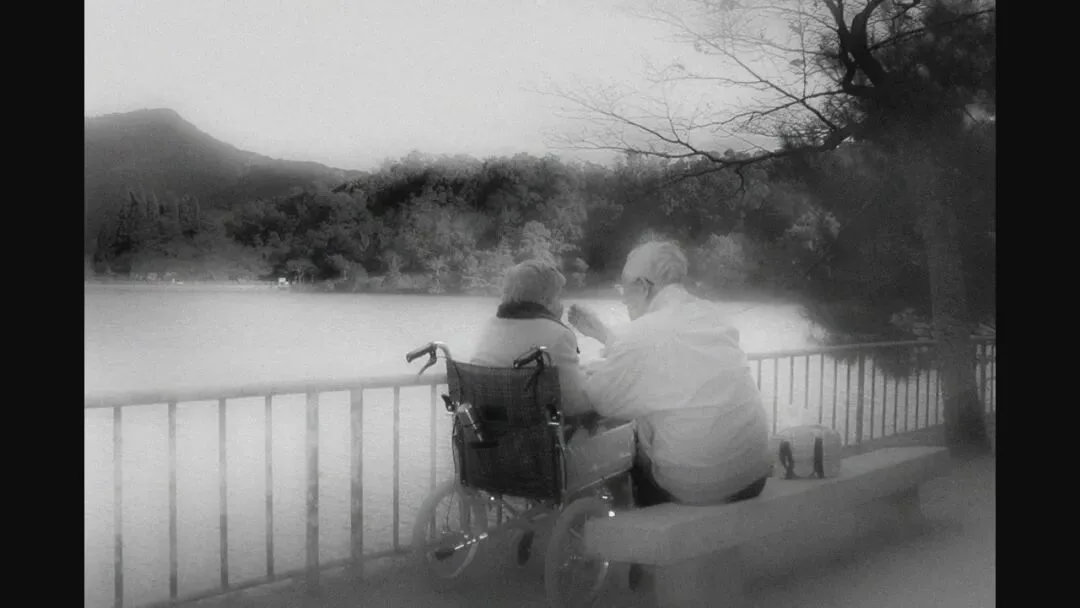
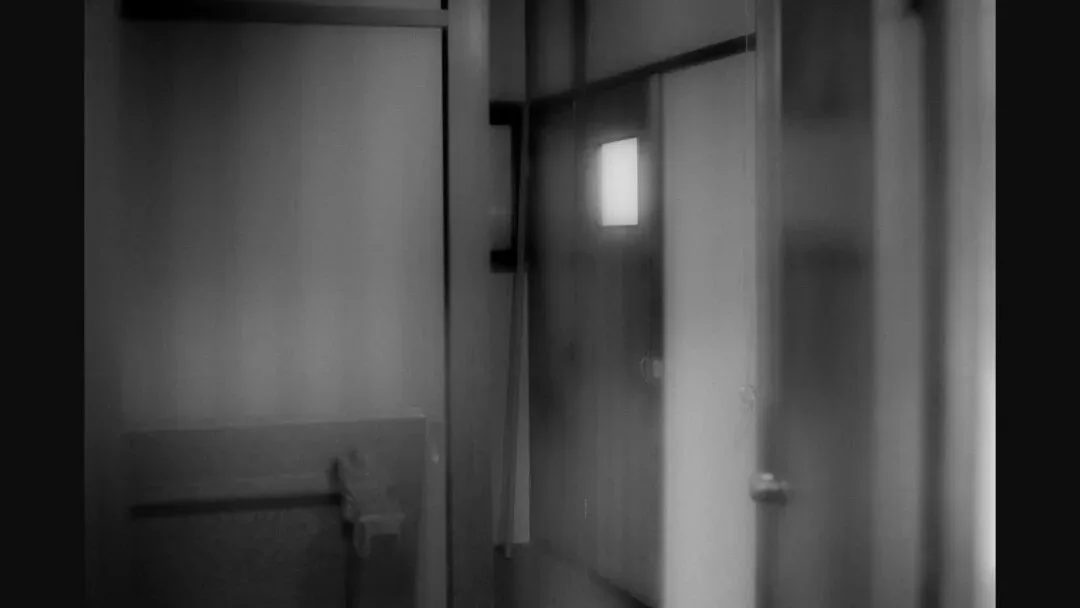
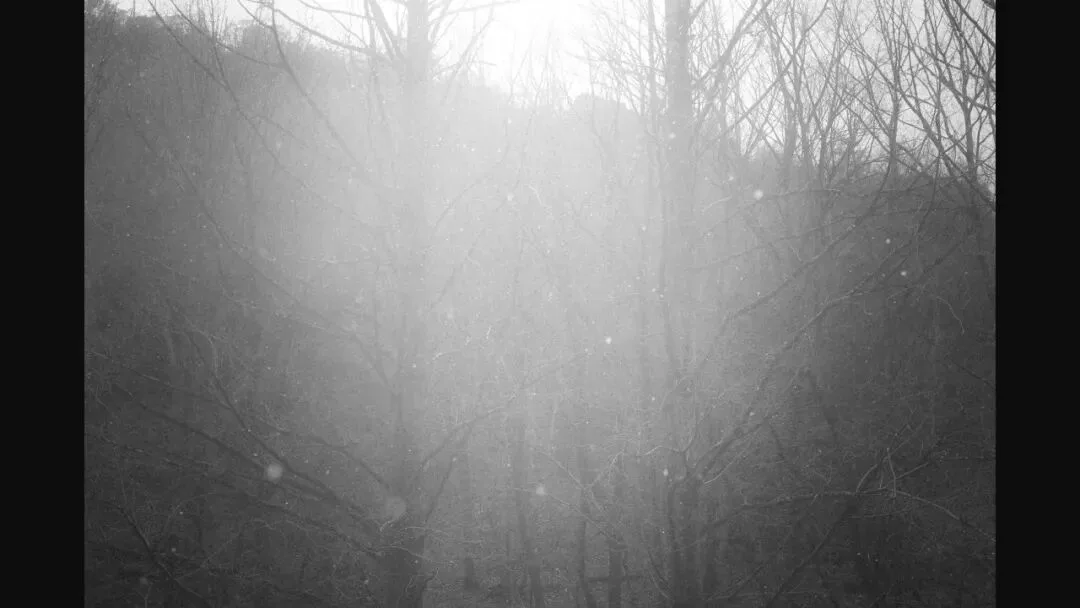
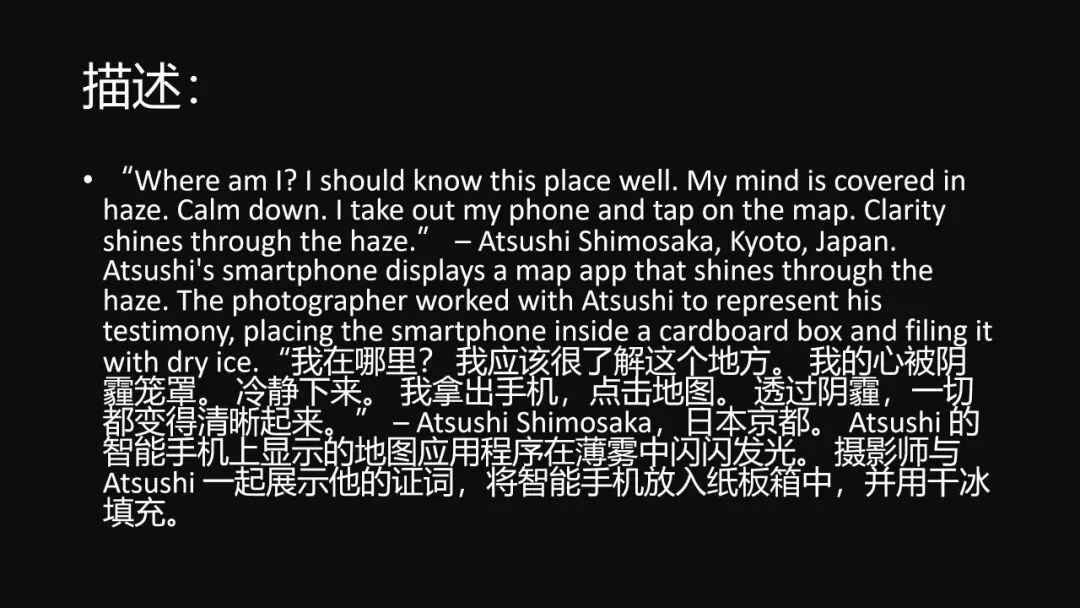
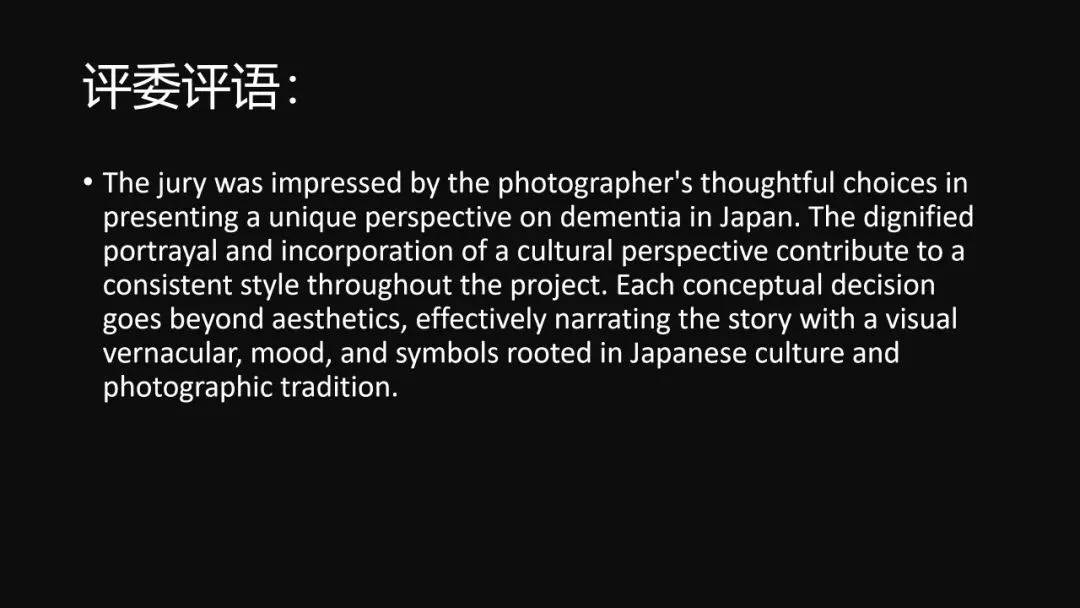
Open Format is the only World Press Photo category that allows extensive post-processing — pixel manipulation, any digital operation — and unlimited staging up front: as long as the underlying facts are real, the form of expression is unrestricted (at 8:00). This year's Asia Open Format winner is "Heartstrings" by Japanese photographer Kazuhiko Matsumura, addressing dementia in an aging society.
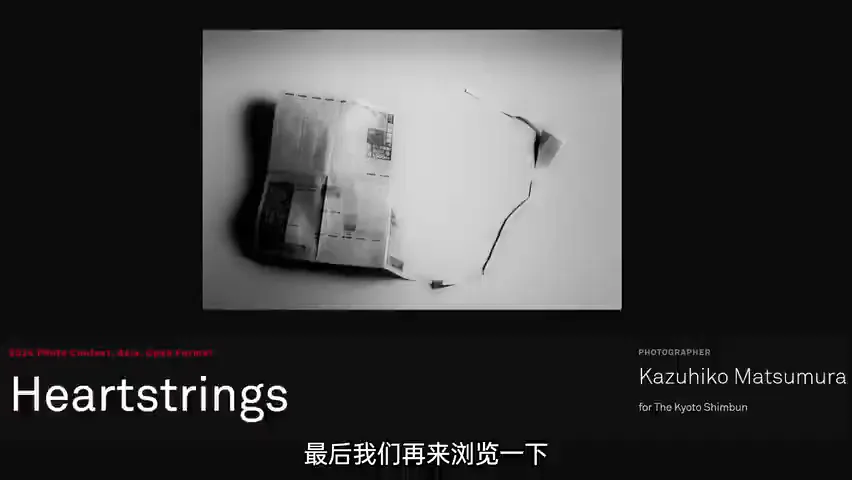
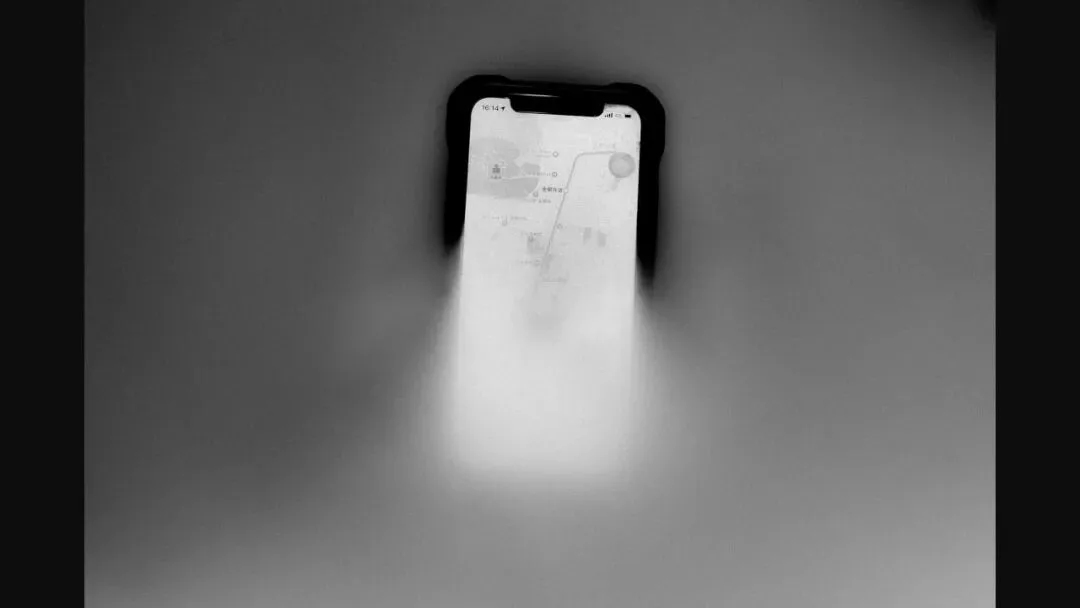
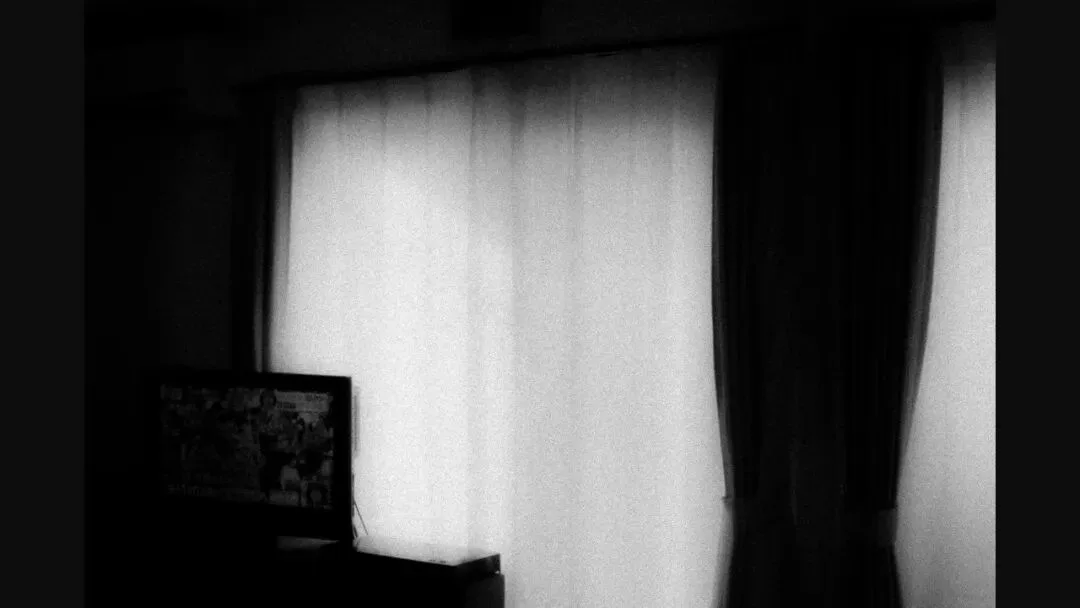
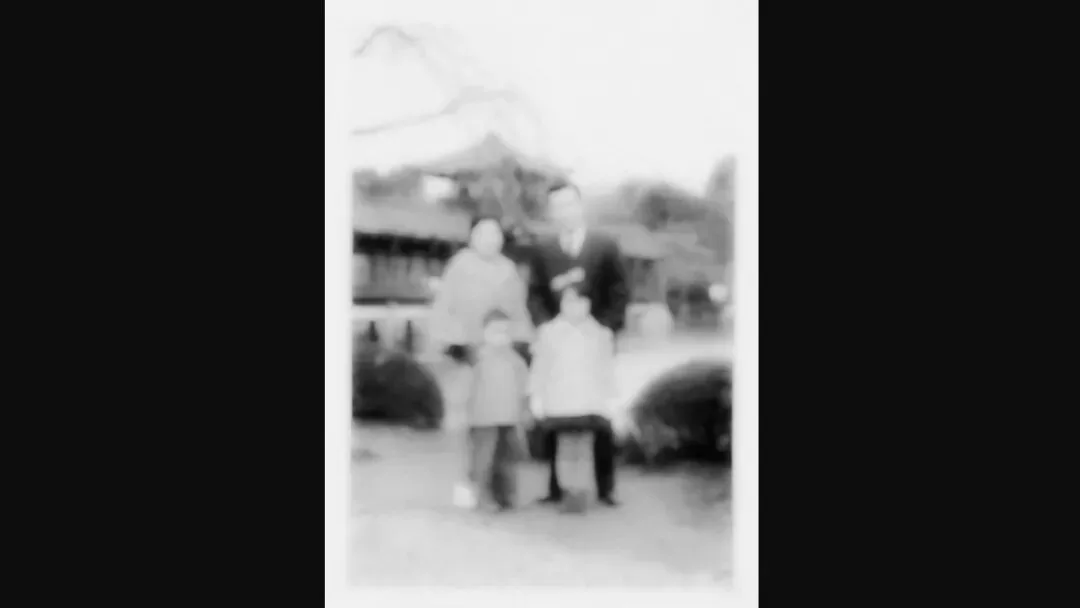
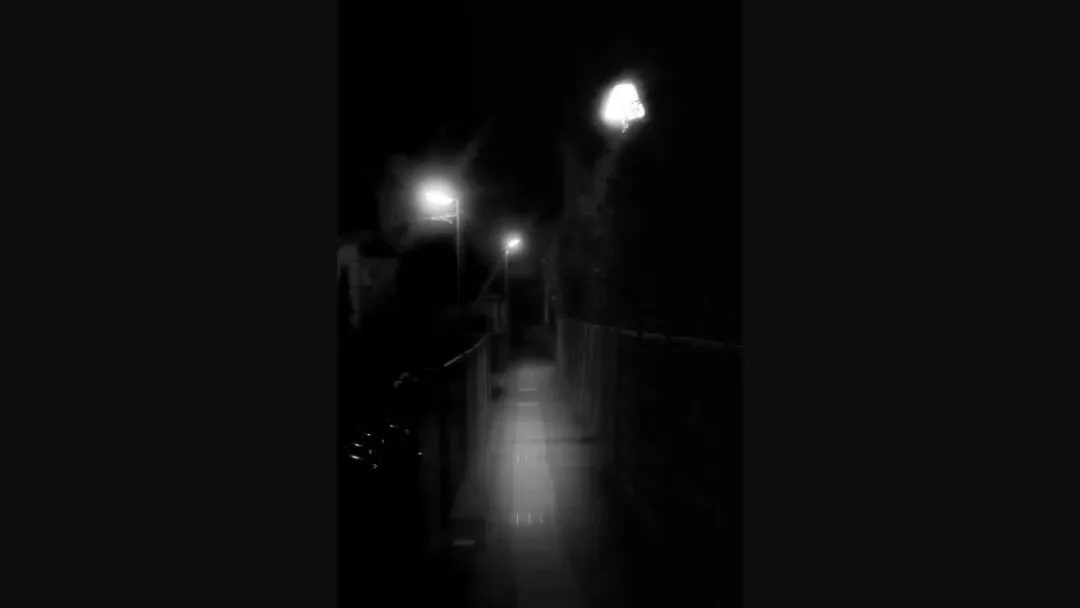
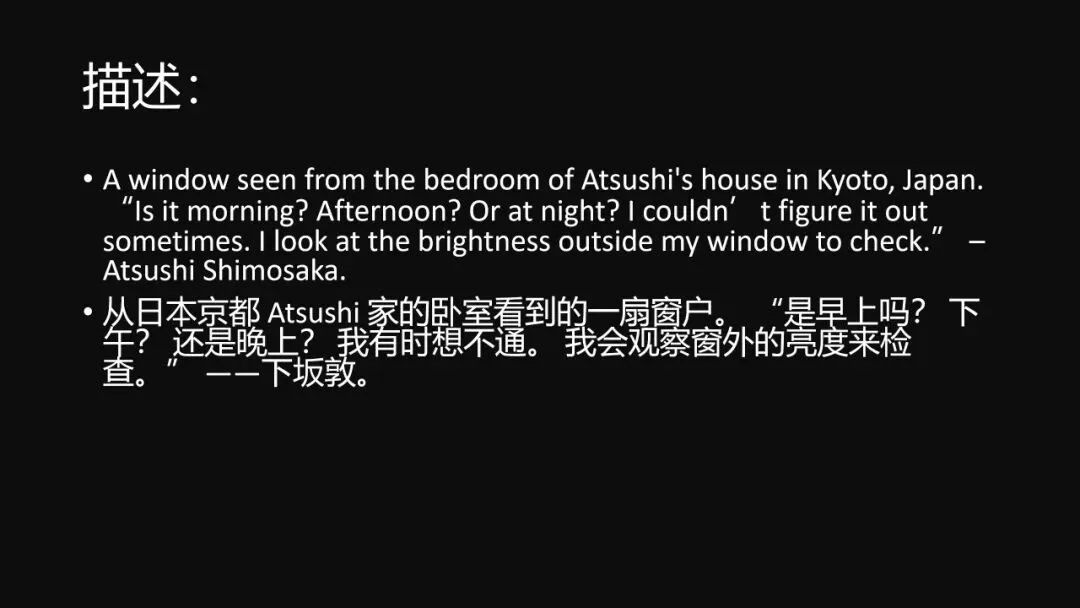
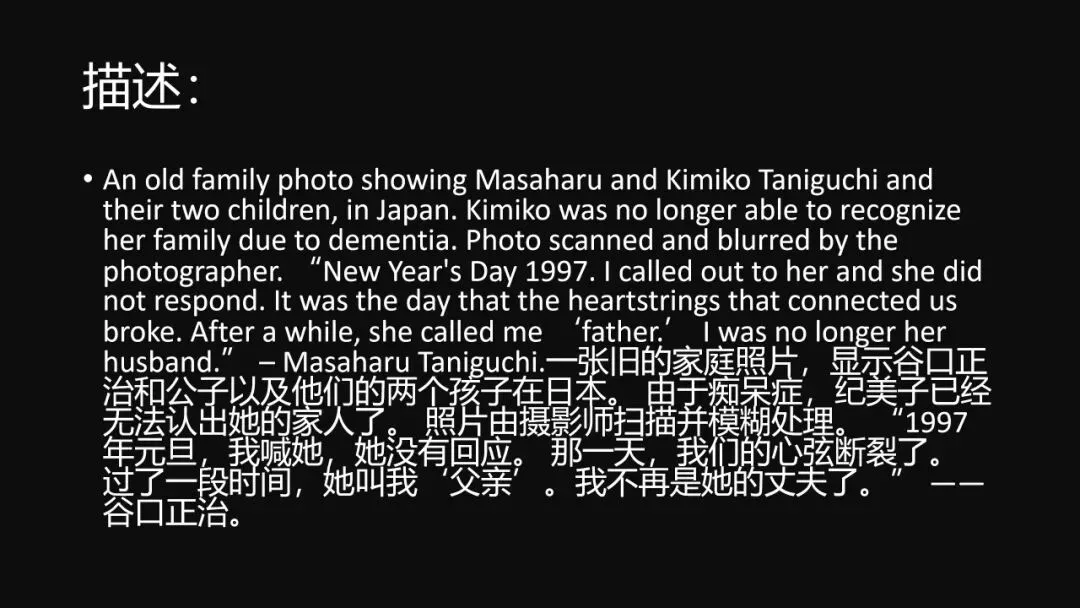
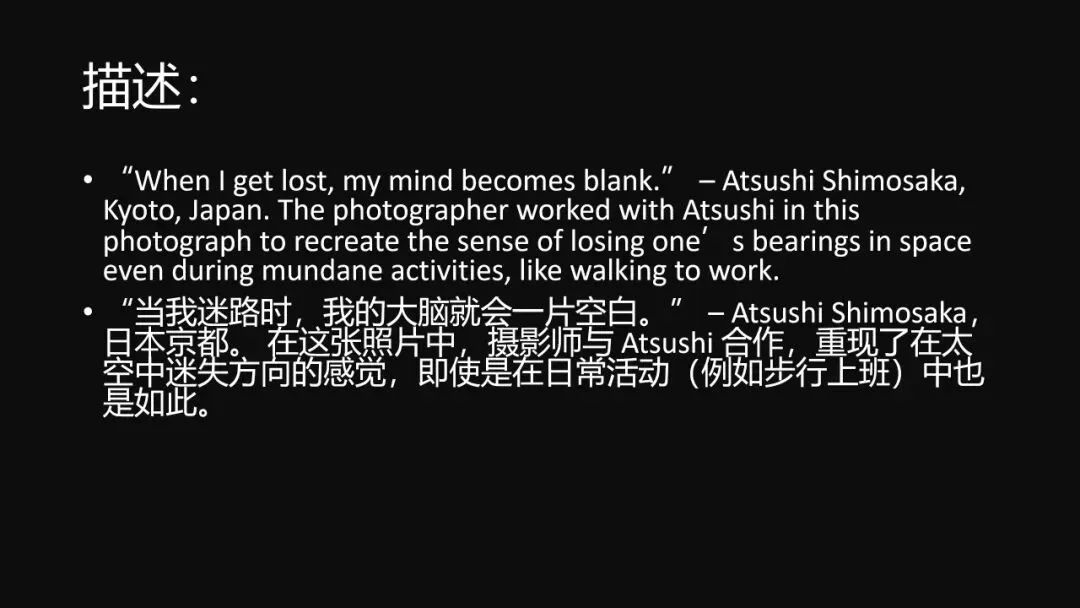
Thomas considers the series' greatest strength to be the complete unity of form and content (at 9:07). To show a patient suddenly not knowing where they are, dry-ice smoke blurs the lower half of the frame; to show losing the sense of day and night, of light and time, a street where streetlamp and sun overlap; to show the mind going blank, like the soul leaving the body, blown-out flash creates an unreal glow; and an old family photo is blurred because the patient can no longer recognize the people in it (at 9:57).
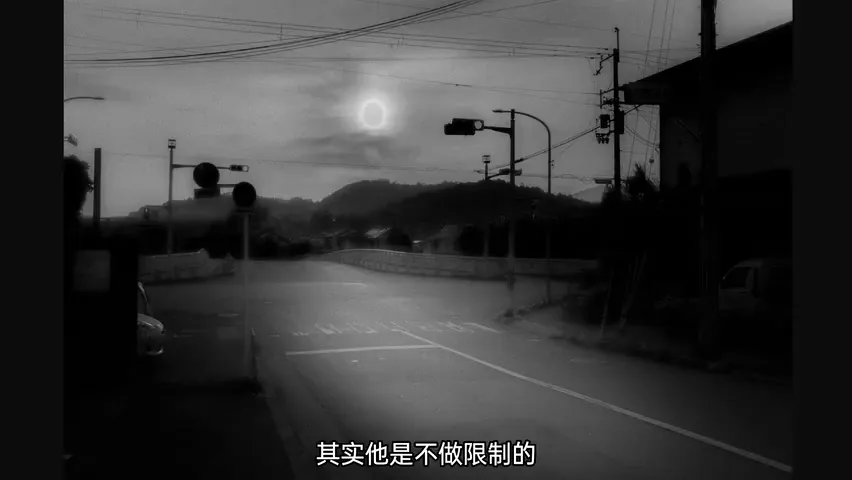
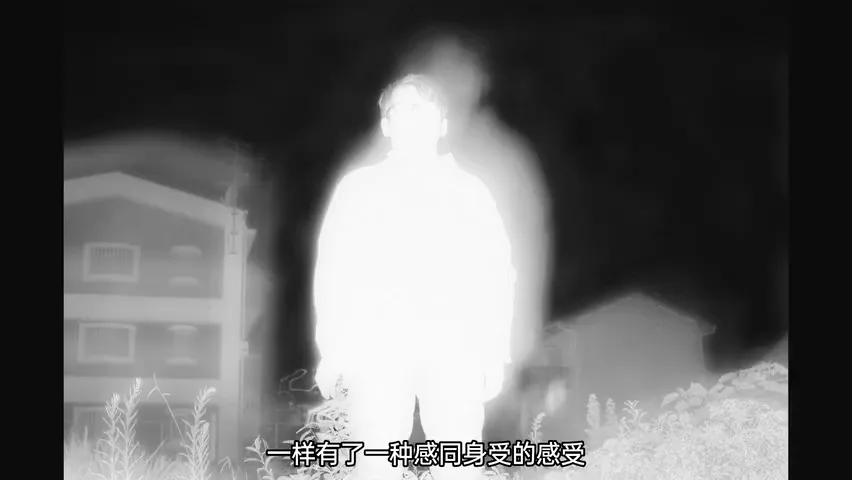
None of these techniques is new on its own — scroll social media and many photographers shoot this way, mostly because it looks cool. Here, however, every blur and every blow-out corresponds to the real sensation of living with dementia, making viewers feel as if they had the illness themselves (at 10:40). That unity of form and content is precisely why it won — and precisely what is worth learning.
05 Restraint vs Directness
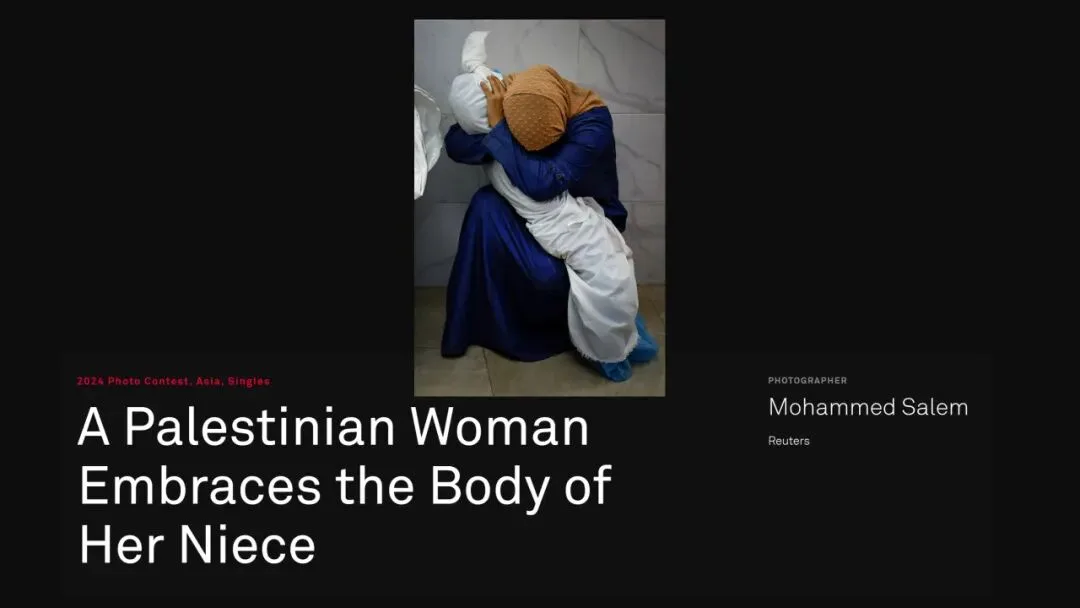
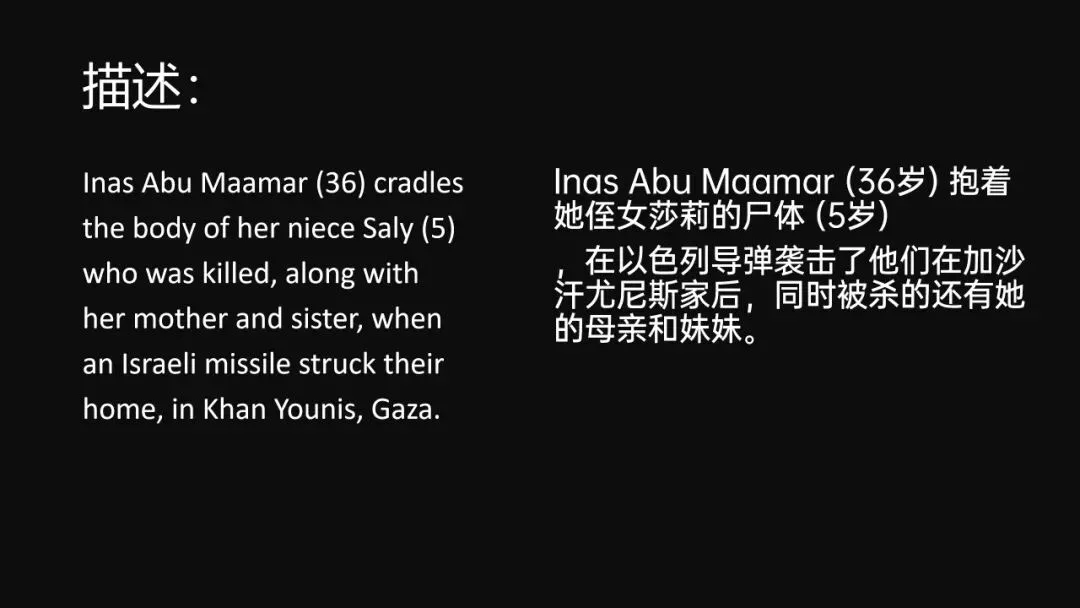
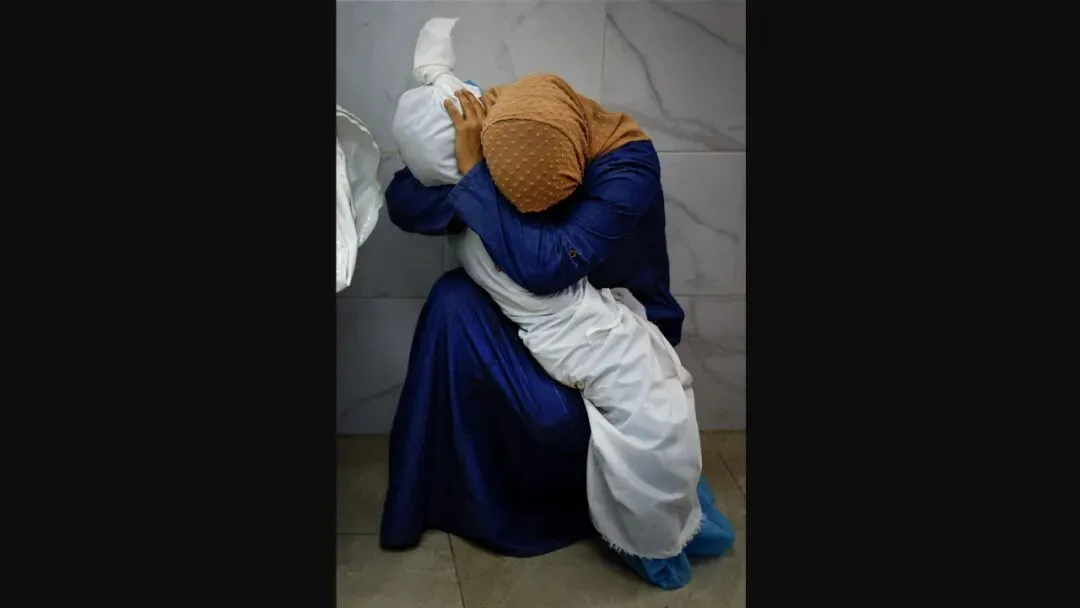
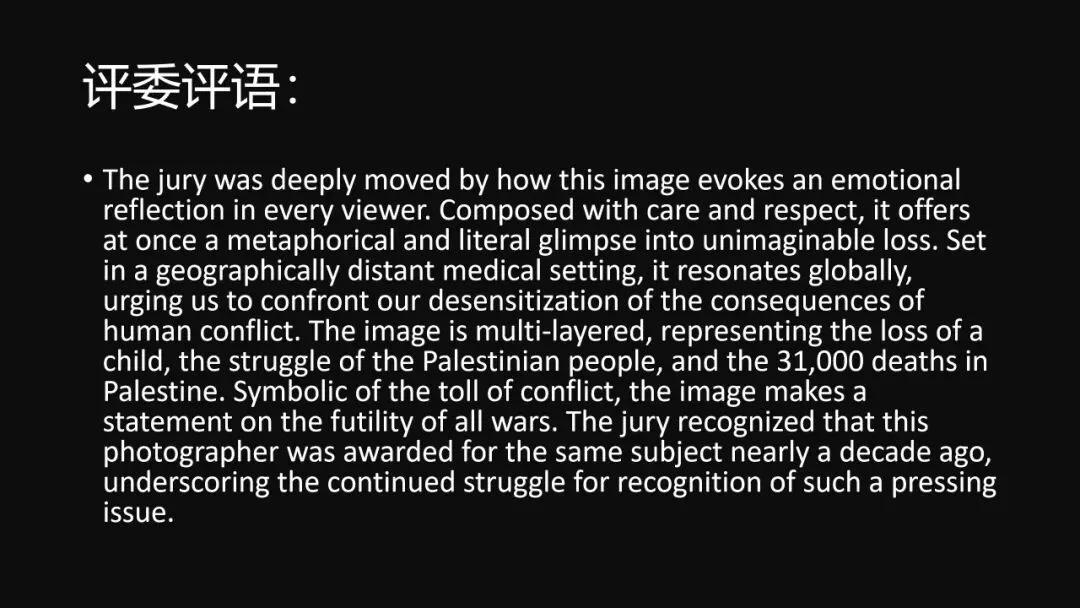
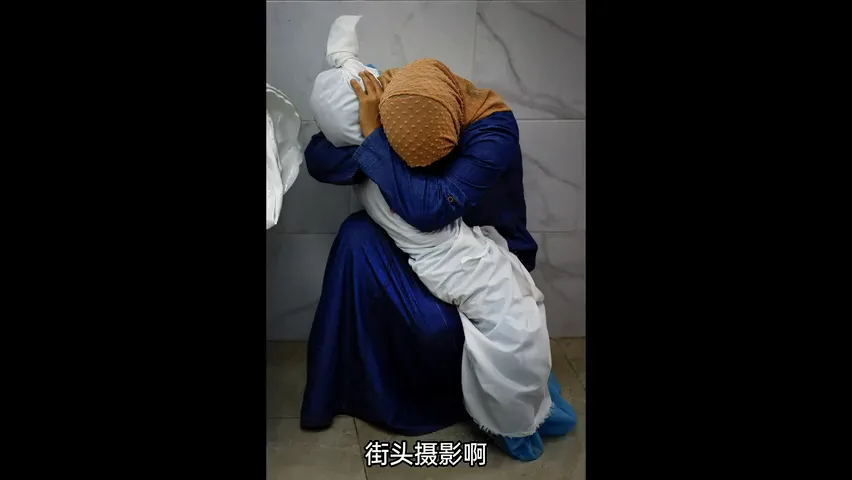
The region's winning singles shot the Israel-Palestine conflict head-on (at 11:11): a Palestinian woman cradling the body of a child killed in an airstrike. Yet it differs from traditional war photography — no blood, no visible faces, no cries, no chaotic battlefield; only clean composition, a plain background and a few blocks of color. The same image was named the 2024 World Press Photo of the Year.
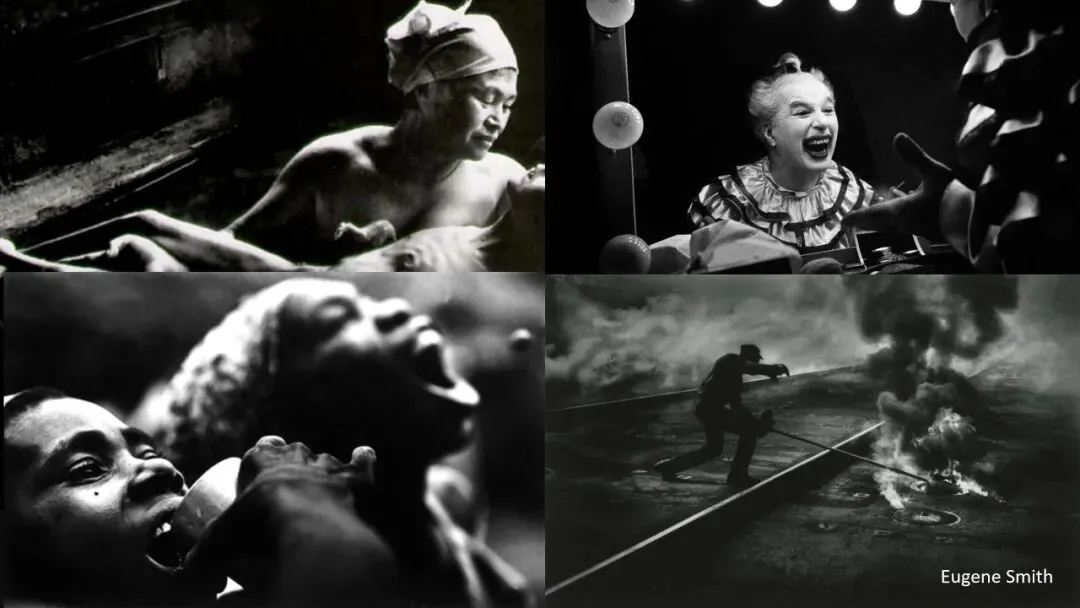
Traditional documentary work, like that of W. Eugene Smith, strikes us through direct expressions, surrounding context and cries of grief (at 11:45); more and more work today chooses an indirect, restrained approach. Though restrained, this Gaza photo hits no less hard than any explicit one — whatever your political stance, the grief of losing a loved one to war reaches everyone (at 12:20).
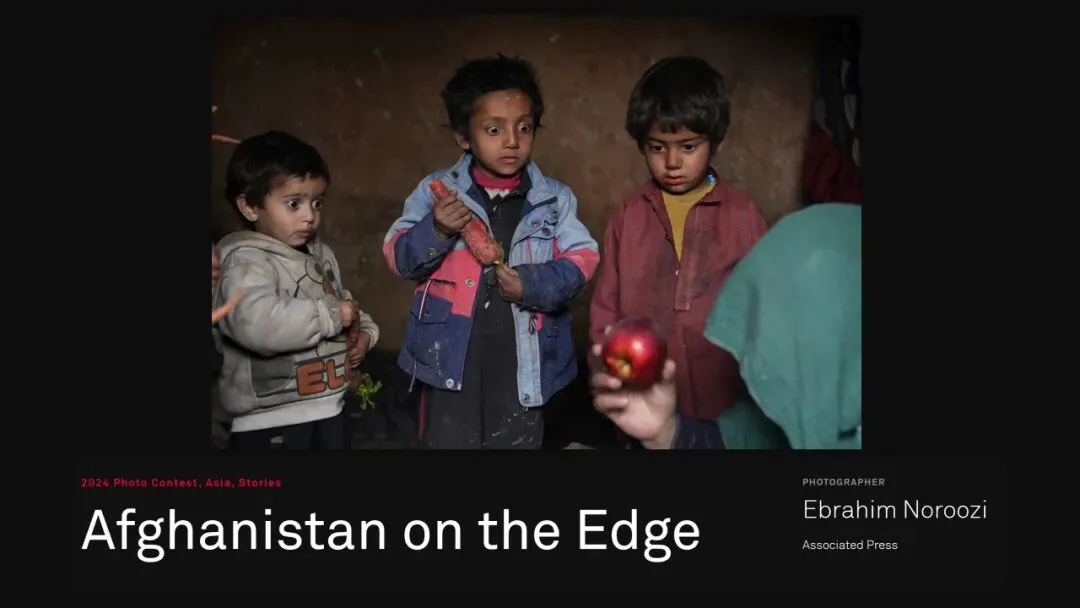
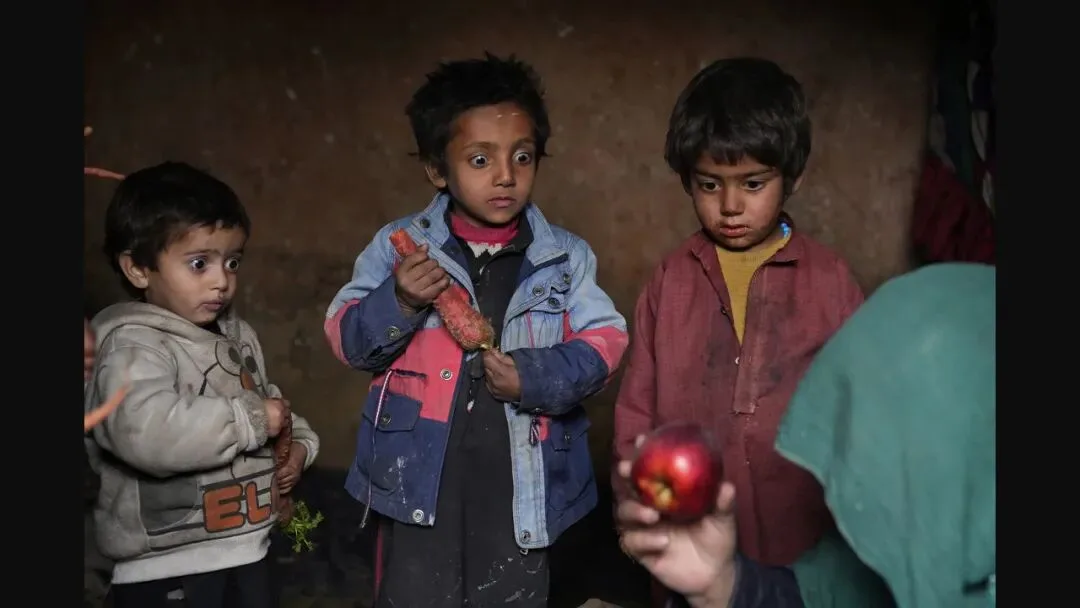
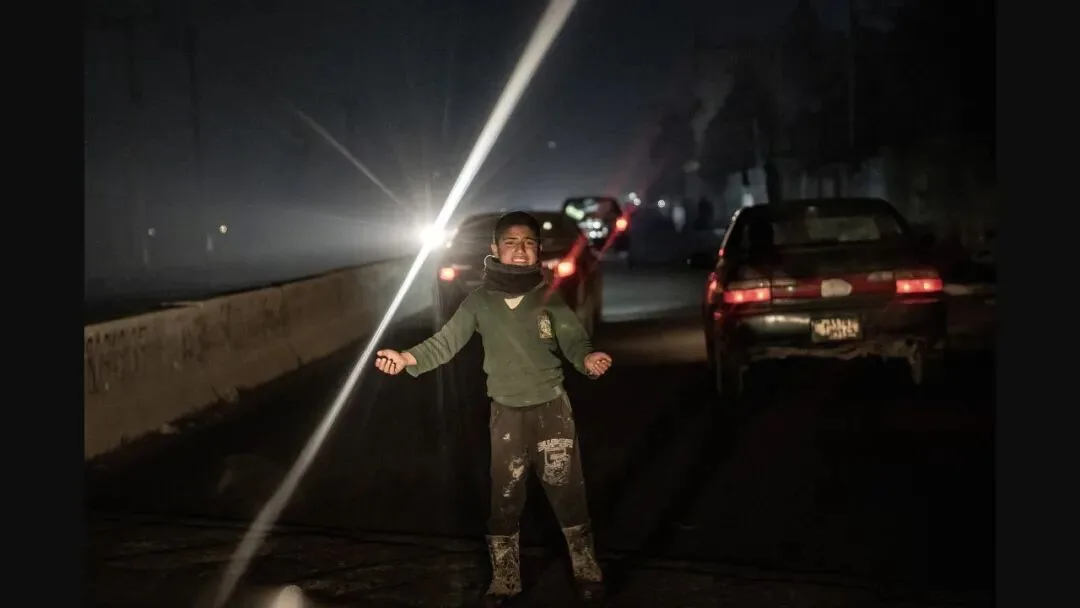
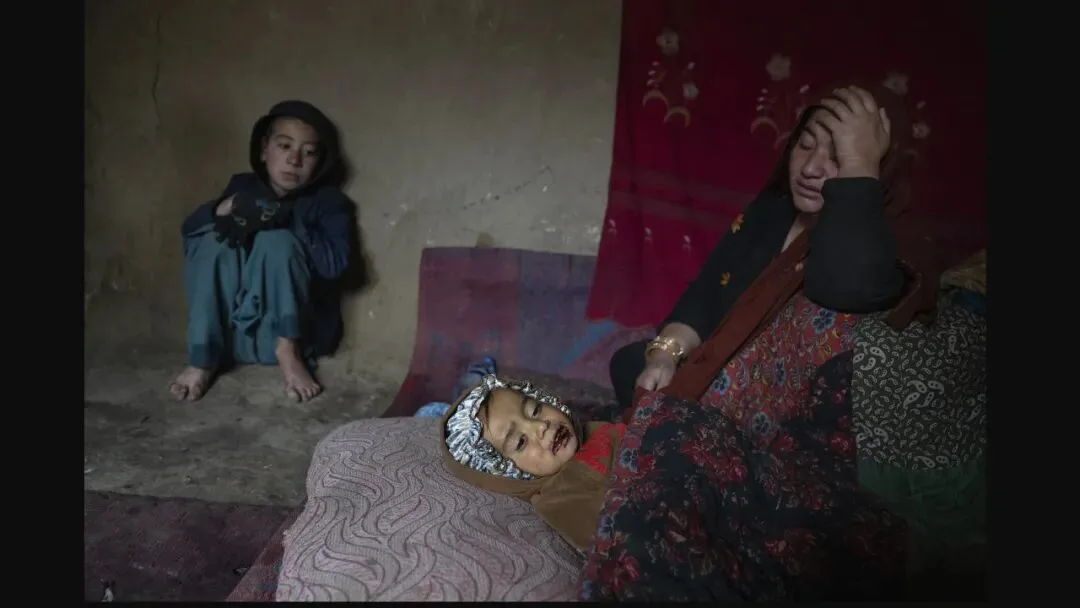
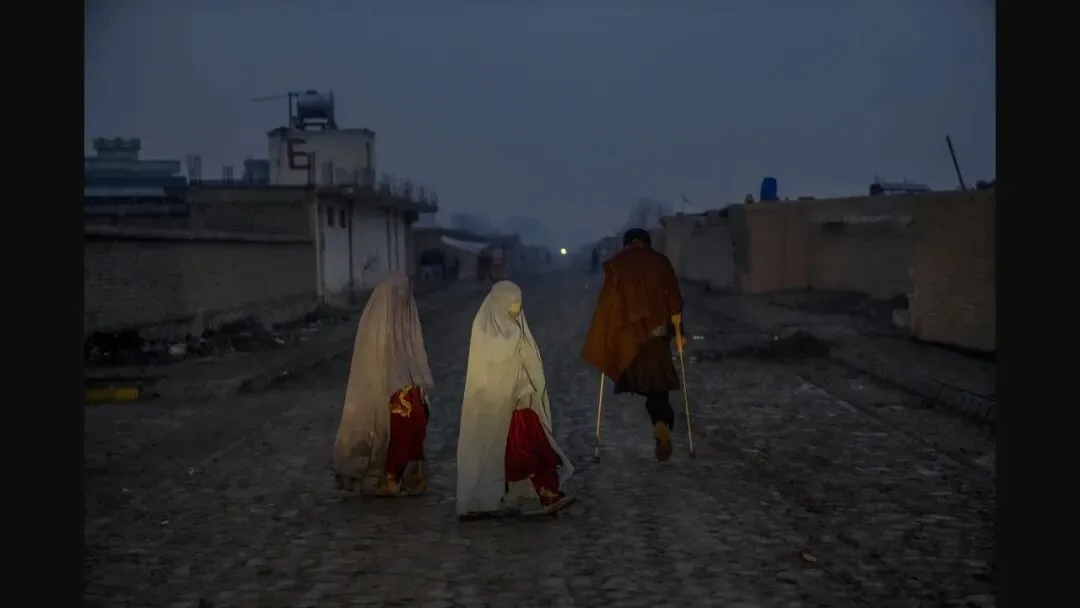
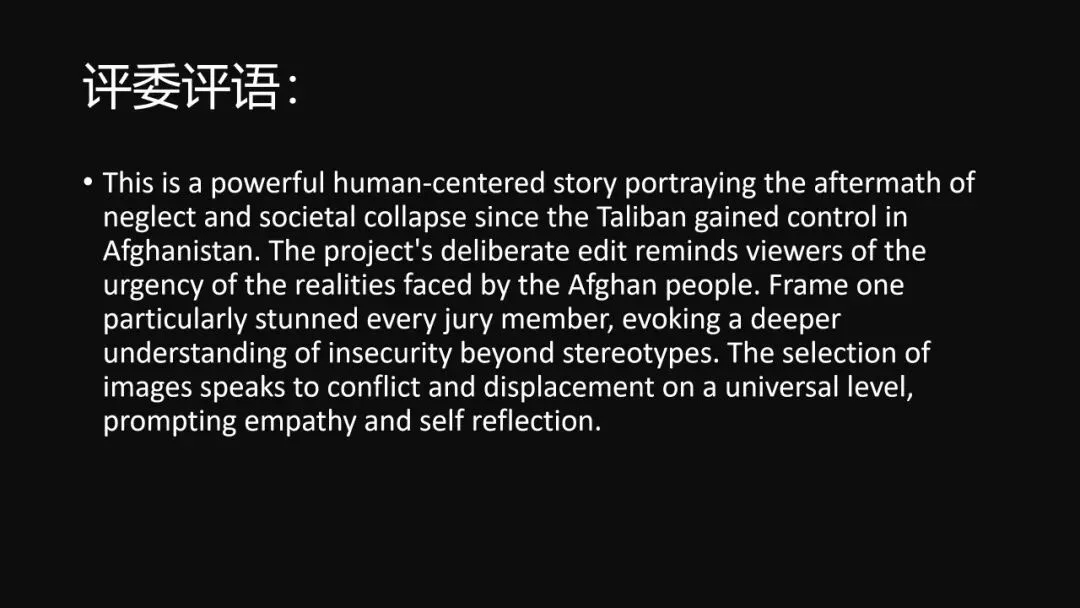
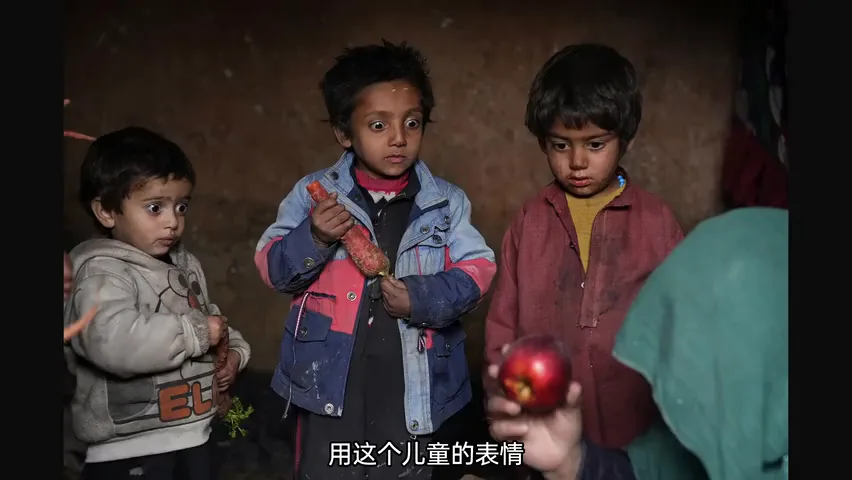
At the opposite pole, the first frame of the winning Afghanistan famine story (Ebrahim Noroozi, "Afghanistan on the Edge") chooses the most direct expression: wide eyes nearly popping out, craving a single apple (at 12:48). That traditional, direct impact makes the story a deserved Story winner — directness and restraint each have their power; what matters is your subject and how you express it.
This year's four winning works — including one by a Chinese photographer — all earned their prizes, and each represents a different trend and direction of documentary photography. Choose the form of expression that fits your subject, or the direction you do best (at 13:39).
1. Subject first: important, deep and universal themes are the foundation of World Press Photo-level work; 2. Staging is not faking — staging that keeps scenes and emotions honest remains part of documentary photography; 3. Use metaphor and poetic editing to give your photos more room for interpretation; 4. Every formal technique must unite with content and serve the story.
HD video:
https://www.bilibili.com/video/BV1Zr421x7mX/
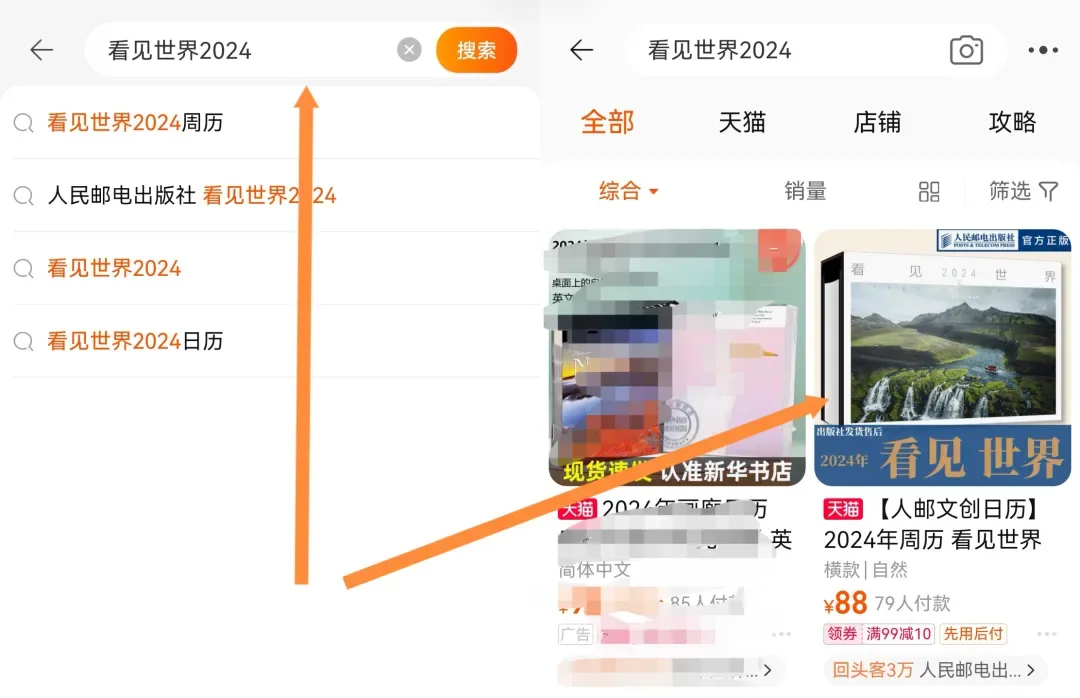
The 2024 album-grade weekly calendar "Seeing the World 2024" (《看见世界2024》), which includes Thomas's works from the past two years, is now available on Taobao. Everyone is welcome to visit the People's Posts and Telecommunications Press Taobao store to purchase!
PPT