Photography Tutorial · 2023-10-19
Witnessing History — The Israeli-Palestinian Conflict in the World Press Photo Contest
Recording and spreading the world's real and cruel side — countless photographers and journalists have even paid with their lives for this.
In today's photography tutorial, Thomas has selected photography works about the Israeli-Palestinian conflict from the World Press Photo Contest over the past 20-plus years — on one hand recalling this complex and tortuous history, and on the other hand learning many photo composition techniques and series editing ideas from them.
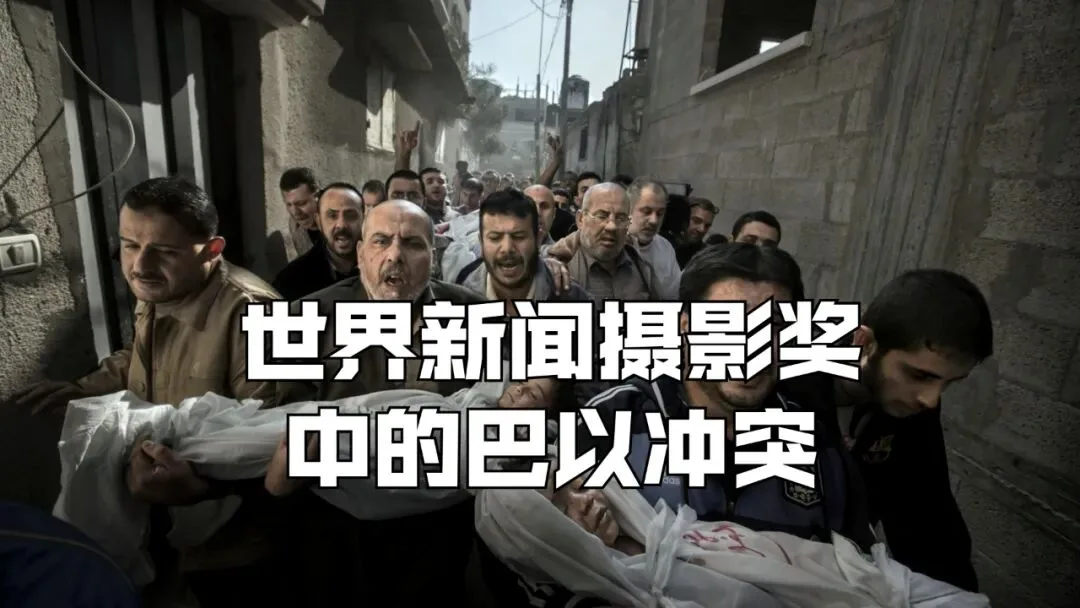
Video
▶ Watch the video tutorial on Bilibili
This article is the illustrated companion to the video above: Thomas selected World Press Photo winners on the Israel-Palestine conflict from the past two decades, revisiting this complex and tortuous history while showing how a single photograph tells a story — the many angles from which a complicated conflict can be recorded.
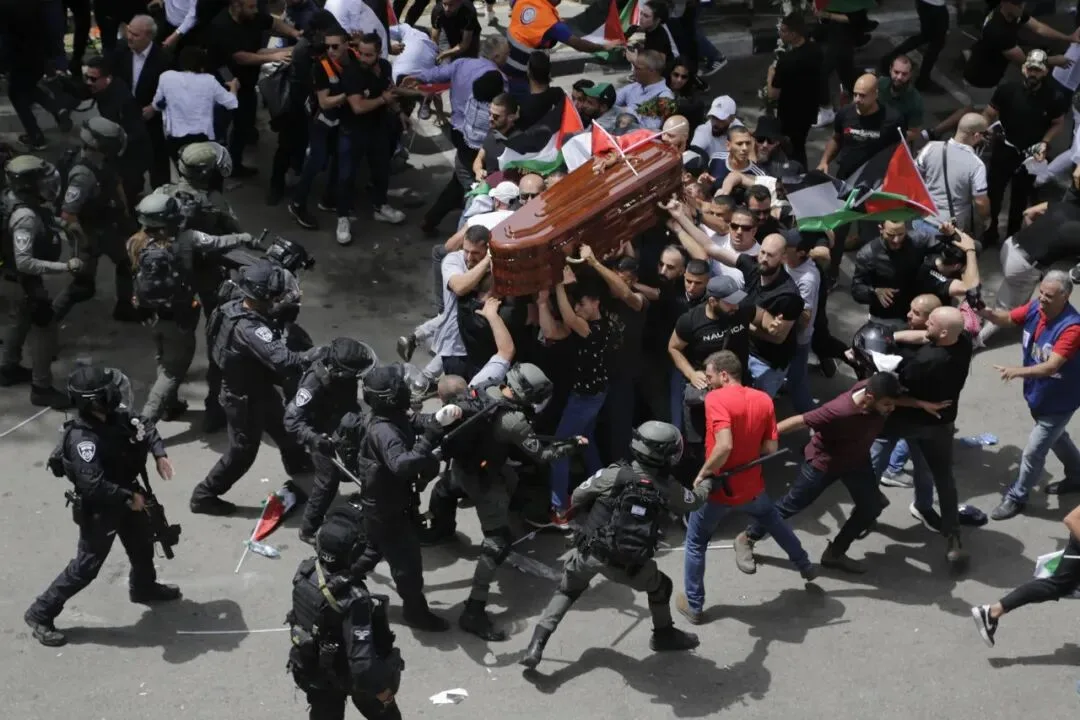
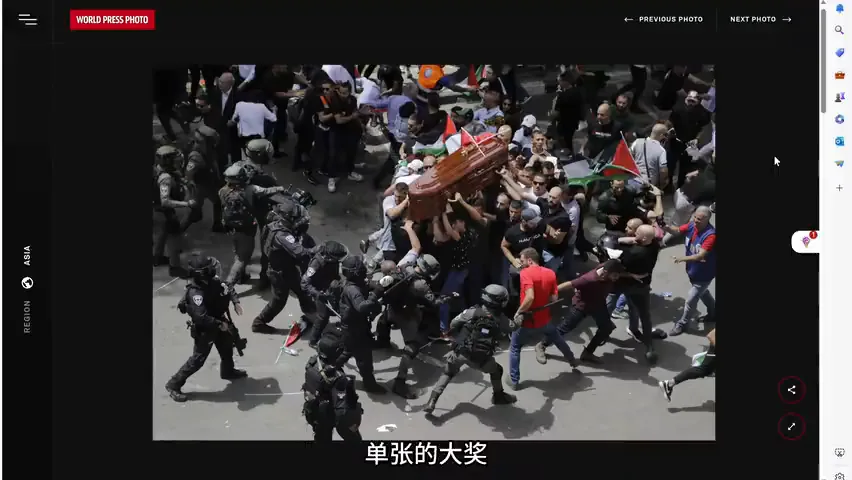
Start with the most striking frame: "Shireen Abu Akleh's Funeral", winner of the 2023 World Press Photo Singles for the Asia region (at 1:57) — Israeli police beat mourners escorting a coffin with batons. Inside is Shireen Abu Akleh, a Palestinian-American journalist for Al Jazeera. Thomas recounts that she was shot dead by Israeli forces while reporting in the West Bank; the US government stayed largely silent, and it was Palestinians who held her funeral.
01 Witnessing: The Duty and Honor of Photojournalism
Thomas makes one thing clear first: these works winning World Press Photo awards is not a consumption of suffering. These photographers' job is to record, to witness, to share what is truly happening in the world and keep us awake — and the World Press Photo award is one of the highest tributes to that work (at 0:57).
A single image must be worth a thousand words, and this funeral photo is exactly that — dense with information. At the awards ceremony Thomas heard the photographer share one key decision: before shooting she had already predicted she needed a higher position, to rise above the chaotic crowd and clearly capture the front line of the clash (at 2:09).
The frame is remarkably complete: the Palestinian mourners' march, the direct clash with Israeli police, a baton striking the man in red at lower right, tear gas about to be fired behind — and through it all the crowd pressing together, flags raised, shielding the coffin (at 2:51). Other images may compose better or hit harder visually, yet miss the clash itself, telling only half the story — which is exactly why this photo won.
02 Habibi: Waiting Outside the Prison Walls
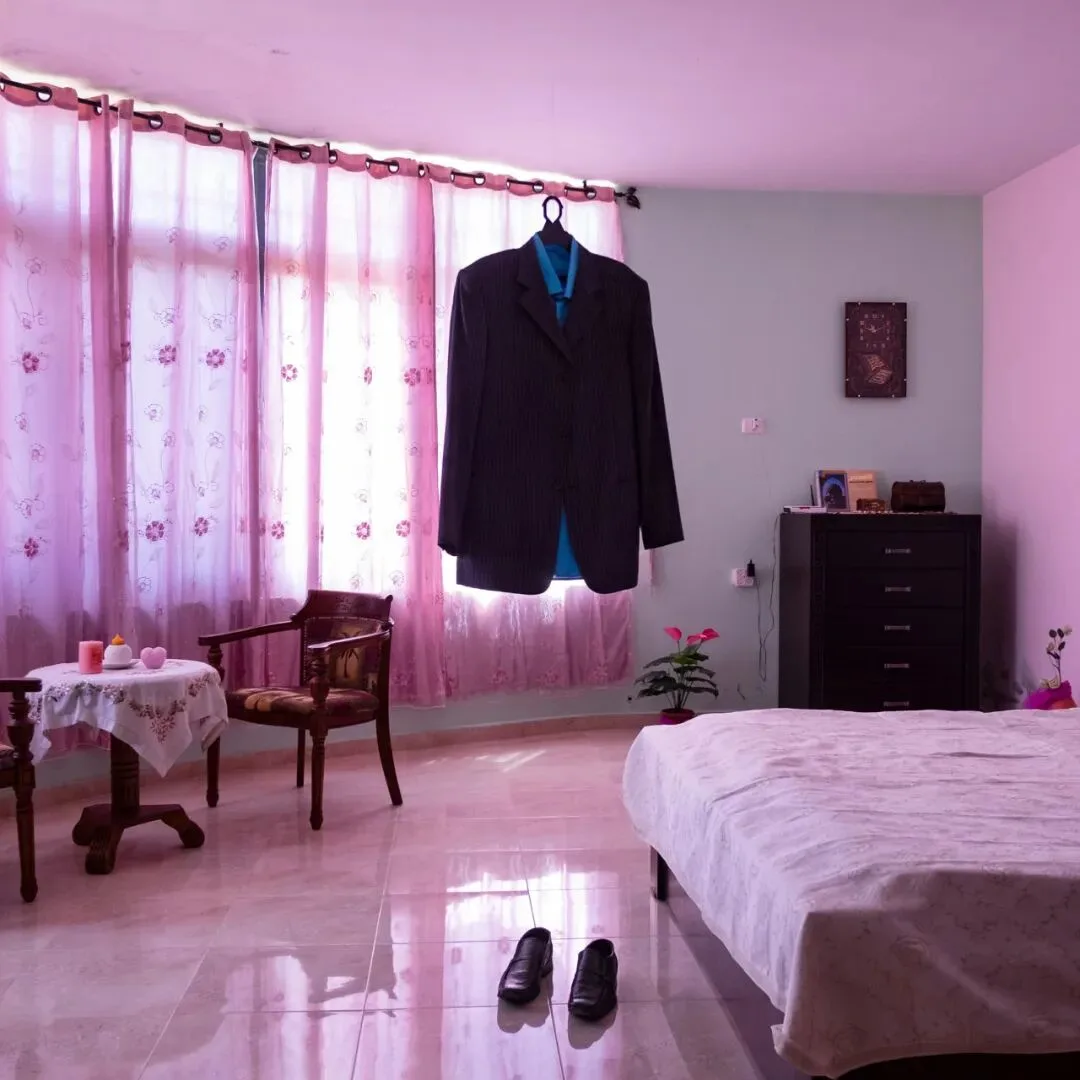
The second work is the World Press Photo Story of the Year 2021, "Habibi" (at 3:47) — Arabic for "my love" — by Antonio Faccilongo. The first photo is an empty house: the husband, imprisoned by Israel in the West Bank and sentenced to life, leaves behind a room his wife keeps exactly as he arranged it, his clothes still hanging in sequence — a portrait of longing, waiting for his return.
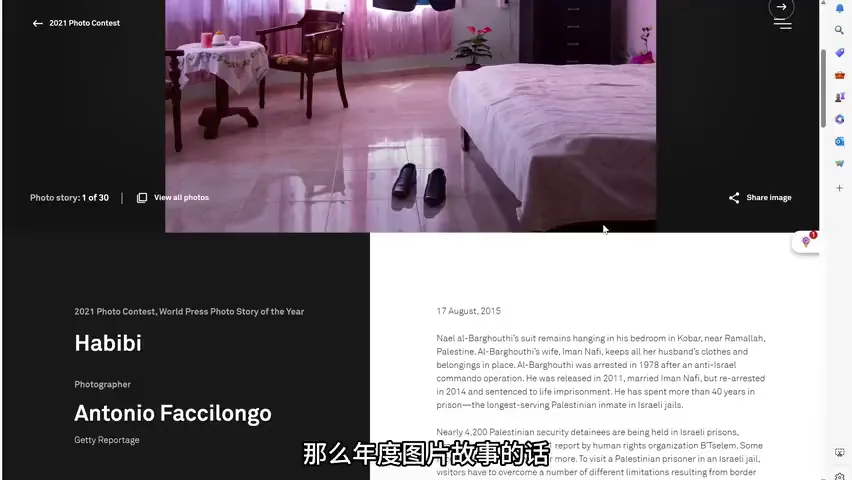
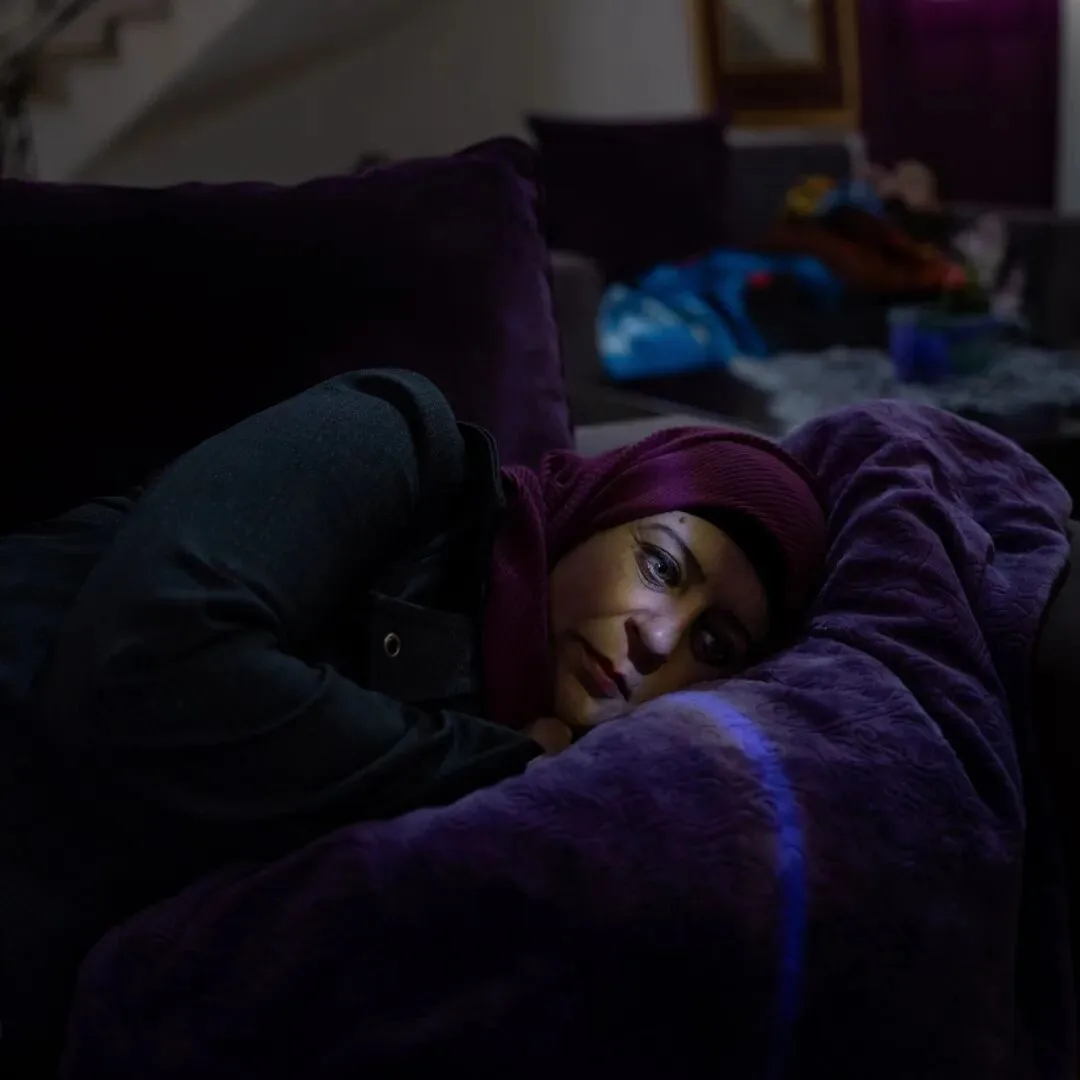
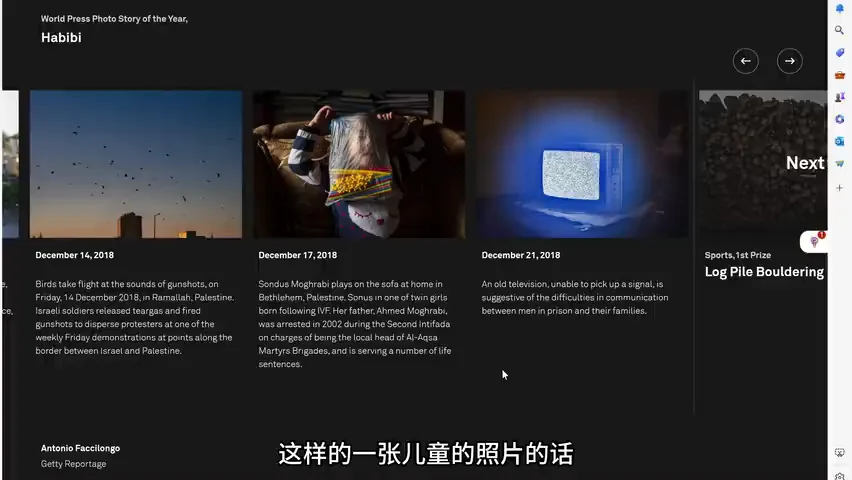
The following frames are equally weighted with meaning: a woman on a sofa wearing an expression of tearing longing, her husband also imprisoned; a frame without people, only an old portrait — a symbol; and the heaviest image of all, a wire fence against the settlements behind, a metaphor not just for the imprisoned husbands but for an entire Palestinian people confined in one open-air prison (at 4:27).
The story also has narrative chapters: men serving decades or life sentences smuggle their sperm out of prison in the form of gifts so their wives can conceive and raise their children (at 4:54). Many of these photos speak through objects and offspring — incubators, twins, letters, children's toys — metaphor carrying the narrative.
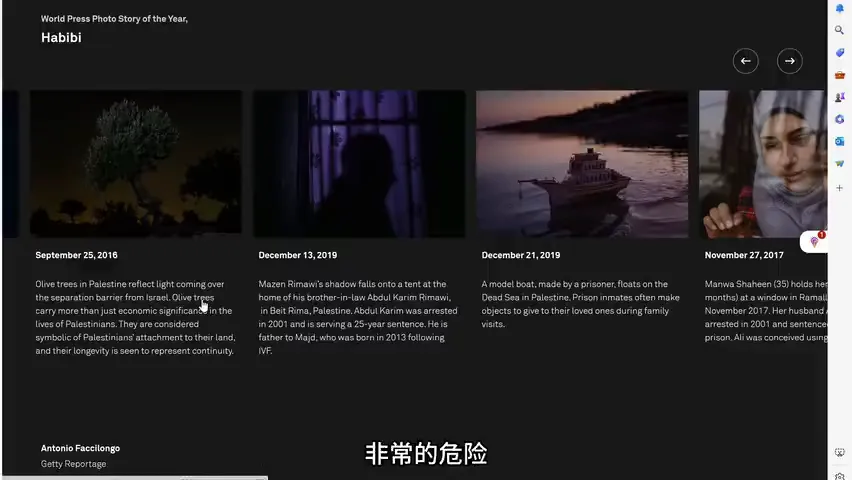
Consider the olive tree at night (at 5:49): olives are one of Palestine's vital crops, a symbol of people's attachment to their land — yet the light that illuminates this tree comes from the Israeli side of the separation barrier, and you can imagine how dangerous the photograph was to make. There are the startled birds too: instead of shooting ruins after an airstrike, birds startled into flight by gunfire and tear gas reflect the war indirectly; and the series closes on a television that can no longer pick up a signal — a metaphor for husbands lost to contact (at 6:40).
03 The Single Frame: A Gaza Funeral and a Beirut Convertible
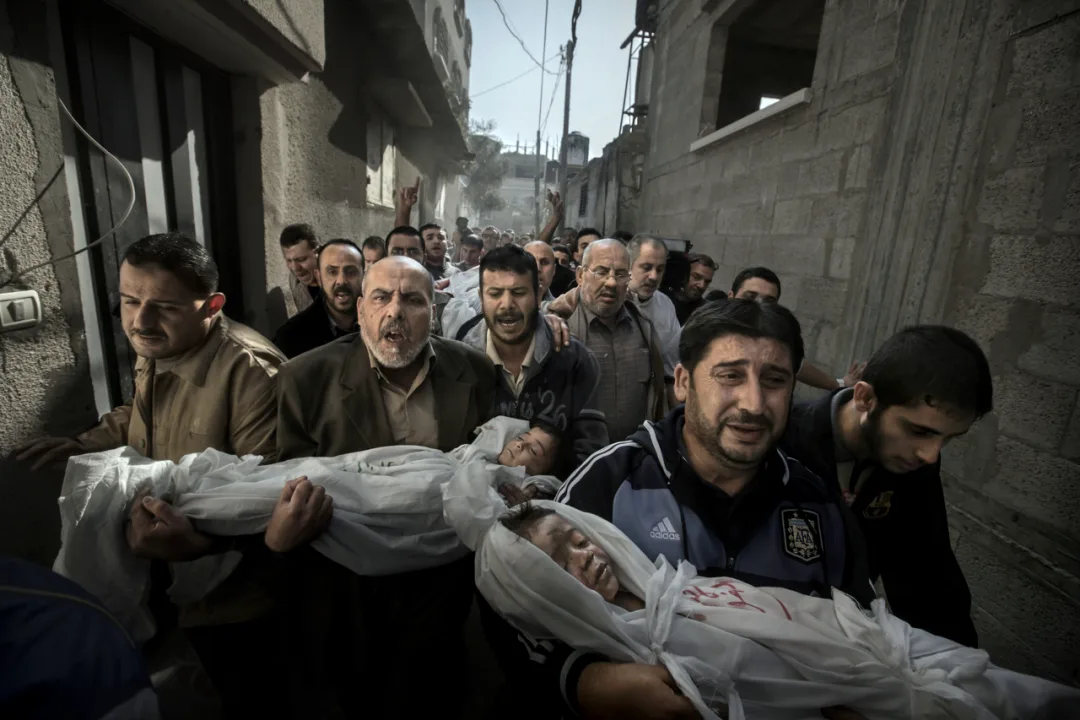
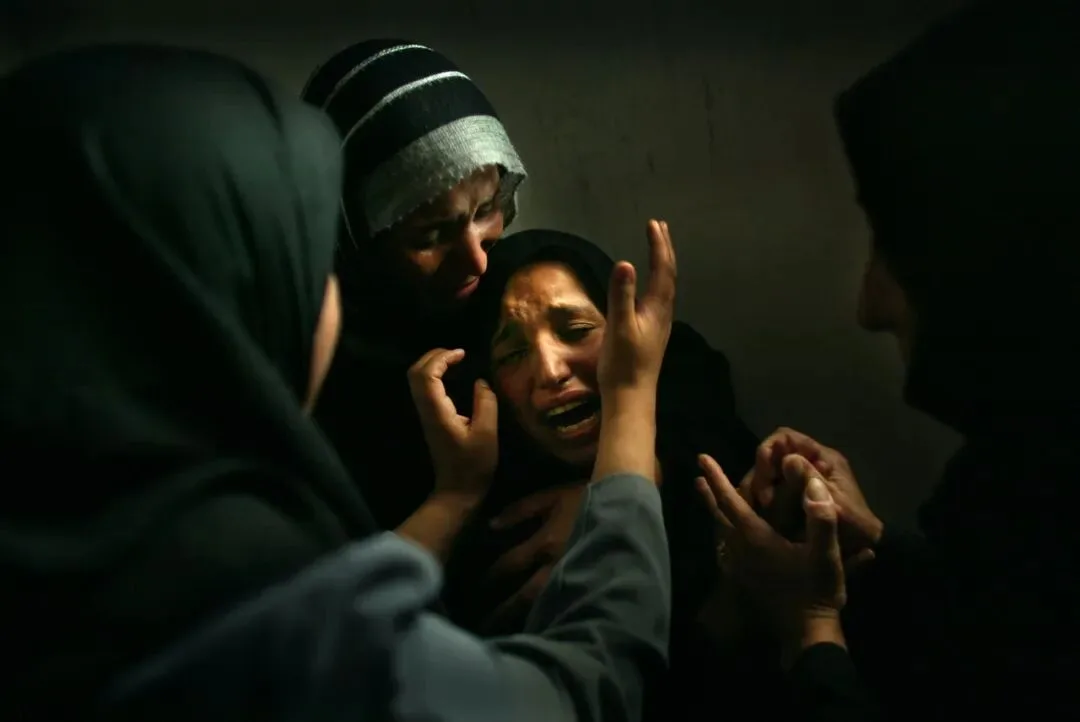
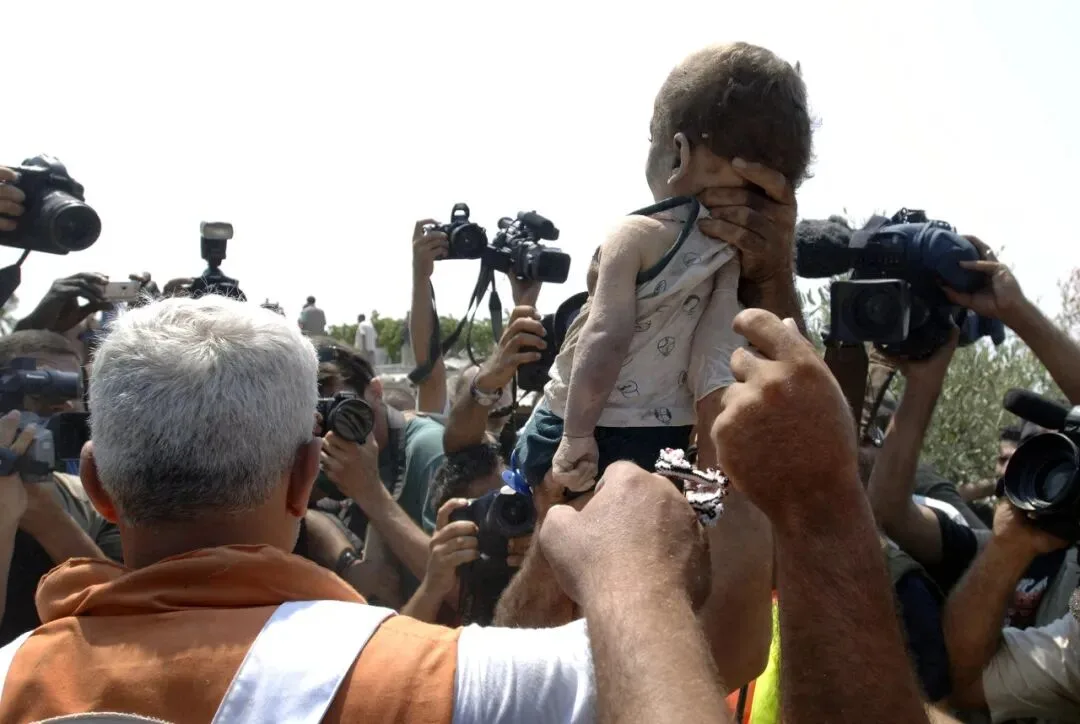
The World Press Photo of the Year 2013, "Gaza Burial", is another single frame (at 6:49): in Gaza City, two-year-old Suhaib Hijazi and his brother Muhammad, not yet four, are killed in an airstrike; their uncles carry the white-shrouded bodies to a mosque for the funeral. The photo became famous for a scandal — accusations of faking — but World Press Photo examined the RAW files: it had been color graded, with a slightly cinematic, faded feel, yet not a single pixel was moved and the truth of the colors was untouched.
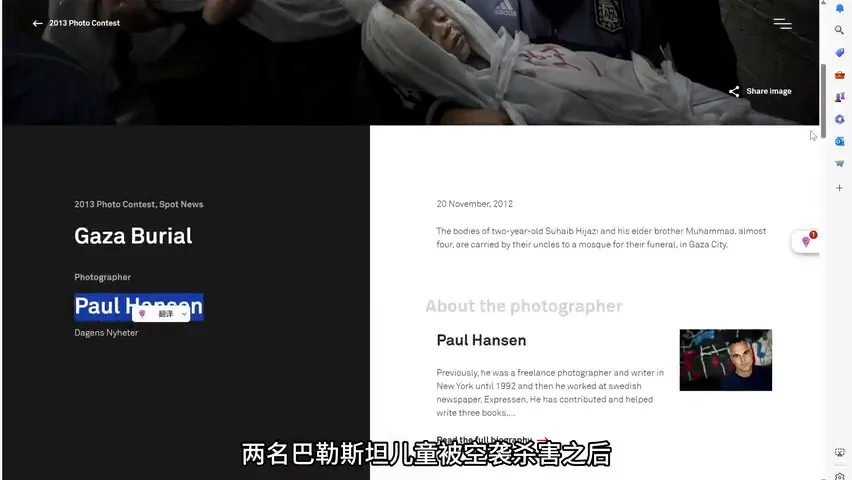
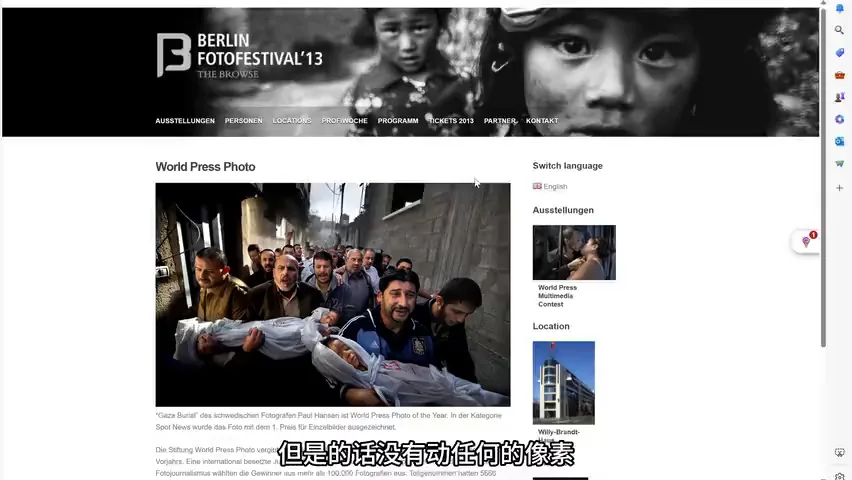
The angle is brilliant too: the photographer walked ahead of the procession and raised the camera noticeably above eye level — from a normal viewpoint the crowd behind would be blocked and the layers lost; raised, it captured every face at once. He must have fired many frames, but in this one the anger, grief, shock and resentment on every man's face stand out superbly (at 7:44).
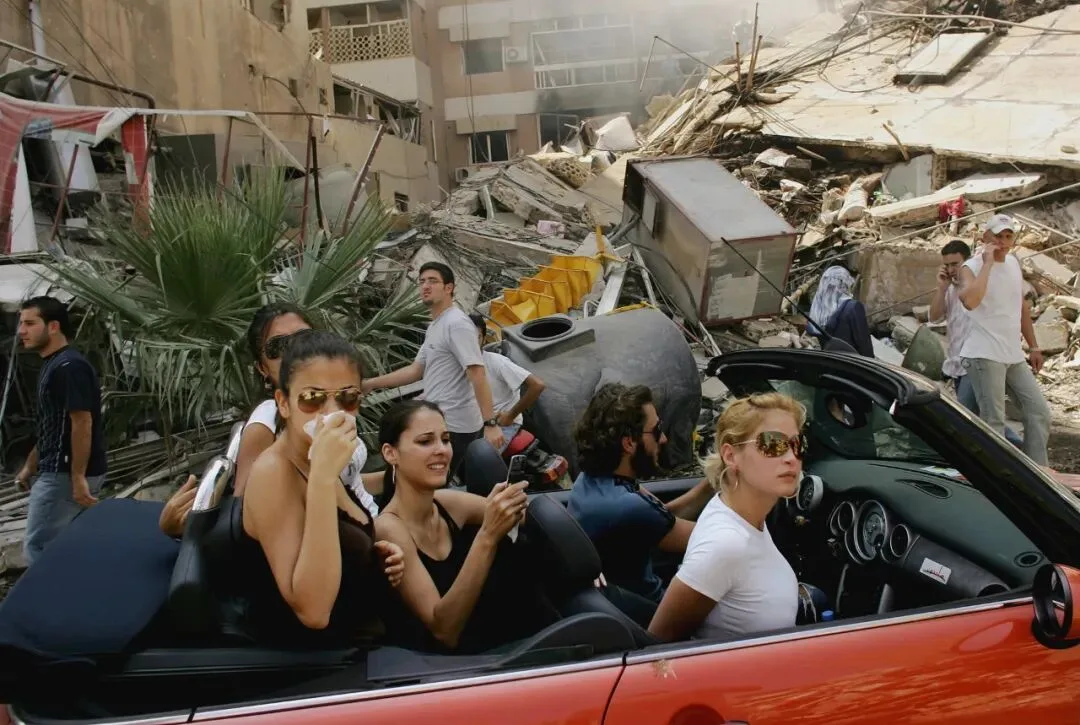
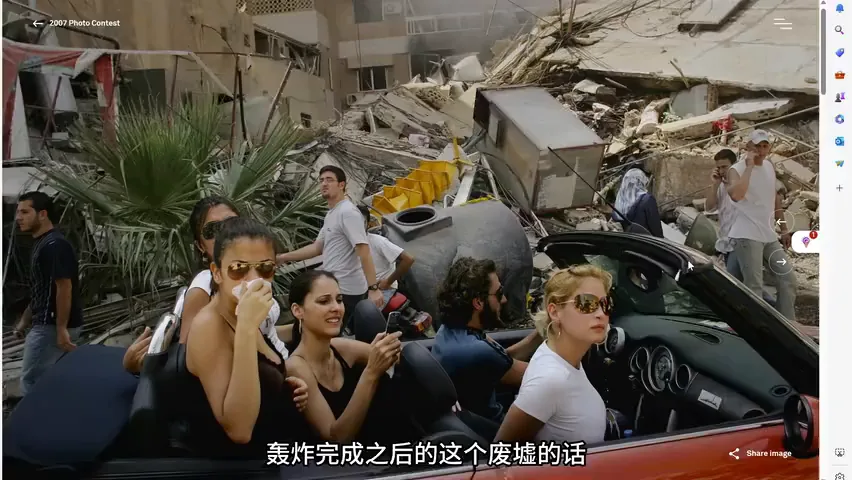
Then the World Press Photo of the Year 2007 (at 8:20): in front of the bombed ruins of South Beirut after the war with Israel, a pair of young Lebanese drive past in a convertible — clearly well-off. Shock and sorrow mix on their faces, and the sports car, the fashionable figures and the ruins behind form a fierce collision of visual and symbolic meaning. Finding such symbolic clashes is what makes a photograph sing.
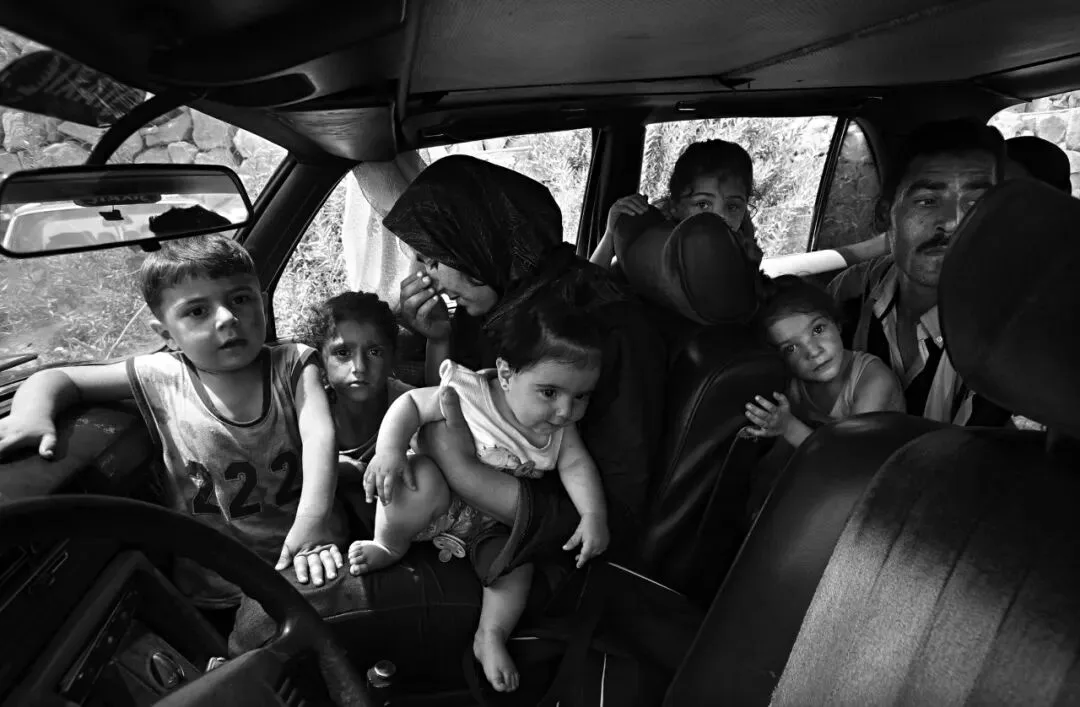
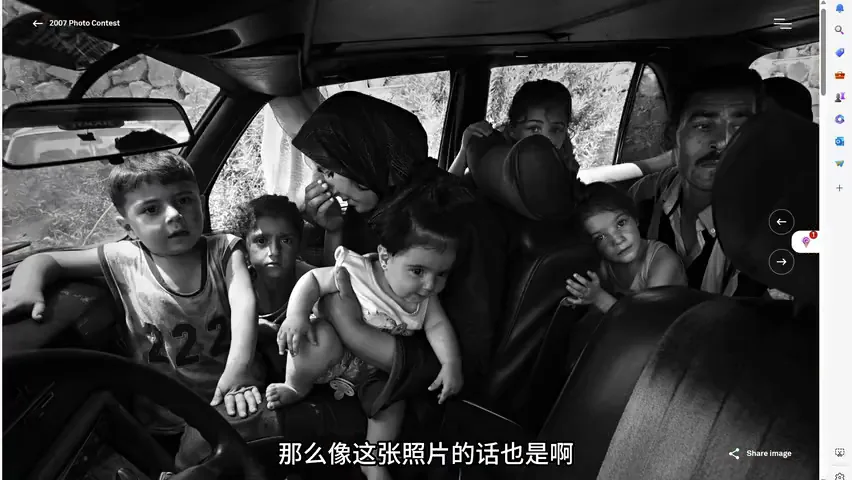
Another award-winning image from 2007 (at 9:02): a wide-angle composition inside a car, a whole family crowded into the cabin fleeing Israeli bombardment. The tight space, the wide-angle distortion and the crush of bodies make the oppression spill out of the frame.
04 Settlements, Tunnels and Daily Life Under Blockade
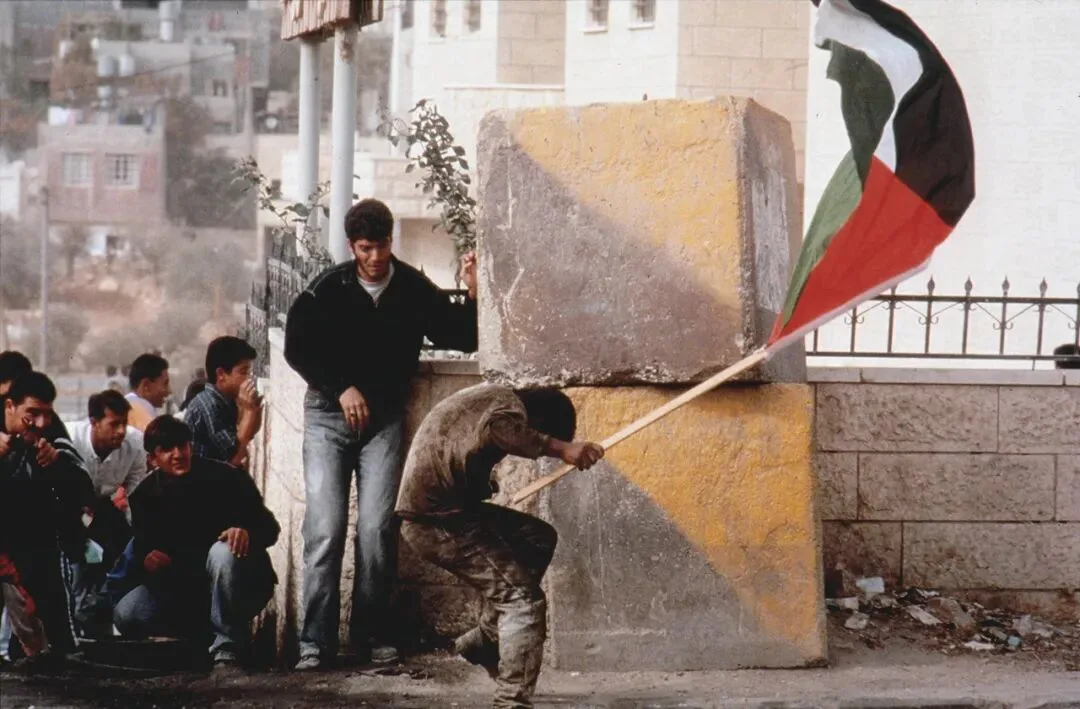
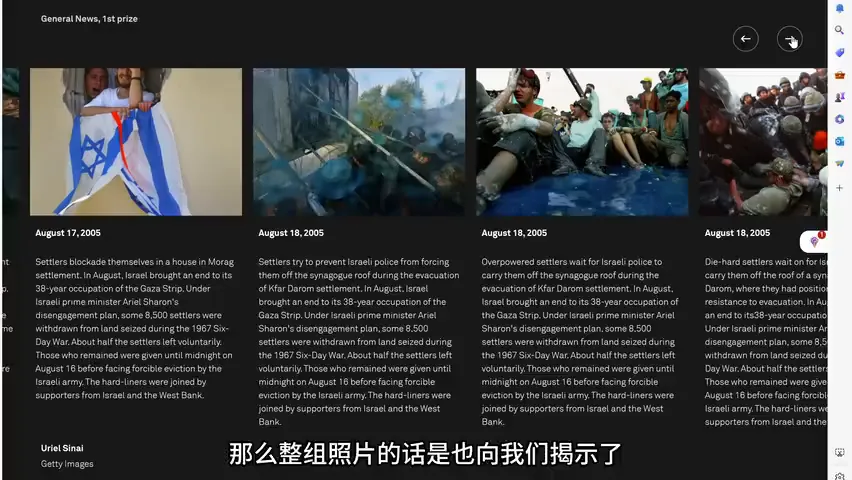
At last comes a series from the Israeli point of view, shot in 2005 (at 9:17): when Ariel Sharon planned to pull settlers out of Gaza, local Jewish settlers resisted fiercely — waving flags, building barricades, embracing and weeping, clashing with Israeli security forces. The series also explains why the conflict never ends: international resolutions set 1967 as the boundary, yet Israel has taken large swaths of Palestinian land beyond it; and once settlements are built, any Israeli leader who tries to withdraw pays a near political-suicide price (at 10:13).
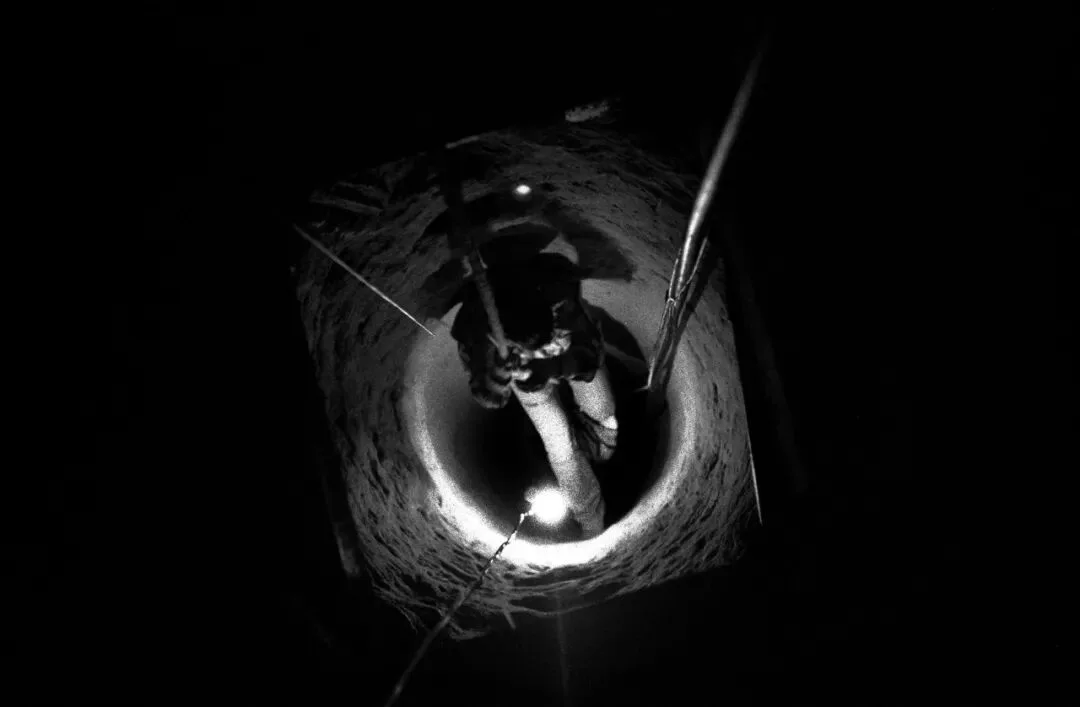
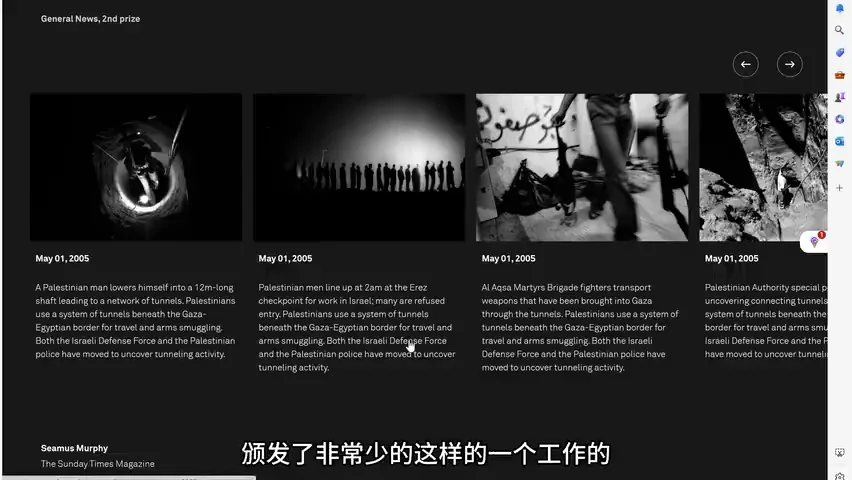
Another series documents the Gaza tunnels in full (at 10:41): a shaft plunging out of sight; Israel issuing only a trickle of work permits, so laborers queue at checkpoints from two in the morning to cross to the other side of the blockade — imagine the paperwork, the surveillance, the searches; tunnels hidden inside people's homes, used to carry weapons too, making civilians and militants nearly impossible to separate, while Israel strikes the tunnels again and again. Telling this story demands many perspectives, many angles, many facets.
05 The Cycle of Hatred, and a Wish for Peace
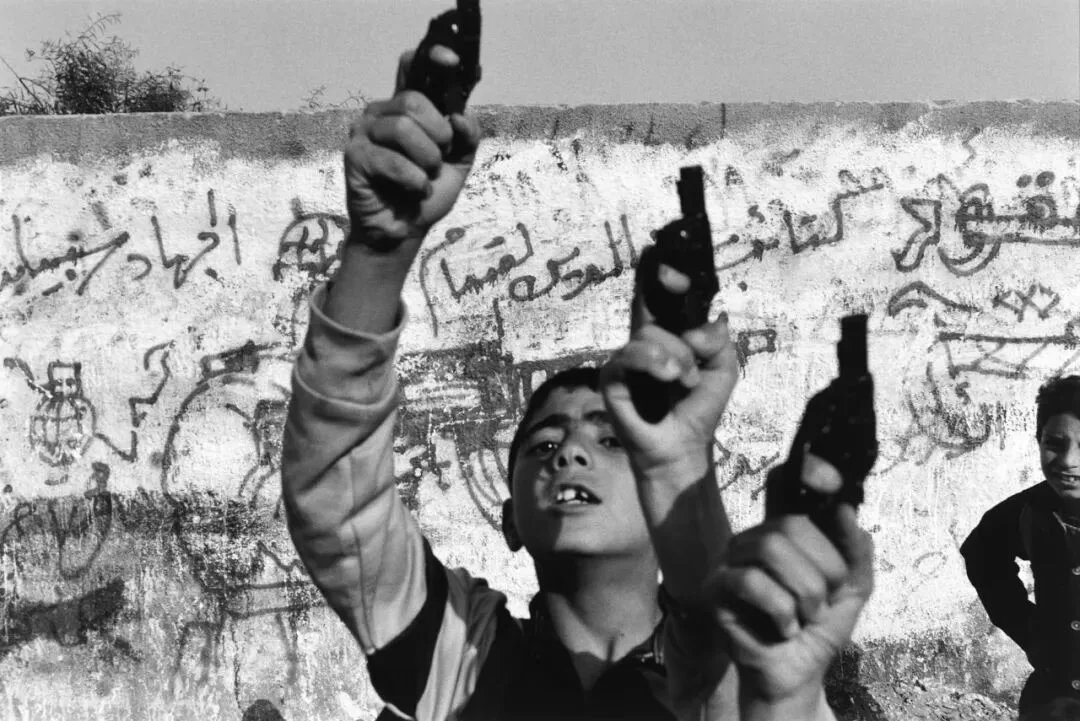
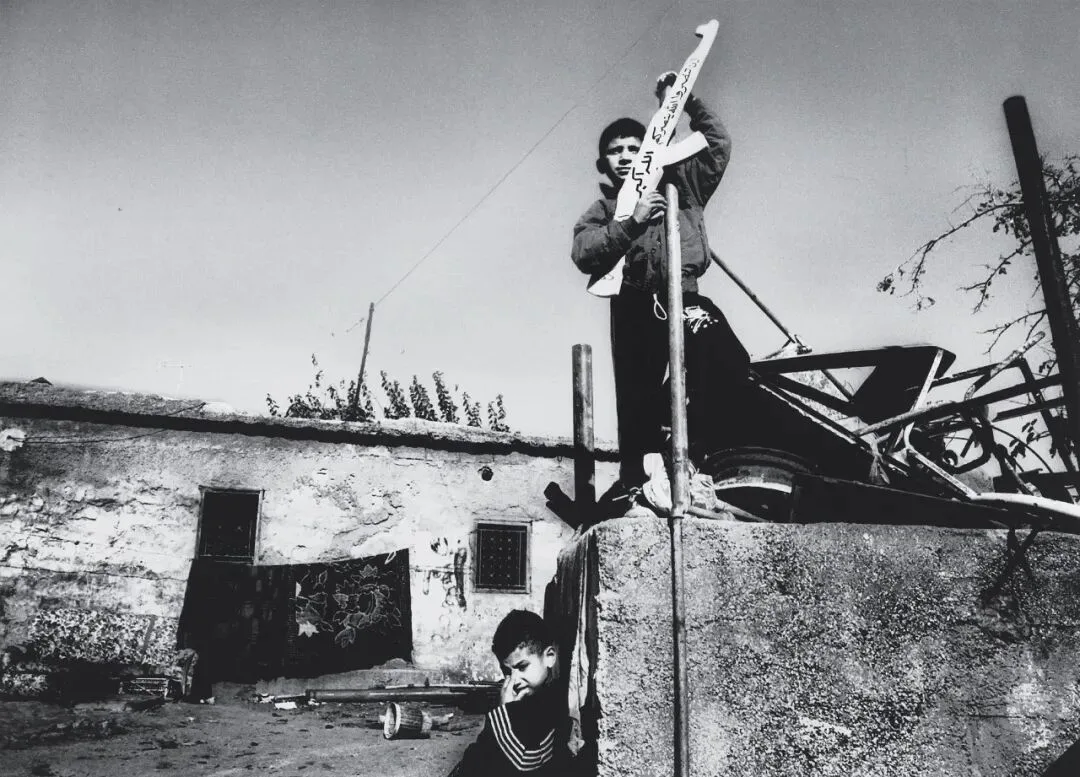
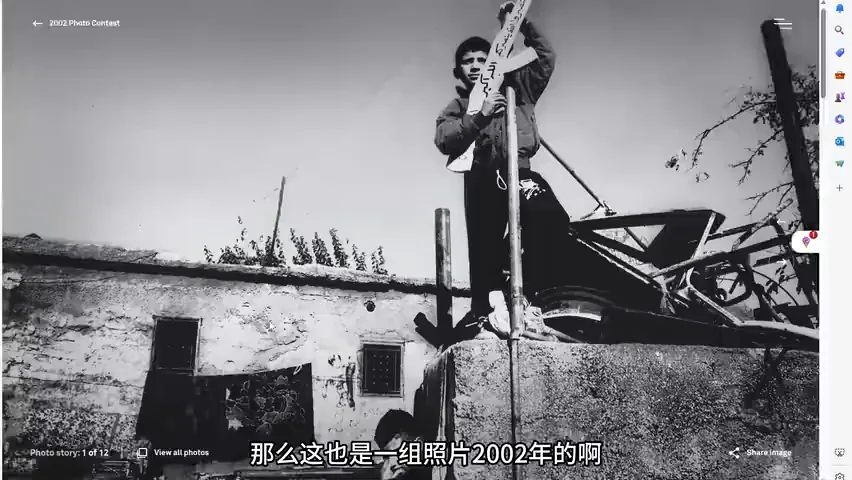
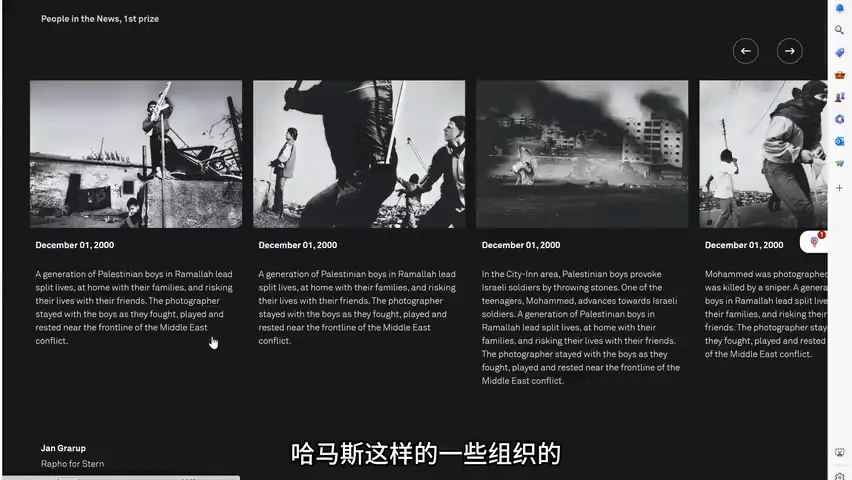
The World Press Photo 2002 first prize for People in the News went to a story (at 12:18): photographer Jan Grarup turned his lens on the boys of Ramallah, living split lives — children at home, and at the frontline throwing stones, playing and resting with their friends. Israel has taken or killed their parents; growing up without a decent economy or education, they are easy recruits for organizations like Hamas. One boy, Mohammed, was photographed hours before he was killed by an Israeli sniper (at 12:47).
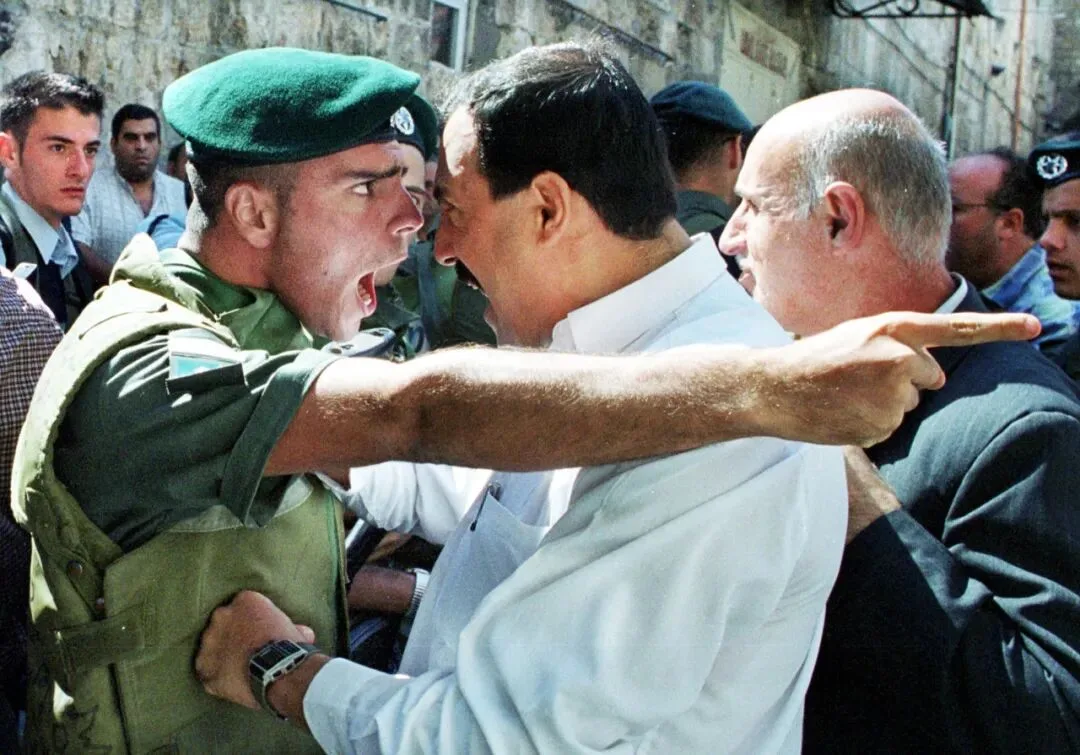
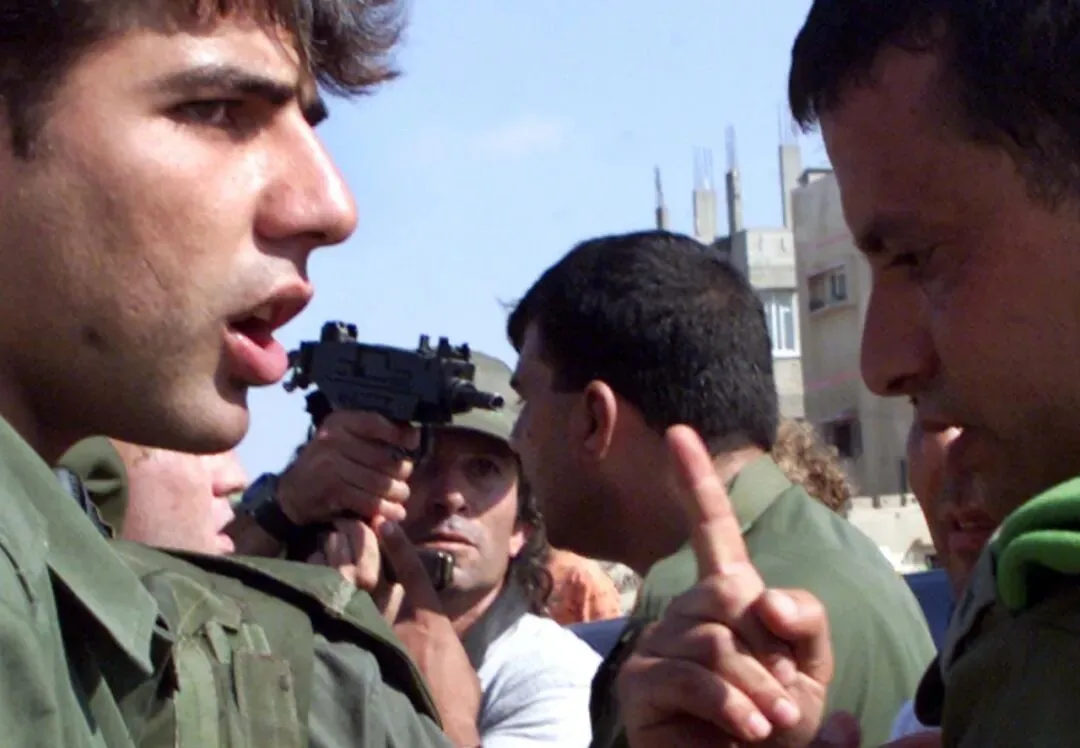
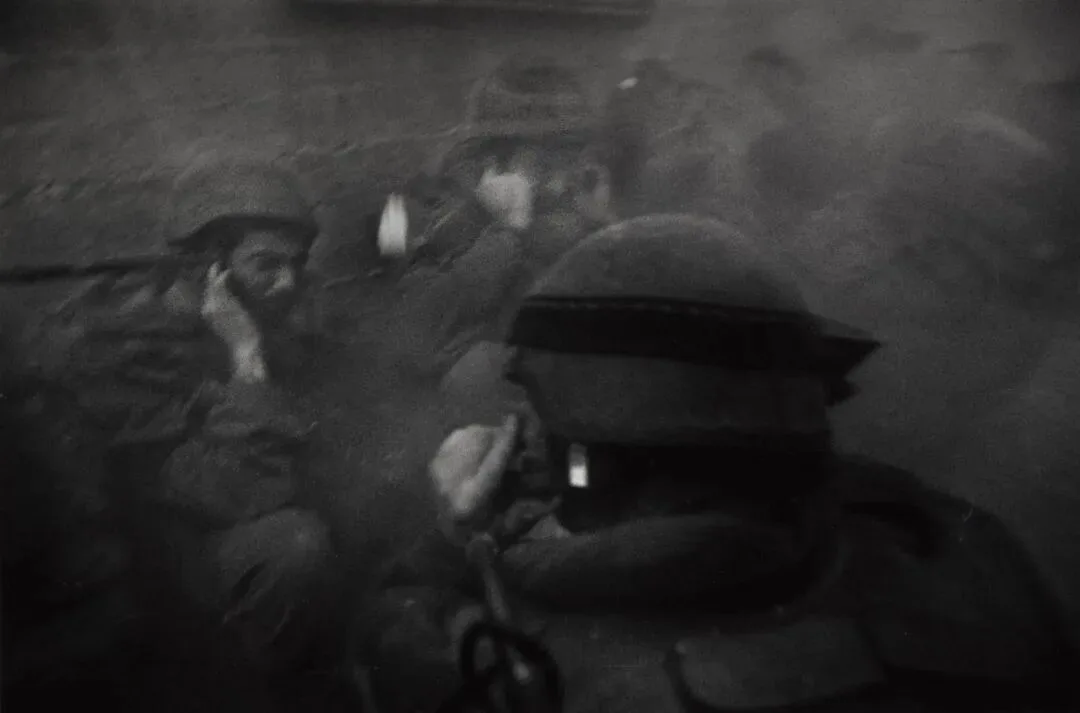
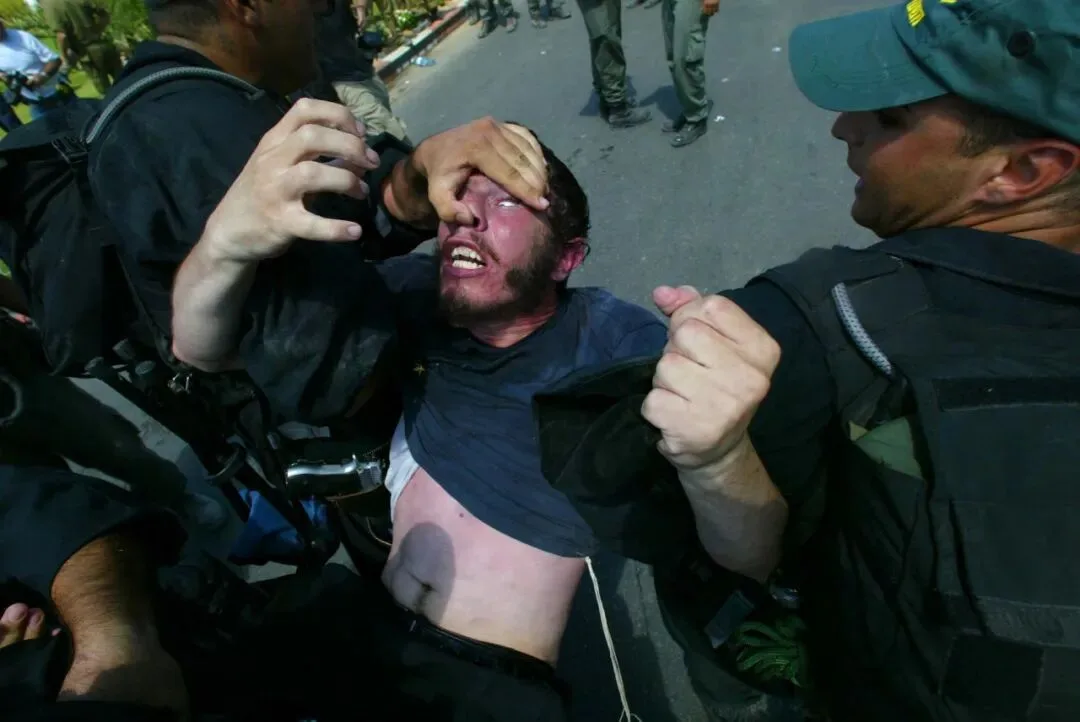
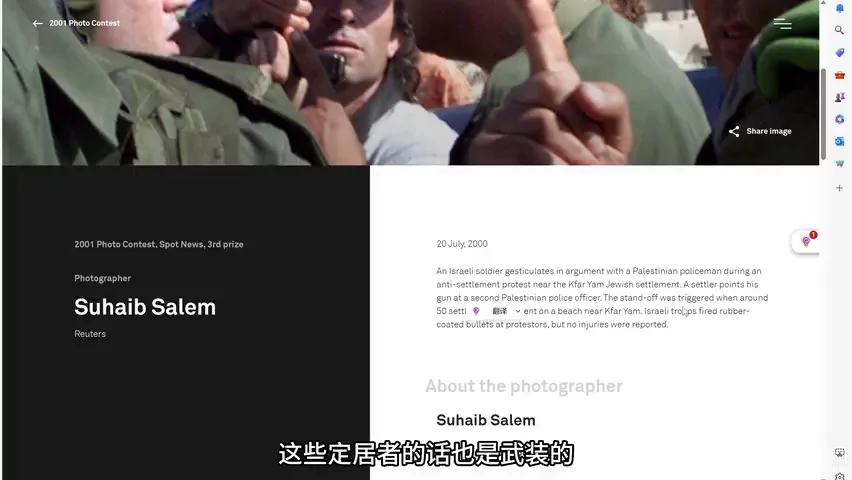
The World Press Photo 2001 third prize in Spot News is equally charged (at 12:56): at an anti-settlement protest, an Israeli soldier stands at left, two Palestinian policemen at right — and the man raising his gun in the middle is neither: he is a local armed Jewish settler, whose kind clash with Palestinians constantly. The captured instant bristles with confrontation, both sides' expressions exaggerated, the tension almost audible (at 12:56).
At the end of the video, Thomas turns to Jerusalem and to religious feeling deliberately inflamed: Israel controls nearly all of Jerusalem, and Arabs bound for worship at the holy mosques must pass checkpoints — or are refused entry; former Israeli prime ministers, too, have often stoked religious and ethnic tension to serve right-wing political interests, binding the whole country to conflict with the Arab world, a road of no return (at 13:41). For everything World Press Photo has documented here over two decades, the only thing left for us is to pray — and to hope this land finds lasting peace at last.
1. Recording and witnessing is the photojournalist's duty; the honor of World Press Photo belongs to that courage, not to the consumption of suffering; 2. A single frame must be worth a thousand words — information, a predicted vantage point and the decisive moment are all indispensable; 3. Stories need many perspectives: from an empty room to an olive tree, metaphor lifts war photography beyond guns and rubble; 4. The roots of conflict — land, settlements and inflamed hatred — deserve the lens's long attention too.
HD video:
https://www.bilibili.com/video/BV1Sh4y1q7bm/
World Press Photo Contest Israel-Palestine Works Selection