Photography Tutorial · 2024-12-25
Why Did These Photos Win? A Detailed Review of the 2024 Xiaomi Leica Imaging Awards!
In today's photography tutorial, Thomas will study and analyze this year's winning works of the Xiaomi Leica Imaging Awards together with you.
With phones becoming ever more powerful, it is now hard to tell what gear many of the winning photos were created with.
This contest saw fierce competition and remarkably diverse styles—one of the top documentary photography contests in China!
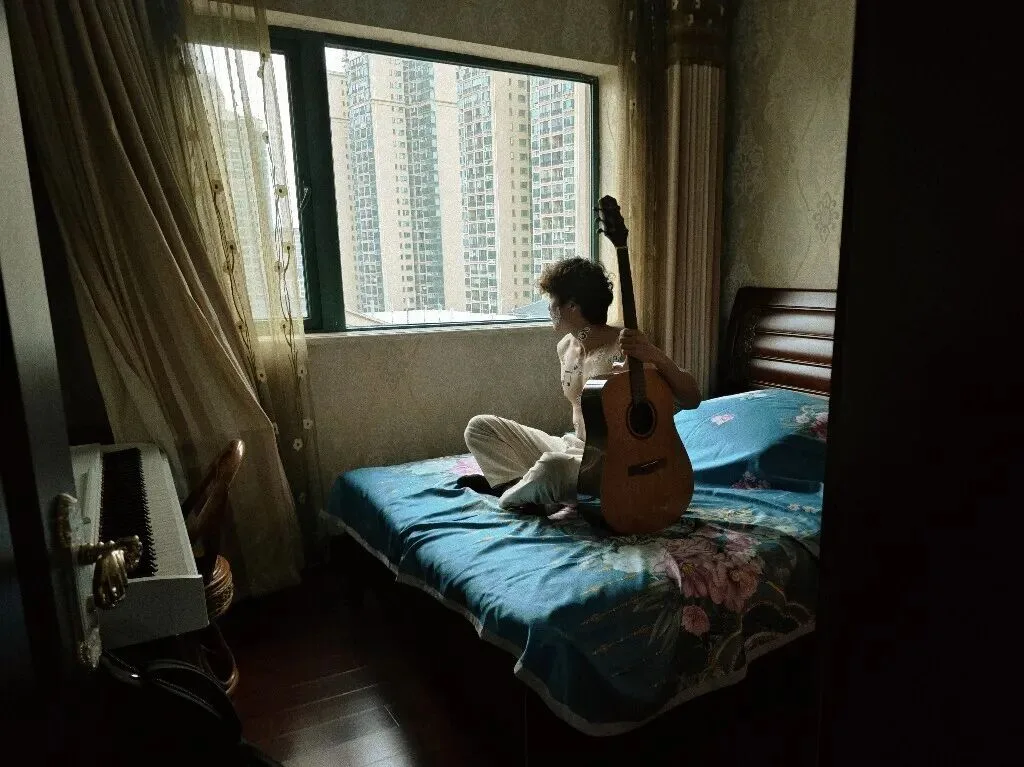
Video
▶ Watch the video tutorial on Bilibili
This article is the illustrated companion to the video above: the phone is now the most popular photographic tool, and this year's winners make it genuinely hard to tell what gear was used. Thomas was deeply impressed by the 2024 Xiaomi-Leica Imaging Awards — a professional, diverse jury and a very high winning level, arguably one of China's top documentary photography contests. Here is his reading of what rises above hundreds of thousands of entries.
Start with the Singles gold: photographer "Zuoshou Shuaya" won with "Let There Be Light" (at 1:11). Figures outlined by light stand as if on a spotlighted stage; red, yellow and blue distribute across the frame in balanced order. In his citation, juror Chen Jie wrote that the creator focused on a beam of light falling from the sky, seizing the silhouette of a girl after the fireworks faded.
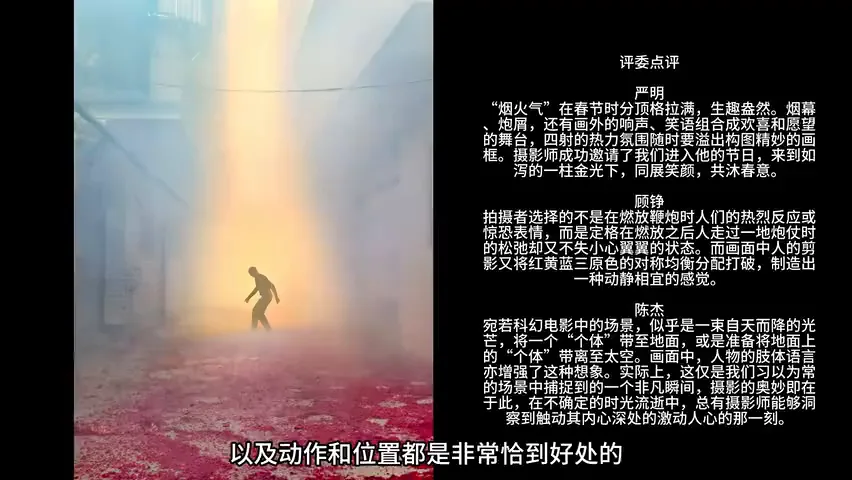
01 Singles Gold: Let There Be Light
Visually the photo is stunning (at 1:16). The sunlight is the right time, the narrow alley the right place, and the figures' perfectly placed gestures the right people — all three aligned, making it a textbook decisive moment.
Even better is the photographer's wit (at 1:45). Think of Spring Festival clichés — firecrackers, fireworks, smiling faces, the character Fu — all worn out. Instead, this photographer waited until the crowd dispersed, used the firecracker paper covering the ground as foreground, and waited in the smoke and light for a dramatic moment — capturing this eye-catching frame.
02 Silver and Bronze: Drama in the Ordinary
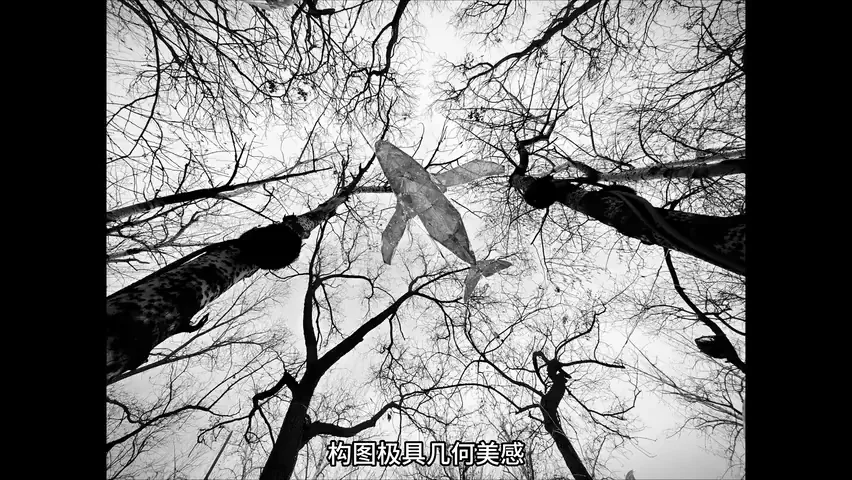
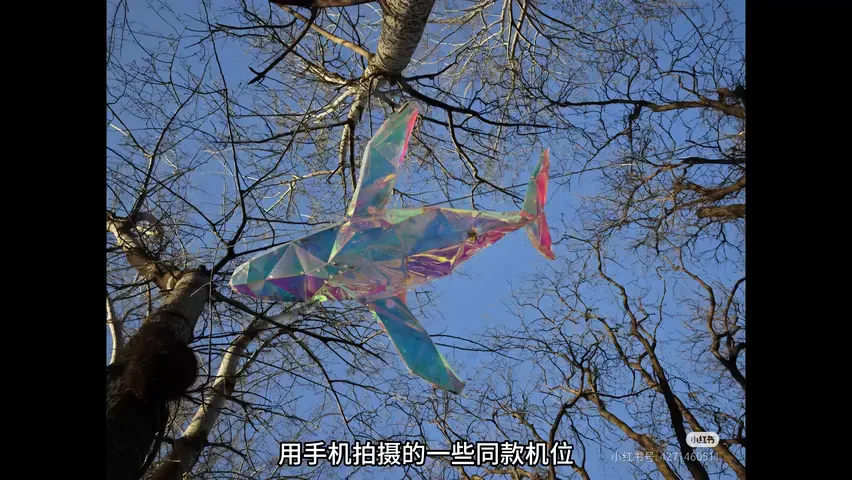
The Singles silver "Fish in the Air" (at 2:37) is deeply surreal: geometry in composition, the contrast of whale against sky, its free posture locked among branches like gripping claws — endlessly thought-provoking. Thomas found other users shooting the same art installation from the same spots on social media — proving how much skill it takes to make it sing: the angle, the focal length, and the final black-and-white treatment all matter (at 2:53).
The second silver winner shows the photographer's observation and humor (at 3:20): an elder working out outdoors — wearing a mask that "isolates" him. Solemn and funny at once. Photography holds infinite possibility, like writing: not every essay needs ornate rhetoric; sharp insight or careful observation of life makes good writing too.
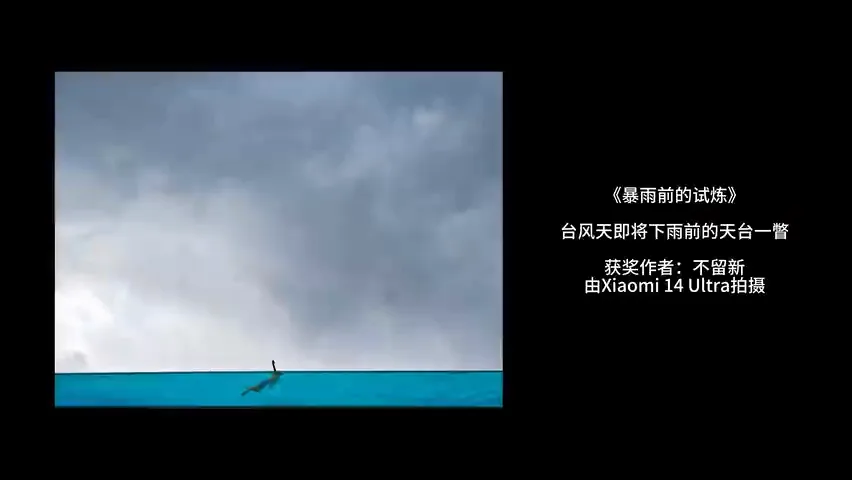
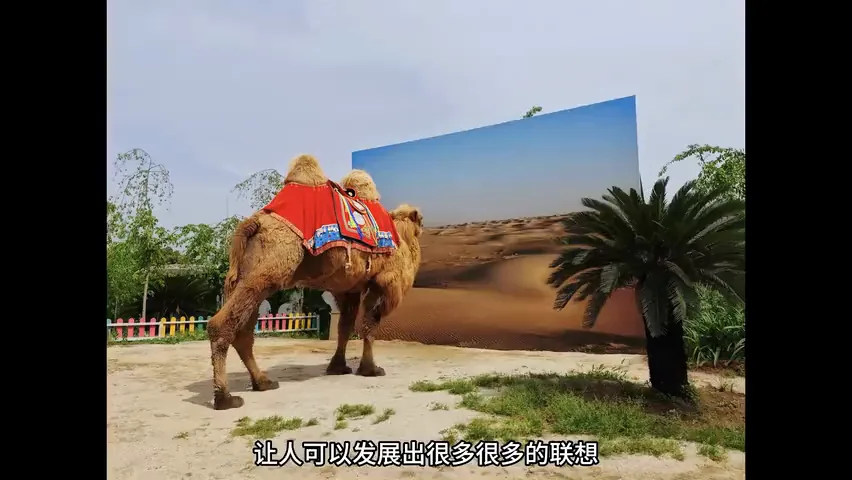
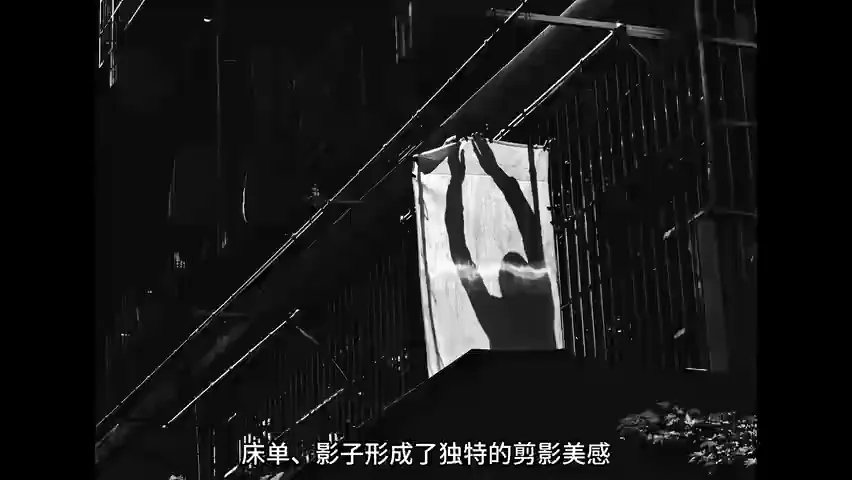
The three bronze works are equally fine (at 4:04). "Trial Before the Storm" abandons the rule of thirds for a vast sky that dwarfs the human figure, the pale sky and teal pool forming a beautiful color-block pairing; the second plays a camel against a painted desert backdrop, sparking endless associations; the third builds a unique silhouette from light, a bedsheet and shadow, its black-and-white tone highlighting the subject while calming the clutter around (at 4:34).
03 Story Gold: Here the Music Never Stops
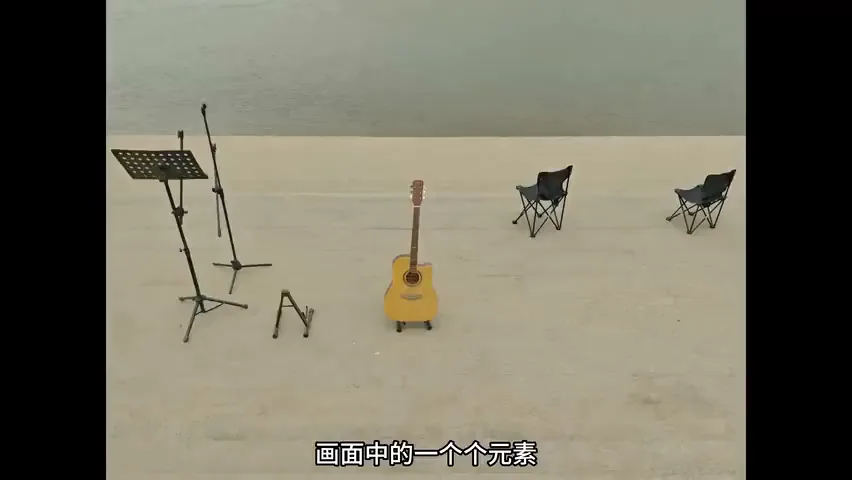
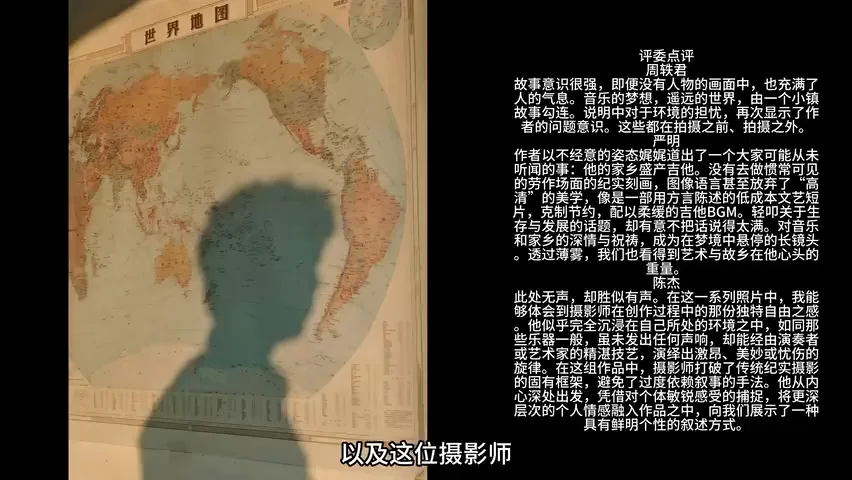
The contest also runs a story category, testing topic selection, narrative and editing — plus a Photographer of the Year award judged across all submissions. The story gold "Here the Music Never Stops" (at 5:42), shot on a Xiaomi 13 Ultra, turns to the author's hometown Zheng'an in Guizhou, which produces five million guitars a year — nearly one in eight residents works in the trade, earning the name "guitar town". It fuses documentary observation of society with personal, artistic expression.
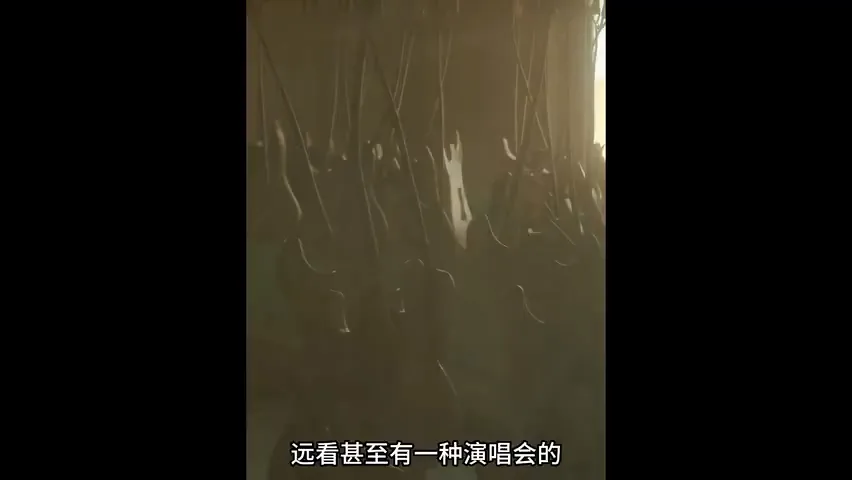
Why did it win? Five reasons (at 6:07). First, a unified style: dim tones, orange led and cyan supported, heavy grain — quiet and melancholy, like an indie film about a small town, like a yellowed memory. Second, many frames read like a musical score: elements become notes dancing on fields of color and line — the stained ceiling even mimics a surging concert crowd from afar, until you look closer (at 6:41).
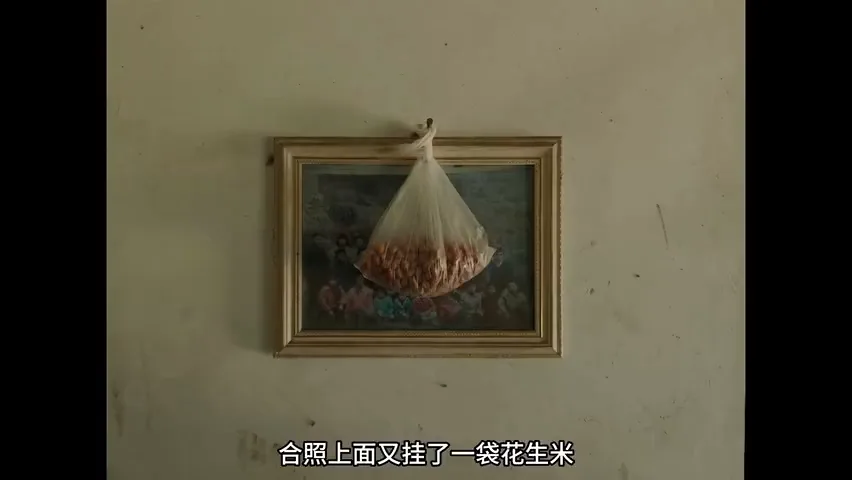
Third, it refuses linear storytelling: a dozen-odd frames weave together the guitar town's landscape, street life, the making of guitars, a small-town youth's dream of the world, and candid shots of local music lovers (at 6:52). Fourth, single images brim with metaphor — a yellowed family photo with a bag of peanuts hung on it lingers long; the opening and closing frames speak through scenery (at 7:23). Fifth and most important: it portrays home through a deeply personal lens while attending to society, industry and environment, stirring resonance and reflection — the true mark of great humanist work.
04 The Jurors' Picks: The Phone's Own Advantage
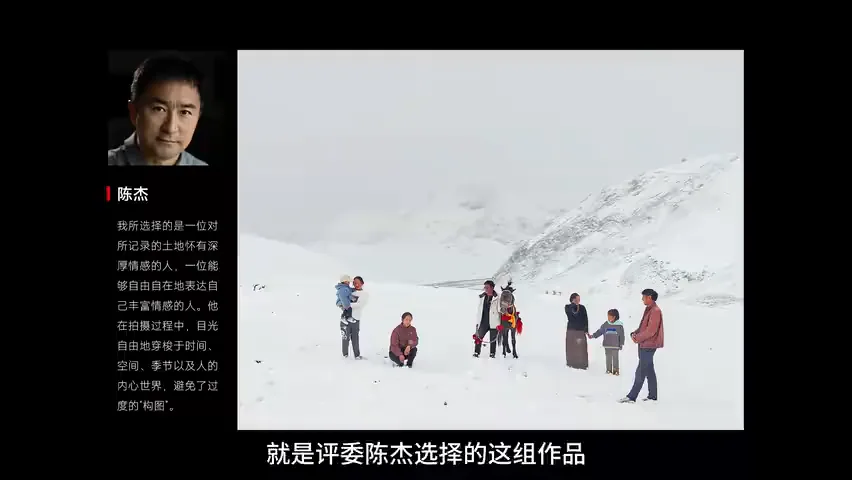
Juror Chen Jie's pick documents the daily life of a Tibetan grandmother and her grandchildren (at 8:00). The lens feels intimate, every emotion genuine and natural. That ease comes partly from long familiarity between photographer and subjects — never casual snap-shooting — and partly from the phone's low 'aggression': it closes the distance with amateur subjects in a way telephoto cameras never can. This is the phone's own advantage.
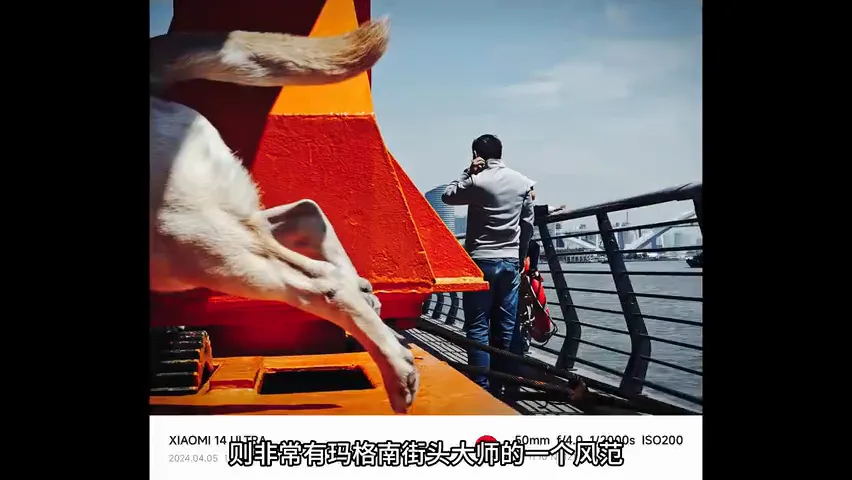
Juror Michael's selection carries the air of a Magnum street master (at 8:57), showing powerful instinct for catching moments, sharp observation, and firm control of complex compositions. And the Xiaomi phone met every challenge — periscope telephoto, wide dynamic range, instant capture — truly making cinema-grade frames with a small phone.
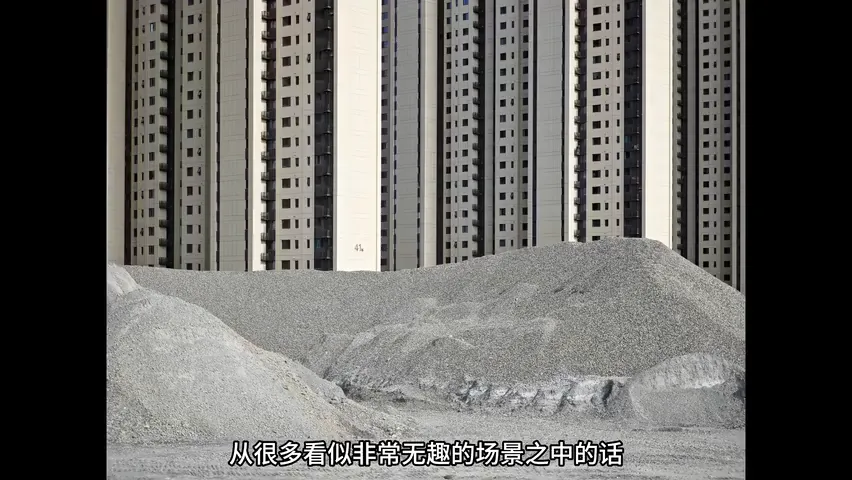
In the last juror's picks, the photographer finds order — of light, line and color — in scenes that look utterly dull (at 9:27): colored balls in a swimming pool, a hammock hung in a tree, an open manhole and its maintenance worker, chains piled together. The most ordinary scenes, made extraordinary by observation and composition. A lesson to all of us: watch your own life more closely.
1. The best phone photography attends to the everyday, to life, to humanity — the question returns to what makes a good photo at all; 2. Subjects may be clichéd, but wit cannot be: a change of timing or foreground turns ordinary scenes into drama; 3. Stories test topic, narrative and editing — unified style, echoing imagery, non-linear storytelling and a personal voice are all indispensable; 4. The phone's edge is its low aggression and constant readiness — what it closes is the distance between people.
Official contest website:
https://www.mi.com/visual/award/winWorks