Photography Tutorial · 2022-03-20
The Star Cluster Project Results Are Announced — These Young Photographers' Photos Are All Too Powerful!
Thomas Chu Photo
The #Star Cluster Project# is a long-term public welfare project initiated last year by photographers @Ye Ziyi - Skywatcher (@叶梓颐-巡天者) and @Thomas看看世界, hoping to help more young Chinese people with photography dreams solve problems like creative equipment and work exposure.
After careful selection from over 100,000 submitted works across platforms like Mepai, Tuchong, Weibo, and Kuaishou, the Grand Prize winners and Excellence Award winners of various styles are finally out. Let's enjoy their excellent works together!
Grand Prize
Winner: Cai Shanhai (蔡山海)
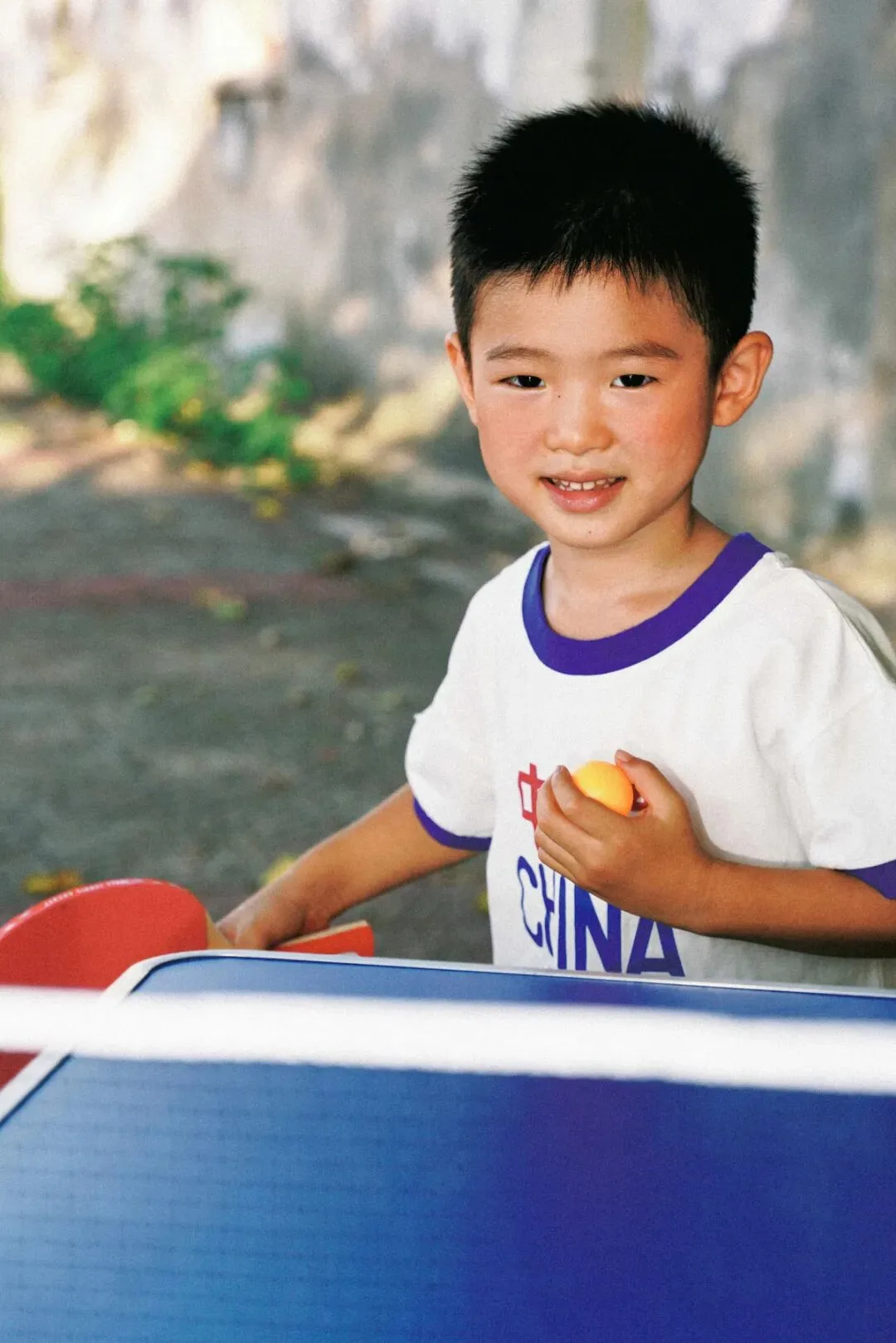
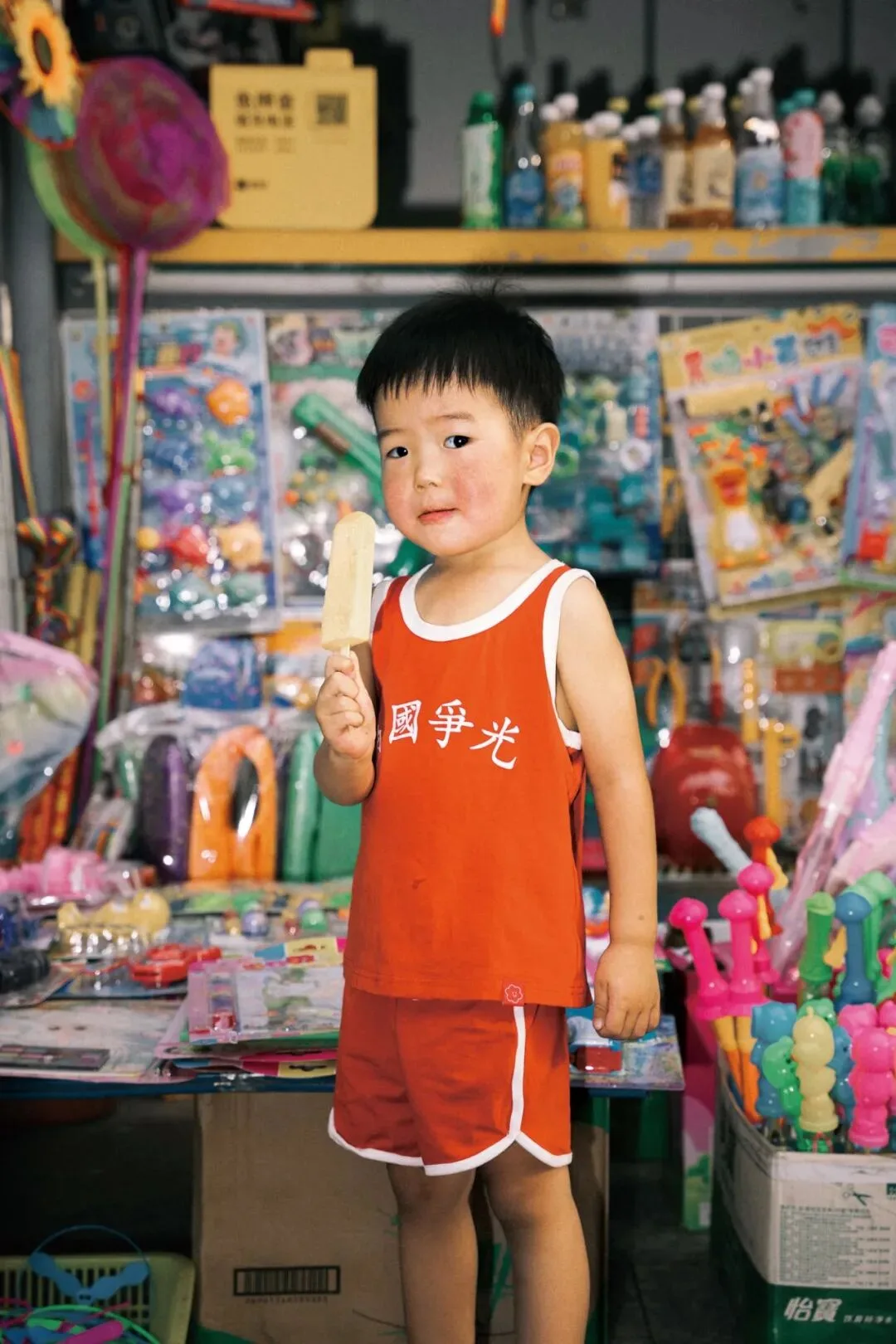
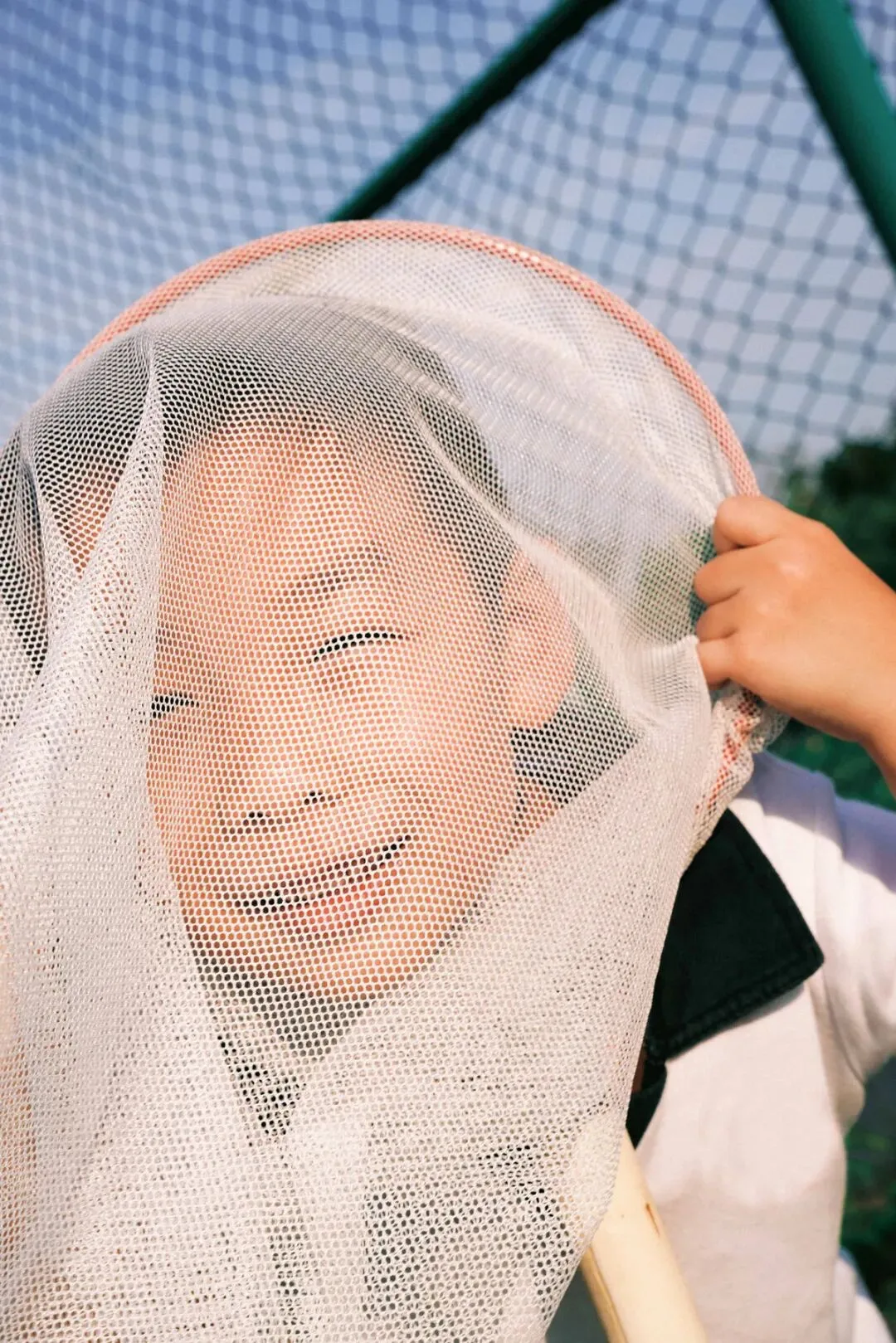
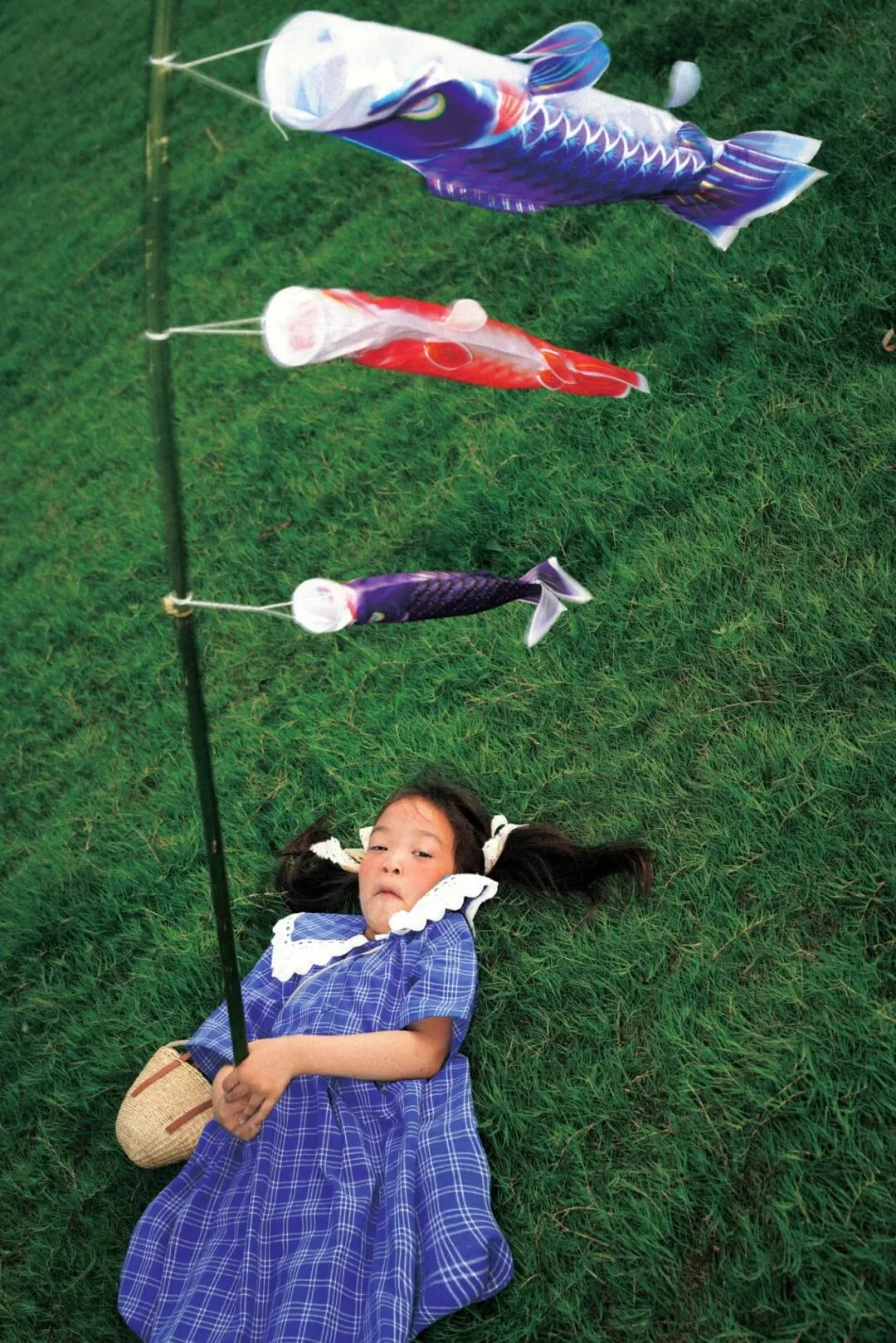
Judge Thomas's comments:
Photographer Cai Shanhai's photos give a very natural, intimate feeling, and are full of a sense of story.
While communicating well with his subjects, the photographer can also cleverly capture very unique moments in the right light and environment. Through their expressions and actions, the subjects' inner feelings are clear at a glance.
When looking at some portrait photos, we may feel the design is a bit contrived; when looking at some documentary photos, we may feel the perspective is too external and the candid shots too random. But looking at this photographer's works, there's a unique intimacy — as if the person looking at the photos is the subject's family member or friend. This unique feeling is an important reason we ultimately awarded this photographer the Grand Prize.
Winner: Range Sifang (Range四方)
Judge Ye Ziyi's comments:
Besides beautiful scenery, the charm of video lies in the story itself and a sincere heart. When founding the Star Cluster Project, we'd been waiting for a non-time-lapse autobiographical work that could blend beautiful scenery and knowledge by telling its own story.
Though Range's shooting and editing are a bit immature, one can still feel his heartfelt love for the niche subject of storms. This is precisely the meaning of the Star Cluster Project's existence: we hope to do our best to help young visual creators who have stories and want to express themselves, growing together with them.
Winner: Duch
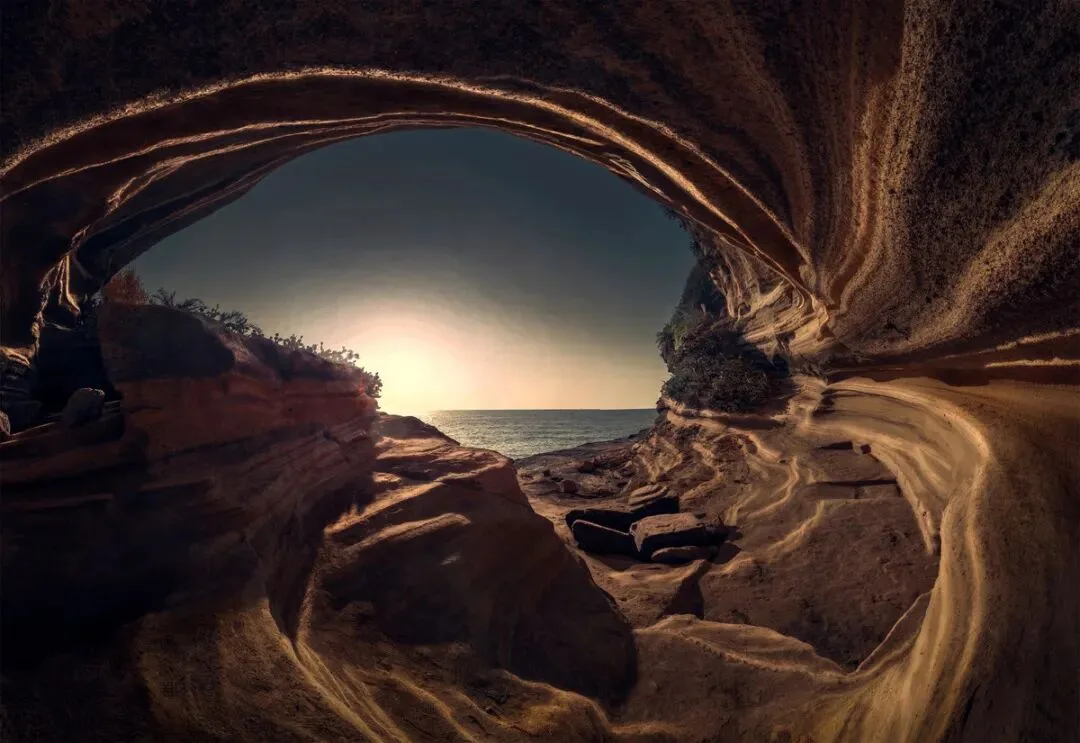
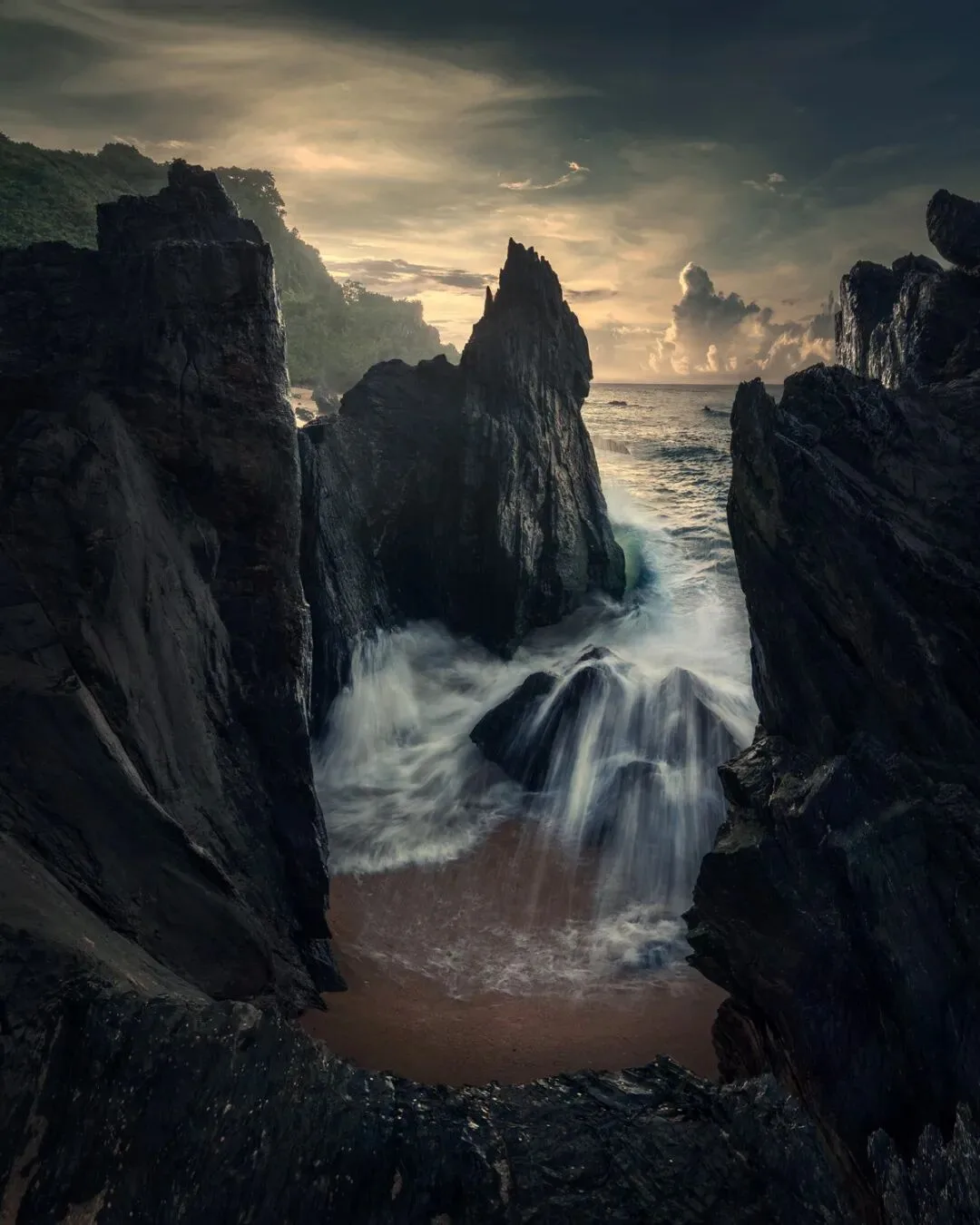
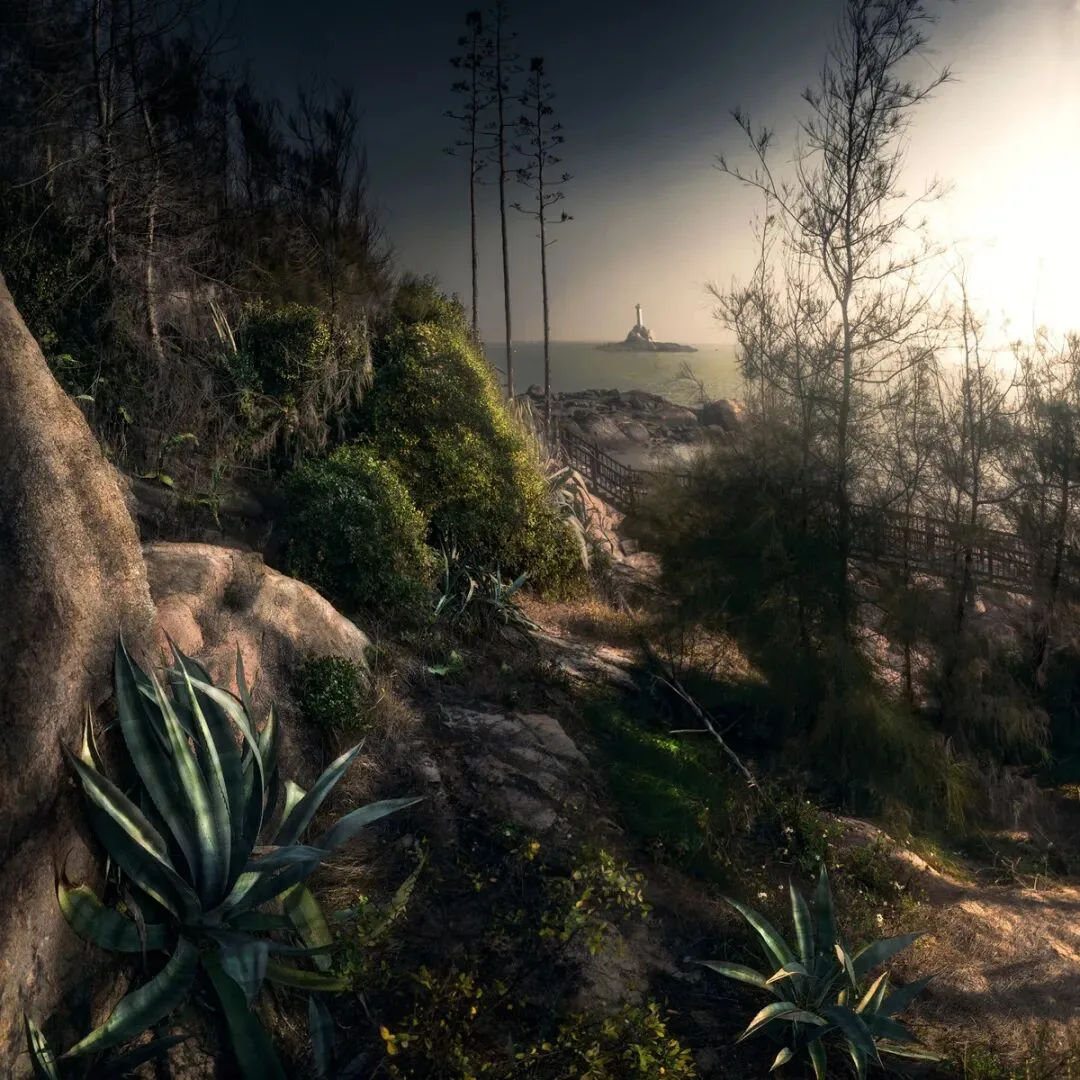
Judge Thomas's comments:
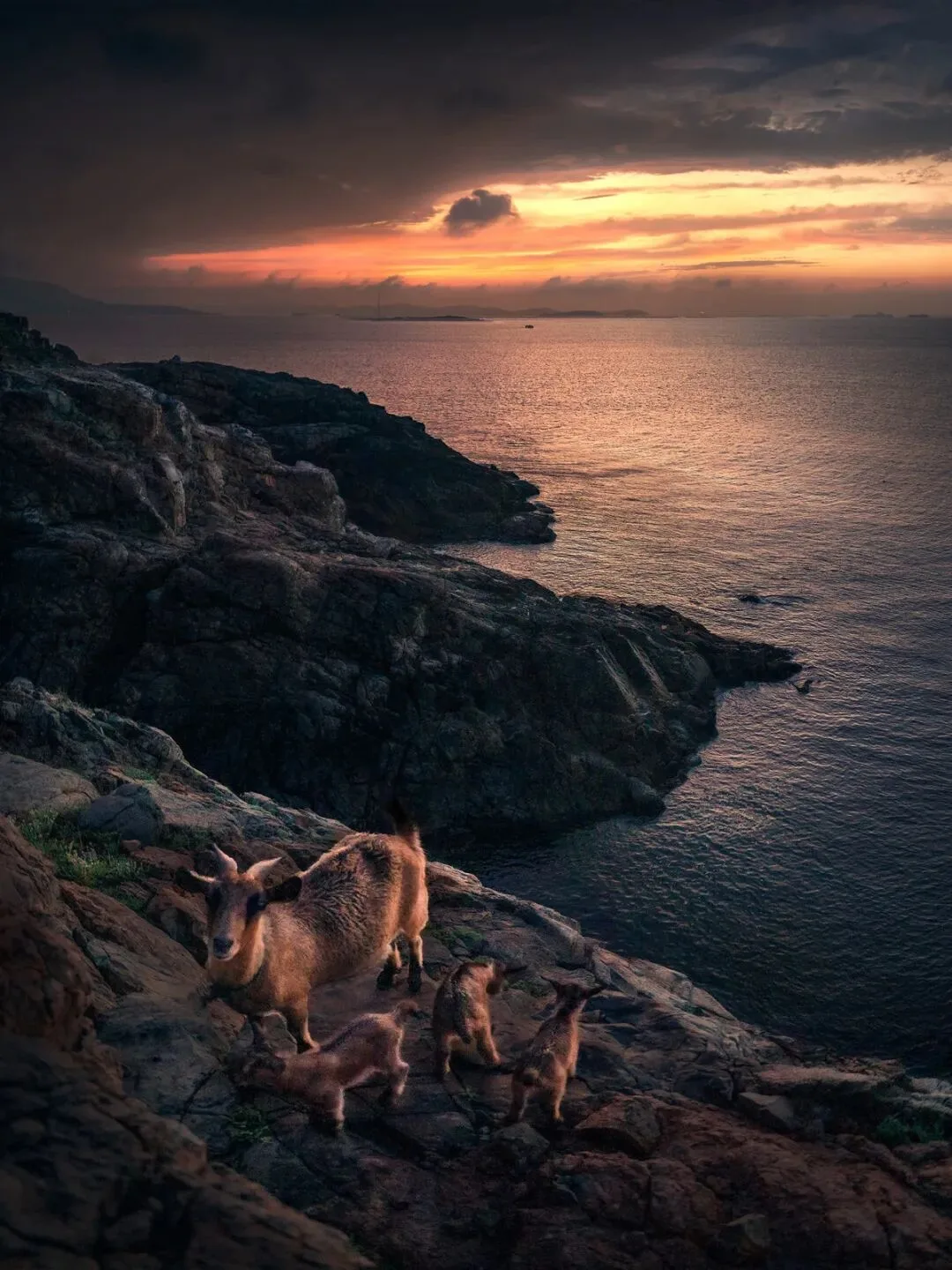
Photographer Duch's photos make a striking impression, especially when you learn that all these coastlines were shot in China.
When it comes to sea-sweeping, the rocks of Dalian, Weizhou Island, and the Guangdong coast are all impressive, but seeing too many common positions inevitably brings visual fatigue.
Yet this photographer has shot nearly a hundred Chinese coastlines we've never seen before. This spirit of long-term exploration is very admirable.
The photographer's post-processing style is also quite recognizable in seascape photography, though some may not like this heavy cyan tone. But there's no denying that when a dozen or hundreds of such seascape photos with unified style are presented before your eyes, this stunning sense of power is also unmatched.
Winner:
Mamenchisaurus Keeper (马门溪龙饲养员)
quan787
Judge Ye Ziyi's comments:
The collaboration of Mamenchisaurus Keeper and Quan787 may be a special case among all submissions. Since the Star Cluster Project began, we've received a large number of exquisite, highly skilled photography works. But their video tells the story behind a hardcore scientific computational photography work.
To shoot an ideal photo, the two video creators and their friends built a website that can calculate space station transits across the moon and sun, filling the gap left by a previously defunct German website. As an astrophotographer, when I first started learning to shoot, the software I used was developed by foreign astronomy enthusiasts. In recent years, more and more user-friendly Chinese photography programs have appeared, providing considerable help to our shooting and making scientific and computational photography increasingly popular.
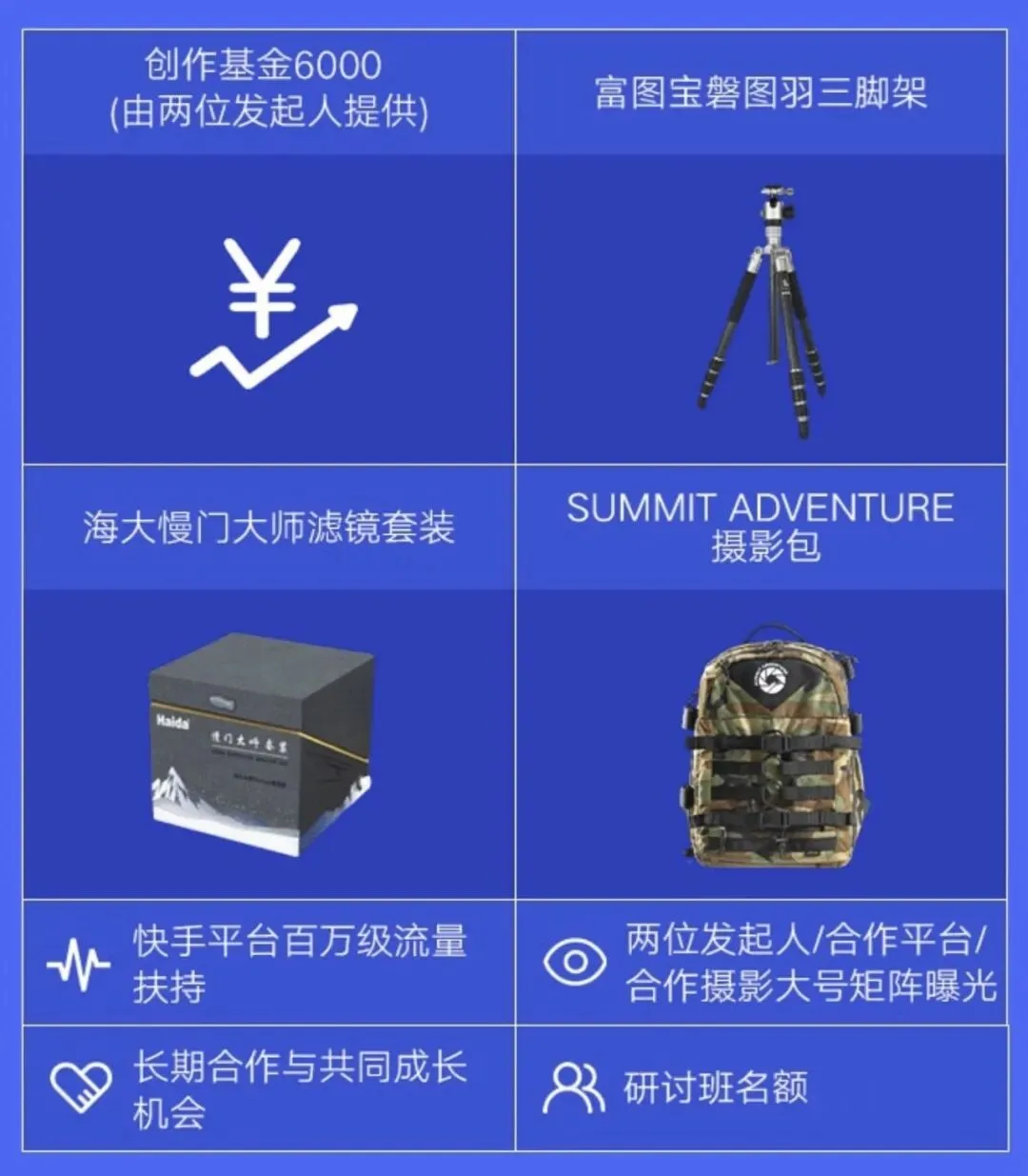
Grand Prize prize:
Excellence Award
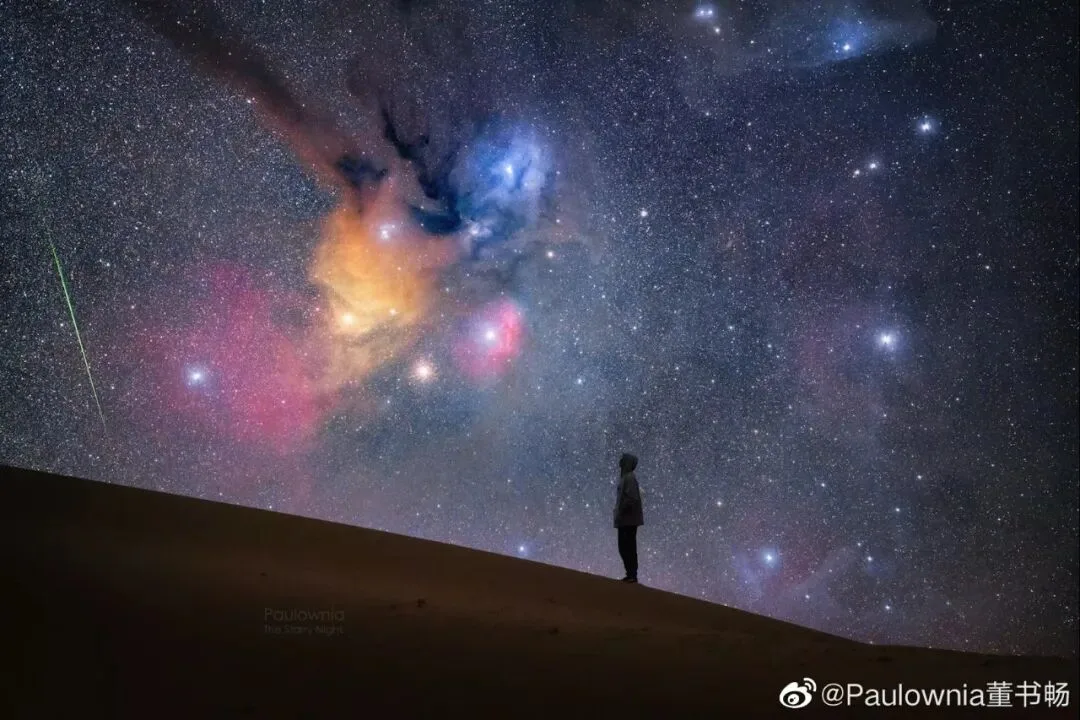
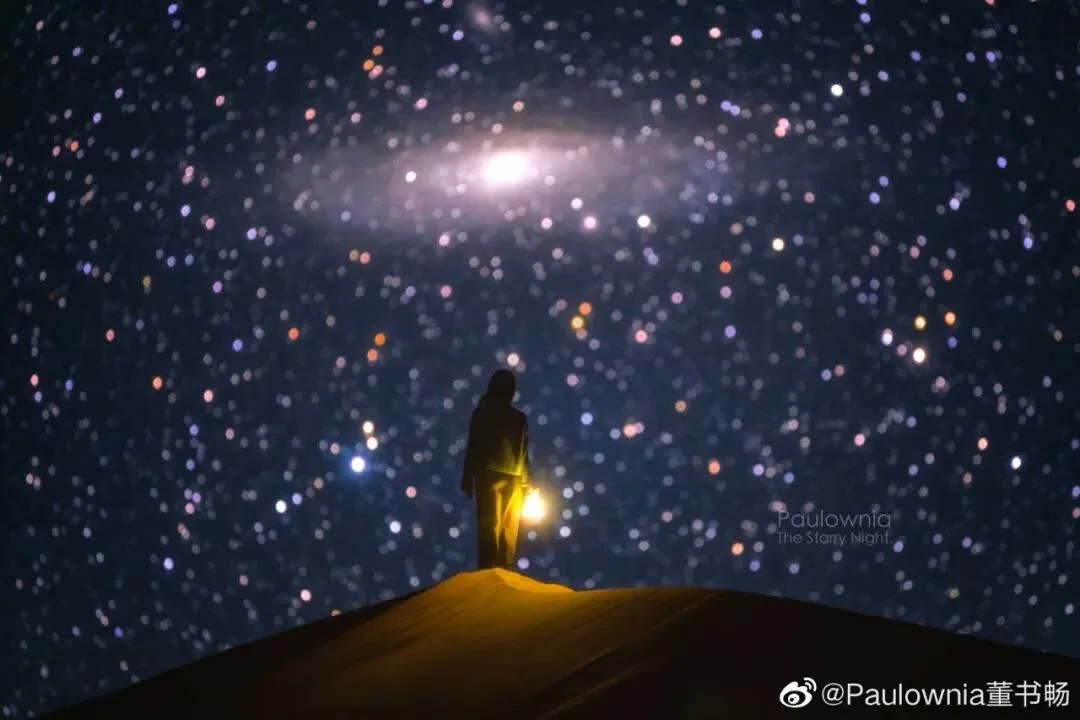
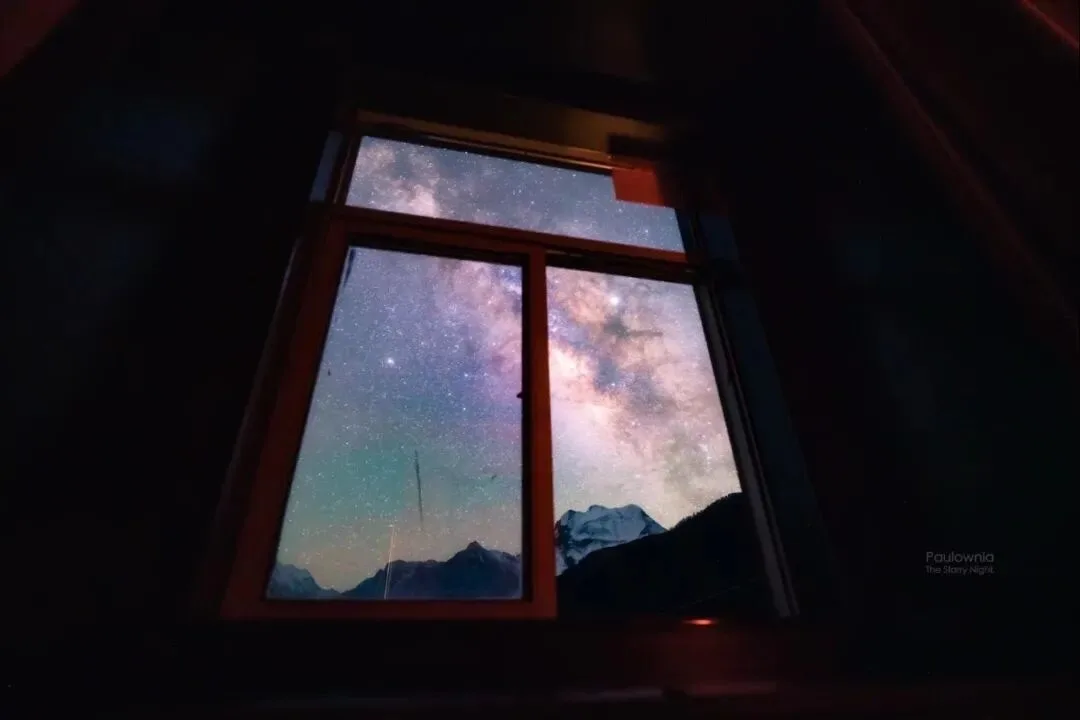
Winner: Paulownia Dong Shuchang (Paulownia董书畅)
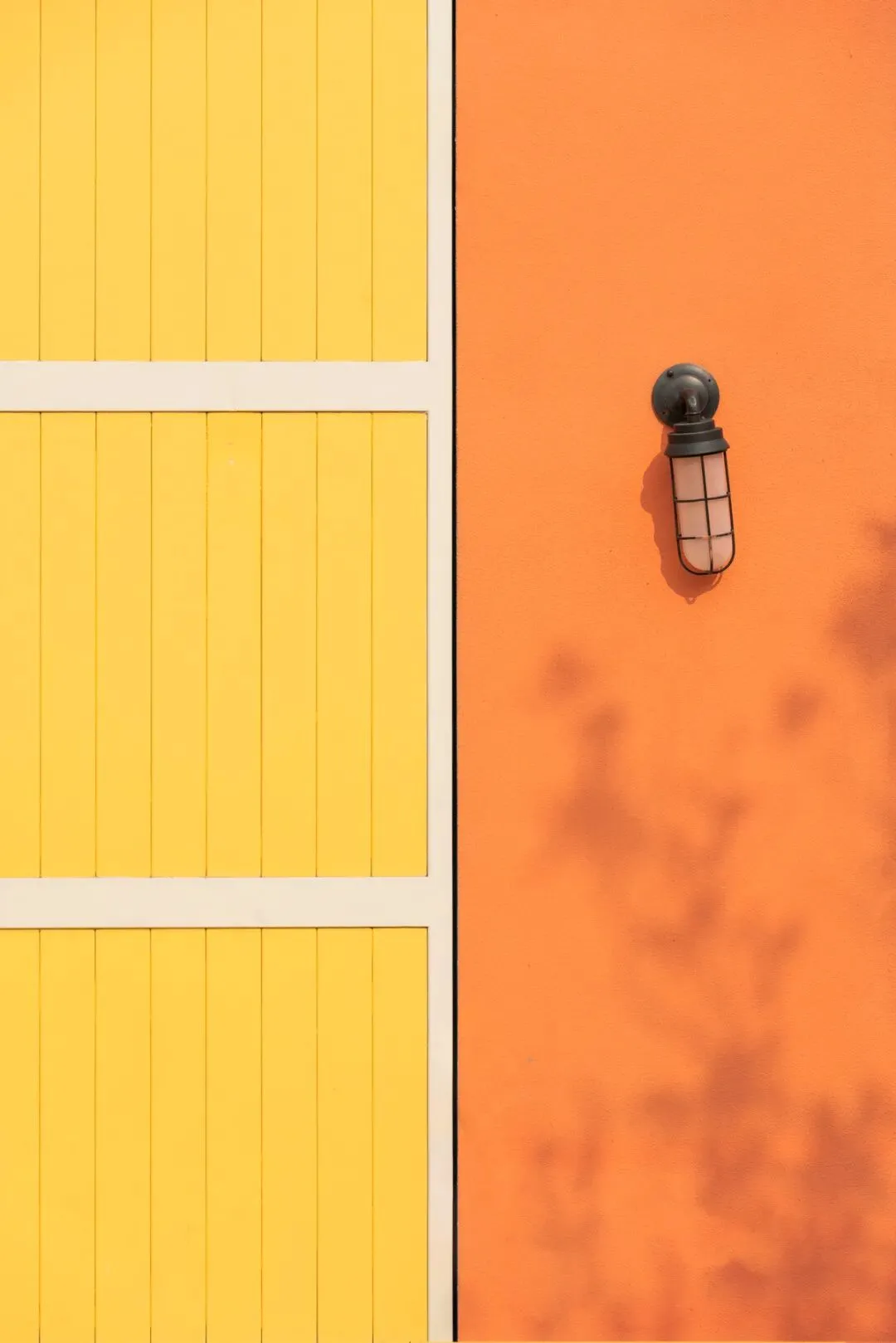
Winner: AndyAndy666

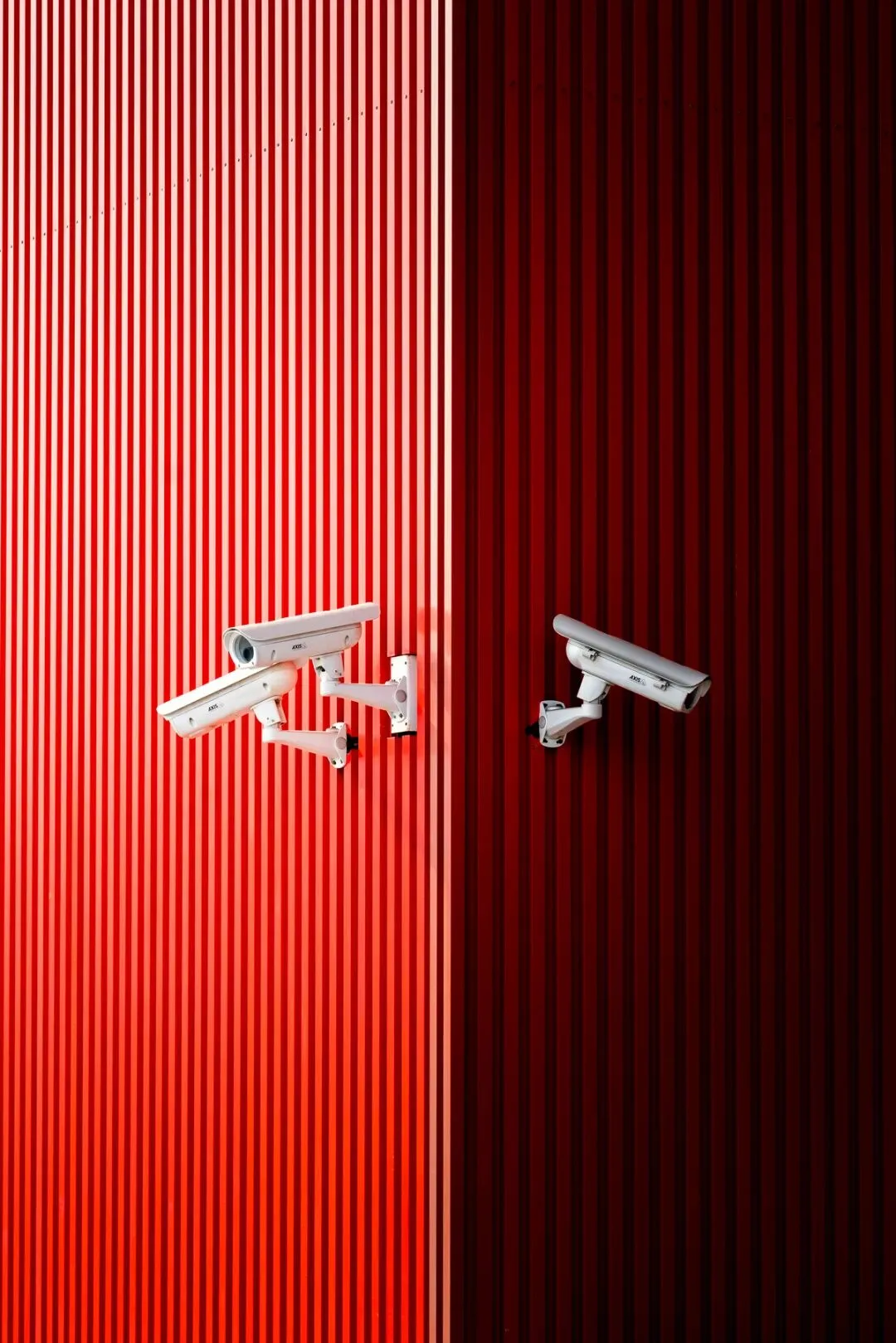
Winner: Eyes-Open Leo (睁眼Leo)
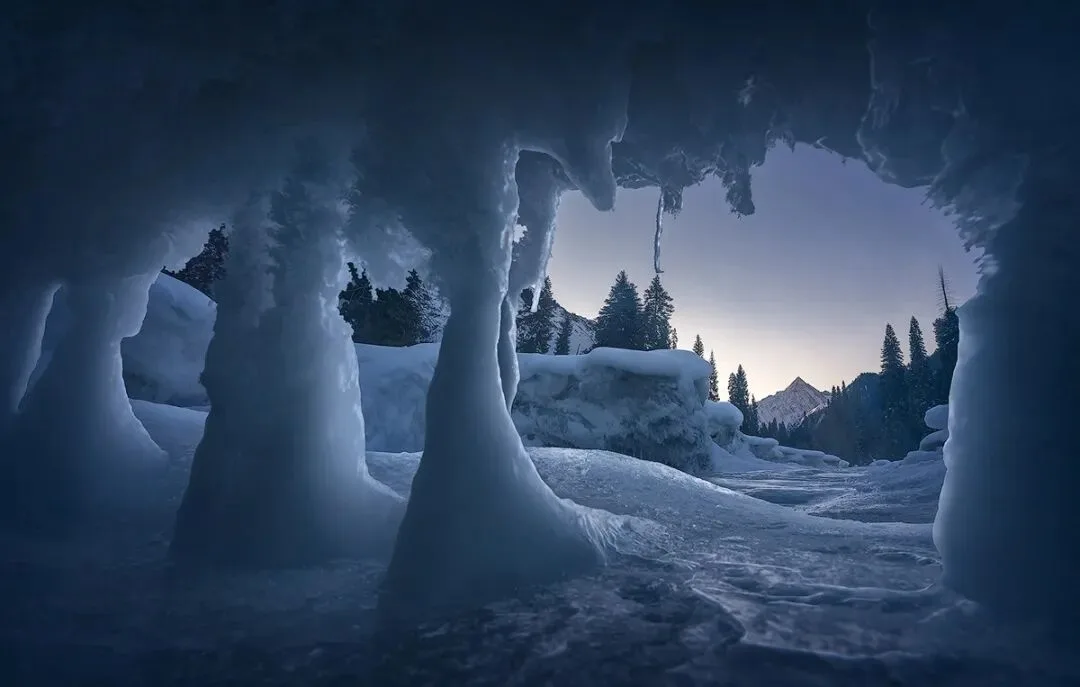
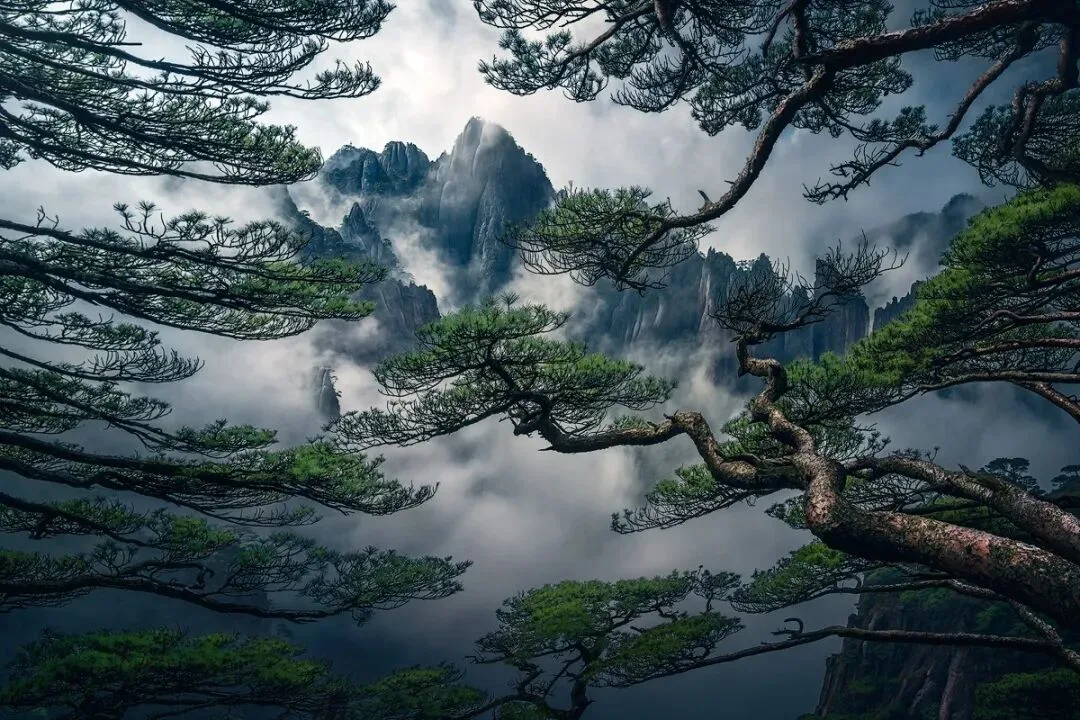
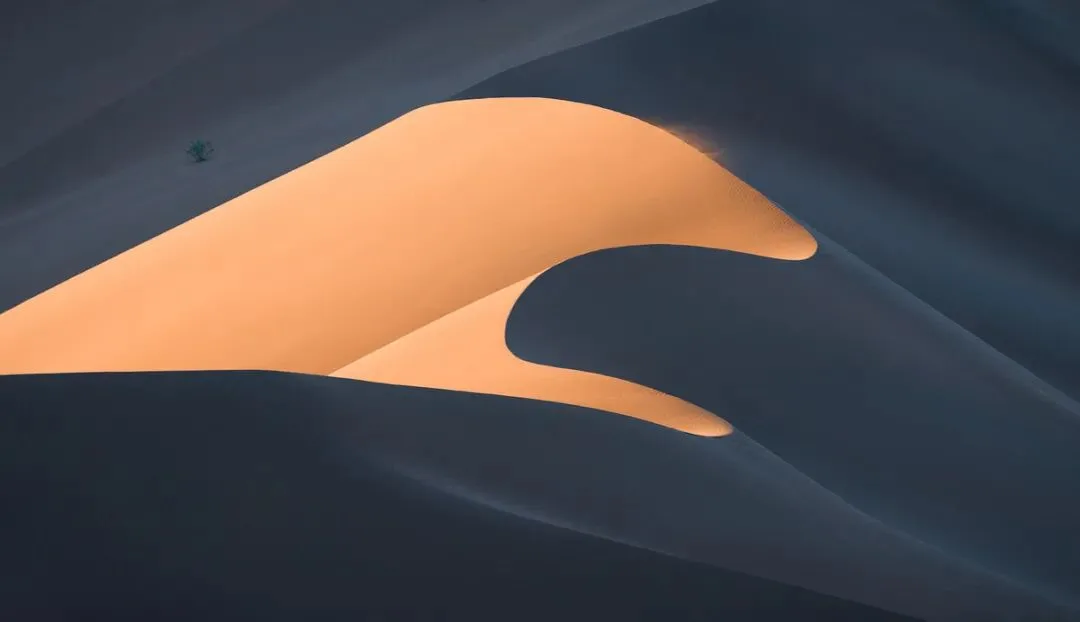
Winner: Dong Debin (董的斌)
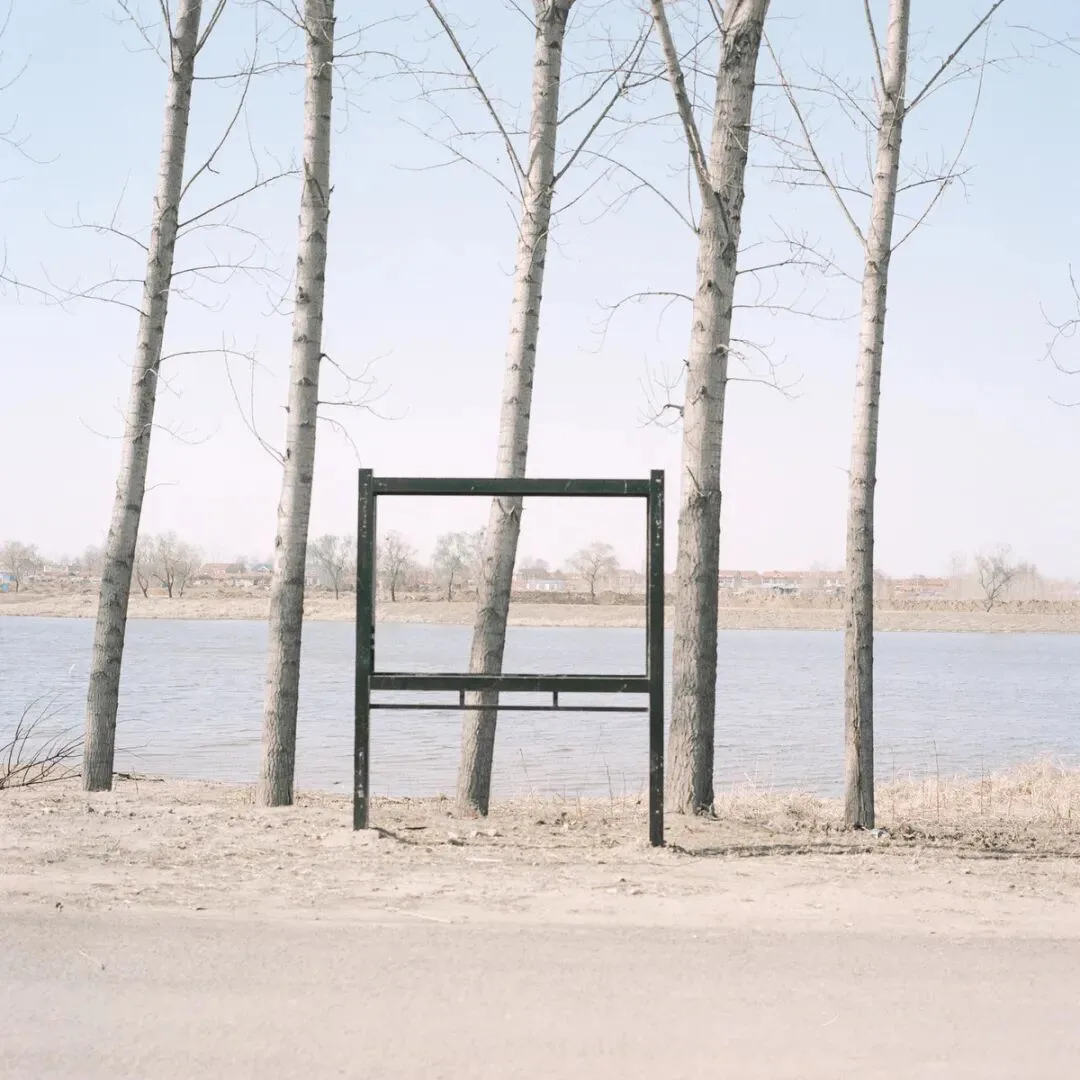
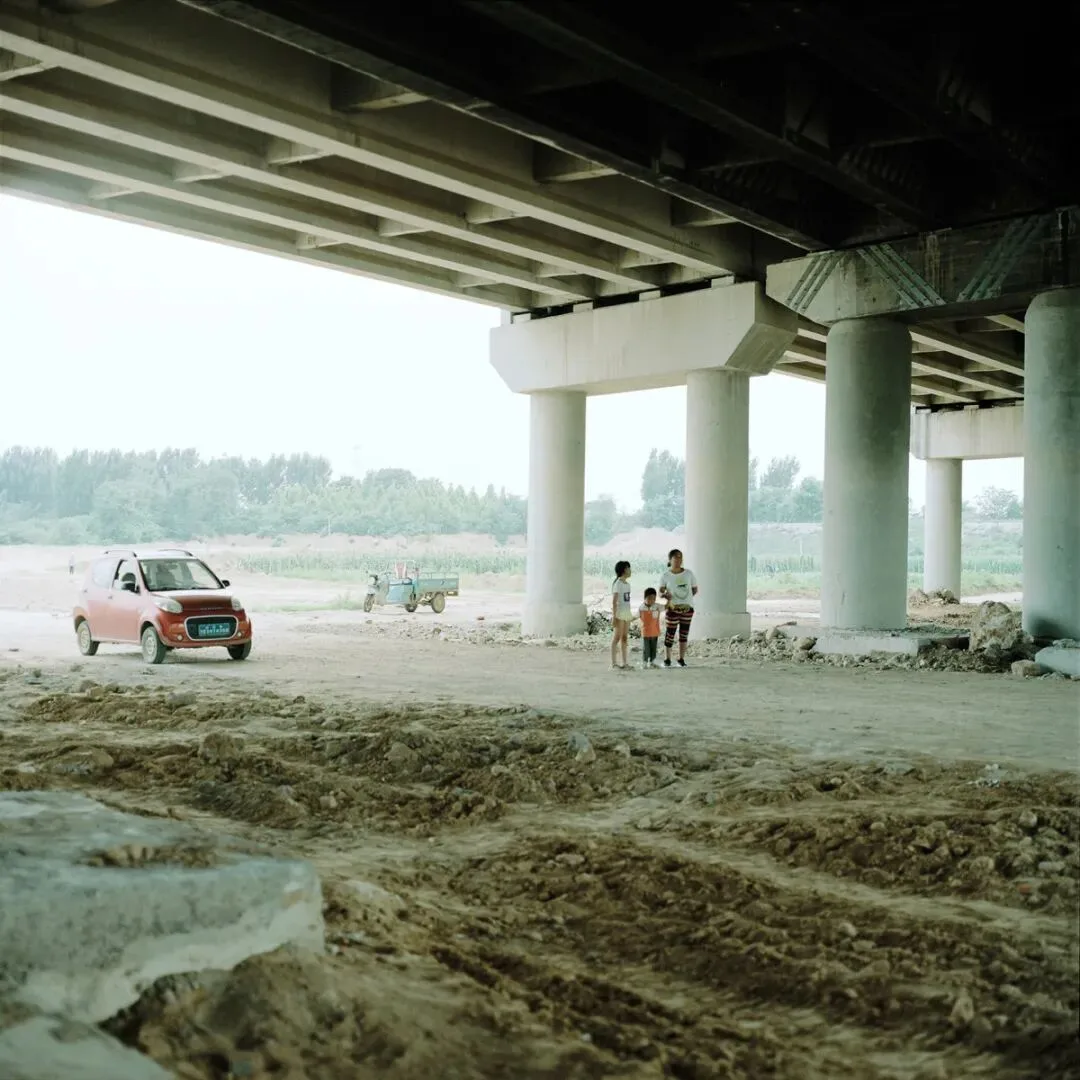
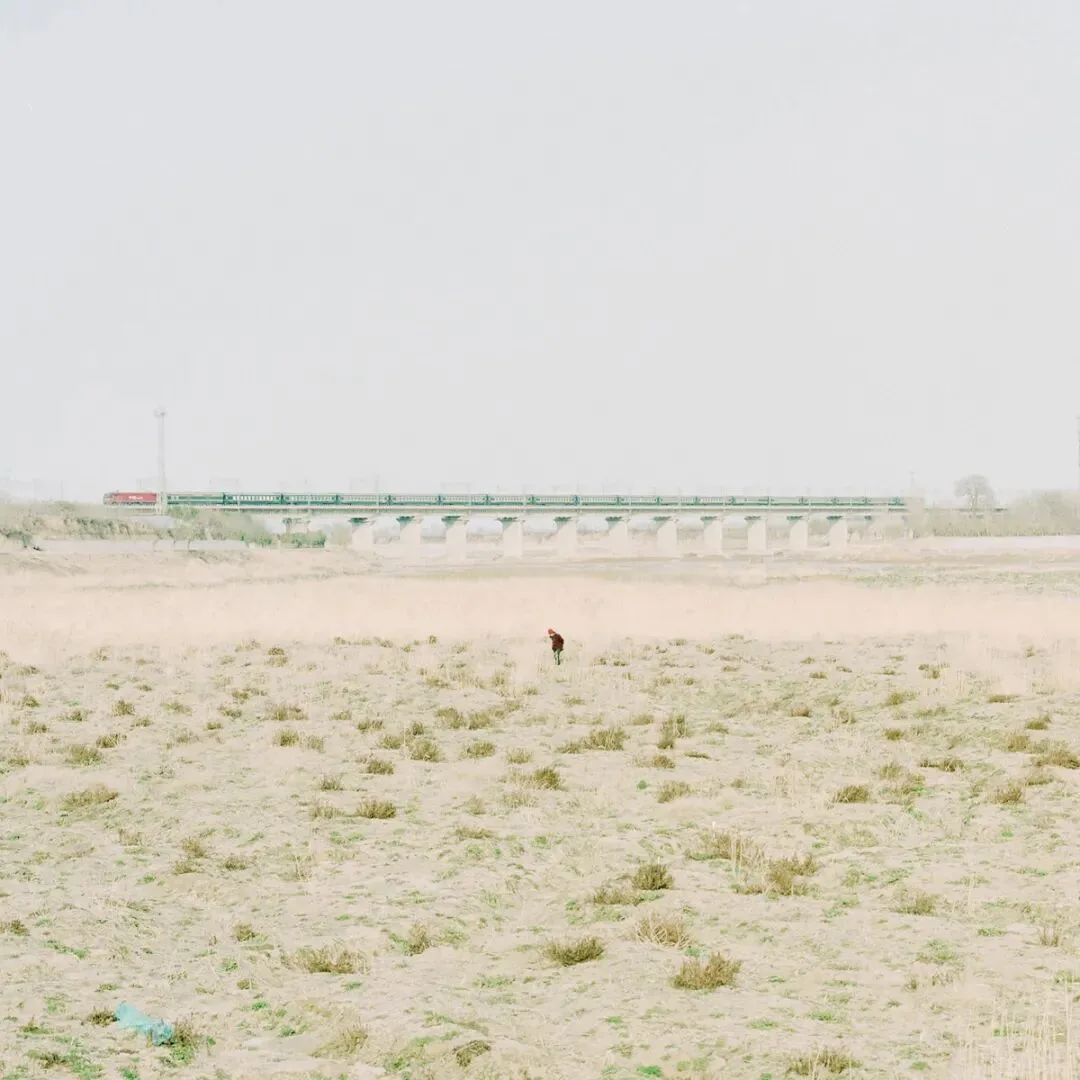
Winner: A Little Squint (一只小眯眯)
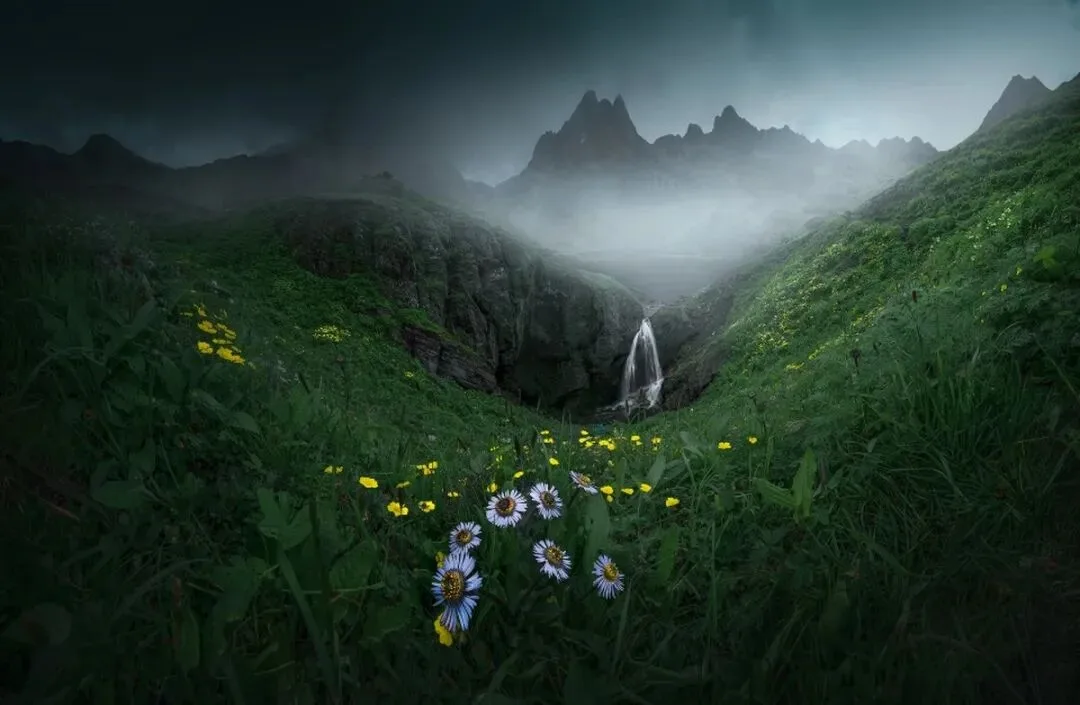
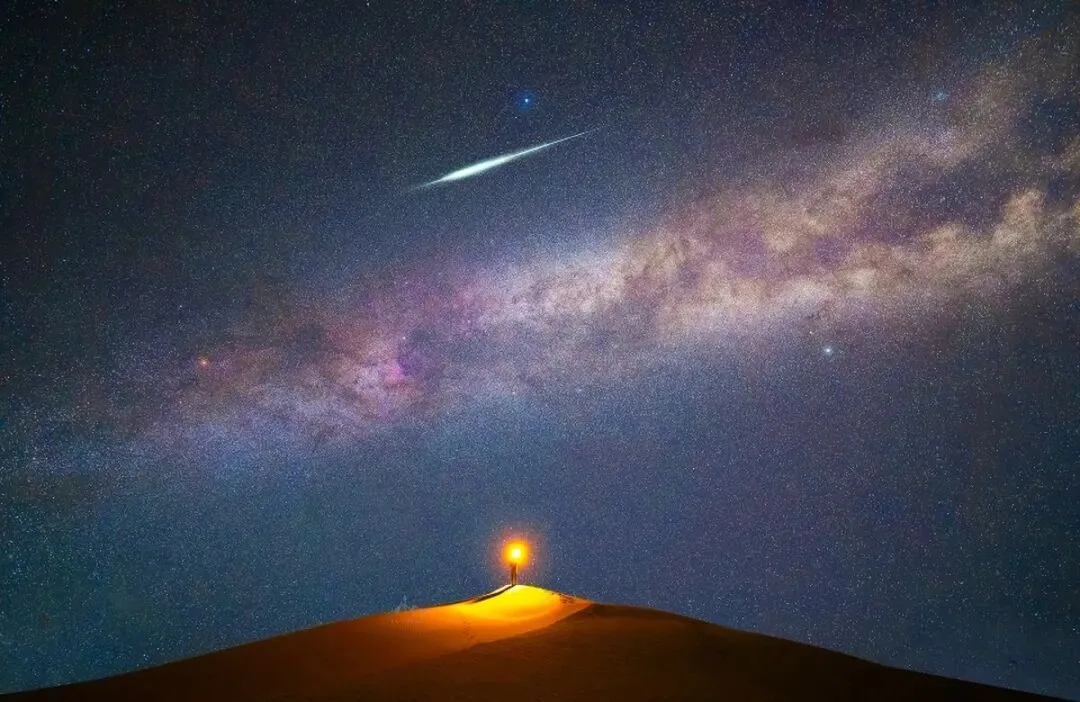
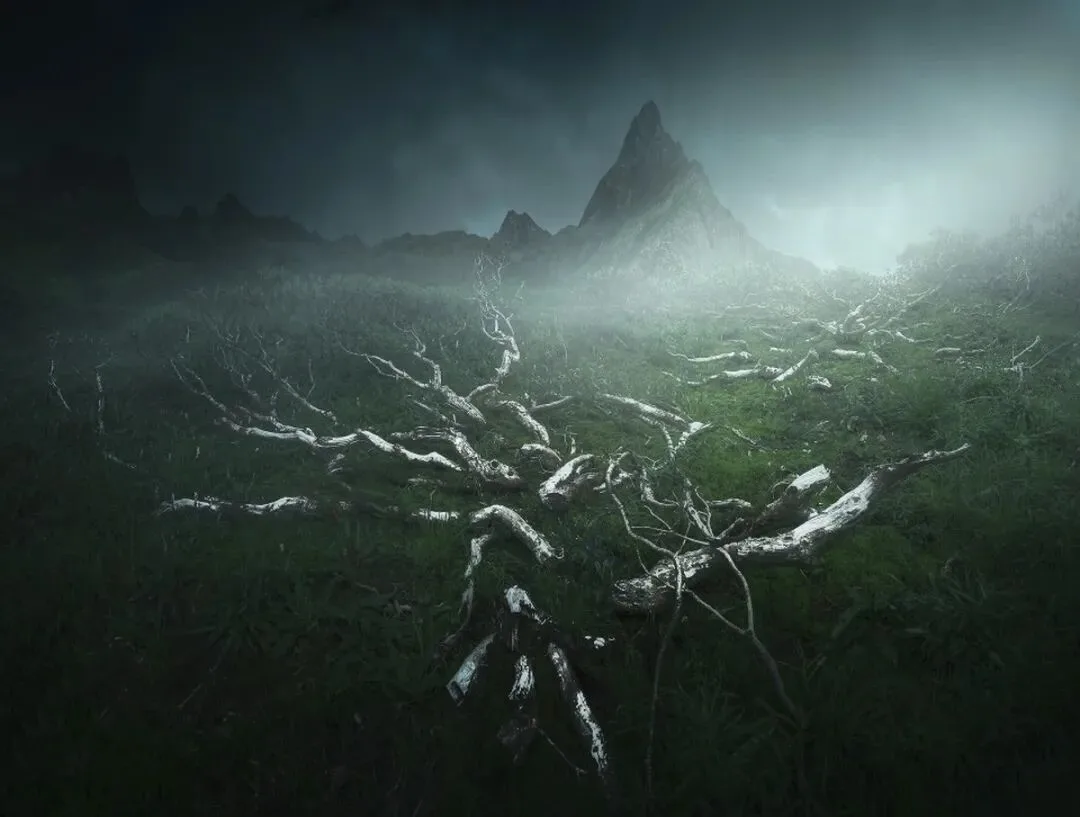
Winner: Haolan (浩澜)
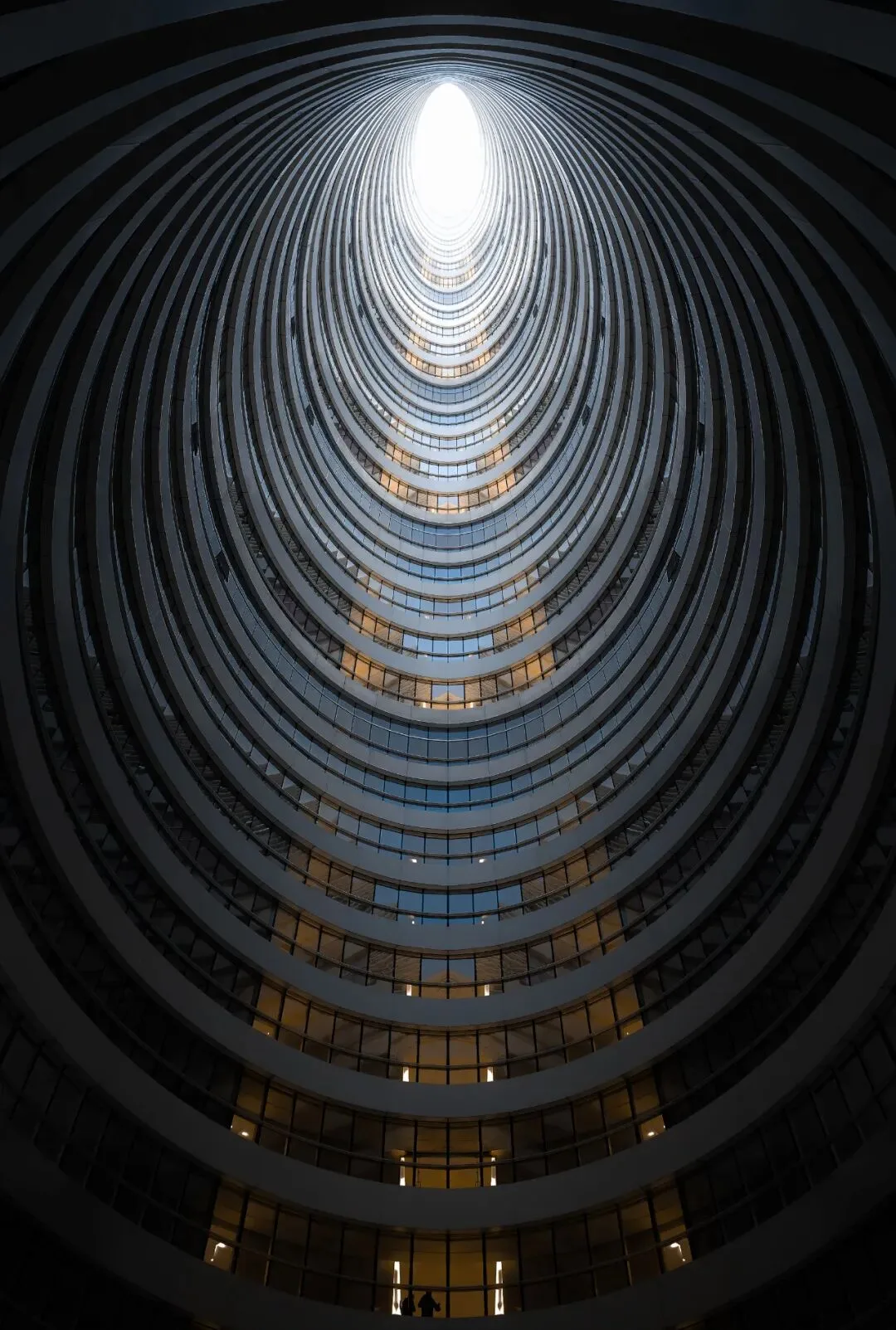
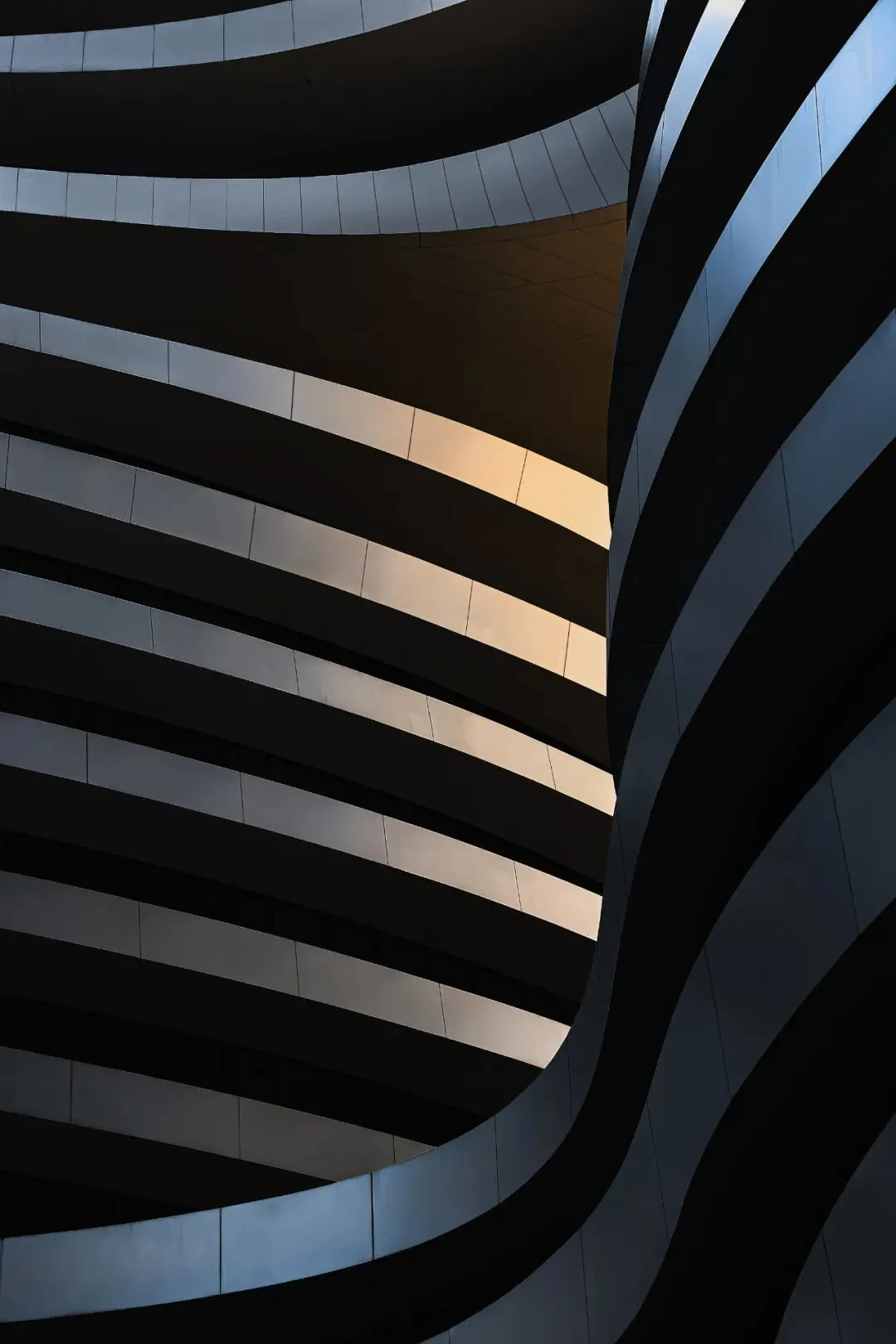
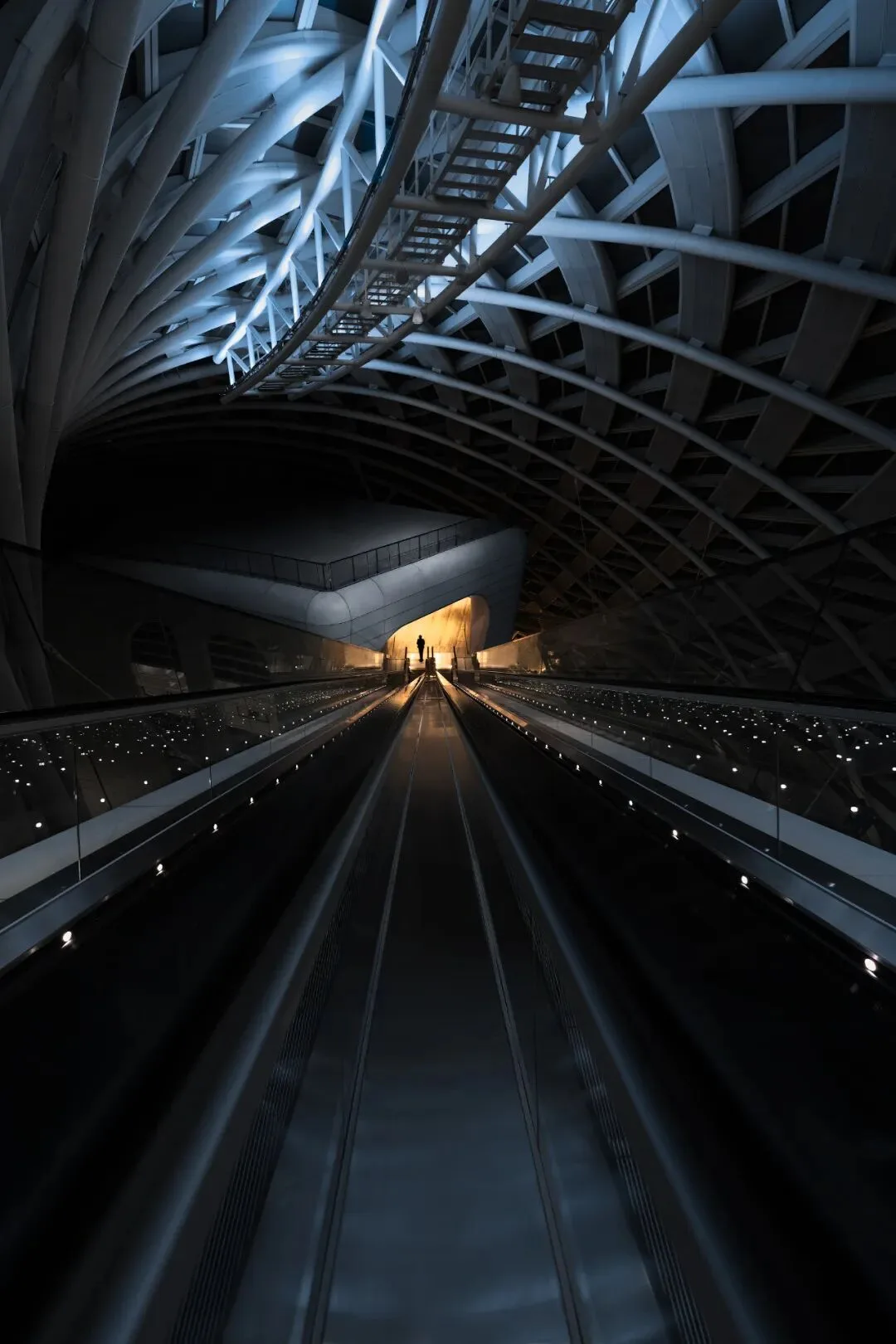
Winner: Liu Bai YantingLiu (刘白YantingLiu)
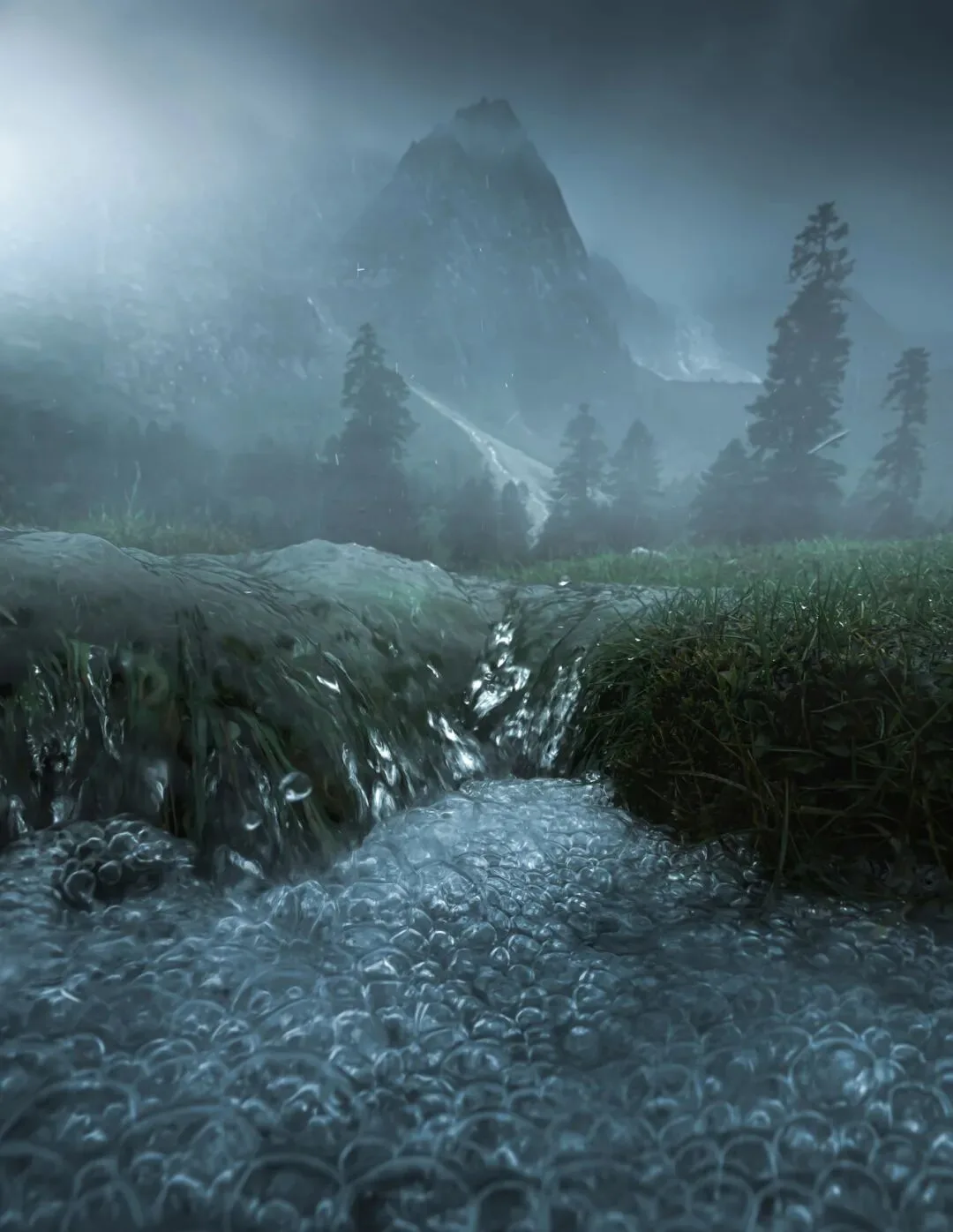
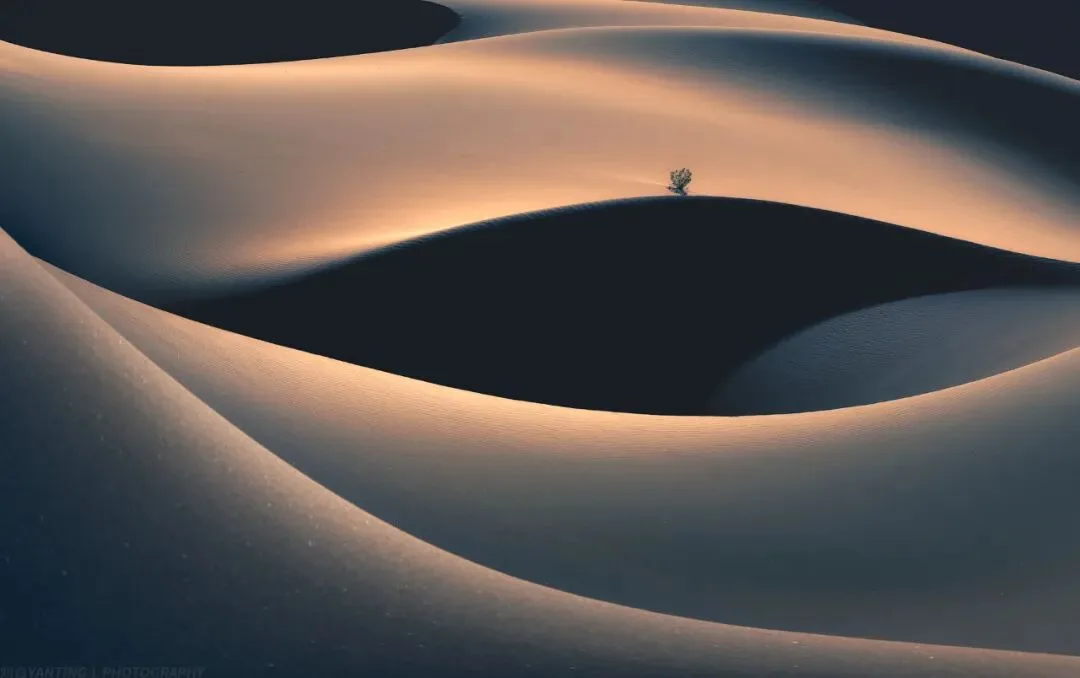
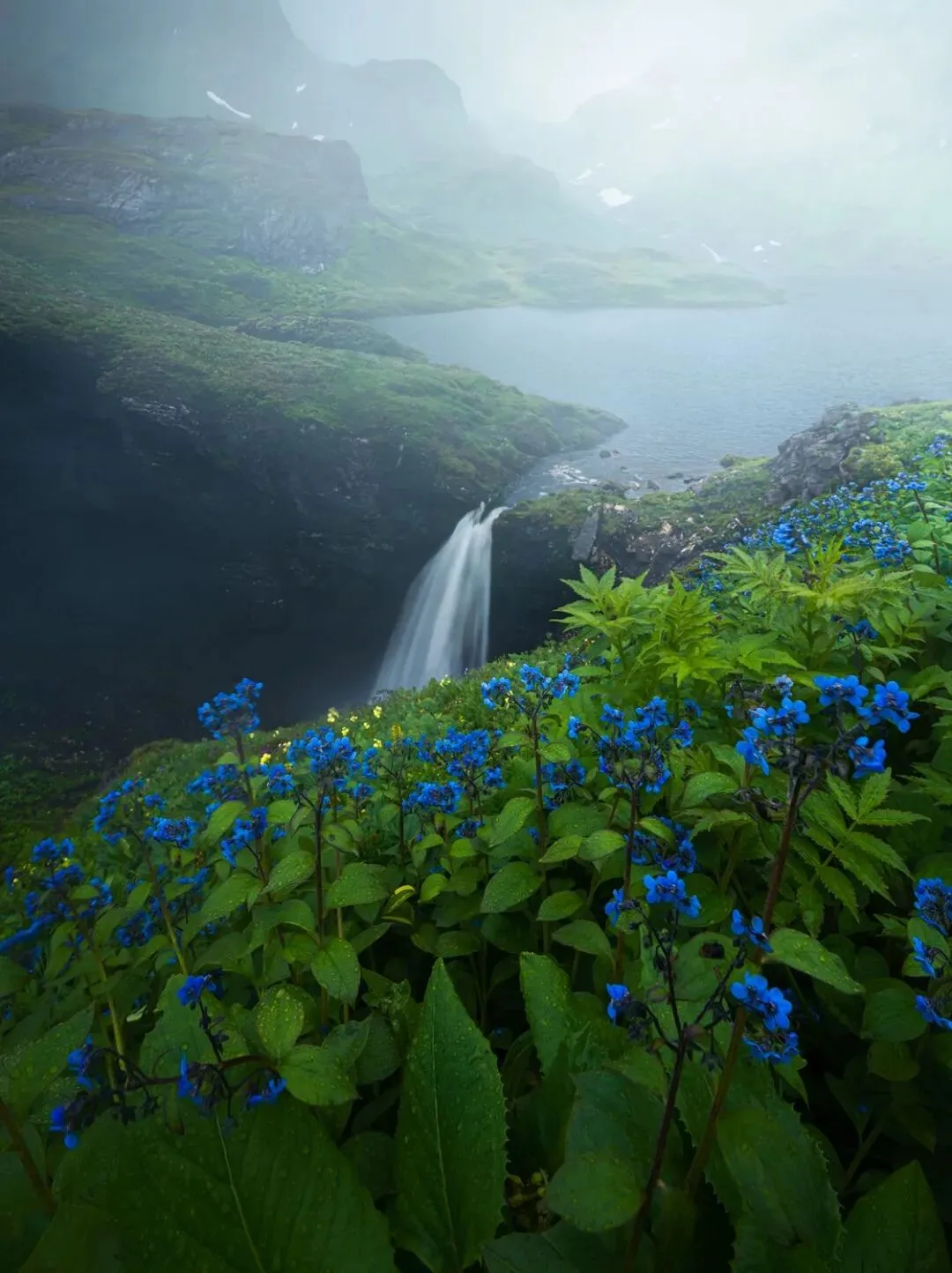
Winner: It's Xu Caigou Ya (是徐菜狗鸭)
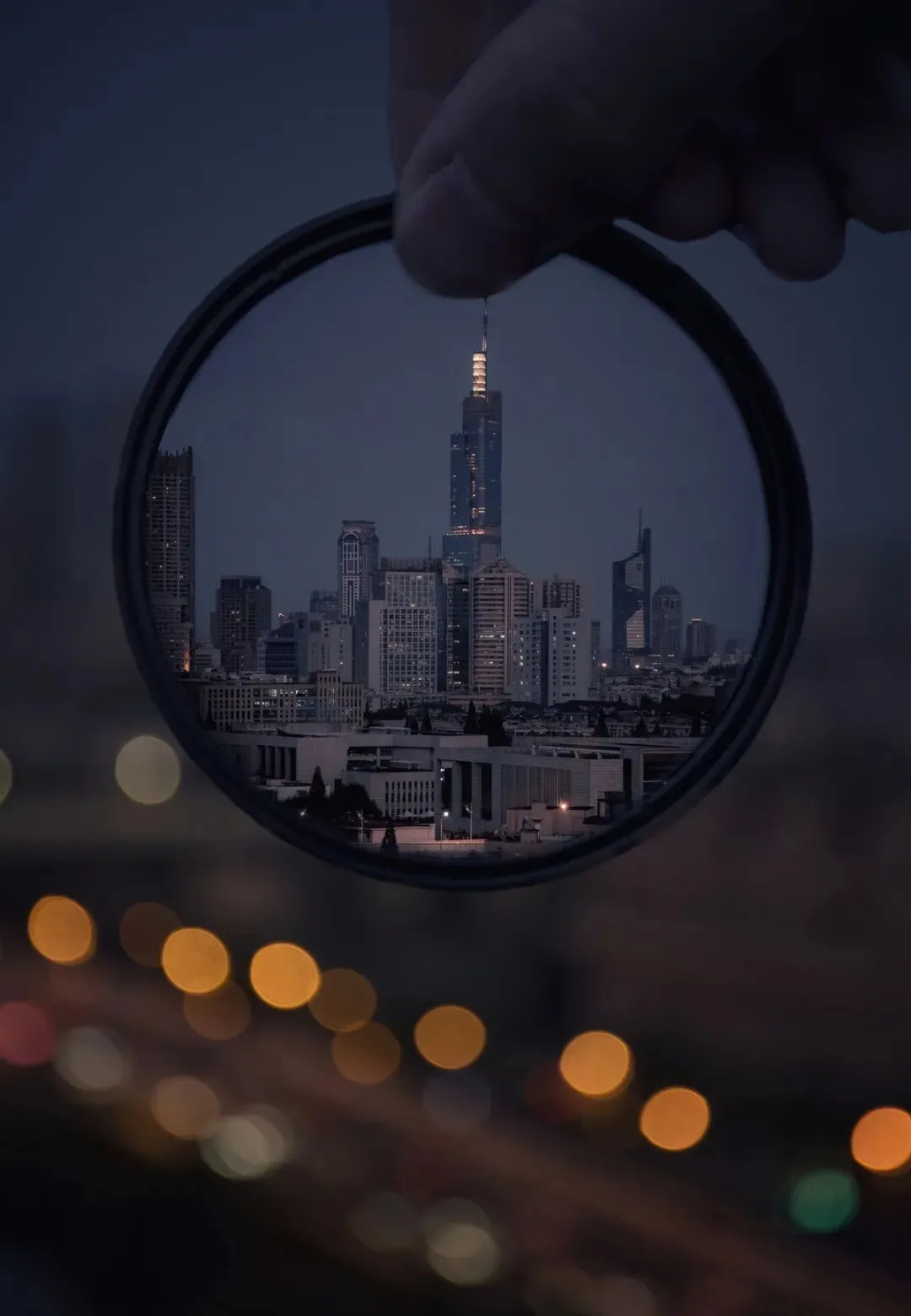
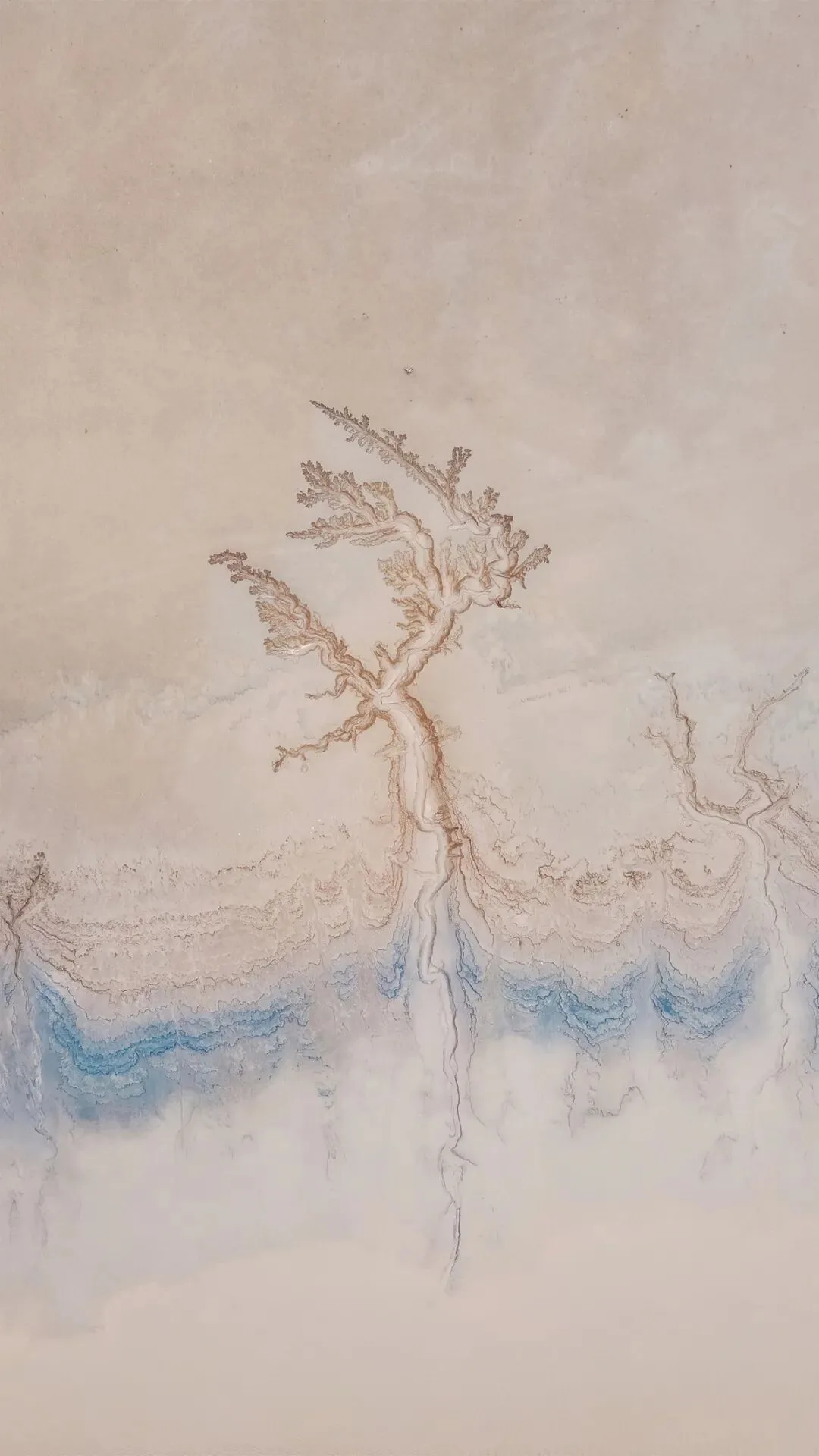
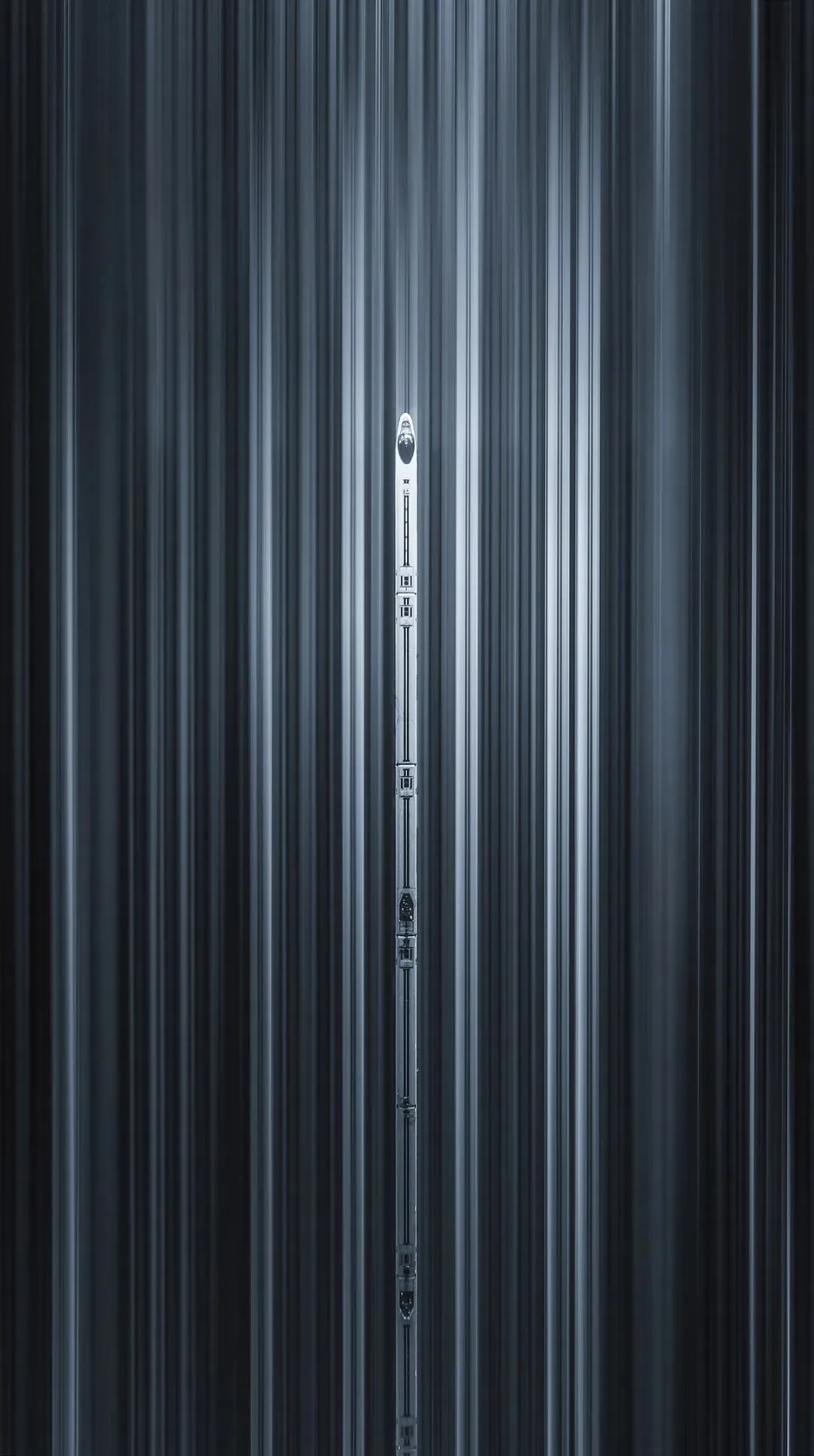
Winner: Shanhai_INF (山海_INF)
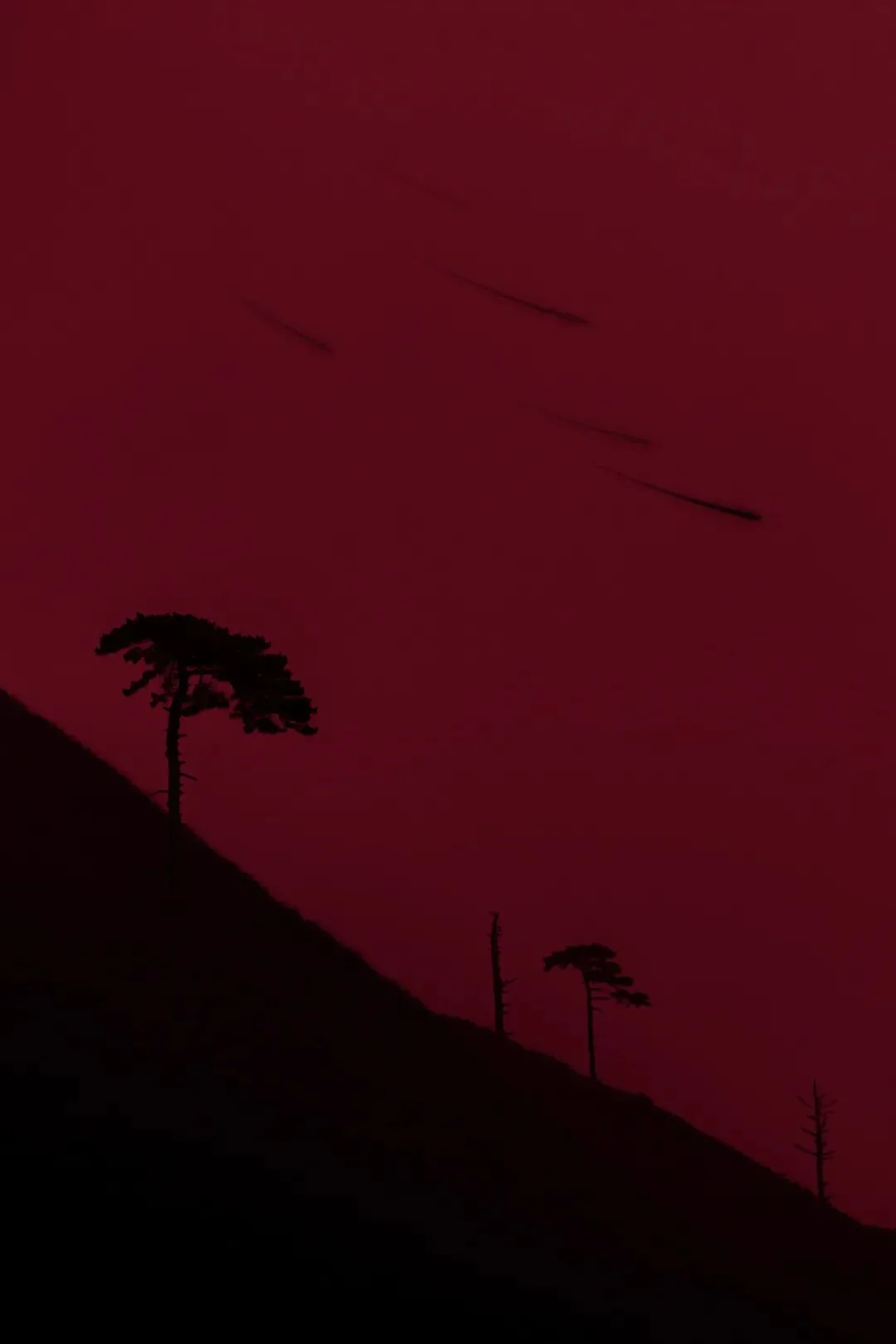
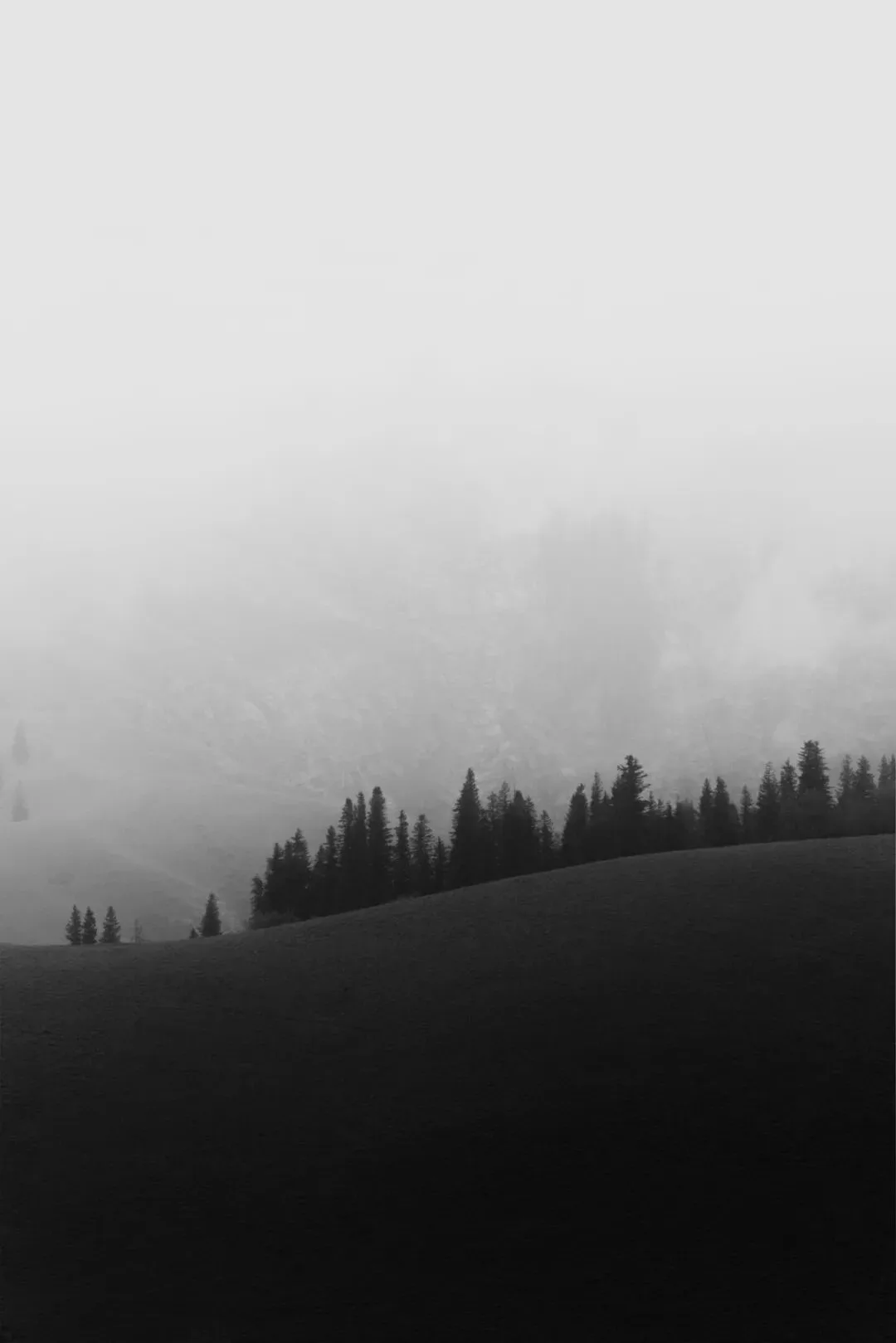
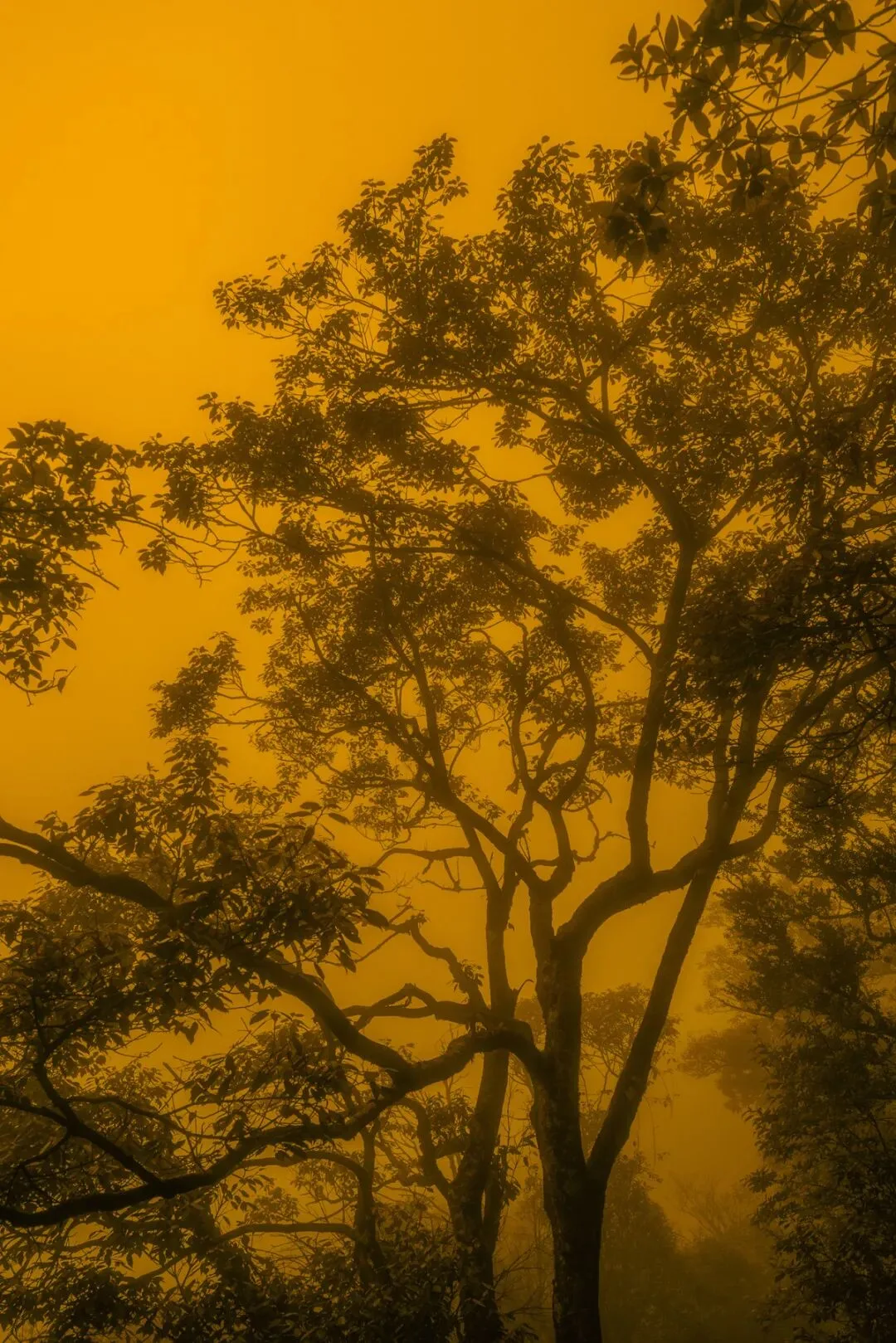
Winner: Burger Han (Burger翰)
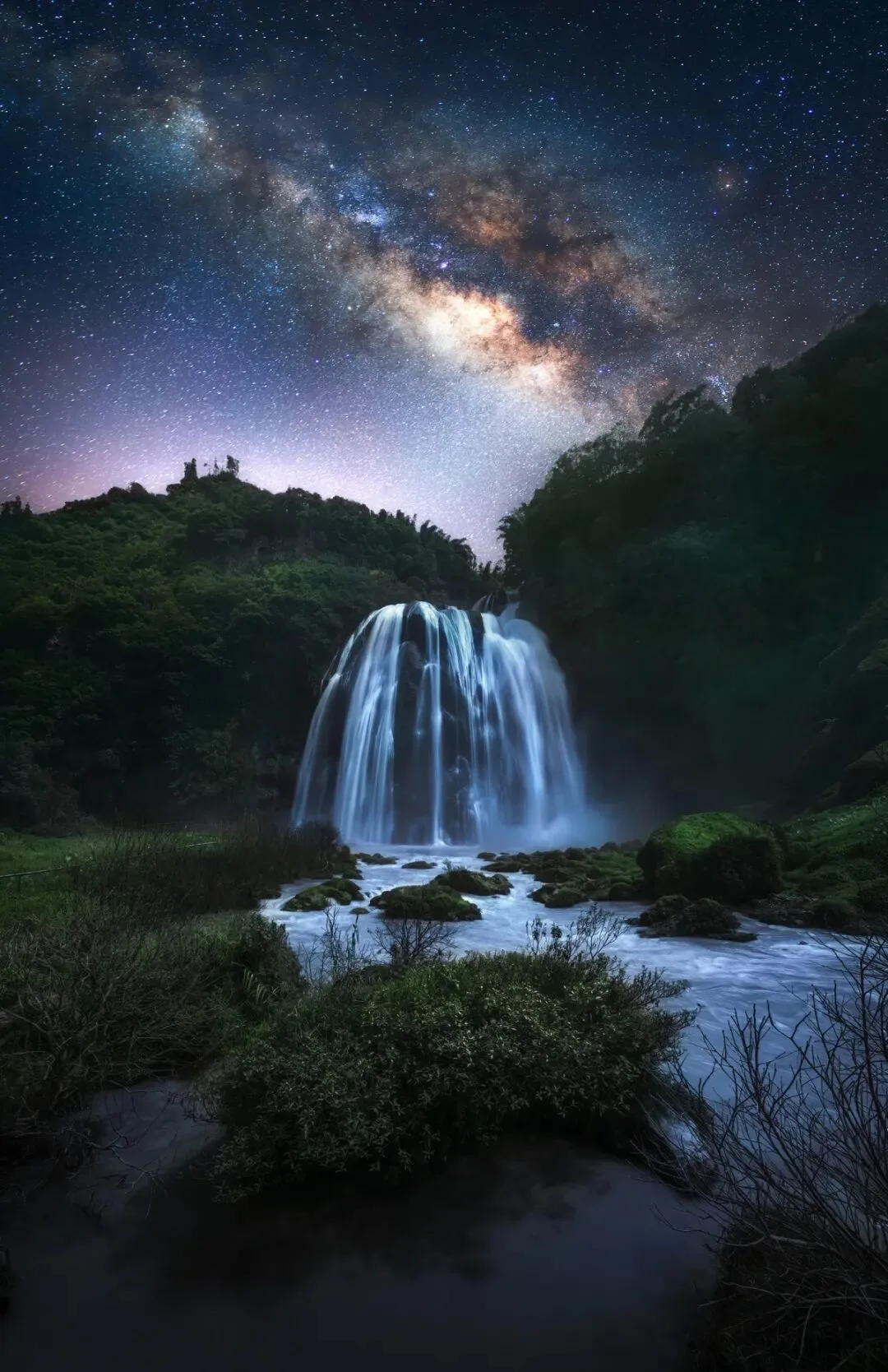
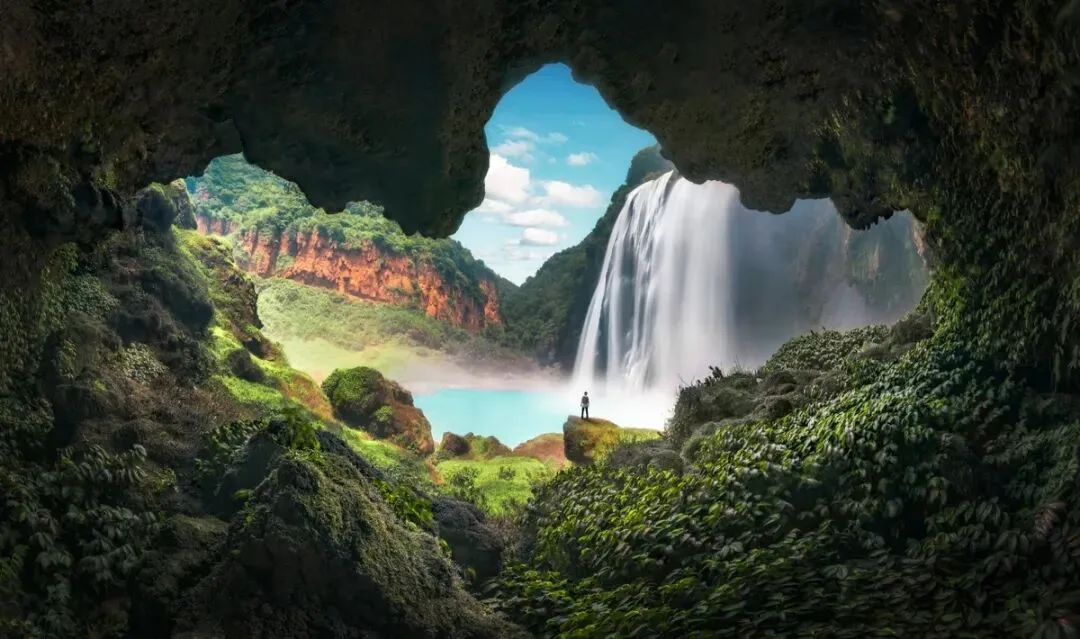
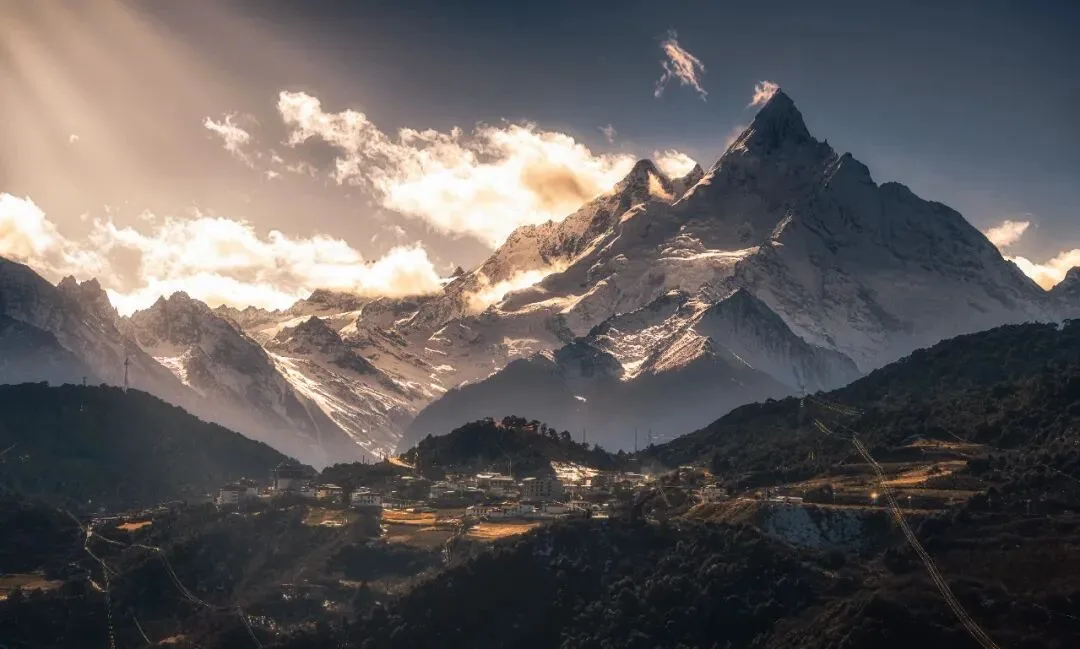
Winner: Yang Li (阳醴)
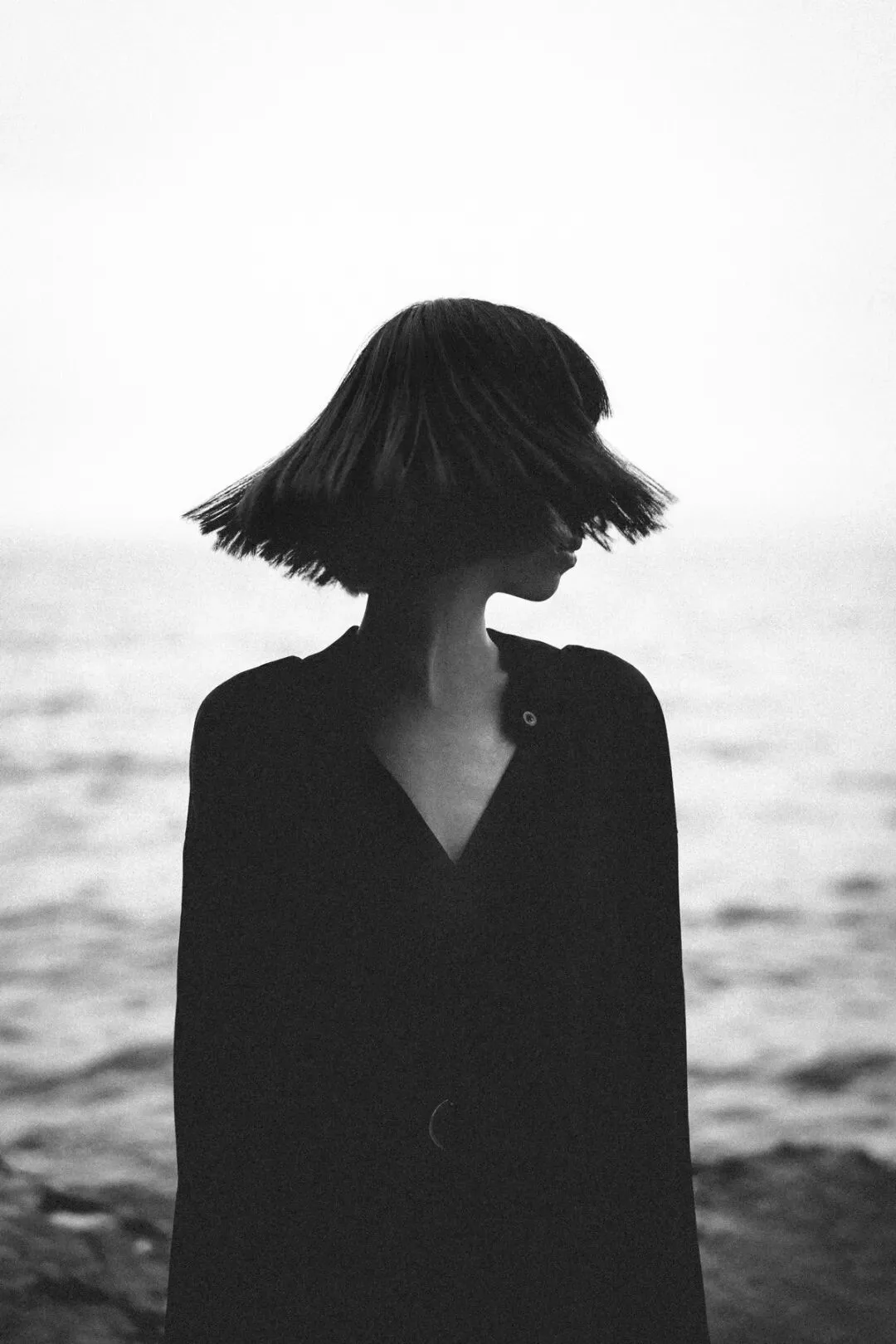
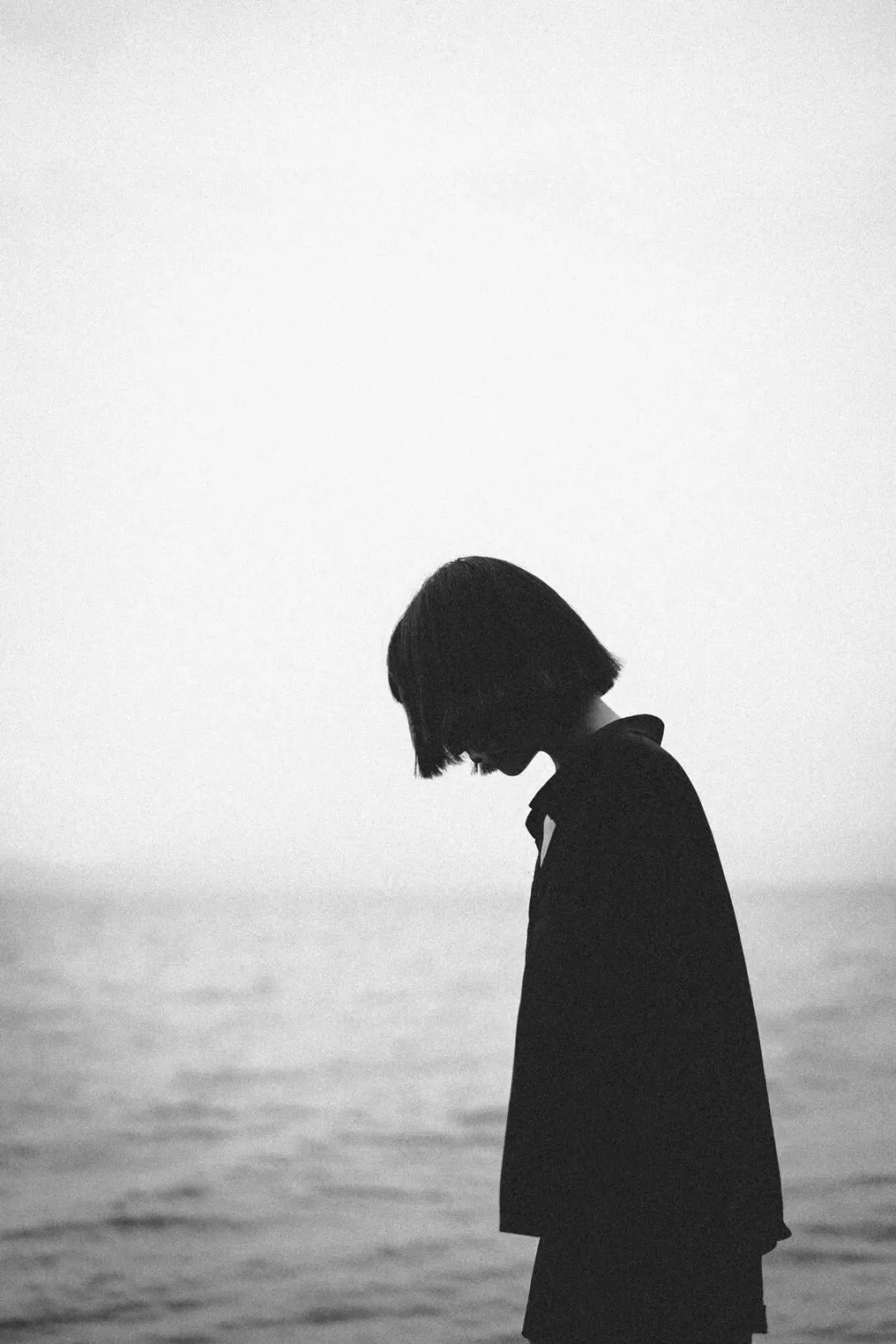
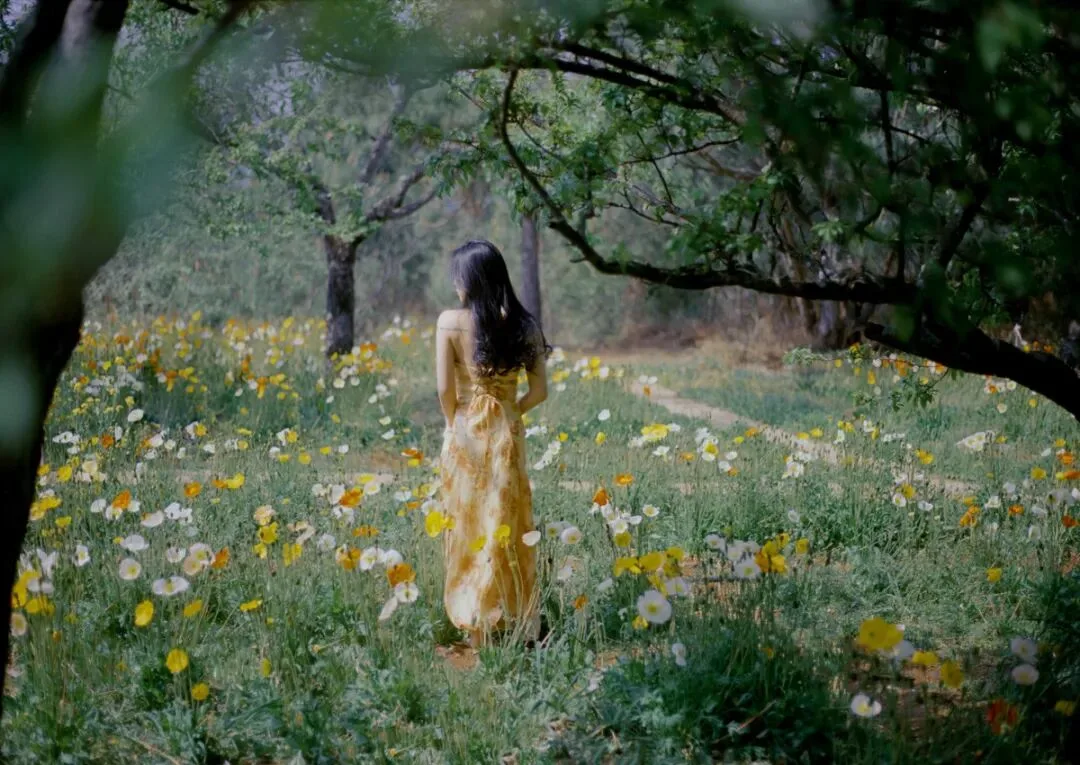
Winner: Luming Wei (鹿鸣微)
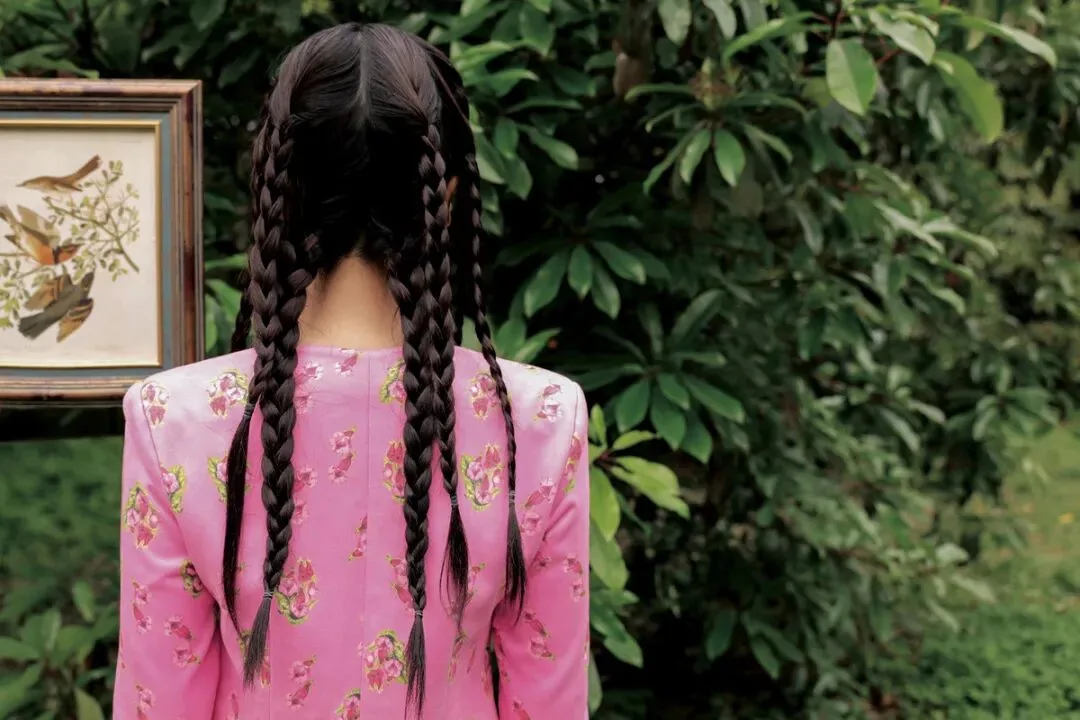
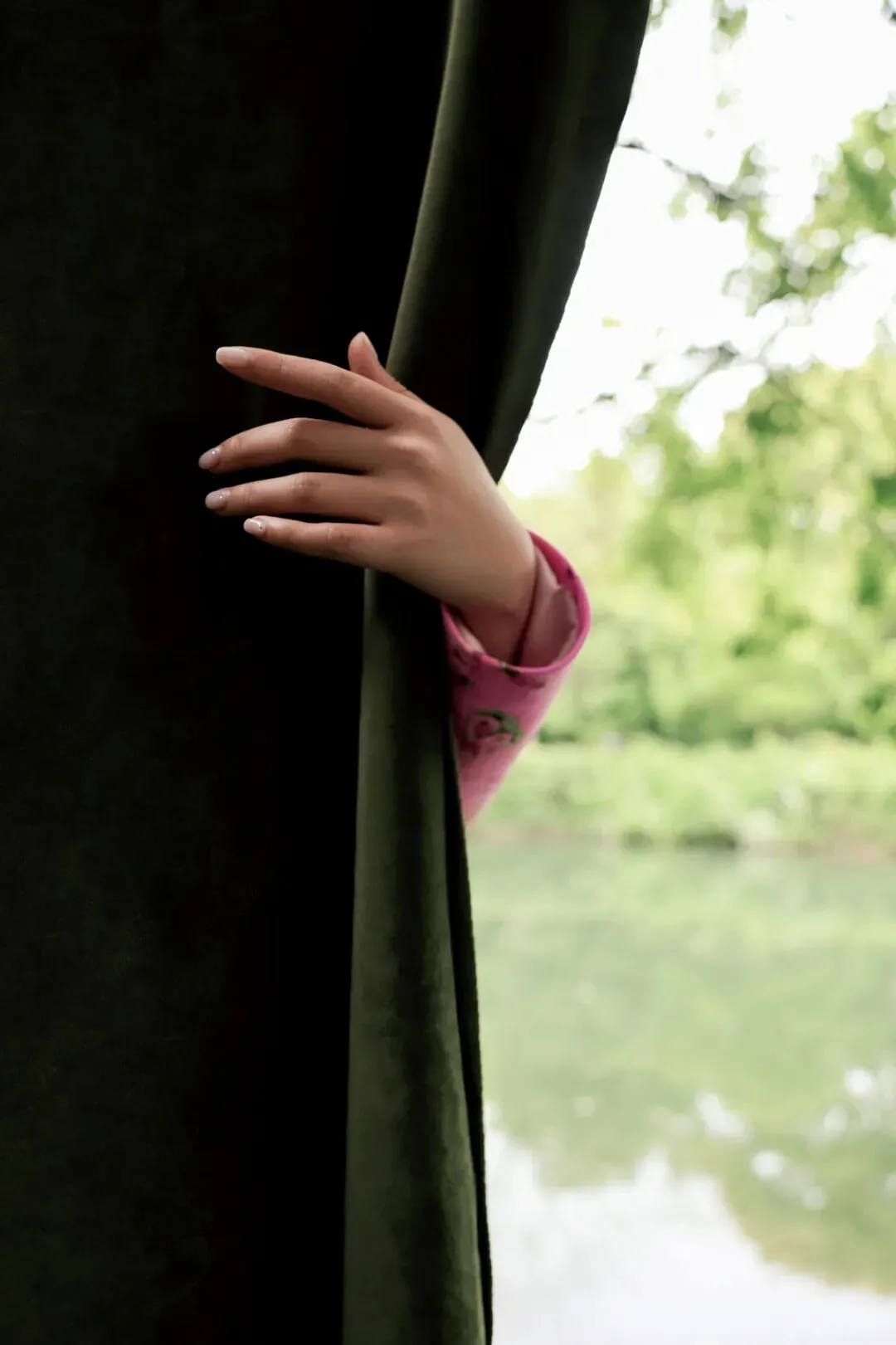
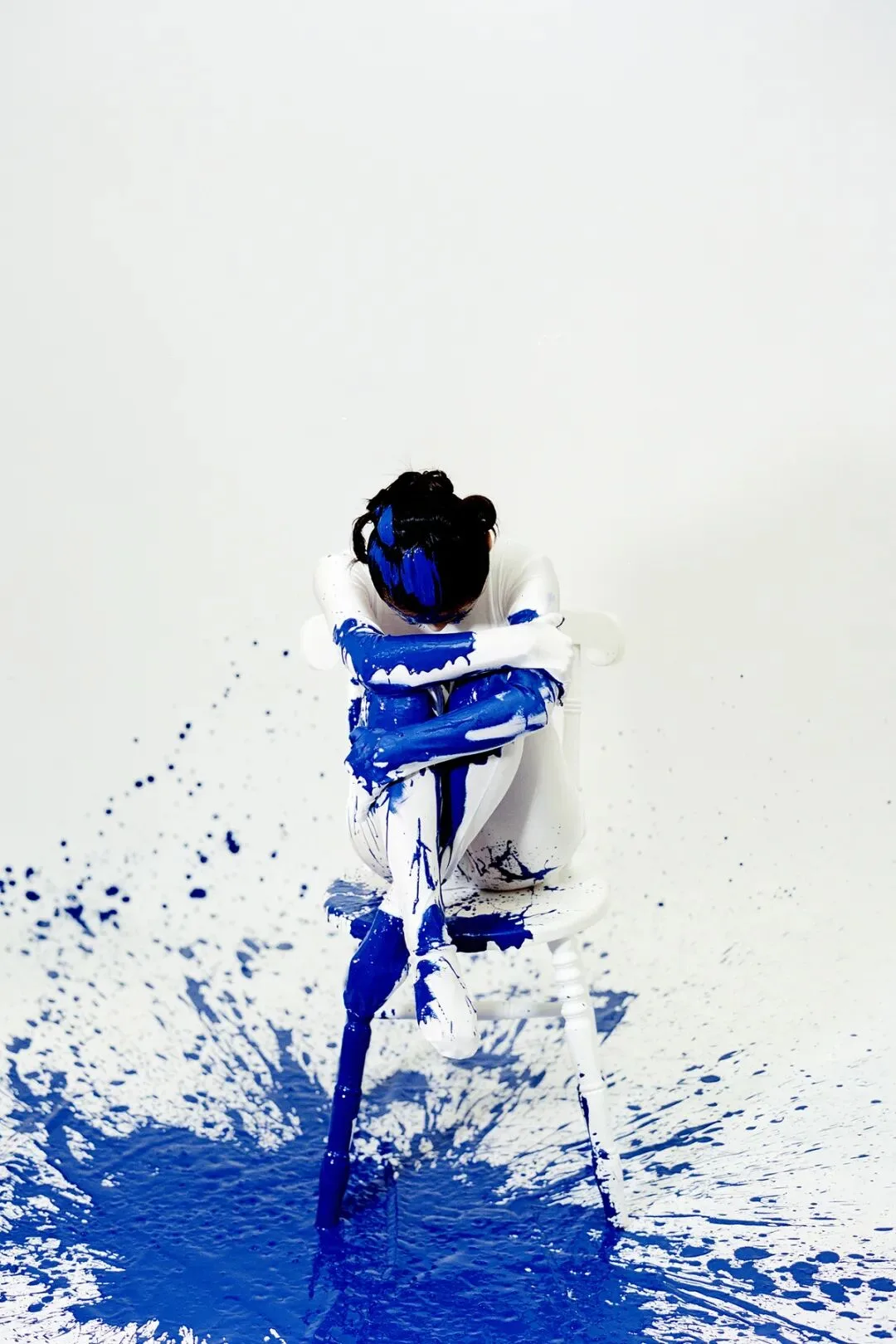
Winner: Raychain
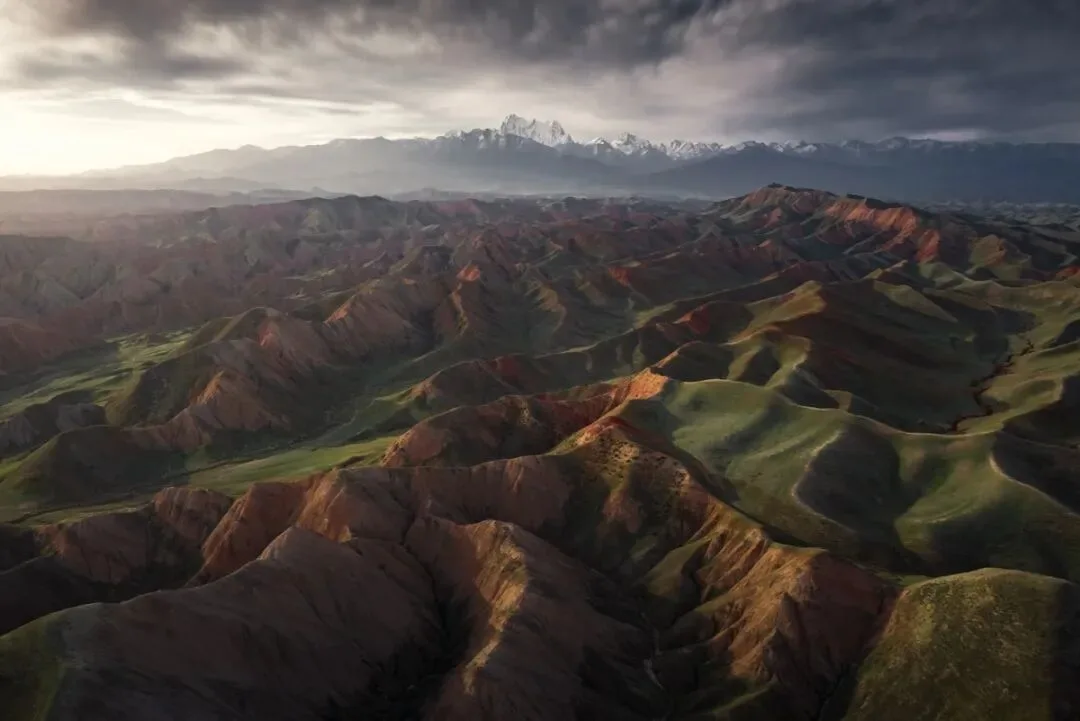
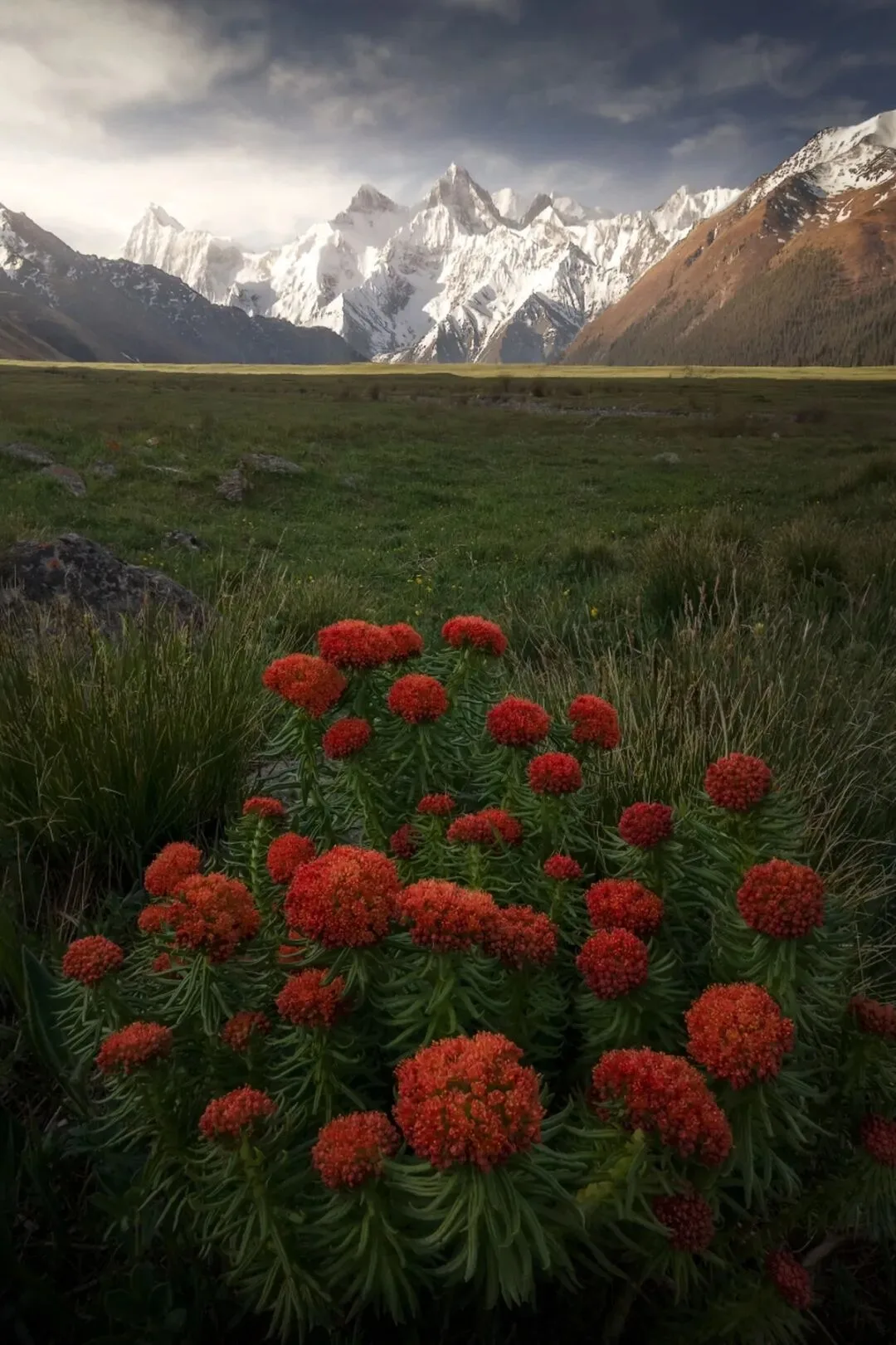
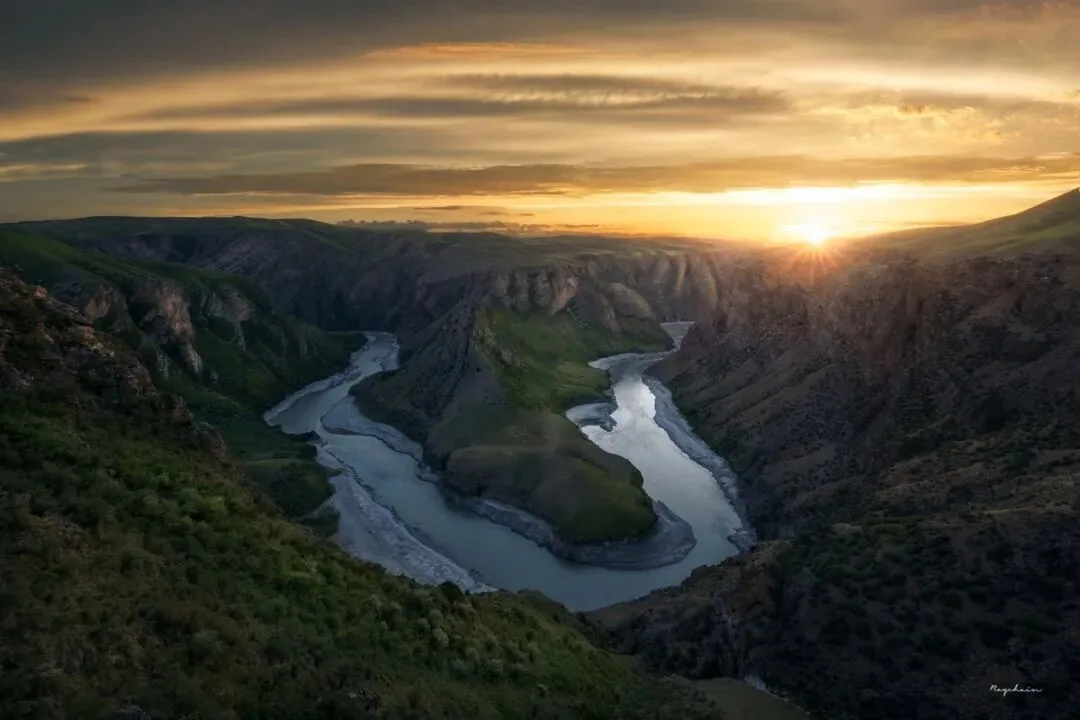
Winner: He Han hank (贺汉hank)
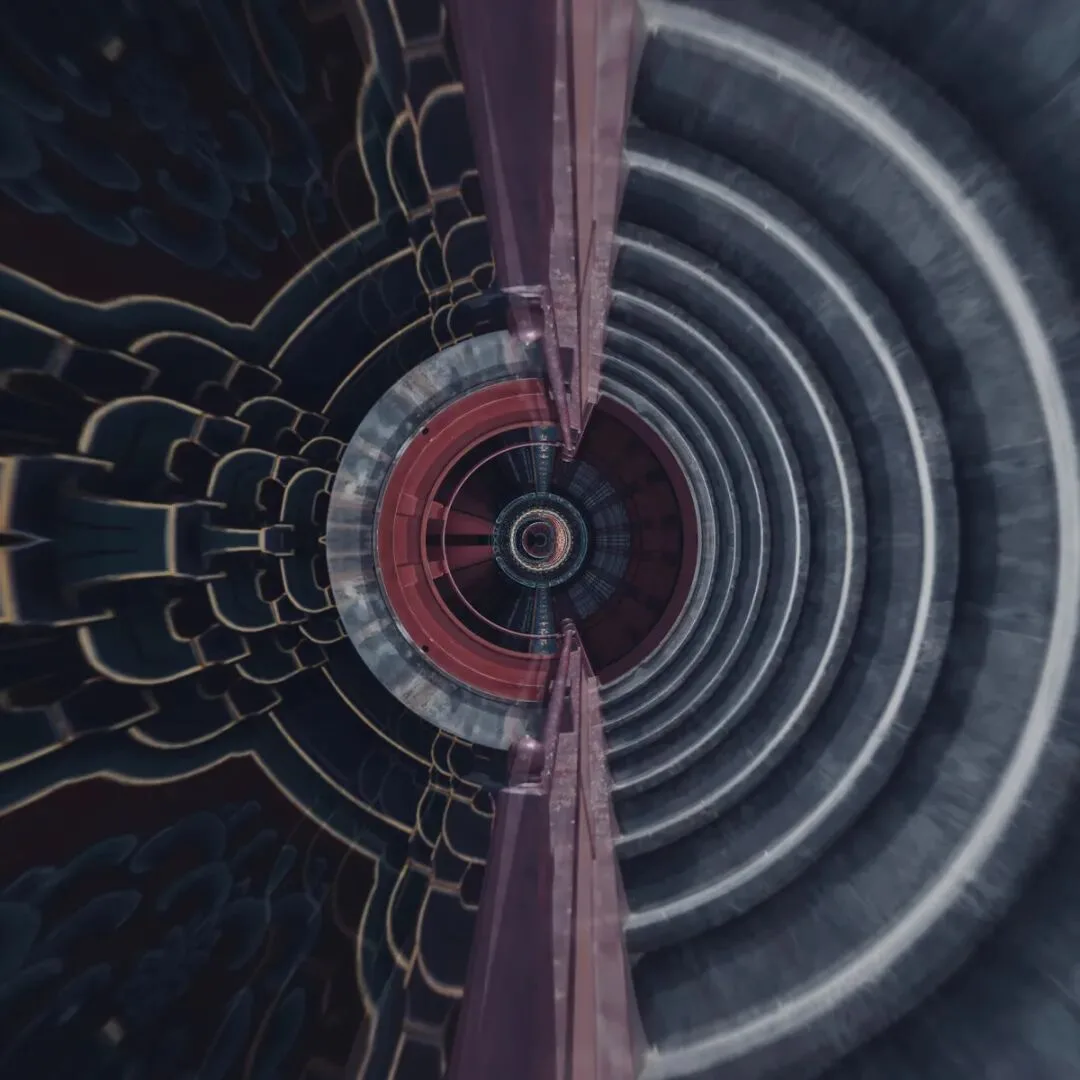
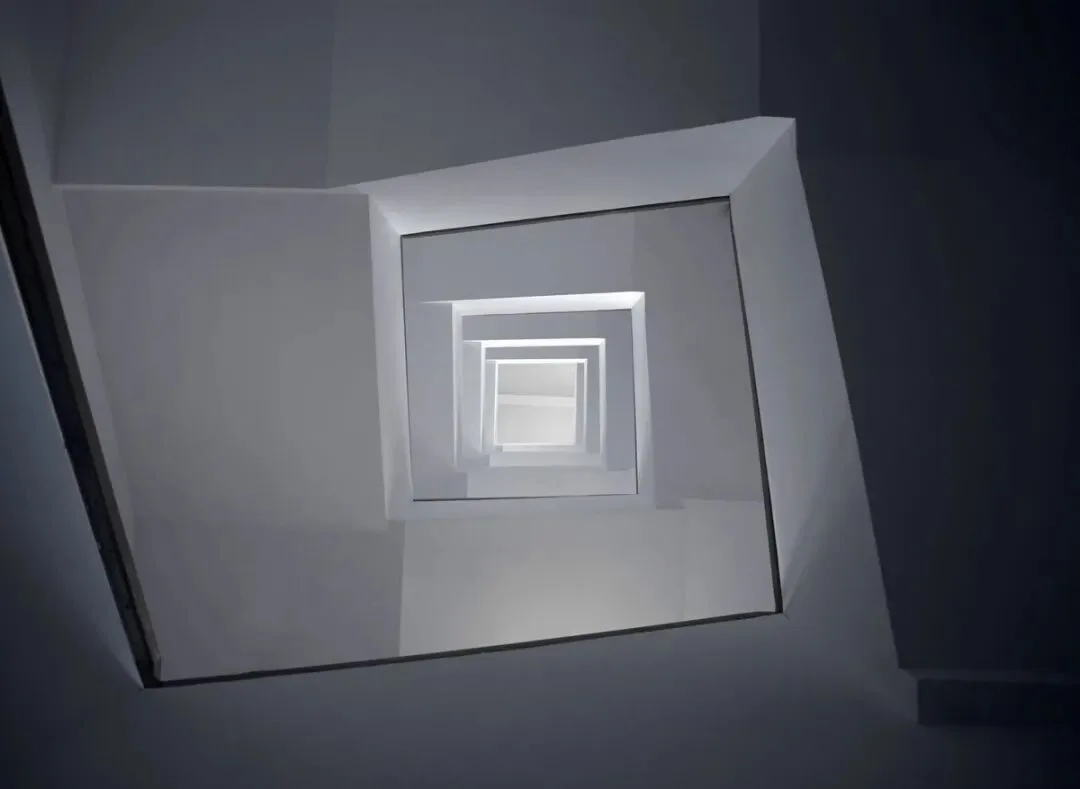
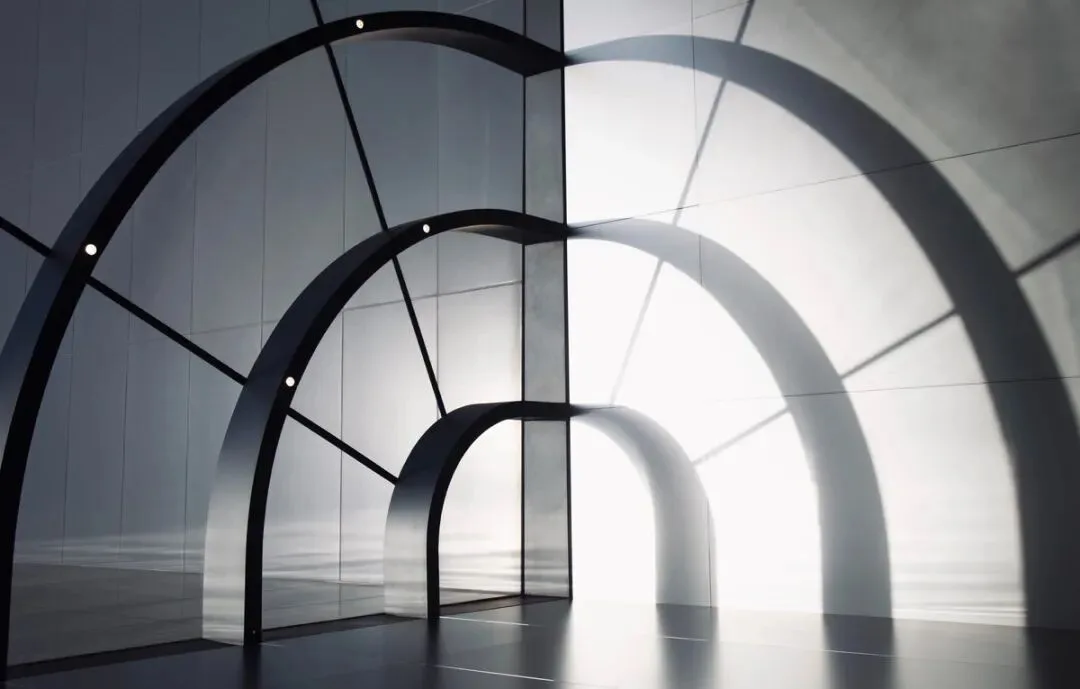
Winner: Wange (挽歌)
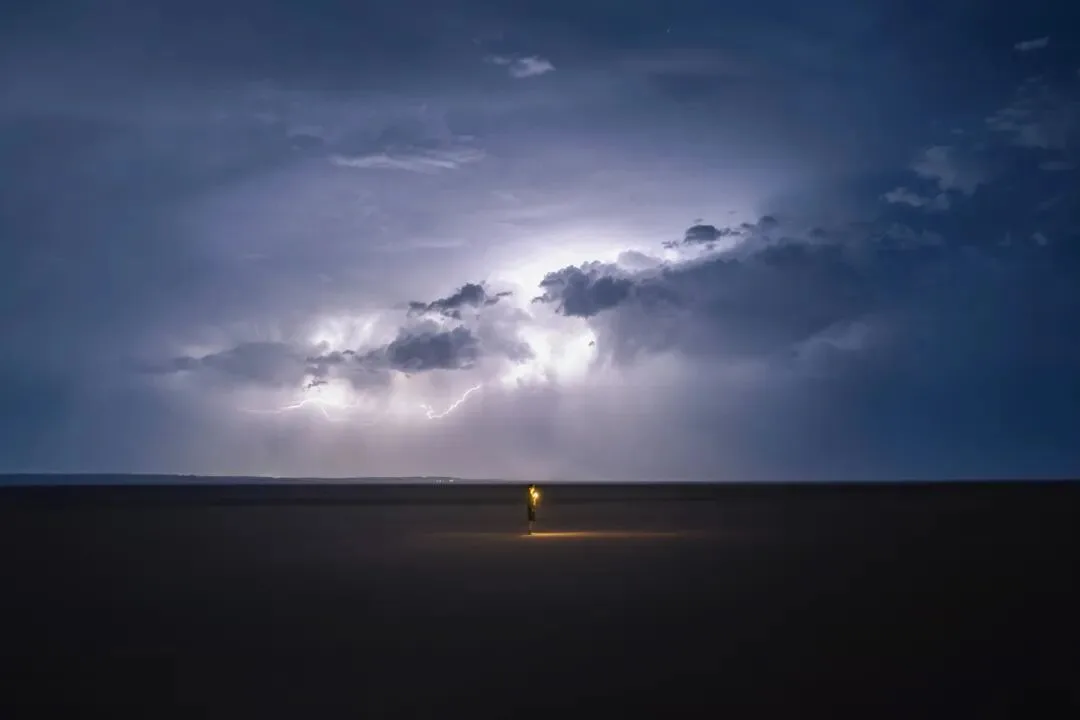
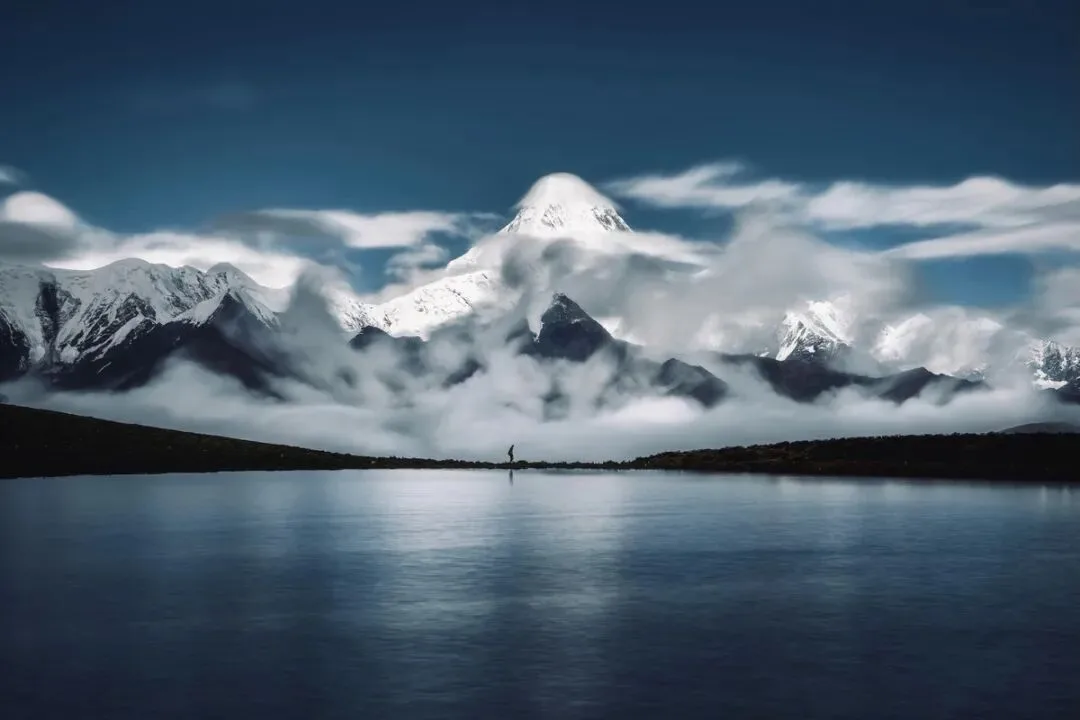
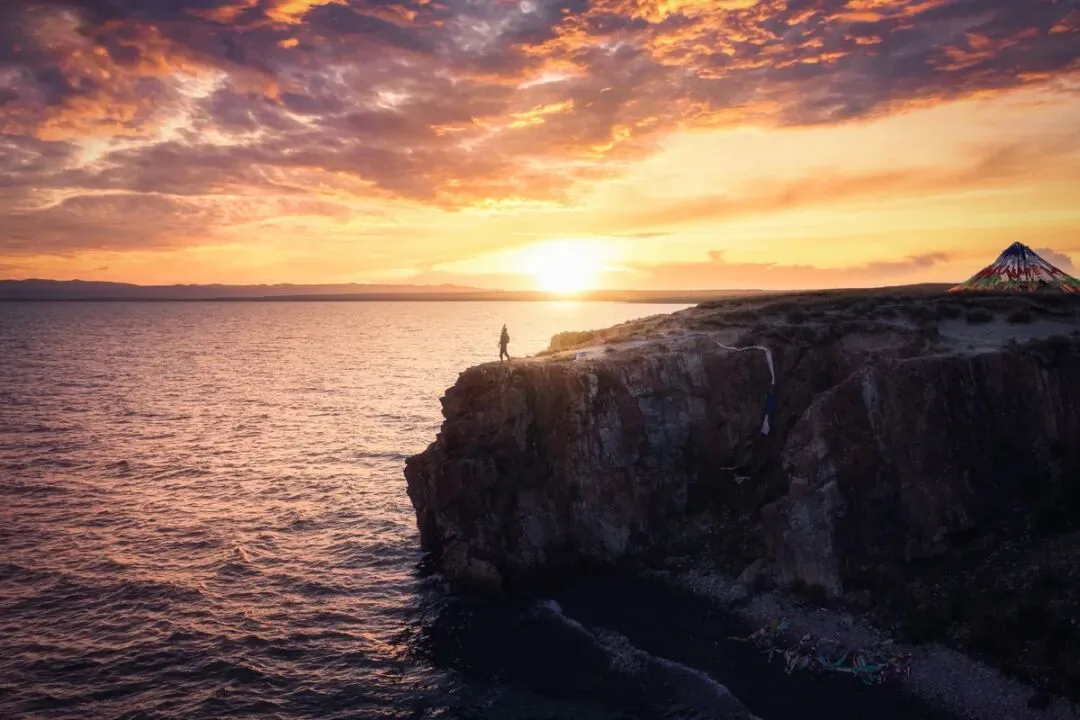
Winner: Photographer Tang Bohong (摄影师唐柏鸿)
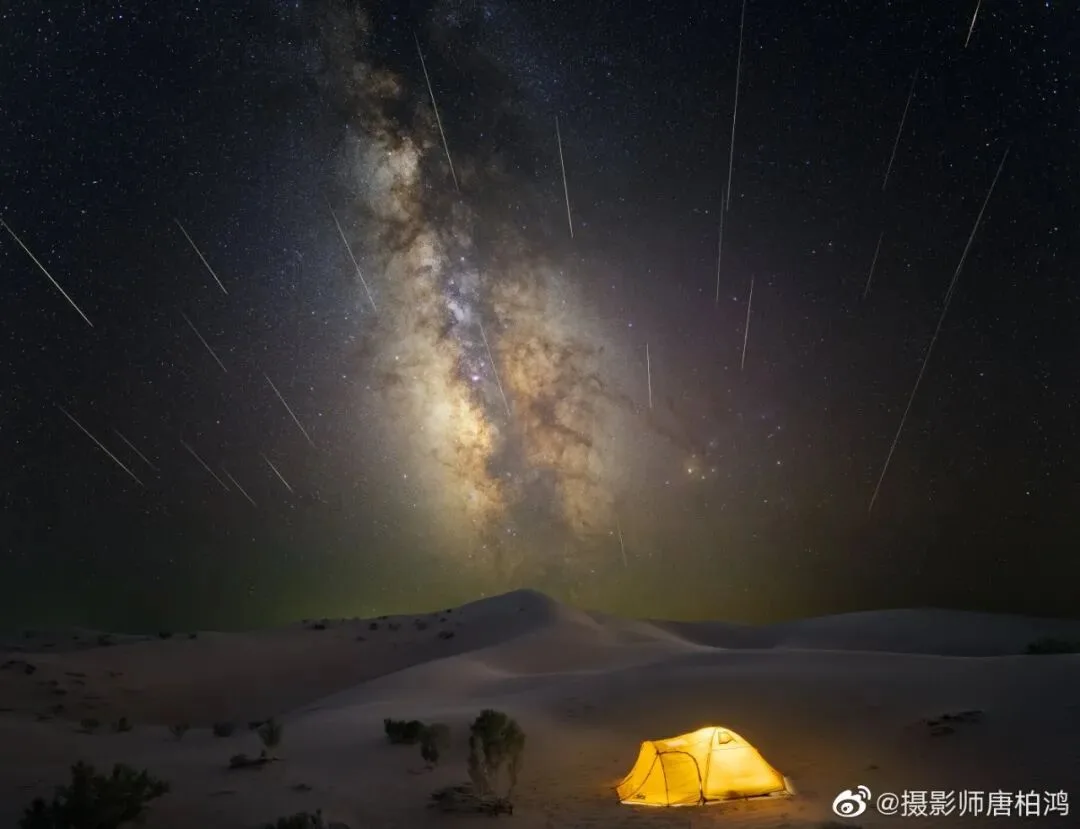
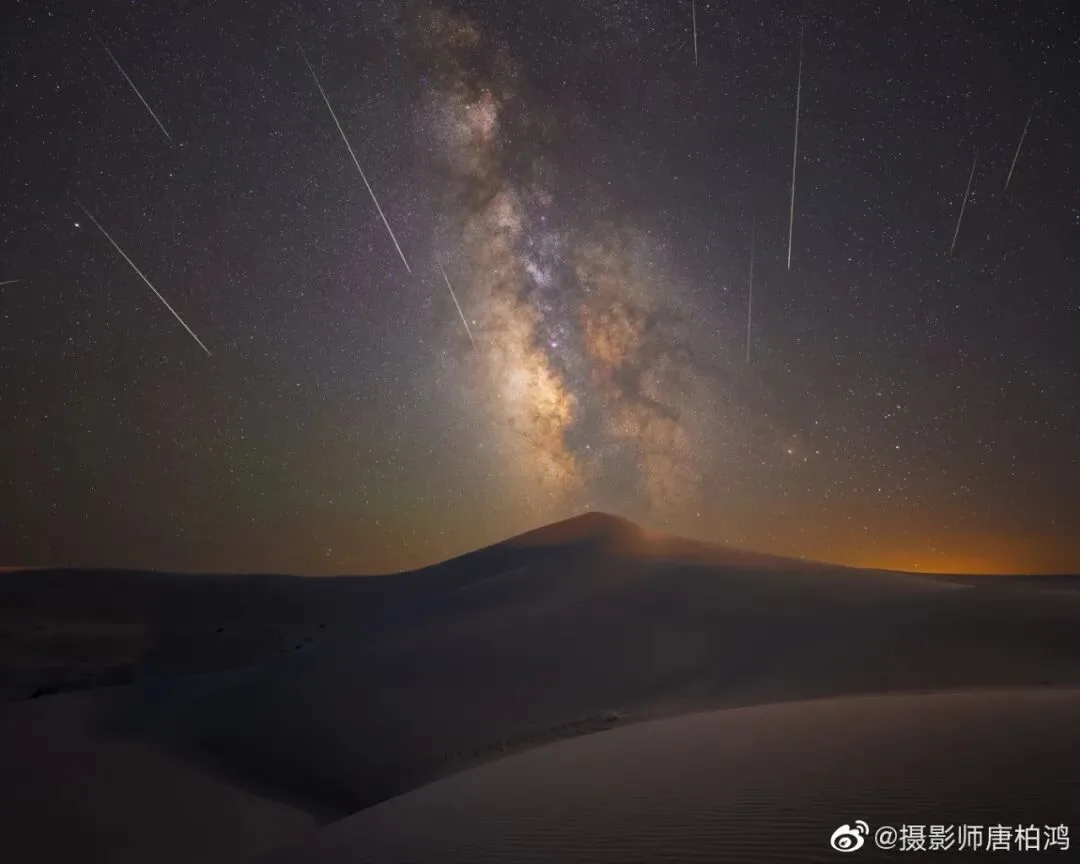
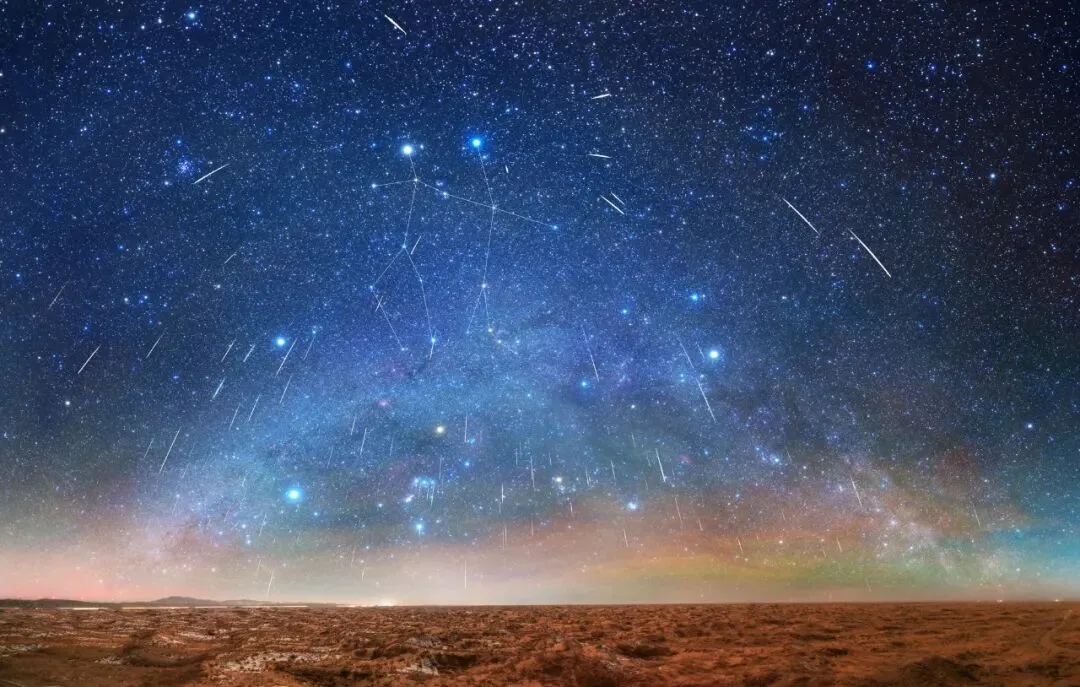
Winner: Add More Cilantro (多加点r香菜)
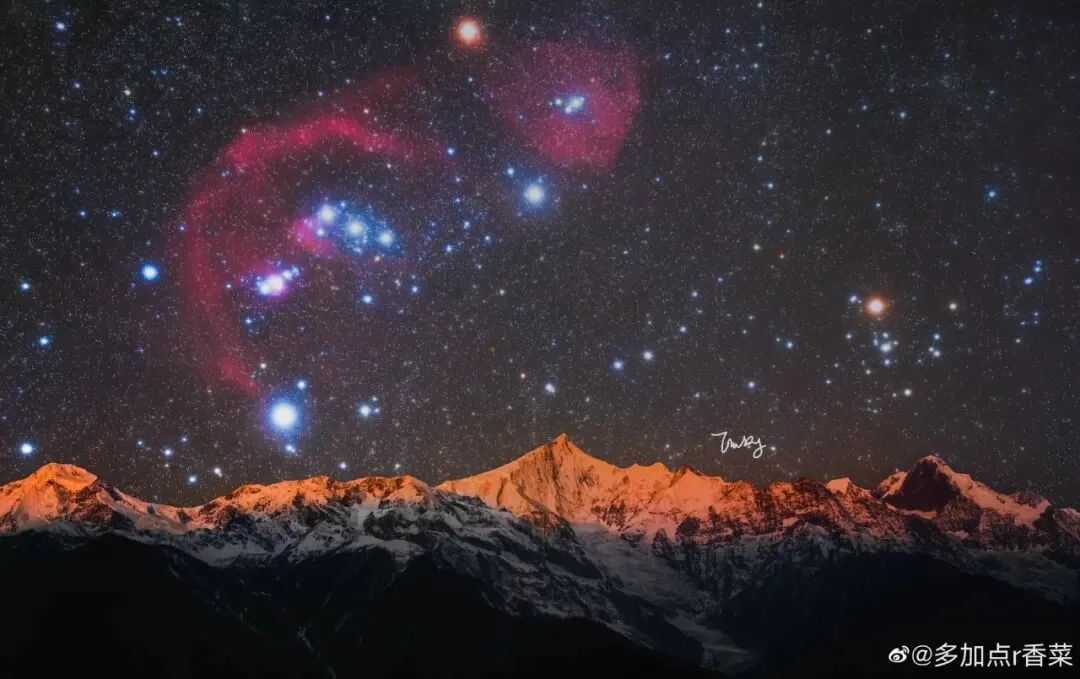
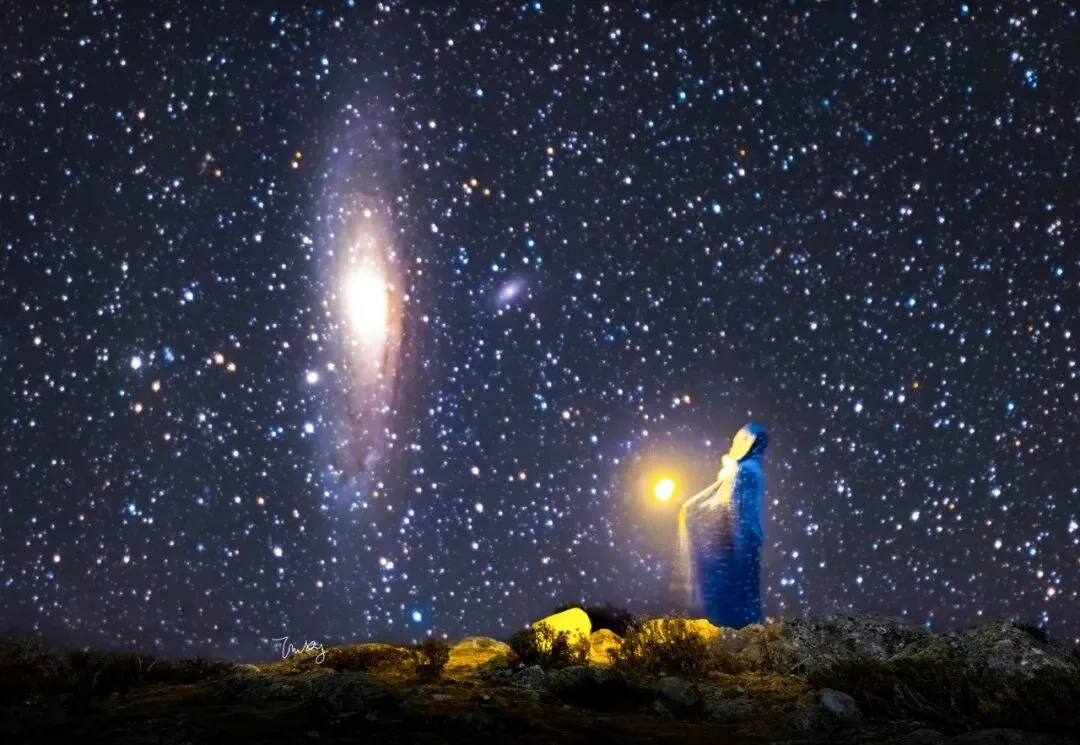
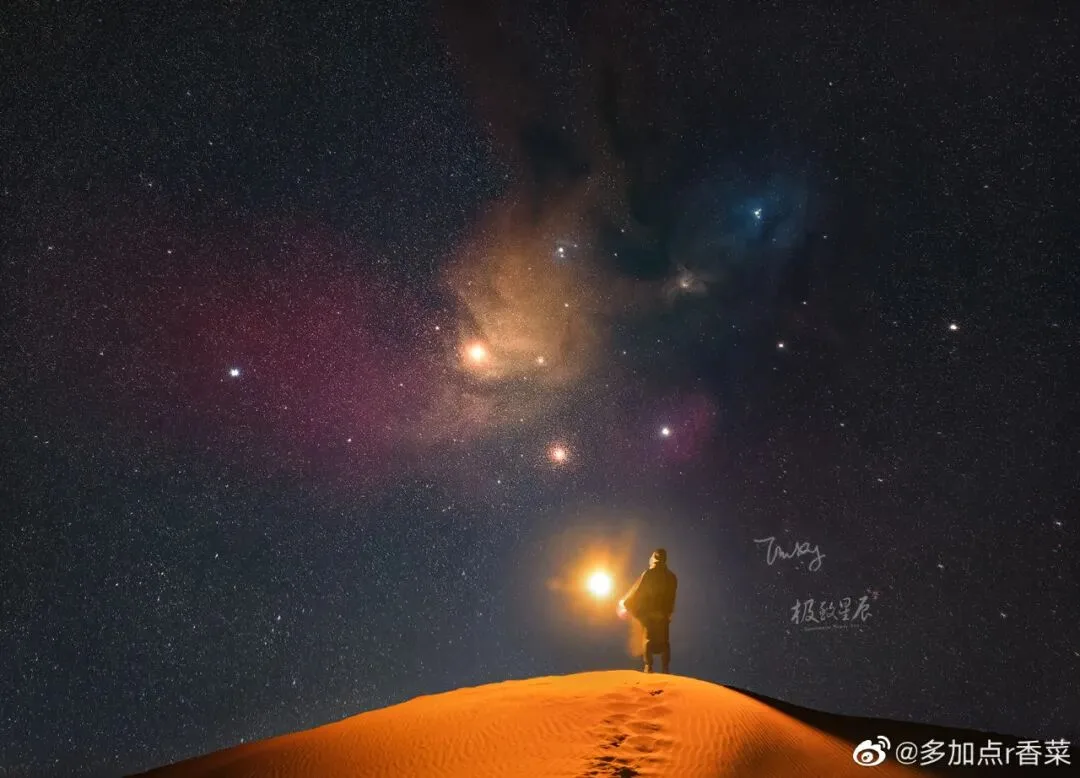
Winner: Snow on a Hot Blanket (热毛毯上的雪)
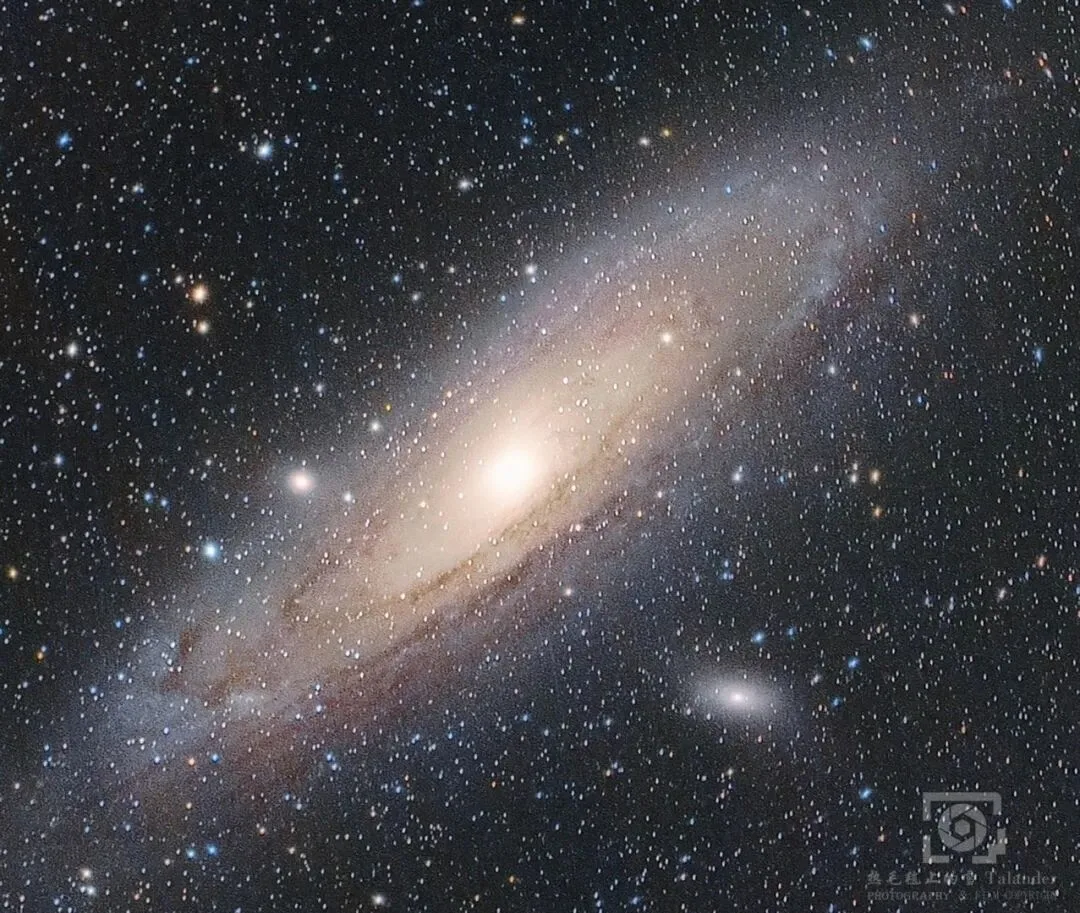
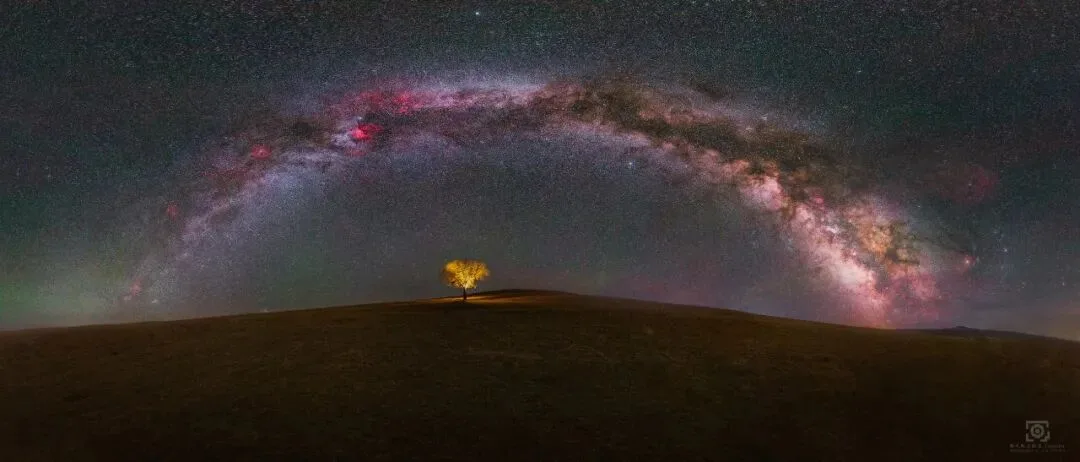
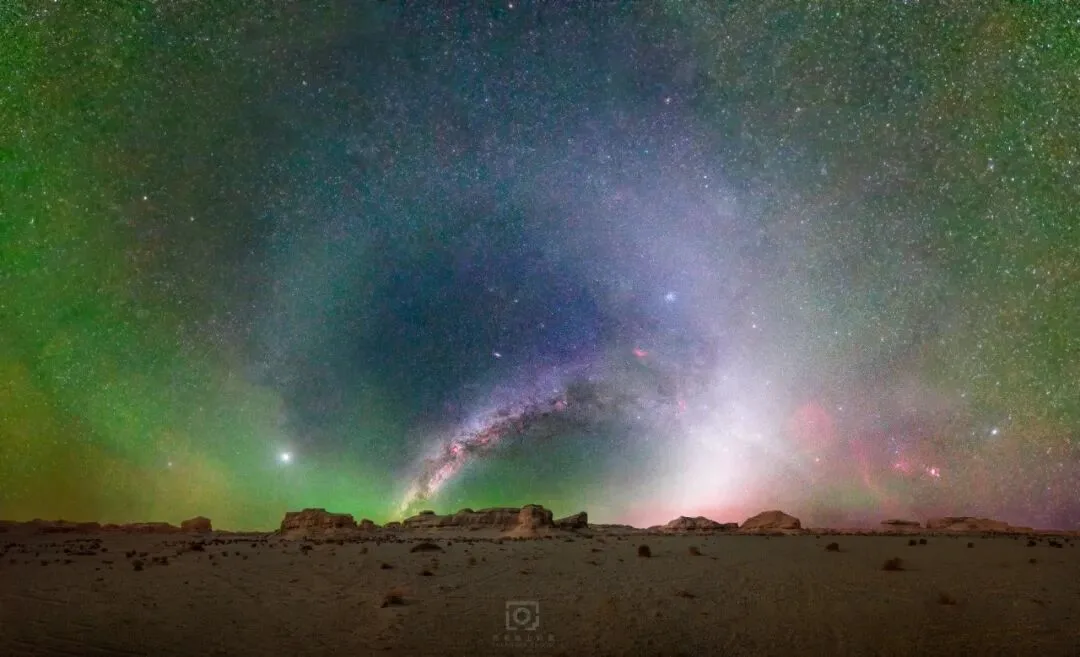
Winner: 90 Degrees North Latitude (北纬90度)
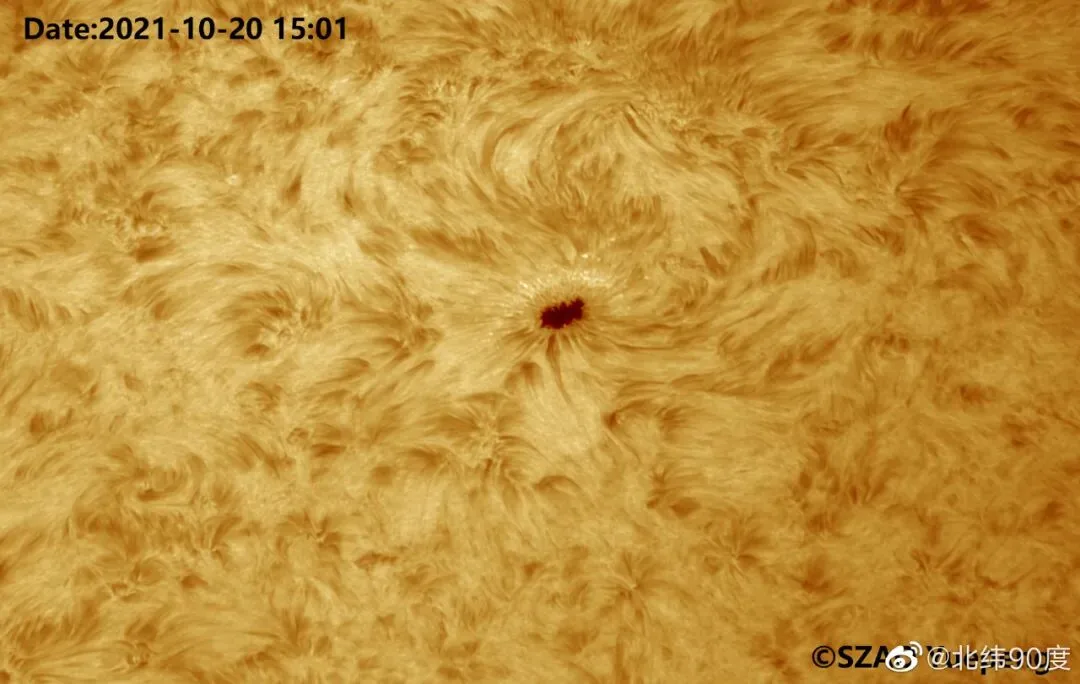
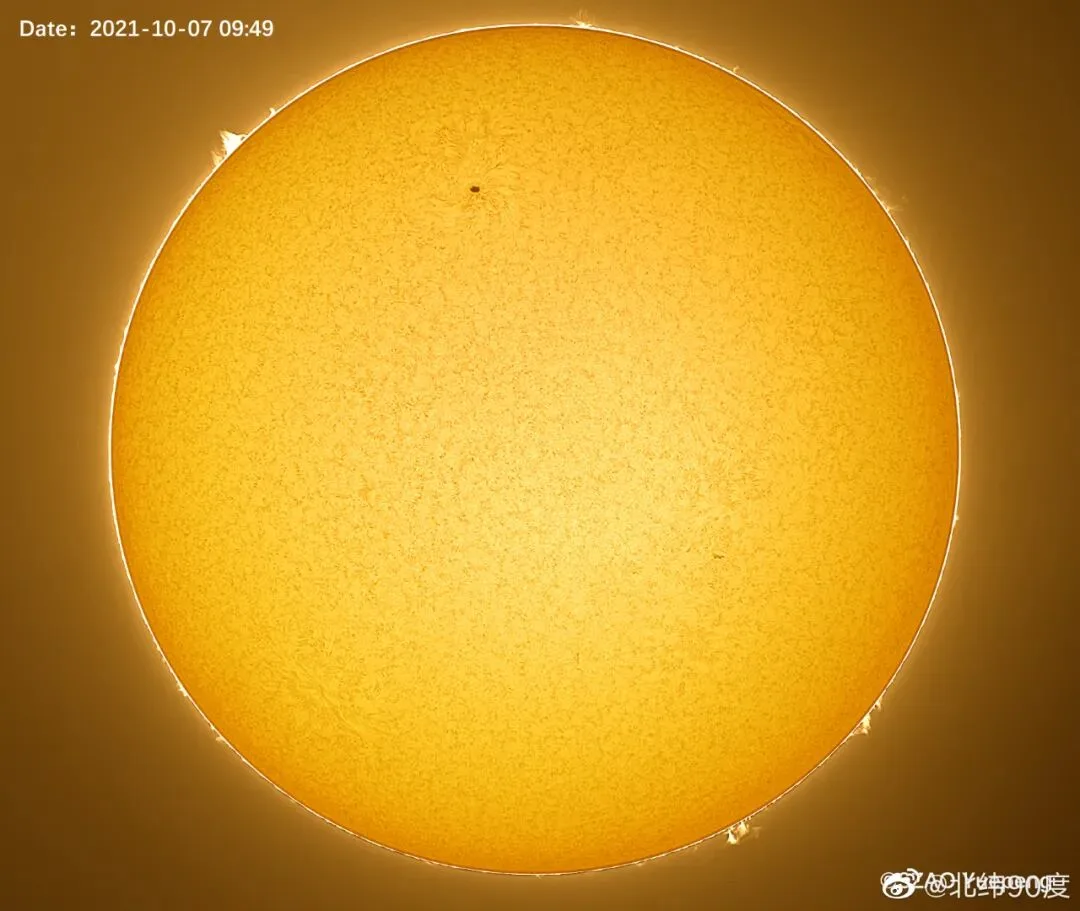
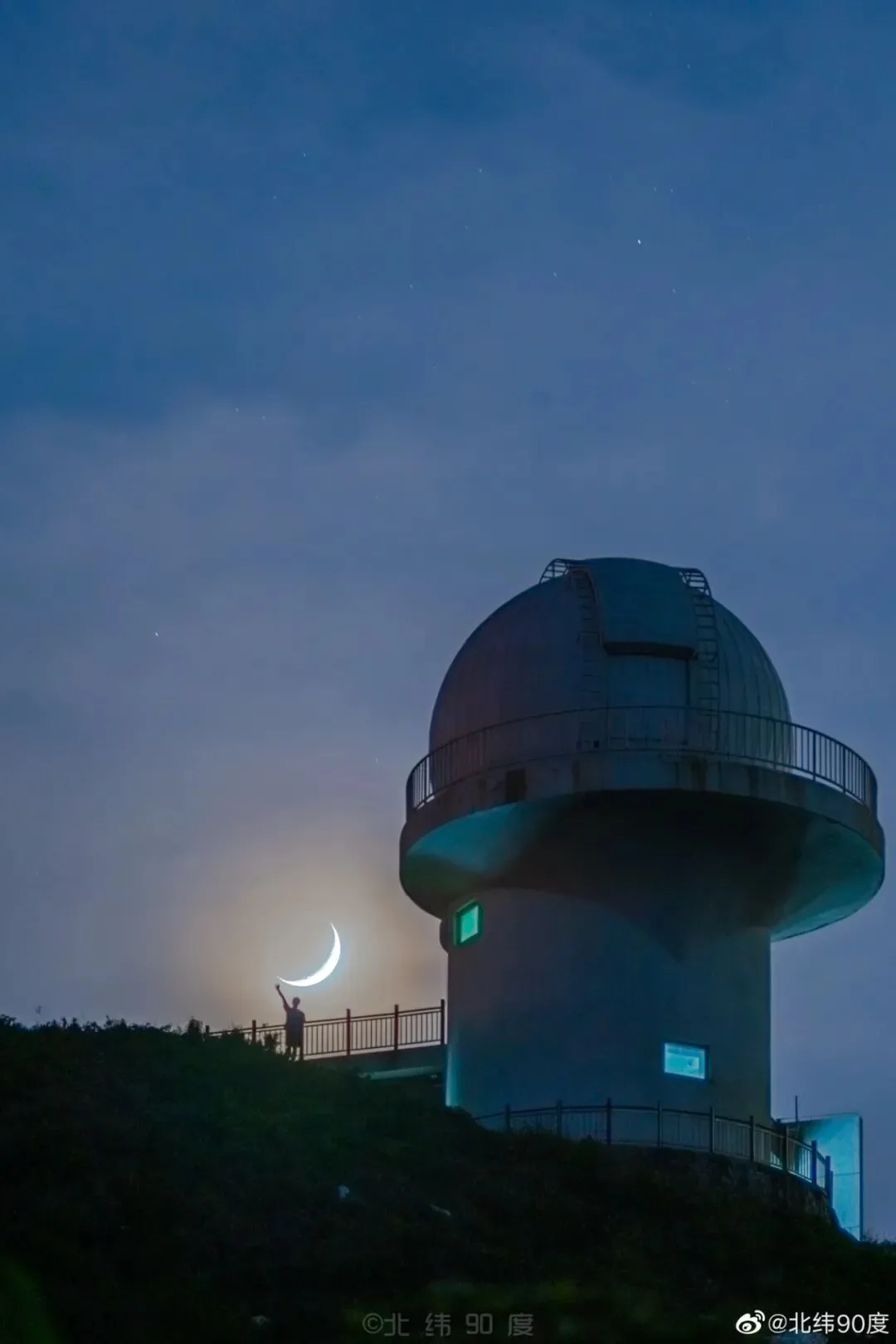
Prize:
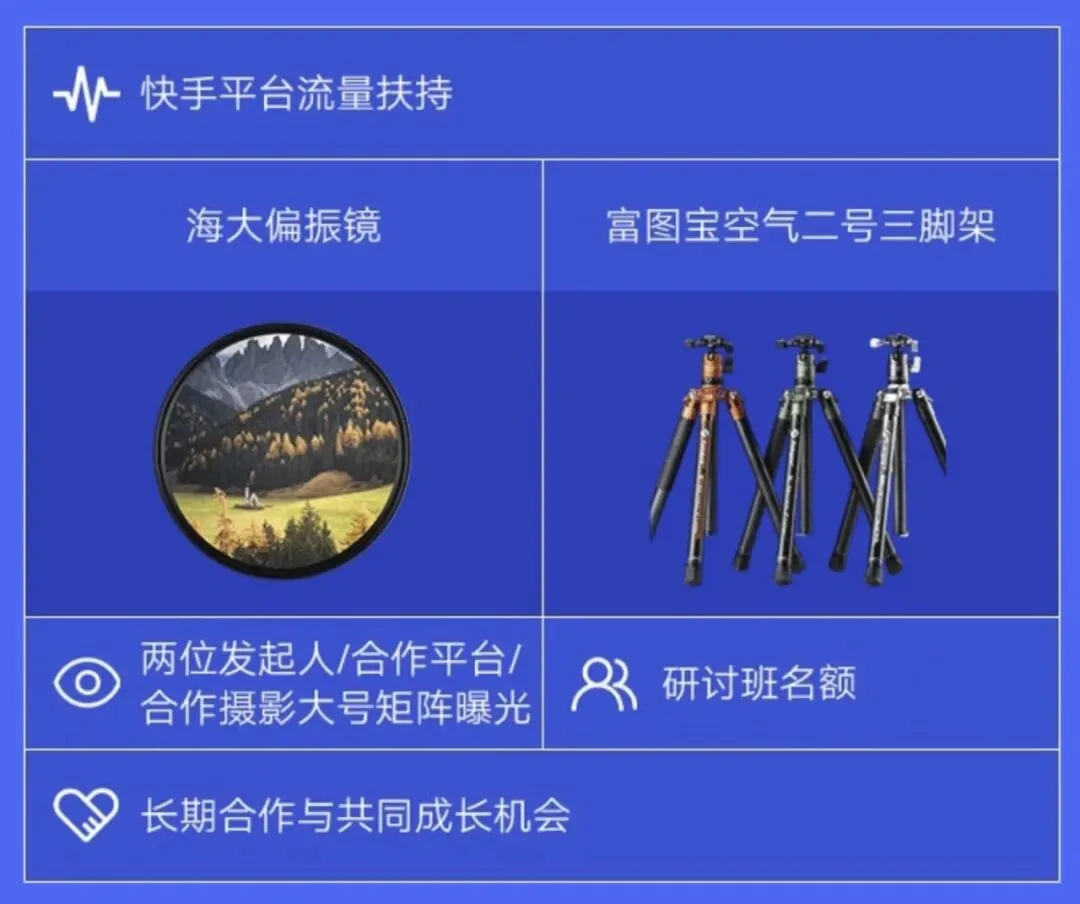
Finally, congratulations once again to all the winners, and thank you to every participant for your support.
Afterwards, we'll successively release these winners' creation interviews, work album showcases, interactive Q&A, and more. Everyone, please stay tuned.
If you're particularly interested in a certain group of works or a certain photographer, and have any questions for the photographers or judges, you're also welcome to leave comments below!